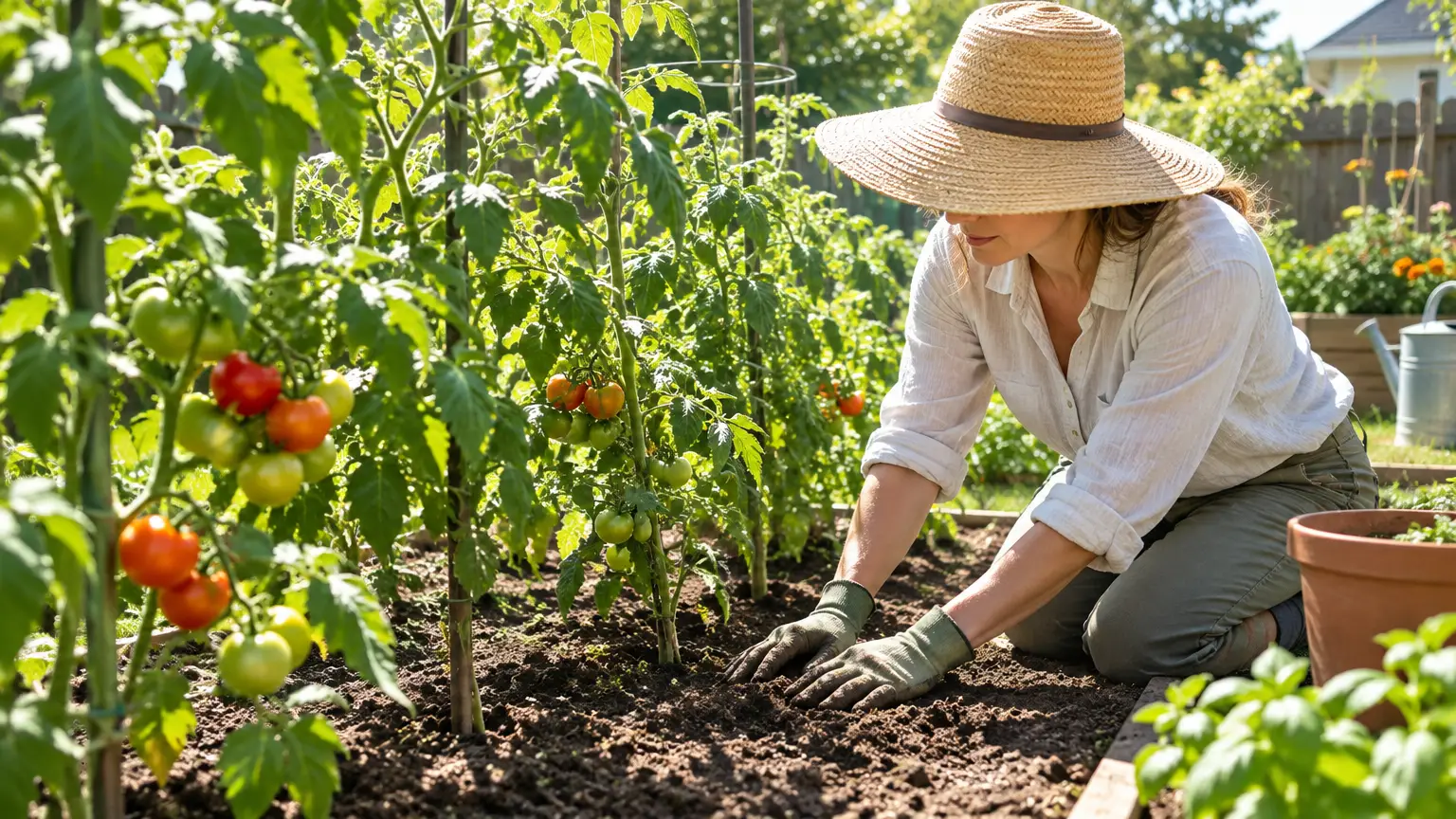

A balcony garden can look simple from the outside. A few pots, herbs, recycled containers, and bags of soil may not seem powerful. Yet this small green space can teach real lessons about money, planning, patience, and value.
Growing on a budget is not only about cheap seeds or discount planters. It is about using limited resources with care. The same thinking works in personal finance. Every choice has a cost, every delay has a result, and every small habit can grow.
Why a Balcony Garden Is a Lesson in Budgeting
A balcony garden starts with limits. There is limited space, sunlight, storage, and money. These limits do not ruin the project. They shape smarter decisions.
Managing money works in the same way. A budget is not a punishment. It is a practical guide that helps people choose what matters most. When resources are limited, priorities become clearer.
A small-space garden also shows why planning matters. Buying every attractive plant at once can waste money fast. Some plants need more care, more water, or larger containers. Without research, the balcony becomes crowded and expensive.
Personal finance follows the same pattern. Spending without a plan may feel easy at first. Later, bills, debt, and stress start to crowd the budget.
A balcony gardener starts with learning rather than action, understanding what can grow in a limited space, how much light is available and how to plan within a small budget before moving to planting and adjusting based on results. The same learning path appears in financial management and accounting where theory explains money planning, control, and recording before practical implementation. As complexity increases some learners may need additional clarification and turn to accounting assignment help to support the transition from understanding to application. In both cases gradual learning and practice lead to more confident results over time.
Starting Small Reduces Waste
A beginner balcony gardener does not need a full set of tools. A few containers, good soil, and easy plants are enough. Herbs, lettuce, tomatoes, and peppers often suit small spaces well.
This approach mirrors healthy money habits. Starting small protects the budget from regret. A person who tracks simple expenses first can build confidence before managing bigger goals.
Small starts also reveal what works. Some plants grow well in shade. Others struggle without full sun. Testing before investing saves money and energy.
The same idea applies to subscriptions, grocery routines, savings plans, and home projects. A trial period often teaches more than a big purchase.
Smart Spending Begins Before Buying
A balcony garden rewards preparation. Before buying seeds, soil, or pots, the gardener needs to understand the space. Sunlight, wind, drainage, and watering access all matter.
Budgeting also begins before spending. A smart financial choice asks a few basic questions. Is this purchase useful? Will it last? Does it fit the current budget? Could a simpler option work?
Many people overspend because they shop with emotion. Garden centers make this easy. Bright flowers, glossy leaves, and stylish planters can create instant desire.
A budget-focused gardener slows down and compares options. That habit can carry into daily money management.
Useful balcony gardening choices often include:
- choosing plants that match the local climate;
- reusing buckets, jars, crates, or old containers;
- buying soil in a size that fits the actual space;
- selecting multi-use tools instead of decorative extras;
- growing herbs that replace frequent grocery purchases.
These simple choices reduce waste without removing enjoyment. They also show how frugal living can feel creative, not restrictive.
Cost Versus Value Matters
The cheapest option is not always the best one. Poor soil can lead to weak roots. Fragile containers may crack after one season. Low-quality tools can break quickly.
Managing money requires the same balance. A low price may look good, but long-term value matters more. Spending slightly more on something durable can protect the budget later.
Balcony gardening teaches this lesson in a visible way. A healthy plant keeps producing leaves, flowers, or vegetables. A weak setup needs constant repair.
Good budgeting is not about spending nothing. It is about spending with purpose.
Patience Turns Small Efforts Into Results
A balcony garden does not reward impatience. Seeds need time. Roots grow before leaves appear. A plant may look still for days while important growth happens below the soil.
Money habits work in a similar rhythm. Savings, debt reduction, and financial stability often grow slowly. The results may not look dramatic at first.
This can feel discouraging. Yet steady effort matters more than quick excitement. A small weekly saving habit can become meaningful over months. A careful grocery plan can free up cash without major sacrifice.
The balcony makes patience easier to understand. A gardener sees the process every day. Watering, pruning, and checking the soil create trust in gradual progress.
Small Returns Still Count
A handful of basil or a few cherry tomatoes may not replace a full grocery trip. Still, those small returns matter. They reduce spending, add freshness, and build confidence.
Personal finance often improves in the same way. One reduced bill may not transform life. One skipped impulse purchase may seem minor. Over time, these decisions create breathing room.
The value is not only financial. A balcony garden can reduce stress, support healthier meals, and make a rented space feel personal. Good money management can offer similar emotional benefits.
Mistakes Become Affordable Lessons

Every balcony garden has failures. Seeds may not sprout. Leaves may turn yellow. A plant may suffer from too much water, too little light, or crowded roots.
These mistakes can be frustrating, but they teach quickly. A small failed plant costs less than a large failed project. That makes balcony gardening a safe place to learn.
Money management also benefits from low-risk learning. Small mistakes reveal habits before they become serious problems. Overspending on one weekend is easier to fix than months of unpaid bills.
A simple review process can help both gardeners and budget planners.
- Notice What Went Wrong.
- Look For The Cause.
- Adjust The Plan.
- Keep The Lesson For Next Time.
This method keeps failure from becoming shameful. It turns each problem into useful information.
Tracking Helps Growth
A garden journal can record planting dates, watering patterns, sunlight changes, and harvest results. This small habit helps explain success and failure.
A spending log works the same way. It shows where money goes, not where people think it goes. That difference can be surprising.
Tracking does not need to be complex. A notebook, spreadsheet, or budgeting app can work. The goal is awareness, not perfection.
Resourcefulness Makes a Budget Stronger
Balcony gardening often depends on creativity. A small shelf becomes a plant stand. An old tin becomes a herb pot. Kitchen scraps can turn into simple compost.
Resourcefulness is also a strong financial skill. It helps people solve problems without reaching for a credit card first. It encourages repair, reuse, borrowing, sharing, and planning.
A resourceful person does not see a tight budget as the end of comfort. Instead, it becomes a reason to think more carefully.
Practical money habits inspired by balcony gardening include:
- meal planning around herbs, greens, and seasonal produce;
- repairing household items before replacing them;
- comparing prices before buying supplies;
- avoiding trends that do not fit real needs;
- setting aside small savings for future upgrades.
These habits support financial wellness without demanding a perfect lifestyle. They also make daily choices feel more intentional.
Space Limits Can Improve Decisions
A balcony cannot hold everything. Too many pots block movement and reduce sunlight. A crowded setup becomes harder to maintain.
A budget has similar limits. Too many financial goals at once can create stress. Saving, investing, paying debt, and handling bills all need attention.
Clear limits help people choose. One goal can come first, while others wait. This order makes progress more realistic.
Budget Gardening Builds Long-Term Thinking
Growing food on a balcony changes how people view consumption. A store-bought herb bunch may seem ordinary. After growing herbs, the same bunch feels different. It reflects water, soil, time, sunlight, and care.
That shift can affect spending habits. Products no longer appear as simple objects. They carry labor, resources, and opportunity costs.
Long-term thinking is one of the strongest lessons from budget gardening. A plant may need support before it produces anything. A financial goal may need months of steady attention before results appear.
The mindset becomes practical and calm. Instead of chasing instant rewards, people learn to build systems.
A Simple System Beats Random Effort
Balcony gardens work best with routines. Watering at random can harm plants. Forgetting to check pests may ruin weeks of growth. Consistency protects the harvest.
Money management also needs a system. Random saving rarely works for long. Casual spending limits often fail during stressful weeks.
A basic system may include:
- a monthly budget review;
- a weekly grocery plan;
- an automatic savings transfer;
- a limit for nonessential purchases;
- a small emergency fund goal.
Once a system exists, decisions become easier. The person no longer starts from zero every week.
Final Thoughts
A balcony garden may be small, but its lessons can be surprisingly large. It teaches planning, patience, resourcefulness, and respect for limits. These same qualities support healthier money management.
Growing on a budget shows that progress does not require excess. A few careful choices can create value over time. The lesson is simple, but powerful: money grows best when attention, patience, and purpose guide each decision.