Broccoli only handles cool weather for a few weeks. Push past that window and the plant bolts, sending up bitter flowering stalks that never turn back into a head.
Timing matters more than soil or watering here. Most vegetables can handle a late start or an unexpected hot spell.
Broccoli usually can’t.
Plant it at the right time, and you get dense, heavy heads. Plant it too late and the whole row runs to flower before it forms anything worth eating.
Best Time to Plant Broccoli Based on Your Climate
Climate, not the calendar, should drive your planting decision.
Cooler regions with mild summers can often run both a spring and fall crop, while hot-summer climates usually do better skipping spring altogether and focusing on fall.
- Cool Coastal Climates: Spring and fall both work well.
- Hot Inland Summers: Fall planting only; spring usually bolts.
- Short-Season Northern Climates: Fall crop timing gets tight; prioritize spring.
- Mild Winter Regions: Broccoli can often overwinter as a true fall crop.
Match the crop to your regional pattern first, then fine-tune the exact start date.
Choosing the Right Broccoli Variety for Your Garden
Pick your variety based on your growing conditions, not just the seed packet photo.
| Variety | Best For | Head Size | Flavor Note |
|---|---|---|---|
| Packman | Quick spring turnaround | Medium, uniform | Mild, classic |
| Di Cicco | Continuous side-shoot harvest | Small-medium | Slightly sweet |
| Green Magic | Warmer spring climates | Medium-large | Mild |
| Waltham 29 | Cold, frosty falls | Large | Earthy, hearty |
| Purple Sprouting | Overwintering, long season | Small florets | Nutty, mild-sweet |
How to Plant and Grow Broccoli?
Getting broccoli off to a strong start has less to do with luck and more to do with a few basics done right.
Where to Plant Broccoli for Maximum Growth?
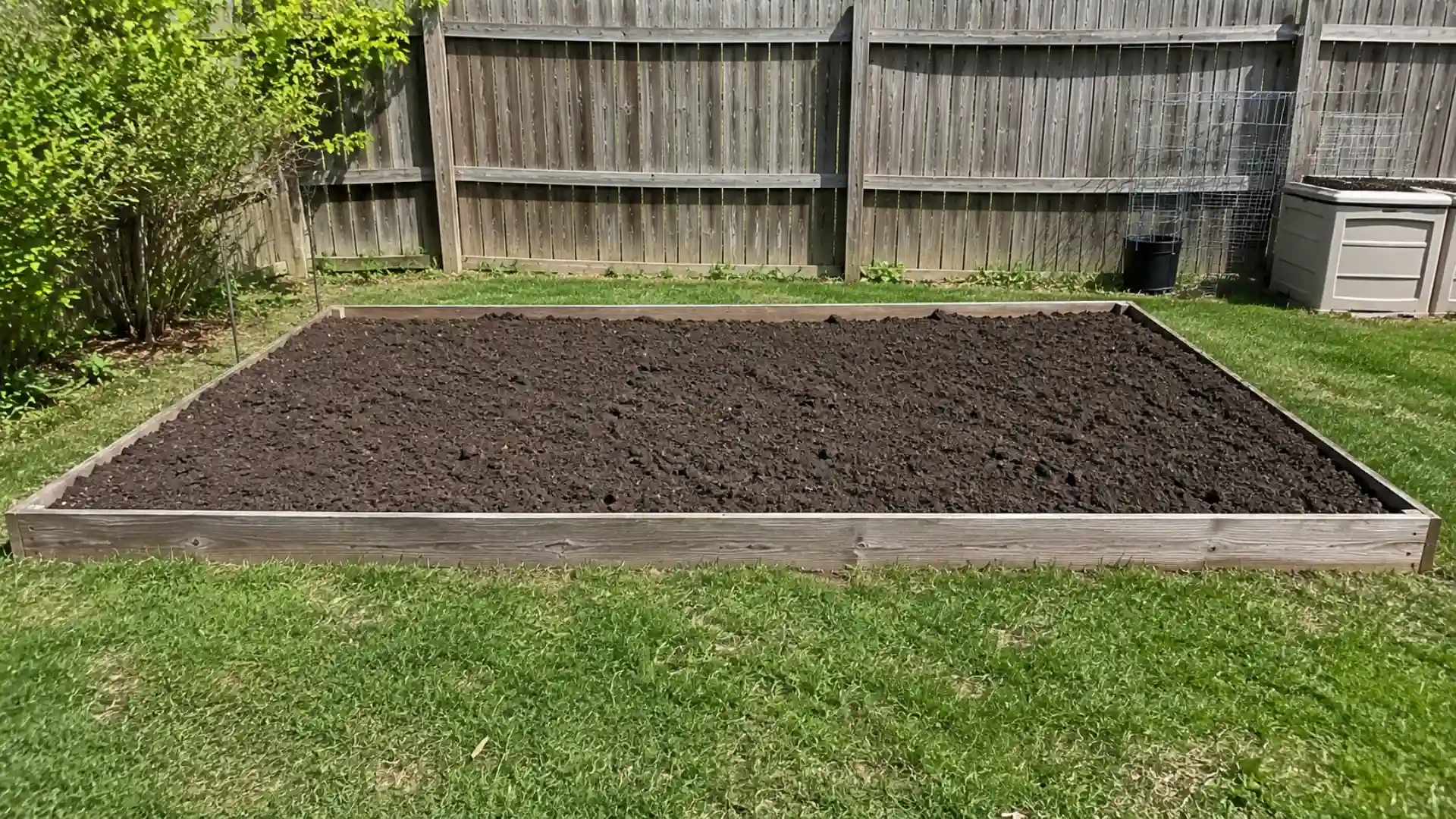
Pick a spot with full sun exposure, at least six hours daily.
Shade from trees or fences leads to leggy, weak growth. Open ground works better than tucked-in corners. Air movement matters too, since stagnant spots invite mildew. In hot climates, afternoon shade offers some relief.
Avoid low spots where water pools after rain.
A well-lit, breathable location sets the tone for the whole season.
Soil Preparation That Produces Bigger Broccoli Heads
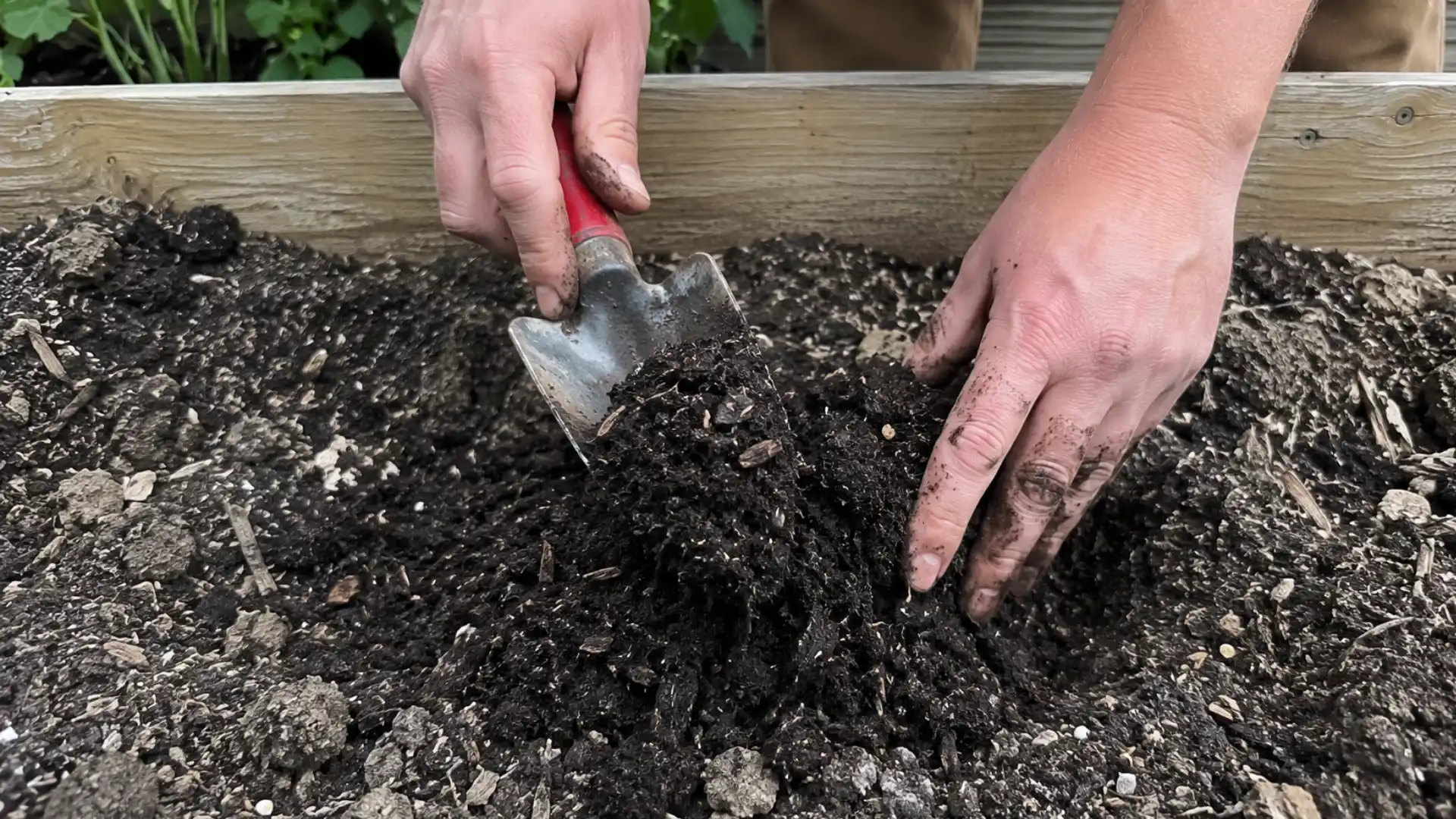
Work compost into the bed before planting, not after. Loose, crumbly soil lets roots spread wide and deep.
Heavy clay holds water and invites root rot. Sandy soil drains too fast and starves the plant of nutrients.
Aim for a balance, rich and well-draining. Test drainage by digging a small hole and watching how fast water clears.
Good prep now means fewer problems later.
Plant Seeds at the Right Depth
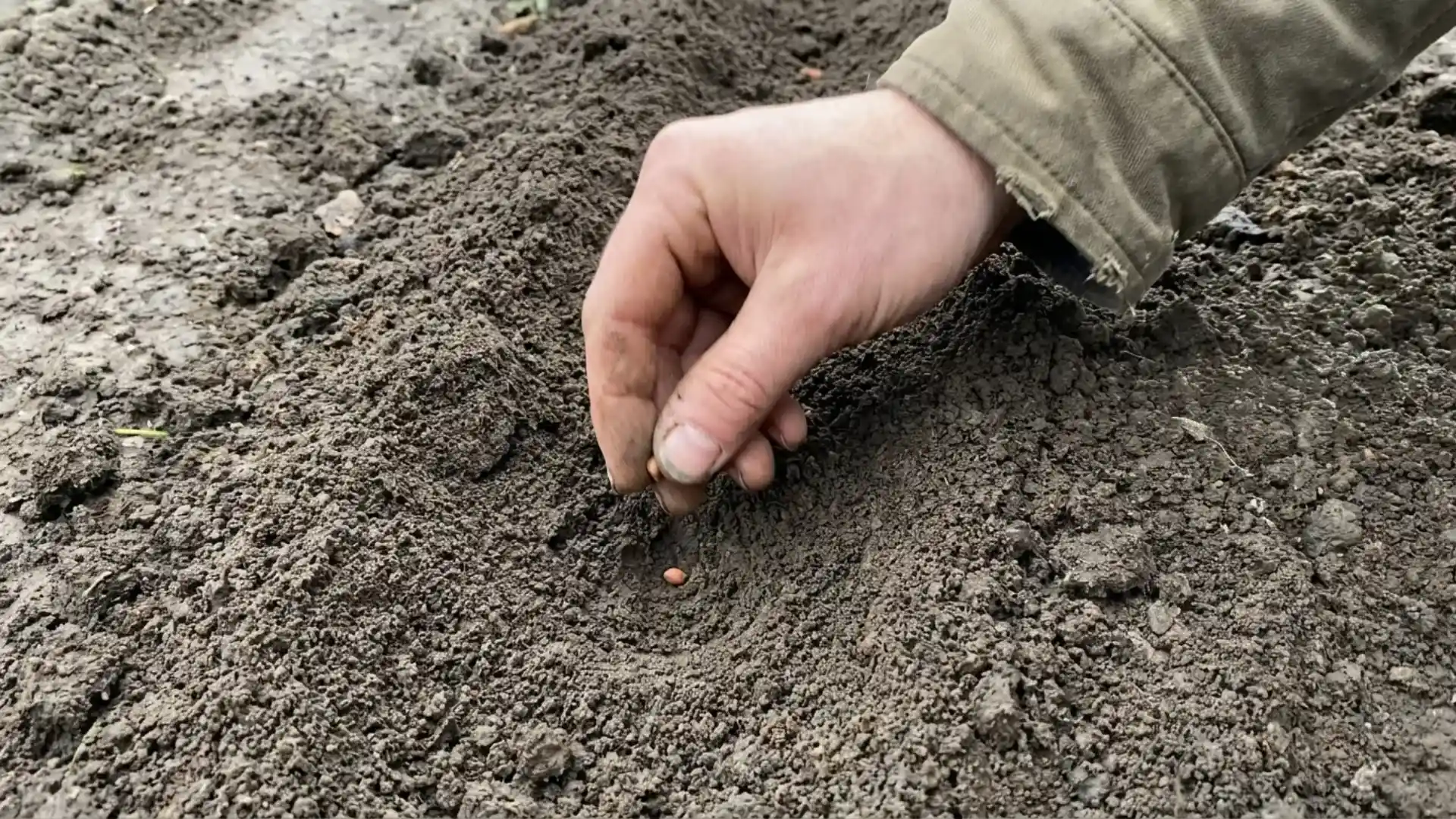
Sow seeds shallow, no more than half an inch deep. Too deep, and sprouts struggle to reach the surface.
Press soil gently over seeds instead of packing it tight.
Keep the surface moist until germination, usually within a week. Direct sowing works outdoors once soil has warmed. Indoors, trays give better control over depth and moisture.
The same depth and moisture rules apply when sowing seeds for other crops, so the habit carries over well beyond broccoli.
Small missteps here often show up as spotty germination.
Spacing Broccoli Correctly in Rows, Plants, and Containers
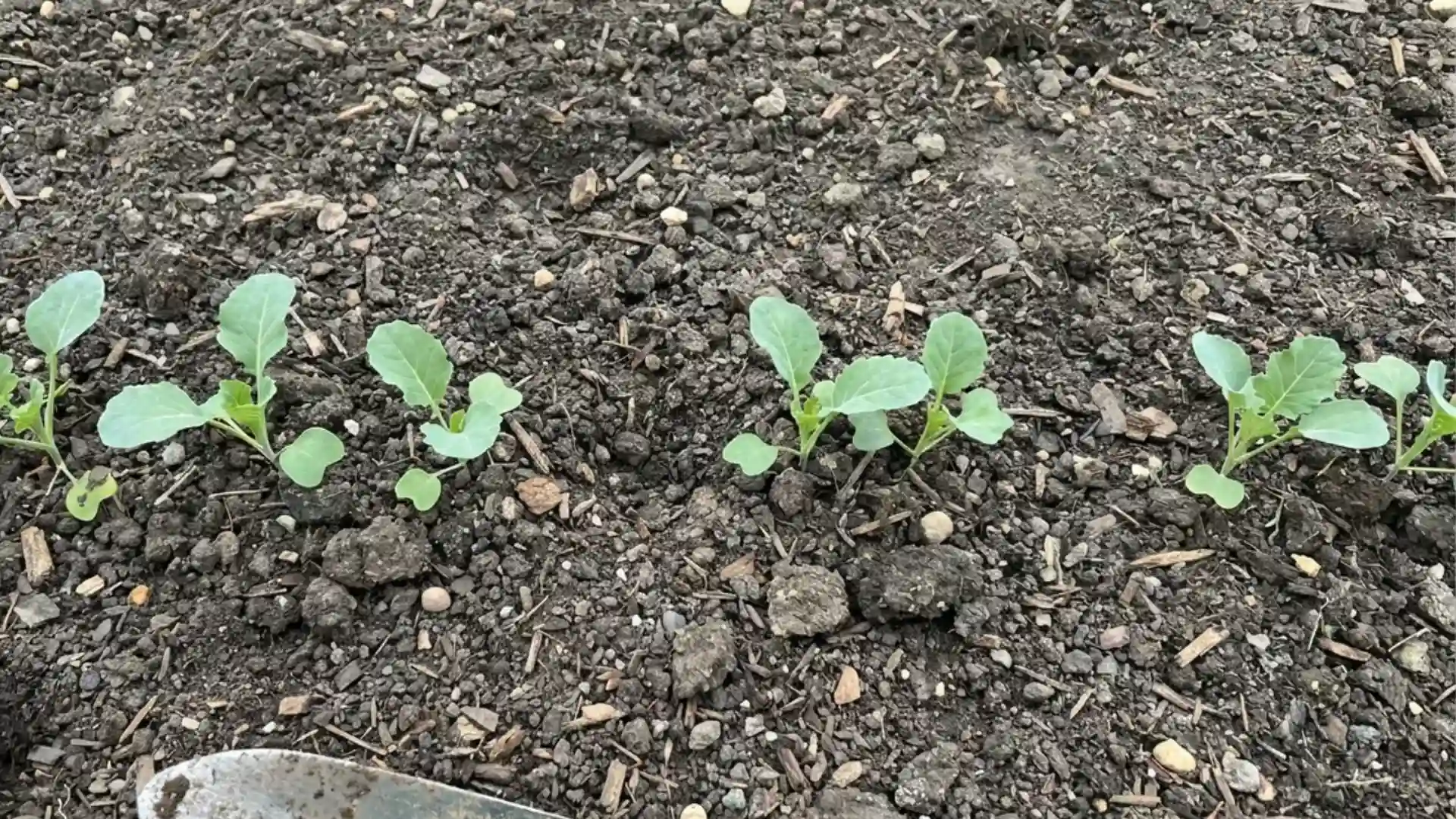
Space plants generously; crowding steals sunlight and airflow from every neighbor.
Tight spacing forces smaller, weaker heads across the whole bed. Rows need enough width for easy access without stepping on roots. Containers demand one plant each, never shared space.
Crowded roots compete underground long before it shows above soil.
Wider spacing costs some square footage but pays back in head size.
Harden Off and Transplant Outdoors
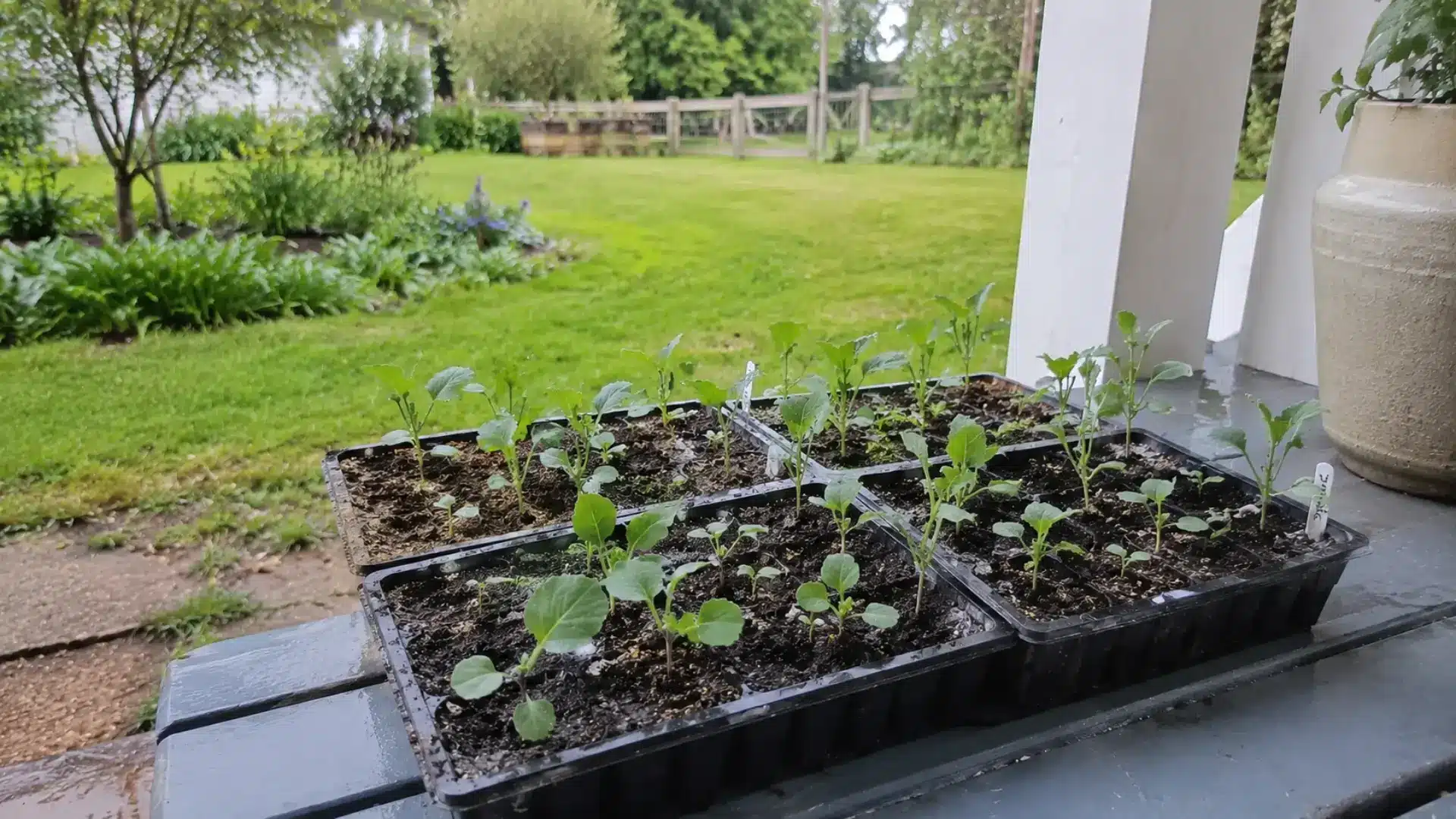
Toughen up indoor seedlings before the big move outside.
Set trays outdoors for short stretches, increasing time daily.
Start in shade, then gradually introduce direct sun. Wind and temperature swings stress unprepared seedlings fast. Transplant on a cloudy day or in early evening. Skipping this step often shocks plants and stalls growth.
A week of patience here prevents weeks of setbacks later.
Watering Broccoli the Right Way Throughout the Season
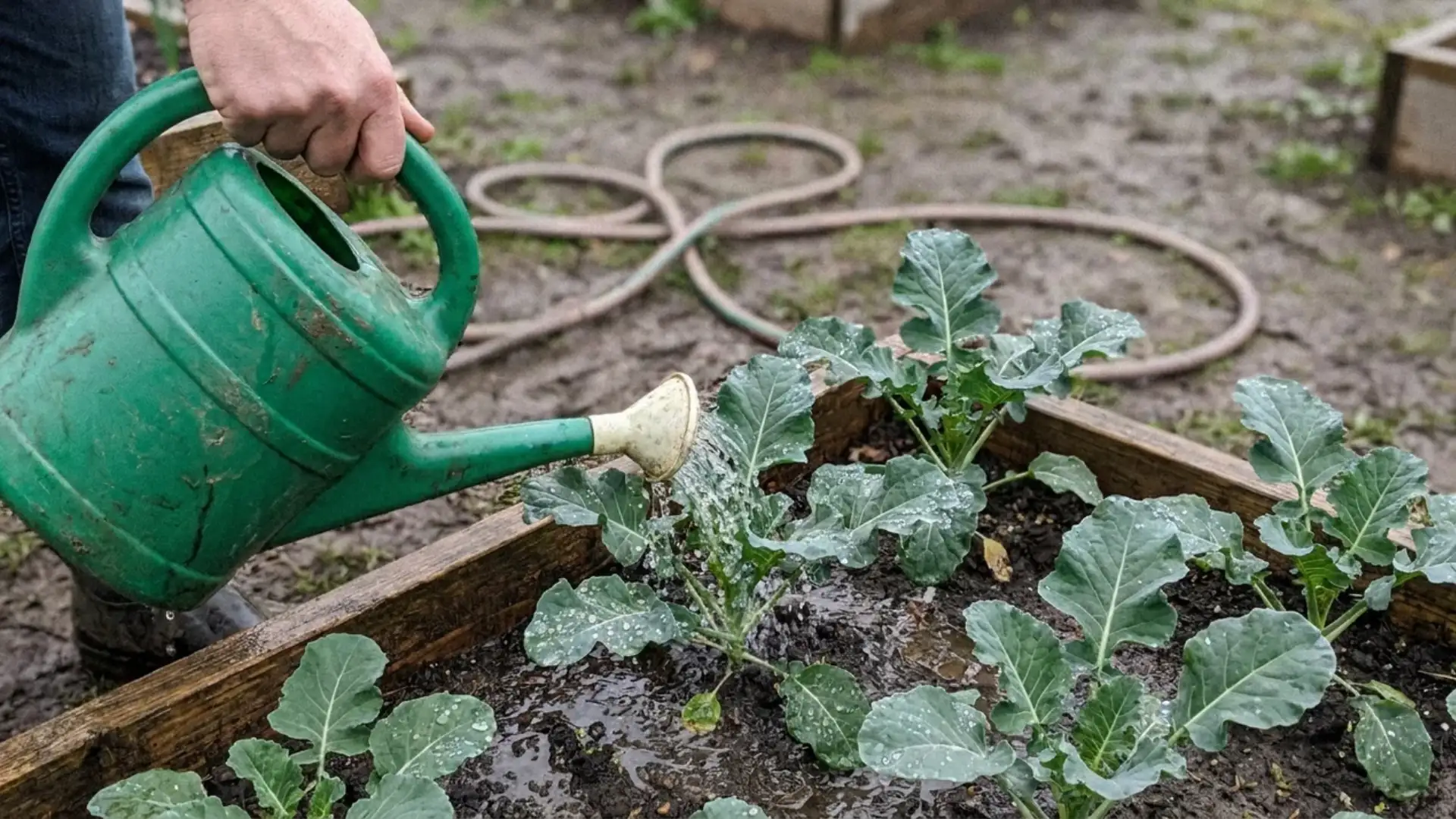
Water deeply at the base, never overhead. Wet leaves invite fungal problems fast.
Soil should stay evenly moist, never bone-dry or soggy. Inconsistent watering stresses plants and weakens developing heads.
Mulch helps hold moisture between waterings. Hot spells call for more frequent checks.
A steady rhythm beats occasional heavy soakings every time.
Fertilize for Strong Head Development
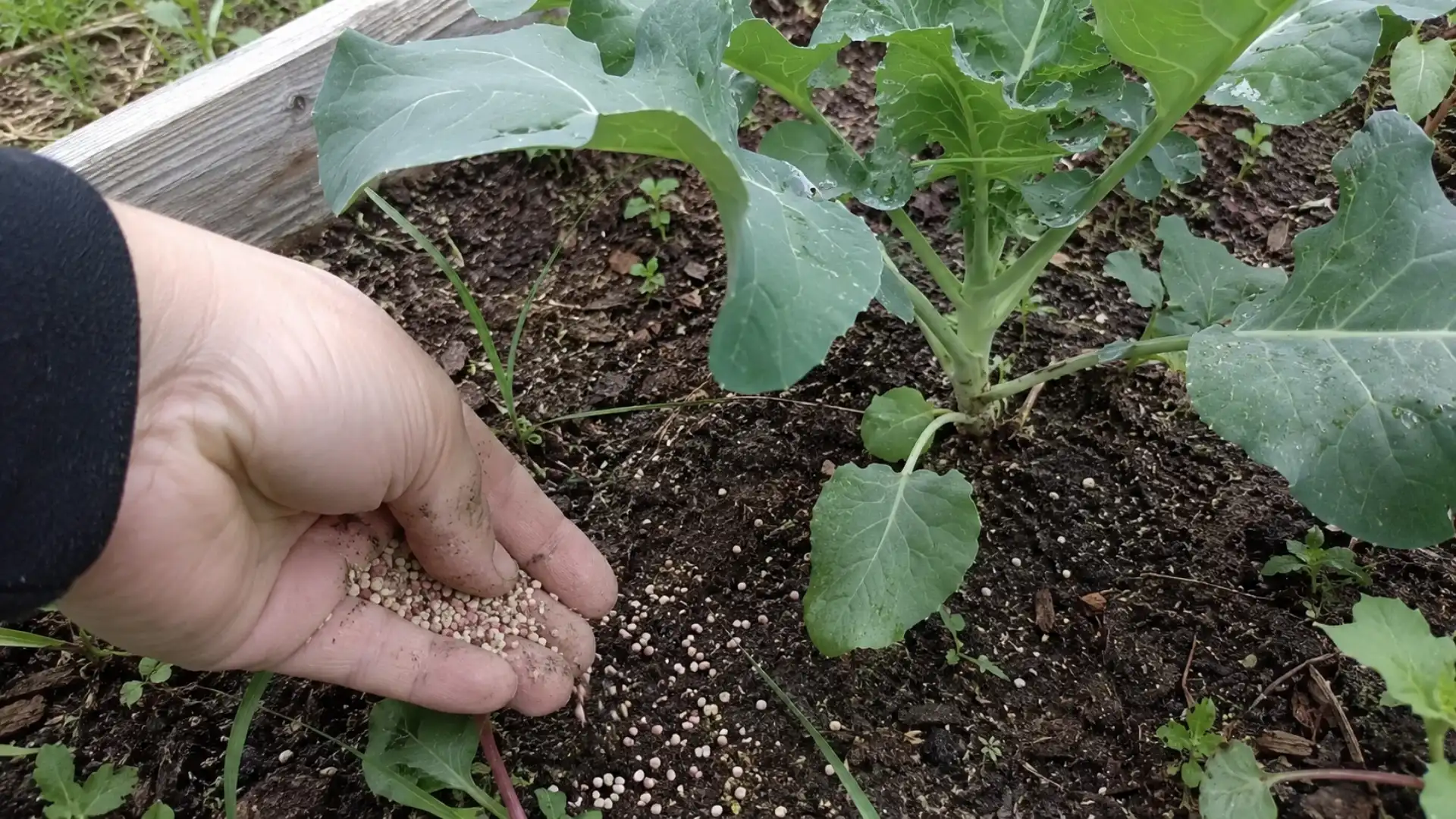
Feed plants once heads begin forming, not before.
Early nitrogen builds leafy growth, which is fine at that stage. Too much nitrogen later delays head formation instead of helping it. Side-dress with a balanced fertilizer as heads size up.
Consistent feeding avoids the stop-start growth that weakens plants.
Skipping this step often shows up as smaller, slower heads at harvest.
Ideal Growing Temperatures and Weather Conditions
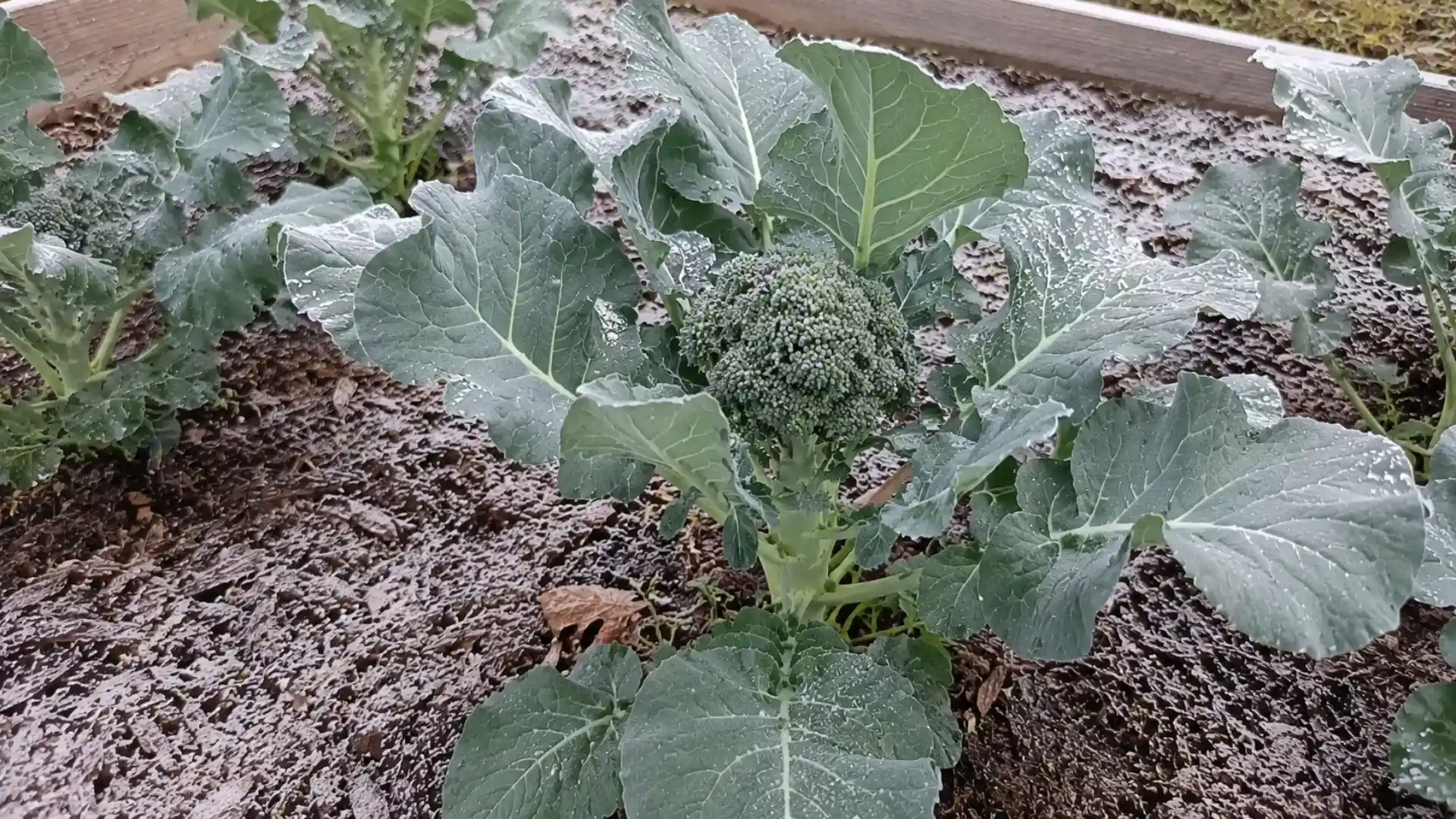
Broccoli favors cool weather, nothing extreme in either direction.
Sustained heat pushes plants toward early flowering and bitter heads. Cold snaps rarely bother established plants once they have hardened off. Watch weather swings closely as heads approach maturity.
Mulch buffers soil temperature during sudden hot spells. Shade cloth helps during unexpected heat waves.
Matching variety to your local climate avoids most temperature issues entirely.
Keep Up with Ongoing Care
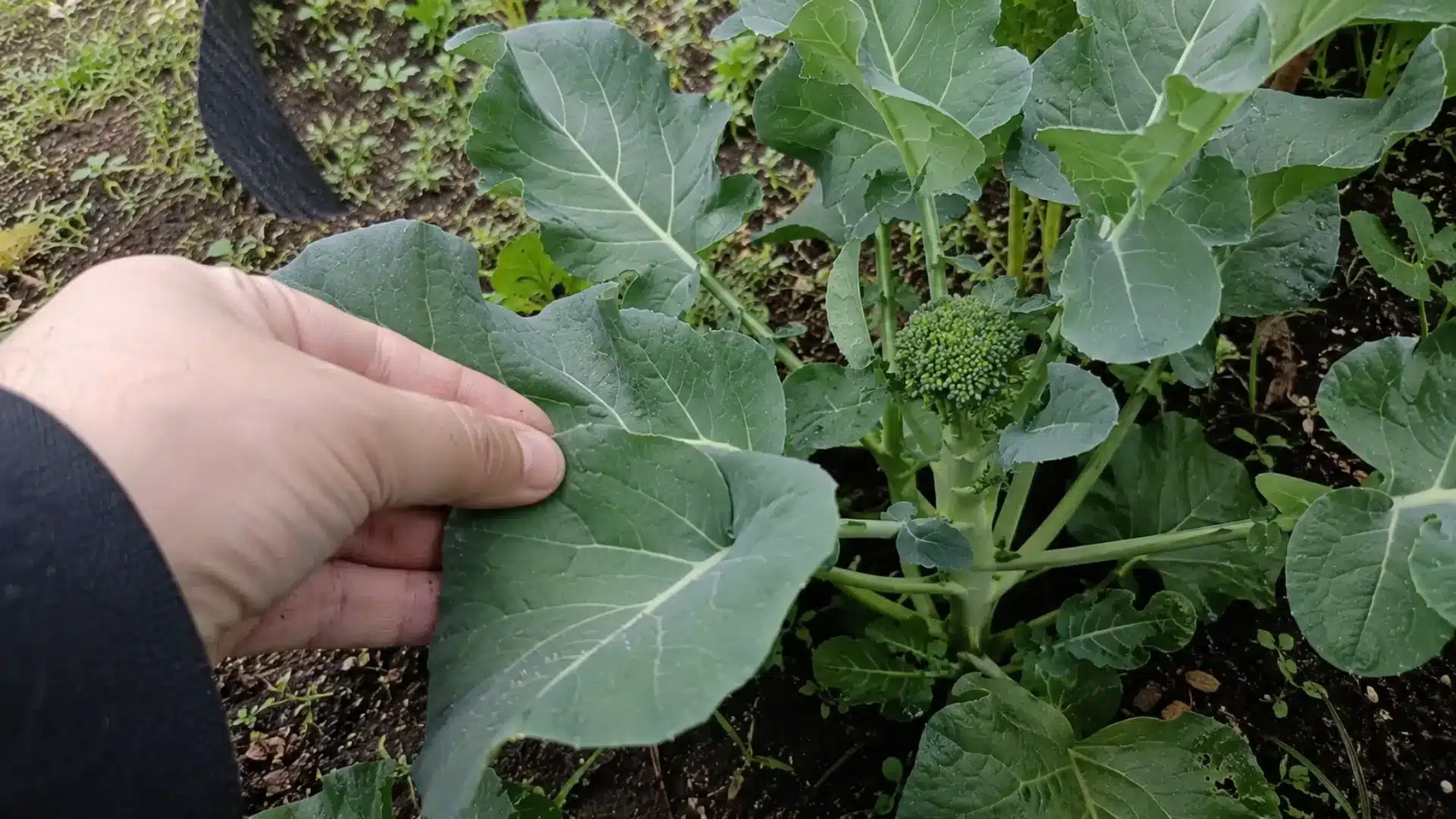
Check plants often, not just on watering days. Look for yellowing leaves, pests, or stalled growth.
Pull weeds early before they compete for nutrients. Small problems caught early rarely turn into big ones.
Consistency matters more than any single fix. A quick daily glance beats a thorough weekly overhaul.
Steady attention keeps heads developing without surprises at harvest time.
Start Seeds Indoors on the Right Timeline
Use small cells or trays, one seed per cell to start. Cover lightly, since broccoli seeds need minimal soil depth.
Place trays under strong light, at least 12 hours a day.
A sunny windowsill rarely provides enough intensity on its own.
Keep the mix moist, not soggy, to prevent damping off. Thin to one strong seedling per cell once true leaves appear. Rotate trays occasionally for even growth if using a single light source.
Weak, spindly stems usually mean insufficient light, not a timing problem.
A strong indoor start reduces stress during later transplanting.
Common Broccoli Pests and Safe Control Methods
Most broccoli problems trace back to a handful of repeat offenders, all manageable without heavy chemicals.
Getting familiar with what’s living in your soil beforehand makes it easier to tell a harmless organism from an early pest problem.
| Pest | Sign to Look For | Safe Control |
|---|---|---|
| Cabbage worms | Ragged leaf holes, green droppings | Bt spray, row covers |
| Aphids | Curled leaves, sticky residue | Water spray, insecticidal soap |
| Flea beetles | Pinholes in young leaves | Row covers early in the season |
| Cutworms | Seedlings sliced at soil line | Cardboard collars around stems |
| Root maggots | Wilting despite moist soil | Crop rotation, row covers |
How to Know It’s Ready and When to Harvest Broccoli?
The head tells you everything if you know what to check for. Skip the calendar and read the plant instead.
Since broccoli does not show signs, it is important to check on it daily once the heads begin to fill out.
- Buds still closed and pressed tightly together: not yet; give it more days.
- Buds starting to separate or loosen slightly: harvest now, don’t wait.
- Any yellow petals peeking through: past peak, cut immediately.
- Hot stretch in the forecast: harvest early rather than risk bolting.
- Stem feels firm, not woody: good sign for texture.
To harvest, cut the main stem at an angle, about 5 to 6 inches below the head.
Use a clean, sharp knife for a smooth cut. Angled cuts shed water better and resist rot. Harvest in the morning while heads are cool and firm. Avoid pulling or twisting, since that can damage the surrounding leaves and stem.
Once cut, move heads out of direct sun right away to keep them crisp.
Will Broccoli Grow Back After Harvest?
Yes, mostly. The main stalk stays alive after you cut the central head.
Side shoots form from the leaf joints below the cut. These shoots stay smaller, usually an inch or two wide.
They’re often more tender than the main head. Keep watering and feeding the plant to support this second wave.
Side shoots keep coming for several weeks under decent conditions. Production slows once heat climbs or frost sets in hard. Once shoots thin out and stay small, the plant is done for the season.
Growing Broccoli in Containers
Broccoli grows well in containers if the pot is big enough.
Choose a container at least 5 gallons, with a 16- to 18-inch diameter.
Make sure it has drainage holes at the bottom. A dark-colored pot heats up faster in spring, which can help early germination. Use potting mix, not garden soil. It’s lighter and drains better, which prevents waterlogging.
Container soil tends to dry out quicker than garden beds.
Monitor moisture levels daily and water more frequently, especially during hot weather.
Fertilize more regularly than you would for in-ground plants to keep heads developing well.
One plant per container works best; crowding stunts head size fast.
Seasonal Broccoli Growing Calendar
Treat this as a general tracker rather than a fixed schedule. Adjust all dates according to your frost-free periods.
| Season Stage | Spring Timeline | Fall Timeline |
|---|---|---|
| Seed Starting | Late winter | Midsummer |
| Transplanting | Early spring | Late summer |
| Active Growth | Spring | Early fall |
| Head Formation | Late spring | Mid fall |
| Harvest | Before summer heat | After first frost |
| Bed Cleanup | Early summer | Late fall or winter |
How to Store Freshly Harvested Broccoli?
Store broccoli unwashed in a perforated plastic bag in the fridge.
It stays fresh for about 3 to 5 days this way. Avoid trapping moisture. Damp heads spoil faster and turn slimy. For longer storage, blanch florets in boiling water for 2 to 3 minutes. Cool them quickly in ice water right after.
This locks in color, texture, and nutrients before freezing.
Properly blanched and sealed broccoli lasts 10 to 12 months in the freezer.
Beyond storage, broccoli works into almost any meal.
Steam it, roast it, stir-fry it, or toss it into soups. It is one of the more versatile vegetables to keep on hand.
Beginner Mistakes That Often Ruin a Broccoli Crop
Most of these mistakes come down to timing and consistency rather than complicated gardening skills.
- Starting too early or late in the season leads to bolting in spring heat or stunted growth in fall cold.
- Skipping proper spacing leads to smaller heads and a higher risk of fungal issues due to poor airflow.
- Irregular watering, especially dry spells followed by heavy watering, often causes loose or bitter heads.
- Waiting past peak firmness causes flowering, bitter heads, and missing the optimal harvest window.
- Planting broccoli in unamended soil causes nutrient deficiency, resulting in weak growth and smaller heads.
Bottom Line
Growing broccoli comes down to reading the plant rather than the calendar.
Watch the head, not the date on a planner. Cool starts, steady water, and a sharp eye for pests are essential from seed to harvest. Side shoots sustain the season after the main head disappears, so avoid pulling plants too early.
Every garden runs on slightly different timing, shaped by frost dates and summer heat.
Pay attention to what your broccoli tells you this season, and next season gets easier.
Drop a comment below with your harvest results, good or bad.
Frequently Asked Questions (FAQs)
Does Broccoli Need Companion Plants to Grow Well?
Broccoli isn’t strictly dependent on companions, but plants like onions and marigolds can help deter pests.
Why Does Broccoli Taste Bitter Even When Harvested on Time?
Heat stress or drought during growth can trigger bitterness even in properly timed harvests.
Can Broccoli Survive a Light Frost?
Yes, established broccoli plants tolerate light frost well and often taste sweeter afterward.
How Many Broccoli Plants Should One Person Plant Per Household?
Around 3 to 5 plants per person is typically enough for regular fresh use.
Is It Normal for Broccoli Leaves to Turn Purple?
Yes, purple leaves usually indicate cool temperatures or a phosphorus deficiency, not disease.