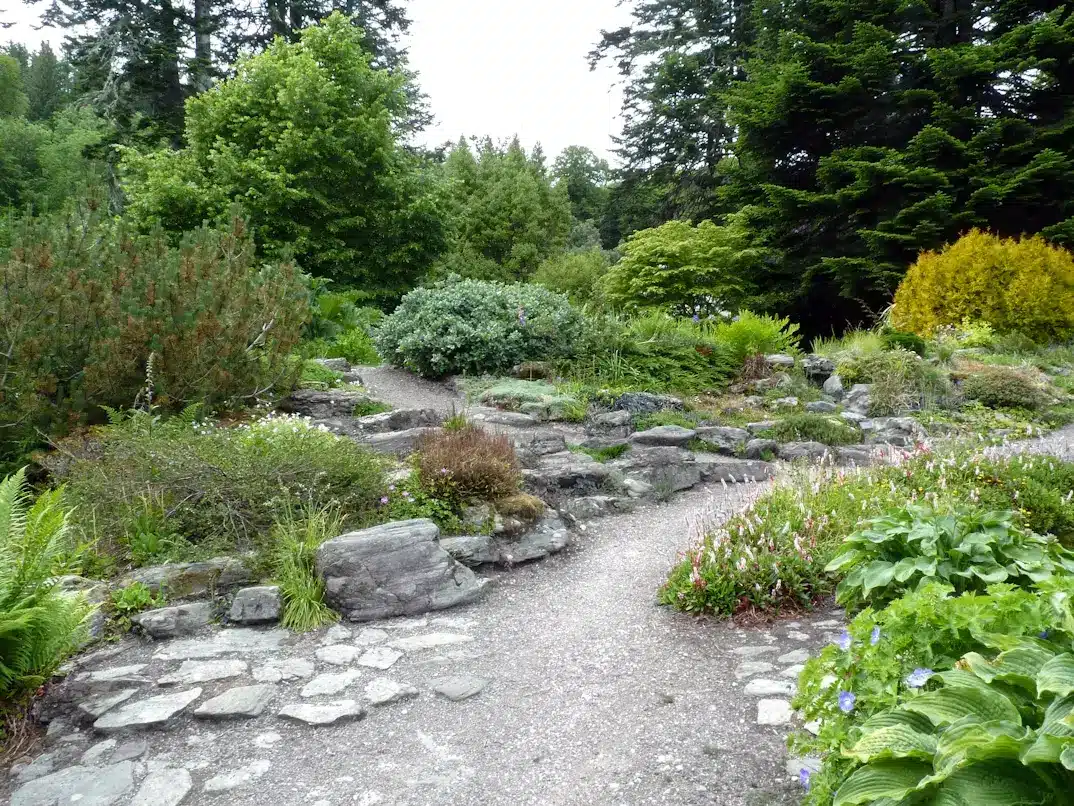
Garden walkways demand materials that withstand changing weather conditions and maintain natural visual appeal. Heavy outdoor stone slabs create timeless stepping points across soil, grass, or gravel beds. Proper material selection makes outdoor projects durable and attractive.
Stone steps define walking zones clearly across properties of all sizes. Homeowners select dense natural slab products to build structural steps that handle frequent foot traffic. Solid pathways guide foot movement safely through outdoor yards.
Selecting the Right Dimensions for Pathways
Walkway planning starts with accurate measurements of available physical space. Standard walkway dimensions allow comfortable movement for 2 adults walking side by side across garden areas. Measuring existing garden spaces prevents buying incorrect slab sizes.
Natural stone slabs come pre-cut to suit various outdoor design layouts. High-grade slabs are available in a range of widths and lengths up to 10 feet, which lets installers cover long stretches without unnecessary seams. Builders trim these custom pieces on site to follow soft yard curves.
Choosing longer step treads reduces installation labor on sloped grade projects. Uniform depth measurements prevent tripping hazards along outdoor footpaths. Consistent riser heights keep walking rhythms natural for visitors.
Understanding Stone Composition and Durability
Natural stone strength comes directly from internal mineral structures formed deep underground. High concentrations of quartz correlate directly with superior mechanical performance according to material science research. High mineral density gives long-term resistance against daily wear.
Quartz content determines how well outdoor treads withstand physical grinding from work boots. Dense matrix compositions prevent chipping along exposed step borders through decades of severe weather. Heavy stone slabs maintain structural strength without crumbling.
Slabs with balanced mineral ratios remain steady through intense freeze and thaw cycles. Rigid internal mineral bonds keep natural steps intact across wet seasons. Solid material choices protect outdoor installations against internal cracking.
Evaluating Structural Load Limits Under Stress
Physical pressure testing provides clear insights into step longevity under heavy outdoor loads. Scientific testing showed dry stone specimens experienced peak modulus decreases from 80.87 GPa down to 57.28 GPa as internal damage levels increased up to 28 percent.
Undamaged stone slabs maintain high stiffness under wheelbarrow weight or heavy lawn machinery. Selecting thick structural steps helps prevent internal fractures before heavy traffic begins. Quality material selection prevents costly replacements later.
Deep surface scratches reduce overall load capacity when heavy weights land on single stone edges. Thick profiles safeguard garden steps against sudden fractures from dropped equipment. Solid stone structures handle heavy impacts reliably.
Preparing the Foundation Base Layer
Stable base layers keep heavy stepping stones level for many decades. Excavating 8 inches of soil creates proper room for compacted aggregate base materials. Thorough excavation work prevents future ground sinking under heavy slabs.
Sloped pathways demand extra foundation prep to stop downhill shifting during heavy rainstorms. Proper drainage layers beneath stone steps channel groundwater away from foundation beds. Good water management prevents soil erosion under pathway borders.
Compacted gravel bases stop individual steps from settling unevenly into soft soil. Level foundation beds make setting heavy slabs simple for work crews. Deep bases protect hardscape projects from winter frost heaves.
Key Steps for Pathway Installation
Installing heavy stone treads requires systematic execution to achieve clean geometric lines. Precise alignment keeps garden walkways uniform along property borders. Simple planning step by step prevents costly positioning mistakes.
Executing a pathway build requires four basic action steps:
- Excavate pathway soil to required installation depths.
- Spread compacted aggregate base material inside the trench.
- Position heavy stone treads using spirit levels.
- Fill side joints with coarse sand or fine gravel.
Checking level lines after placing each slab prevents cumulative errors down the path. Setting each step firmly onto aggregate gravel creates lasting operational stability. Strong joint packing keeps steps secure against ground shifts.
Surface Finishes for Safe Outdoor Walking
Slick outdoor surfaces create dangerous slipping hazards along garden pathways during rainstorms. Thermal finishes produce rough surface textures that supply reliable foot traction. Textured surfaces keep family members safe during wet seasons.
Bush-hammered finishes offer another slip-resistant option for steep garden climbs. Rough surfaces hold footwear tread securely without creating discomfort underfoot. Selecting coarse textures prevents accidents on outdoor steps.
Polished smooth stone surfaces suit indoor counters rather than outdoor garden walkways. Rough natural textures keep garden paths safe through changing winter weather. Coarse finishes preserve rustic visual character outdoors.
Long-Term Pathway Maintenance Practices
Regular cleaning keeps natural stone walkways looking fresh through changing weather seasons. Sweeping organic debris off step surfaces prevents moss growth in shaded garden spots. Clear paths maintain clean outdoor appearances year-round.
Pressure washing at moderate power settings removes dirt without damaging stone face textures. Harsh chemical cleaners break down stone sealers and shorten product life. Rinsing surfaces with clean water keeps stone faces intact.
Replacing shifted joint sand keeps step edges firm against lawn borders. Simple yearly inspections identify loose stones before safety issues occur. Proactive care extends hardscape lifespan significantly.

Solid stone treads improve garden path appearances and provide sturdy footpaths for decades. Careful planning of foundation bases and surface textures promises long lasting performance.
High quality natural stone investments add value and structure to outdoor spaces. Proper installation techniques build safe walking paths across any property terrain.