You know that moment when you spot tiny flies in your kitchen or near your plants and wonder what they actually are? Fruit flies and fungus gnats look so similar that it’s easy to mix them up.
But here’s the thing: these little visitors are completely different, and what works to get rid of one won’t necessarily work for the other.
Getting the identification right means you’ll solve the problem faster instead of trying solutions that miss the mark.
This guide walks you through the simple clues that tell you exactly which pest you’re dealing with, so you can finally enjoy a fly-free space again.
Fruit Flies Explained
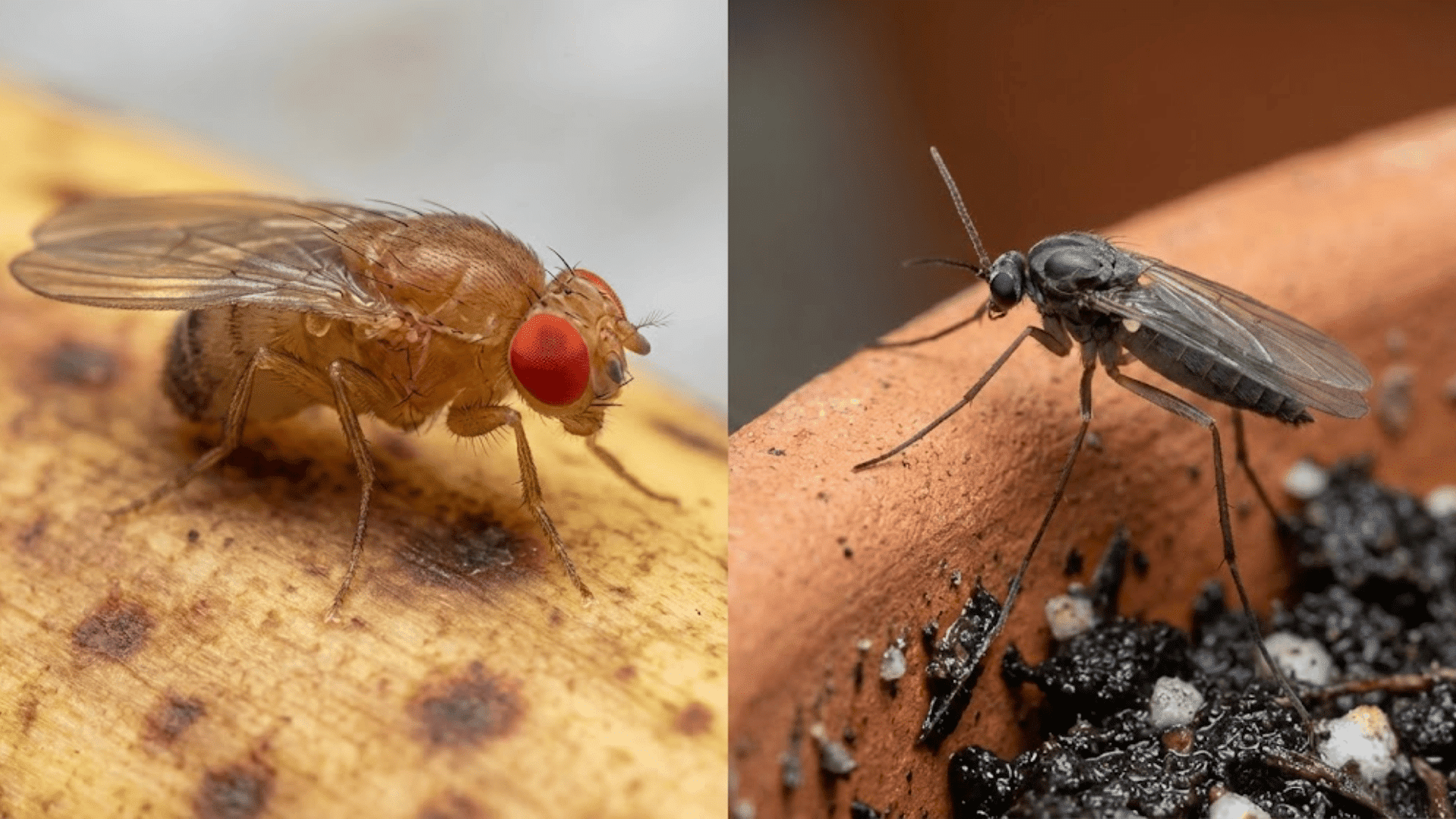
Fruit flies are those teeny, tan or brown flies that seem to appear out of nowhere. They’re incredibly small, usually just an eighth of an inch long, with bright red eyes that give them away.
The most common type you’ll find indoors is Drosophila melanogaster.
These little guys are attracted to anything fermenting or rotting. Think overripe bananas, forgotten produce in the back of your fridge, or that half-empty wine bottle you meant to finish.
They also love hanging out in trash cans, drains where food residue builds up, and recycling bins with sticky soda cans.
Signs you have fruit flies:
- Hovering around fruit bowls or vegetables
- Clustering near trash cans and sink drains
- Suddenly multiplying overnight (they reproduce crazy fast)
Fungus Gnats Explained
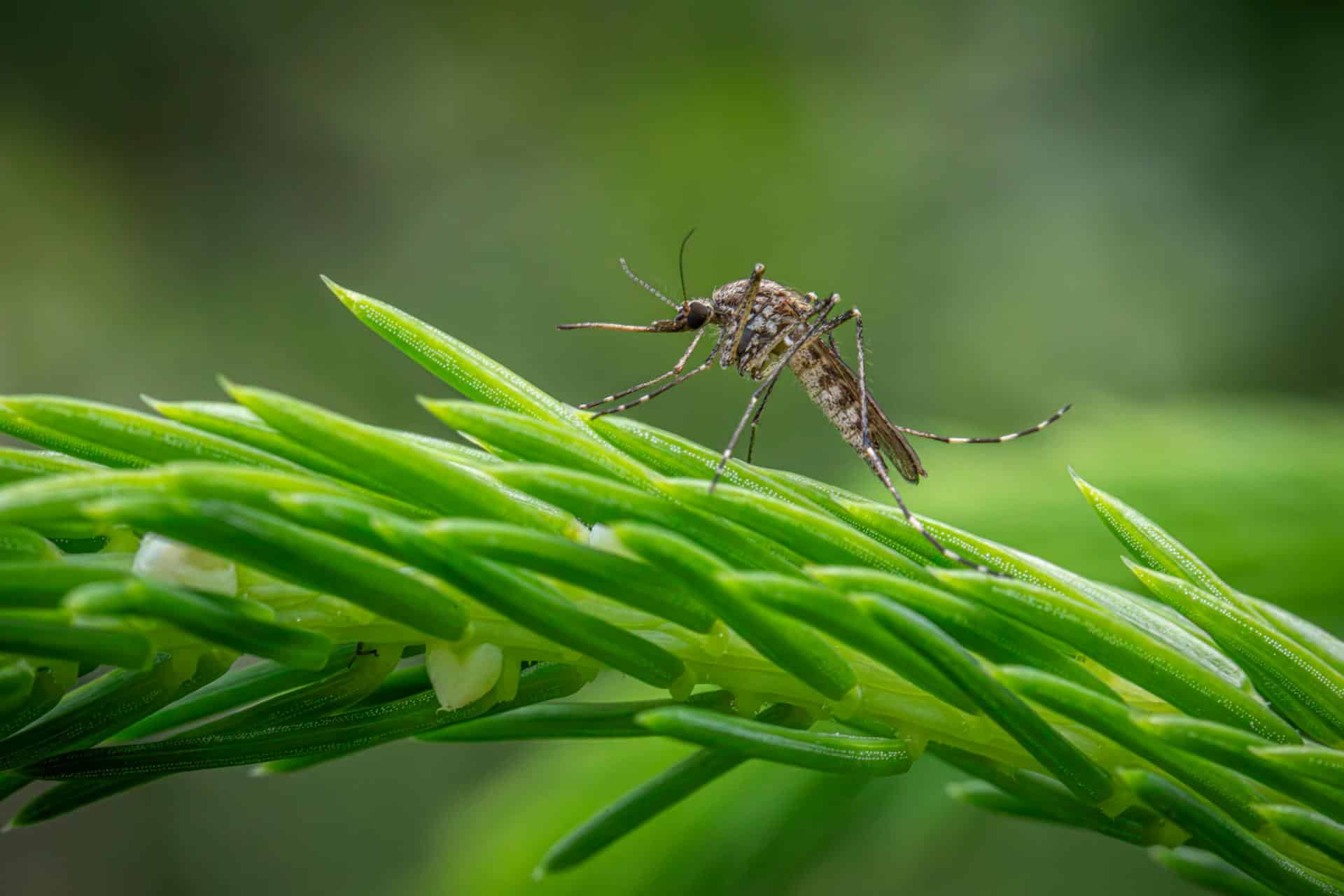
Fungus gnats look like tiny dark mosquitoes, about the same size as fruit flies but with longer legs and a more delicate appearance.
They’re usually black or dark gray, and while they might seem like just another annoying fly, they’re actually after something completely different.
These gnats are all about moisture. They lay their eggs in damp soil, especially in houseplants that get a bit too much love in the watering department.
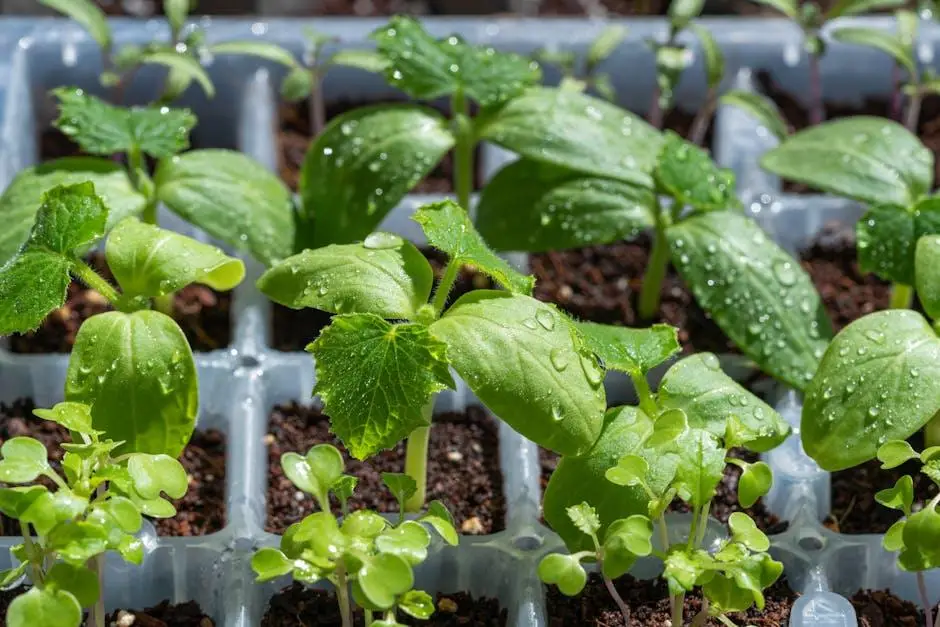
Overwatered plants, fresh potting soil, and those cute little seed trays you’re nurturing all create the perfect nursery for fungus gnat babies.
Signs you have fungus gnats:
- Fluttering weakly around your houseplants
- Tiny flies resting on soil or pot rims
- Still seeing them even when there’s no fruit or food around
Fruit Flies vs. Fungus Gnats: Key Differences
Now that you know what each pest is, let’s get into the details that actually help you tell them apart.
These differences might seem small, but they’re your best clues for figuring out which uninvited guest is buzzing around your space.
1. Appearance
Fruit flies are tan or light brown with those distinctive red eyes that catch the light. They have a rounded, plump body that’s almost oval-shaped.
Fungus gnats, on the other hand, are darker, almost black, with long skinny legs and a more mosquito-like build.
When they fly, fruit flies dart around quickly and confidently, while fungus gnats have a slower, more erratic flight that looks almost clumsy.
2. Habitat
Once you know where to look, spotting the difference becomes so much easier. Each pest has its favorite hangout spots that give away its identity.
| Location | Fruit Flies | Fungus Gnats |
|---|---|---|
| Primary habitat | Kitchen and food areas where organic matter is decomposing | Indoor plants with moist, organic-rich soil |
| Specific spots | Around fruit bowls, trash cans, drains, compost bins, recycling bins with sticky residue | On the soil surface, pot rims, near overwatered plants, greenhouses, and seed trays |
| What attracts them | Fermenting sugars and rotting organic material | Damp soil, algae, fungi, and decaying plant matter in the potting mix |
3. Behavior
Fruit flies are most active during the day and love to swarm around their food sources in energetic clusters. They’re social little things that seem to call their friends over.
Fungus gnats are quieter and less coordinated, often just fluttering weakly near the soil surface or resting on plant leaves.
You’ll notice them year-round if your plants stay moist, unlike fruit flies that spike during warmer months.
4. Life Cycle
Fruit flies lay eggs directly on fermenting fruit or in drains, and their babies can hatch in just a day. A full generation takes about a week, which explains why they seem to multiply overnight.
Fungus gnats take a bit longer, with eggs hatching in soil within a few days and larvae feeding on organic matter and roots for about two weeks before becoming adults.
Both reproduce quickly, but fruit flies win the speed race.
Common Misidentification Scenarios
Even when you know the differences, certain situations can still throw you off. Here are the most common mix-ups and how to figure out what’s really going on.
Scenario 1: Tiny dark flies near your fruit bowl
If you’re seeing small dark flies hovering around your kitchen fruit, they’re likely fungus gnats that wandered over from a nearby overwatered plant, not fruit flies. The giveaway is their color and clumsy flight pattern.
Scenario 2: Fruit flies breeding in your sink drain
Sometimes you’ll spot tan flies near the sink and assume they’re drain flies, but fruit flies actually love drains where food particles collect and ferment. Check if they have red eyes and a quick, darting flight.
Scenario 3: Flies appearing after bringing home new plants
You bought a gorgeous new houseplant, and suddenly, there are flies everywhere. If they’re hovering around your plants and kitchen, observe their color and location to identify if you have one or both pests.
How to Get Rid of Fruit Flies?
Getting rid of fruit flies is all about cutting off what they love most: fermenting food and cozy breeding spots. Follow these steps to send them packing for good.
- Step 1: Toss out any overripe fruit, vegetables, or food sitting on your counters that might be attracting them.
- Step 2: Deep clean your trash cans, drains, and recycling bins where hidden residue could be breeding grounds.
- Step 3: Store produce in the refrigerator and keep ripe fruit in sealed containers instead of open bowls.
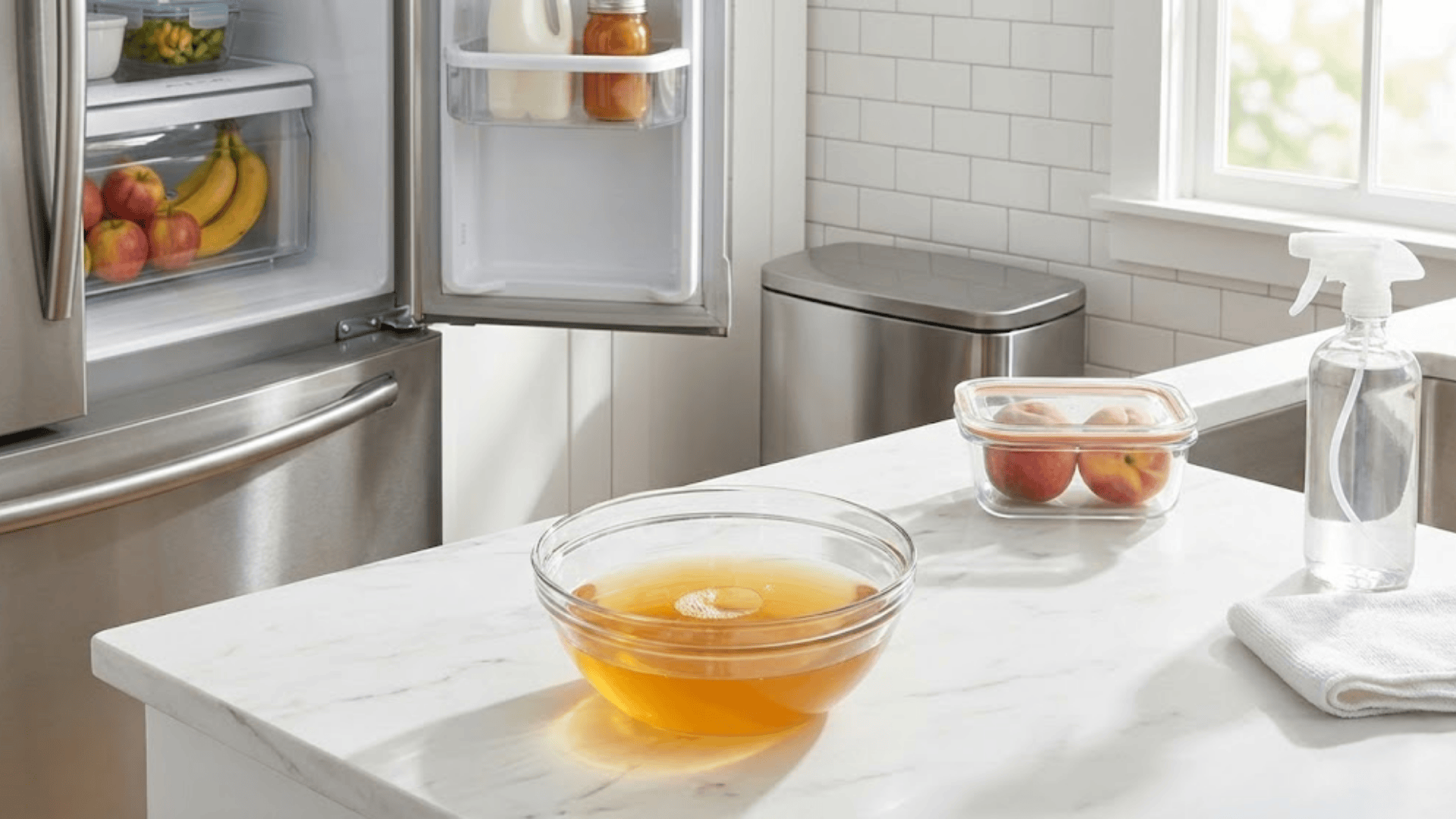
- Step 4: Set up a DIY vinegar trap by putting apple cider vinegar in a bowl with a drop of dish soap to catch stragglers.
- Step 5: Wipe down counters daily and take out garbage regularly to eliminate future breeding sites.
Once you remove their food sources and breeding spots, fruit flies usually disappear within a few days. Stay consistent with these habits, and you’ll keep them from coming back.
How to Get Rid of Fungus Gnats?
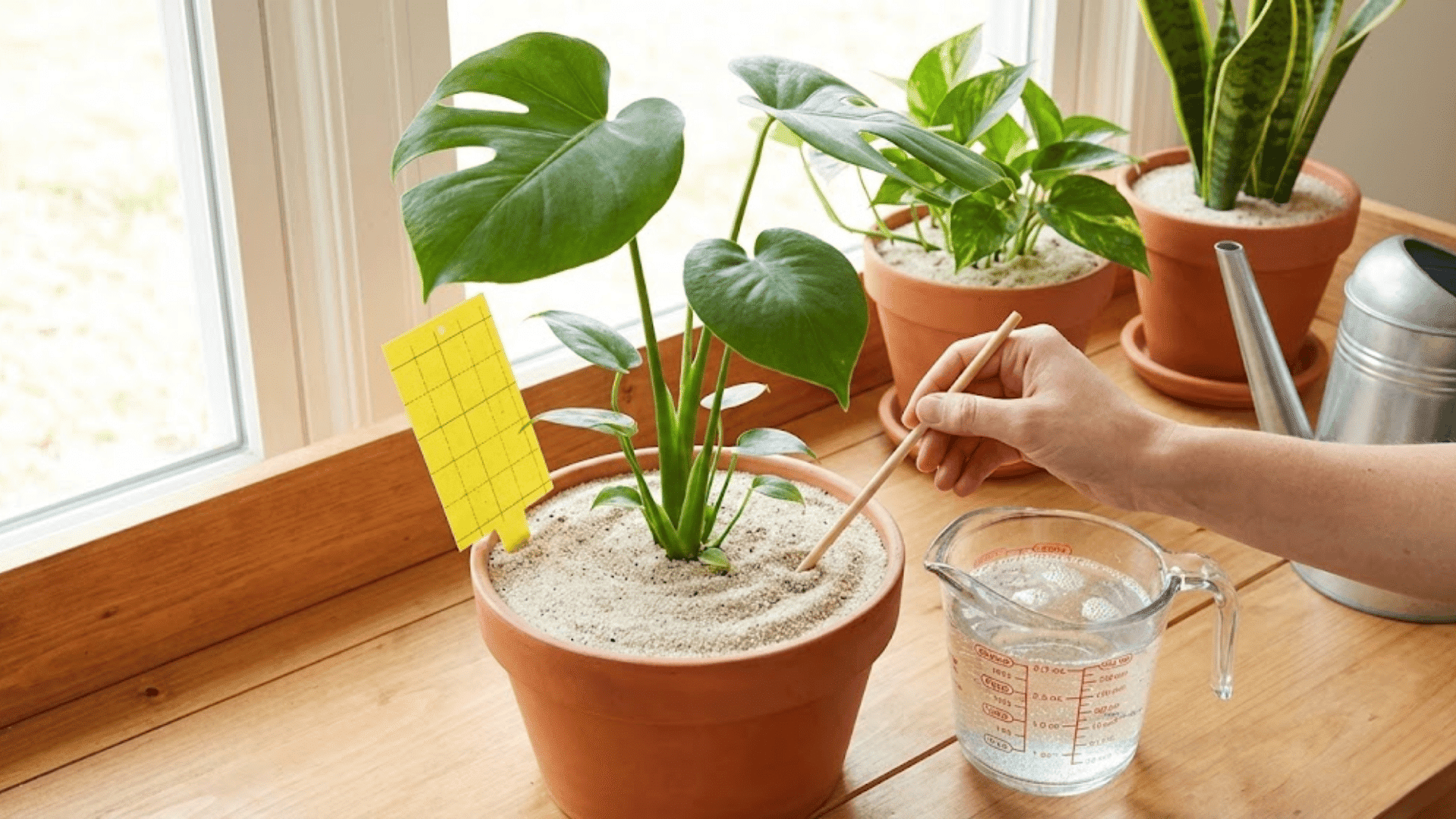
Fungus gnats thrive in moist soil, so the solution is all about controlling water and treating their breeding ground. Here’s how to reclaim your plants.
- Step 1: Let the top 2 inches of soil dry out completely between waterings to disrupt their life cycle.
- Step 2: Add a layer of sand or pebbles on top of the soil to prevent adults from laying eggs.
- Step 3: Use yellow sticky traps near your plants to catch adult gnats before they can reproduce.
- Step 4: Water with a diluted hydrogen peroxide solution (one part peroxide to four parts water) to kill larvae in the soil.
- Step 5: Check for proper drainage in your pots and avoid letting water sit in saucers under plants.
Breaking the cycle takes a couple of weeks, but once you adjust your watering routine and treat the soil, fungus gnats won’t stand a chance. Keep an eye on moisture levels, and your plants will thrive without the uninvited guests.
Prevention Tips for Both Pests
The best way to deal with fruit flies and fungus gnats is to stop them before they start. A few simple habits can keep your home pest-free year-round.
- Store fruit properly in the fridge or sealed containers, and don’t let produce sit out too long on counters.
- Water plants only when needed by checking soil moisture first, and ensure pots have good drainage to prevent soggy conditions.
- Clean regularly by wiping down kitchen surfaces, emptying trash often, and rinsing out drains weekly with hot water.
- Inspect new plants before bringing them home, and quarantine them for a week to catch any hidden gnat eggs in the soil.
These simple routines make your home less inviting to both pests. Once you build these habits into your weekly routine, you’ll rarely have to deal with either problem again.
Community Tips and Shared Experiences
Homeowners on forums like this r/pestcontrol thread often share that their biggest mistake was treating the wrong pest for weeks before realizing their error.
The most successful long-term solution people swear by? Consistency over quick fixes. One trap won’t solve everything if you’re still leaving out fruit or overwatering plants.
Those dealing with recurring problems learned that both pests can coexist in the same home, which means you might need to tackle kitchen habits and plant care simultaneously.
The common thread in success stories is addressing the root cause rather than just killing visible flies.
The Bottom Line
Now you’re equipped to confidently tell the difference between fruit flies vs fungus gnats, and more importantly, you know exactly how to handle whichever tiny visitor shows up.
No more guessing games or wasting time on solutions that don’t match the problem.
Kitchen tweaks and watering adjustments are totally manageable, and you’ve got all the tools to make your space fly-free.
Have you dealt with either of these pests before? Drop a comment below and share what worked for you or any tricks you picked up along the way. Your experience might be exactly what someone else needs to hear.