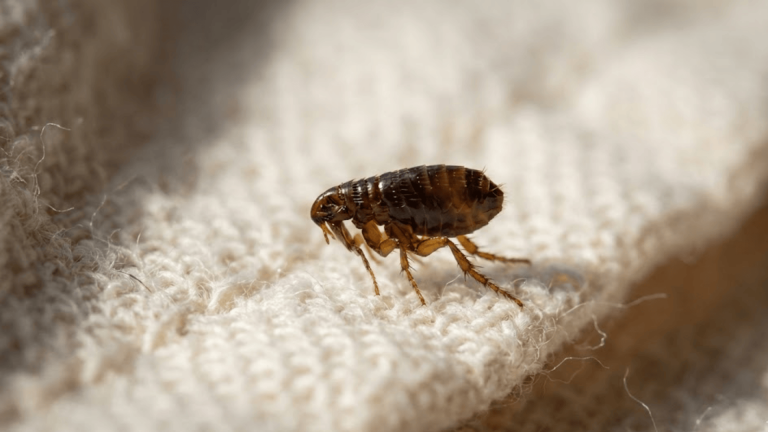
Finding fleas in your home can turn your peaceful sanctuary into an itchy nightmare. These tiny invaders don’t just hitch rides on pets; they multiply at alarming rates, creating hundreds within weeks.
Before you know it, carpets, furniture, and bedding become their breeding grounds.
But here’s the good news: you’re not powerless against these persistent pests.
This guide walks you through proven strategies to reclaim your space, from identifying the early warning signs to implementing effective treatments that actually work.
Let’s restore the comfort and tranquility your home deserves.
What Causes Fleas in the House?
Understanding how fleas invade your space is the first step toward prevention. While pets are the primary culprits, carrying these parasites indoors after time outside, they’re not always to blame.
Your own yard can harbor fleas waiting to latch onto anyone passing by. That charming vintage armchair or cozy secondhand rug might come with unwelcome guests already nestled in the fibers.
Even homes without current pets aren’t immune; flea eggs and pupae from previous infestations can lie dormant for months, suddenly hatching when conditions are right.
Knowing these entry points helps you stay vigilant and protect your living space.
How to Tell If You Have Fleas in the House?
Catching a flea infestation early makes treatment so much easier. Knowing what to look for and where these pests love to hide helps you take swift action before the problem grows.
Common Signs of Fleas Indoors
Watch for these telltale indicators that fleas have moved into your home:
- Flea Bites on Humans: Small, red, itchy bumps, often appearing on ankles and legs
- Scratching or Discomfort in Pets: Excessive grooming or restless behavior
- Visible Fleas on Carpets or Furniture: Tiny dark specks that jump when disturbed
- Flea Dirt (Black Specks): Actually flea droppings that turn reddish when dampened
Where Fleas Hide Inside Homes
Fleas prefer warm, protected spots where they can breed undisturbed.
Carpets and rugs provide perfect hiding places, especially in low-traffic areas. Upholstered furniture offers cozy crevices for eggs and larvae.
Pet bedding naturally attracts these pests since it’s where hosts spend time resting.
Don’t overlook cracks in floors and baseboards, where fleas tuck themselves away from view while waiting for their next meal.
Flea Life Cycle Explained
Breaking the flea life cycle is key to eliminating infestations completely. Each stage requires different treatment approaches, which is why understanding this cycle gives you a real advantage in winning the battle.
Stage 1: Flea Egg
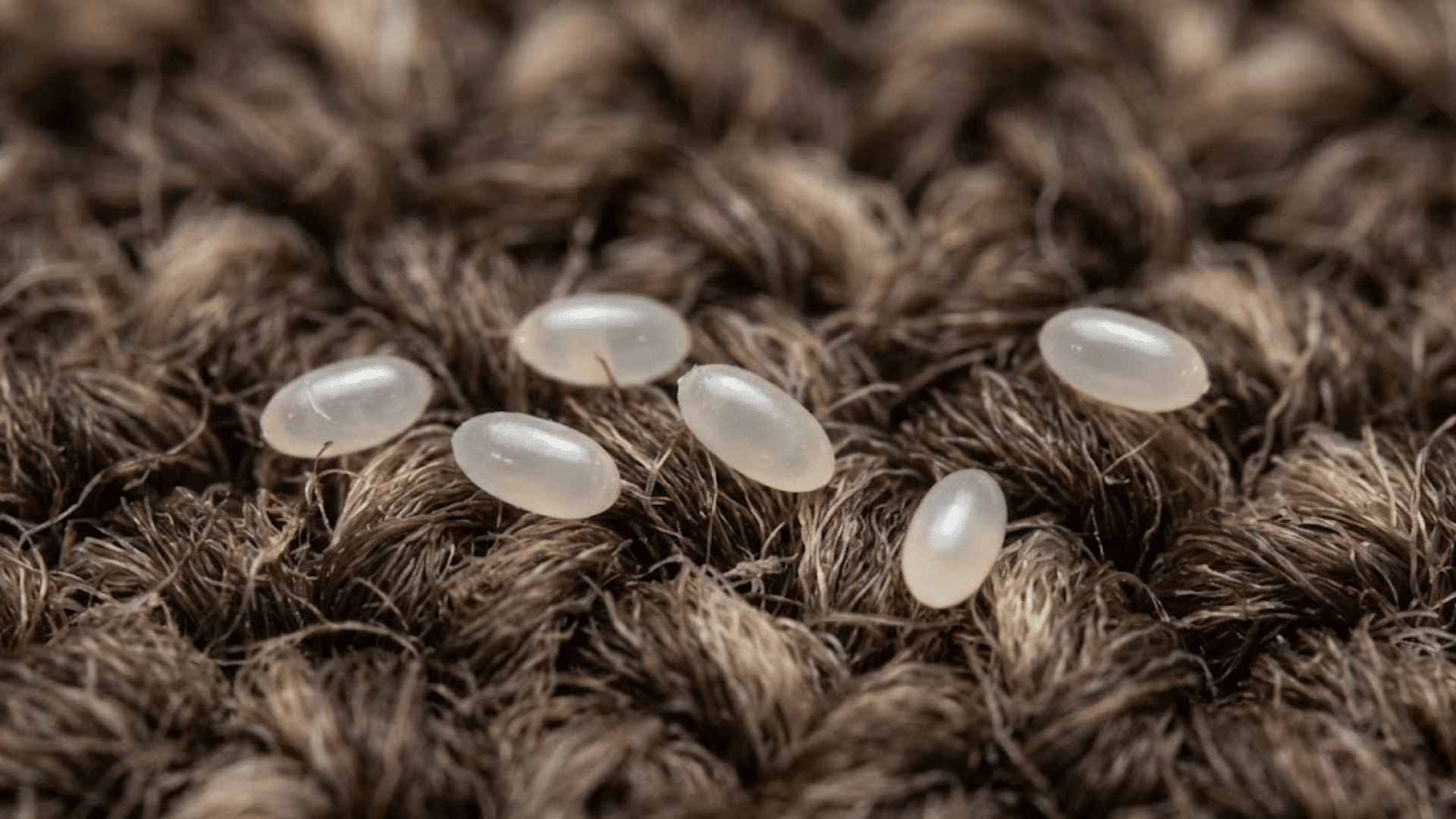
Flea eggs are tiny, white, and oval-shaped, barely visible to the naked eye. Female fleas lay up to fifty eggs daily, which fall off your pet onto carpets, furniture, and bedding.
These eggs don’t stick to surfaces, so they scatter throughout your home. Within two to twelve days, depending on temperature and humidity, they hatch into larvae, beginning the next phase of infestation.
Stage 2: Larvae

Once hatched, flea larvae are blind, worm-like creatures that avoid light by burrowing deep into carpet fibers, cracks, and pet bedding. They feed on organic debris and flea dirt left by adult fleas.
This stage lasts 5 to 11 days under ideal conditions. Larvae are incredibly resilient, which is why surface cleaning alone rarely eliminates them. They eventually spin cocoons to enter the pupal stage.
Stage 3: Pupae
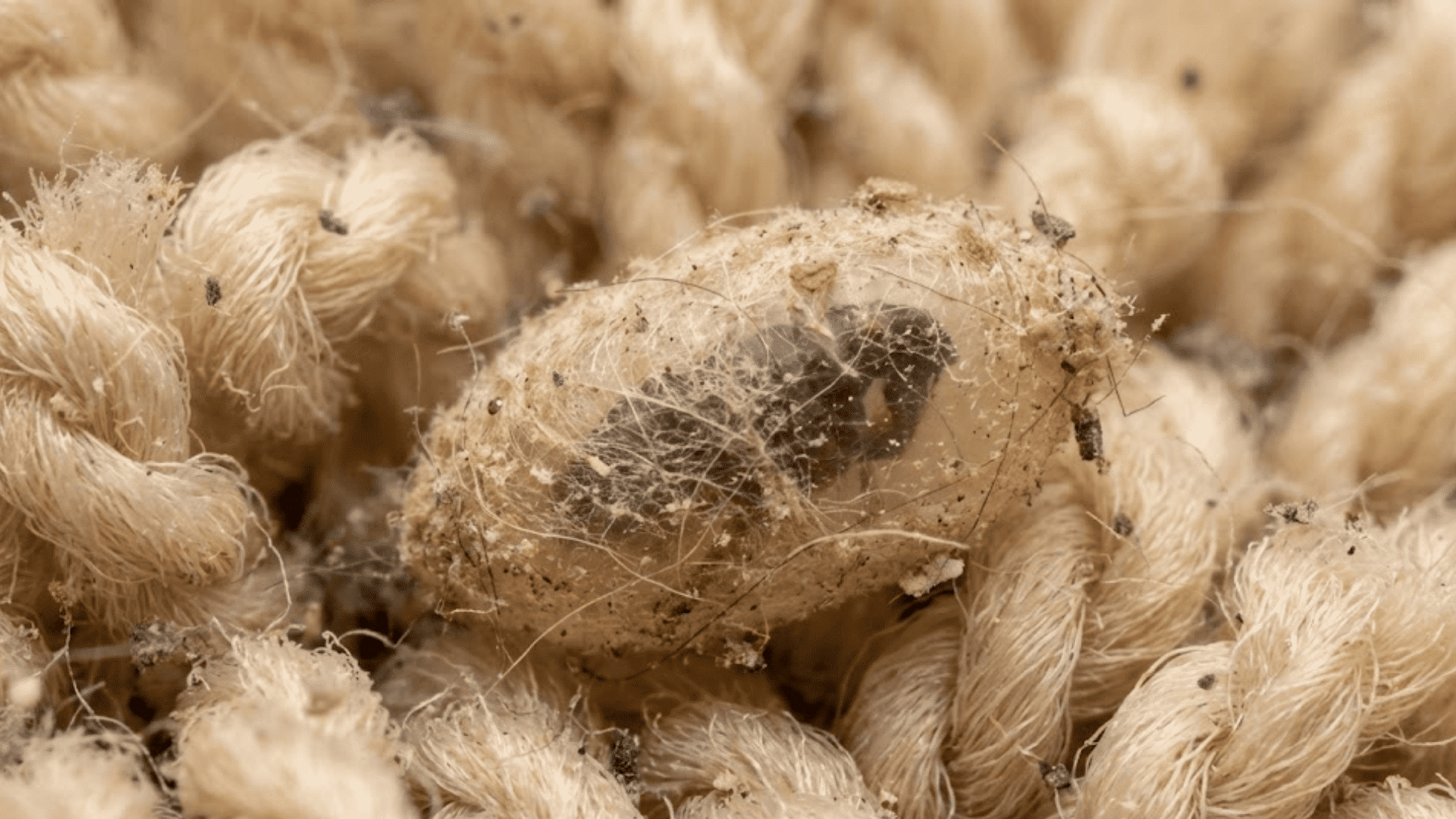
The pupal stage is the most challenging to tackle. Wrapped in sticky cocoons that resist most treatments, pupae can remain dormant for months, waiting for the right conditions to emerge.
Vibrations, warmth, and carbon dioxide signal that a host is nearby, triggering adult fleas to hatch. This protective stage explains why infestations can suddenly reappear weeks after treatment seems successful.
Stage 4: Adult Fleas
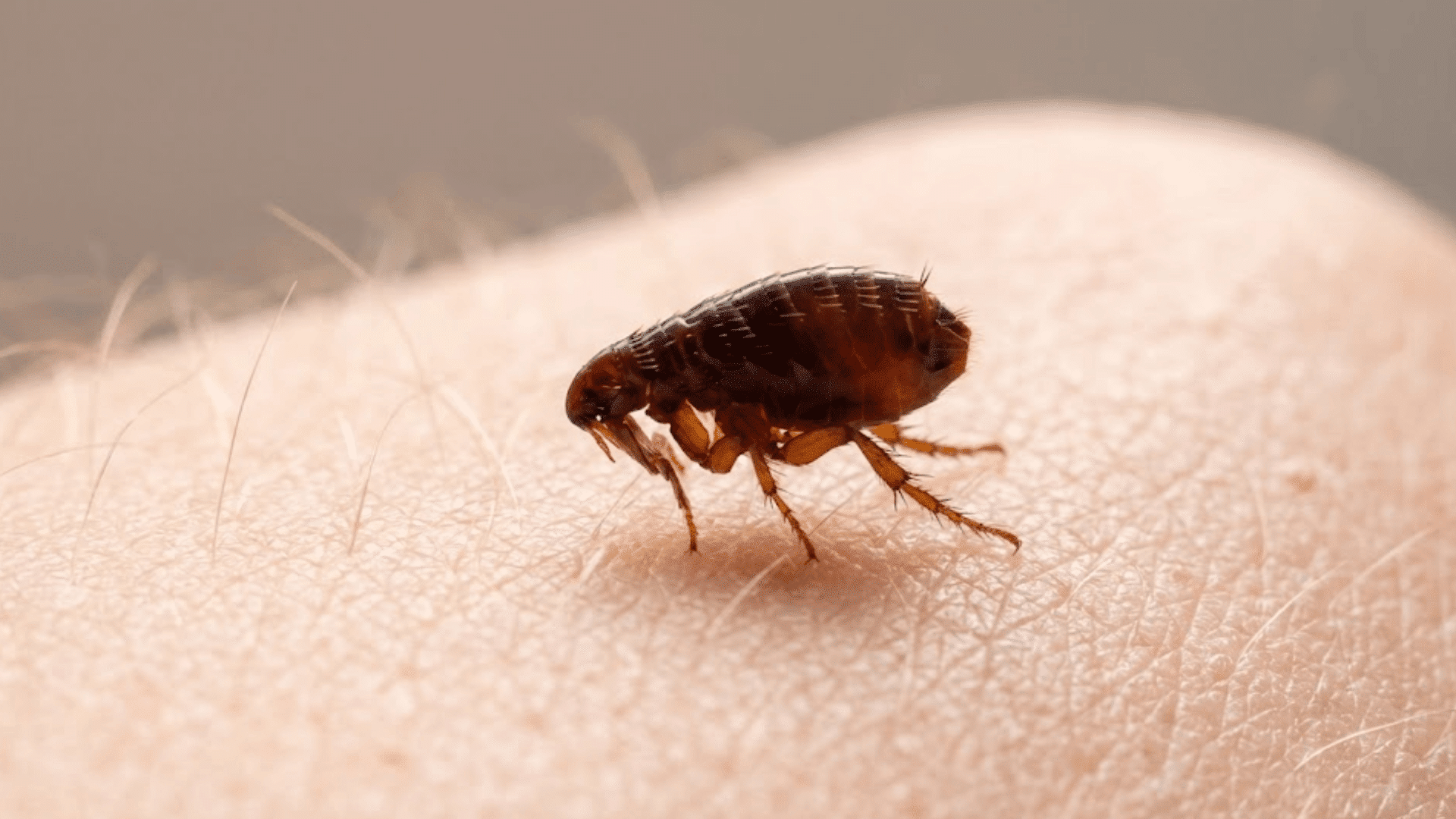
Adult fleas emerge ready to feed, and they waste no time finding a host. Within hours of hatching, they begin biting pets or humans for blood meals. Females start laying eggs within a day or two, restarting the entire cycle.
Adult fleas live for several weeks to months, continuously reproducing. This is why targeting only adult fleas without addressing earlier stages leads to recurring problems.
Fleas in the House vs. Other Bugs
Misidentifying pests can lead to ineffective treatments and wasted time.
Fleas share some similarities with other household insects, but knowing the key differences helps you choose the right elimination strategy from the start.
| Pest Type | Appearance | Where They Live | Bite Location | Key Difference |
|---|---|---|---|---|
| Fleas | Dark brown, 1-3mm, flat bodies | Carpets, furniture, pet bedding | Ankles and lower legs | Jump up to 8 inches |
| Bed Bugs | Reddish-brown, 4-5mm, oval and flat | Mattresses, bed frames, headboards | Arms, shoulders, torso | Cannot jump; only crawl |
| Mites | Microscopic, barely visible | Bedding, upholstery, or burrow in skin | Anywhere on the body | Causes rashes and intense itching |
| Lice | Tan or gray, 2-3mm | Hair on scalp, body, or pubic area | Scalp or body with hair | Attach eggs (nits) to hair shafts |
The quickest way to identify fleas? Watch for jumping. Fleas are the only common household pest with this distinctive behavior.
Health Risks of Fleas in the House
While fleas are mostly known for being annoying, they can pose genuine health concerns for your family and pets.
Understanding these risks helps you prioritize treatment and protect vulnerable household members.
- Skin Irritation and Allergic Reactions: Flea saliva triggers red, itchy welts that can become infected from excessive scratching.
- Flea Allergy Dermatitis in Pets: Some animals develop severe allergic reactions, causing hair loss, inflamed skin, and constant discomfort.
- Disease Transmission: Fleas can carry tapeworms, typhus, and plague, though these cases are rare in modern homes.
- Anemia in Severe Infestations: Heavy flea populations can cause blood loss, particularly dangerous for young puppies, kittens, and small pets.
- Higher Vulnerability for Children and the Elderly: Sensitive skin and weaker immune systems make these groups more susceptible to complications from bites.
Most flea problems won’t lead to serious illness, but prompt treatment prevents discomfort and reduces any health risks. Keeping your home flea-free means everyone stays healthier and happier.
How to Get Rid of Fleas in the House?
Eliminating fleas requires a systematic approach that tackles every stage of their life cycle. Follow these steps in order for the most effective results and lasting relief.
1. Treat Pets First
Starting with your pets stops the source of ongoing infestation and prevents new eggs from spreading throughout your home.
- Step 1: Consult your veterinarian for safe, effective flea treatments like topical medications, oral tablets, or flea collars.
- Step 2: Apply the treatment according to package directions, ensuring complete coverage on all pets in the household.
- Step 3: Bathe pets with flea shampoo if recommended, focusing on areas where fleas congregate, like the neck and tail base.
- Step 4: Remember that skipping pet treatment means adult fleas will continue laying eggs, causing endless reinfestation, no matter how clean your home becomes.
2. Deep Clean the Home
Thorough cleaning removes flea eggs, larvae, and pupae hiding in fabrics and crevices throughout your living space.
- Step 1: Vacuum all carpets, rugs, upholstered furniture, and baseboards daily for at least two weeks, paying extra attention to pet areas.
- Step 2: Wash all bedding, pet blankets, throw pillows, and removable fabric items in hot water to kill fleas at every life stage.
- Step 3: Steam clean carpets and furniture when possible, as high heat penetrates deep to eliminate stubborn eggs and larvae.
- Step 4: Immediately seal and dispose of vacuum bags or empty canisters outside to prevent captured fleas from escaping back into your home.
3. Flea Treatments for the Home
Chemical treatments target fleas that cleaning alone can’t reach, providing comprehensive coverage for complete elimination.
- Step 1: Apply flea sprays to carpets, furniture, and pet bedding, choosing products with insect growth regulators to prevent larvae from maturing.
- Step 2: Use flea foggers or bombs for severe infestations, vacating the home for several hours, and following all safety precautions carefully.
- Step 3: Sprinkle flea powders or carpet treatments in high-traffic pet areas, leaving them for the recommended time before vacuuming thoroughly.
- Step 4: Consider professional-grade products or exterminators for persistent infestations that resist DIY methods after several treatment cycles.
Natural and DIY Remedies for Fleas in the House
For homeowners seeking gentler alternatives to chemical treatments, natural remedies can provide some relief.
While these methods work best for mild infestations or as preventive measures, understanding their proper use and limitations helps set realistic expectations.
| Remedy | How to Use | Safety Warning |
|---|---|---|
| Diatomaceous Earth | Sprinkle food-grade powder on carpets; leave 48 hours, vacuum | Wear a mask during application |
| Baking Soda & Salt | Mix equal parts, sprinkle on carpets, leave overnight, vacuum | Safe for pets and children |
| Essential Oils | Dilute 2-3 drops per cup of water; spray surfaces lightly | Toxic to cats; avoid direct pet contact |
Limitations of Natural Remedies: Natural methods suit prevention or mild cases and rarely kill all flea stages. For serious infestations, chemical treatments or professionals are needed for complete removal.
Yard Treatment to Stop Fleas Re-Entering
Your outdoor spaces can be a constant source of reinfestation if left untreated. Addressing your yard creates a protective barrier that keeps fleas from hitchhiking back indoors.
- Treat Outdoor Areas with Yard Sprays or Granules: Apply pet-safe flea treatments to grass, flower beds, and areas where pets spend time.
- Focus on Shaded Zones and Moist Spots: Fleas thrive under bushes, decks, and trees where sunlight doesn’t reach, and humidity stays high.
- Keep Grass Trimmed and Debris Cleared: Regular mowing and removing leaf piles eliminates flea habitats and reduces moisture retention.
- Discourage Wildlife Visitors: Install fencing, remove food sources, and seal entry points to keep raccoons, stray cats, and other flea carriers away.
Treating your yard alongside indoor efforts creates a complete defense system. When both environments stay flea-free, your home remains protected from future invasions.
How Long Does It Take to Eliminate Fleas in the House?
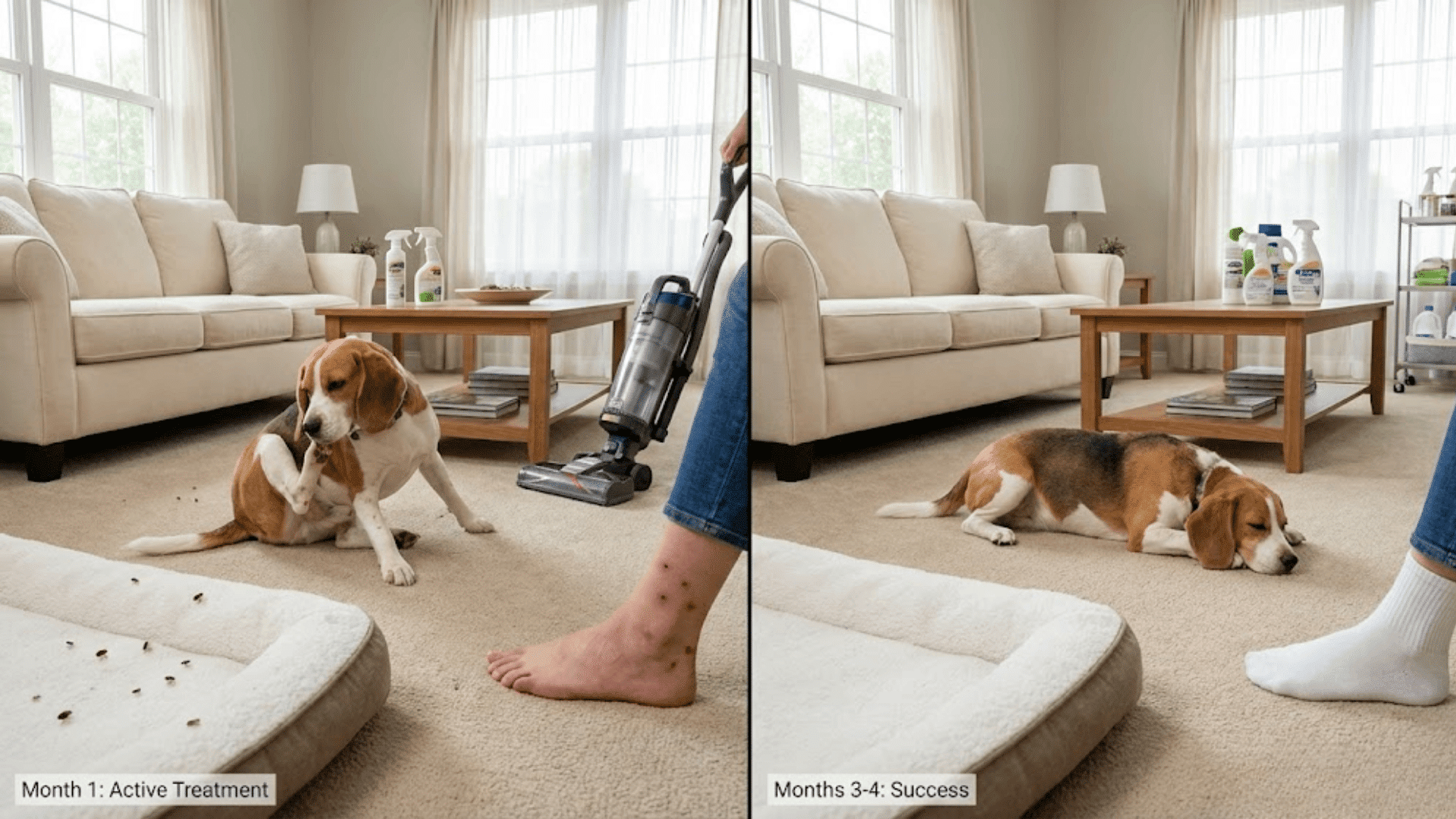
Complete flea elimination requires patience and persistence. Most infestations take 2 to 4 months to fully resolve because of the flea life cycle, especially those stubborn pupae that resist treatments and emerge weeks later.
If you’re seeing new fleas after treatment, don’t panic; this is normal and expected as dormant cocoons hatch on their own schedule.
You’ll know your efforts are working when bites become less frequent, your pets scratch less often, and flea sightings steadily decline.
The key is maintaining your treatment routine throughout this entire period, even when it seems like nothing’s happening, because consistency is what ultimately breaks the cycle for good.
Common Mistakes When Treating Fleas
Even well-intentioned homeowners can sabotage their flea control efforts with simple oversights. Avoiding these common pitfalls saves time, money, and frustration while ensuring complete elimination.
- Only Treating Pets without Addressing the Home: Adult fleas on pets represent just 5% of the infestation; the rest hide as eggs and larvae throughout your house.
- Skipping Follow-Up Treatments: Single applications miss newly hatched fleas from dormant pupae, allowing the cycle to restart within weeks.
- Forgetting to Wash Fabrics in Hot Water: Bedding, curtains, and throw blankets harbor flea eggs that survive regular washing and vacuuming alone.
- Stopping Treatment Too Early: Declaring victory after a few flea-free days lets remaining pupae mature and repopulate your home all over again.
- Neglecting Outdoor Spaces: Untreated yards continuously reintroduce fleas indoors, undermining all your indoor efforts and creating endless reinfestation.
Success comes from treating every angle simultaneously and maintaining vigilance throughout the entire flea life cycle. Stick with your plan, even when progress feels slow, and you’ll achieve lasting results.
When to Call a Professional Exterminator?
Some infestations overwhelm DIY methods and require expert intervention.
Call a professional if you’re still seeing fleas after 2 to 3 monthsof consistent treatment, if bites are becoming unbearable, or if multiple rooms show heavy activity.
Expect to pay between $100 and $300 for initial treatment, with follow-up visits sometimes necessary.
Professional services include industrial-grade insecticides, growth regulators that disrupt the flea life cycle, and targeted treatments for hard-to-reach areas like wall voids and crawl spaces.
Exterminators also provide guarantees and return visits, ensuring complete elimination when home remedies simply aren’t enough.
How to Prevent Fleas in the House?
Once you’ve eliminated fleas, keeping them away requires consistent habits and proactive measures. Prevention is far easier than treatment, and these simple routines protect your home year-round.
- Keep Pets on Year-Round Flea Prevention: Monthly topical treatments or oral medications stop infestations before they start, even during winter months.
- Vacuum Carpets and Furniture Weekly: Regular cleaning removes any stray eggs or larvae before they develop into biting adults.
- Wash Pet Bedding Every 1 to 2 Weeks in Hot Water: Frequent laundering eliminates potential breeding grounds where fleas love to hide.
- Seal Cracks in Floors and Baseboards: Closing gaps removes hiding spots and makes it harder for fleas to establish themselves indoors.
- Increase Vigilance During Warm Months: Spring and summer bring peak flea activity, so intensify prevention efforts when temperatures rise above 65°F.
Building these habits into your routine creates a protective shield around your home. Consistency keeps fleas at bay, sparing you the stress and expense of fighting another infestation.
The Bottom Line
Dealing with fleas in the house tests your patience, but armed with the right knowledge and strategies, you can reclaim your peaceful living space.
Treating pets, deep cleaning carpets, and preventing future invasions all bring you closer to lasting relief.
Remember that persistence matters more than perfection; breaking the flea life cycle takes time, but consistency pays off. Your family and pets deserve comfort without constant itching and irritation.
Have questions or tips that worked for you? Share your experiences in the comments below and help others tackle their own flea battles successfully.