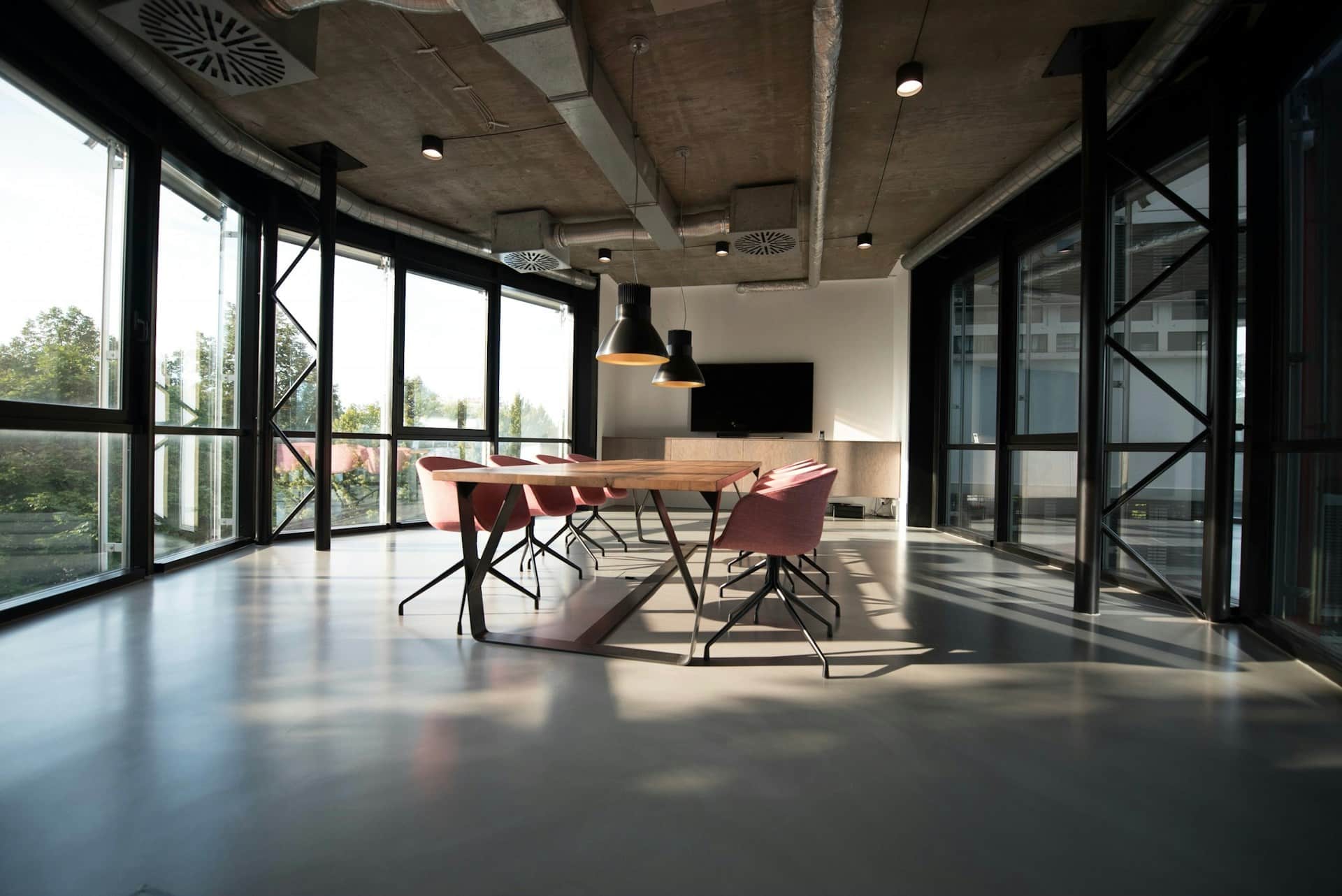
Choosing between flat and satin paint can feel overwhelming when you’re standing in the paint aisle, swatches in hand.
Each finish brings its own personality to a space, and understanding its unique qualities makes all the difference in creating rooms you’ll love.
The right sheen affects everything from how light dances across your walls to how easily you can wipe away everyday smudges.
Think about durability, cleanability, that soft glow or smooth matte look, and how much maintenance you’re up for.
Let’s walk through what really matters so you can confidently pick the perfect finish for every corner of your home.
What are “Flat” and “Satin” Paints?
Flat paint offers a completely matte look with virtually no sheen, creating that soft, velvety appearance everyone loves for its ability to absorb light rather than reflect it.
This gives rooms a calm, understated feel while beautifully hiding wall imperfections.
Satin paint sits somewhere between matte and glossy, bringing a subtle, low-luster glow that catches light just enough to add depth.
This gentle sheen creates a smoother, more polished look that feels modern and refined.
The difference really shows when light hits your walls; flat absorbs it softly while satin reflects it back with that delicate, almost pearl-like finish that adds dimension to your space.
Pros & Cons: Flat vs. Satin
Understanding the strengths and weaknesses of each finish helps you make smarter choices for different spaces.
Here’s how flat and satin stack up against each other in real-world use.
Flat Paint: The Imperfection Hider
Flat paint excels at masking wall flaws; those little dents, patches, and uneven textures practically disappear under its matte surface. It minimizes glare beautifully, making it perfect for ceilings and cozy spaces.
The trade-off? Cleaning becomes a challenge since marks and scuffs don’t wipe away easily, and the finish wears faster in busy areas. Touch-ups often look patchy, so plan on repainting entire walls when needed.
Satin Paint: The Durable Performer
Satin brings serious durability to your walls, standing up to scrubbing, moisture, and everyday wear without breaking down. That subtle sheen adds depth and vibrancy, giving rooms a polished, modern feel.
Cleaning is effortless, making it ideal for kitchens, bathrooms, and hallways. The downside? That same sheen reveals every wall imperfection, and application requires careful technique to avoid lap marks or uneven patches.
At a Glance: What Each Finish Offers
Here’s a quick side-by-side look at how these finishes compare in the factors that matter most for your daily life.
| Finish | Appearance | Durability | Cleanability | Cost |
|---|---|---|---|---|
| Flat (Matte) | Soft, velvety, no glare | Wears faster, ages quicker | Hard to clean without damage | More budget-friendly |
| Satin | Subtle sheen adds depth | Long-lasting, resists wear | Easy to wipe and scrub | Slightly higher |
Where Flat Paint Works Best: Ideal Uses
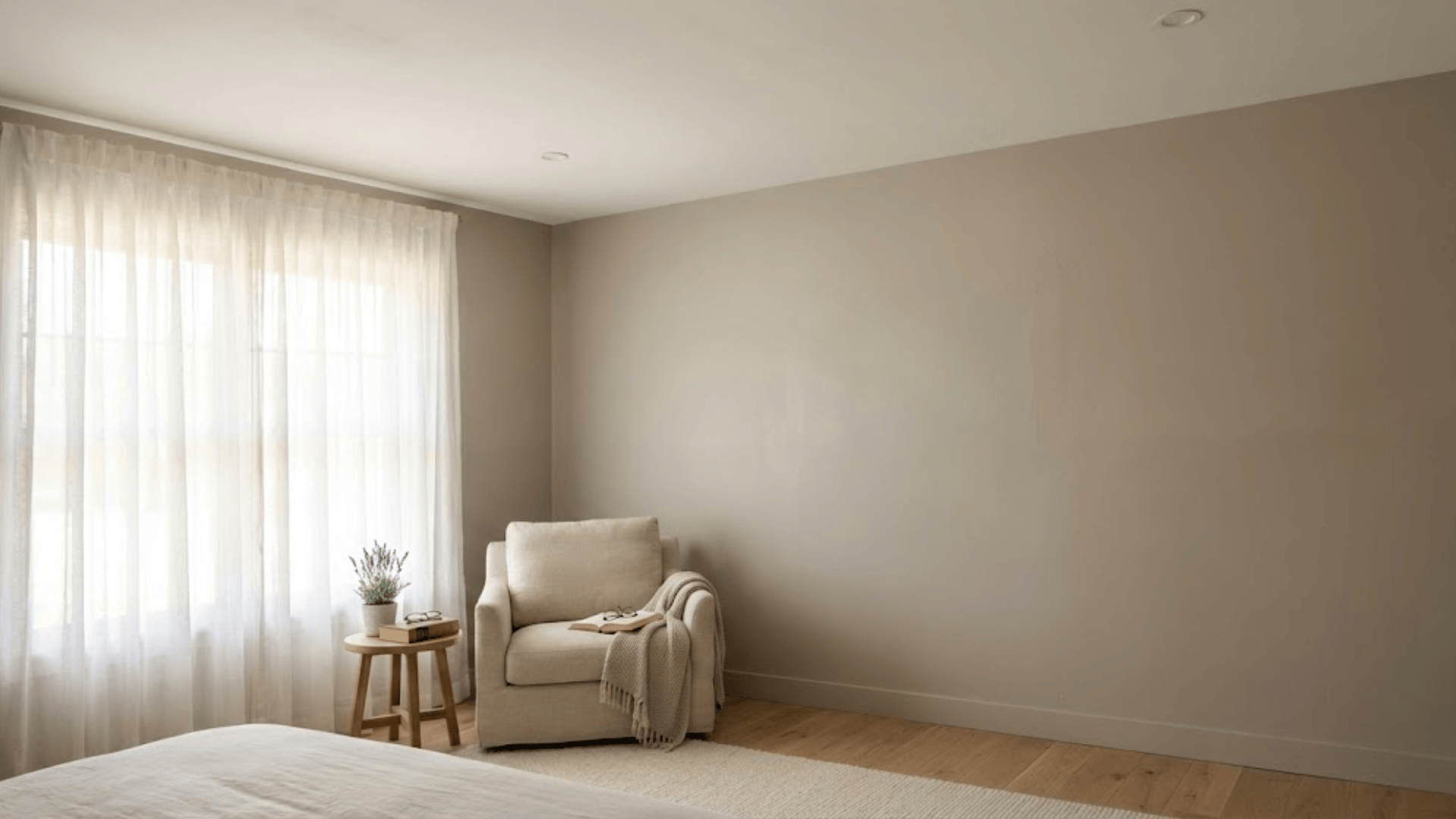
Flat paint shines in spaces where you want softness and simplicity over heavy-duty performance. Let’s explore where this finish truly belongs.
1. Ceilings Get the Matte Treatment
Ceilings are flat paint’s natural home. That non-reflective surface eliminates glare from overhead lighting while hiding uneven patches, old stains, and textured imperfections that often plague ceilings.
Since you rarely touch or clean ceilings anyway, flat’s cleaning limitations don’t matter here. The result? A seamless, uniform look overhead that doesn’t compete with your walls or décor for attention.
2. Low-Traffic Rooms Love the Softness
Bedrooms, formal living rooms, and studies benefit from the home flat’s calm, cozy ambiance. These spaces don’t face constant touching, leaning, or scrubbing, so durability concerns fade into the background.
The velvety finish creates an intimate, restful atmosphere perfect for relaxation or quiet conversation. Just remember that accidental marks from furniture or hands will be trickier to clean than with satin.
3. Imperfect Walls Need Forgiveness
Got walls with bumps, patches, or rough drywall? Flat paint helps hide these flaws effectively. The lack of sheen prevents light from bouncing off surface irregularities, making imperfections nearly invisible.
If you’re working with older walls or recent repairs, flat gives you that forgiving finish without needing extensive surface prep or professional-level smoothing.
Where Satin Paint is Usually the Better Choice: Ideal Uses
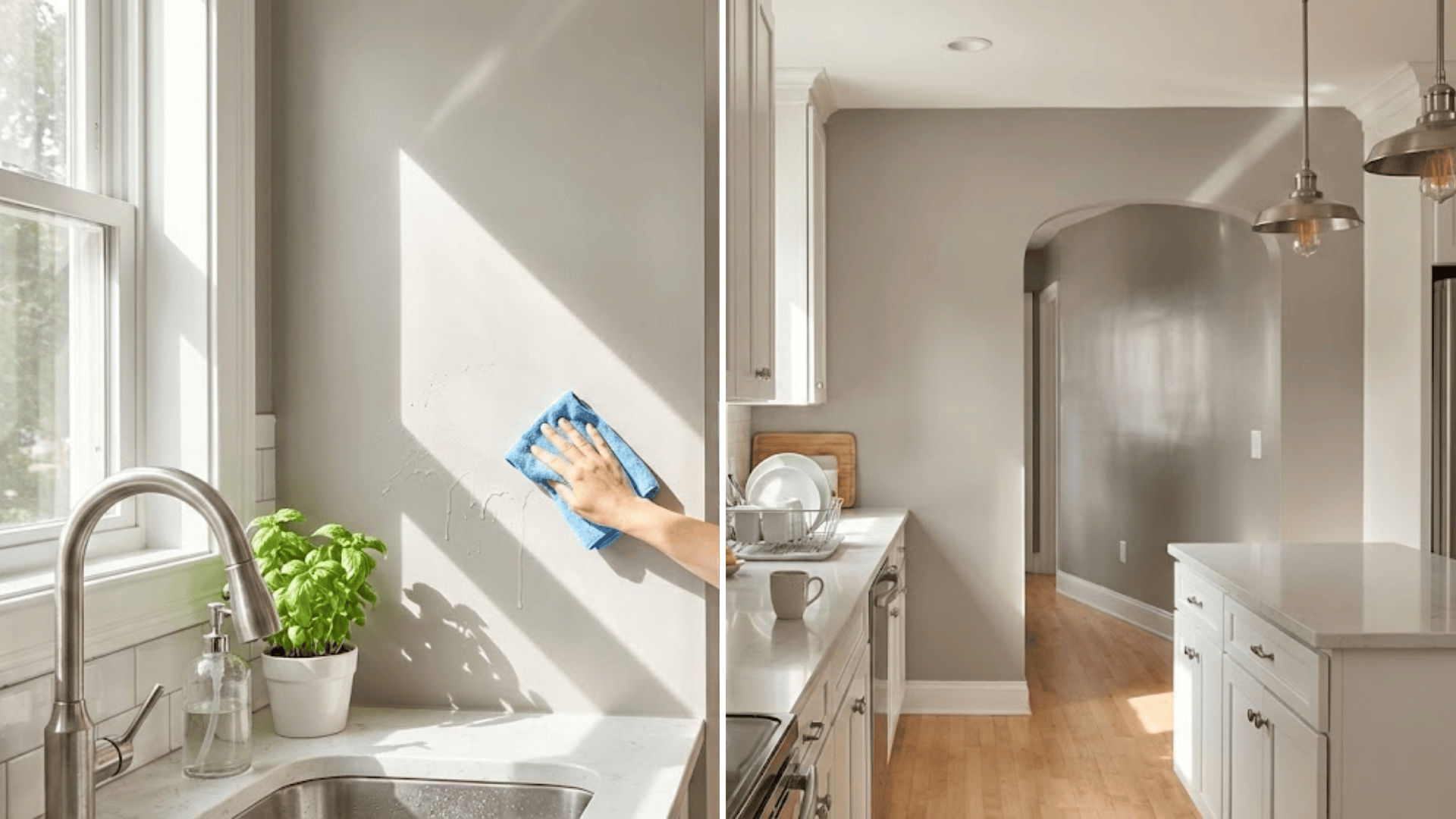
Satin paint earns its place in the hardworking areas of your home where durability and maintenance matter most.
Here’s where it outperforms flat every time.
1. High-Traffic Zones Need That Durability
Kitchens, bathrooms, hallways, kids’ rooms, and family rooms all demand serious wear resistance. These spaces see constant activity, sticky fingers, splashes, and the inevitable scuffs that come with daily living.
Satin handles it all gracefully, letting you wipe away messes without damaging the finish. The subtle sheen also brings life to these busy areas, making them feel fresh and polished rather than tired.
2. Moisture-Prone Spaces Stay Protected
Bathrooms and kitchens face humidity, steam, and water splashes that flat paint simply can’t handle. Satin’s moisture resistance prevents staining and mildew, keeping your walls looking clean longer.
It’s equally smart for trim, doors, and window frames that encounter condensation or wet hands. Just remember that proper ventilation still matters, but satin gives you a fighting chance against dampness.
3. Exteriors and Trim Shine Longer
Outdoor siding, trim, and architectural details benefit from satin’s weather-resistant properties. It stands up to UV rays, rain, dirt, and temperature swings better than flat, maintaining its appearance through seasons.
Inside, use it on doors, moldings, and cabinetry for that polished look that’s easy to keep clean. The investment pays off through longevity and fewer repaints down the road.
What to Consider Before Choosing: Key Decision Factors
Before committing to a finish, weigh these practical factors to find what truly fits your space and lifestyle.
| Factor | Choose Flat If… | Choose Satin If… |
|---|---|---|
| Wall Condition | Surfaces have bumps, patches, or imperfections you want hidden | Walls are smooth and well-prepped |
| Room Traffic | Low-use spaces like guest rooms, formal areas, and ceilings | High-activity zones like kitchens, bathrooms, hallways, and kids’ rooms |
| Cleaning Needs | Minimal wiping or washing is expected | Frequent cleaning and scrubbing are necessary |
| Moisture Exposure | Dry environments with good ventilation | Humid areas, bathrooms, or exterior surfaces |
| Appeal Goal | Soft, cozy, understated matte look | Richer color depth with subtle sheen |
| Budget & Longevity | Lower upfront cost matters more, and I am willing to repaint sooner | Want durability and fewer repaints over time |
Don’t feel locked into one finish throughout your home. Mixing works beautifully; think flat ceilings with satin walls, or satin trim paired with flat wall surfaces.
Common Mistakes & What to Avoid
Avoiding these common pitfalls saves you time, money, and frustration down the road.
- Using Satin on Bumpy Walls: That sheen will spotlight every dent, patch, and imperfection you hoped to hide.
- Putting Flat in High-Traffic Zones: Kitchens, hallways, and bathrooms will quickly show stains and wear you can’t easily clean.
- Skipping Proper Mixing with Satin: Rushed application creates visible lap marks and uneven sheen that’s hard to fix.
- Expecting Flat to Handle Mess: This finish absorbs dirt and resists cleaning, making everyday smudges permanent.
- Ignoring Long-Term Costs: Flat’s lower price tag disappears when you’re repainting every few years instead of once.
Take time to match your finish to the room’s reality. A little planning up front prevents regret and redos later, keeping your walls looking exactly how you envisioned them for years to come.
Additional Tips for Painting Success
These practical tips ensure your paint job looks professional and lasts as long as possible.
- Prep Your Surfaces Thoroughly: Patch holes, sand rough spots, and clean walls completely, especially before applying satin that reveals every flaw.
- Mix Satin Paint Properly: Box multiple cans together for color consistency and maintain a wet edge while rolling to prevent lap marks.
- Test Samples in Actual Lighting: Paint small patches and observe how sheen changes throughout the day as natural and artificial light shift.
- Match Paint to Location: Exterior formulas handle weather differently than interior ones, so always check the label before buying.
- Plan for Maintenance Cycles: Flat finishes need more frequent touch-ups or repaints, while satin can go longer between refreshes.
Getting these fundamentals right makes the difference between a paint job that frustrates you and one that makes you smile every time you walk into the room.
The Bottom Line
Deciding between flat vs satin paint doesn’t have to feel complicated once you understand what each finish brings to your walls.
Match flat’s forgiving softness to quiet, imperfect spaces, and let satin’s durable glow handle your busiest rooms.
Trust your instincts about how you actually live in each space, and remember that mixing finishes throughout your home often creates the most beautiful, functional results.
Your walls deserve a finish that works as hard as you do while looking effortlessly lovely. What’s your biggest paint dilemma right now? Drop a comment below and let’s figure it out together!