You’ve probably scrolled past that viral claim: every fig you bite into contains a dead wasp. It sounds equal parts intriguing and horrifying, which is exactly why the internet can’t stop talking about it.
The truth? It’s far more nuanced than a catchy headline suggests.
This ancient relationship between figs and wasps tells a story millions of years in the making, one that involves intricate biology, natural cycles, and a surprising amount of digestive chemistry.
Let’s unpack what actually happens inside these sweet fruits and separate the facts from the fiction that keeps making the rounds online.
What is a Fig, Biologically?
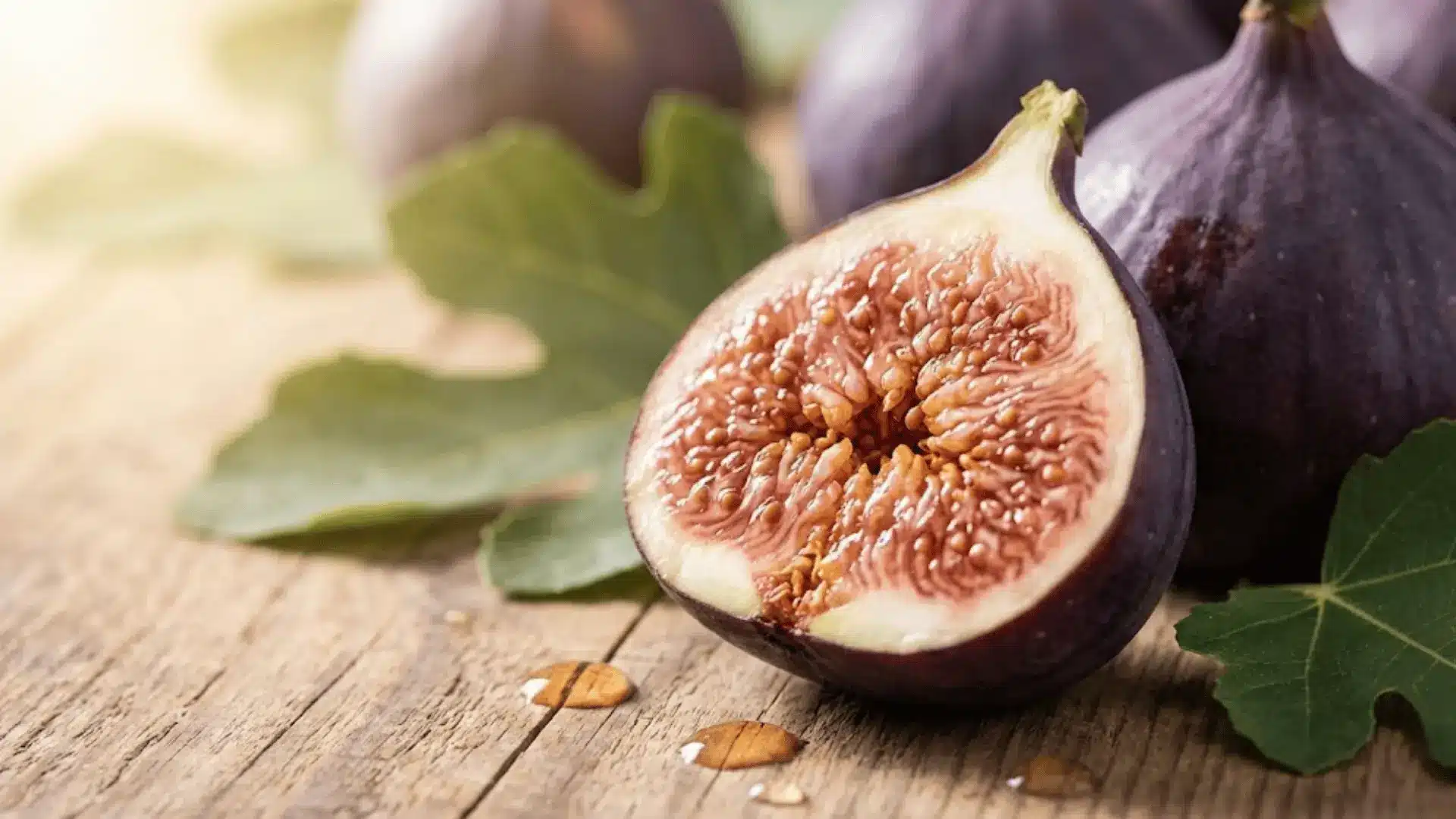
Figs aren’t technically fruits in the way we usually think of them. They’re actually inverted flowers, a botanical structure called a syconium.
Think of a flower that blooms inward rather than outward. All those tiny seeds you crunch into?
Those are individual florets tucked inside a fleshy pouch. Most fruits develop from a single flower’s ovary, but a fig is an entire flower cluster wrapped up in itself.
This inside-out design creates a hidden chamber that protects hundreds of developing seeds. It also means pollination has to happen differently.
Unlike open flowers that attract bees with visible petals, figs need a pollinator willing to crawl inside through a tiny opening. That’s where the wasps come in.
What are Fig Wasps?
Fig wasps are impossibly small insects, often no bigger than a grain of rice, and they’ve evolved alongside figs for over 60 million years. This isn’t a casual partnership.
Each fig species has its own dedicated wasp species, a relationship so specific that one cannot survive without the other.
The wasp’s entire lifecycle revolves around the fig’s interior.
Female wasps hatch inside a fig, mate, then leave to find another fig where they can lay eggs. They squeeze through that tiny opening, losing their wings and antennae in the process, then pollinate the florets while depositing eggs.
The wasp dies inside, her offspring develop within the fig, and the cycle begins again. It’s one of nature’s most intricate examples of coevolution and mutualism.
The Fig–Wasp Relationship Explained
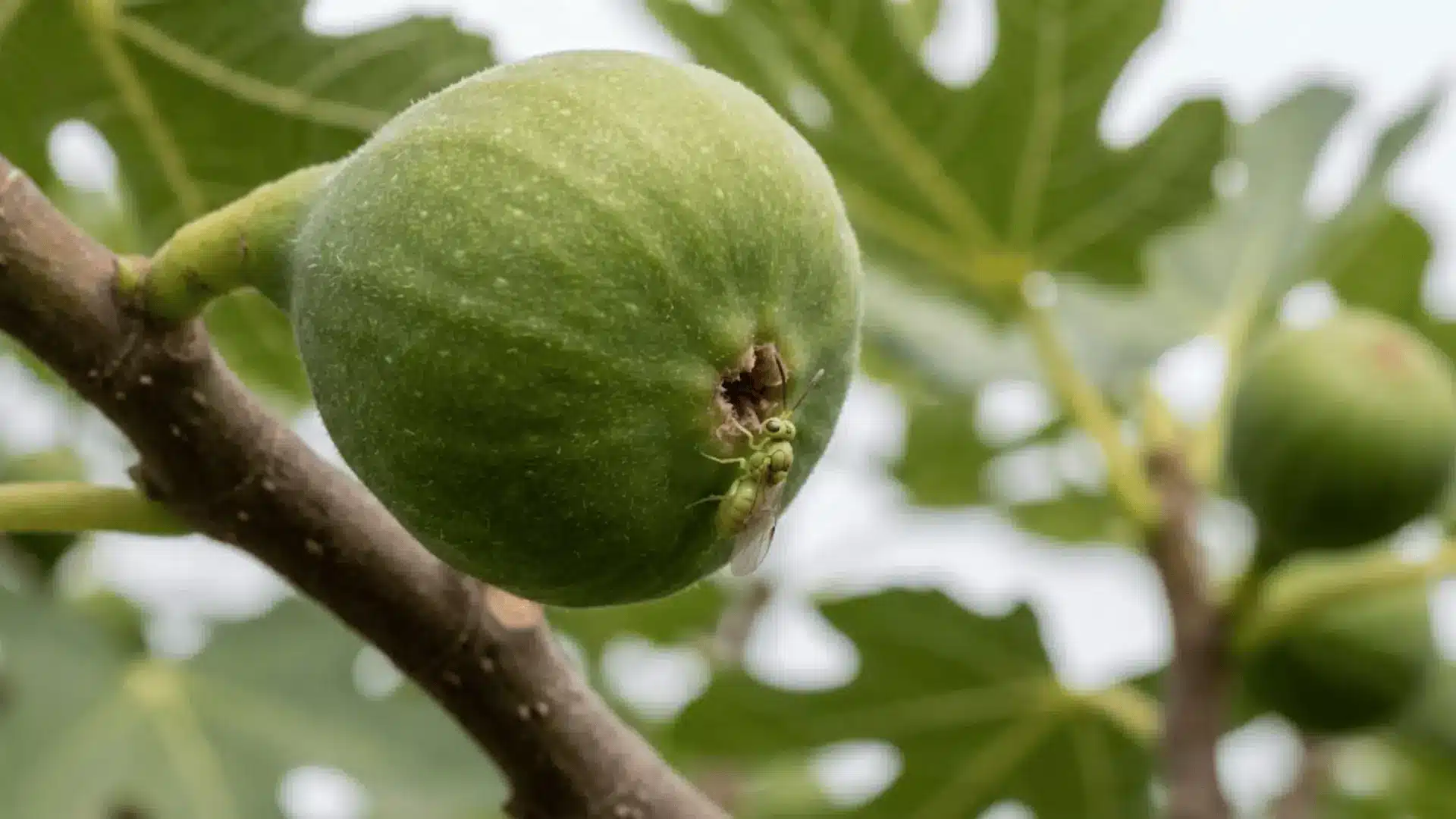
The relationship between figs and wasps plays out entirely inside that enclosed flower structure. Entrance, pollination, decomposition; it’s a process refined over millions of years.
Here’s how it unfolds.
Step 1: The Female Wasp Enters the Fig
A female wasp, pregnant and ready to lay eggs, locates a receptive fig by scent. She squeezes through the ostiole, a tiny opening at the fig’s base. The passage is so narrow that she often loses her wings and antennae getting through.
As she crawls inside, pollen brushes against the internal florets, pollinating them. Without this step, the fig cannot develop seeds or mature properly. The wasp carries genetic material essential for reproduction.
Step 2: Egg Laying & Pollination
Once inside, the wasp deposits her eggs into some of the florets while pollinating others. Not all florets become wasp nurseries; many are fertilized and develop into seeds. The wasp’s role is dual: she’s both pollinator and mother.
After laying her eggs, she dies inside the fig, having completed her biological purpose. Her offspring will eventually hatch, mate, and the females will leave to continue the cycle.
Step 3: What Happens to the Wasp?
The fig doesn’t leave a wasp carcass sitting inside. As the fruit matures, it releases an enzyme called ficin, which breaks down protein. This enzyme digests the wasp’s body entirely, absorbing it into the fig’s tissue.
By the time you bite into a ripe fig, there’s no intact wasp. What remains has been broken down and incorporated into the fruit itself.
Do All Figs Contain Wasps?
Not all figs need wasps, and most figs you buy at the grocery store never saw one.
Wild figs depend entirely on wasp pollination for reproduction, but commercial varieties have been cultivated to develop fruit without it.
These self-pollinating cultivars, like the common types of figs such as Black Mission and Brown Turkey, produce fruit through a process called parthenocarpy. They ripen and sweeten without fertilization or wasp involvement.
Farmers have selectively bred these varieties specifically to avoid the wasp relationship, making production more reliable and year-round cultivation possible.
So if you’re eating store-bought figs, chances are strong that there was never a wasp inside.
Common Myths About Fig Wasps
The viral claims about figs and wasps are built on kernels of truth wrapped in layers of exaggeration. Let’s address what’s actually happening versus what gets shared for shock value.
Myth 1: Every Fig Has a Dead Wasp Inside
Fact: Most commercial figs are self-pollinating varieties that never involve a wasp. Even wild figs that do use wasps break down the insect completely through enzymes during ripening.
Myth 2: You’re Eating Whole Insects When You Bite a Fig
Fact: The enzyme ficin digests any wasp that enters, breaking it down at the molecular level. You’re consuming absorbed proteins, not an insect body.
Myth 3: Figs Are Filled with Crunchy Bug Parts
Fact: Those crunchy bits are seeds, not exoskeletons. The wasp’s body has been entirely digested, leaving no wings, legs, or antennae behind.
Are Figs Vegan? The Debate Explained
The vegan status of figs sparks genuine debate within the community. Veganism centers on avoiding animal exploitation, which raises questions about figs pollinated by wasps.
Some vegans argue the fig-wasp relationship is a natural ecological process, not human exploitation. The wasp isn’t farmed or manipulated; it follows its evolutionary lifecycle.
Others counter that commercially growing figs requiring wasp pollination still constitutes the intentional use of insects for food production. Most store-bought figs are self-pollinating varieties, which sidesteps the issue entirely.
Ultimately, vegans interpret this differently based on where they draw the line between natural symbiosis and agricultural practice.
Nutritional Value of Figs
Beyond the pollination drama, figs pack impressive nutritional benefits. They’re naturally sweet, fiber-rich, and loaded with essential nutrients that support digestion, bone health, and overall wellness.
| Nutrient | Amount (per 100g) | Key Benefits |
|---|---|---|
| Fiber | 2-3g (fresh), 10g (dried) | Supports digestion and blood sugar regulation |
| Potassium | 232mg | Regulates blood pressure and heart function |
| Calcium | 35mg (fresh), 162mg (dried) | Strengthens bones and teeth |
| Magnesium | 17mg | Aids muscle function and energy production |
| Vitamin K | 4.7mcg | Essential for blood clotting and bone health |
| Iron | 0.4mg (fresh), 2mg (dried) | Prevents anemia and supports oxygen transport |
| Antioxidants | High polyphenol content | Reduces inflammation and oxidative stress |
| Natural Sugars | 16g (fresh), 48g (dried) | Provides quick energy with fiber to slow absorption |
Should You Be Concerned About Eating Figs?
If the wasp story has you second-guessing your next fig, rest easy.
Here’s what you actually need to know about fig safety and consumption.
- Most commercial figs never contain wasps because they’re self-pollinating varieties bred specifically to develop without insect involvement.
- Enzyme digestion is complete in wild figs that do involve wasps, meaning no intact insect material remains by the time the fruit ripens.
- FDA standards classify figs as safe, and they’re regulated like any other fruit, with no special warnings or concerns about insect content.
- Figs are consumed globally and have been a dietary staple for thousands of years across Mediterranean, Middle Eastern, and Asian cultures without health issues.
The wasp relationship, while biologically intriguing, doesn’t translate into a food safety concern.
When it comes to how many figs you should eat daily, moderation is key for maximizing benefits while avoiding excess sugar intake.
Final Verdict
So, are fig wasps explained? Absolutely. The viral claims about dead wasps in every fig are more myth than reality.
Most figs you encounter are wasp-free, and even those involved in pollination leave no trace behind thanks to natural enzymes.
This ancient partnership between figs and wasps is less about eating insects and more about witnessing millions of years of coevolution at work.
For vegans questioning their fig consumption or curious snackers wanting the full story, the facts are clear and reassuring.
Now it’s your turn: does this change how you see figs? Drop your thoughts in the comments below.