Ever walk through your house and notice a dozen small problems you keep putting off? In Pennsylvania, winter pushes people indoors, and by spring many homeowners start eyeing walls, cabinets, and creaky fixtures with fresh resolve.
With rising costs and people spending more time at home, simple upgrades carry real value. In this blog, we will share practical home improvement projects you can start this year without draining your wallet.
Simple Fixes That Keep Pests Out
Home improvement does not always involve appearance. Sometimes the smartest upgrade blocks problems before they grow. Small openings around windows, vents, and foundations allow insects and rodents to enter quietly, which means sealing those gaps ranks among the most practical tasks you can handle.
Start outside. Walk around your home and check where pipes or cables enter the wall. Fill narrow openings with exterior caulk and larger ones with expanding foam. Repair torn window screens and check weatherstripping along doors. These steps cost little, yet they close easy paths for pests.
If you’re looking for professionals skilled in pest control Reading PA has several companies that help homeowners handle stubborn infestations and long-term prevention. A brief inspection can reveal entry points people overlook, such as attic vents or crawlspace gaps.
Inside the house, pay attention to storage areas. Cardboard boxes attract insects and trap moisture, while sealed plastic containers protect stored items. Sweep crumbs near baseboards and keep trash lids tight. These habits might sound basic, though they often solve the majority of pest problems.
With climate shifts causing longer warm seasons across many regions, pest activity continues later into the year. That reality pushes more homeowners to treat prevention as part of regular home maintenance instead of a once-a-year chore.
Paint That Changes the Mood of a Room
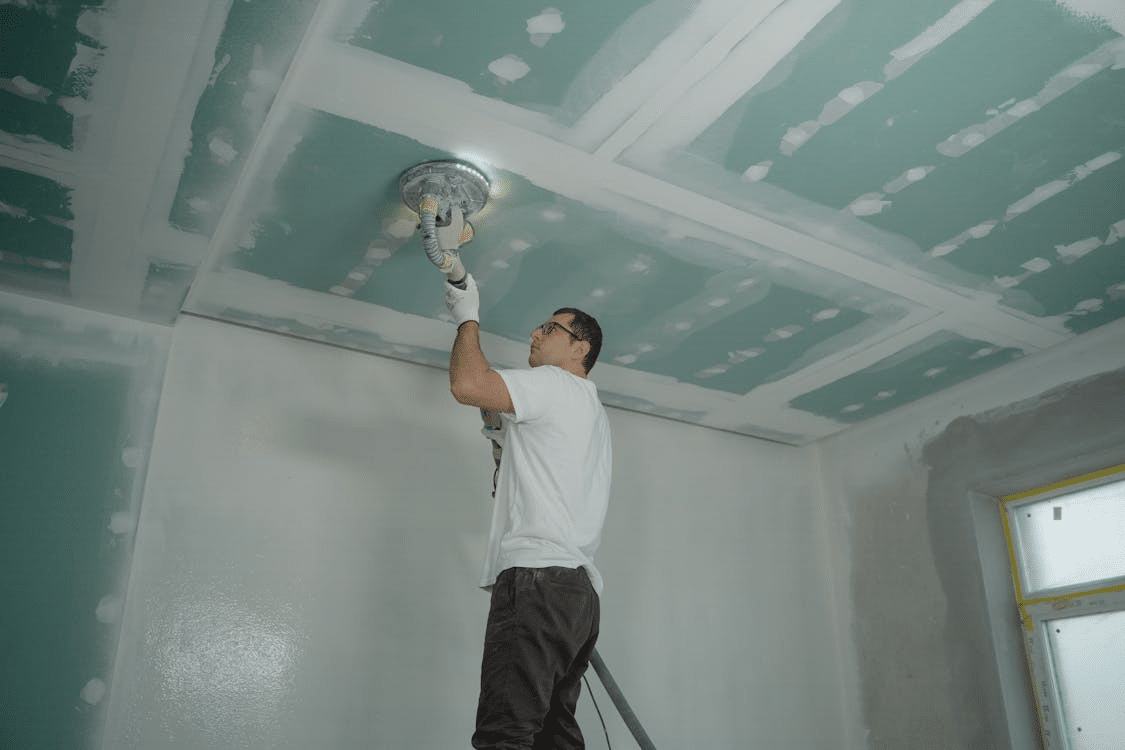
Painting remains the fastest way to change a room, yet many people delay it for years because they imagine a huge job. In reality, one weekend and a few supplies can shift the feel of an entire space. Start with rooms that get heavy use such as the living room, hallway, or kitchen.
Before opening a paint can, wipe walls with a damp cloth and fill nail holes with lightweight spackle. These steps take little time but prevent rough patches from showing through. Choose neutral shades if resale value matters, though many homeowners now prefer warmer tones after years of stark gray interiors. Trends often swing like a pendulum, and design blogs now show soft earth colors returning to favor.
Use painter’s tape along trim and baseboards, then apply primer when switching from dark paint to light. Two thin coats beat one thick coat every time. The first coat often looks uneven, yet patience pays off when the second coat smooths the surface.
Many homeowners also paint interior doors or cabinets to stretch the impact further. Dark green or navy cabinets can give a kitchen a new look without replacing expensive fixtures. That small shift reflects a larger trend across the country: people upgrading what they already own instead of chasing constant replacement.
Upgrade Lighting Without Calling an Electrician
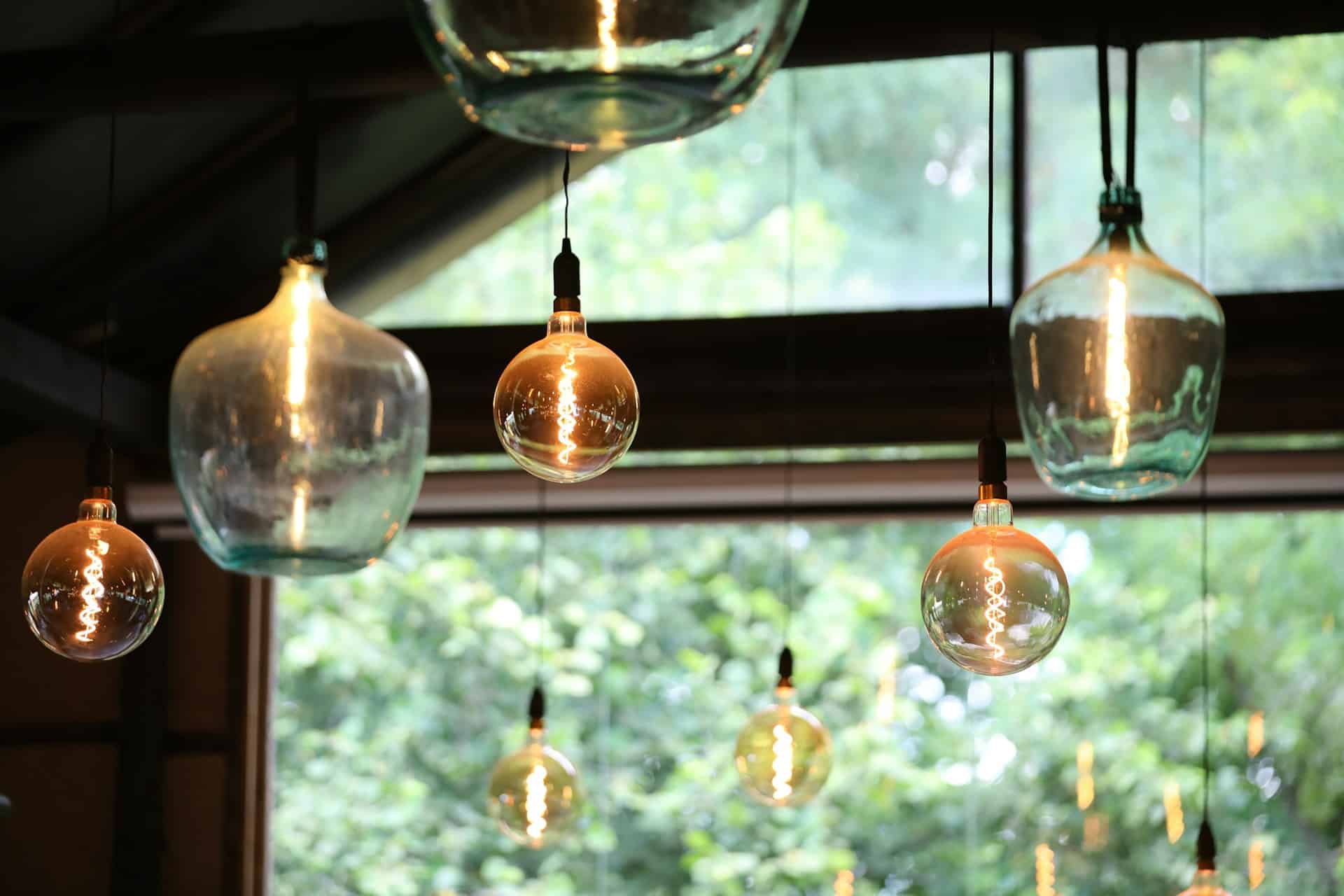
Lighting shapes how a home feels, yet outdated fixtures still hang in many rooms because people assume installation requires complex wiring. In many cases, swapping a fixture only takes a screwdriver and basic caution.
Start by turning off power at the breaker panel. Remove the old fixture carefully and photograph the wiring before disconnecting it. That photo helps when attaching the new fixture. Most modern lights connect through simple wire nuts and color-matched wires.
Choose LED fixtures when possible. They use far less electricity than older bulbs and last for years. With power costs rising across the United States, that small change cuts monthly bills while improving brightness.
Layering light also improves how rooms function. Combine overhead lighting with table lamps or under-cabinet strips. Kitchens benefit from lights installed beneath cabinets because they illuminate counters where people cook or chop vegetables.
Design trends now lean toward warmer lighting rather than harsh white tones. Soft white bulbs around 2700K create a relaxed feel similar to evening sunlight. That subtle adjustment often makes a room feel calmer without major renovation.
Storage Projects That Clear the Chaos
Clutter grows quietly. A few extra tools here, winter coats there, and suddenly closets overflow. Simple storage projects restore order and give daily routines more breathing room.
Start with floating shelves. Wall studs provide strong anchor points, and basic shelf brackets hold surprising weight. Install shelves above desks, laundry machines, or garage workbenches to lift items off crowded surfaces.
Closet organizers also change how space works. Adjustable rods and shelf kits fit inside most closets without major carpentry. By separating clothing, shoes, and storage bins, a cramped closet suddenly handles twice the load.