Not every garden starts with a green thumb, and honestly, the most beautiful ones rarely do.
If your last plant quietly gave up on you, or you keep putting off gardening because it feels like too much work, that feeling is more common than you’d expect.
Some flowers are just naturally resilient, tough enough to handle a little neglect, happy in average soil, and generous with their blooms regardless.
Starting with the right ones turns the whole experience around, and your garden ends up looking like you knew exactly what you were doing all along.
What Makes a Flower Easy to Grow?
Some flowers just fit into your life without demanding much back.
Easy-to-grow varieties typically need minimal pruning and feeding, so you are not constantly hovering over them. They germinate and establish quickly, which means results show up before you lose interest.
What really sets them apart is their ability to tolerate imperfect conditions, whether that is uneven watering, average soil, or unpredictable weather.
Many are naturally resistant to common pests and diseases, saving you a lot of unnecessary trouble. And they grow just as happily in pots as they do in garden beds.
Classic No-Fail Flowers
These are the flowers that practically grow themselves, and they have been a go-to for beginner gardeners for good reason.
Resilient, cheerful, and forgiving, they deliver reliable blooms even when your gardening routine is far from perfect.
1. Marigolds
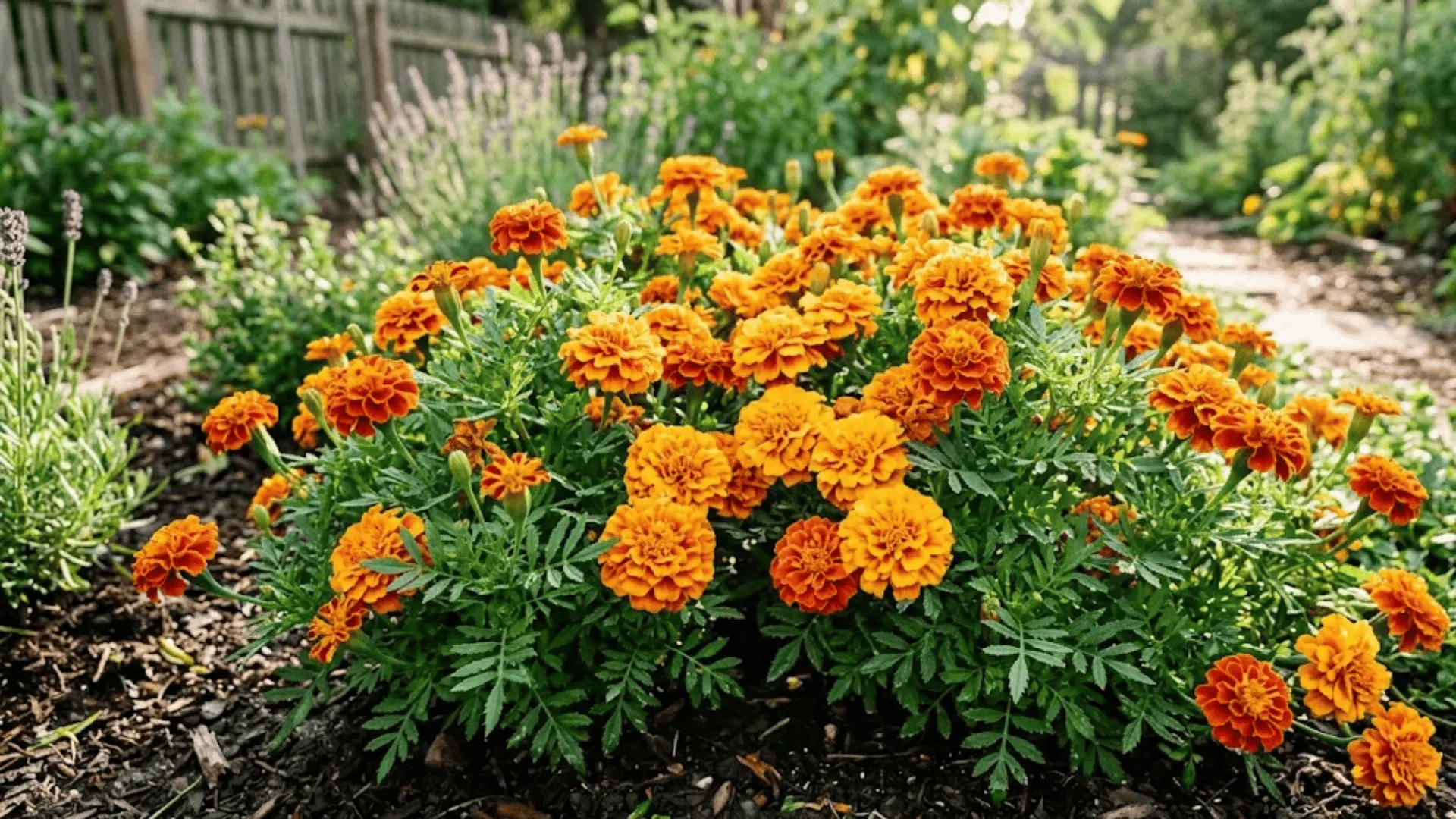
Sunlight Requirement: Full sun, at least six hours daily
Sowing Depth: Quarter inch deep
Climate: Adapts well to most climates, thrives in warm conditions
Marigolds are one of those flowers that just get on with it. They tolerate poor soil, resist pests naturally, and bloom prolifically through the season.
Tuck them into garden beds or pots and they bring consistent color without asking for much in return.
2. Zinnias
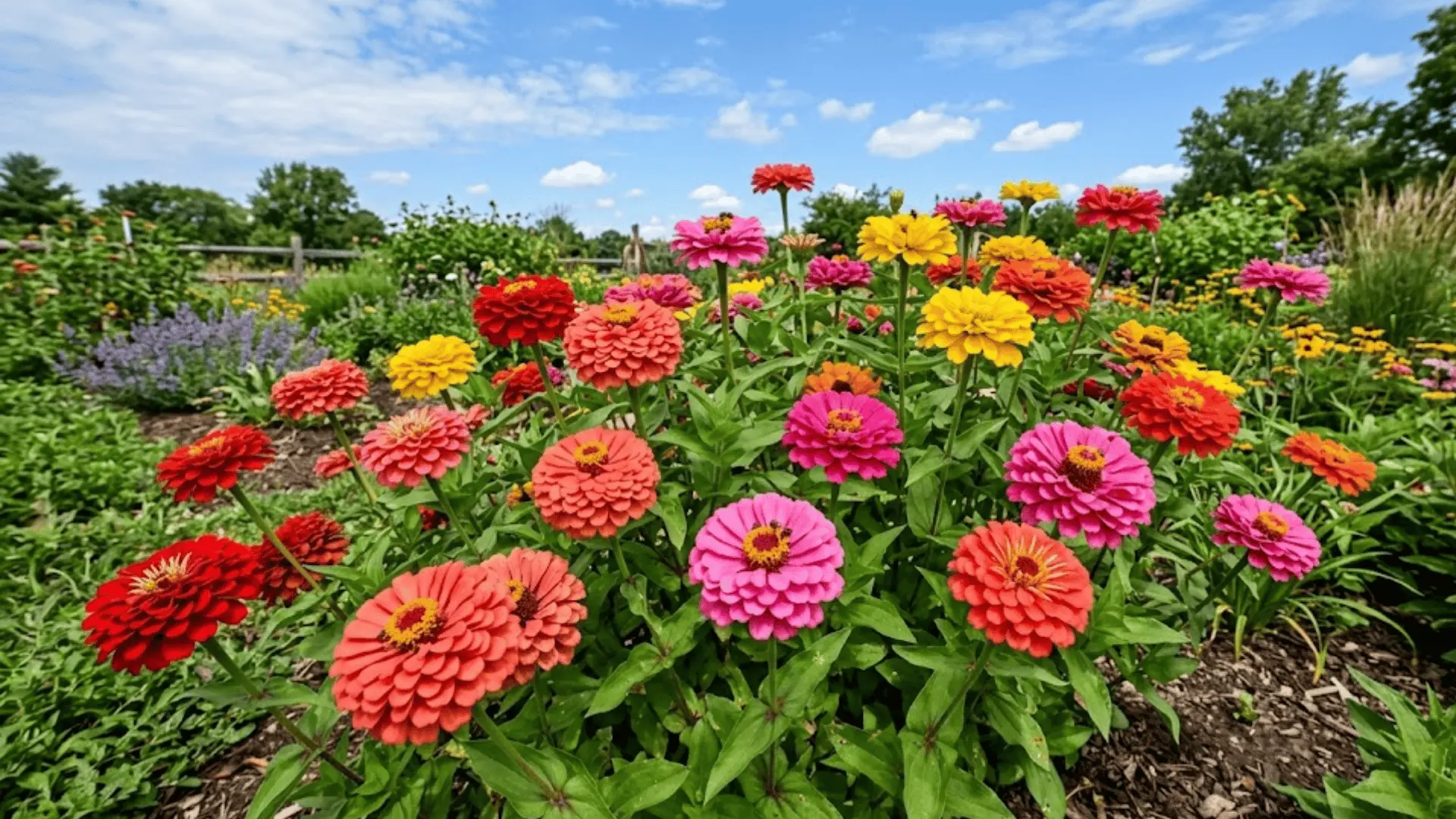
Sunlight Requirement: Full sun
Sowing Depth: Quarter inch deep
Climate: Warm climates, sensitive to frost
Zinnias are the fast bloomers of the flower world. Direct sow them into the ground and they establish quickly, rewarding you with bold, vibrant flowers in a wide range of colors.
They thrive in heat, tolerate dry spells reasonably well, and keep producing blooms the more you cut them.
3. Sunflowers
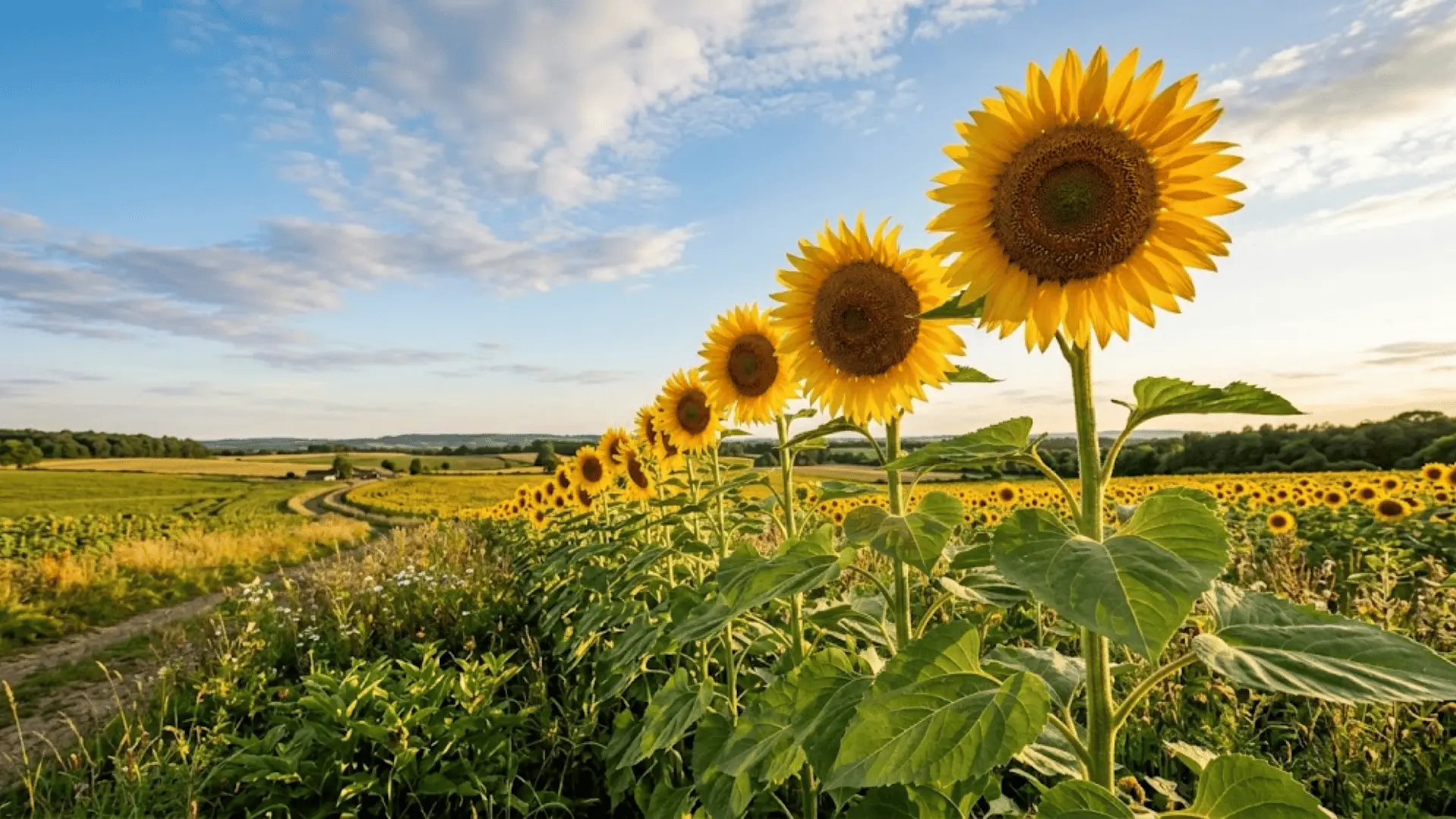
Sunlight Requirement: Full sun
Sowing Depth: One inch deep
Climate: Warm to temperate climates
Sunflowers are genuinely hard to get wrong. They push through poor soil, grow tall with minimal fuss, and have a naturally cheerful presence in any garden.
Sow them where they can soak up direct sunlight, and they handle the rest, making them one of the most satisfying first-time grows.
4. Cosmos
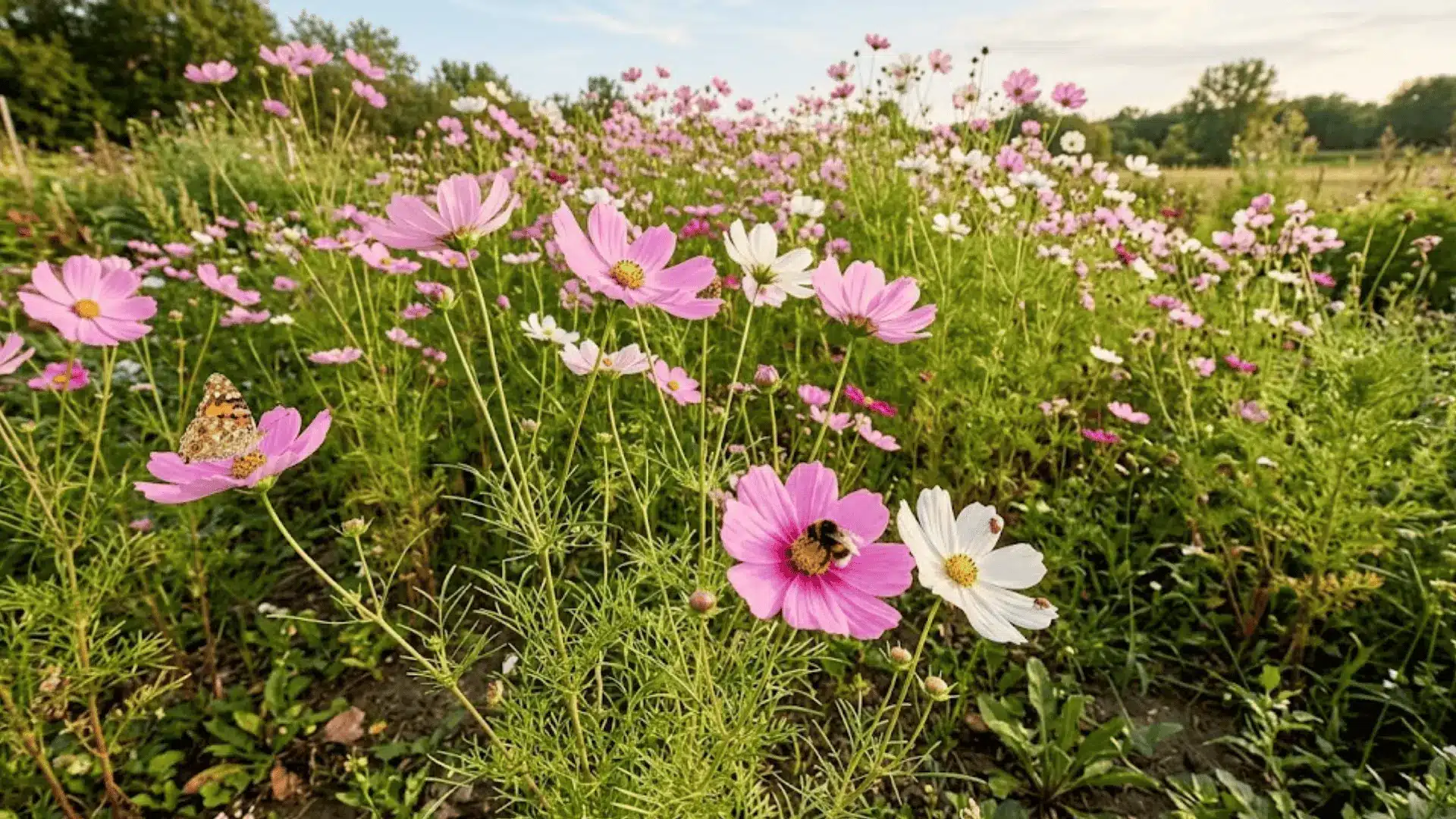
Sunlight Requirement: Full sun
Sowing Depth: Surface sow or barely covered
Climate: Warm climates, drought-tolerant
Cosmos are effortlessly airy and beautiful, and they ask for almost nothing. They prefer lean soil over rich, handle dry weather gracefully, and often self-seed so they return the following season without any effort on your part.
Plant them once, and they have a way of making themselves at home.
5. Petunias
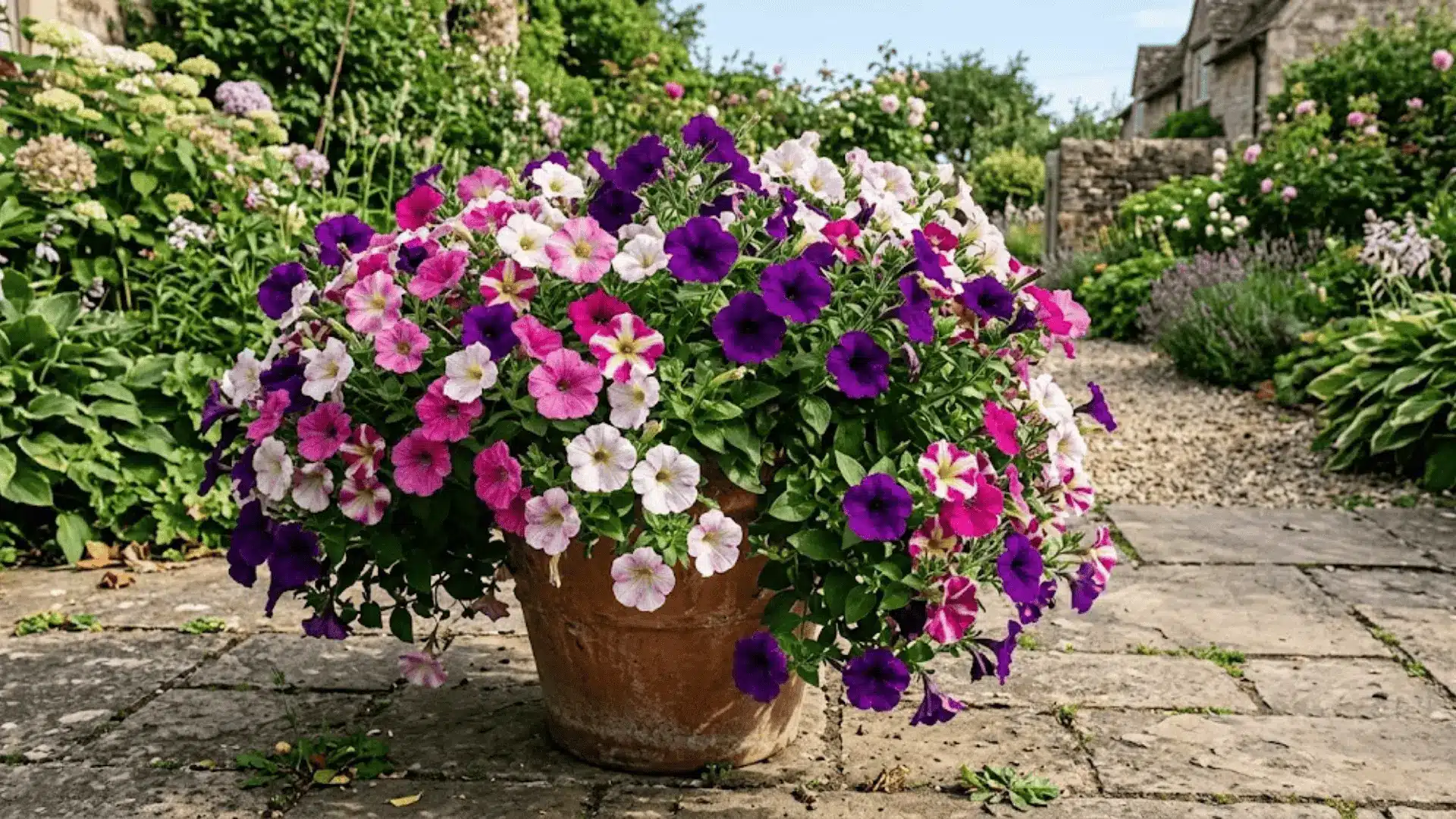
Sunlight Requirement: Full sun to partial shade
Sowing Depth: Surface sow, needs light to germinate
Climate: Warm, frost-free conditions
Petunias are a reliable choice when you want long-lasting color with minimal upkeep.
They spill beautifully over containers and hanging baskets, bloom from spring right through to frost, and only really ask for regular watering and occasional deadheading to keep the flowers coming.
Fast-Growing Flowers for Quick Results
If you want to see progress without waiting an entire season, these are the ones to reach for. They germinate readily, establish fast, and have a way of making a beginner feel genuinely capable.
6. Nasturtiums
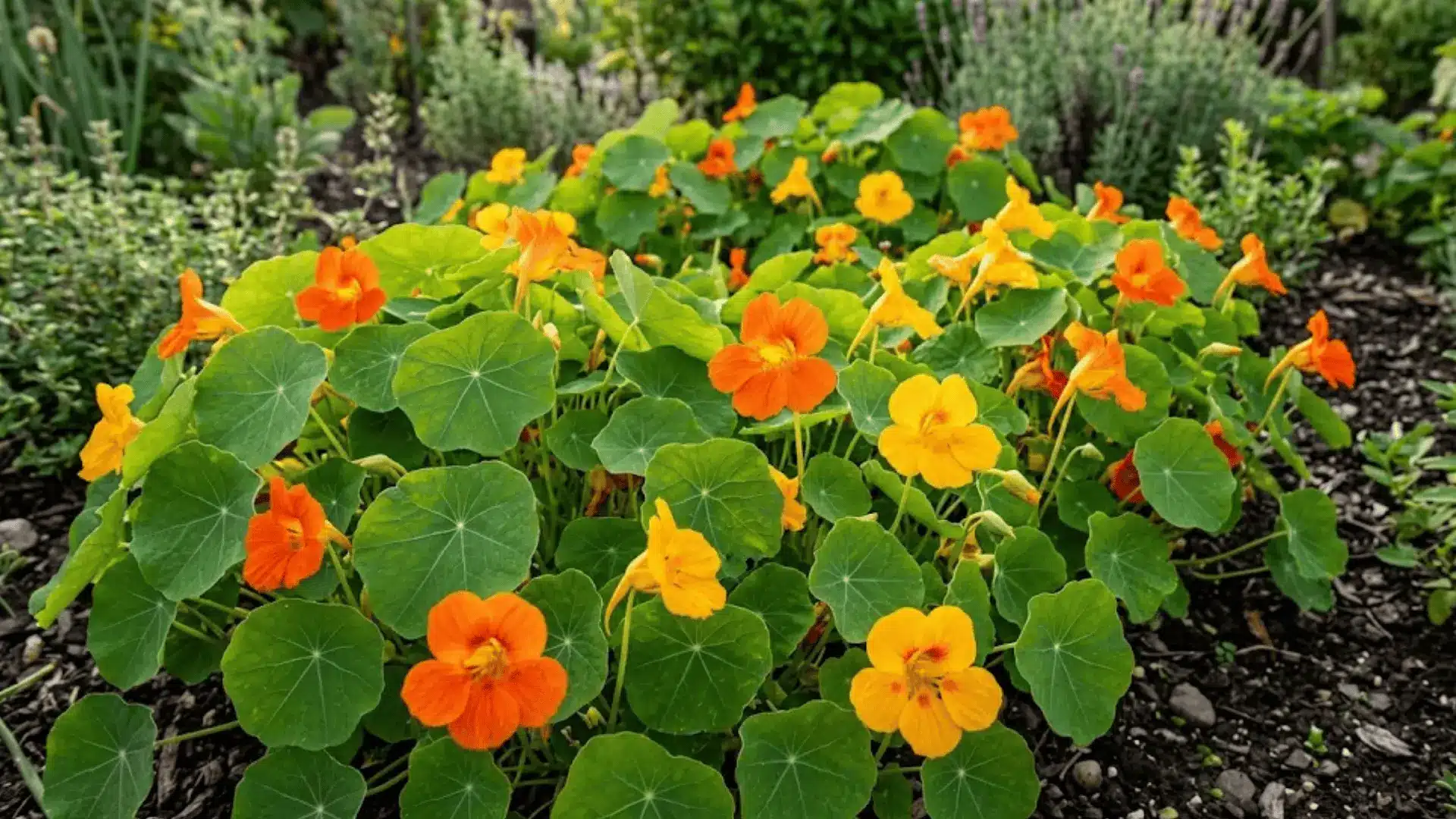
Sunlight Requirement: Full sun to partial shade
Sowing Depth: Half an inch deep
Climate: Cool to warm climates
Nasturtiums are almost rebelliously easy. They prefer poor soil over fertile soil, need very little fertilizer, and grow quickly from seed with almost no intervention.
The round, lily-pad leaves are charming on their own, and the warm-toned blooms follow shortly after, making them one of the most rewarding quick-growing flowers around.
7. Sweet Alyssum
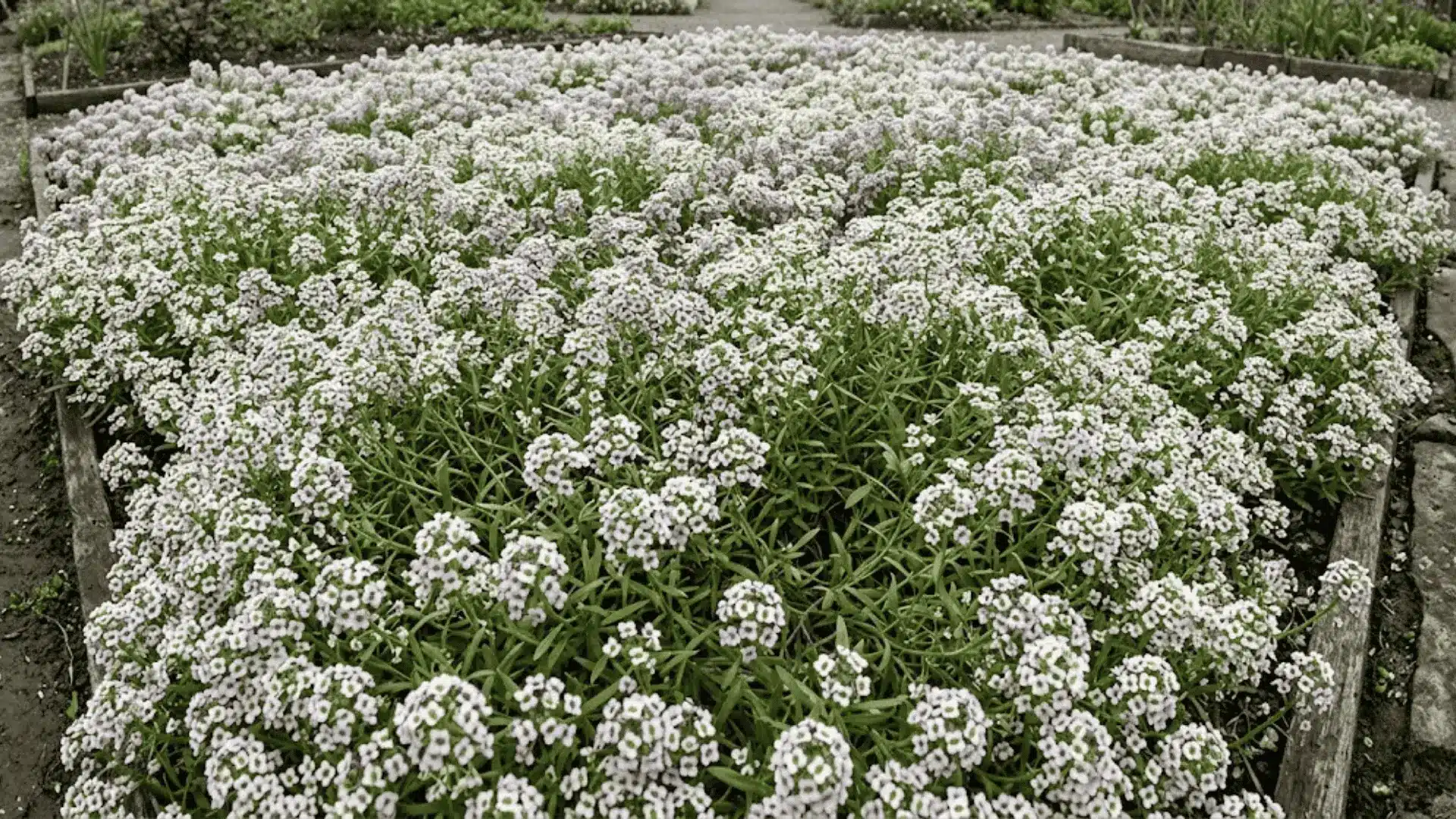
Sunlight Requirement: Full sun to partial shade
Sowing Depth: Surface sow
Climate: Cool to mild climates
Sweet Alyssum is low-growing, delicate-looking, and wonderfully fragrant. It fills gaps in garden beds and container edges beautifully, blooms quickly from seed, and often self-seeds through the season.
It tolerates light frost and performs well in cooler weather, making it a great choice for early or late season planting.
8. Calendula
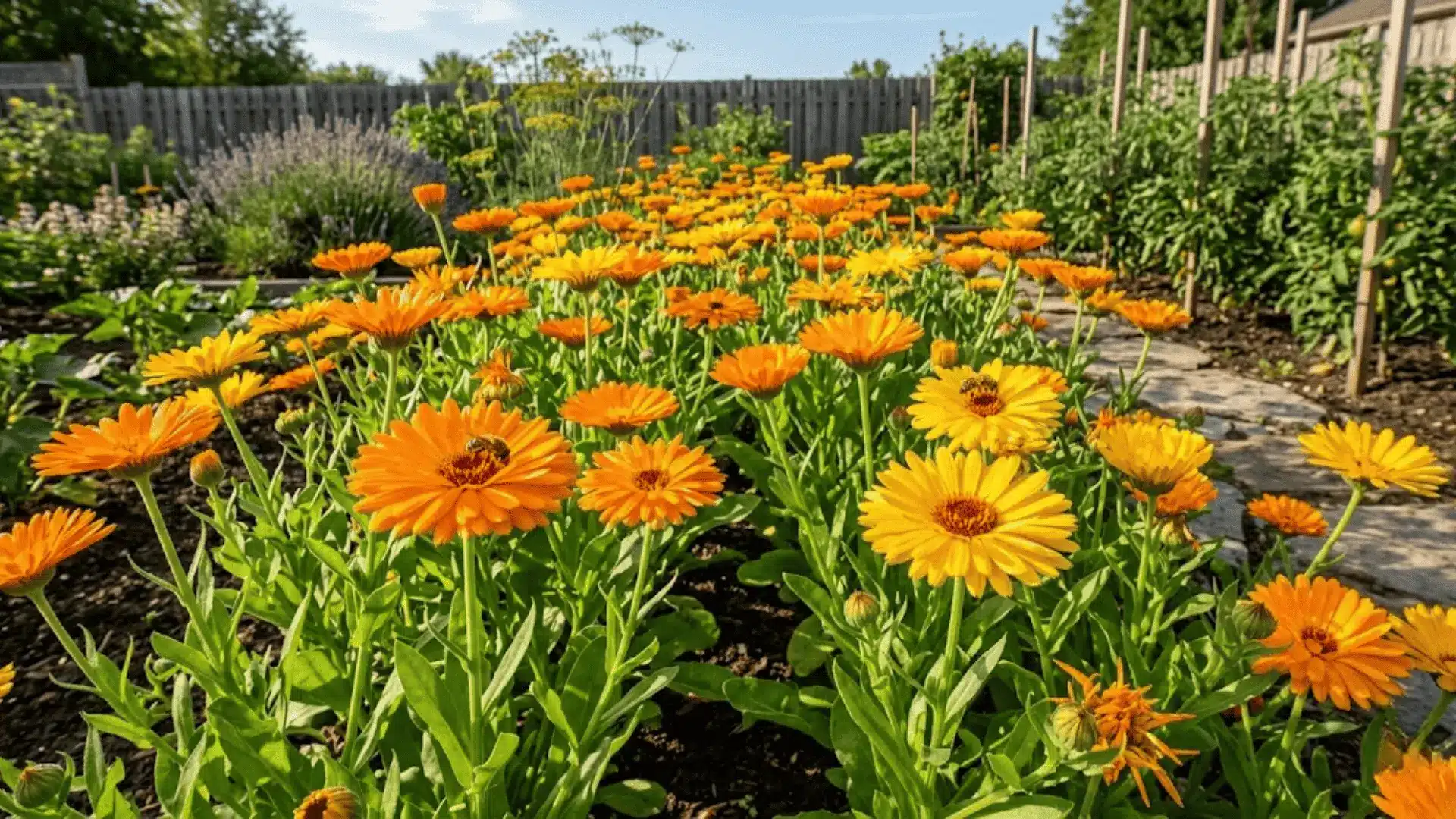
Sunlight Requirement: Full sun
Sowing Depth: Quarter to half an inch deep
Climate: Cool to mild climates, frost-tolerant
Calendula is one of the earliest flowers to bloom in the season, and it handles cool weather without complaint.
The cheerful orange and yellow flowers appear quickly after sowing, and the plant continues blooming generously as long as spent flowers are removed. It is practical, pretty, and incredibly beginner-friendly.
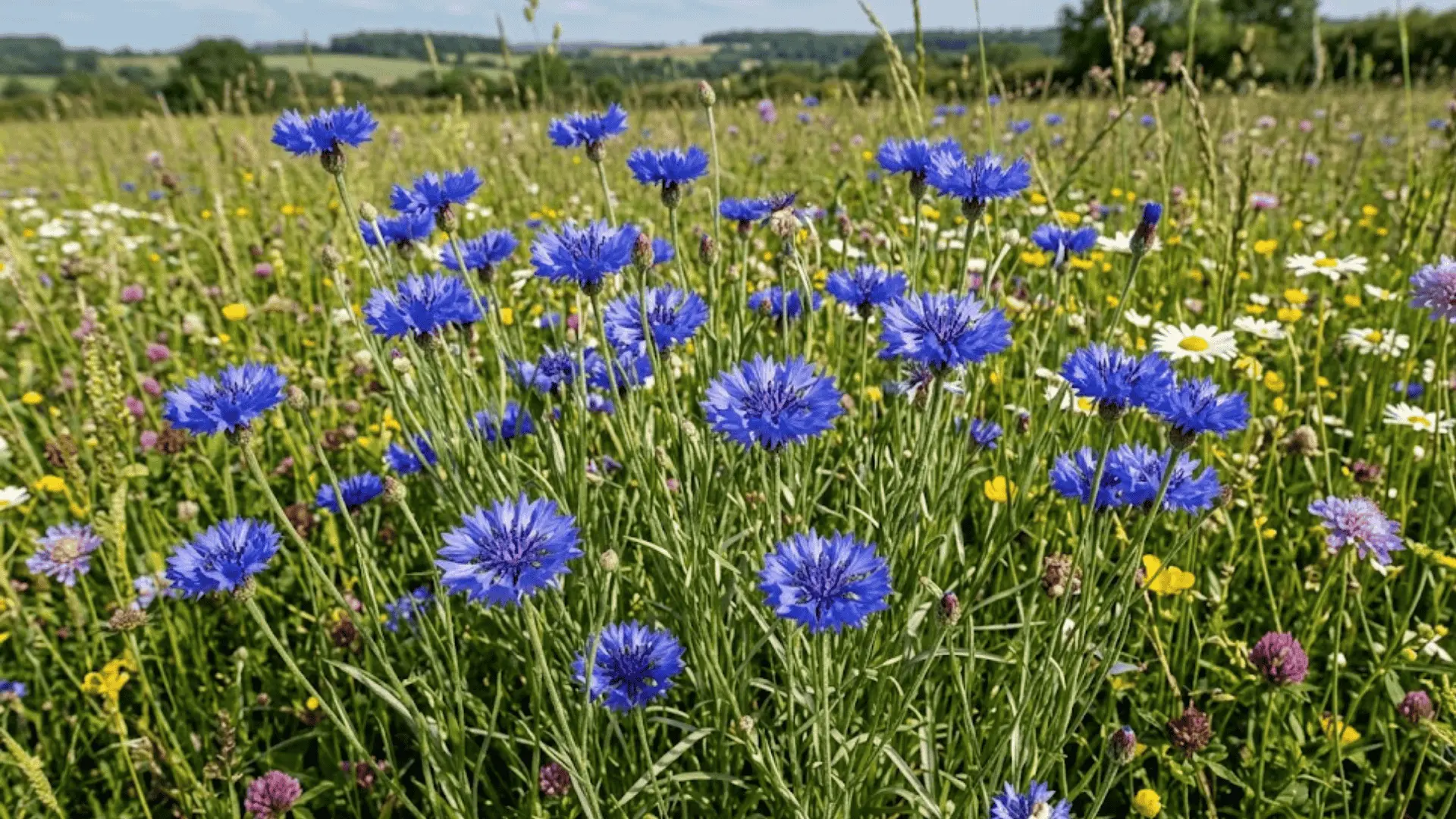
9. Cornflowers
Sunlight Requirement: Full sun
Sowing Depth: Quarter inch deep
Climate: Cool to mild climates
Cornflowers are old-fashioned in the best possible way, and they thrive where other flowers might struggle. Poor soil does not discourage them, and they germinate and bloom relatively quickly from direct sowing.
The vivid blue flowers are a lovely addition to any garden bed and attract pollinators throughout the season.
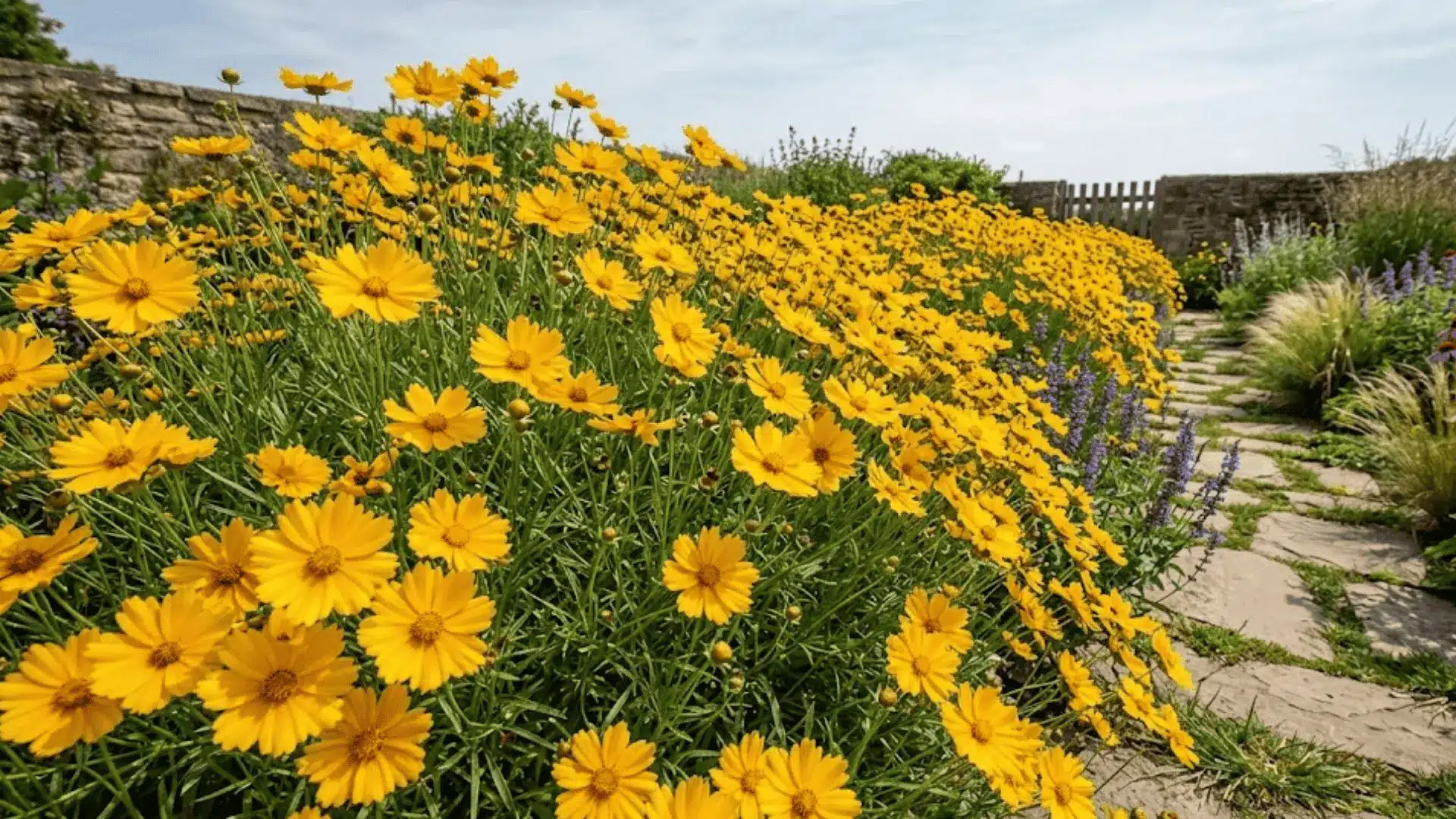
10. Coreopsis
Sunlight Requirement: Full sun
Sowing Depth: Surface sow or lightly covered
Climate: Warm to temperate climates
Coreopsis blooms for an exceptionally long stretch of the season, which makes it particularly satisfying for beginners.
It tolerates drought, poor soil, and heat without much fuss, and the bright daisy-like flowers keep coming with minimal deadheading. Once established, it needs very little from you to keep performing.
Low-Maintenance Flowers That Thrive on Neglect
Some flowers genuinely do better when you leave them alone, and these are exactly that kind. They settle in, spread comfortably, and return season after season without needing constant attention.
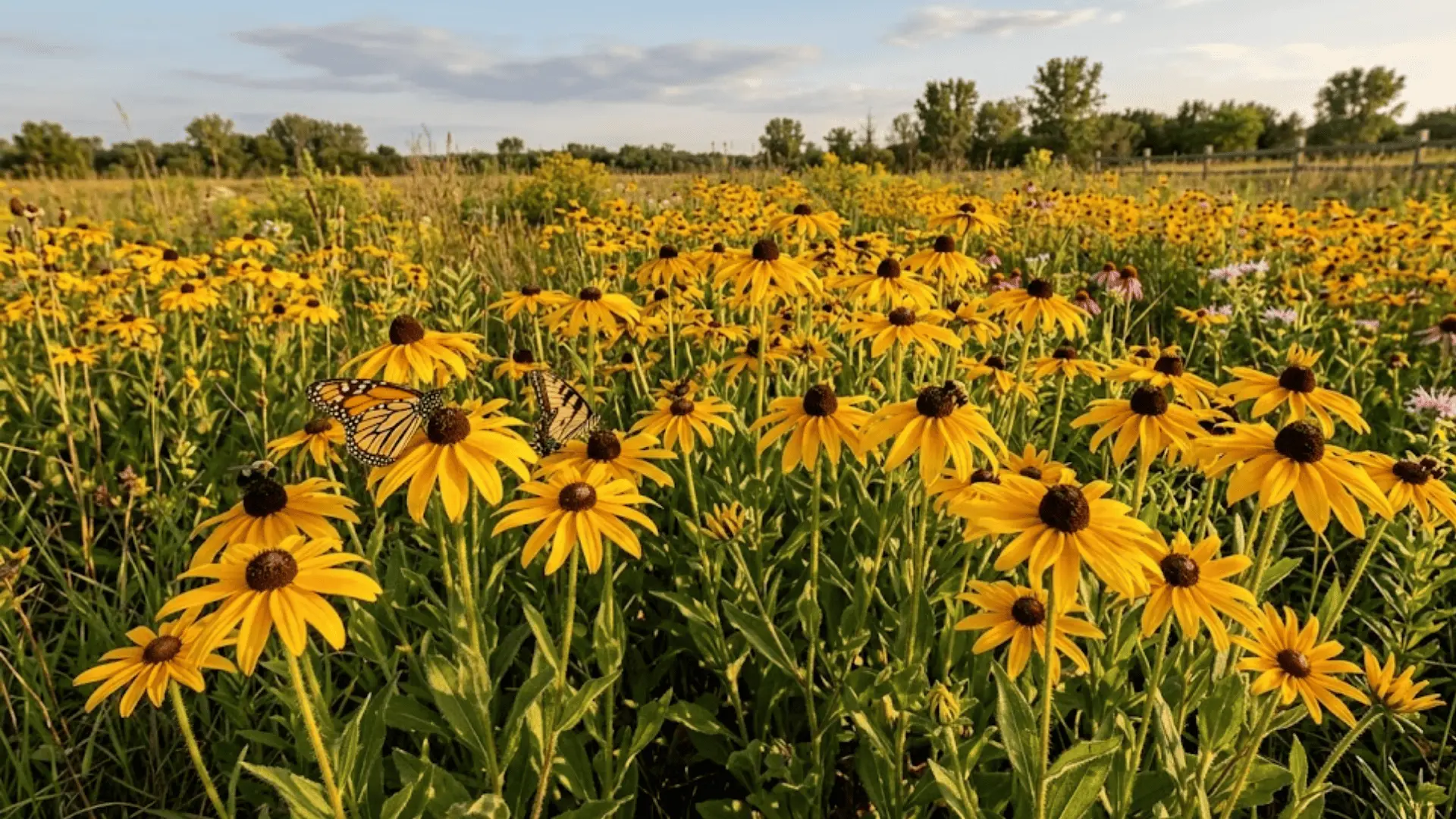
11. Black-Eyed Susans
Sunlight Requirement: Full sun to partial shade
Sowing Depth: Surface sow or lightly covered
Climate: Temperate to warm climates
Black-Eyed Susans are sturdy, cheerful, and wonderfully low-demand. They spread naturally over time, attract pollinators generously, and handle drought and poor soil without any visible distress.
Their bold golden flowers with dark centers are a classic garden look that requires almost no effort to maintain through the season.
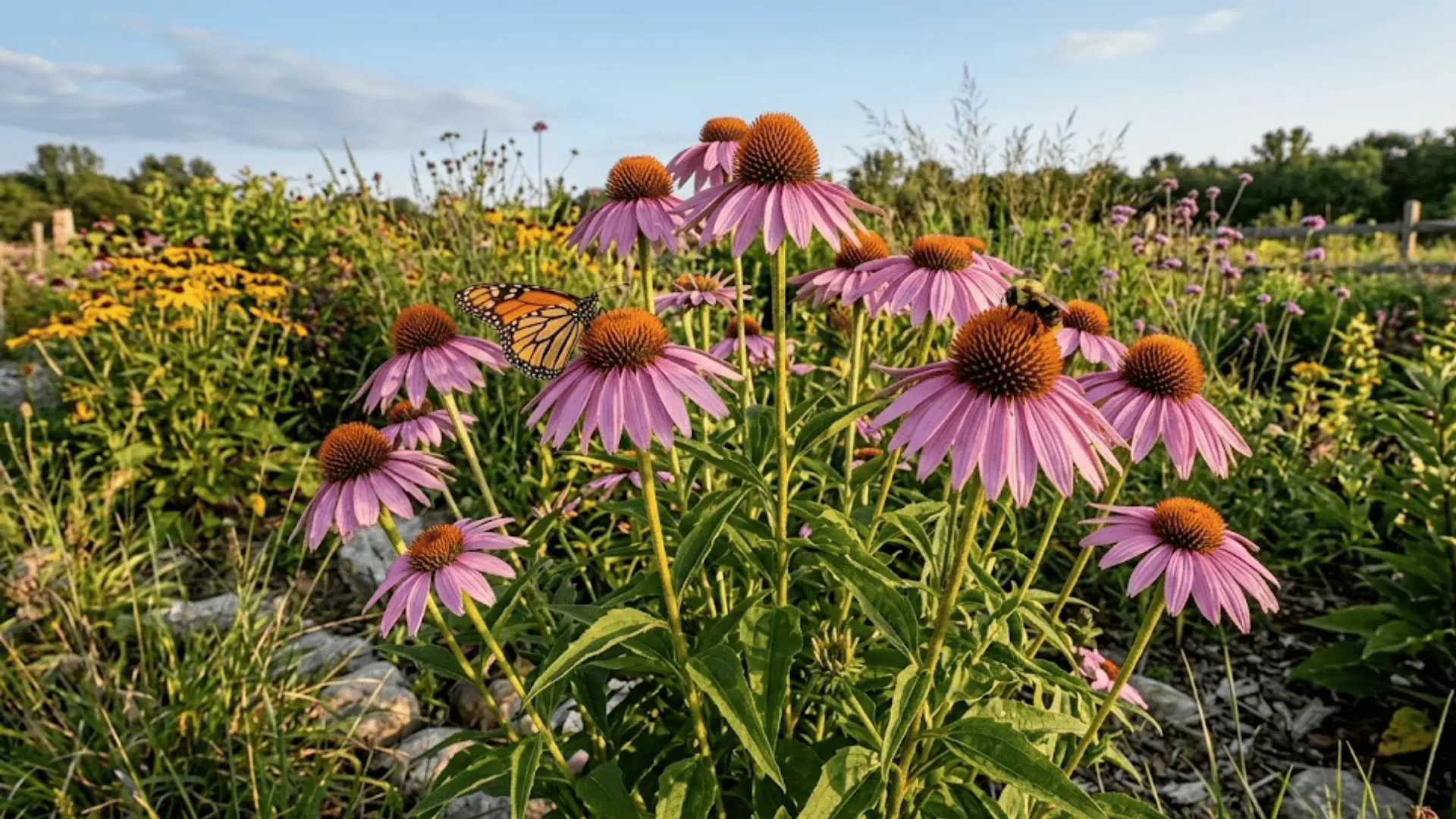
12. Coneflowers
Sunlight Requirement: Full sun to partial shade
Sowing Depth: Surface sow or lightly covered
Climate: Temperate climates, drought-tolerant once established
Coneflowers are perennials that establish quietly and then just keep coming back. They handle dry spells well once rooted, need no special feeding, and their tall, textured blooms bring real character to a garden.
Pollinators are drawn to them consistently, which makes them as functional as they are attractive.
13. Sedum
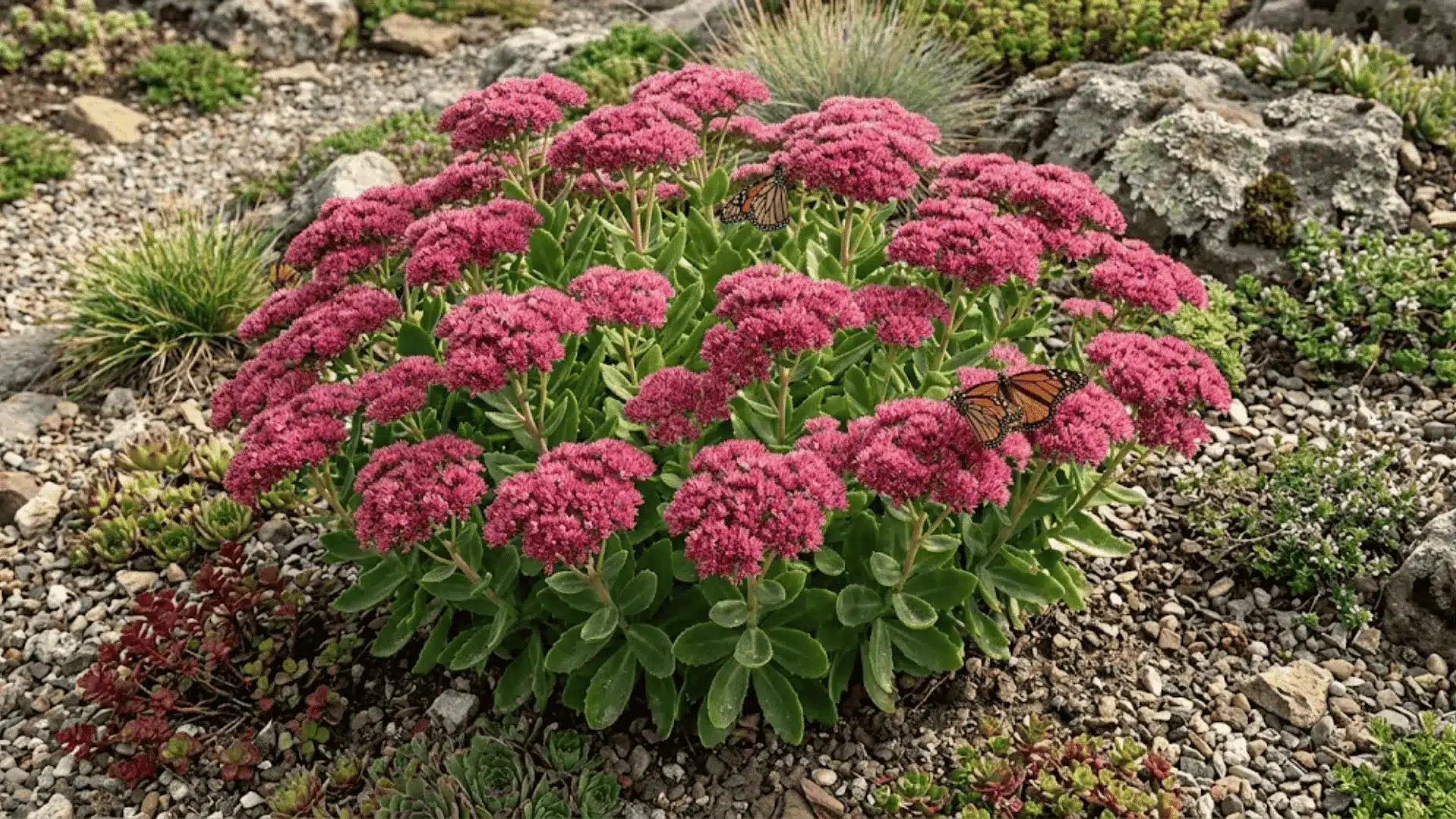
Sunlight Requirement: Full sun
Sowing Depth: Surface sow or propagate by division
Climate: Dry, hot climates, extremely drought-tolerant
Sedum is practically indestructible. It stores water in its fleshy leaves, survives extended dry periods without wilting, and asks for nothing beyond well-drained soil and sunlight.
It works beautifully in rock gardens, container arrangements, and ground cover, offering texture and late-season color when most other plants have wound down.
14. Catmint
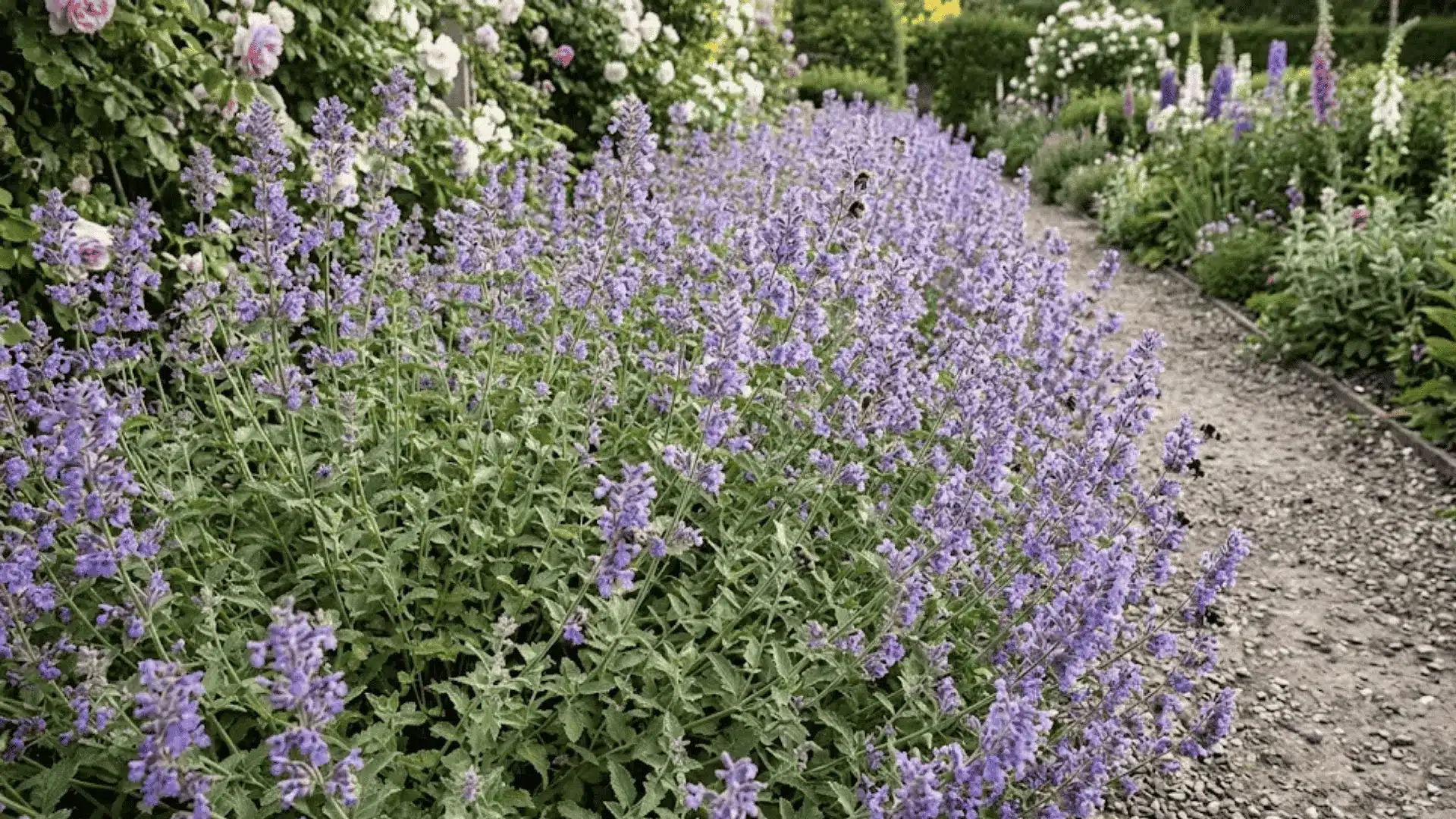
Sunlight Requirement: Full sun to partial shade
Sowing Depth: Surface sow or lightly covered
Climate: Temperate climates, tolerates heat and drought
Catmint is soft, fragrant, and remarkably unfussy. It spills gently over garden edges, produces lavender-blue flower spikes over a long season, and naturally repels many common pests.
Cut it back after the first flush of blooms, and it typically rebounds with a fresh round of flowers, all without any extra feeding or fuss.
15. Yarrow
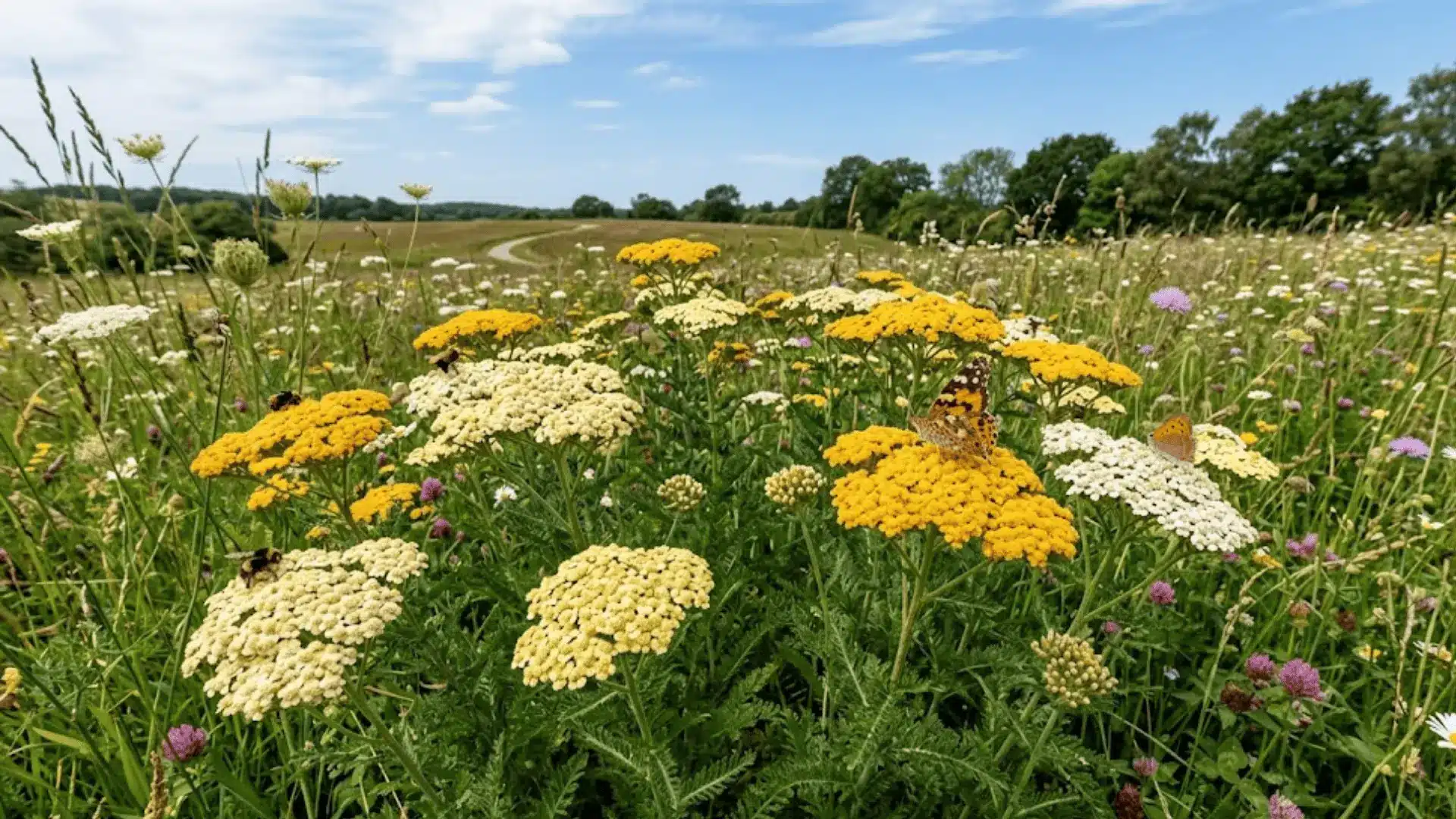
Sunlight Requirement: Full sun
Sowing Depth: Surface sow
Climate: Wide range of climates, thrives in poor, dry soil
Yarrow is one of those plants that genuinely prefers to be left alone. Rich soil and overwatering actually work against it, while dry, poor conditions bring out its best.
The flat-topped flower clusters come in warm and cool tones, and it spreads steadily over time, filling garden spaces with very little input from you.
Easy Flowers for Pots and Small Spaces
A smaller garden or a balcony is no reason to skip flowers altogether. These varieties are perfectly suited to containers and compact spaces, and they bring just as much color and charm as anything grown in open ground.
16. Impatiens
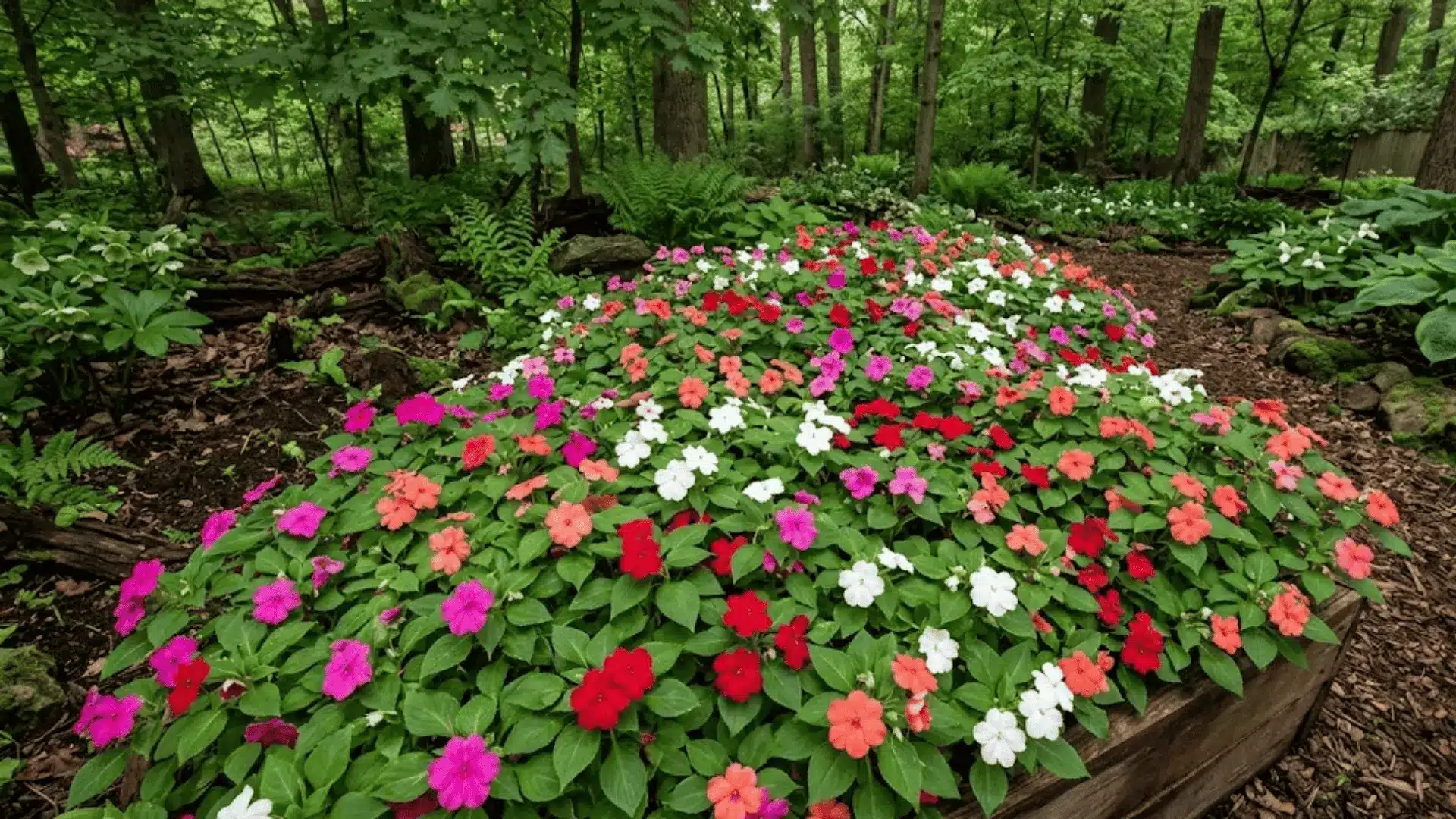
Sunlight Requirement: Partial to full shade
Sowing Depth: Surface sow, needs light to germinate
Climate: Warm, humid conditions
Impatiens are one of the few flowers that genuinely love shade, making them a go-to for balconies, covered patios, and spots that other flowering plants tend to avoid.
They bloom densely and continuously through the season, fill containers beautifully, and only ask for consistent moisture to keep performing at their best.
17. Begonias
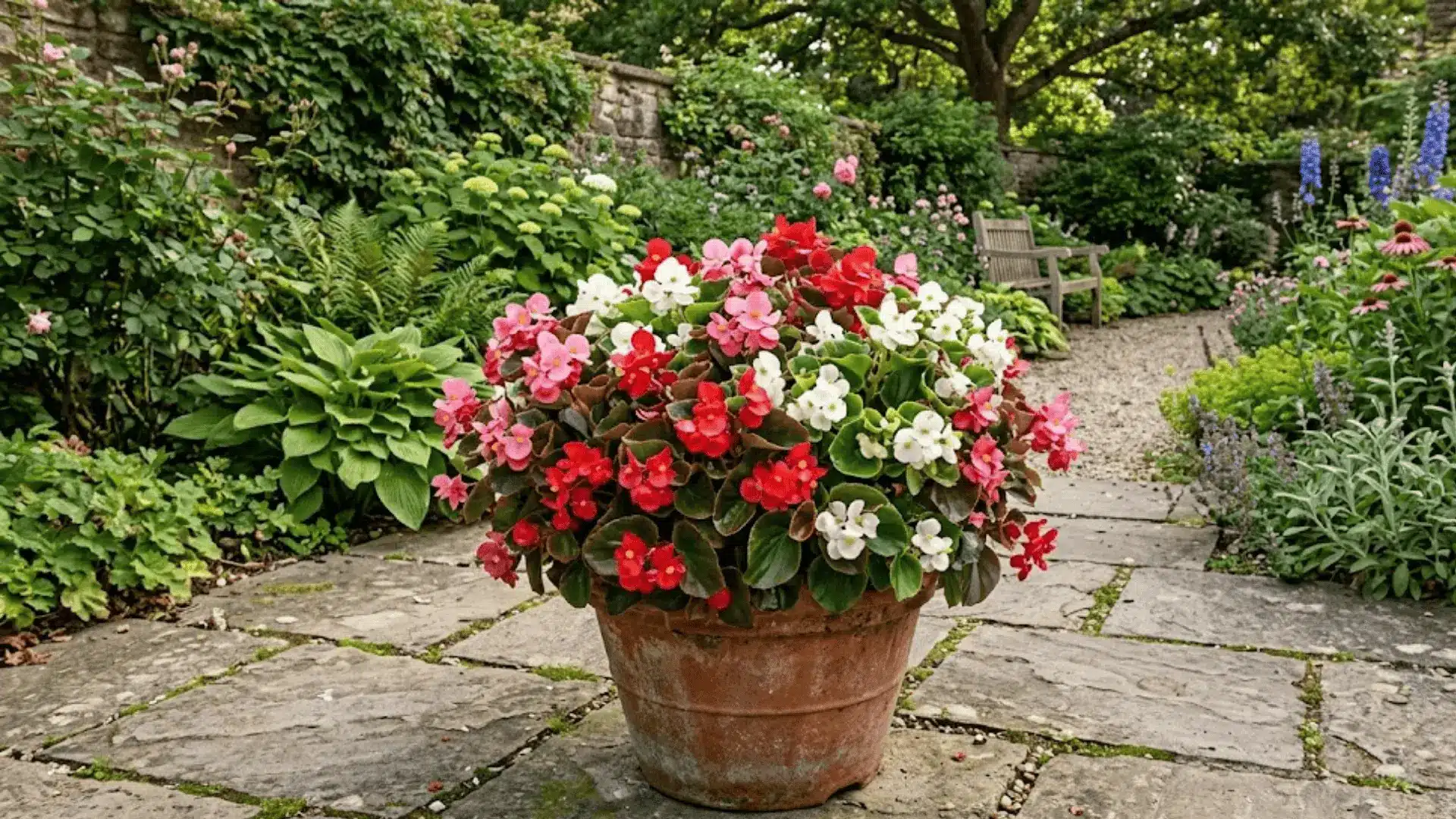
Sunlight Requirement: Partial shade to filtered light
Sowing Depth: Surface sow, very fine seeds
Climate: Warm, humid climates
Begonias are forgiving, long-blooming, and genuinely suited to low-light conditions. They work well in both hanging baskets and pots, producing waxy flowers in shades of pink, red, white, and orange throughout the season.
They prefer consistent moisture without sitting in soggy soil, and they tolerate indoor and outdoor conditions equally well.
18. Geraniums
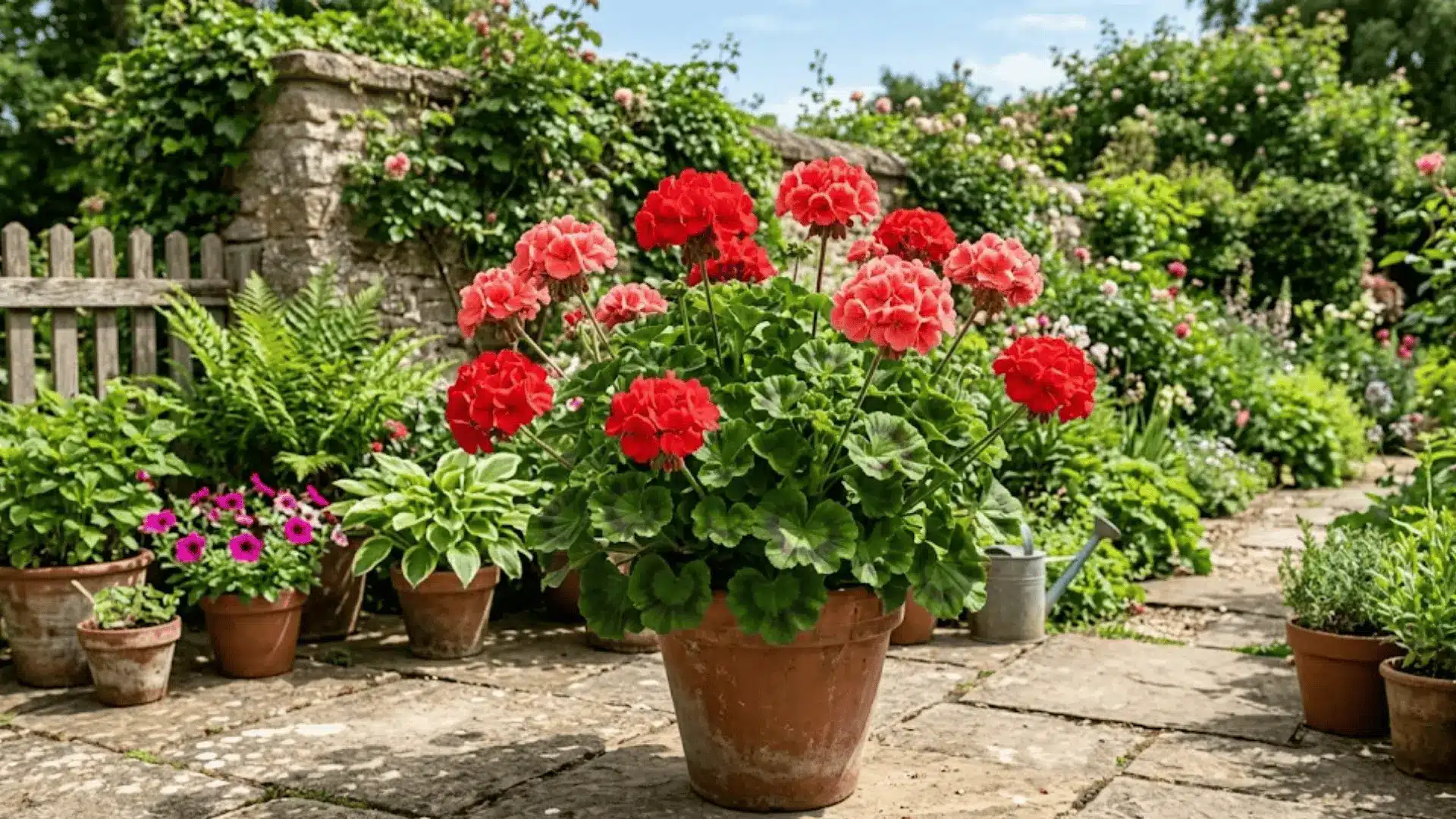
Sunlight Requirement: Full sun to partial shade
Sowing Depth: Quarter inch deep
Climate: Mild to warm climates
Geraniums are a classic container flower for good reason. They bloom reliably over a long season, handle some drought between waterings, and come in a wide range of colors that suit any aesthetic.
Their bold flower clusters and textured leaves look polished in pots, and they can even be overwintered indoors with minimal effort.
19. Vinca
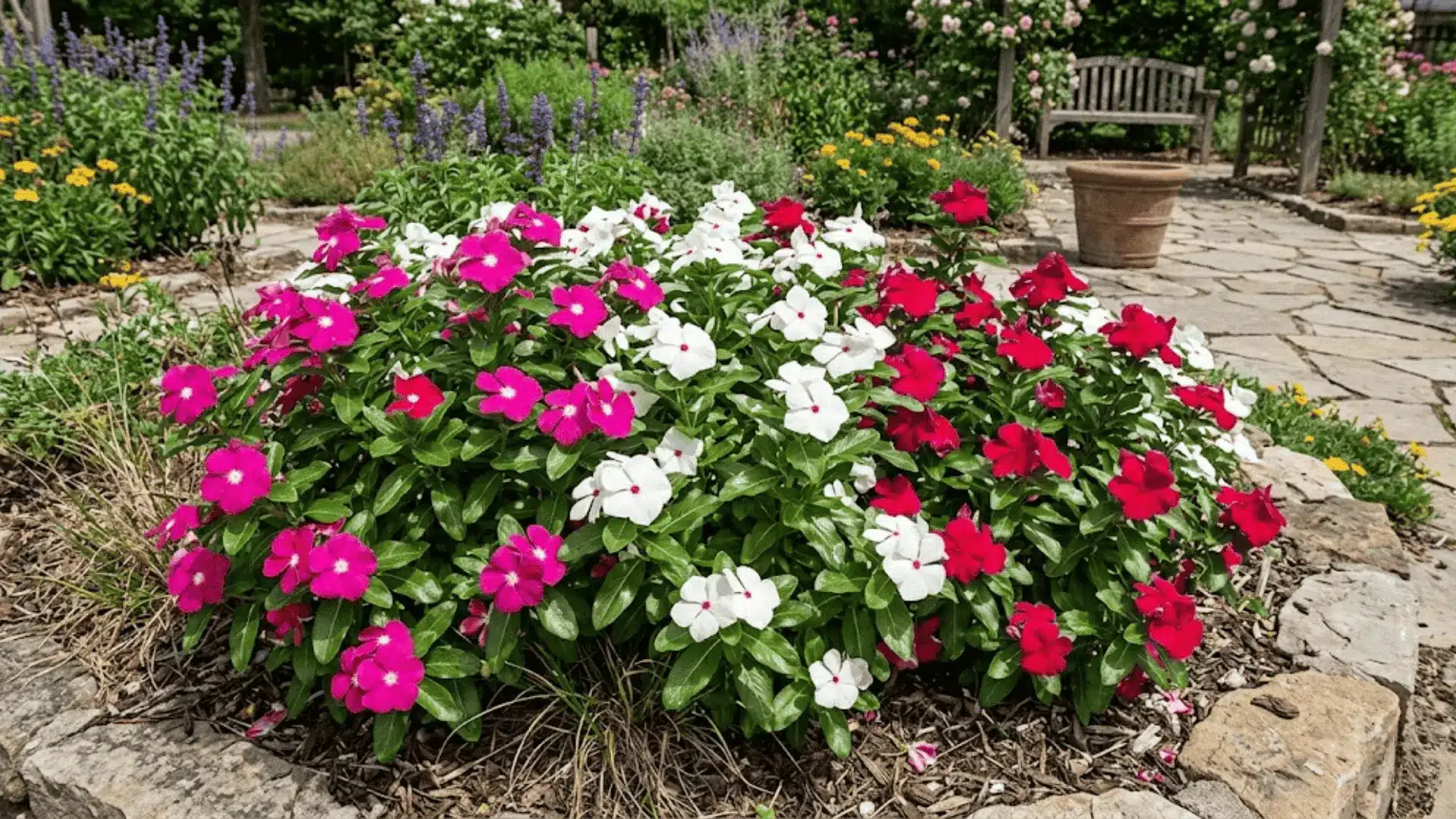
Sunlight Requirement: Full sun
Sowing Depth: Quarter inch deep
Climate: Warm, heat-tolerant
Vinca handles heat better than almost any other container flower. It blooms steadily without needing frequent deadheading, tolerates drier conditions, and maintains a tidy, attractive appearance with very little intervention.
For sunny balconies and warm patios, it is one of the most dependable low-effort choices available.
20. Pansies
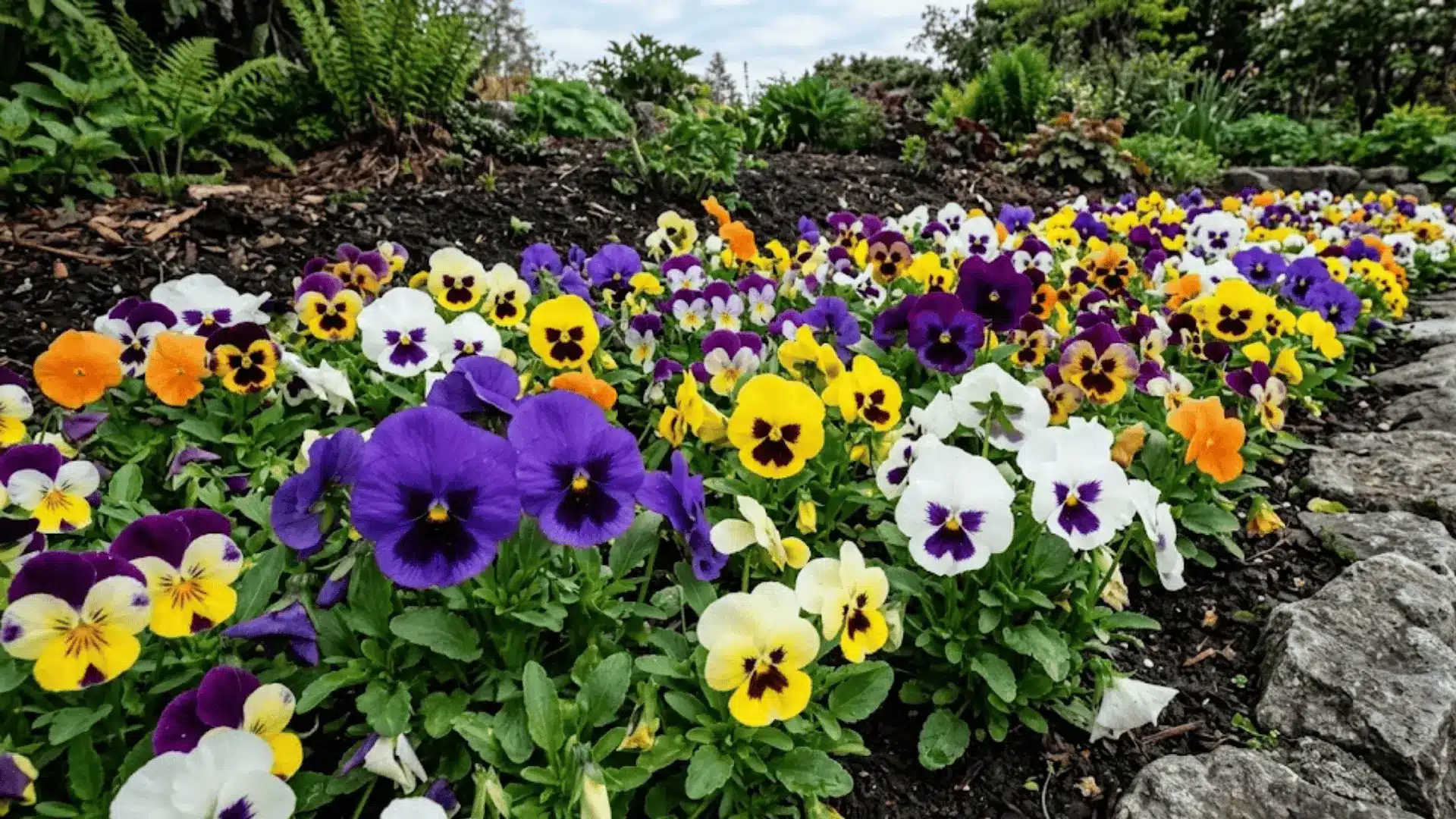
Sunlight Requirement: Full sun to partial shade
Sowing Depth: Quarter inch deep
Climate: Cool seasons, frost-tolerant
Pansies bring color to the seasons when most other flowers have stopped blooming. They are one of the earliest cool-season flowers to establish and tolerate light frost without much damage.
Their expressive, patterned faces make them a charming addition to any container arrangement, and they are simple to grow and reliably cheerful throughout cooler months.
Perennials That Come Back Every Year
There is something genuinely satisfying about plants that return on their own each season.
These perennials establish with minimal effort and keep showing up year after year, making them a smart and rewarding investment for any beginner garden.
21. Daylilies
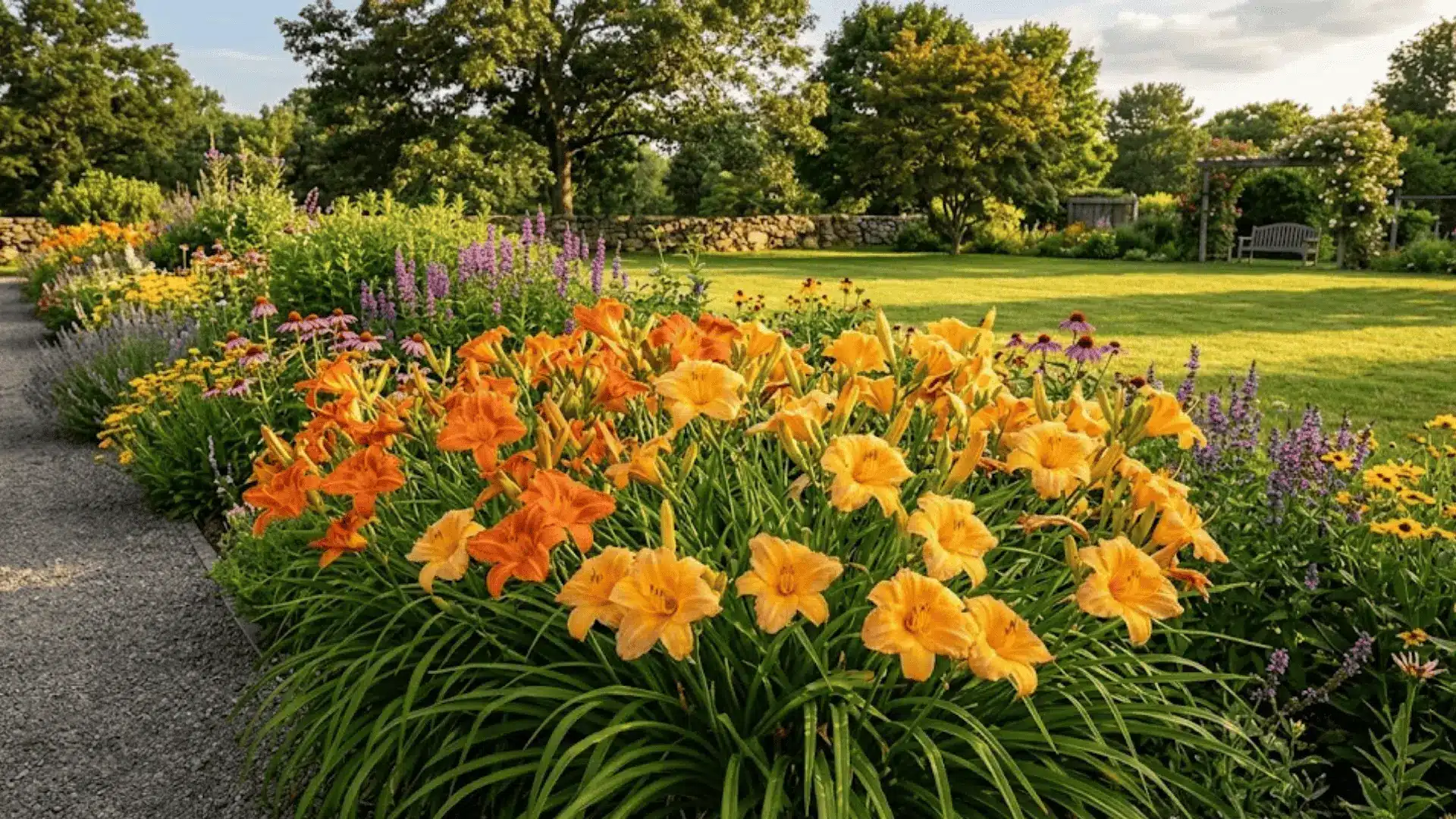
Sunlight Requirement: Full sun to partial shade
Sowing Depth: Plant tubers two to three inches deep
Climate: Wide range of climates, extremely adaptable
Daylilies are one of the most adaptable perennials you can grow. They tolerate poor soil, varying moisture levels, and a range of climates without complaint.
Each flower lasts just a day, but the plant produces so many buds that the display continues for weeks. Once established, they spread steadily and need very little care to thrive.
22. Lavender
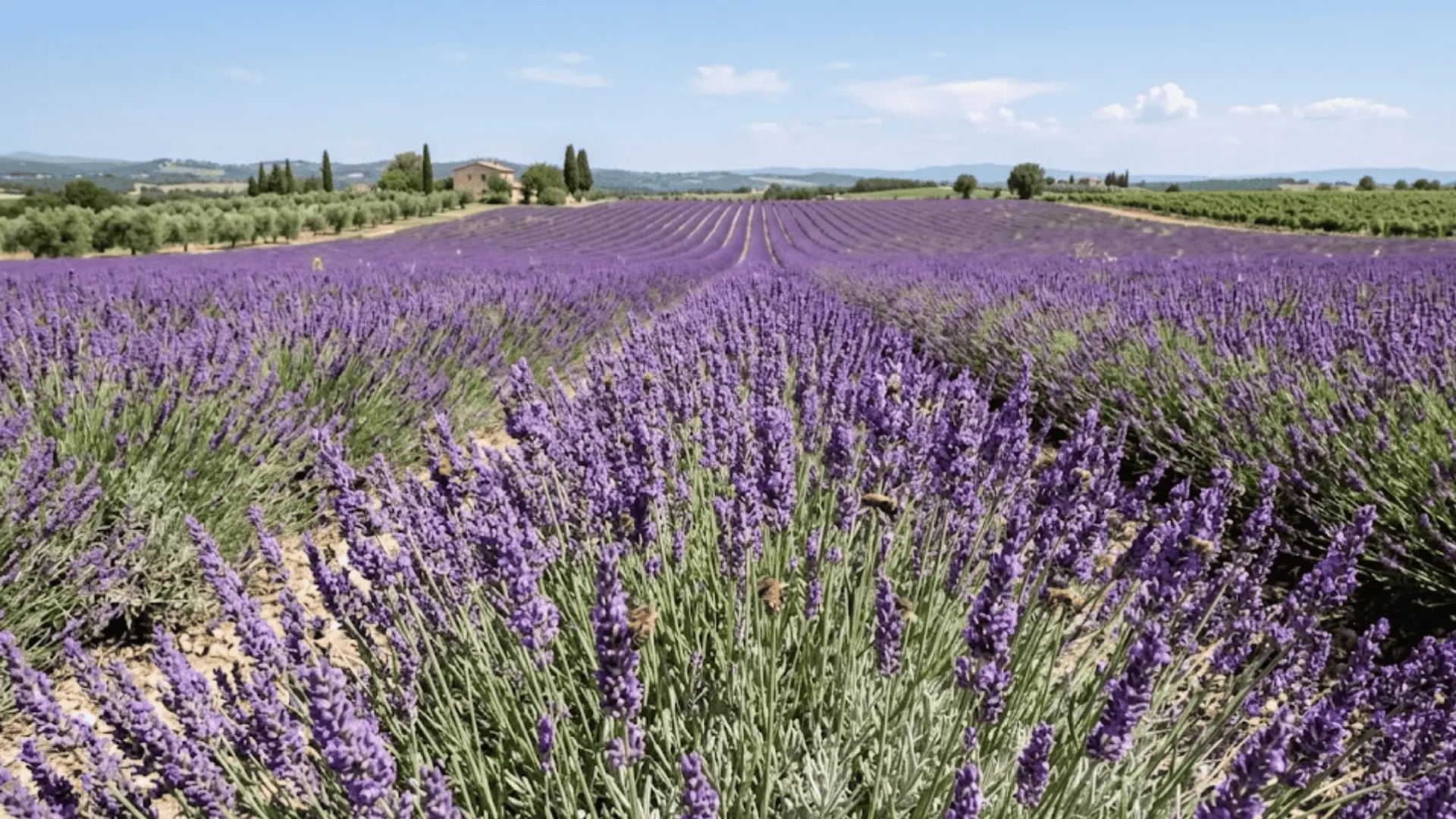
Sunlight Requirement: Full sun
Sowing Depth: Surface sow or transplant
Climate: Dry, Mediterranean-style climates, drought-tolerant
Lavender is one of those plants that looks and smells far more high-maintenance than it actually is. It thrives on neglect, prefers dry and well-drained soil, and returns reliably each year once established.
The fragrant purple spikes are loved by pollinators, and the silvery foliage stays attractive even when the plant is not in bloom.
23. Shasta Daisy
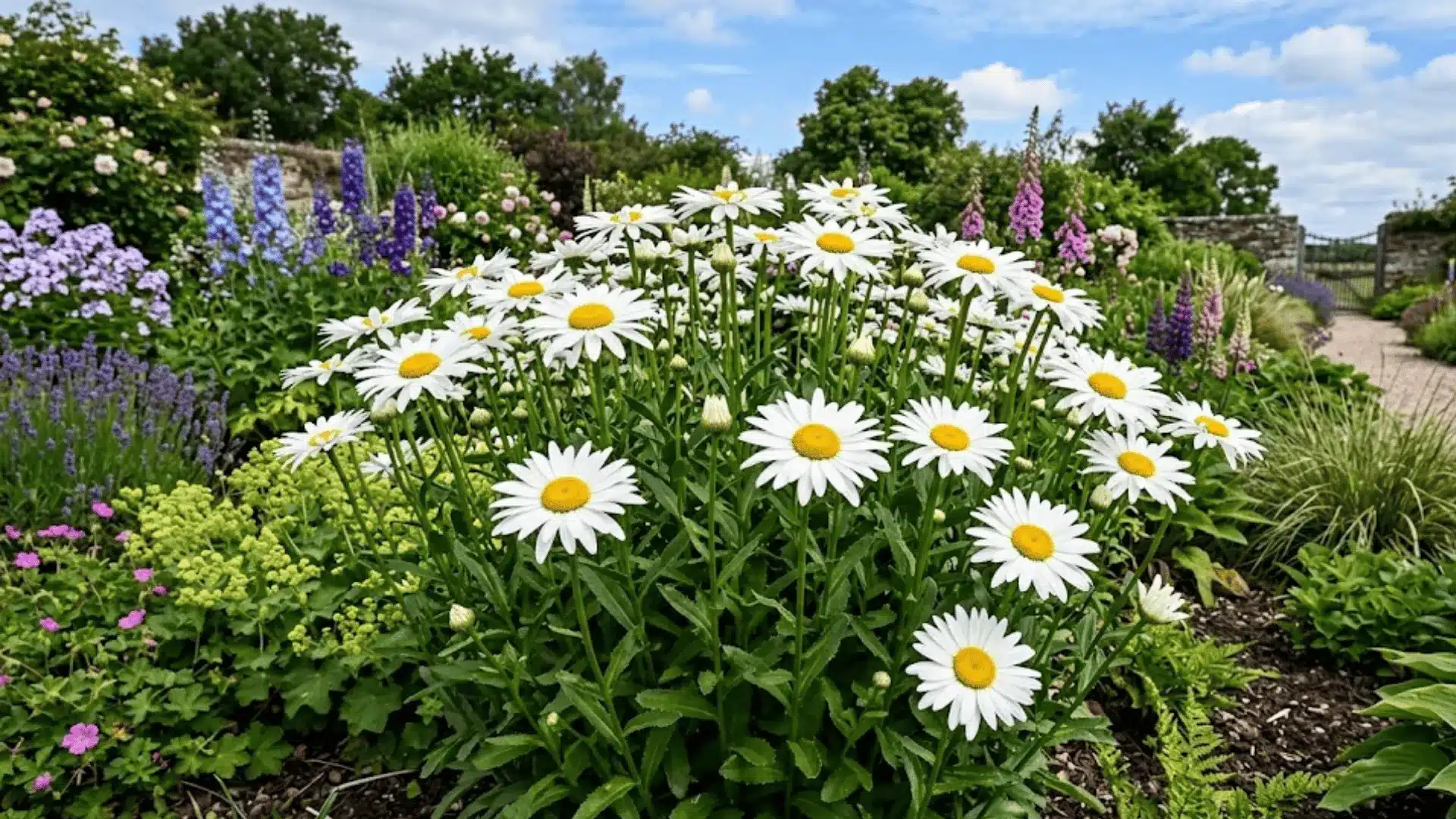
Sunlight Requirement: Full sun
Sowing Depth: Surface sow or lightly covered
Climate: Temperate climates
Shasta Daisies are clean, classic, and genuinely easy to maintain. They form tidy clumps that expand gradually over time, produce cheerful white flowers with yellow centers through summer, and tolerate a range of soil conditions.
Dividing them every few years keeps the plants vigorous, and they reward that small effort generously.
24. Asters
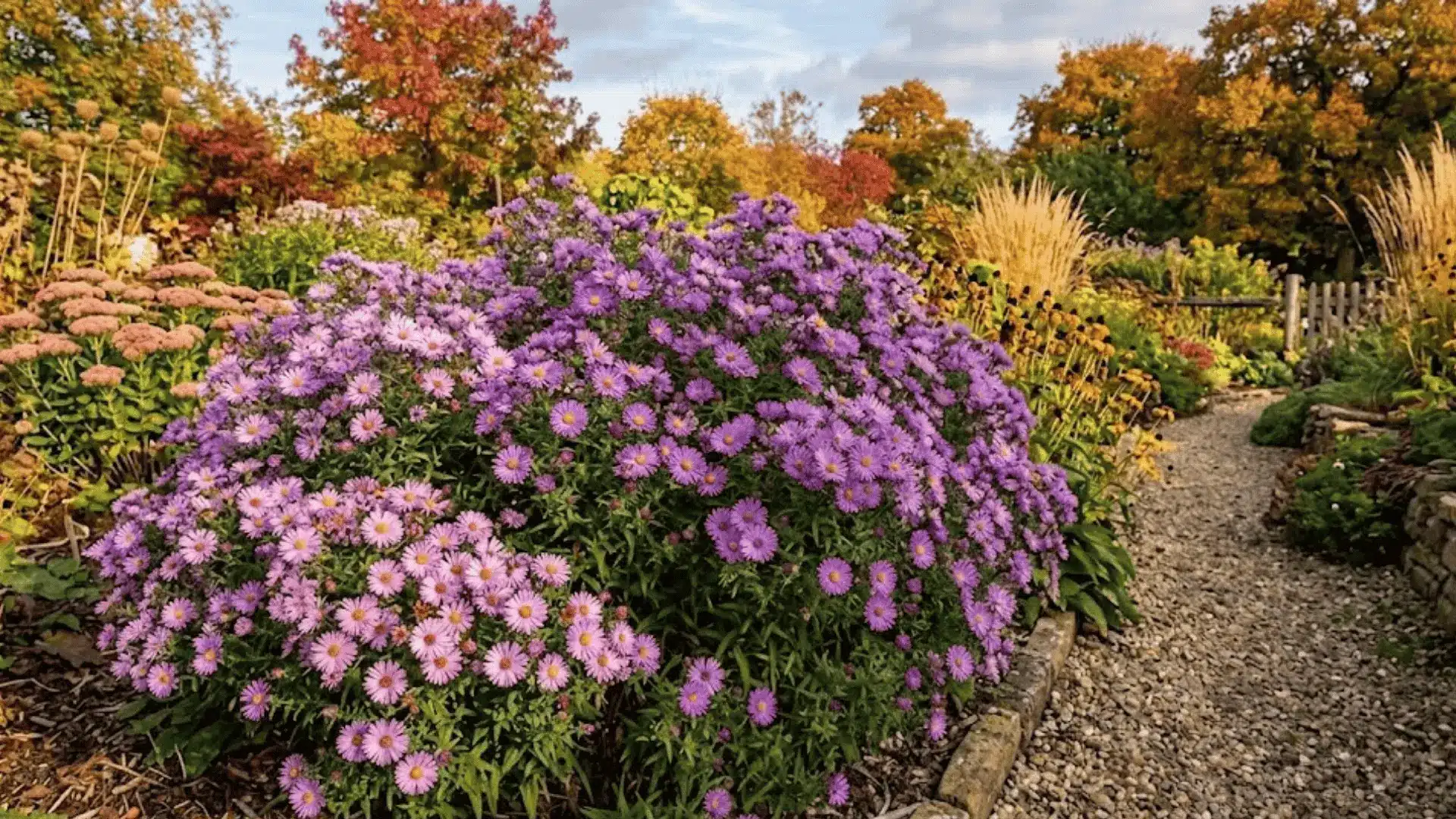
Sunlight Requirement: Full sun to partial shade
Sowing Depth: Surface sow or lightly covered
Climate: Temperate climates, tolerates light frost
Asters are late-season bloomers that bring color to the garden when most perennials are winding down.
They are straightforward to grow, spread at a manageable pace, and their star-shaped flowers in shades of purple, pink, and white are a welcome sight in autumn. They also happen to be among the most pollinator-friendly perennials.
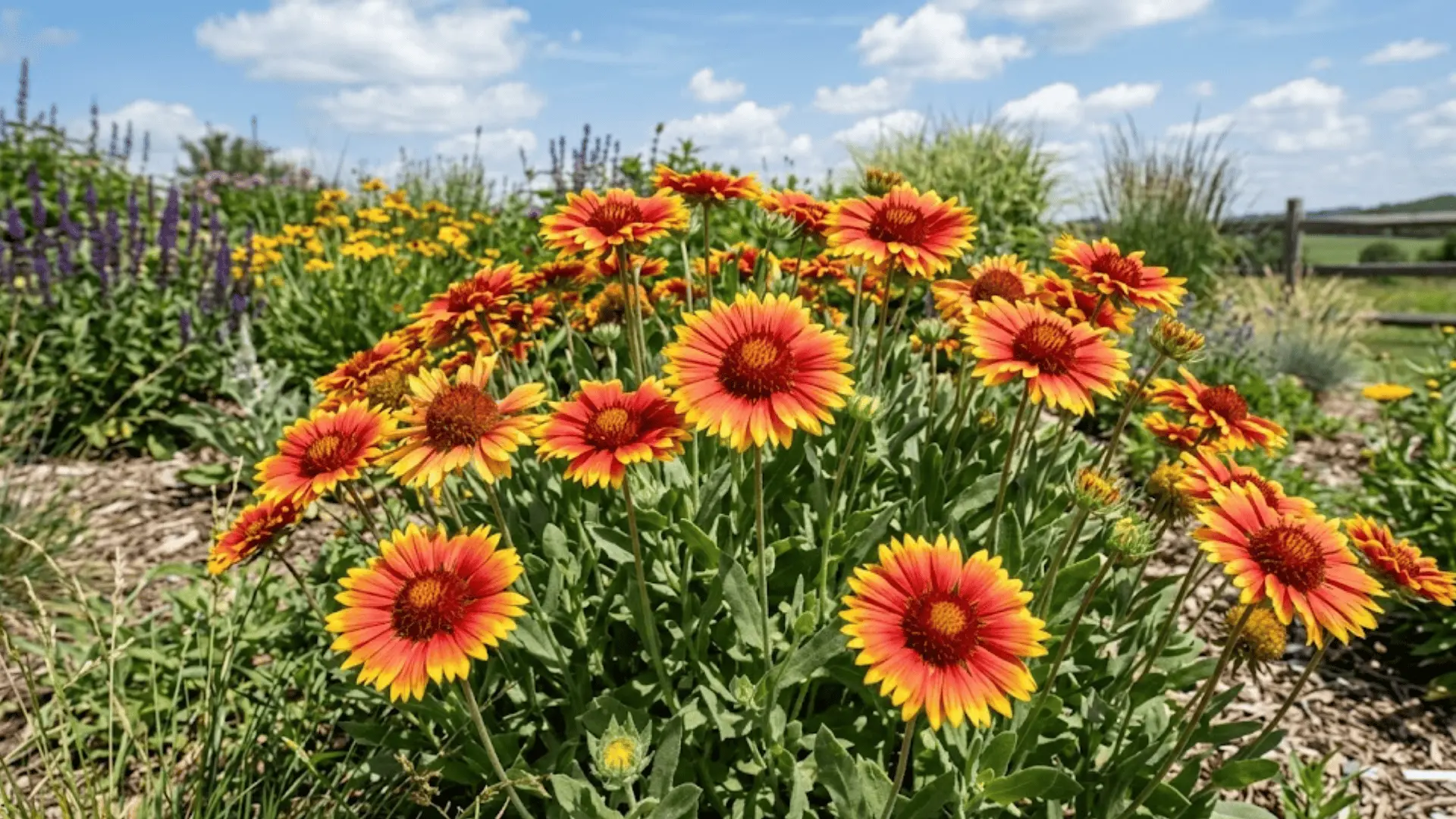
25. Blanket Flower
Sunlight Requirement: Full sun
Sowing Depth: Surface sow or lightly covered
Climate: Hot, dry climates, thrives in poor soil
Blanket Flowers are vivid, warm-toned, and remarkably tough. They thrive in heat, tolerate drought, and actually perform better in lean soil than in rich, well-amended ground.
Their bold red and yellow flowers bloom prolifically over a long season, and they self-seed reliably, meaning new plants tend to appear year after year with no extra effort on your end.
Best Tips for Growing Easy Flowers Successfully
Even the most forgiving flowers do better with a little intention behind them. These simple habits go a long way in keeping your garden looking its best.
- Seeds or nursery transplants both work, so start with whichever feels more approachable for your experience level.
- Match your flower to its sunlight needs since placing a full-sun variety in shade is one of the quickest ways to disappointing results.
- Water at the base and let the soil dry slightly between sessions, as overwatering is the most common mistake beginners make.
- Well-draining soil prevents root rot and gives your flowers a much healthier foundation to grow from.
- Deadhead spent blooms regularly to encourage the plant to keep producing fresh flowers through the season.
A little consistency with these basics, and your garden will genuinely surprise you with how much it thrives.
Easy Flowers to Grow from Seeds vs. Plants
Choosing between seeds and nursery plants comes down to how much time you have and what kind of experience you are looking for.
Both are perfectly valid starting points, and a mix of the two is often the smartest approach for beginners.
| Factor | Seeds | Nursery Plants |
|---|---|---|
| Cost | Budget-friendly | Higher upfront cost |
| Results | Slightly slower | Faster blooms |
| Effort | Requires more patience | Ready to plant |
| Satisfaction | Deeply rewarding to watch grow | Instantly gratifying |
| Best For | Zinnias, Sunflowers, Cosmos | Petunias, Geraniums, Begonias |
| Beginner Friendliness | Moderate | High |
For the best of both worlds, start a few flowers from seed for the experience and fill in the gaps with nursery plants for quicker color. It keeps the process enjoyable without feeling overwhelming.
Seasonal Guide: When to Plant Easy Flowers?
Timing your planting makes a noticeable difference in how well your flowers establish and bloom. A loose seasonal plan keeps your garden cycling through color all year long.
- Spring is the ideal window for marigolds, zinnias, and sunflowers, as warming soil and longer days give them exactly the conditions they love.
- Summer calls for cosmos and petunias, both of which handle heat well and bloom generously through the warmer months.
- Pansies and calendula are best planted in the fall, thriving in cooler temperatures when most other flowers are winding down.
- Perennials like lavender, coneflowers, and daylilies only need planting once, returning each season reliably with minimal effort on your part.
Work with the seasons rather than against them, and your flowers will have a much easier time finding their footing.
Wrapping It Up
Growing easy flowers is really just about giving yourself permission to start small and enjoy the process as it unfolds.
Your garden does not need to be perfect to be beautiful, and the flowers on this list are proof of that.
Pick a couple that caught your eye, find them a sunny spot, and let them do their thing. You might be surprised at how quickly it all comes together.
Which flower are you most excited to try first? Drop it in the comments below!