
Luxury hotels know a secret that many homes forget. Comfort is built through layers. It’s not one expensive chair or a dramatic paint color. It’s texture, lighting, scent, sound, and space working together. The good news is that none of this requires a five-star renovation budget.
Start With an Outdoor Lounge That Feels Intentional
Most backyards fail for one simple reason. They feel accidental. A few scattered chairs, a tired table, maybe a planter hanging on for dear life. Resort spaces feel different because every item belongs there.
Create a defined lounge zone with outdoor seating grouped closely enough for conversation. Add an inexpensive rug made for patios, then layer cushions in sandy, leafy, or ocean-inspired tones. A small side table for drinks changes everything. Suddenly the area feels useful, not forgotten.
The last time this setup was tested in a plain suburban yard, guests skipped the indoor living room entirely. They stayed outside until late evening. That says plenty.
Build Privacy With Greenery
Nothing ruins a relaxing vibe faster than staring directly at the neighbor’s recycling bins. Privacy matters. It also doesn’t need a contractor.
Use tall potted grasses, bamboo alternatives, or climbing vines on trellises to soften edges and block awkward views. Mix plant heights so the space looks natural rather than lined up like soldiers. Slight imperfection feels richer.
This is where garden planning overlaps with the clever thinking used by modular home builders, where every inch has a purpose and wasted space gets cut fast. Smart layouts beat oversized ones every time.
Upgrade Lighting and Skip the Harsh Stuff
Bright white security lights belong in parking lots, not peaceful retreats. Resorts understand mood. Homes often ignore it.
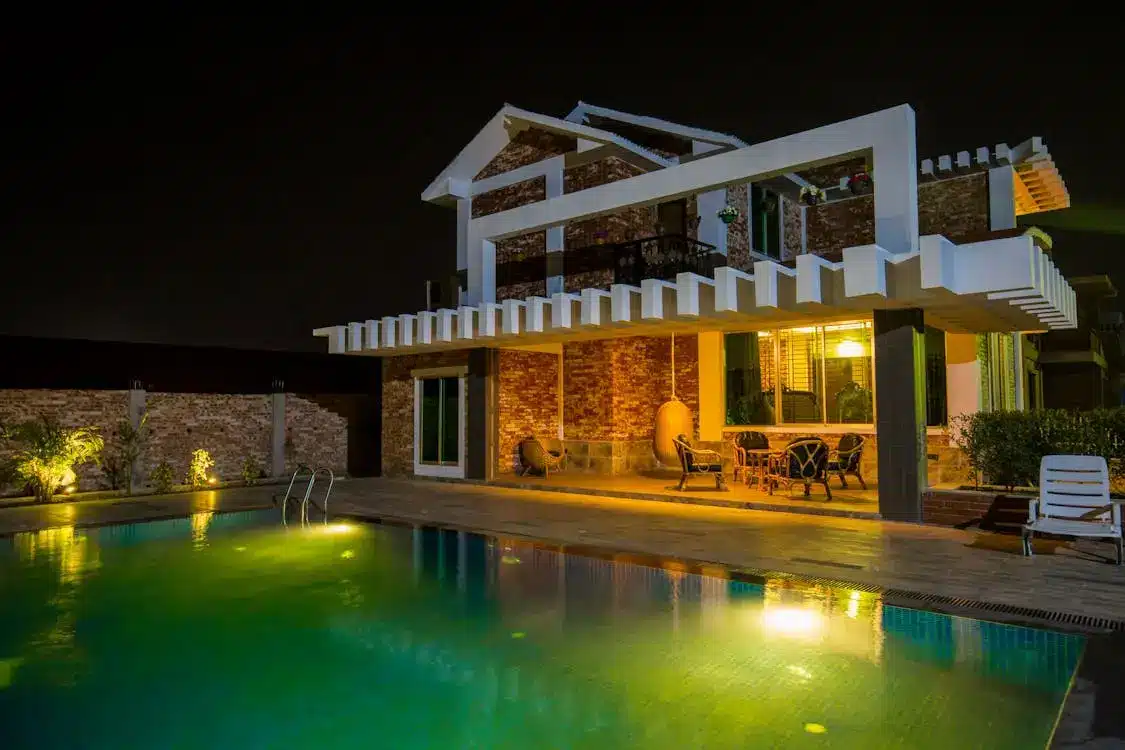
Swap cool bulbs for warm-toned LEDs. String lights overhead if the area allows it. Add lanterns with rechargeable candles on tables or steps. Solar stake lights can guide pathways without looking theatrical. For homeowners with a pool, taking solar energy a step further by working with a solar pool heating company like Suntrek Solar keeps the water at a comfortable temperature year-round, extending the resort atmosphere well beyond summer without adding to the energy bill.
Small pools of light feel better than one blazing source. Always. A space should glow, not interrogate anyone.
And yes, dimmer light also makes weathered patio furniture look mysteriously expensive.
Create a Water Feature Without a Big Build
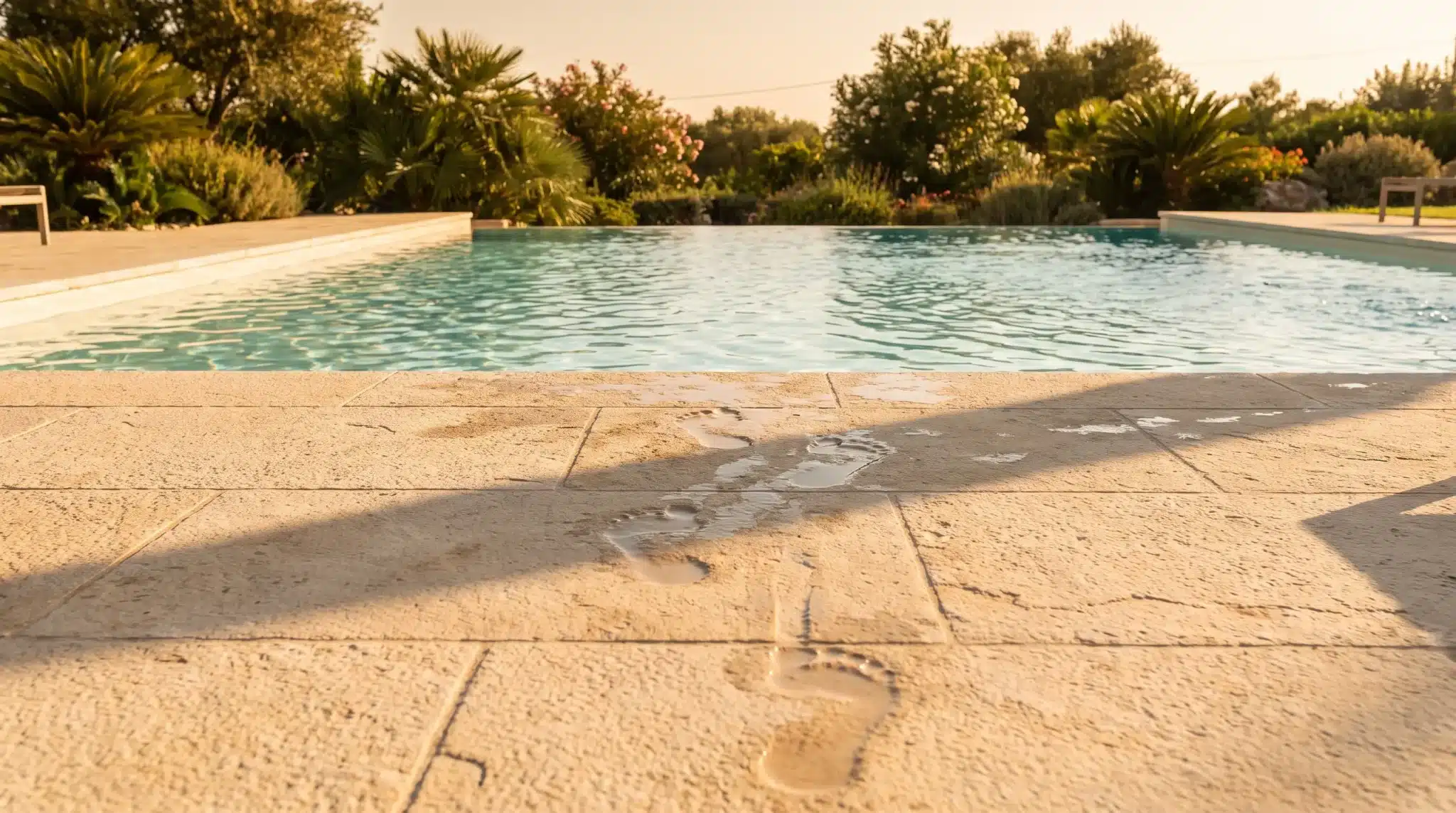
Running water changes the mood of a space faster than almost anything else. Traffic noise fades. Conversations soften. Even a tense day seems to loosen its grip.
A tabletop fountain, ceramic bowl fountain, or recycled planter turned into a bubbling feature can do the job. Many plug into standard outlets and take less than an hour to assemble. Keep the scale modest. Tiny and elegant beats giant and awkward.
One client insisted on a massive fountain for a narrow courtyard. It sounded like a broken dishwasher. Smaller would’ve won by a mile.
Turn the Bathroom Into a Spa Zone
Resort energy shouldn’t stop at the back door. Bathrooms are prime territory for easy upgrades.
Roll white towels instead of folding them flat. Decant soaps into matching dispensers. Add a wooden stool or tray beside the tub for candles, books, or tea. Eucalyptus hung near the showerhead adds scent and a visual lift with almost no effort.
Declutter hard. Half-empty bottles and random samples kill the effect instantly. If an item looks like it came free with something else, it probably needs to go.
Those polished little details explain why travelers rave about holiday homes for rent Noosa when the styling is done right. The mood sticks with people long after checkout.
Use Sound to Change the Whole Feeling
People underestimate sound. Then they sit beside a humming air conditioner and wonder why the patio feels stressful.
Try a small outdoor speaker with low-volume playlists featuring acoustic tracks, soft jazz, or nature sounds. Wind chimes can work too, but choose carefully. Some sound charming. Others sound like cookware falling downstairs.
A quiet fan also helps. Moving air feels cooler, keeps bugs guessing, and adds that breezy vacation sensation most people chase.
Add Texture Indoors Like a Boutique Suite
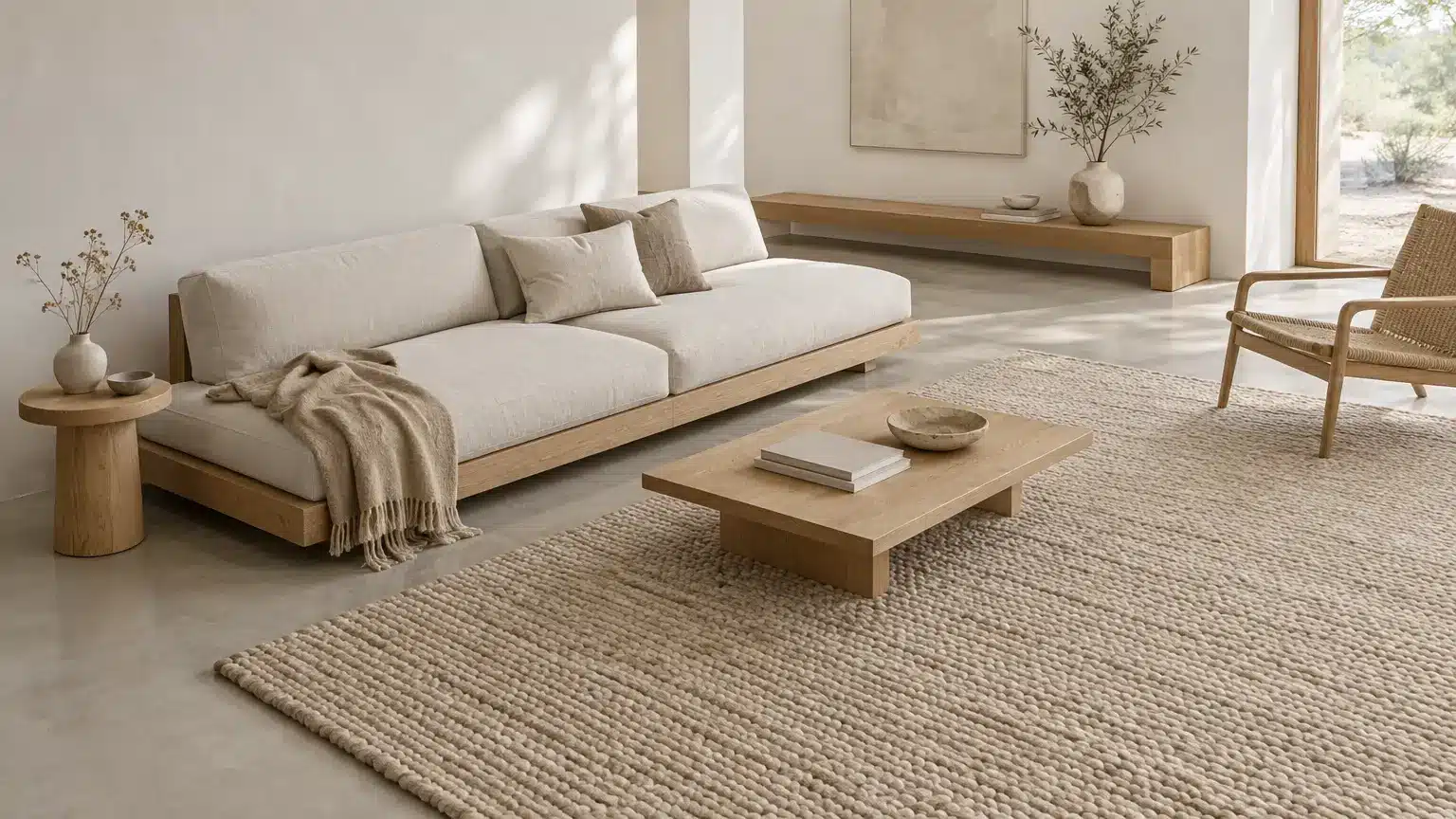
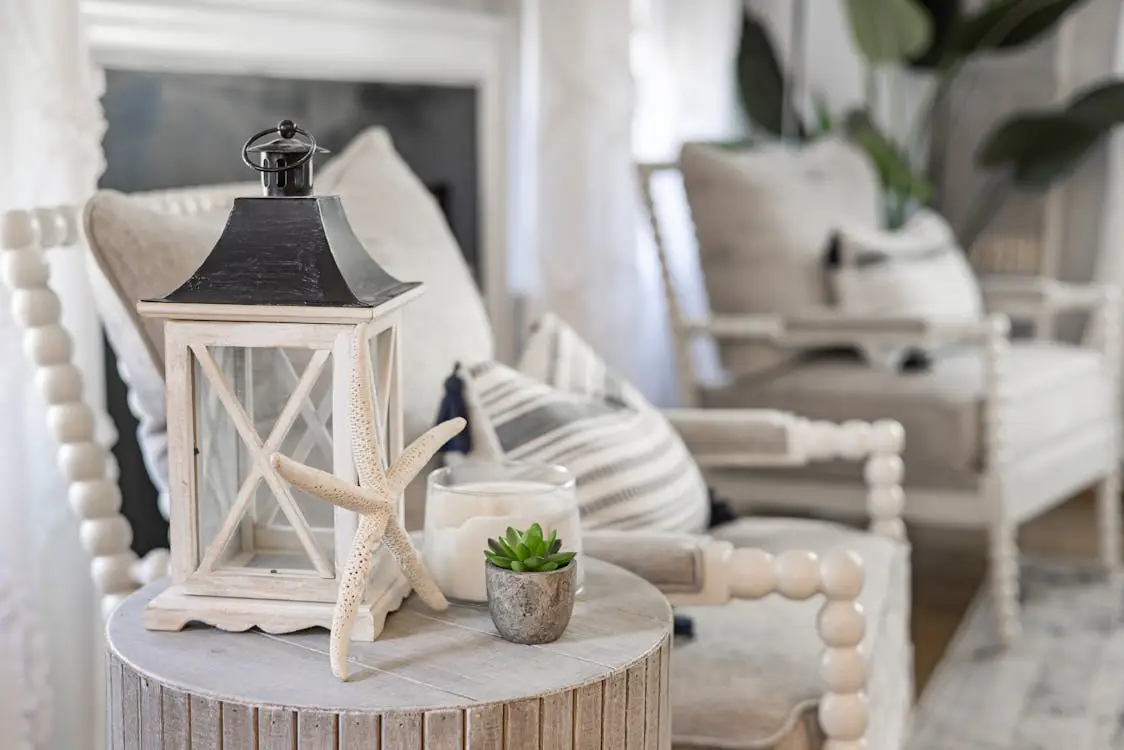
Inside the house, focus on touch. Crisp linen bedding, woven baskets, light throws, natural wood accents, and soft curtains all help rooms feel calmer. Too many shiny surfaces can feel cold and temporary.
Keep color palettes restrained. White, tan, sage, pale blue, and charcoal work because they let texture do the heavy lifting. Then add one standout piece, maybe a carved lamp or oversized artwork, so the room has personality.
Ever walked into a room that looked expensive but couldn’t explain why? Usually texture. Not price.
Style for Ease, Not Perfection
The biggest mistake in home styling is trying to make everything look untouched. Resorts don’t actually feel sterile. They feel maintained, relaxed, ready to enjoy.
Leave a folded throw on the chair. Set a tray with glasses on the table. Keep a book near the lounger. Place lemons in a bowl on the kitchen counter. These signals tell the brain the space is meant to be lived in now, not admired later.
That’s the real trick. Not marble counters. Not giant budgets. Readiness.
Keep Improving One Corner at a Time
Trying to transform an entire home in a weekend usually ends in frustration and three unnecessary receipts. Pick one zone first. Patio. Bathroom. Bedroom. Finish it properly, then move on.
Momentum matters more than scale. Once one area feels finished, the rest gets easier. People notice that shift quickly too. They linger longer, relax faster, and ask the same question every host loves hearing.
How did this place get so nice?