I still remember my first vegetable garden, half the plants didn’t make it past June.
I was convinced I lacked some secret green thumb gene. Then I discovered that failure had nothing to do with skill and everything to do with plant choice. Some vegetables practically grow themselves, even if you forget to water them occasionally.
The easiest vegetables to grow are forgiving, fast, and surprisingly productive, which makes them perfect for beginners.
You’ll find that starting with the right crops changes everything about your gardening experience.
No more guilt over wilted plants or wasted effort. In this guide, you’ll find which vegetables actually want to thrive in your garden, along with simple tips to help them flourish without constant attention or worry.
Why Choosing Easy Vegetables is Important for Beginners
Starting with difficult vegetables sets you up for disappointment.
I’ve watched too many beginners tackle finicky crops like cauliflower or celery right out of the gate, only to quit gardening altogether when things go south. The frustration isn’t worth it.
Easy vegetables give you breathing room to learn.
You’ll figure out your soil type, watering schedule, and local climate without the pressure of babysitting temperamental plants. Each small success builds your confidence.
Starting small makes sense for another reason; you won’t overwhelm yourself. When you choose forgiving vegetables, you’re not spending every evening in the garden troubleshooting problems.
You’ll actually enjoy the process instead of treating it like a second job.
These beginner-friendly crops teach you the basics without punishing mistakes.
You’ll learn when to harvest, how to spot pests early, and what healthy growth looks like. That knowledge transfers to more challenging vegetables later.
Top Easiest Vegetables to Grow for Beginners
These vegetables consistently deliver results even when you’re still figuring things out. I’ve grown all of them, and they’ve never let me down:
Leafy Greens
Why They’re Ideal
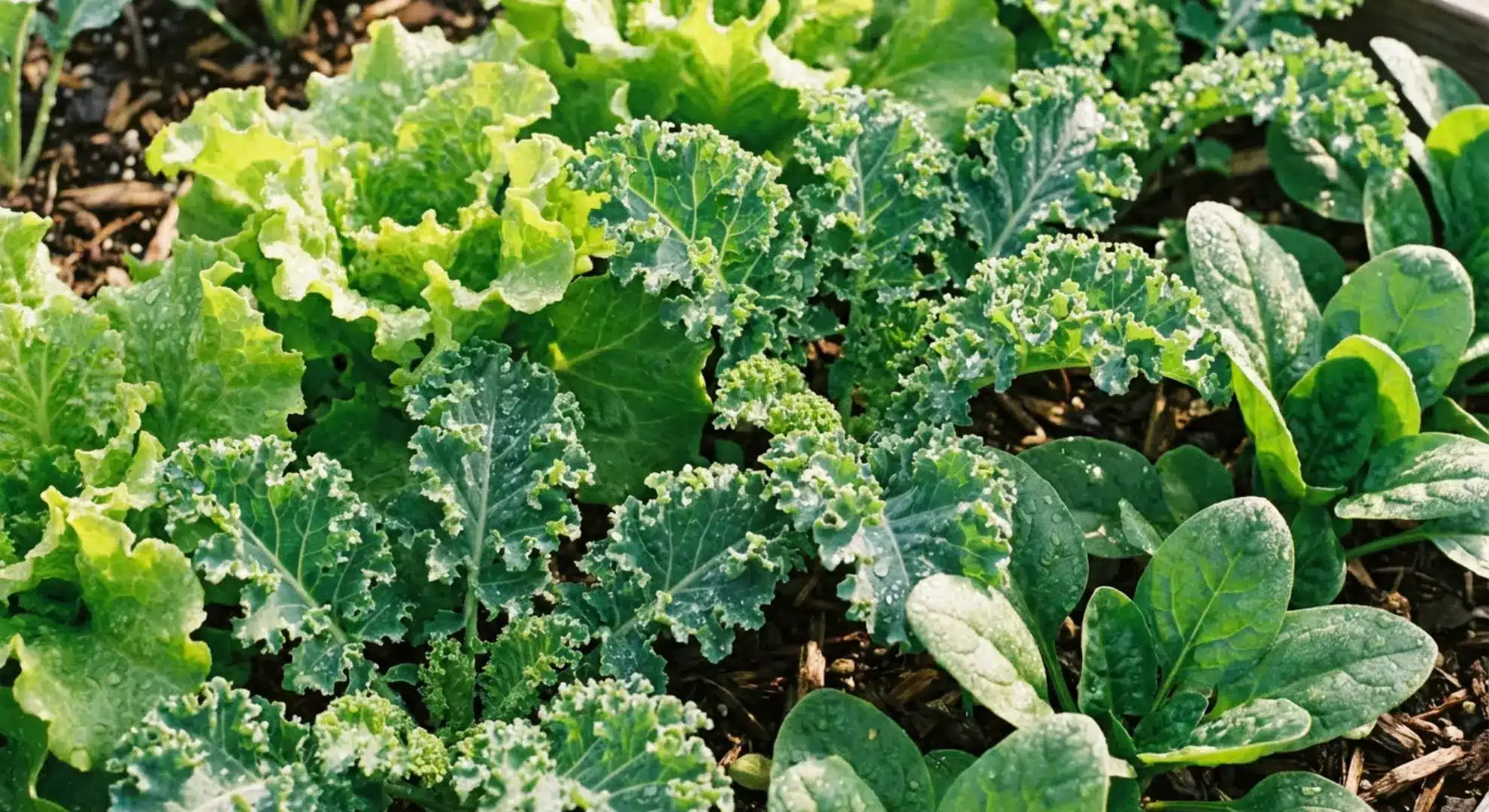
Leafy greens grow fast, you’ll see results in weeks, not months. They don’t need much space, and you can harvest them multiple times from the same plant. I’ve had lettuce ready to eat just three weeks after planting seeds.
They also tolerate beginner mistakes better than most vegetables. Forgot to water yesterday? They’ll bounce back. Your soil isn’t perfect? They’ll still produce.
Key Growing Tips
Plant leafy greens in early spring or fall when temperatures stay between 45-75°F. They hate summer heat and will bolt quickly once it arrives. Give them partial shade in warmer climates. Morning sun with afternoon shade works perfectly. Full sun is fine in cooler areas.
Your soil should drain well but hold some moisture. Mix in compost before planting—it makes a noticeable difference in growth speed.
Space lettuce seeds 4-6 inches apart. Kale and spinach need 12 inches between plants.
Harvest outer leaves first and let the center keep growing. You’ll get fresh greens for months this way instead of one big harvest.
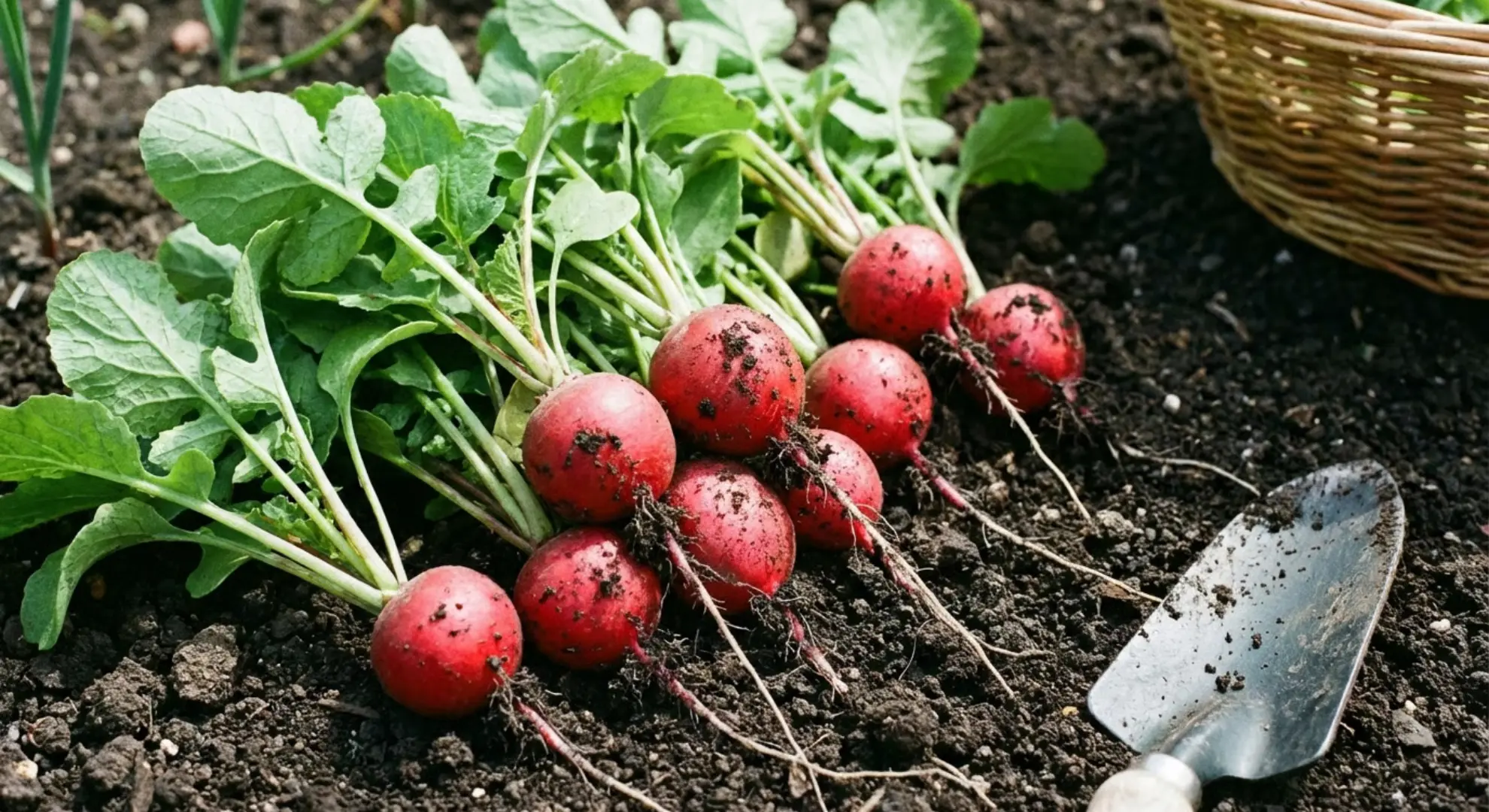
Radishes
Why They’re Ideal
Radishes mature in 25-30 days from seed. That’s faster than almost any other vegetable you can grow. You’ll pull your first radishes before your neighbors’ tomatoes even flower.
They work perfectly for impatient gardeners or kids who want quick results. I use them to fill gaps between slower-growing plants.
Key Growing Tips
Plant seeds half an inch deep and one inch apart. You can sprinkle them in rows or scatter them—both methods work fine.
Thin seedlings to 2-3 inches apart once they sprout. Crowded radishes grow all tops and tiny roots.
Keep soil consistently moist. Dry soil makes radishes woody and bitter. A quick daily watering does the trick.
Plant new seeds every two weeks for continuous harvests throughout spring and fall. Summer heat makes them spicy and tough, so skip that season.
Pull them as soon as they reach marble size. Leaving them in the ground too long turns them pithy and unpleasant.
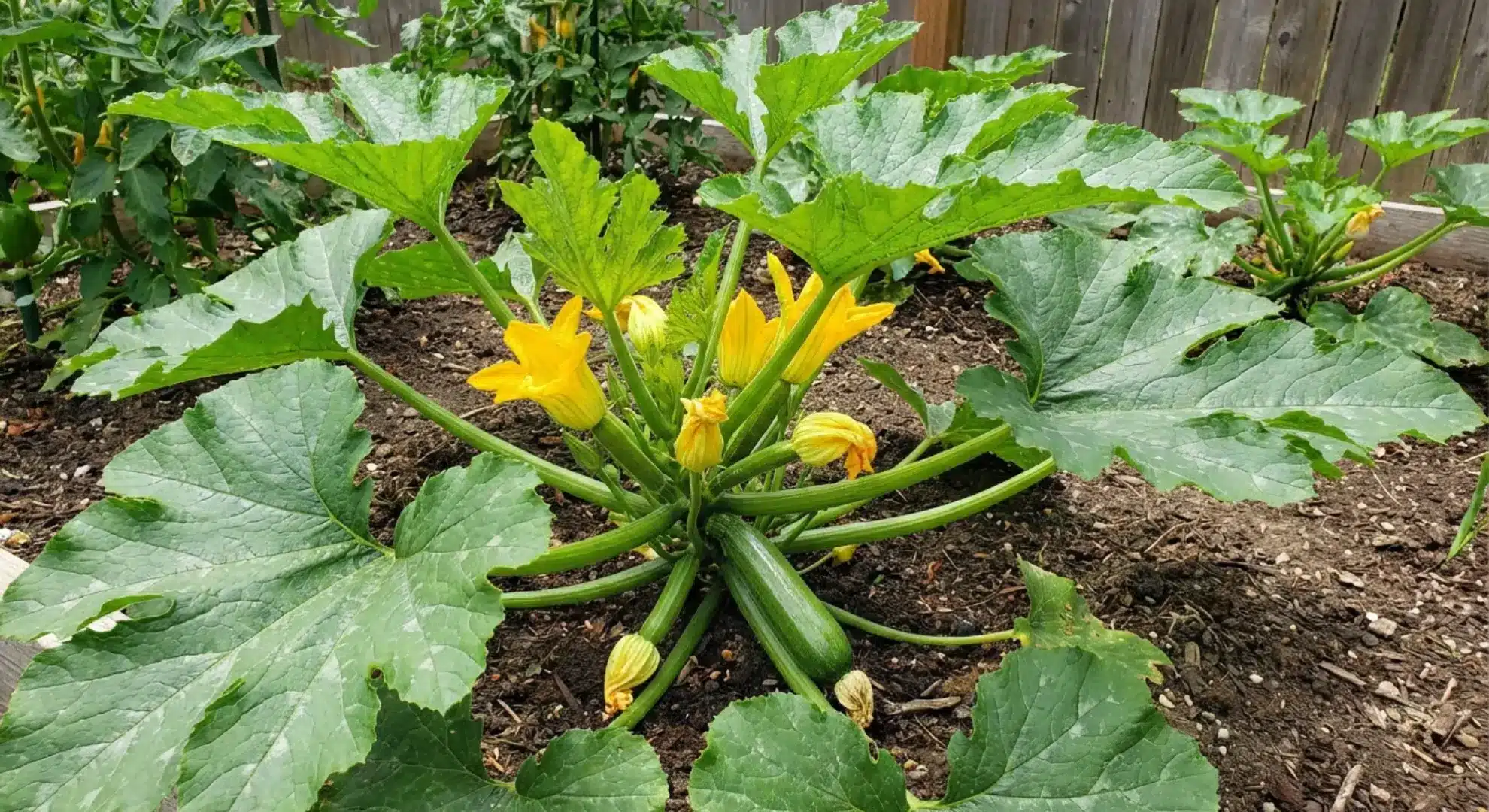
Zucchini & Summer Squash
Why They’re Ideal
One zucchini plant produces more vegetables than most families can eat. I’ve given away bags of them to neighbors every summer. They grow aggressively with minimal input from you.
Summer squash handles heat, occasional drought, and less-than-perfect soil. You’d have to try pretty hard to kill these plants.
Key Growing Tips
Give each plant 3-4 feet of space in all directions. They spread fast and will take over your garden if you let them.
Plant after your last frost date when soil reaches 60°F. Cold soil rots the seeds before they germinate. Water deeply once or twice weekly rather than light daily watering. Deep watering encourages strong root systems.
Harvest when fruits are 6-8 inches long. Giant zucchinis are fun to show off but taste bland and seedy.
Watch for squash vine borers and powdery mildew. Inspect stems weekly and remove affected leaves immediately. A little prevention saves your entire crop.
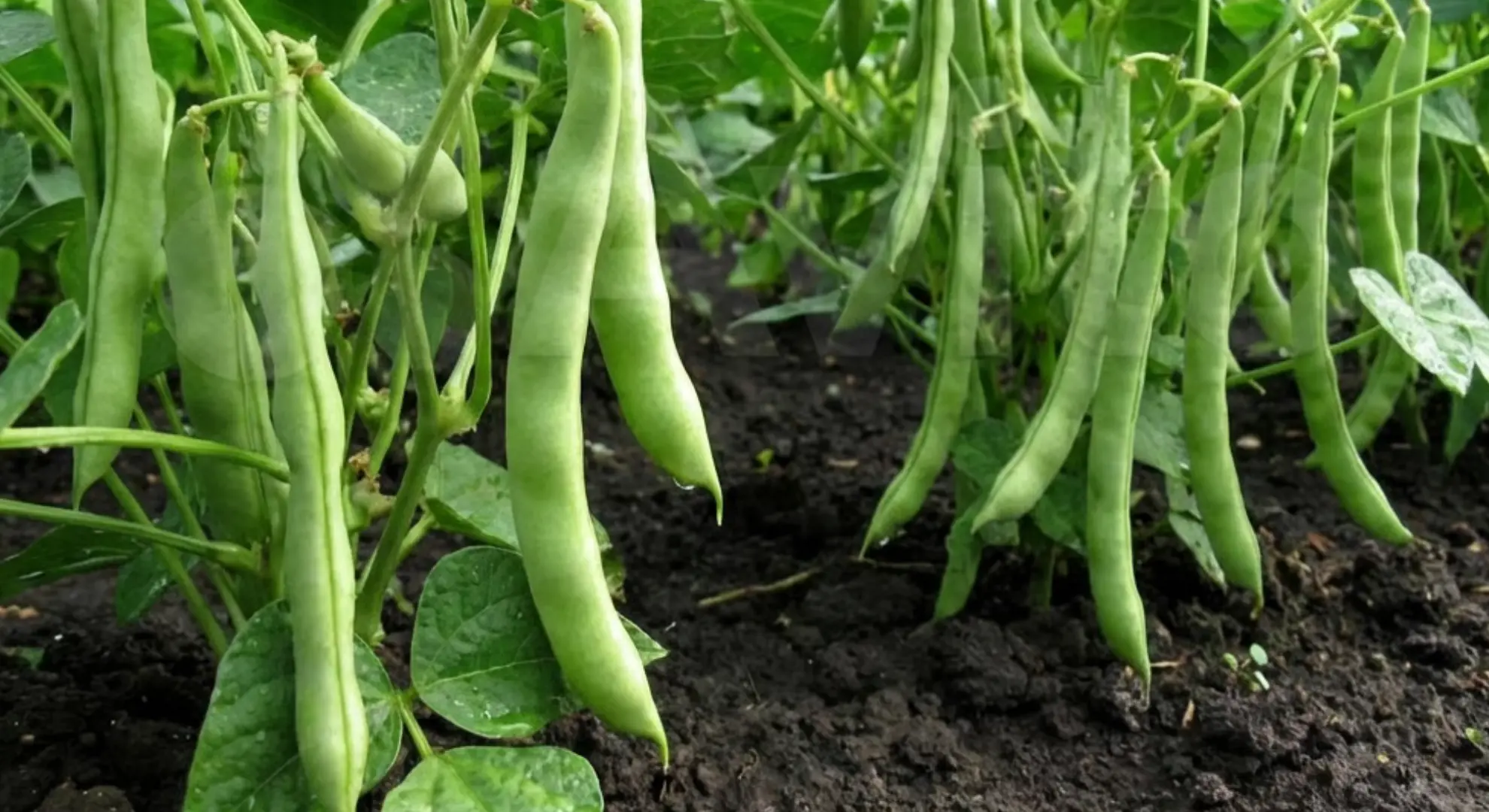
Green Beans
Why They’re Ideal
Bush beans grow quickly in small spaces without any support structure. Pole beans climb vertically and produce for months with just a trellis. Both types are incredibly forgiving.
They actually improve your soil by adding nitrogen. Your garden gets better every time you grow beans.
Key Growing Tips
Plant seeds one inch deep and 3 inches apart after the last frost. Beans hate cold soil and will just sit there rotting if you plant too early.
Bush beans need no support and mature in 50-60 days. Plant new batches every two weeks for continuous harvests.
Pole beans need something to climb—a trellis, fence, or bamboo poles work great. They produce all season once they start flowering. Water when the top inch of soil feels dry. Beans handle some drought but produce better with consistent moisture.
Harvest regularly to keep plants producing. The more you pick, the more beans you’ll get. I check mine every other day during peak season.
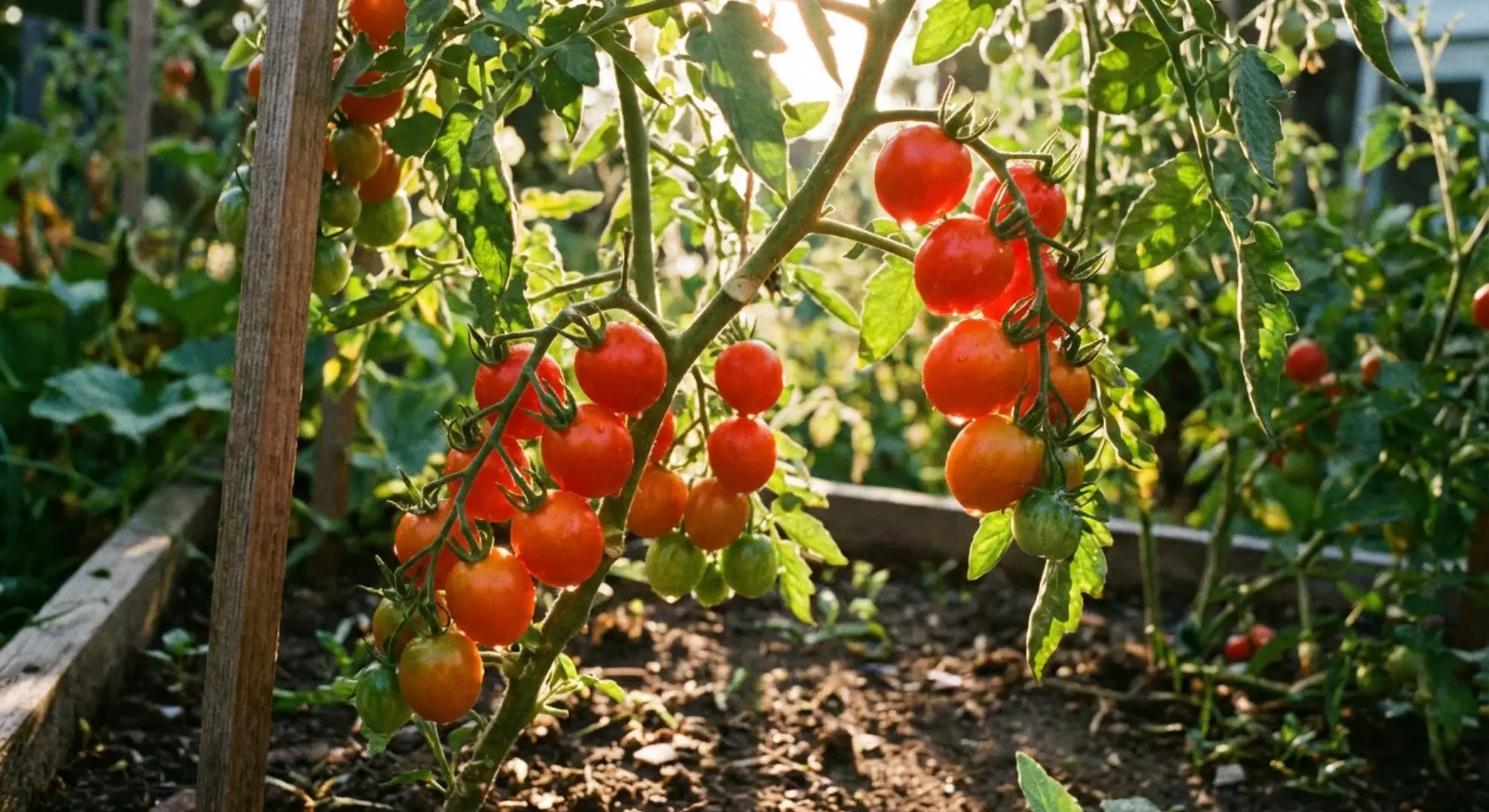
Cherry Tomatoes
Why They’re Ideal
Cherry tomatoes forgive watering mistakes, produce heavily, and taste better than anything from a store. I’ve grown them in less-than-ideal conditions and still gotten buckets of fruit.
They’re more disease-resistant than larger tomato varieties. You’ll deal with fewer headaches and more successful harvests.
Key Growing Tips
Plant them in full sun, at least 6-8 hours daily. Shade reduces your harvest significantly.
Water deeply 2-3 times per week rather than daily light watering. Consistent moisture prevents cracking and blossom end rot.
Prune suckers (small shoots between main stem and branches) for bigger fruits and better air circulation. I pinch them off with my fingers every week. Support plants with cages or stakes as they grow. Cherry tomatoes get heavy once loaded with fruit.
Harvest when fully colored but still firm. They’ll keep producing until frost kills the plant. I’ve picked cherry tomatoes well into October some years.
Growing Vegetables in Small Spaces
You don’t need a backyard to grow your own food. I’ve grown plenty of vegetables on tiny patios and balconies with great results.
Container Gardening Basics
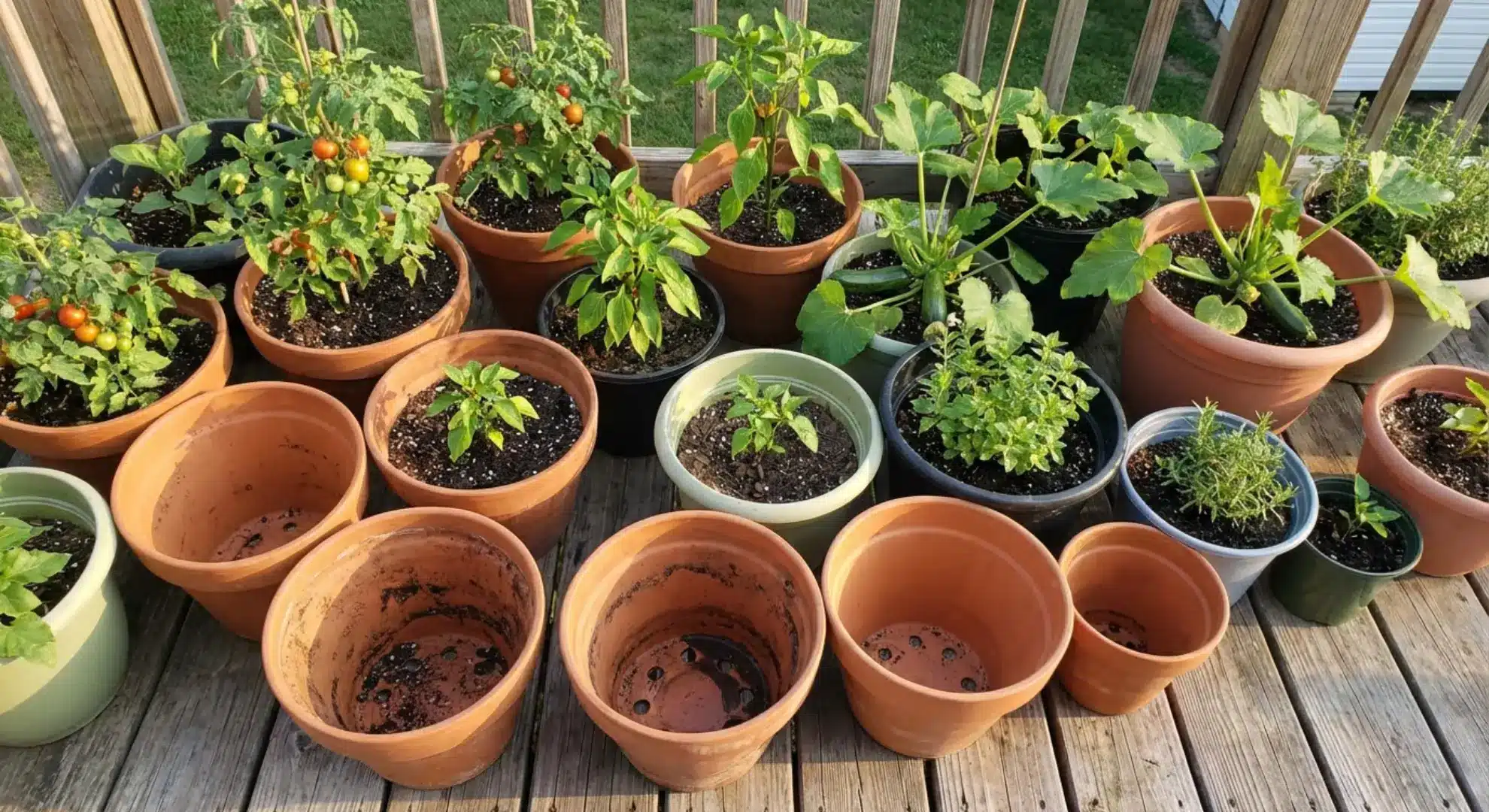
Lettuce, radishes, cherry tomatoes, and beans all thrive in containers. I’ve successfully grown these in pots on a small apartment balcony.
Choose containers at least 12 inches deep for most vegetables. Cherry tomatoes and beans need 18-inch pots for proper root development. Shallow containers work fine for lettuce and radishes.
Drainage holes are non-negotiable. Without them, your plants will drown in their own water. I drill extra holes in store-bought pots that don’t have enough.
Use quality potting mix, not garden soil. Potting mix drains better and prevents diseases common in containers.
Water container plants more frequently than ground plants. They dry out faster, especially in summer heat. I check mine daily and water when the top inch feels dry.
Using Trellises and Vertical Gardening
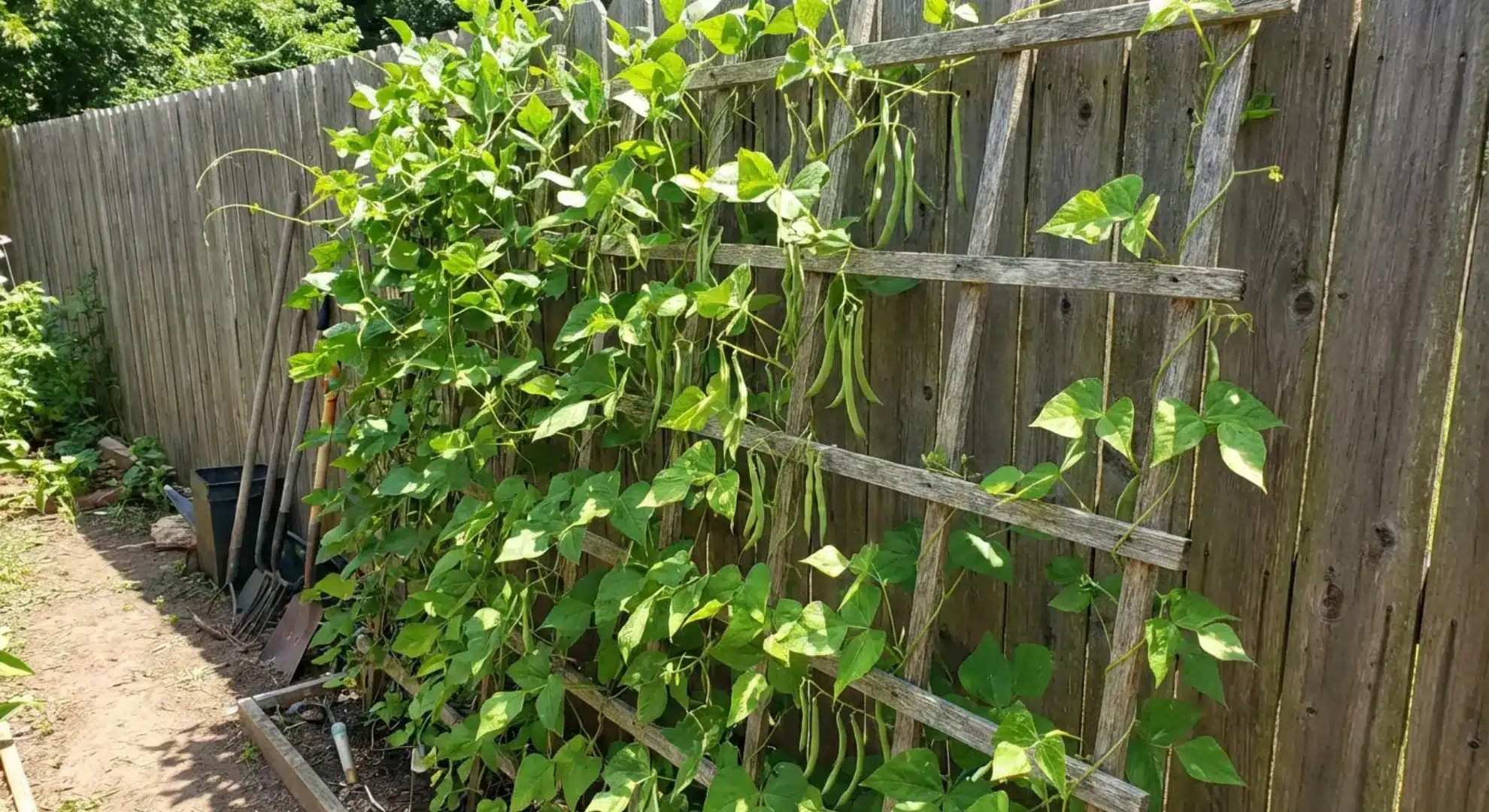
Vertical gardening turns walls and fences into productive growing space. I’ve doubled my harvest area by training plants upward instead of letting them sprawl.
Pole beans, cucumbers, and cherry tomatoes climb naturally with minimal training. Just give them something sturdy to grab onto.
Install trellises before planting so you don’t damage roots later. Bamboo poles, wire cages, or wooden frames all work perfectly.
Secure plants loosely with soft ties as they grow. Don’t strangle the stems—leave room for growth.
Position trellises on the north side of your garden so they don’t shade shorter plants. I learned this the hard way after my lettuce struggled in the shadow of climbing beans.
Vertical plants need consistent watering since they’re exposed to more sun and wind. Check them daily during hot weather.
Essential Gardening Tips for Beginners
These basics will save you time, money, and frustration. I wish someone had told me these things before my first season.
- Start with good soil: Mix compost into your beds before planting. Healthy soil does half the work for you and makes everything grow faster.
- Water in the morning: Evening watering invites diseases and pests. Morning watering gives plants all day to absorb moisture before temperatures drop.
- Mulch everything: A 2-3 inch layer of mulch keeps weeds down and holds moisture in. You’ll water less and spend less time pulling weeds.
- Read seed packets carefully: They tell you exactly when to plant, how deep, and how far apart. Following those instructions prevents most beginner mistakes.
- Don’t overplant: Three zucchini plants will bury you in vegetables. Start smaller than you think you need—you can always add more next season.
- Check plants daily: Quick daily walks through your garden catch problems early. Spotting pests or diseases early means easier fixes.
- Keep a garden journal: Write down what you planted, when, and how it performed. You’ll make better decisions next year based on real data instead of fuzzy memories.
- Accept that some plants will fail: Every gardener loses plants. Learn from it and move on instead of taking it personally.
You’ll develop your own system over time. These tips just help you avoid the most common pitfalls while you’re learning.
Expert Gardening Advice for Success
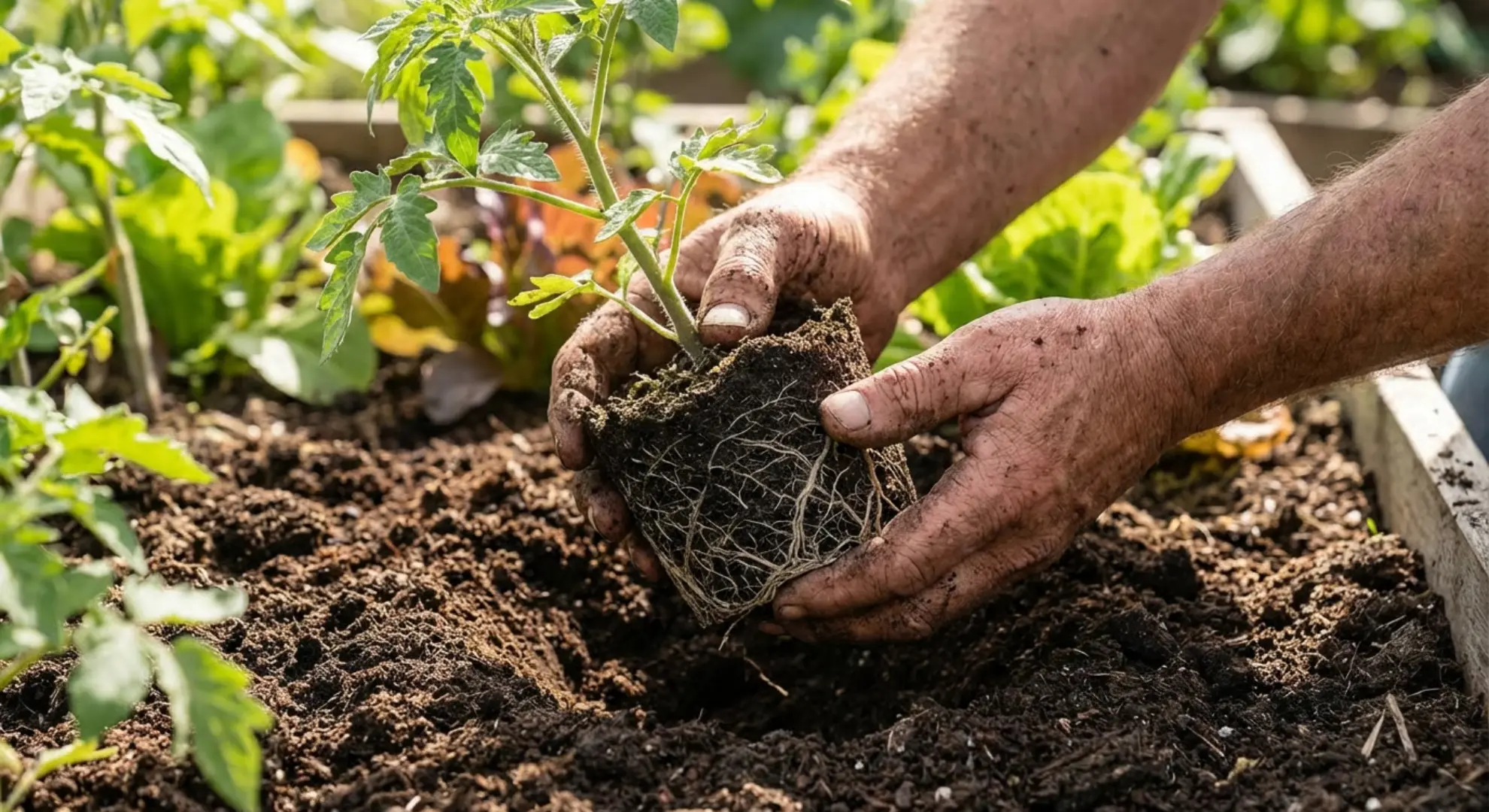
Success comes from understanding your specific growing conditions. I’ve learned that what works in one garden doesn’t always translate to another.
Test your soil before adding amendments. Your local cooperative extension office offers affordable soil testing that tells you exactly what your garden needs.
Learn your USDA hardiness zone and first/last frost dates. This information determines your entire planting schedule. The USDA Plant Hardiness Zone Map shows your zone based on location.
Join local gardening groups or online communities. Other gardeners in your area face the same challenges you do. Their experience saves you years of trial and error.
Invest in quality tools that fit your hand comfortably. Cheap tools break quickly and make gardening harder than it needs to be.
Pay attention to sun patterns throughout the day. What looks like full sun in April might be shaded by trees in June. I track sun exposure for a full week before planting anything new.
Start seeds indoors 6-8 weeks before your last frost date. You’ll get earlier harvests and healthier plants compared to direct seeding.
Common Gardening Mistakes for Beginners
I’ve made every mistake on this list at least once. Learning what not to do is just as valuable as learning what works.
- Overwatering: More plants die from too much water than too little. Soggy soil suffocates roots and invites root rot. Check soil moisture before watering every time.
- Planting too early: Cold soil kills seeds and stunts transplants. Wait until temperatures stabilize even if you’re excited to start. Patience pays off with healthier plants.
- Ignoring spacing requirements: Crowded plants compete for nutrients, water, and sunlight. They also trap moisture and invite diseases. Give each plant the room it needs to thrive.
- Skipping hardening off: Moving seedlings straight from indoors to full sun shocks them. Gradually expose them to outdoor conditions over 7-10 days before transplanting permanently.
- Planting everything at once: Staggered planting gives you continuous harvests instead of mountains of produce you can’t use. Plant new batches every 2-3 weeks throughout the season.
- Giving up after one failure: Every gardener kills plants while learning. Bad weather, pests, or diseases happen to everyone. Each failure teaches you something for next time.
These mistakes won’t ruin your entire garden. You’ll bounce back quickly once you know what went wrong and how to fix it.
Conclusion
I started with the easiest vegetables to grow and built my confidence one harvest at a time. Those early wins kept me motivated through every learning curve.
You now have everything you need to start your first vegetable garden. Pick two or three beginner-friendly crops from this guide and give them a try.
Small, consistent efforts matter more than perfection. Water regularly, watch your plants closely, and adjust as you learn what works in your space. Every season teaches you something new about your garden’s unique conditions.
Ready to expand your gardening knowledge? Check out other blogs for more practical tips on growing specific vegetables, managing pests naturally, and maximizing your harvests throughout the season!