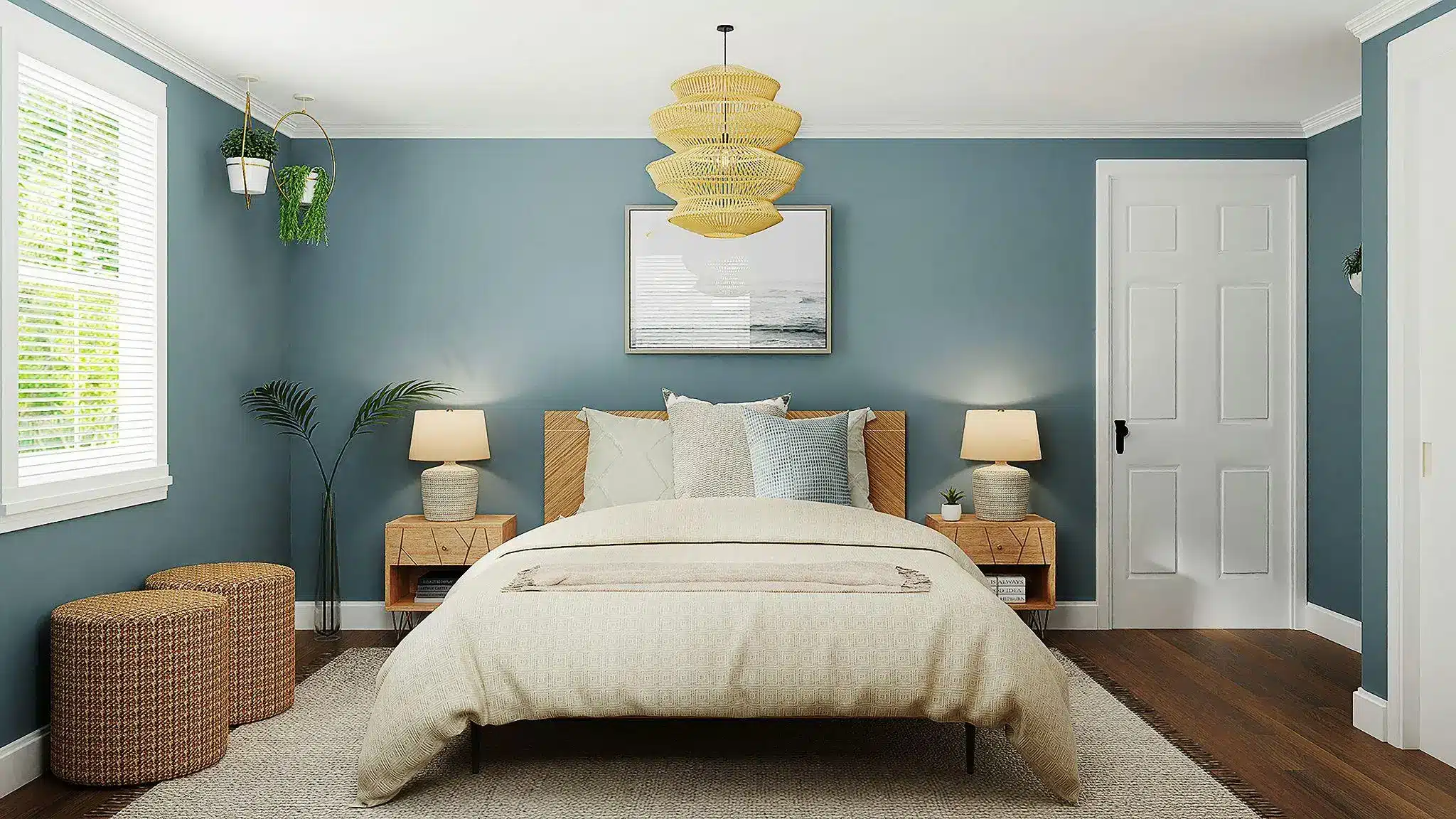
When it comes to bedding, few decisions have as much impact on your sleep quality as the fabric you sleep in. If you are shopping for a double bed, the material is arguably the most important factor to consider. Exploring the range of double bed sheets from Adairs is a great starting point, as you will find everything from traditional cotton to modern bamboo options that cater to every type of sleeper and every kind of climate. The right fabric can make a meaningful difference to how comfortable and rested you feel each morning.
To help you narrow down your choices, this article compares the three most popular sheet materials: cotton, linen and bamboo. Each has its own distinct strengths, and the best pick depends on how you sleep, where you live and what you value most in bedding.
Cotton: The Classic Choice
Cotton has been the go to sheet fabric for generations, and for good reason. It is soft, durable and widely available in a range of weaves, including percale, sateen and jersey. Egyptian cotton and long staple cotton varieties are widely considered the gold standard, offering a luxurious smoothness that only improves with washing.
For double beds, cotton sheets are an excellent everyday option. Percale weave cotton tends to feel cool and crisp, making it ideal for warmer sleepers or for spring and summer use. Sateen cotton has a slightly heavier, silkier feel that suits cooler conditions and adds a sense of refinement to the bedroom. Thread counts between 200 and 400 are generally the sweet spot for quality cotton sheets, offering the best balance of softness and durability.
Cotton is also one of the easiest fabrics to care for, tolerating regular machine washing without significant degradation. For households that prioritise low maintenance, cotton remains a consistently reliable and rewarding choice.
Linen: For the Hot Sleeper and the Style Conscious
Linen is made from flax plant fibres, which gives it a naturally textured surface that softens considerably over time. It is one of the most breathable fabrics available, making it an outstanding choice for hot sleepers or anyone living in a warm climate. Linen sheets are also exceptionally durable, with a quality set lasting many years, which makes the higher upfront cost much easier to justify.
The aesthetic appeal of linen is a major draw in its own right. It has a relaxed, slightly rumpled look that many interior designers favour for its organic, effortless quality. If you are aiming for a calm, earthy or coastal bedroom style, linen in a neutral tone is hard to beat. For double beds, quality linen sheets drape beautifully and have the feel of bedding you might find in a boutique hotel.
One thing to keep in mind is that linen will feel rougher at first. Give it several washes before judging, as the transformation in softness is quite remarkable. The more it is washed, the better it gets, which makes linen a genuinely rewarding long-term investment.
Bamboo: For Sensitive Skin and Eco-Conscious Sleepers
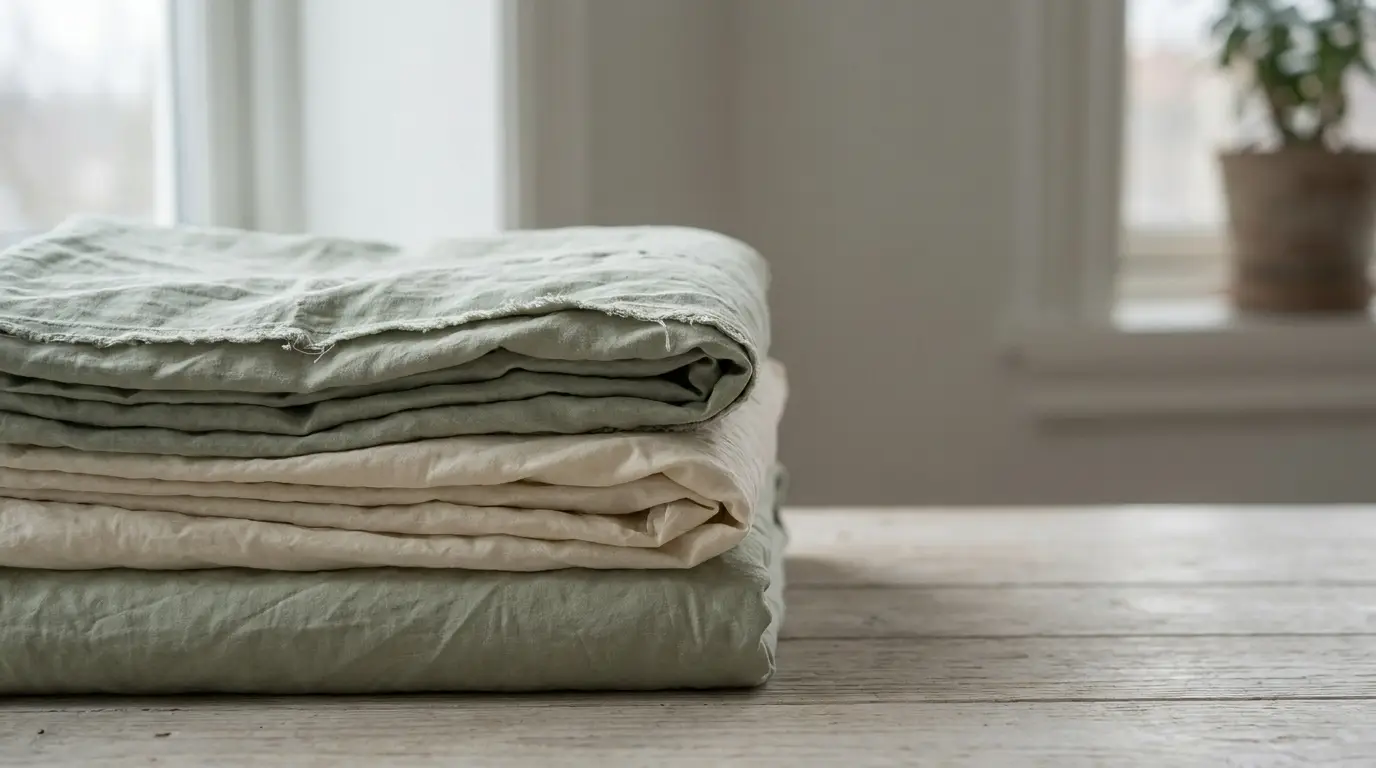
Bamboo sheets have risen significantly in popularity over the past decade, and they now represent a genuinely compelling alternative to both cotton and linen. Made from bamboo-derived viscose or rayon, these sheets are remarkably soft, often described as feeling similar to cashmere or silk. They are particularly well-suited for people with sensitive skin or allergies, as bamboo fibre has natural antibacterial properties.
From an environmental perspective, bamboo grows rapidly without the need for large quantities of water or chemical pesticides, making it a more sustainable crop than conventionally grown cotton. If reducing your household’s environmental footprint matters to you, bamboo sheets are a meaningful step in the right direction.
Bamboo sheets are also naturally temperature-regulating and moisture-wicking, which makes them comfortable across a wide range of climates. They wash well and tend to hold their softness and colour over many cycles, making them a durable long-term investment in comfort.
How to Choose the Right Fabric for Your Double Bed
There is no single correct answer when it comes to sheet fabric. Your decision will depend on your personal preferences, your sleeping habits and the climate where you live. Cotton is the most versatile and widely available option, suited to most sleepers and most budgets. Linen rewards patience with comfort that improves over time. Bamboo offers a uniquely soft experience with eco credentials that set it apart from the other two.
For a deeper look at how different materials perform over time, the Sleep Foundation’s guide to the best materials for bed sheets is an excellent resource that compares fabrics across key factors including breathability, softness and durability. It is a useful reference for anyone who wants to make a truly informed decision before investing in a new set.
Thread count is another factor worth understanding before you buy. Many people assume a higher thread count always means a better sheet, but this is not necessarily the case. MasterClass has a detailed guide on how to choose the best thread count that explains why a well made 300 thread count sheet can outperform a poorly made 1000 thread count alternative. Quality of fibre and weave matter far more than the number alone.
The Verdict
Cotton is a reliable, affordable choice that suits most sleepers and is easy to find in a wide variety of styles. Linen rewards those who invest in it with long lasting comfort and a look that only improves with age. Bamboo offers a uniquely soft experience with eco credentials that set it apart from the competition.
For a double bed, consider what matters most to you, whether that is breathability, softness, sustainability or ease of care, and let that guide your decision. The good news is that at any of these choices, when you invest in quality, you are unlikely to be disappointed.