The first time I saw an olive tree, it wasn’t in a garden or a farm; it was growing out of a crack in a rocky hillside, like it didn’t care what was in its way.
That stuck with me. I had to know more. Do olives grow on trees? Yes, they do and not just anywhere, but on some of the toughest, oldest trees you’ll ever come across.
Now it’s your turn to get curious. If you’ve ever looked at an olive and wondered where it came from or how it grows, this blog is for you.
I’ll walk you through how olive trees grow, where they thrive, and how those small fruits become something useful in your kitchen.
Why This Question Causes So Much Confusion
Olives confuse a lot of people, and it actually makes sense. First, unlike fruits like apples or peaches, olives aren’t eaten fresh off the tree.
In fact, they taste bitter and are almost inedible without processing. This surprises people who expect all fruits to be sweet and ready to eat right away.
Then there’s the color. Green olives and black olives look so different that many people assume they come from separate plants. But they actually grow on the same tree, the color depends on when they’re picked and how they’re treated afterward.
Even the trees themselves can be confusing. Olive trees are often trimmed and shaped in unusual ways, especially when used in landscaping. They might look more like decorative plants than fruit trees.
All of this makes it easy to miss the fact that olives come from trees and that they’ve been grown this way for thousands of years.
Do Olives Grow on Trees?
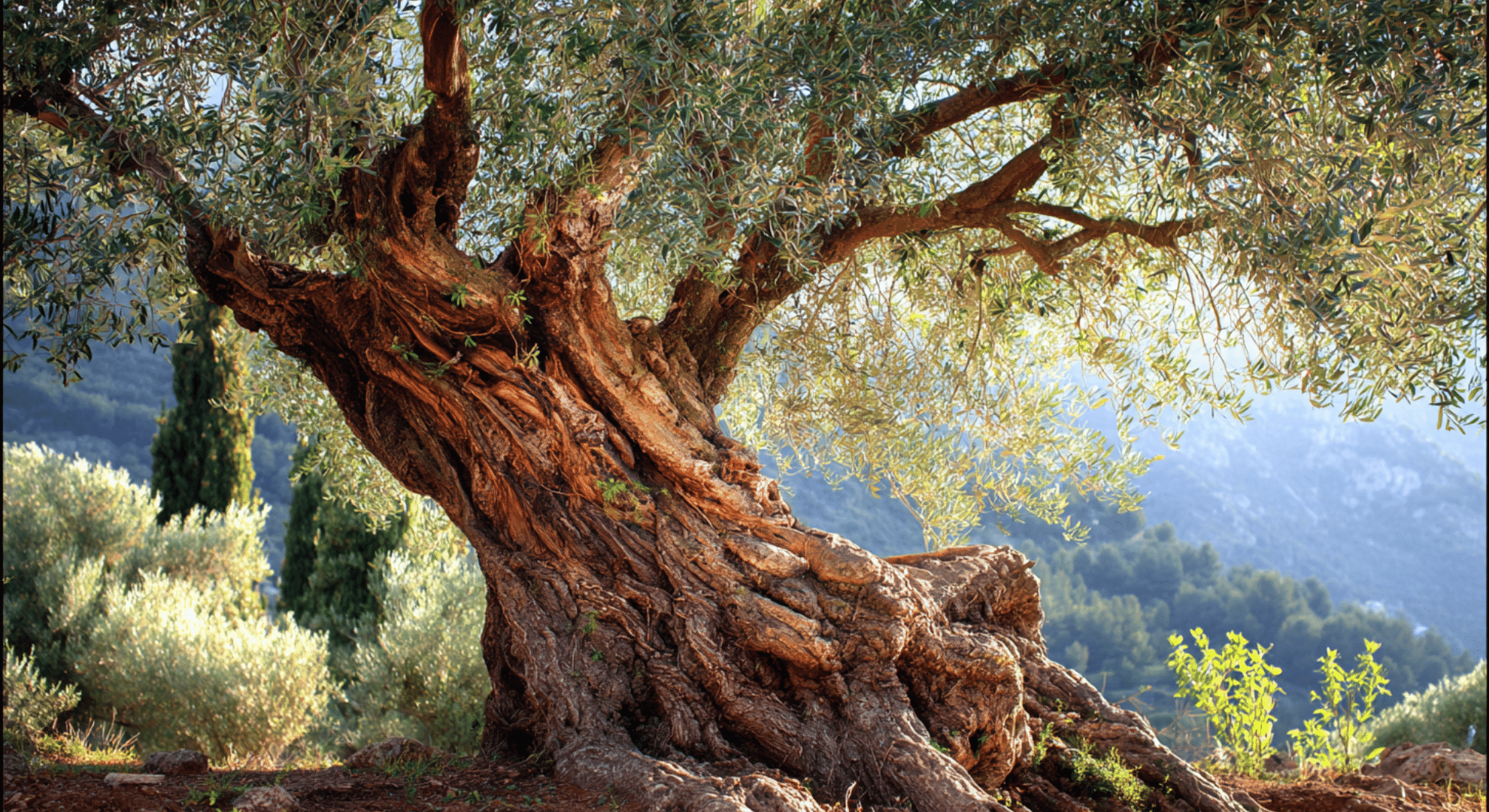
Yes, olives grow on trees, specifically on a tree called the olive tree, known by its scientific name Olea europaea.
These trees are part of the same plant family as lilacs and ash trees. Even though olives are fruits, they don’t grow on vines like grapes or on the ground like strawberries.
They grow on strong, woody branches, just like apples or oranges.
Olive trees have been growing this way for thousands of years, mostly in warm, dry places like the Mediterranean. They are well known for surviving in poor soil and harsh sun, which makes them different from many other fruit trees.
What an Olive Tree Actually Is
An olive tree is an evergreen, which means it keeps its leaves year-round. You might see them shaped like tall trees or low, bushy plants. That depends on how they’re trimmed.
By nature, olive trees grow slowly. But they live for a very long time, some can even survive for hundreds of years.
Their thick, twisting trunks and gray-green leaves give them a rough but beautiful look.
Are Olive Trees Trees or Bushes?
Olive trees are naturally trees, but they can sometimes look like bushes. It all depends on how they’re cared for.
If left alone, an olive tree will grow with one main trunk and develop a wide, strong shape like other fruit trees. But when they’re trimmed or grown in tight spaces, they might be pruned to stay low and spread out like a bush.
In farms or home gardens, people often shape olive trees to fit the space they have. Some choose to keep them small for easier picking. Others let them grow tall for shade and beauty.
Even when they look bushy, olive trees still have the same woody trunk and strong root system that make them true trees.
So while their shape can change, they’re not vines or shrubs. They’re real trees, just ones that can be shaped in different ways depending on how they’re grown.
Is an Olive a Fruit or a Vegetable?
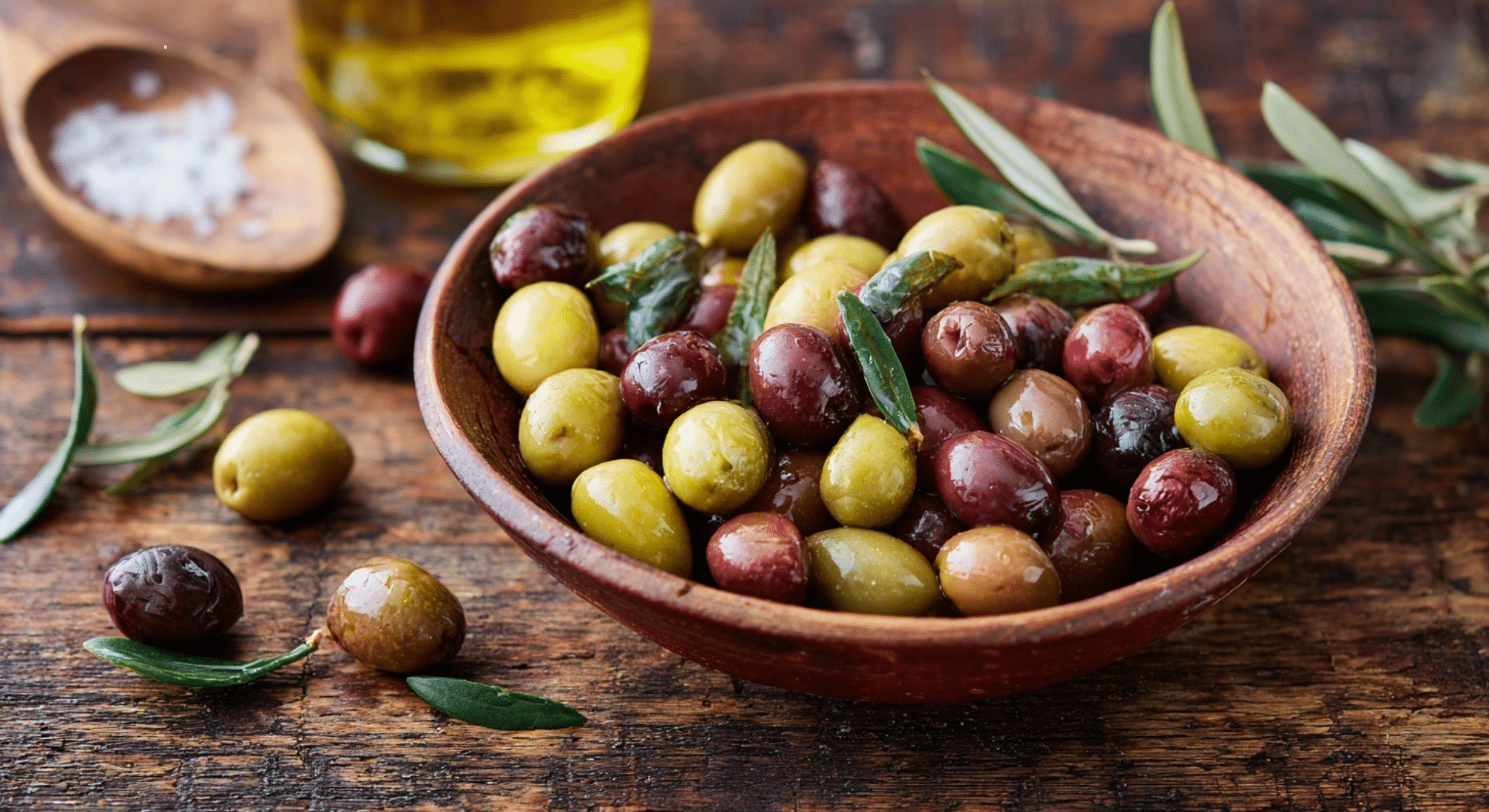
An olive is a fruit, even though it doesn’t taste like most fruits. It grows from the flower of the olive tree and has a pit inside, just like peaches, cherries, or plums. That pit in the center is one of the signs that it’s a fruit.
What confuses people is the taste. Most fruits are sweet or juicy when you bite into them. Olives are not.
They’re bitter when picked fresh and need to be soaked, salted, or cured before they’re eaten. That strong, salty flavor makes some people think olives are vegetables.
But by how it grows and what it is, the olive is definitely a fruit, a type called a “drupe,” or stone fruit.
So even though it’s used in salads, sauces, and cooking like a vegetable, it still counts as a fruit from a science point of view.
When Olive Trees Start Producing Fruit
Olive trees don’t produce fruit right away. If you plant one, you’ll need to be patient.
Most olive trees start producing their first fruit between 3 and 5 years after being planted. But even then, the amount is small.
Young trees are still focusing on building strong roots and branches, so fruit isn’t their main focus yet. It usually takes 8 to 10 years before a tree produces a good harvest.
Some types may take even longer, especially if they’re grown from seed instead of a cutting.
To get fruit, olive trees need full sun: at least 6 hours a day. Good pruning also helps by letting light reach the inner branches. But pruning too much or at the wrong time can reduce flowering.
Adding too much fertilizer, especially nitrogen, can cause the tree to grow leaves instead of fruit. Cold weather is another problem. If frost hits during flowering season, it can kill the flowers and stop fruit from forming.
With the right care, though, a healthy tree will give you olives year after year. You just need time, sun, and a little balance.
Why Some Olives Are Green and Others Are Black
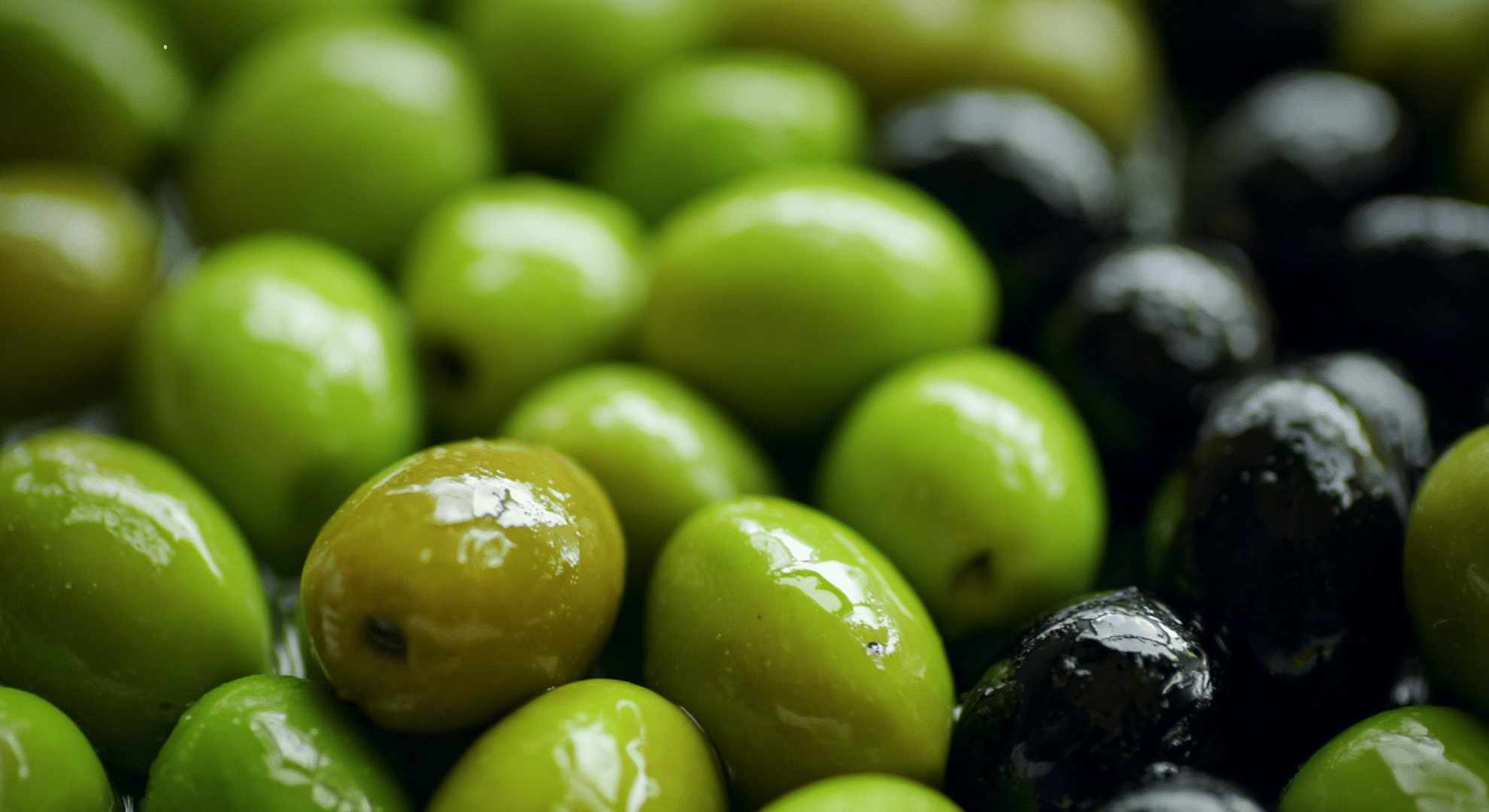
The difference between green and black olives has nothing to do with the type of tree they grow on. It’s all about ripeness. Green olives are picked early, before they fully ripen.
They’re firmer, a bit more bitter, and often used for stuffing or slicing. Black olives, on the other hand, are left on the tree longer. As they ripen, they turn darker and become softer.
These fully ripe olives are usually used for making oil or canned products.
| Olive Color | Ripeness Level | Taste | Common Use |
|---|---|---|---|
| Green | Unripe | Firm, slightly bitter | Snacking, stuffing |
| Purple/Brown | Mid-ripe | Richer, less bitter | Curing, specialty oils |
| Black | Fully ripe | Soft, smooth flavor | Olive oil, canned |
It’s common to see green and black olives growing on the same tree. That’s because not all olives ripen at the same time.
Sunlight, branch position, and temperature all affect ripening speed. Farmers may pick some olives early for green uses and leave others longer for oil or black olive production. Timing matters.
Where Olive Trees Grow Best in the Wild
Olive trees grow best in places with long, hot summers and mild winters. They need lots of sun and well-drained soil. That’s why they’re common in the Mediterranean region; places like Spain, Italy, Greece, and Turkey. These areas have the dry, sunny weather that olive trees love.
But olive trees aren’t just limited to that part of the world. They can also grow in parts of California, South Australia, South Africa, and even some dry parts of South America.
What they can’t handle well is freezing cold. If the temperature drops too low for too long, it can damage the tree. So, while they’re tough in heat, they need protection from frost to grow well naturally.
Can You Eat Olives Straight Off the Tree?
No, you can’t eat olives straight off the tree. Fresh olives are very bitter and have a strong, unpleasant taste. That’s because they contain a natural chemical called oleuropein, which makes them hard to enjoy raw.
To make olives tasty, they need to go through a process called curing. This can involve soaking them in salt, water, brine, or lye to remove the bitterness.
Some olives are also fermented during this process, which helps develop their flavor.
So, even though they look ready to eat when ripe, olives must be treated first.
That’s why store-bought olives taste so different; they’ve been carefully cured and sometimes flavored with herbs, garlic, or oil before they reach your plate.
Conclusion
I used to think olives were just something that came in jars or topped a salad. But learning how they grow, ripen, and change on the tree gave me a new way to see them.
It’s simple, really: do olives grow on trees? Yes, they do. But the process behind that simple fact is pretty amazing.
Now it’s your turn to think differently about the olives on your plate. You’ve seen how they grow, when they’re picked, and why they’re cured.
Maybe you’ll even spot an olive tree and know what stage it’s in. Just remember, they’re not ready to eat right off the branch.
Want to keep learning fun, useful things like this? Check out the other blogs. There’s always more to find out when you start asking questions about the everyday stuff!