I was tired of sweating through summer while my backyard sat empty. One day, I saw an old metal tank and thought, “Why not make that a pool?”
That simple idea turned into one of the best weekend projects I’ve ever done. A diy stock tank pool gave me a fun, easy way to cool off without needing a big budget or any special skills.
Now you’re probably wondering how to build one for yourself. In this blog, I’ll walk you through everything, from picking the right tank to setting it up and keeping it clean.
You’ll learn how to turn a simple idea into your own backyard hangout spot. It’s easier than you think and a lot more fun.
Is a Stock Tank Pool Right for Your Yard?
A stock tank pool is a large metal tub, usually made for watering farm animals, that people now use as a simple backyard pool. It’s round, deep enough to sit in, and easy to fill with water.
You don’t need to dig or build anything major, which makes it a low-hassle option.
This type of pool works well if you have a flat spot in your yard, a small-to-medium budget, and a little time for upkeep.
You’ll need to clean the water, check the filter (if you use one), and cover it when not in use.
But it’s not right for every yard. If your outdoor space is steep, has no safe power nearby for a pump, or if your town doesn’t allow above-ground pools, you may need to skip it.
Also, if you have very small kids and no fence or safety cover, it might not be the safest choice.
DIY Stock Tank Pool Basics You Need to Know
Before you start, it helps to know what goes into building a stock tank pool. First, you’ll need the tank itself. Most are made of galvanized steel and come in sizes from 6 to 10 feet wide. You can find them at farm supply stores.
Next, think about water flow. A small pool pump and filter will help keep the water clean. Some people also add chlorine or use saltwater systems.
You’ll need a flat spot in your yard, strong enough to hold the weight when filled. A level base of sand or pavers works well.
You also need a hose to fill it and a safe outdoor power outlet for the pump. Don’t forget a cover to keep out leaves and bugs.
This isn’t a dig and build job. It’s more like a smart setup. Once you have the parts, the rest is simple and can be done in a day.
Step-by-Step DIY Stock Tank Pool Build
A stock tank pool is a simple and low-cost way to cool off in your yard. Here’s how you can build your own in clear steps:
Step 1: Pick the Right Spot
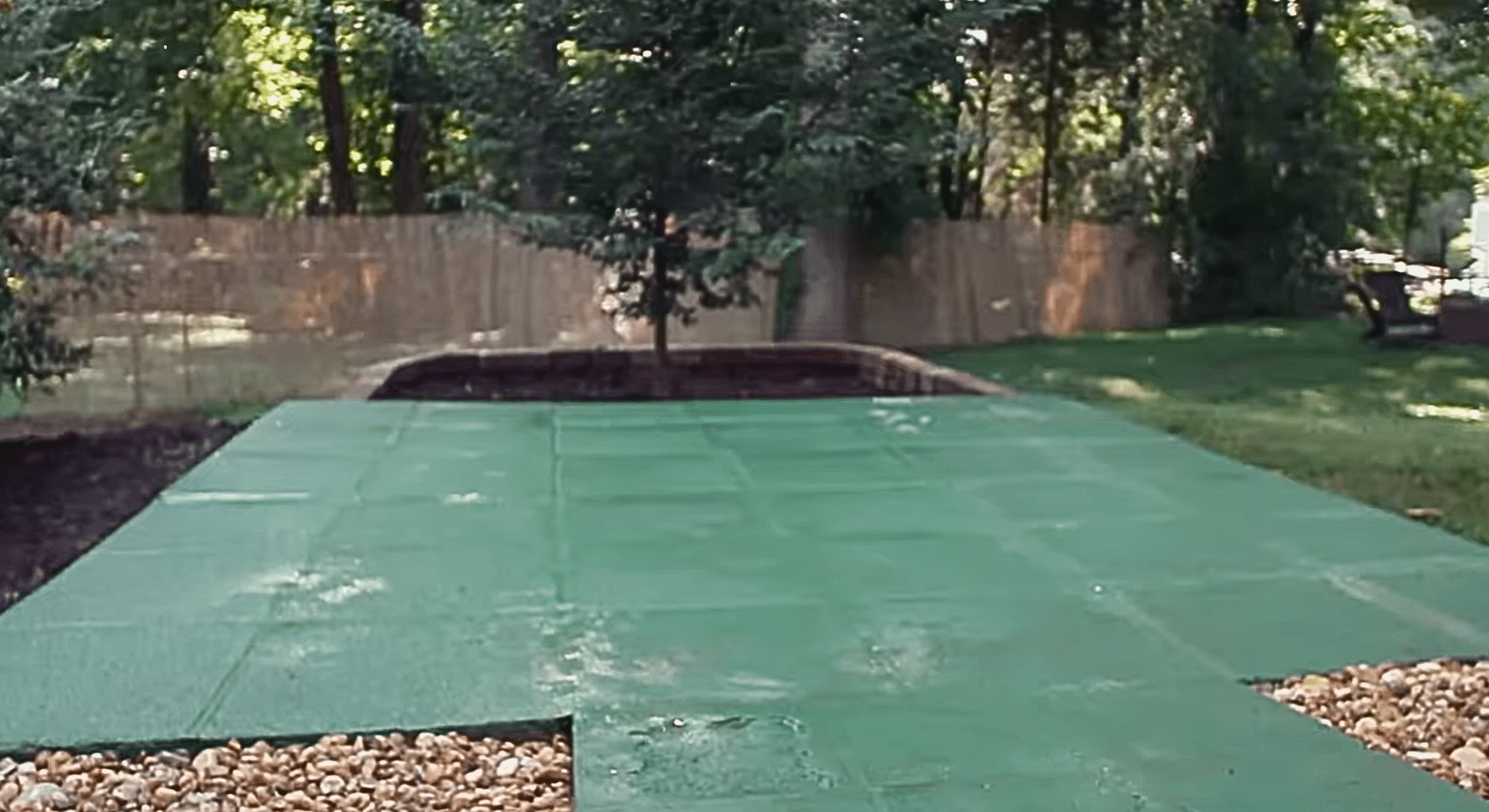
Find a sunny, flat space in your yard.
Make sure it’s close to a power source for your pump. A level surface helps the pool sit properly and prevents shifting.
Step 2: Check for Leaks
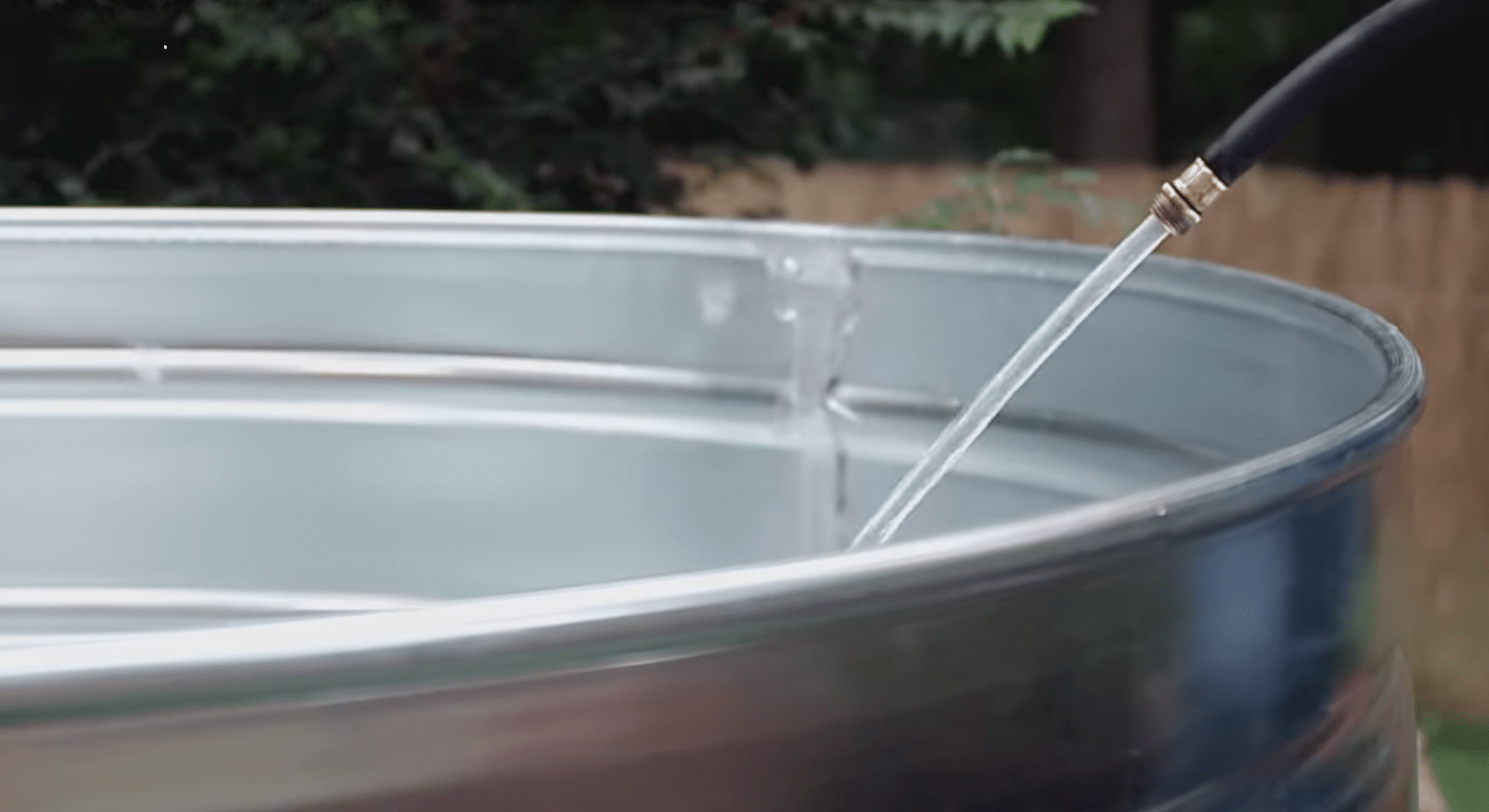
Fill the tank with water and watch for any leaks.
If you spot some, mark the spots, drain the water, and seal them with waterproof sealant. Let it dry fully before moving on.
Step 3: Set Up the Pump
To keep water clean, you’ll need a pump. Drill one hole near the top and another lower down.
These are for water flow. Add gaskets and connect the drains to avoid leaks.
Step 4: Connect the Valve
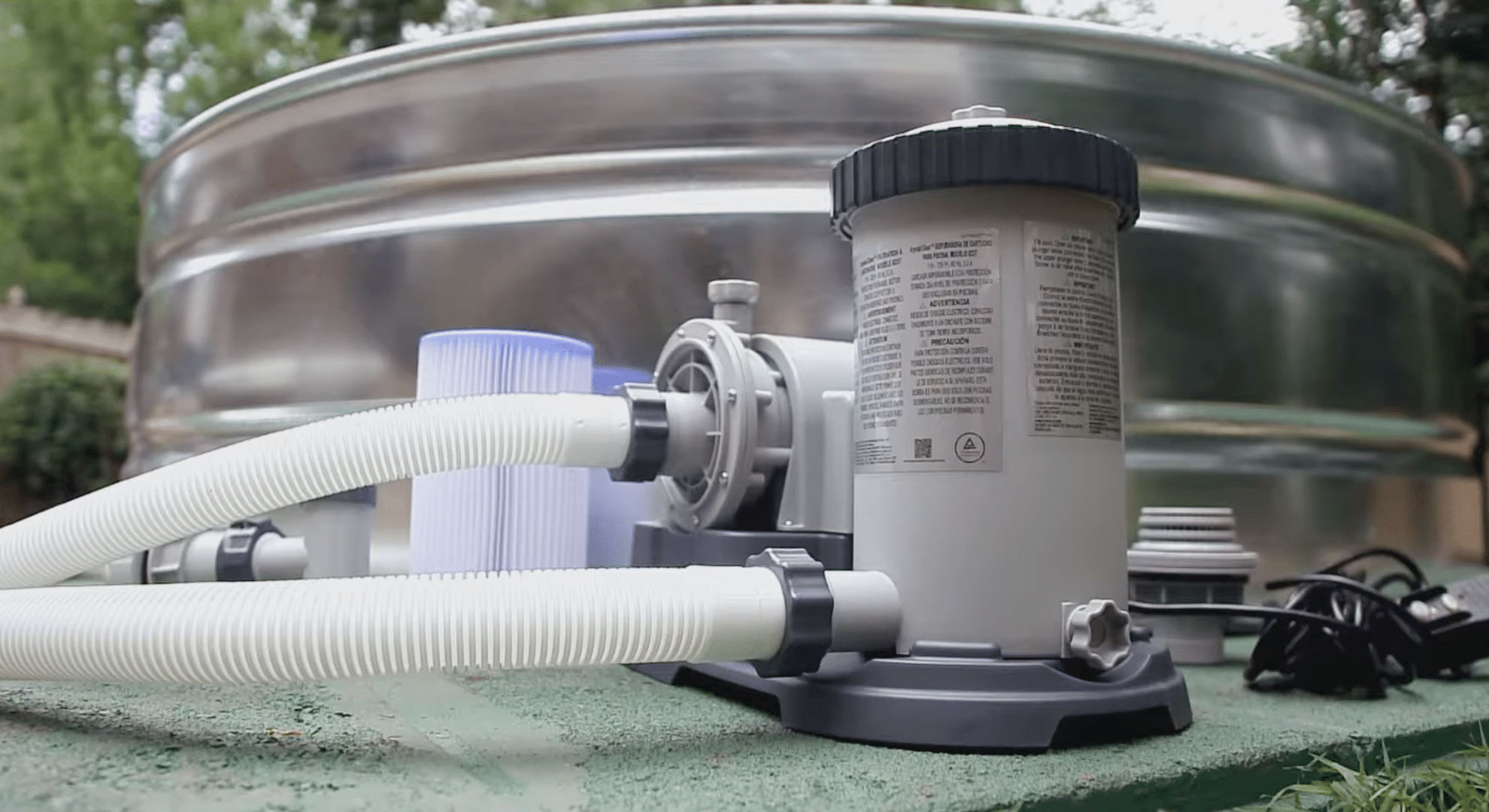
Attach the valve to control water flow.
This step is key to keeping your pool running smoothly and helps the pump do its job.
Step 5: Refill the Pool
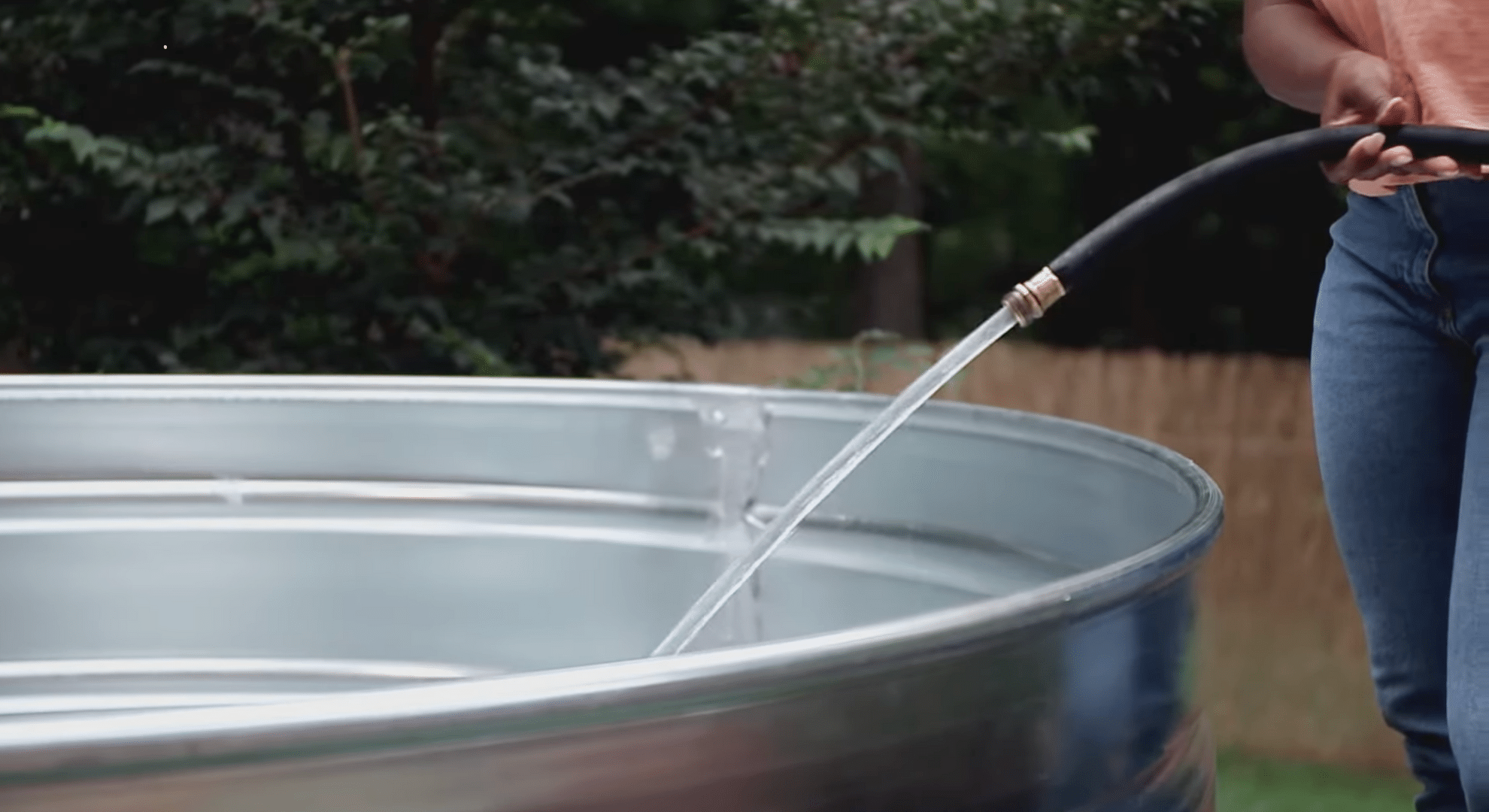
Once everything is sealed and connected, refill the pool with fresh water.
Watch it closely the first time to make sure there are no leaks or loose parts.
Step 6: Keep It Clean
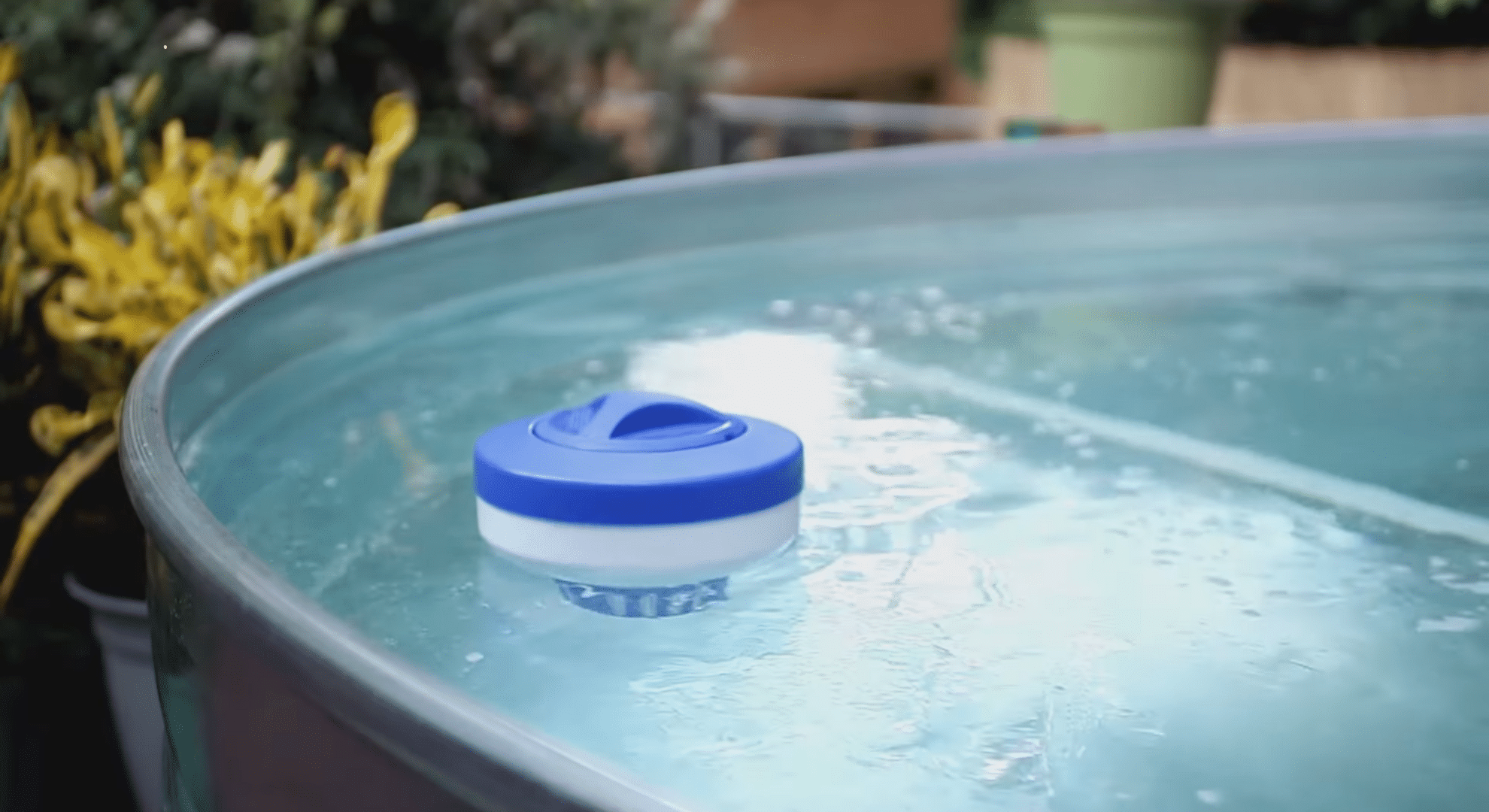
Use a floating dispenser with chlorine tablets to stop algae.
Check the water’s pH with a simple test kit. Use a skimmer to remove leaves, and change the filter now and then.
Step 7: Add Comfort Around the Pool
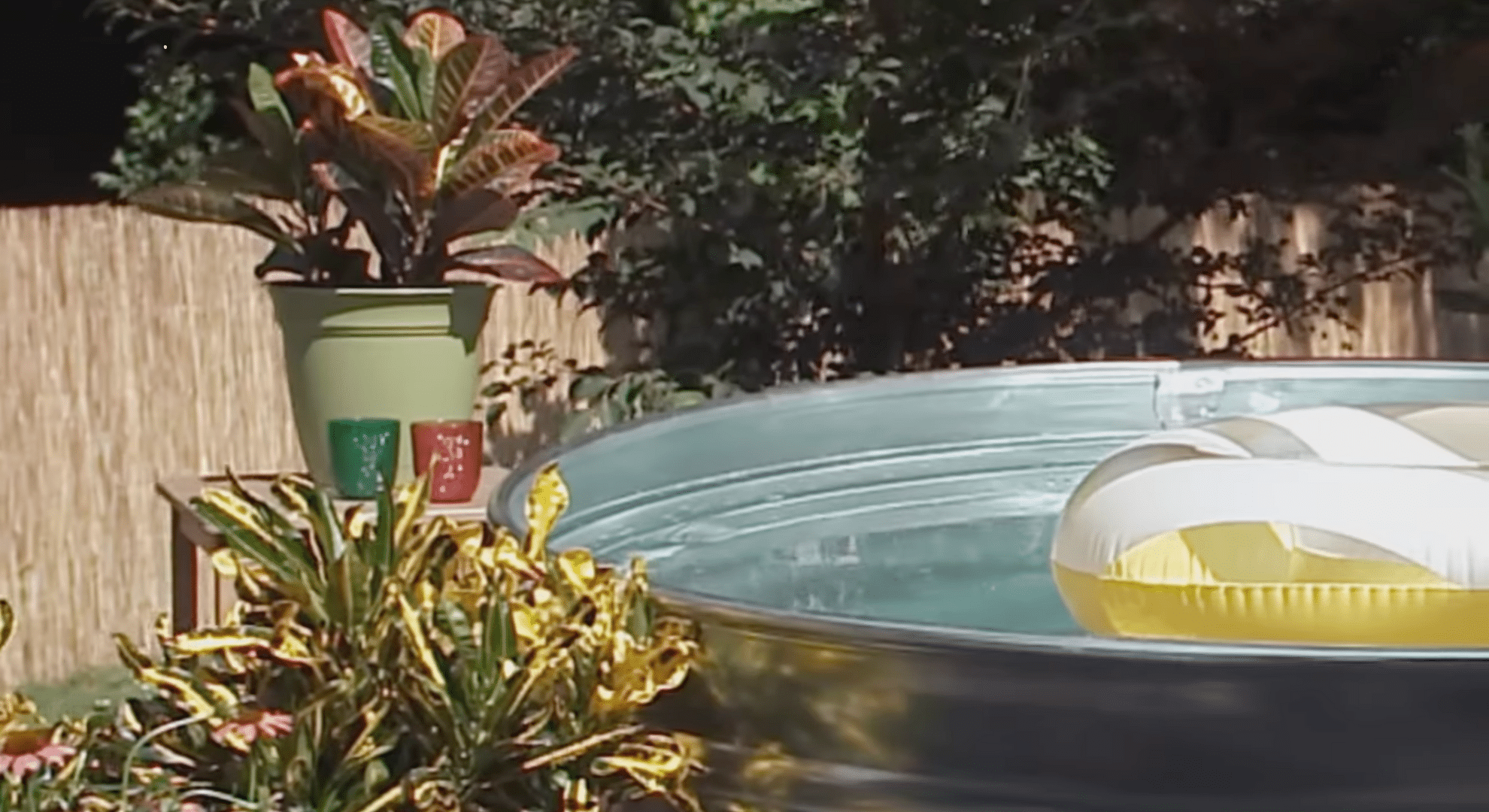
Make it your own space. Add a small table, a place to hang towels, and some shade like an umbrella.
It’s your personal spot to relax and cool off.
You’ve now got a clean and fun stock tank pool, ready for hot days and easy chilling.
Oh, and if you’d rather watch how it’s done, check out the video tutorial below, it’s all laid out step by step.
What It Costs, How Long It Takes, and What to Expect
Building a stock tank pool is one of the most budget-friendly ways to enjoy the water at home. But prices can vary depending on how simple or upgraded you want to go.
Here’s a breakdown of what you might spend and how long it could take:
| Item | Low Cost | Mid Range | Higher End |
|---|---|---|---|
| Stock Tank | $150 | $250 | $400+ |
| Pump/Filter | $50 | $100 | $200+ |
| Fittings | $20 | $40 | $70 |
| Base Material | $0 (bare ground) | $30 (sand) | $100 (pavers) |
| Pool Cover | $20 | $50 | $100 |
| Test Kit | $10 | $20 | $40 |
| Steps/Ladder | $0 (DIY) | $30 | $80+ |
For a basic setup with no plumbing, you could be done in a few hours. Add a pump, fittings, and sealing work, and you’re looking at a full weekend project.
People often overspend on fancy extras or decorations. That’s fine if you want it, but don’t cut corners on the pump, sealant, or setup level. Those keep your pool working well and safe to use.
Water Care for a Stock Tank Pool
Keeping your water clean isn’t hard, but it does take some regular care. A few small habits like this will keep your pool fresh, safe, and ready to use anytime:
- Use a floating chlorine dispenser to stop algae from growing
- Check the pH and chlorine levels with a simple test kit
- Run the pump daily to keep the water moving and clear
- Skim out leaves, bugs, and dirt every day if possible
- Clean or change the pump filter every couple of months
- Cover the pool when not in use to keep out debris
Staying on top of these steps means less work in the long run and more time enjoying your pool. A little upkeep goes a long way.
Electrical and Backyard Safety
Safety comes first, especially when water and electricity are involved. A GFCI outlet (Ground Fault Circuit Interrupter) is a must. It shuts off power if it senses danger, like water touching the cord. This helps prevent shocks and is often required for outdoor use.
Keep all cords and plugs dry. Don’t let them sit on wet ground. Avoid using cheap extension cords—they can overheat or fail. Use outdoor-rated ones only if needed.
If you have kids or pets, never leave the pool unattended. Add a fence or a locked cover if possible. Rules about fencing vary by area, so check your local laws before setting up the pool.
Slipping is another risk. Set up steps or a small platform for safer entry. A handhold or railing helps too. You can also place a non-slip mat around the pool to stop falls and keep things steady.
Conclusion
I didn’t build my stock tank pool to impress anyone; I just wanted a cool place to sit, relax, and enjoy summer without draining my wallet. It worked.
And the best part? I did it myself, without stress.
Now that you’ve got the basics, you can do the same. You don’t need a big yard or fancy tools, just a clear plan and a free afternoon. Start simple, keep it safe, and make it something you’ll actually use.
One small reminder: water and electricity don’t mix, so always check your setup.
If this got you thinking about your own backyard project, don’t stop here. There’s more to learn. Check out the other blogs for easy, doable ideas to build a space you’ll absolutely enjoy!