Home renovations often focus on what people can see: new tile, upgraded cabinets, fresh paint, modern fixtures, and better lighting. But before the walls are closed, the vanity is installed, or the shower trim is finished, there is one behind-the-scenes issue homeowners should not ignore: water pressure.
Poor water pressure can turn a newly renovated bathroom, kitchen, laundry room, or utility area into a frustrating space to use. Even worse, some pressure problems are much easier and cheaper to fix before renovation work is complete. Once walls are sealed and fixtures are installed, diagnosing the issue may require removing finished materials, opening walls, or replacing parts that should have been checked earlier.
Here are the key water pressure problems homeowners should look for before a renovation is finished.
1. Old Pipes Can Limit Water Flow
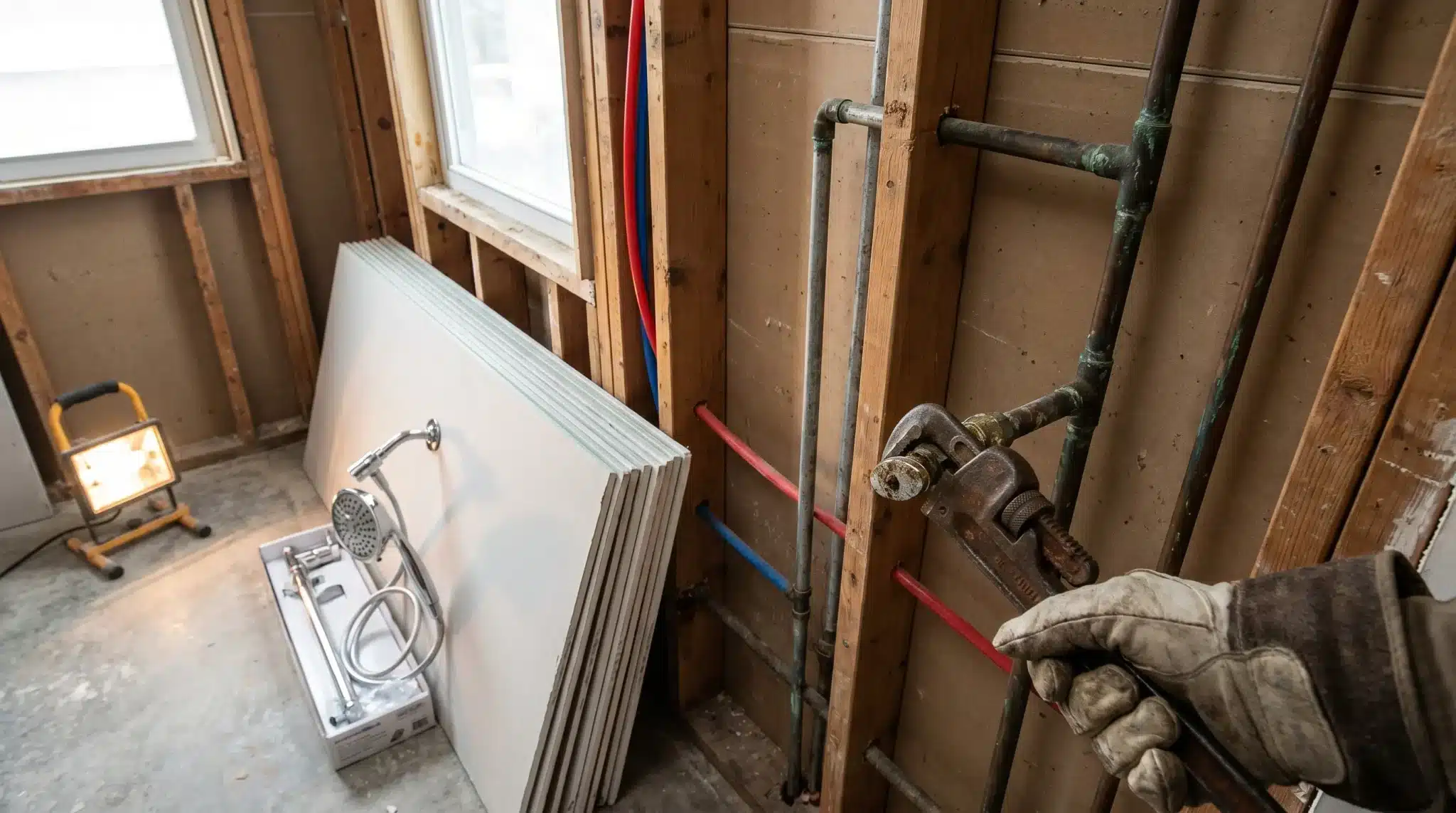
Older homes often have aging supply lines that may be too narrow, corroded, or partially blocked inside. Even if the outside of the pipe looks fine, mineral buildup and internal corrosion can reduce the amount of water that moves through the line.
This is especially common in older galvanized steel pipes, but it can also happen in copper or other aging systems depending on water quality and maintenance history. During renovation, contractors may expose sections of plumbing that are usually hidden. That makes it a good time to inspect pipe condition, confirm pipe size, and decide whether a section should be replaced before the wall is closed.
If a bathroom renovation includes a new shower system, multiple fixtures, or a higher-flow faucet, old undersized lines may not deliver the performance expected. Replacing problem sections early can help avoid weak shower pressure or slow fixture flow after the renovation is complete.
2. Clogged or Failing Valves Can Reduce Pressure
A common cause of poor water pressure is not the pipe itself, but the valve controlling the line. Old shut-off valves can become clogged, stuck, partially closed, or worn out over time. Sometimes a valve looks open, but internally it is not allowing full water flow.
Before finishing a renovation, every accessible shut-off valve should be checked. This includes valves under sinks, behind toilets, near washing machines, at water heaters, and in utility areas. If a valve is difficult to turn, leaking around the stem, or no longer opening fully, it is better to replace it during the renovation rather than wait until it fails later.
For homeowners sourcing parts ahead of time, stores like PlumbingSell can be useful for checking common plumbing supplies, valves, fittings, and connection options before the project reaches the final installation stage.
3. Fixture Flow Issues Should Be Tested Early
Sometimes water pressure seems fine in one part of the home but weak at a specific fixture. This can happen because of clogged aerators, restricted cartridges, old supply lines, incorrect connection sizes, or debris inside the fixture.
Before finalizing a kitchen or bathroom renovation, test each fixture individually. Run the faucet, shower, toilet supply, ice maker line, washing machine connection, and any other new water outlet. Check whether hot and cold water flow evenly. If one side is weaker than the other, the issue may be related to the valve, supply line, cartridge, or pipe feeding that fixture.
Testing fixture flow before final cleanup gives the installer time to fix problems while tools, access panels, and plumbing materials are still available on site.
4. Pressure Testing Helps Catch Problems Before Walls Close
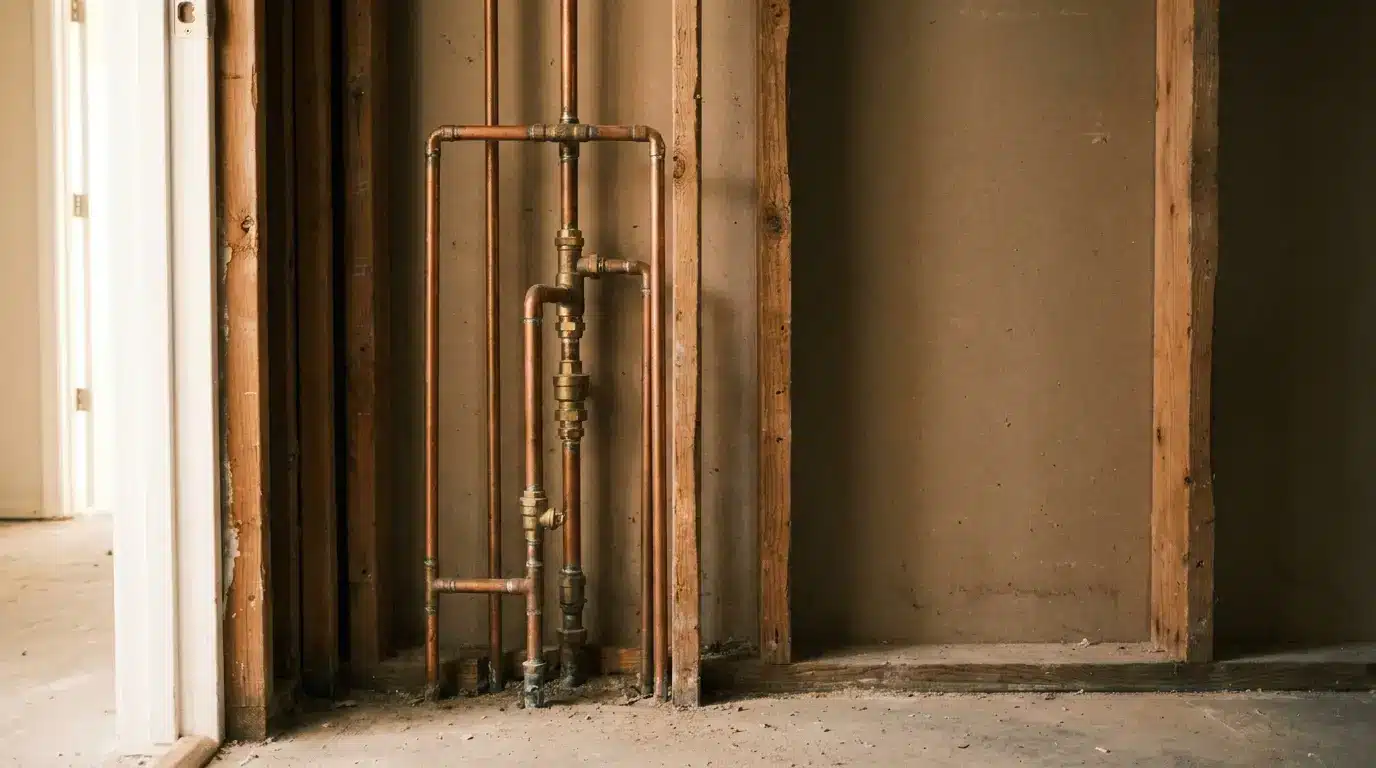
Pressure testing is one of the most important steps before closing up renovation work. After new supply lines, fittings, valves, or connections are installed, the system should be tested to confirm it can hold pressure properly.
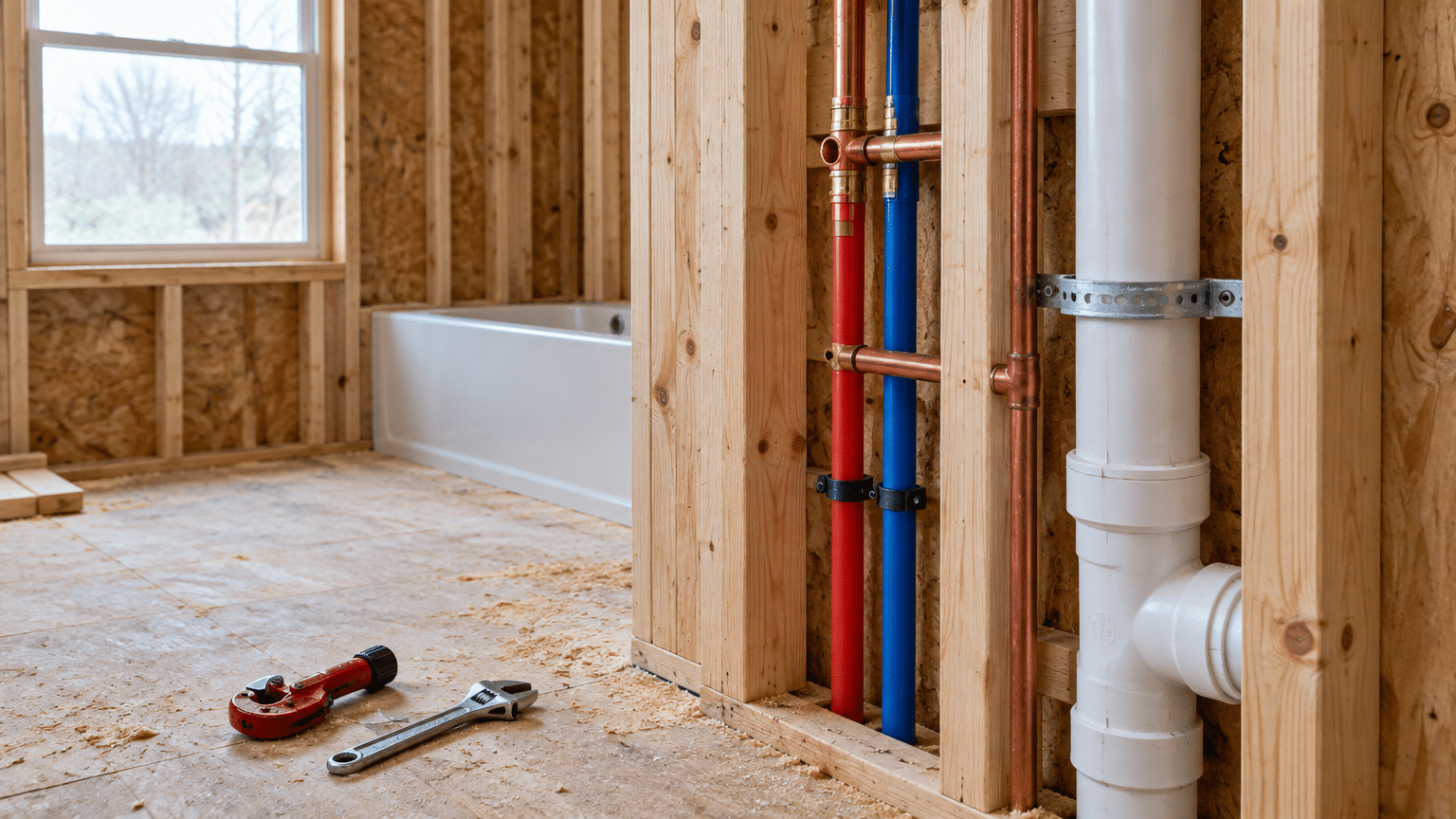
A pressure test can help reveal small leaks, loose connections, defective fittings, or weak points that may not be obvious during a quick visual inspection. This is especially important when plumbing is being installed behind walls, under floors, or inside cabinets.
Skipping this step can lead to expensive problems later. A small leak behind a finished wall may not show immediately, but over time it can damage drywall, flooring, insulation, cabinets, and framing. A simple test before closing the wall can prevent major repair work after the renovation is done.
5. Replace Weak Shut-Off Valves Before Final Installation
Shut-off valves are easy to overlook, but they are extremely important for future maintenance. If a faucet, toilet, washing machine, or ice maker line needs repair later, a working shut-off valve allows the homeowner to isolate that fixture without shutting off water to the whole house.
During renovation, consider replacing old stop valves, washing machine valves, and fixture shut-offs. This is especially important if the current valves are corroded, stiff, leaking, or outdated. A new fixture connected to an old failing valve is not a true upgrade.
It is also worth confirming the connection type before buying replacements. Compression, sweat, threaded, PEX, CPVC, and push-fit connections are not interchangeable. Ordering the correct valve and fitting type early helps avoid delays near the end of the project.
6. Leak Checks Should Happen Before Cabinets, Walls, and Trim Are Finished
A renovation should not be considered complete until every connection has been checked for leaks. This includes supply lines, fixture connections, shut-off valves, pipe joints, shower valves, appliance connections, and any newly installed fittings.
Leaks should be checked both while water is running and after the system has been sitting under pressure. Some leaks are obvious immediately, while others appear slowly as a small bead of water around a joint or valve.
For DIY homeowners and contractors, keeping extra fittings, valves, and repair parts on hand can make final checks easier. Reliable online plumbing suppliers such as PlumbingSell can help homeowners prepare before the final stage of a renovation, especially when matching pipe sizes, connection types, and fixture requirements.
Final Thoughts
Water pressure problems are easier to fix before a renovation is finished than after the space is complete. Old pipes, clogged valves, weak fixture flow, untested connections, and hidden leaks can all affect how well the finished room performs.
Before closing walls, installing cabinets, or completing final trim, take time to inspect the plumbing system carefully. Confirm pipe condition, test fixture flow, replace unreliable shut-off valves, pressure test new work, and check every connection for leaks. These steps may not be as visible as a new faucet or shower, but they can make the difference between a renovation that looks good and one that works well for years.