
Soil is the foundation of every farming decision you make: what to grow, when to plant, how to water, and what to add.
But most growers only think about soil when something goes wrong. A crop underperforms, water drains too fast or pools too long, and yields drop without explanation.
In almost every case, the answer starts underground.
The different types of soil behave differently. They hold water differently, feed roots differently, and respond to amendments differently.
Understanding these types of soil in farming, and what each one does, changes how you read your land and how you respond to it.
This guide breaks down both what soil does and how each type behaves, and how to work with what you have.
What Determines Soil Type?
Soil type emerges from a beautiful blend of elements working together over time.
At its core, you’ll find sand, silt, clay, organic matter, air, and water in varying proportions. Particle size matters deeply here, as it shapes texture and structure, determining which crops will truly thrive.
Several natural forces shape soil over time:
- Climate patterns and rainfall
- Parent rock breaking down beneath
- Vegetation adding organic richness
- Time allowing layers to develop
Want to identify your soil quickly? Try the feel test by rubbing moist soil between your fingers, or the ribbon test to check clay content.
Notice the color and moisture levels, too; they reveal so much about what lies beneath your feet.
Key Uses of Soil in Farming
Soil isn’t just where plants sit. It actively performs several functions that determine whether a crop thrives or struggles.
| Soil Function | Role | Impact if Neglected |
|---|---|---|
| Nutrient Cycling | Stores and releases N, P, and K through microbial activity | Poor yields, nutrient deficiency |
| Water Management | Regulates absorption, retention, and drainage | Waterlogging or drought stress |
| Root Support | Provides structure for root penetration and oxygen access | Stunted growth, shallow roots |
| Erosion Control | Organic matter binds soil against wind and water loss | Topsoil loss, reduced fertility |
| Carbon Storage | Sequesters carbon through organic matter retention | Higher emissions, degraded structure |
| Microbial Habitat | Hosts billions of organisms, driving soil health | Disease susceptibility, nutrient lock |
Major Soil Types
Every garden and farm sits on one of several distinct soil personalities. Understanding these textures helps you match the right crops to your land and build thriving, sustainable growing spaces.
1. Sandy Soil
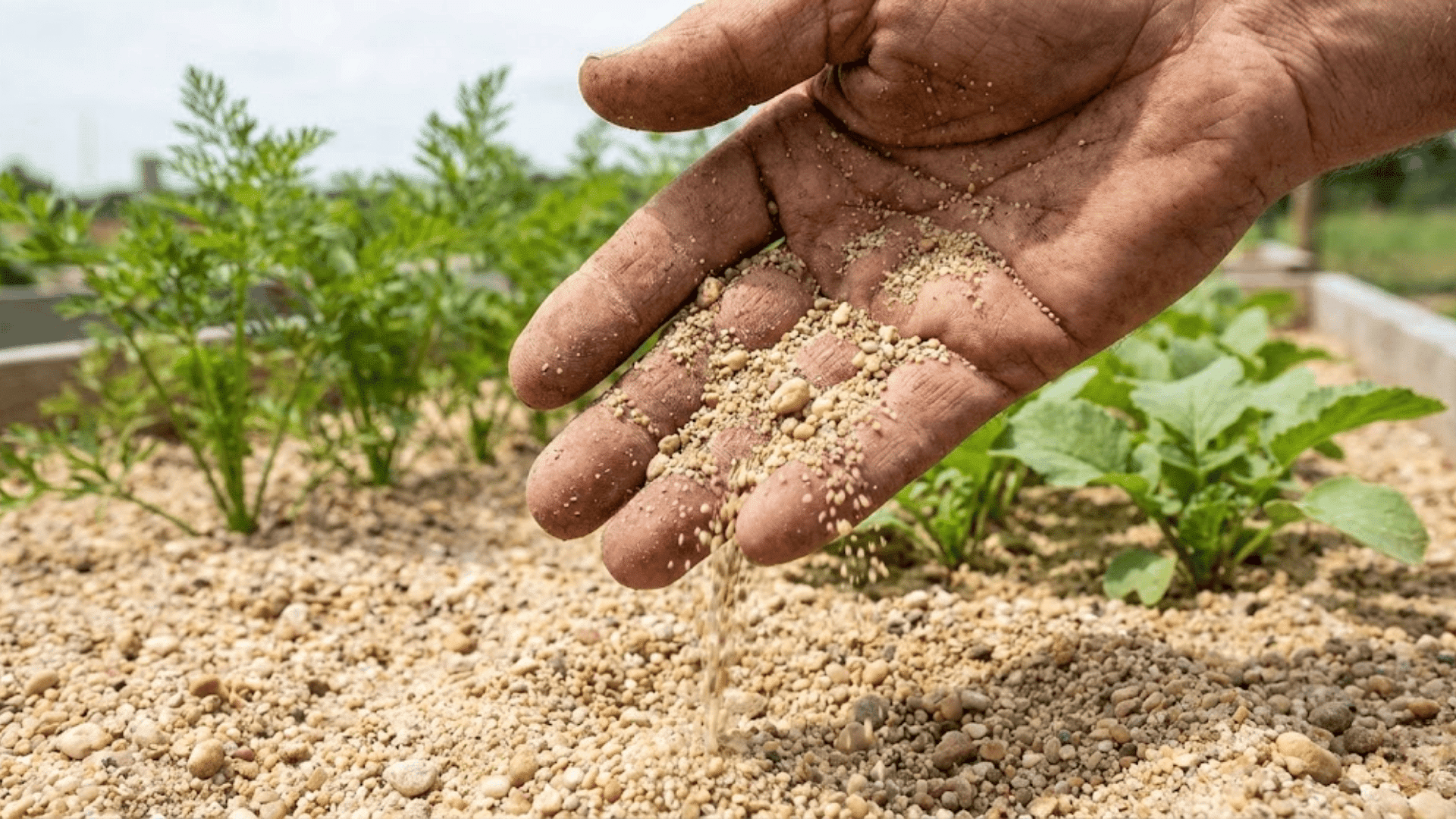
Texture: Large, gritty particles that drain quickly and feel rough between your fingers.
Favourable Crops: Drought-tolerant plants like carrots, radishes, potatoes, and herbs such as rosemary and thyme.
Sandy soil moves water and air freely, which roots love, but nutrients wash away easily. This soil warms up quickly in spring, giving you an early start to the growing season.
You’ll need to water more frequently and add organic matter regularly to boost fertility and help it hold onto moisture longer.
2. Silty Soil

Texture: Smooth, almost flour-like feel when dry; soft and soapy when moist.
Favourable Crops: Grains like wheat and barley, plus moisture-loving vegetables including lettuce, spinach, and brassicas.
Silty soil strikes a lovely balance. It holds moisture beautifully without becoming waterlogged and naturally contains decent fertility. This texture feels gentle to work with and supports strong root development.
While it can compact under heavy rain or foot traffic, regular organic additions keep the structure light and welcoming for plant roots.
3. Clay Soil
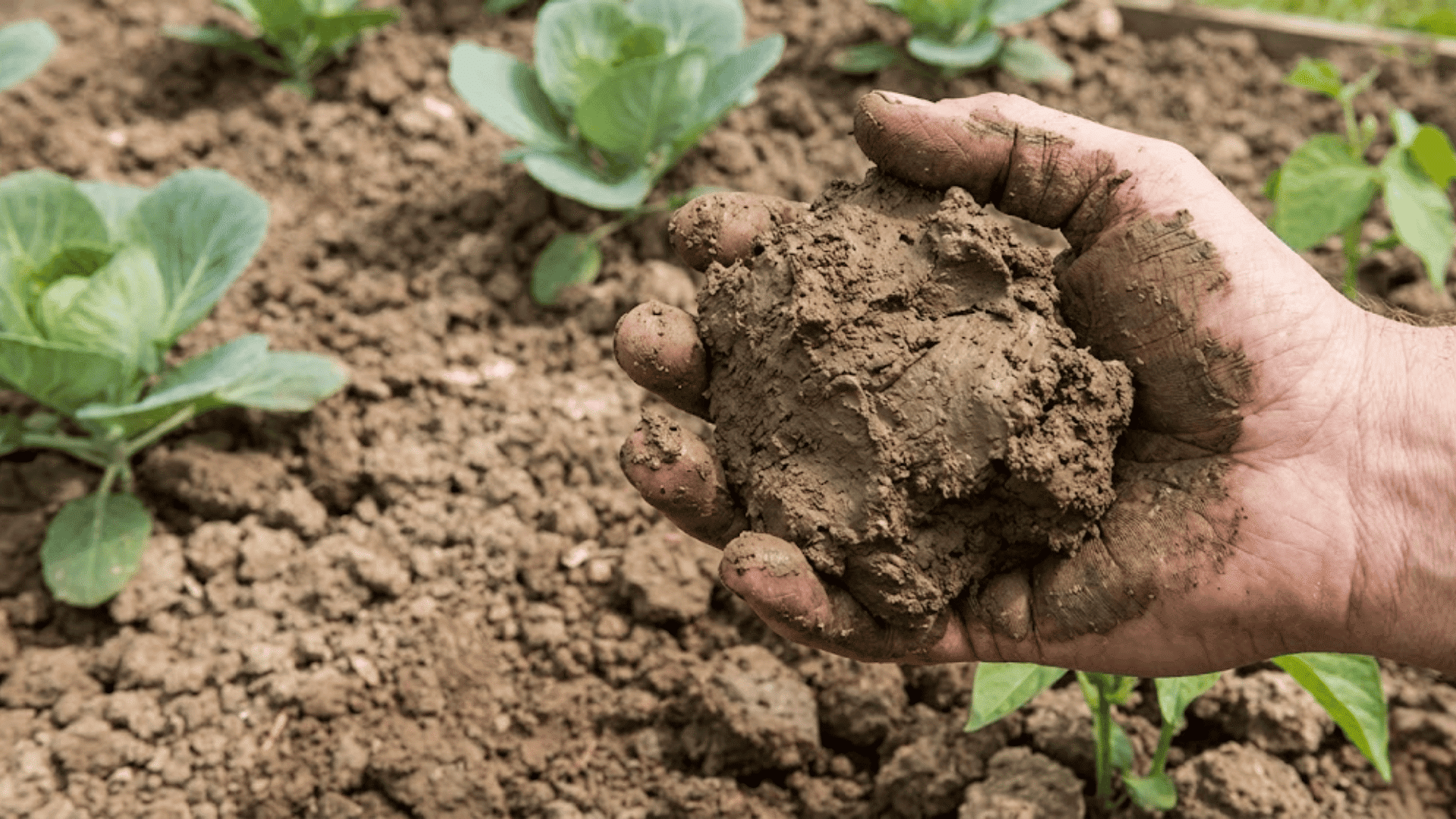
Texture: Very fine particles that feel sticky and heavy when wet; they form ribbons easily between your fingers.Favourable Crops: Moisture-loving plants like cabbage, broccoli, beans, and fruit trees with deep root systems.
Clay soil holds water and nutrients exceptionally well, creating a rich reservoir for plant growth. It feels dense and can be challenging to dig, especially when wet.
The key is patience and timing. Work this soil when it’s slightly moist, not soaking, and add compost to improve drainage and aeration over time.
4. Loamy Soil
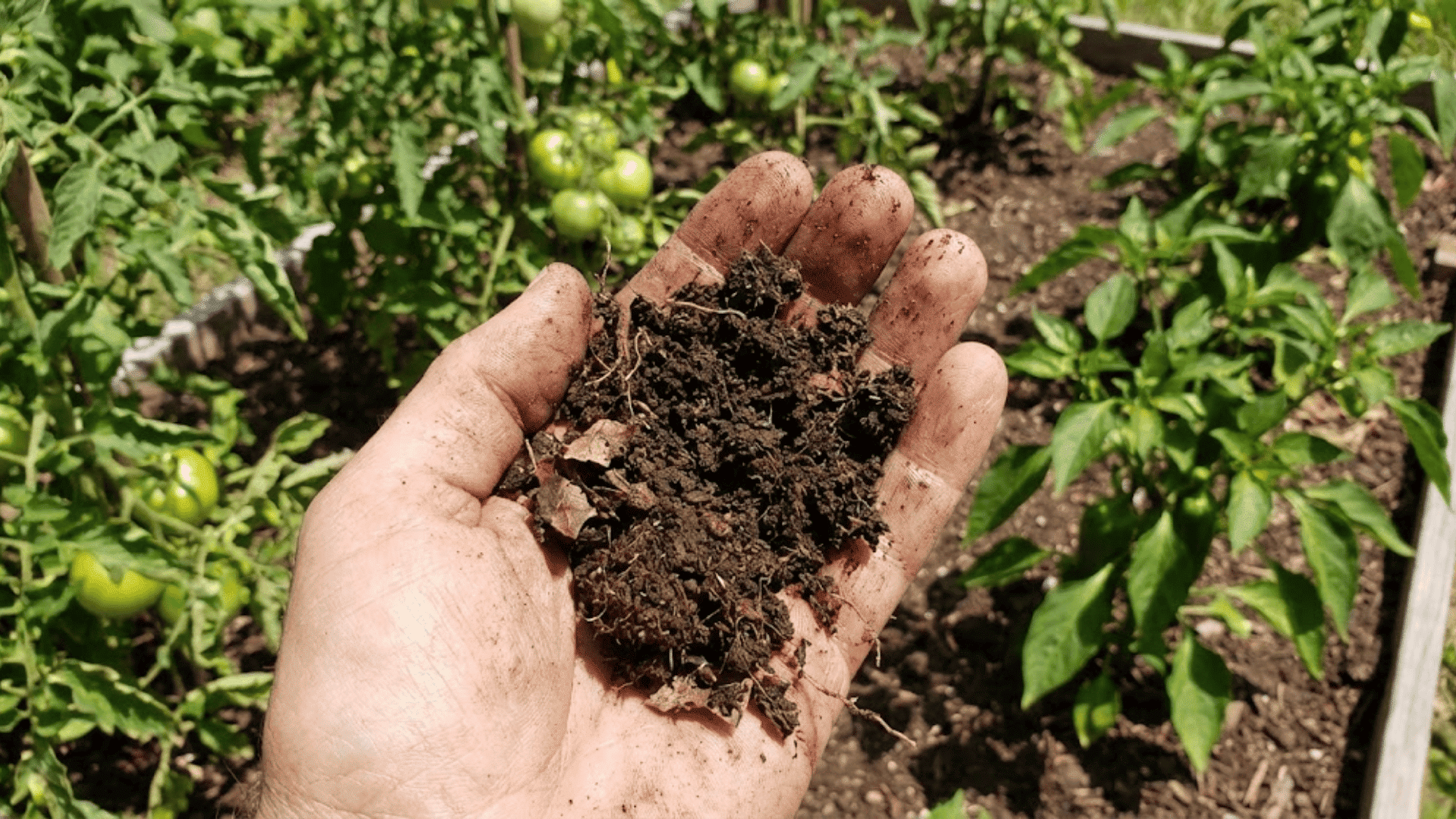
Texture: Perfect blend of sand, silt, and clay that crumbles nicely and holds shape when squeezed gently.
Favourable Crops: Nearly everything thrives here, including tomatoes, peppers, root vegetables, berries, and ornamental flowers.
Loamy soil is the gardener’s dream. It drains well yet retains moisture, holds nutrients without becoming compacted, and warms at just the right pace. This balanced texture supports vigorous root growth and microbial activity.
If you’re lucky enough to have loam, maintain it with regular organic matter and gentle cultivation practices.
5. Peaty Soil
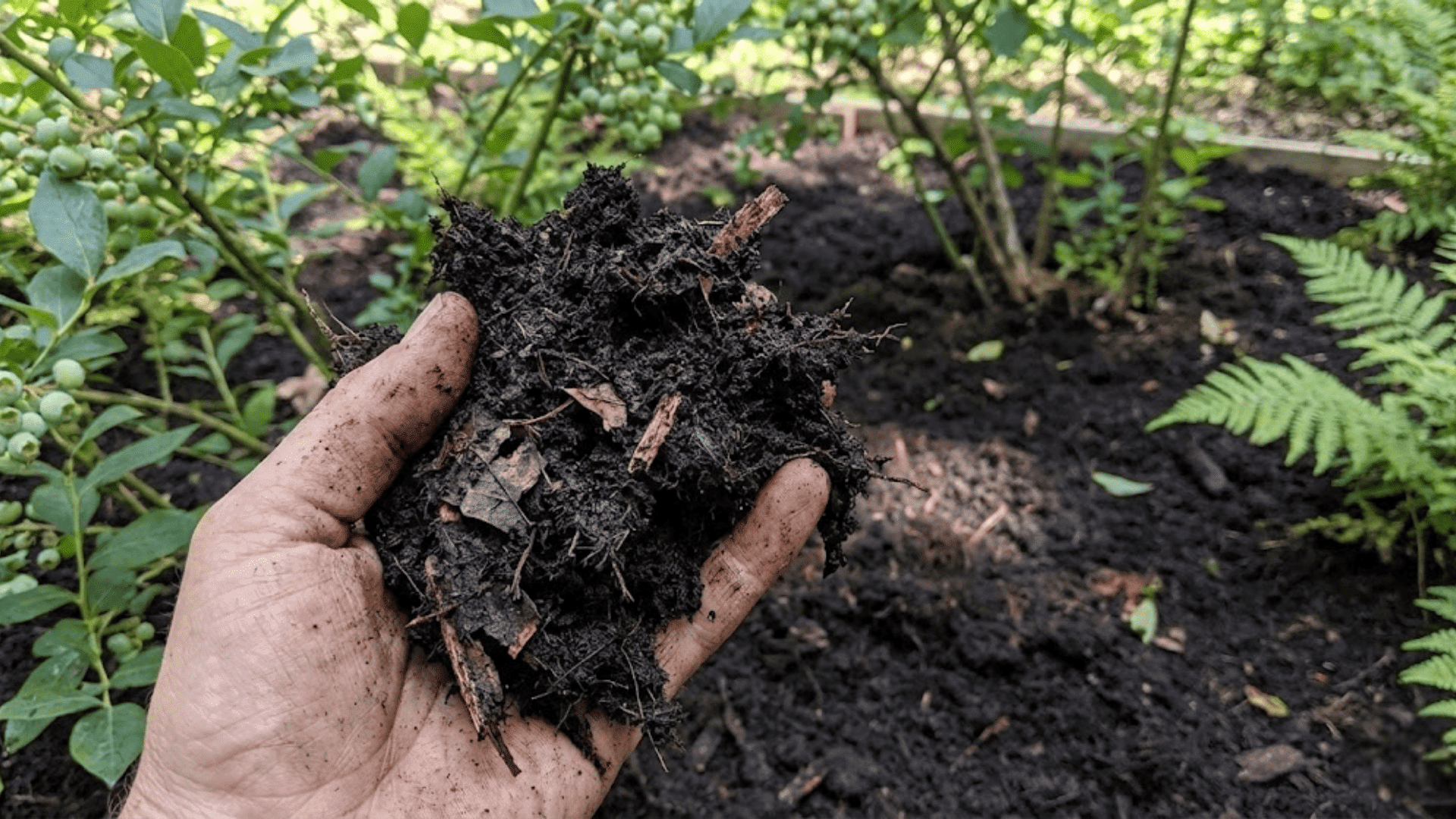
Texture: Dark, spongy, and rich in decomposed organic material; feels moist and springy.
Favourable Crops: Acid-loving plants like blueberries, azaleas, rhododendrons, and heather.
Peaty soil forms in wetland areas where organic matter breaks down slowly. It holds water remarkably well and tends toward acidity. This soil warms slowly in spring but offers incredible organic richness.
For most crops, you’ll need to adjust pH levels and improve drainage, but for the right plants, it creates a perfect growing environment.
6. Chalky Soil
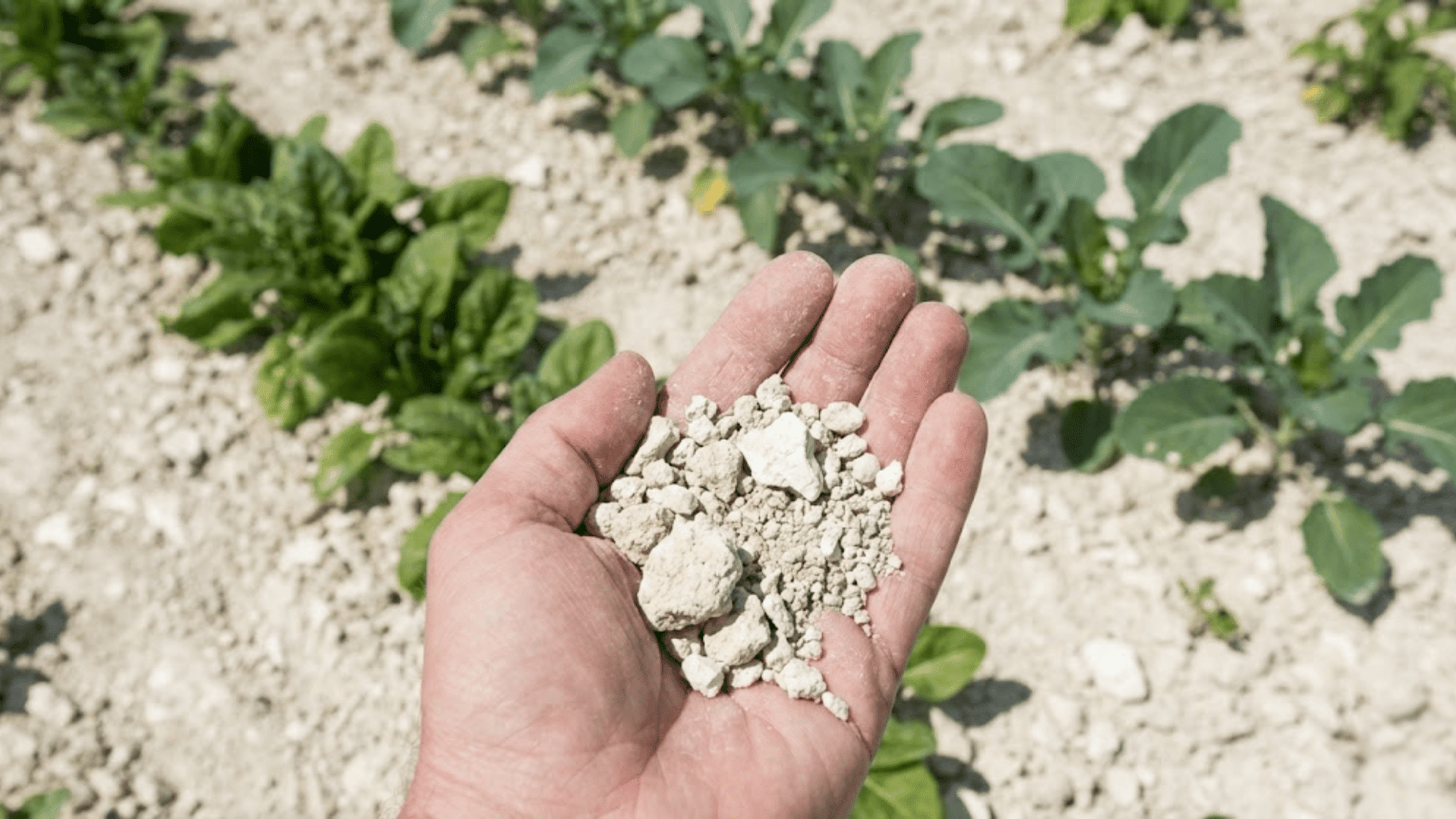
Texture: Pale, often stony, and free-draining with visible limestone or chalk fragments.
Favourable Crops: Alkaline-tolerant plants like lilacs, clematis, brassicas, beets, and spinach.
Chalky soil drains quickly, sometimes too quickly, carrying nutrients away before plants can use them. Its alkaline nature limits which crops will thrive, but those that do often grow beautifully.
Adding organic matter helps with moisture retention, though the alkalinity remains. Choose plants naturally suited to these conditions for the easiest success.
7. Saline or Alkaline Soil
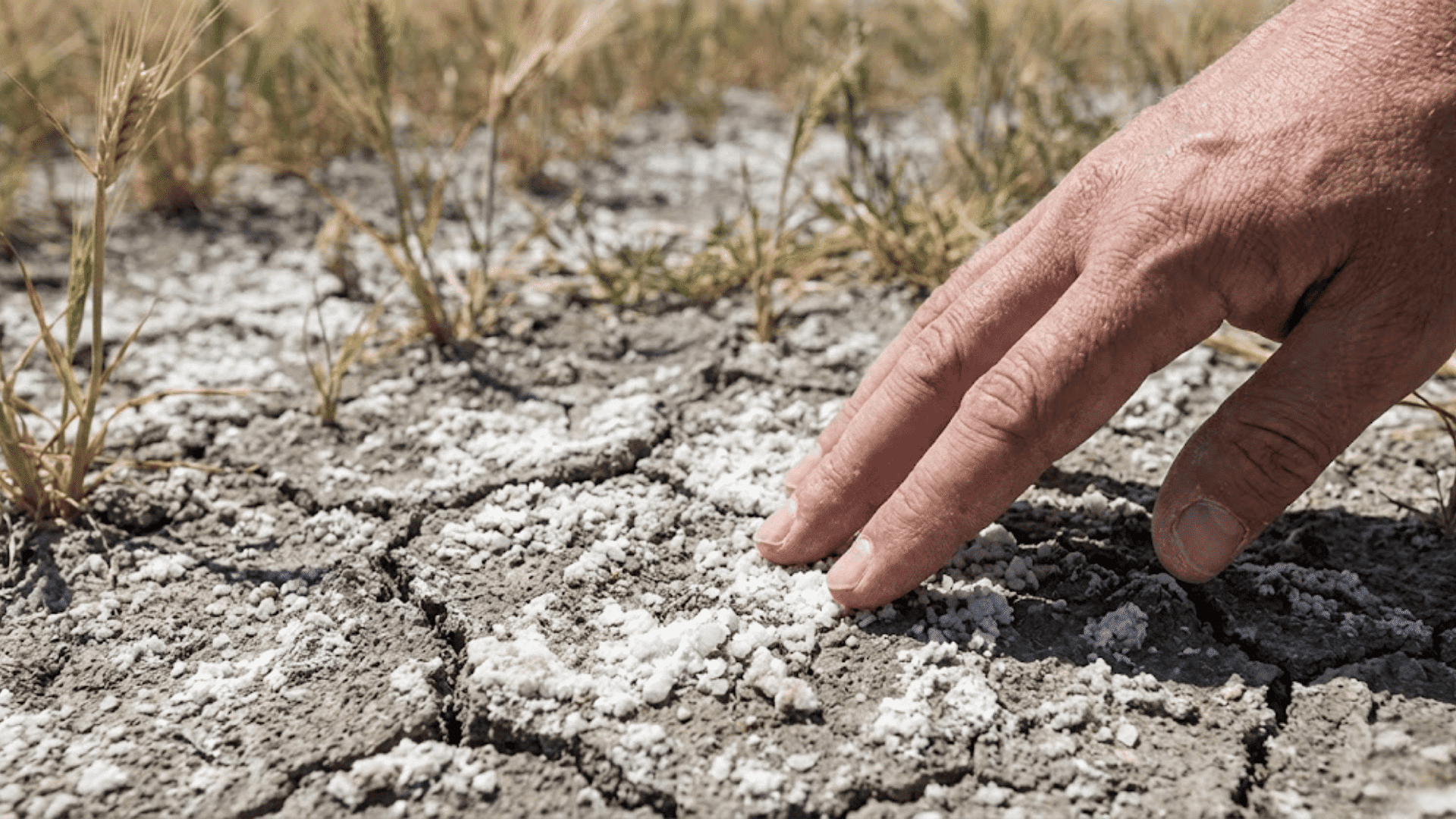
Texture: Variable texture with visible salt crusts on the surface; often feels dry and crusty.
Favourable Crops: Salt-tolerant crops like barley, sugar beets, asparagus, and certain native grasses after treatment.
High salt levels challenge most conventional crops by interfering with water uptake. This soil requires reclamation through leaching with quality water or adding amendments like gypsum.
Once treated, productivity improves significantly. Regular monitoring helps maintain balance and prevents salt buildup. With patience and proper management, even challenging soils can support growth.
Regional Soil Types
Beyond texture alone, geography shapes soil in fascinating ways. Regional soils tell stories of rivers, climate, and ancient geological processes.
Understanding these regional variations helps farmers and gardeners work with what nature has provided, especially across diverse landscapes like India.
| Soil Type | Key Characteristics | Best Crops |
|---|---|---|
| Alluvial Soil | Fertile river deposits, mineral-rich, and good water retention | Rice, wheat, sugarcane, and vegetables |
| Black Soil (Regur) | Moisture-retentive, nutrient-dense, high clay content | Cotton, cereals, oilseeds, citrus |
| Red & Yellow Soil | Iron-rich, lower fertility, lighter texture | Millet, groundnuts, pulses, potatoes |
| Laterite Soil | Acidic, heavily leached, porous | Tea, coffee, cashews, rubber |
| Desert Soil | Sandy, arid, low organic content | Bajra, pulses, dates (with irrigation) |
| Mountain/Forest Soil | Variable texture, rich organic matter in valleys | Temperate fruits, spices, and medicinal plants |
How to Identify Soil Types?
You don’t need a lab to understand your soil. Simple field tests reveal texture, structure, and fertility right in your hands.
These practical methods help you make decisions about amendments, watering schedules, and crop selection.
- Feel Test: Rub moist soil between your fingers; sand feels gritty, silt feels smooth like flour, and clay feels sticky and forms a ball easily.
- Ribbon Test: Squeeze wet soil and try rolling it into a ribbon between your palms; longer ribbons mean higher clay content.
- Color Clues: Dark soil typically indicates rich organic matter, while red or yellow tones suggest iron content and potential nutrient needs.
- Moisture Behavior: Watch how water moves through your soil; fast drainage points to sandy texture, while pooling suggests clay dominance.
- pH Testing: Use a simple home kit or pH meter to check acidity levels, which directly affect nutrient availability for your crops.
Combined with observation over time, they become powerful tools for building healthier, more productive growing spaces.
Soil Properties that Affect Crop Growth
Soil is more than just a growing medium. Its physical and chemical properties directly influence how well plants access water, nutrients, and oxygen.
Understanding these key factors helps you match crops to your soil or improve conditions for what you want to grow.
| Property | How It Affects Crops | Examples & Applications |
|---|---|---|
| Water Retention vs. Drainage | Sandy drains fast; clay holds water, but can waterlog | Carrots in sandy soil; rice in clay |
| Nutrient Availability | N, P, and K levels determine growth vigor and yield | Leafy greens need nitrogen; tomatoes need balanced NPK |
| Soil pH | Affects nutrient uptake; most crops prefer 6.0-7.0 | Blueberries need acidic (4.5-5.5) conditions; brassicas tolerate alkaline conditions |
| Soil Structure | Good structure allows root penetration and air flow | Loose loam suits deep-rooted crops like carrots |
| Organic Matter Content | Improves water retention and nutrient supply | Compost-rich soil supports heavy feeders like squash |
Improving Soil Suitability for Crops
No soil stays perfect forever, but every soil can improve. Start by adding organic amendments like compost, manure, or green manure to boost fertility and structure.
If pH tests reveal imbalances, limestone raises acidity while sulfur lowers alkalinity, bringing nutrients back into the plant-available range. Cover cropping between seasons protects soil, adds organic matter, and fixes nitrogen naturally.
Crop rotation prevents nutrient depletion and breaks pest cycles. Finally, manage water wisely through proper irrigation timing and drainage solutions.
Clay soils benefit from raised beds, while sandy soils need mulching to retain moisture. Small, consistent improvements create lasting change.
Soil Management Tips for Sustainable Farming
Healthy soil doesn’t happen by accident. It grows through thoughtful practices that protect structure, preserve nutrients, and work with natural cycles.
These sustainable habits keep your land productive for years to come.
- Apply mulch generously to retain moisture, suppress weeds, regulate temperature, and gradually add organic matter as it breaks down.
- Practice reduced or no-till methods to preserve soil structure, protect beneficial organisms, and keep carbon locked underground.
- Rotate crops strategically to balance nutrient demands, disrupt pest patterns, and naturally rebuild fertility between seasons.
- Prevent compaction and erosion by avoiding heavy equipment on wet soil, planting windbreaks, and maintaining ground cover.
- Monitor soil regularly through annual testing for pH and nutrient levels to catch imbalances before they impact yields.
These practices build resilience into your farming system. When you treat soil as a living ecosystem rather than just a growing medium, it responds with sustained productivity and vitality.
Final Thoughts
Understanding soil types and their functions gives you a practical edge in every farming decision.
Test your soil’s pH and texture before the next growing season. Match your crops to your soil type rather than fighting against it.
Add organic matter consistently; it improves nearly every soil property over time. If erosion or compaction is a problem, cover crops and reduced tillage are your lowest-cost fixes.
Soil improvement is slow, but it compounds.
The changes you make this season show up in yields a few seasons from now. Start with one improvement, measure the difference, and build from there.
Frequently Asked Questions (FAQs)
What are the Main Uses of Soil in Farming?
Soil has six key functions in agriculture: providing nutrients, managing water, supporting roots, preventing erosion, storing carbon, and hosting microbes essential for plant health.
Why is Soil Important in Agriculture?
Without functional soil, crops can’t access nutrients, water, or support. Degraded soil lowers yields; FAO estimates land degradation costs the global economy up to $10.6 trillion annually.
What is the Best Soil Type for Farming?
Loamy soil is widely considered the most versatile for agriculture; it balances drainage, moisture retention, and nutrient availability. However, the right soil type depends entirely on the crop.