A home feels personal when it reflects real life, not just trends. Furniture, paint, and layout create the base, but the details give each room its character.
Personality does not mean adding more decor. It means choosing pieces that connect to your habits, memories, interests, and the way you actually use the space.
The goal is to make your home feel warm, specific, and lived in without making it feel crowded.
Start With How You Use the Space
Before buying anything new, look at how each room functions. A living room may need comfort and conversation. A kitchen may need practical storage and easy movement. A bedroom may need calm. A home office may need focus.
Personal touches should support the purpose of the room.
A reading corner might need a comfortable chair, soft lamp, small table, and a few favorite books. A family room might need baskets for games, framed photos, and durable textiles.
When function comes first, the room feels natural instead of staged.
Choose a Personal Design Thread
A home can include many personal items, but each room needs a clear thread. This keeps the design from feeling random.
Your thread might be travel, family history, books, gardening, music, handmade objects, vintage pieces, coastal colors, or bold modern accents.
The theme does not need to be obvious. It simply helps you decide what belongs.
If every shelf holds unrelated items, the room can feel visually busy. If the pieces share a color, material, story, or style, the room feels more intentional.
Add Statement Lighting With Meaning
Lighting can change the whole mood of a room. It can also show personality without taking up much space.
Use a mix of overhead lighting, lamps, and accent lighting. A vintage lamp, reading light, picture light, or wall feature can make a room feel more personal.
For bedrooms, creative studios, game rooms, media spaces, or lounge areas, custom LED signs can add a name, phrase, symbol, or color accent that feels unique to the home.
Keep statement lighting focused. One strong lighting feature usually works better than several competing ones.
Display Photos in a Cleaner Way
Family photos, travel images, and milestone pictures bring warmth to a home. The key is editing.
Too many frames spread across every surface can create clutter. Choose fewer images and display them with care.
A gallery wall, picture ledge, hallway arrangement, or pair of large framed photos can feel more polished than scattered frames on every table.
Use similar frame finishes if the images vary in color and style. This helps the display feel connected.
Turn Memories Into Decor
Personal decor does not have to mean photos only. Objects can tell stories too.
A ceramic dish from a trip, a quilt from a relative, a small sculpture, a framed recipe, a childhood book, or inherited furniture can add meaning to a room.
Give these pieces space. A meaningful object loses impact when it is surrounded by too many other things.
Place special items where they can be seen and used, not hidden in storage.
Style Shelves Without Overfilling Them

Photo by Ansar Muhammad from Pexels: https://www.pexels.com/photo/dania-city-villa-in-sulaymaniyah-city-27604110/
Shelves are one of the easiest places to add personality, but they can also become messy fast.
Use a mix of books, baskets, art, plants, ceramics, and small keepsakes. Vary the height and shape of the objects.
Shelf Styling Ideas
Try adding:
- Favorite books
- Framed small artwork
- A plant or vase
- A travel object
- A lidded storage box
- A family keepsake
- A sculptural piece
- A small stack of photo albums
Leave some empty space. Shelves need breathing room to look styled rather than packed.
Use Texture to Make Rooms Feel Collected
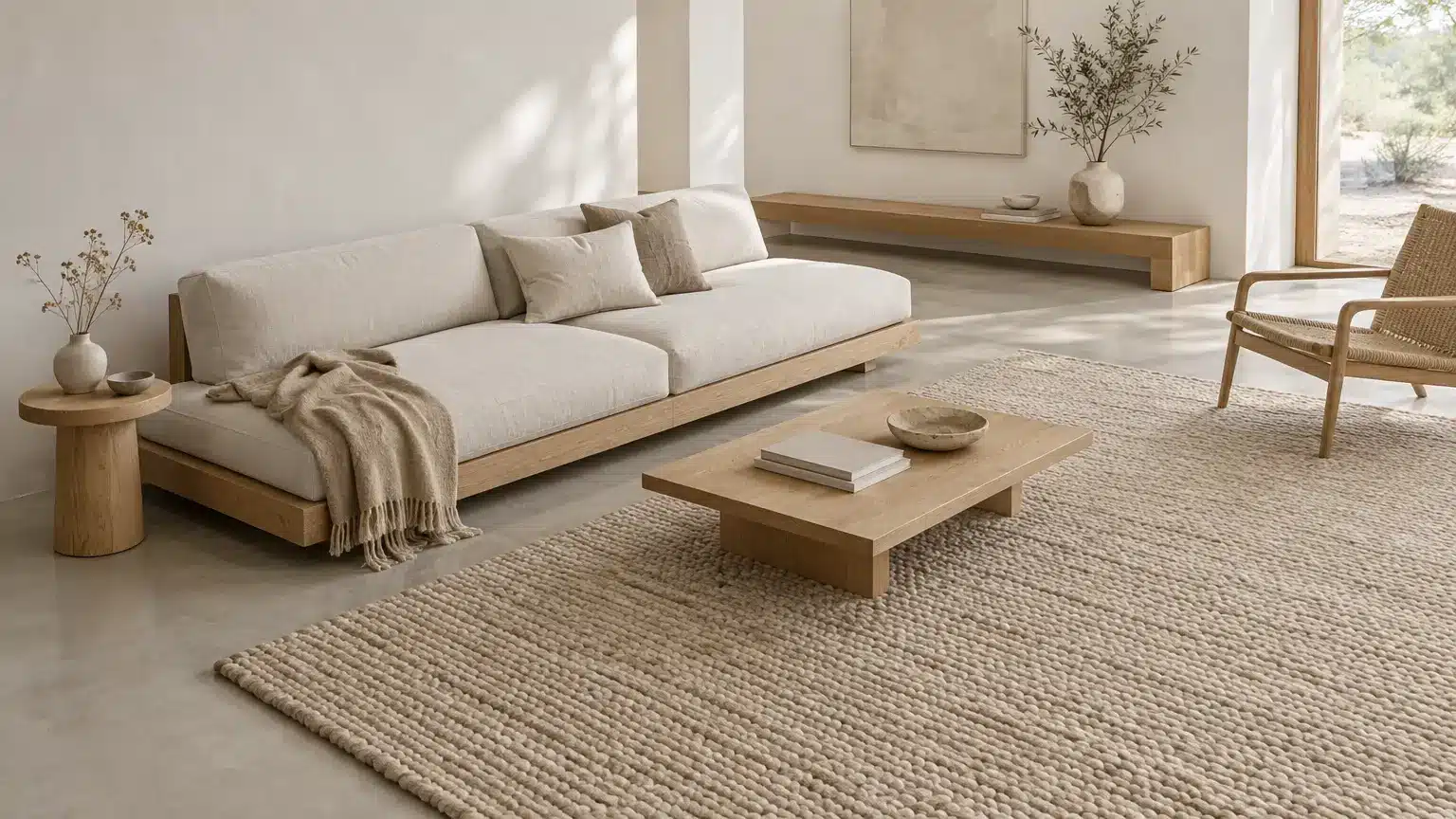
Texture makes a room feel warmer and more personal. It can come from fabric, wood, metal, stone, baskets, ceramics, plants, rugs, or handmade pieces.
Layering texture keeps a room from feeling flat.
A woven basket, linen curtain, wool throw, wood side table, or handmade bowl can add depth without making the room feel crowded.
Textiles are especially useful because they are easy to change. Pillows, blankets, curtains, and rugs can shift the mood of a room quickly.
Create a Small Memory Area
Instead of spreading personal items everywhere, create one small memory area.
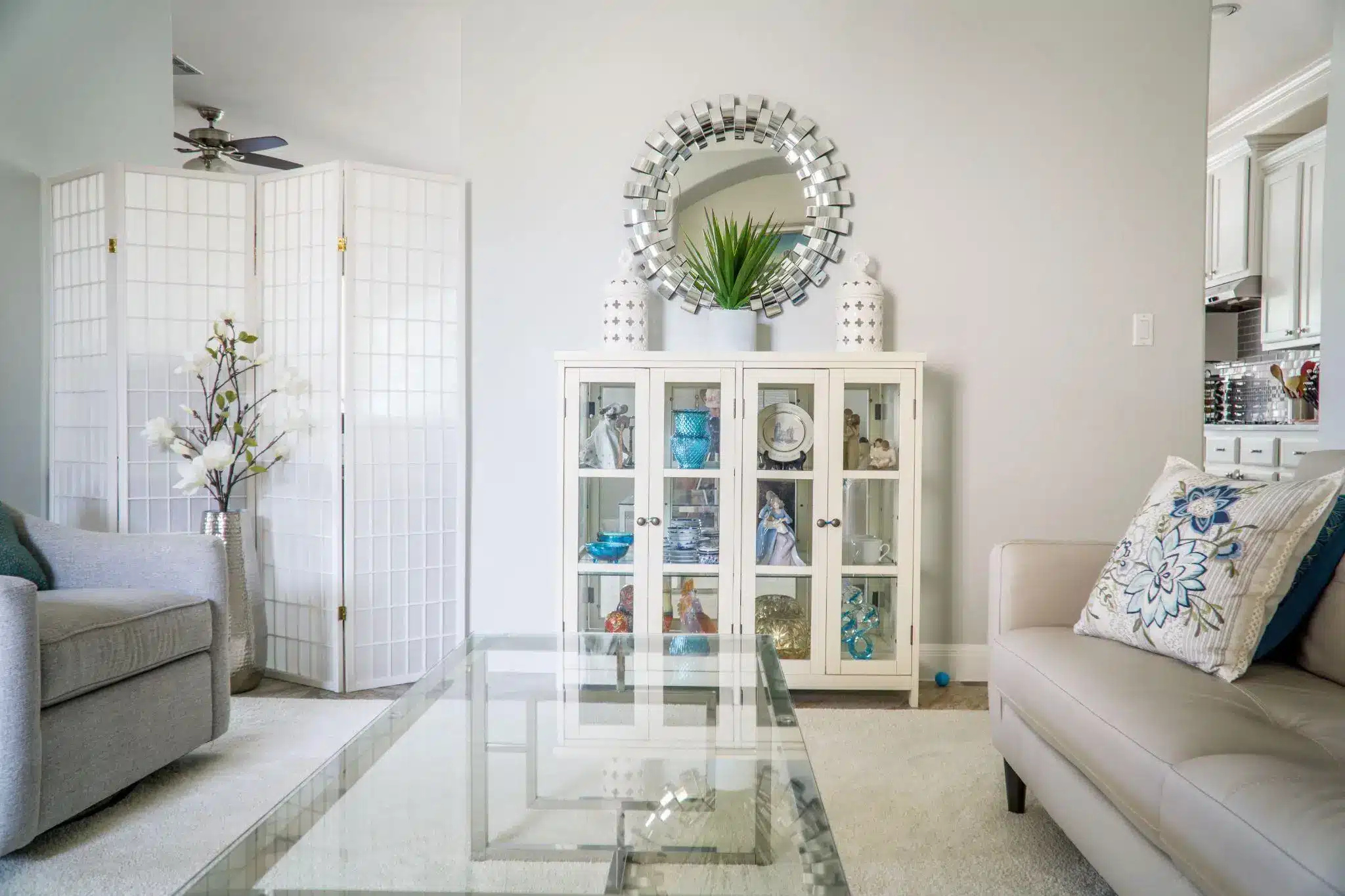
This could be a mantel, console table, sideboard, shelf, entry table, or reading corner.
Use it for framed photos, keepsakes, books, candles, flowers, or seasonal pieces.
For households with many memories to preserve, custom photo books can keep family stories, travel moments, and milestones organized without filling every wall and surface with separate frames.
A memory area should feel curated, not crowded.
Bring Personality Into Everyday Storage
Practical items can still look good. Storage is one of the easiest ways to make a home feel personal and organized.
Use baskets, trays, bowls, boxes, hooks, and bins that match your style.
A bowl near the door can hold keys. A basket can store blankets. A tray can organize remotes and candles. A hook rail can display hats, bags, or dog leashes.
When daily items have attractive places to land, the room stays easier to maintain.
Add Color in Small, Flexible Ways
Color is a simple way to add personality. It does not always require painting the walls.
Use color through pillows, artwork, lamps, rugs, dishes, flowers, books, or small furniture.
This works especially well if you like to change the look of a room by season.
Easy Places to Add Color
Good options include:
- Throw pillows
- Wall art
- Table lamps
- Rugs
- Curtains
- Bedding
- Vases
- Books
- Painted furniture
Small color choices can make a neutral room feel more personal without overwhelming it.
Final Thoughts
Adding personality to your home is about choosing details that reflect your life. Start with how each room is used, build around a personal design thread, and add meaningful photos, objects, color, lighting, and texture.
The best homes do not feel copied. They feel collected over time.
When every detail has a purpose or story, the space becomes more comfortable, more memorable, and more clearly yours.