Picture a longtime gardener, the kind of person who has spent forty years coaxing tomatoes out of stubborn clay soil, suddenly catching a toe on a cracked paver and landing hard between the raised beds. For readers of this site, the garden is not an abstract idea. It is the place where mornings start with a coffee and a watering can, where hands stay busy and minds stay calm. But that same beloved space can quietly become one of the riskiest parts of a home once mobility, balance, or vision begin to change with age.
The Problem: Why Falls Happen at Home and Why Gardens Are Often Overlooked in Aging-in-Place Planning
Most conversations about aging in place focus on the inside of the house: grab bars in the bathroom, brighter hallway lighting, maybe a stairlift. The garden rarely makes the list, even though it is often the most physically demanding part of daily routine. Kneeling to weed, carrying heavy watering cans across uneven ground, and reaching overhead to prune are all movements that get harder with age, yet gardeners tend to keep doing them exactly the way they always have.
That stubbornness is understandable, but it has consequences. Falls among older adults are not rare mishaps, they are a predictable pattern tied to specific environmental hazards, and outdoor spaces contribute more to that pattern than most families realize. According to Humanfactors, while 90 percent of older adults aged 50 and older prefer to age in place in their current home, 85 percent of these same individuals have not adequately prepared their homes for aging in place through efforts such as removing trip hazards and installing assistive devices.
Preparation gaps like this are exactly why families often turn to structured guidance rather than guessing which fixes matter most. A thorough home safety checklist for elderly care NYC typically extends beyond the kitchen and bathroom to cover outdoor walkways, lighting, and garden access points, precisely the areas that get overlooked until an injury forces the issue. Treating the garden as part of the safety plan, rather than a separate hobby space, is the first real shift families need to make.
Root Causes: Environmental Hazards in Home Gardens
Uneven terrain is one of the most common and least discussed hazards in residential gardens. Flagstone paths that shift over winter, grass that hides tree roots, and mulch beds that erode into sudden dips all create tripping points that a younger, more agile body might absorb without noticing. Poor lighting compounds the problem, since dusk gardening sessions or early morning watering routines often happen before porch lights or path lighting kick on. Add in narrow, winding pathways that were designed decades ago for a body that moved differently, and the lack of any sturdy railing or support near steps or slopes, and it becomes clear why so many falls happen just steps from the back door rather than deep in the yard.
Solution 1: Accessible Garden Layout
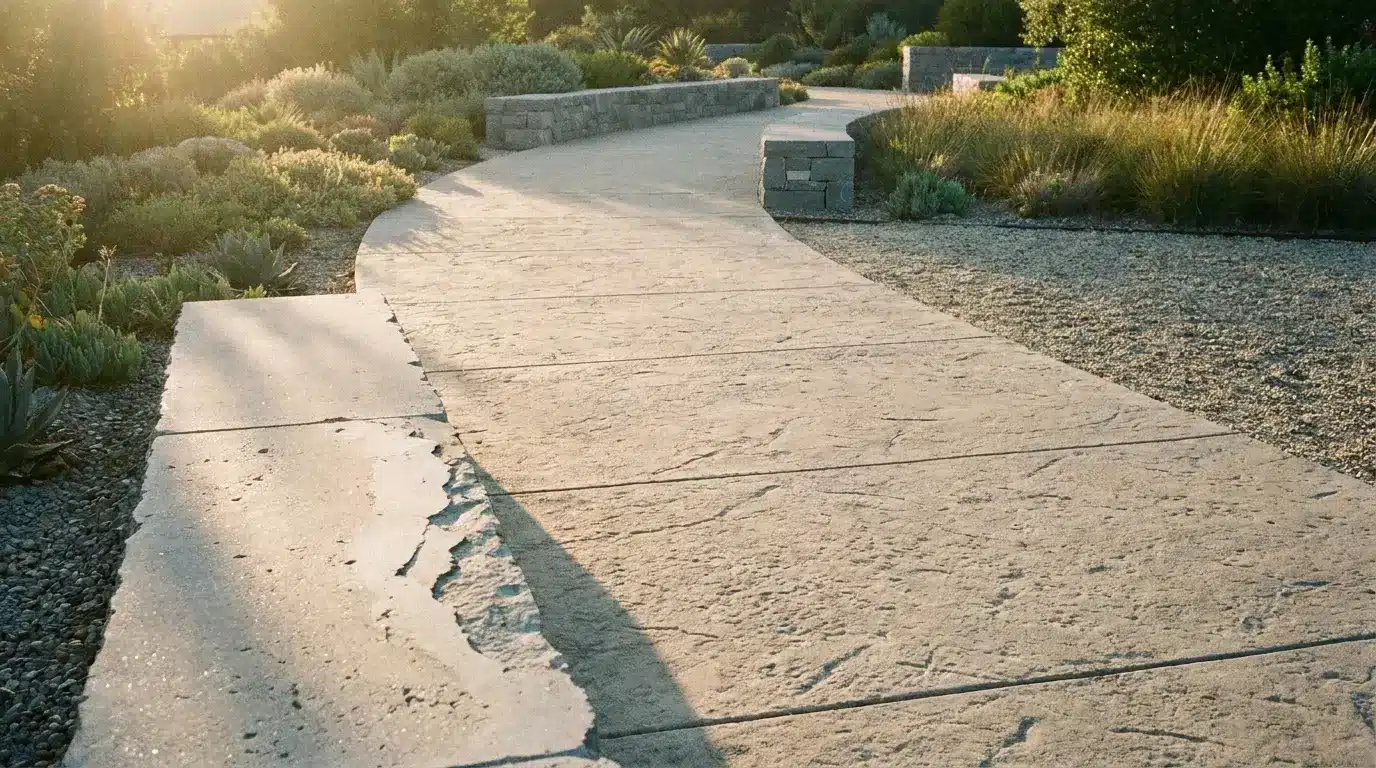
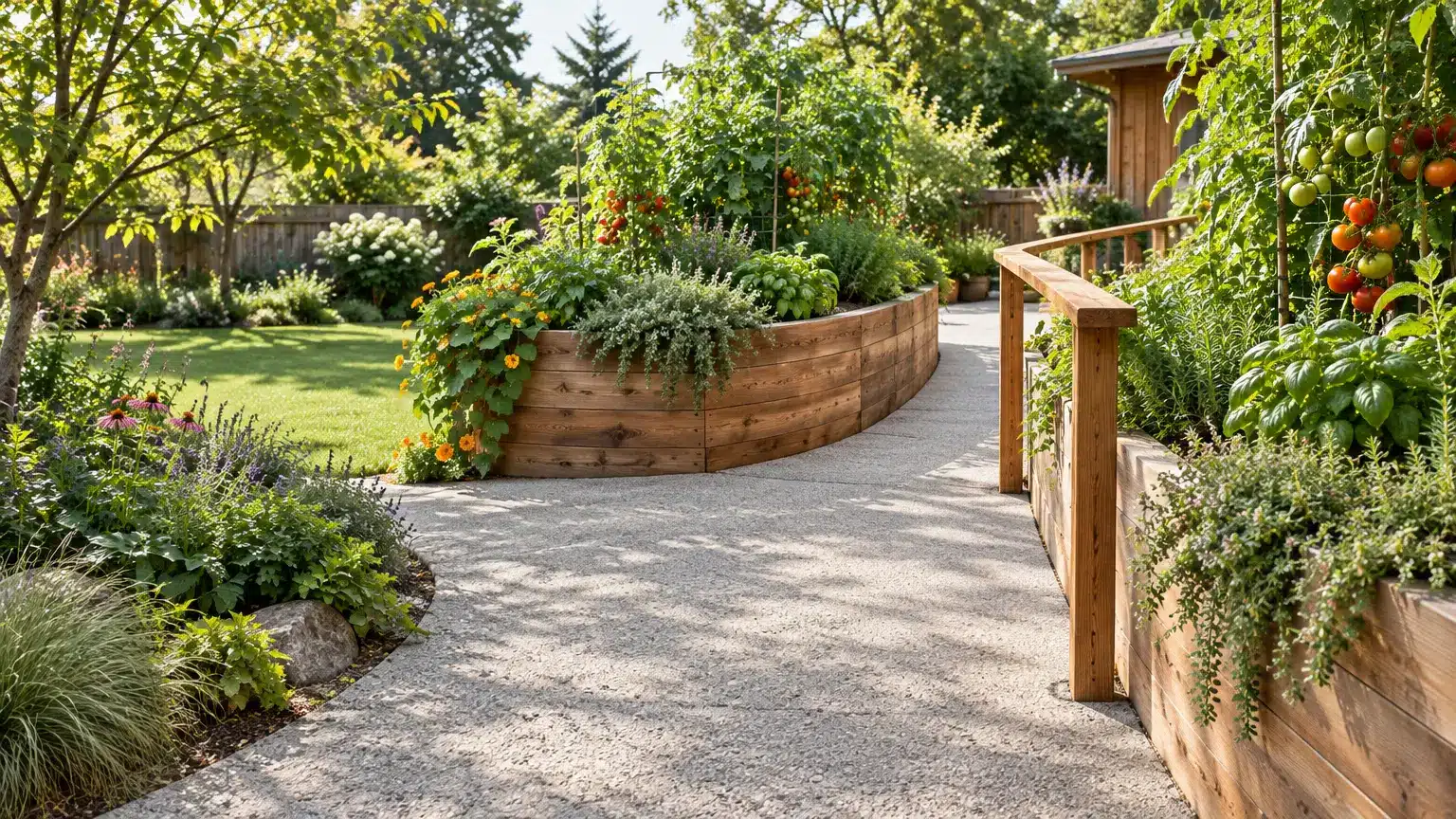
The fix starts with the bones of the garden itself. Widening primary pathways to at least thirty-six inches allows room for a walker, cane, or simply a steadier, wider gait, and replacing loose gravel or crumbling brick with textured, non-slip concrete or rubber pavers removes one of the biggest slip risks outright. Strategic lighting along every route, not just near the entrance, means a gardener heading out at dusk to cover tender plants before a frost can actually see where their feet are landing. Gentle ramps instead of single steps, paired with a simple handrail, make the difference between confident movement and hesitant, risky shuffling.
|
Statistic |
Figure |
|
Older adults who prefer to age in place |
90% of adults aged 50+ (JMIR Human Factors, 2025) |
| Adults 65+ who fall annually |
1 in 3 (33%), with repeat falls 2-3 times more likely (CDC Compendium, 2024) |
| Fall injuries occurring inside the home |
55%, plus 23% occurring just outside near the house (CDC) |
| Fall risk reduction from OT home assessments |
Up to 36% (JMIR, 2025) |
| Fall reduction from targeted home modifications, adults 75+ |
38-39% (NCBI, 2017) |
| Older adults who haven’t prepared their homes despite wanting to stay |
85% (JMIR Human Factors, 2025) |
These numbers reinforce something families already sense intuitively, that good intentions about staying home are not the same as a home that is actually ready. A professional assessment, whether from an occupational therapist or a home care provider familiar with fall risk, can translate those statistics into a specific punch list for a specific yard.
Solution 2: Raised Beds, Ergonomic Tools, and Adaptive Features
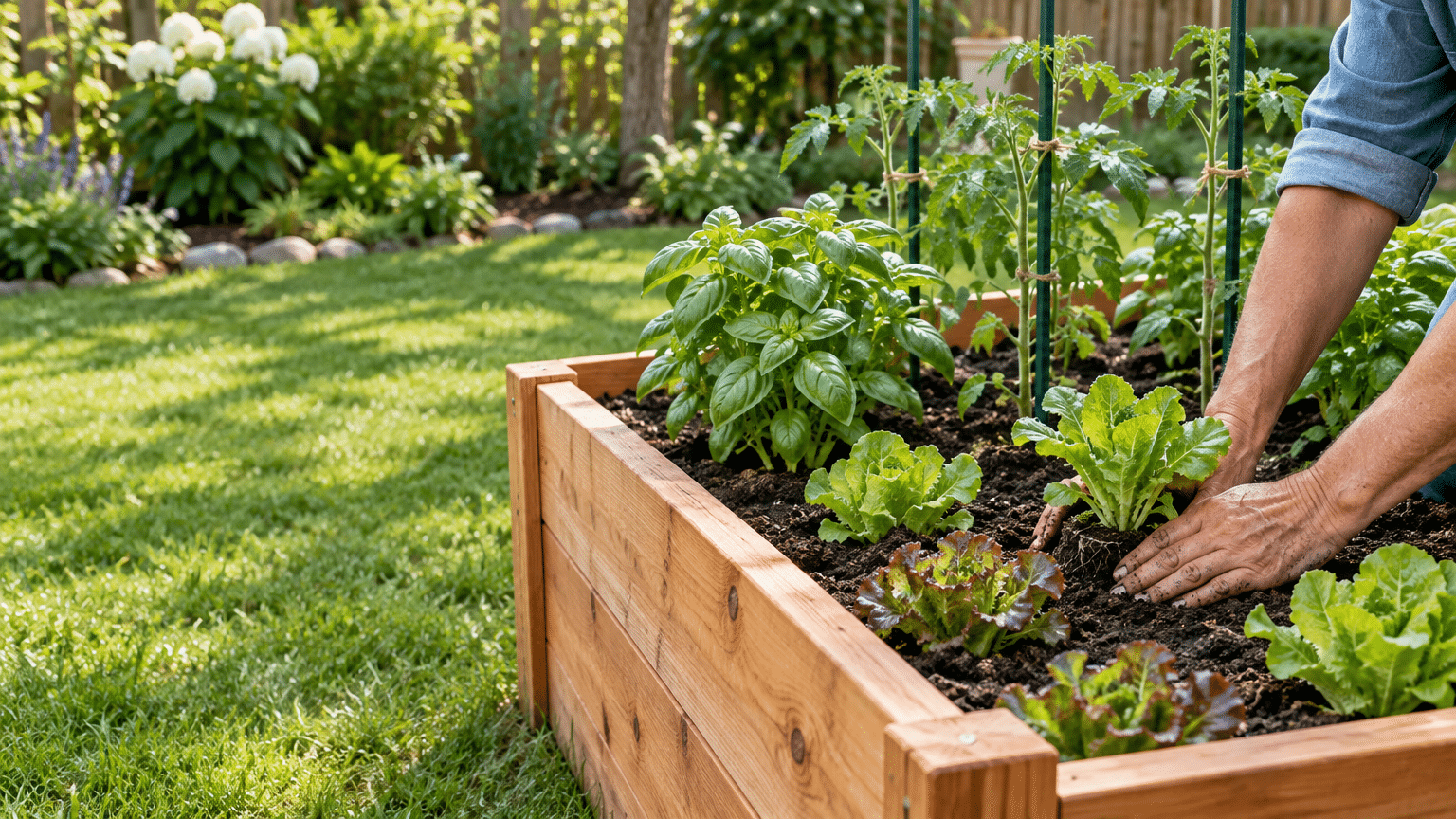
Once the layout is safer, the gardening itself needs to adapt too. Raised beds built to waist height eliminate the deep kneeling and bending that strain hips and knees, and they can double as informal support surfaces for someone steadying themselves while reaching for a trowel. Long-handled, lightweight tools reduce the need to crouch, and wheeled garden carts replace heavy lifting with a simple push or pull. Even small design choices, like choosing weather-durable finishes for planter boxes, matter over time; anyone weighing material options might find it useful to look at ideas for can you paint over stained wood planters, since a well-sealed surface resists splintering and the kind of rough edges that can scrape or snag an unsteady hand.
None of these changes require abandoning a lifelong love of gardening, they simply shift the physical demands to match what the body can comfortably handle today. A garden built this way stays a source of pride and routine instead of becoming a liability hiding in plain sight. For families supporting an aging parent or relative, pairing these outdoor updates with a broader indoor safety review creates a home that genuinely supports independence, rather than one that merely hopes for the best.