Sometimes you spot them on your plants; tiny bugs huddle on stems or hide under leaves.
They look harmless, but they’re not. I used to ignore them until my plants started curling and turning yellow. That’s when I learned about the different types of aphids.
Some are green, others black, and a few even grow wings. Each one feeds on your plants in a slightly different way. That’s what this blog is here for.
You’ll get clear info on what kinds of aphids are out there, what they look like, and how they affect your plants.
I’ll also help you figure out how to spot them early and what to do about them. If you want healthier plants, you’ll want to stick around.
Understanding Aphids Before You Identify Them
Aphids are tiny bugs that suck the juice out of plants. They use their sharp mouths like straws to feed on soft plant parts, especially new growth. You might not notice one at first, but they multiply fast, so where there’s one, there’s usually a whole group.
That’s because many aphids can give birth without needing a mate, and their babies are ready to start feeding almost right away.
They show up a lot on plants because they love soft, juicy parts like leaves, stems, and flower buds. These spots are easy for them to feed on, and they don’t have to move much to get what they need.
People often confuse aphids with other small bugs. Some are green and blend in with the plant.
Others might look like tiny specks of dirt. That’s why they’re easy to miss or mistake for something else, until they’ve already caused damage.
What Are Aphids?

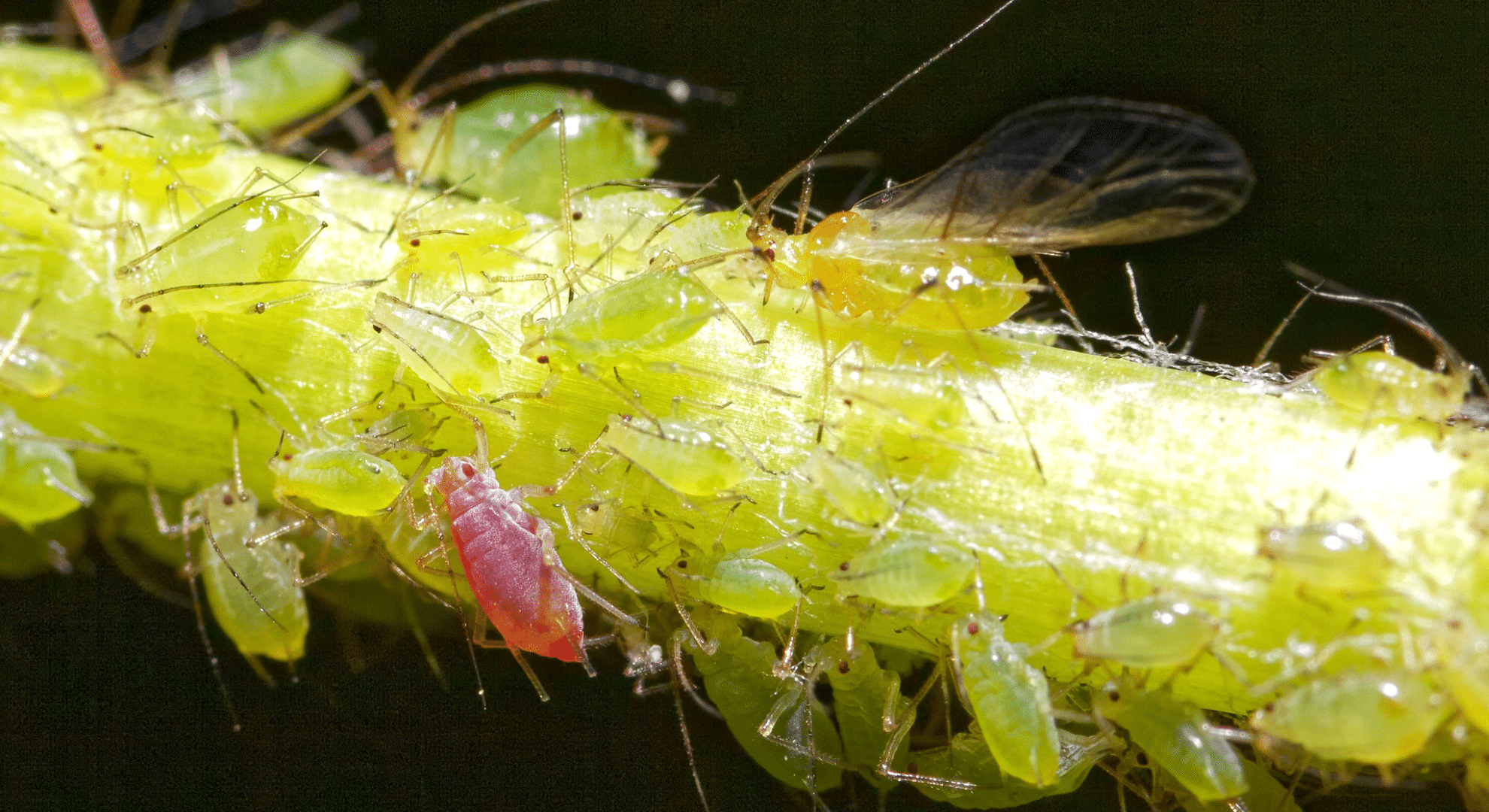
Aphids are small, soft-bodied insects that feed on plant sap. Most are about the size of a pinhead, between 1 to 3 millimeters long.
They have pear-shaped bodies and long legs, and they move slowly. You’ll often see them in clusters on the undersides of leaves, along stems, or near buds.
Aphids feed by poking their mouthparts into the plant and sucking out the sap. This sap is rich in sugar and helps the aphid grow and make more young. But when aphids feed too much, the plant weakens, wilts, or curls.
They come in many colors, even within the same kind. You might see green, black, yellow, red, brown, or even white aphids depending on their species, age, and the plant they’re on.
Some aphids grow wings when the group gets crowded or food becomes harder to find. The winged ones fly off to start new groups.
Ants often hang around aphids because they like the sugary liquid (called honeydew) that aphids leave behind.
In return, the ants protect the aphids from bugs that might try to eat them.
Types of Aphids and How They Are Classified
There are hundreds of types of aphids around the world, but in most gardens, only a few show up often.
Many species stick to certain wild plants or live in places people don’t usually notice. Aphids are sorted by scientists using very detailed features like body parts, growth stages, and how they reproduce.
These systems help researchers, but they’re usually too complex for everyday use.
For gardeners and plant owners, aphids are grouped in simpler, more practical ways that focus on what they feed on, what they look like, and how they behave.
Common ways aphids are grouped:
By host plant: Some aphids only feed on one kind of plant (like rose aphids on roses).
By appearance: Their color and size can help you tell them apart (green, black, red, or covered in wax).
By behavior: Some grow wings and fly to new plants, others stay put and build large groups.
These simple groupings help you figure out what kind of aphid you’re dealing with and what steps to take. The better you know them, the easier it is to protect your plants.
Common Types of Aphids You’re Likely to Encounter
Most people only notice a few kinds of aphids, even though many exist. These common types often show up on garden plants, shrubs, or trees. They’re easy to spot once you know what to look for.
Here’s a closer look at the ones you’re most likely to see and where they tend to show up:
Green Aphids
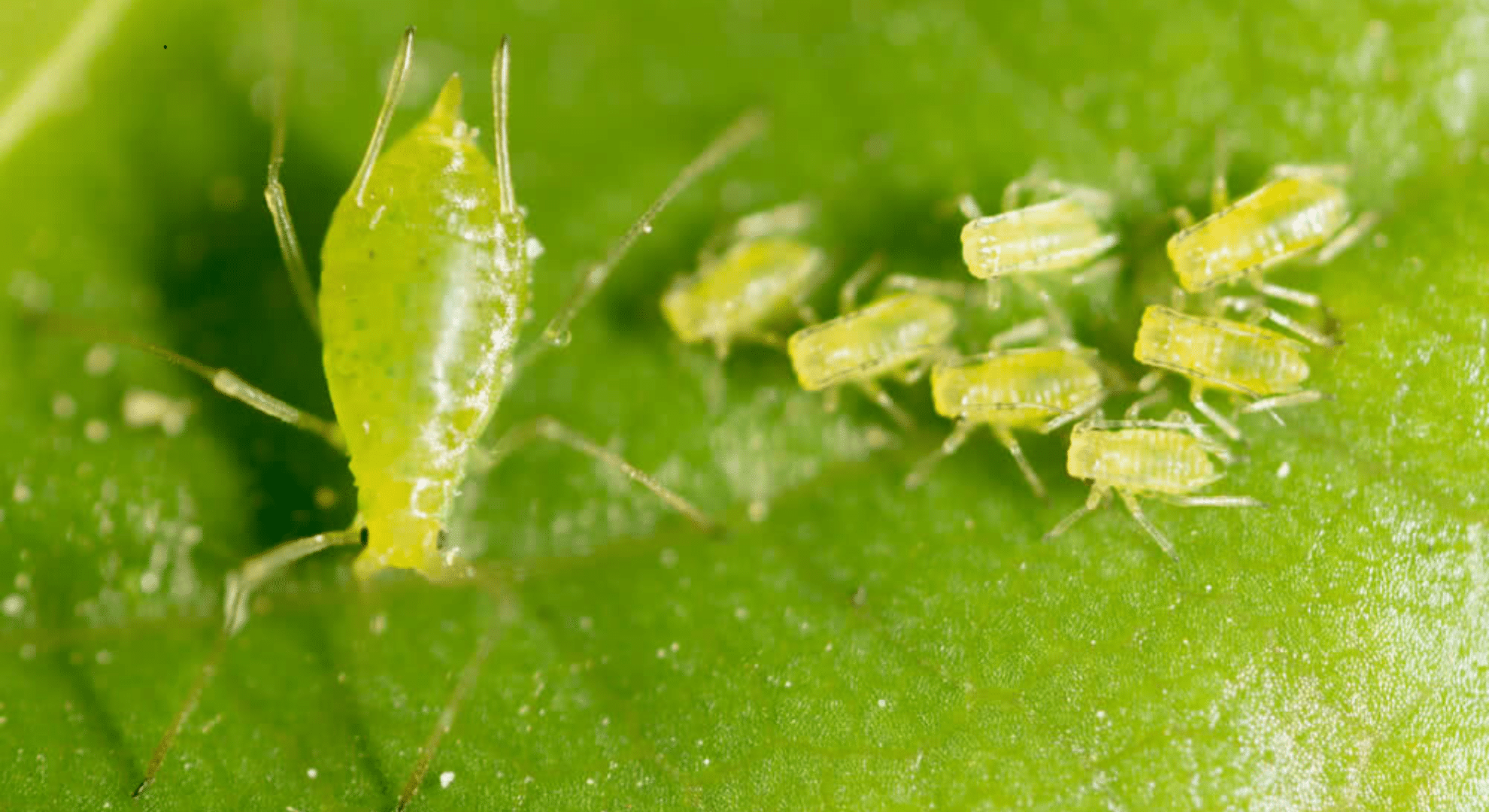
These are the most common aphids found on garden plants. They can be light green to dark green, often blending in with leaves. You’ll usually see them on roses, tomatoes, peppers, and many flowering plants.
Their color helps them hide, which makes early spotting tricky. They spread fast and can appear in large numbers in just days.
Black Aphids
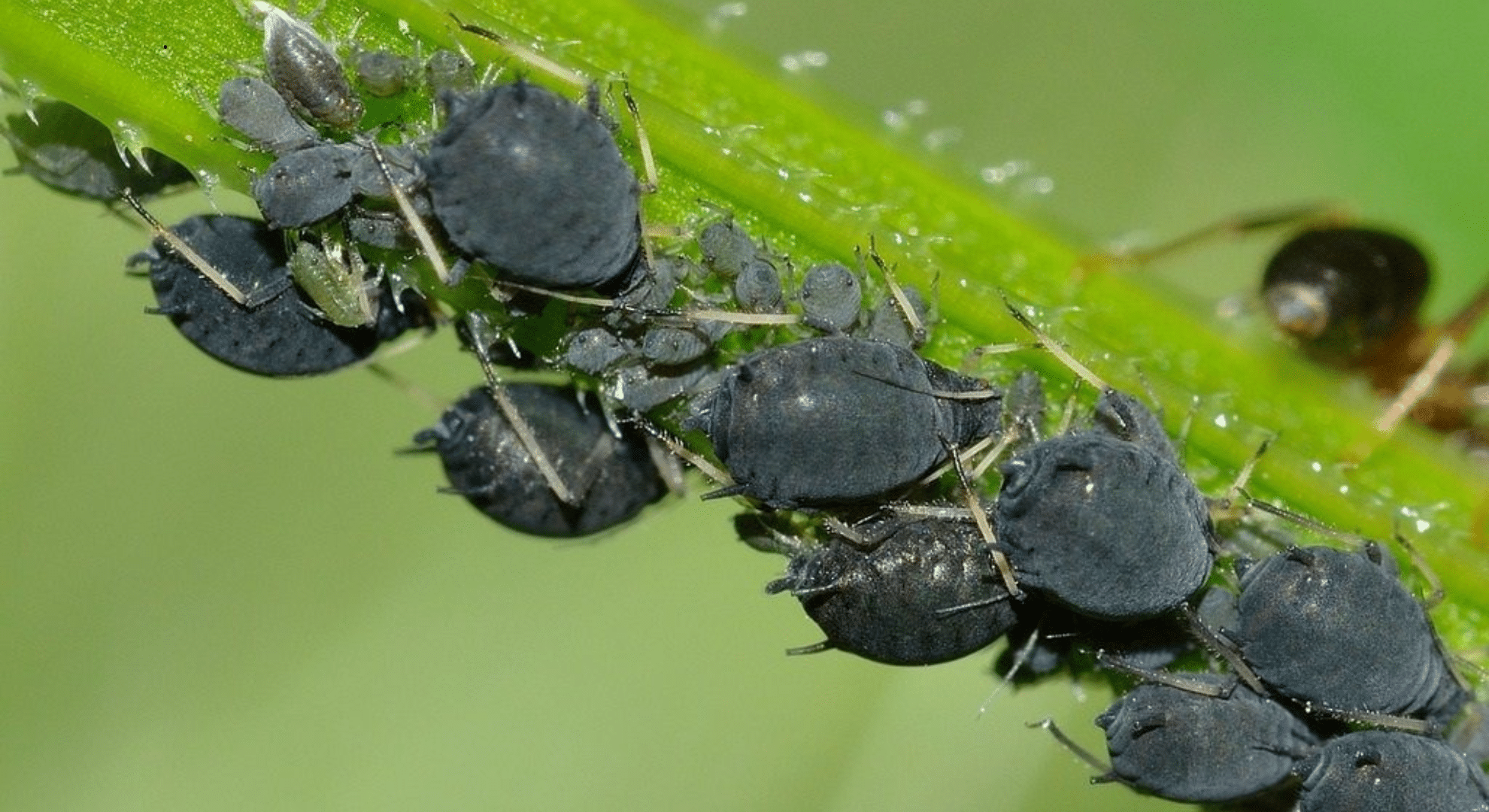
Black aphids form dense, shiny clusters on the soft parts of plants, especially near the tips. You’ll often see them on beans, nasturtiums, and some fruit trees.
Their dark color stands out, but the tight groups can make them look like dirt at first glance. They tend to show up in early summer and grow quickly.
Yellow Aphids
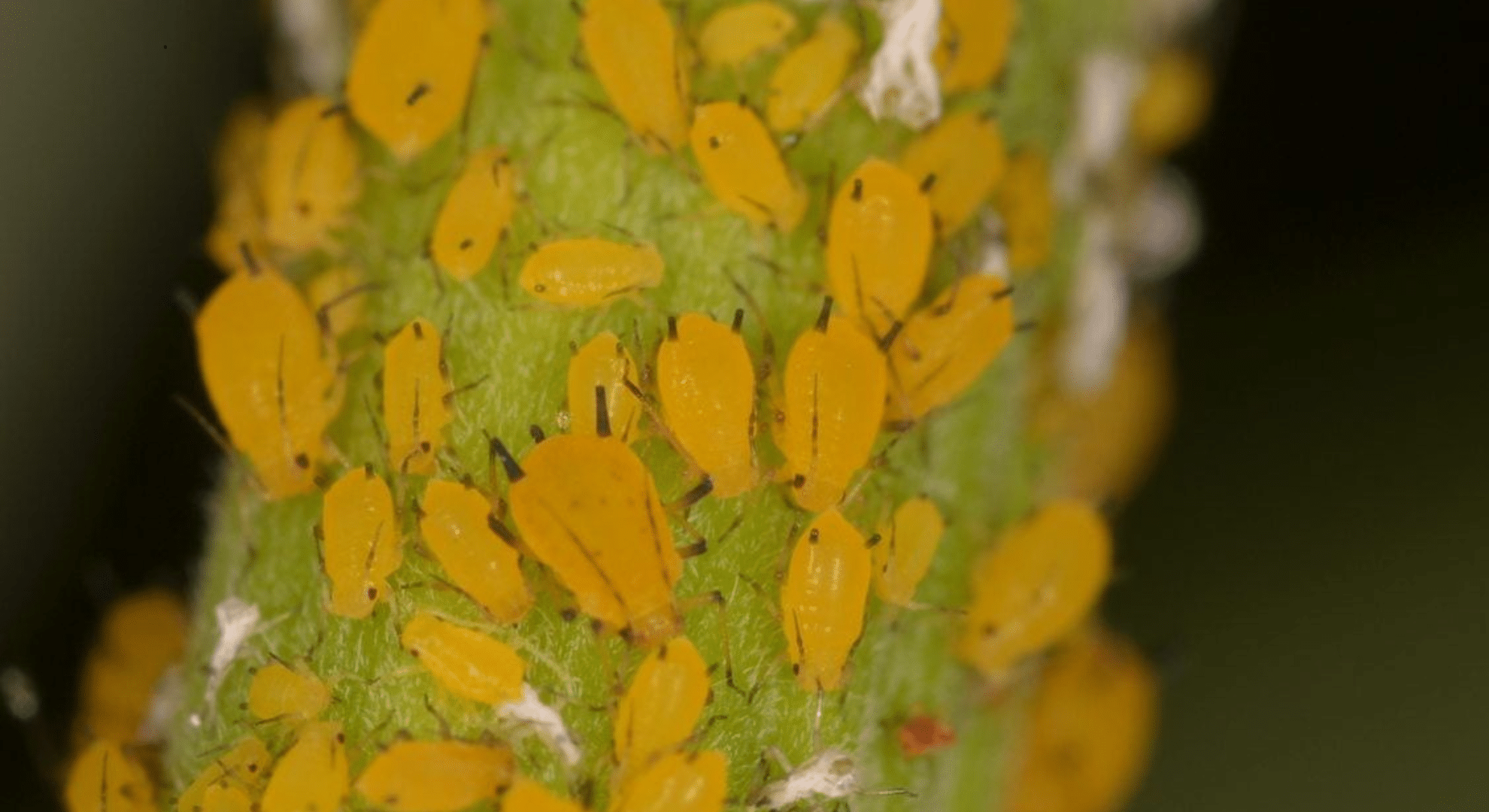
These bright aphids often appear on milkweed, oleander, or other ornamental plants.
Unlike green aphids, their yellow color makes them easier to see. They usually gather along stems or under leaves. Their appearance can be a warning that the plant is stressed or under attack.
White and Woolly Aphids
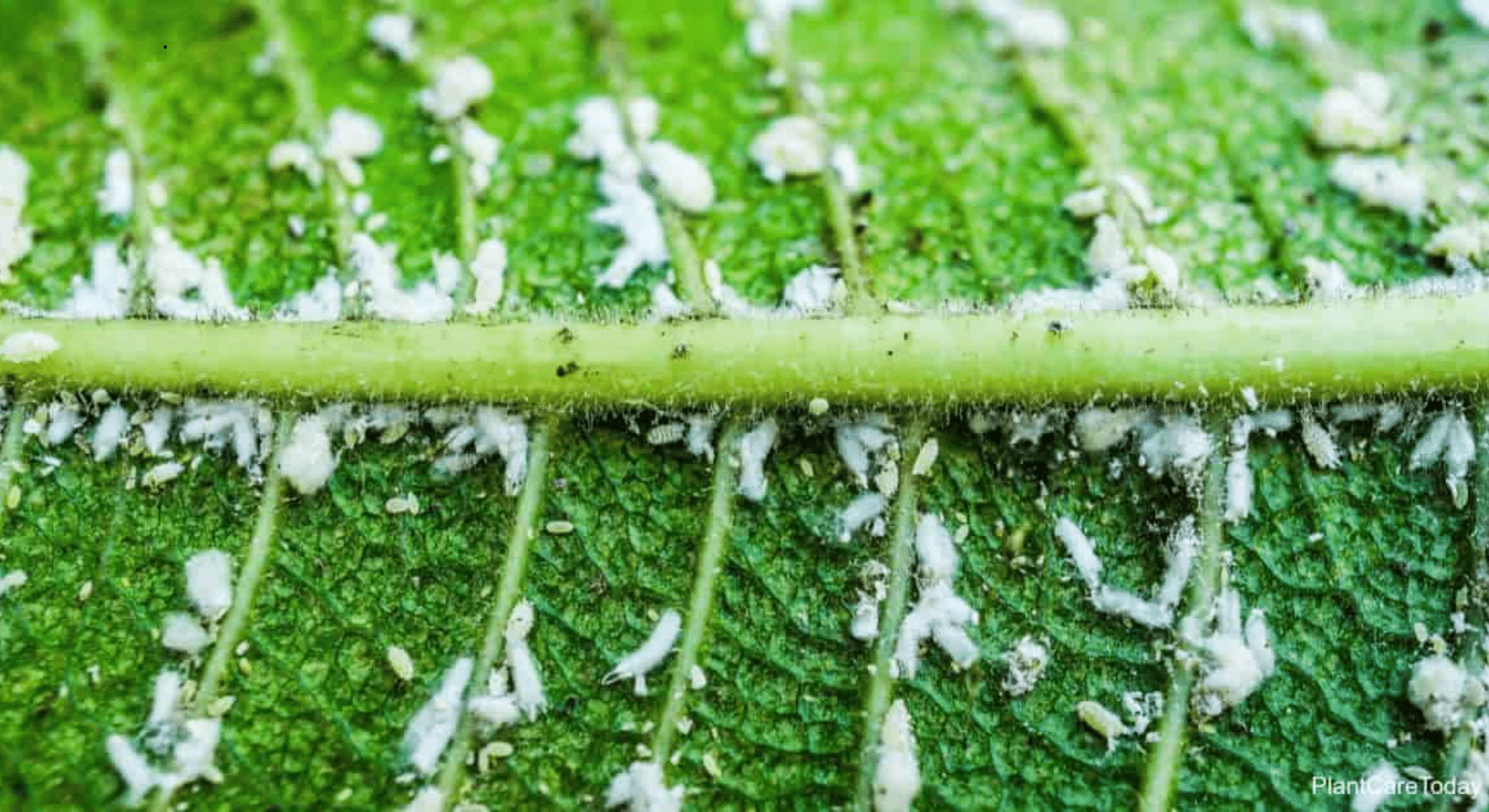
These aphids look like they’re covered in cotton. That fuzzy coating protects them and makes them stand out.
You’ll mostly find them on trees, shrubs, and woody plants like apple, elm, or hawthorn. Their white fluff can be mistaken for mold or fungus, but a closer look will reveal small, moving bugs underneath.
Pink or Mottled Aphids
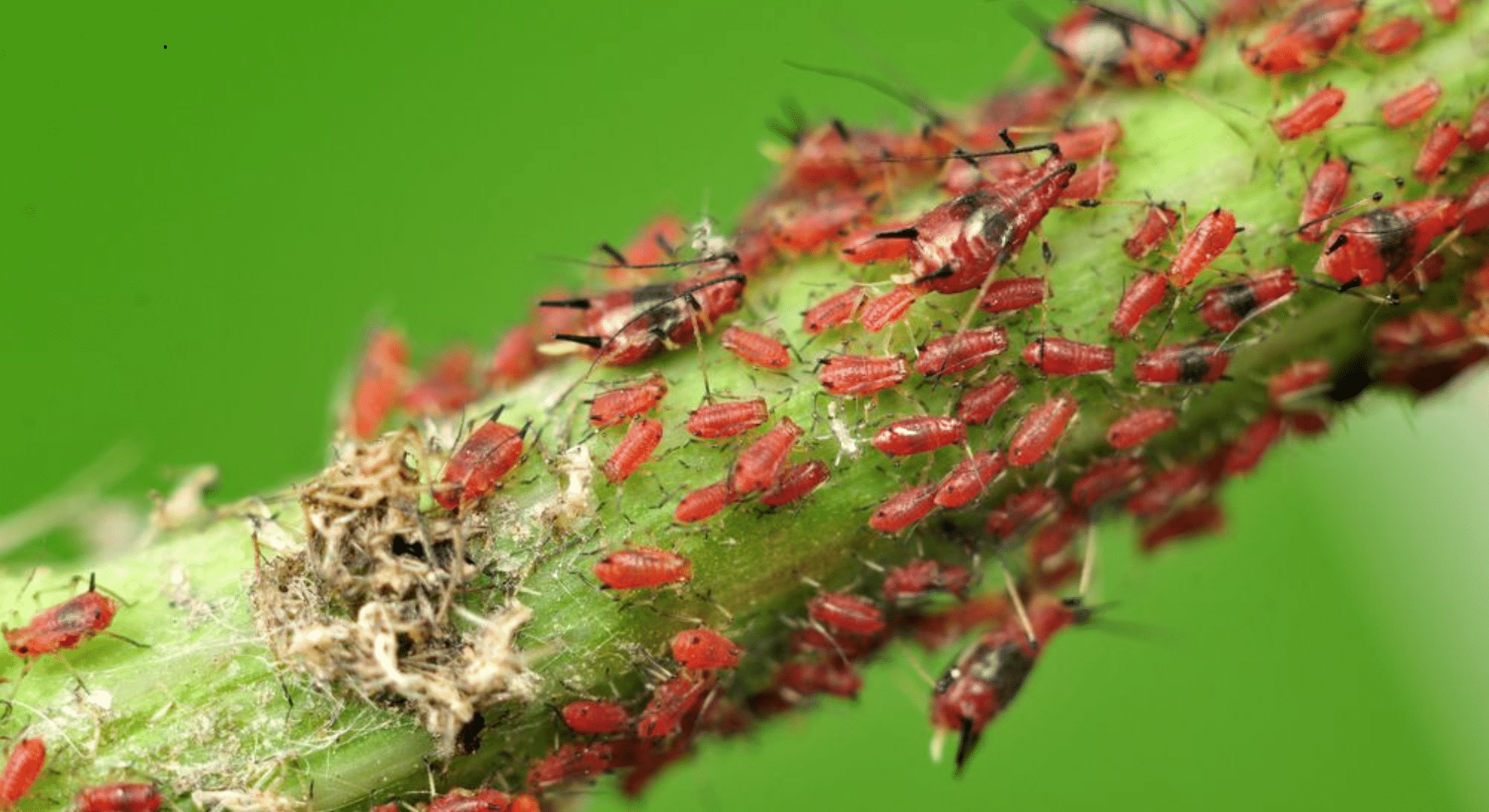
Pink or speckled aphids show up during certain times of year, often when temperatures shift or when they feed on specific plants.
Their unusual colors come from changes in diet or environment. You’re more likely to spot them in late spring or early fall, especially on plants like potatoes or certain flowers.
Aphids and Host Plants: Where Different Types Live
Aphids don’t just land anywhere; they’re drawn to certain plants. Each type of aphid usually feeds on a small group of plants that it’s suited to.
That’s because their mouths are built to handle certain textures, and they’ve adapted to the sap in specific plant types.
Once they find a good match, they feed, multiply, and stay put. This is why you’ll often see the same kind of aphid return to the same kind of plant year after year.
Vegetables and garden crops often attract green or black aphids. You’ll find them on tomatoes, beans, lettuce, cabbage, and peppers. They like young leaves and soft stems.
Fruit trees and shrubs can attract woolly and pink aphids. Apple, pear, cherry, and plum trees are common targets.
Flowers and ornamentals like roses, nasturtiums, and marigolds often bring in green and yellow aphids.
Houseplants and indoor infestations are usually caused by winged aphids that fly in through open windows or come in on new plants.
Because aphids are so plant-specific, knowing what you grow helps you know what kind of aphid to watch for.
This also makes treating them easier, since you’re not dealing with just any bug, you’re dealing with one that chose your plant on purpose.
What an Aphid Infestation Looks Like
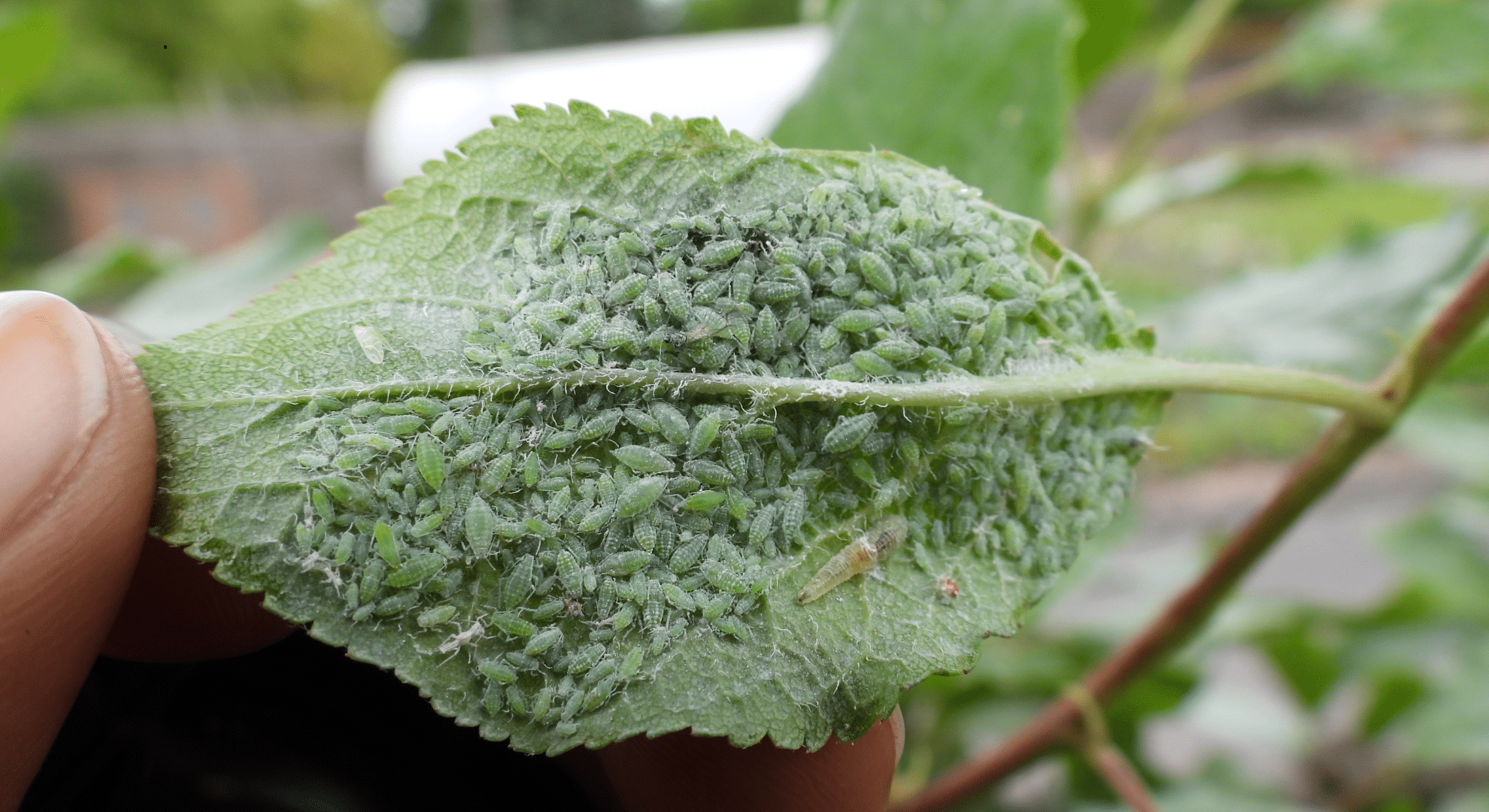
Aphid infestations often sneak up on you. At first, the signs are small and easy to miss. You might notice a few ants walking on your plant or some leaves starting to look off. Many people don’t spot aphids until the damage is already visible.
Early signs most people miss include slight yellowing, twisted new leaves, or slowed plant growth. These are easy to overlook, especially if you’re busy or think it’s just weather-related.
Visible aphid clusters appear next. You’ll see groups of tiny bugs, usually on the underside of leaves, around buds, or near stems. They might be green, black, yellow, or white, depending on the type.
Leaf curling and distortion are common as the plant reacts to losing sap. Leaves may curl inward, twist oddly, or feel sticky.
Sticky residue and secondary issues come from a sugary substance aphids leave behind called honeydew. This can attract ants or lead to black sooty mold.
When an infestation becomes a problem is when the plant starts to look weak or stops growing well. At that point, aphids are taking more than the plant can give. The sooner you catch it, the easier it is to stop.
How Aphids Spread and Multiply
Aphids don’t waste time. They multiply quickly and spread without warning. Once they settle on a plant, it doesn’t take long before there’s a full-blown infestation.
| Factor | What Happens |
|---|---|
| Reproduction | Most aphids give birth without mating and produce live young |
| Growth Speed | New aphids can start reproducing within 7–10 days |
| Winged Aphids | Grow wings when the plant is crowded and fly to new areas |
| Seasonal Influence | Peak growth in spring and early summer; some species lay eggs in colder months |
| Weather Conditions | Warm, dry weather speeds up growth; heavy rain can slow them down |
Aphids are built to grow fast and spread far. That’s why one or two today can turn into a hundred by next week, if the weather’s right and the plant is soft enough to feed on.
Winged Aphids: Why They Appear and What They Mean

Winged aphids aren’t a separate type; they’re just a different form of regular aphids.
Their wings grow when certain conditions push them to move.
What triggers wing development: When a plant gets too crowded, food runs low, or the plant becomes unhealthy, some aphids grow wings. This is a survival response. They fly off to search for new plants with more space and better sap.
How winged aphids change infestation patterns: These flying forms make it easy for aphids to jump from one plant to another, even across yards or garden beds. That’s how new infestations start, fast and far from the original spot.
Why seeing winged aphids matters: If you see winged aphids, it’s a warning. It means the population has grown too large or the plant is already stressed. They’re also likely spreading to other plants. Catching them early can help stop the problem before it spreads through your entire garden.
Aphids and Ants: Why They Often Appear Together
If you see ants crawling all over a plant, there’s a good chance aphids are nearby too. That’s because ants love honeydew; it’s like a steady supply of sugar for them.
To keep the honeydew coming, ants protect the aphids from predators like ladybugs and lacewings. They’ll even move aphids to better spots on the plant or carry them to new plants to start fresh colonies.
This relationship helps aphids grow their numbers faster and makes the infestation worse. With ants guarding them, natural predators can’t do their job, and the aphid population keeps rising.
If you’re trying to get rid of aphids, you might also need to deal with the ants. Breaking this connection can help your garden bounce back faster. Removing one often weakens the other, and that’s a key step in managing long-term infestations.
Key Aphid Facts Most People Don’t Know
Most folks notice aphids only when they become a problem but there’s a lot more going on than meets the eye.
These small bugs have some surprising traits that are often overlooked:
- Aphids can reproduce without mating: In warm weather, females give birth to live young without needing a mate. This is why infestations grow so fast.
- Color does not equal species: Green, black, red, or yellow, aphid color can change based on diet, age, or plant type. It doesn’t always mean a different species.
- Aphids rarely kill healthy plants quickly: While they cause damage, most strong plants can handle a small number. The real trouble comes from large, unchecked groups over time.
- Many infestations resolve naturally: Ladybugs, lacewings, and parasitic wasps are natural enemies of aphids. Sometimes, nature balances things out on its own.
- Aphids play a role in ecosystems: They’re a food source for many helpful bugs and birds. While they’re a nuisance in the garden, they still fit into the bigger picture.
Knowing these facts can help you stay calm, spot real issues early, and make better choices when dealing with aphids.
What to Do After You Identify Aphids
Once you’ve spotted aphids, your next step depends on how many there are and how your plant is doing. You don’t always need to panic or jump straight to treatment.
When monitoring is enough: If there are only a few aphids and your plant looks healthy, just keep an eye on things. Sometimes, natural predators like ladybugs show up and take care of the problem for you.
When action is usually needed: If you see curling leaves, sticky sap, or large clusters of aphids, it’s time to step in. Quick action helps prevent long-term damage or the spread to other plants.
Why identification matters before treatment: Different types of aphids respond to different methods. Some are stubborn, while others are easier to manage. Knowing what kind you have helps you choose the right solution without wasting time or harming your plants.
What most people should understand before choosing any solution: Not every treatment works for every situation. It’s important to match the solution to the problem, based on plant type, aphid type, and how bad the infestation is.
Starting simple is often better than going straight to strong sprays or chemicals.
Conclusion
Now I know what to look for when aphids show up, and I hope you do too.
Understanding the different types of aphids makes it easier to spot trouble early and take the right steps.
If you’ve made it this far, you’ve got what you need to protect your plants without guessing.
Next time you see curled leaves or sticky spots, take a closer look, you might catch them before they spread. Always check the underside of leaves. That’s where they like to hide.
There’s more you can learn about plant care and pest control. If this helped you feel more confident, check out other blogs on the wesbite for simple, clear tips made just for you!