A bougainvillea can grow fast, look full, and still refuse to give you the colorful display you expected.
That is where I started to second-guess every watering or feeding decision. Too much attention can be just as troublesome as too little, especially with a plant that prefers simple conditions.
The plant often gives clear signals through its leaves, growth, and flowering pattern.
If yours also looks leafy but bare, stressed after watering, or unpredictable from season to season, you are in the same conditions as I was.
Understanding those small clues can help you respond with confidence instead of constantly wondering what went wrong.
What Does a Healthy Bougainvillea Look Like?
Bougainvillea is a tropical vine, and where you live decides how much of the work is done for you.
Outdoors, it grows year-round in USDA hardiness zones 9b through 11, which covers most of Florida, coastal and southern Texas, southern California, and parts of Arizona.
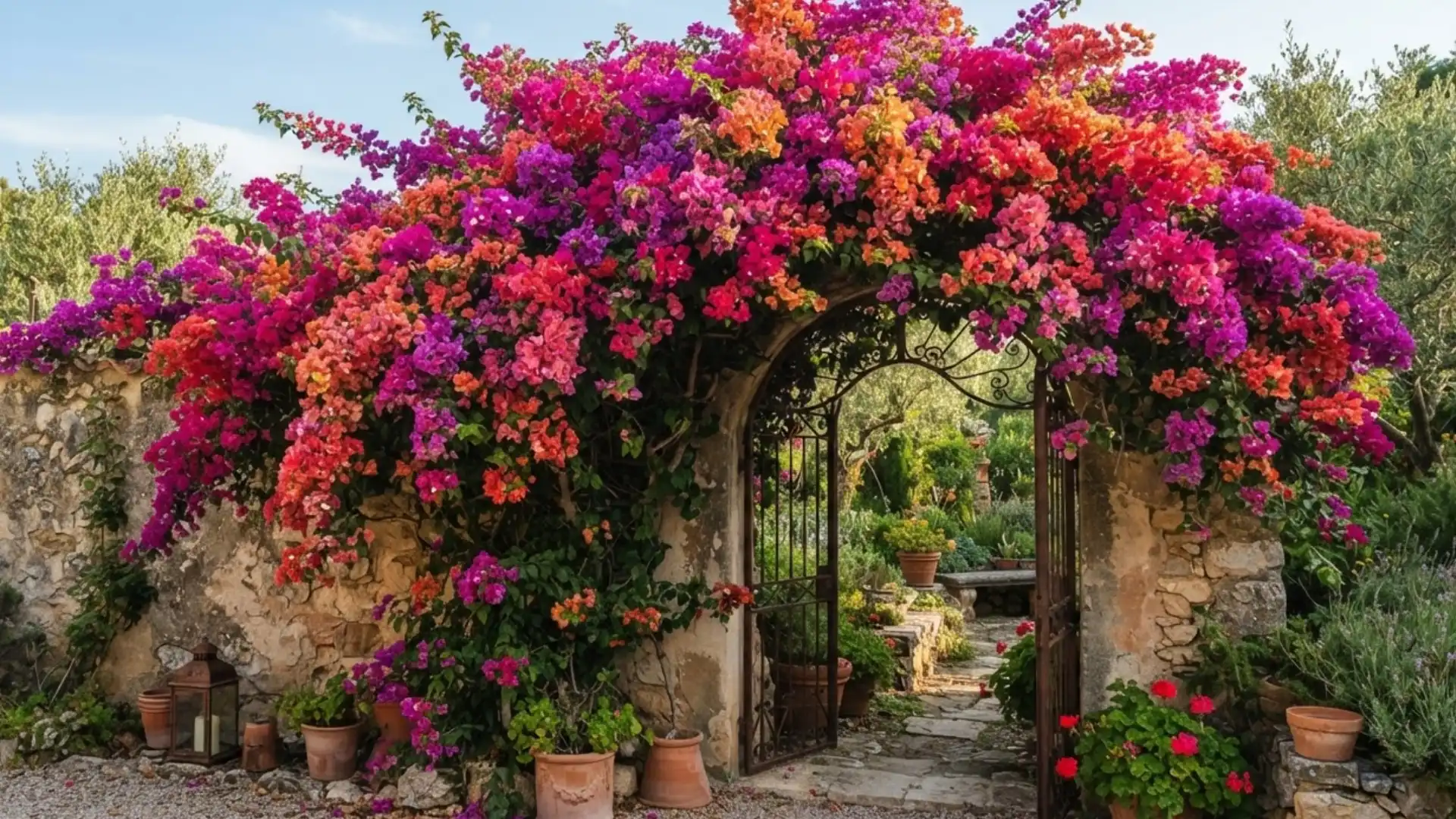
A healthy bougainvillea has strong stems, firm green leaves, and plenty of colorful bracts during its blooming period.
New growth should look fresh and upright rather than weak, pale, or droopy. The leaves are usually smooth, evenly colored, and free from large spots, holes, curling, or sticky residue.
Healthy plants also produce steady new shoots when temperatures are warm and sunlight is strong.
During flowering, you will notice bright papery bracts in shades such as pink, purple, red, orange, white, or yellow surrounding the plant’s tiny true flowers.
Bougainvillea Care for Healthy Growth and More Flowers

Bougainvillea grows best when its basic needs are kept simple. Use the tips below to create the right growing conditions and help your bougainvillea stay strong, colorful, and easy to manage.
1. Give Bougainvillea Plenty of Direct Sunlight
Bougainvillea needs strong sunlight to grow well and produce plenty of colorful bracts.
Place it where it receives at least 6 hours of direct sun each day, although more sunlight can encourage better flowering. A shaded location may lead to long, leafy stems with very few blooms.
If you grow bougainvillea in a pot, move it to the brightest outdoor spot available. Increase sun exposure gradually if the plant was previously kept in shade.
2. Water Deeply but Avoid Watering Too Often
Bougainvillea prefers deep watering followed by a short drying period. Water thoroughly until moisture reaches the roots, then allow the upper layer of soil to dry before watering again.
Constantly wet soil can damage the roots and cause yellow leaves or poor flowering. Newly planted bougainvillea may need water more often while establishing.
Mature plants usually handle short dry periods well. During cooler months, reduce watering because the soil stays moist for longer.
3. Use Fast-Draining Soil
Bougainvillea needs soil that drains quickly because its roots do not like sitting in water. Heavy or compacted soil can hold too much moisture and increase the risk of root rot.
For containers, use a loose potting mix that allows excess water to escape easily. In garden beds, improve dense soil with materials that increase drainage.
Avoid planting in low areas where rainwater collects. Good drainage also helps roots receive enough air for healthy growth.
4. Choose a Pot With Good Drainage
When growing bougainvillea in a container, choose a pot with several drainage holes at the bottom.
Extra water should be able to leave the pot quickly after watering or rain. Avoid placing the plant in an oversized container because a large amount of soil can stay wet for too long.
Bougainvillea often performs well when its roots are slightly snug. Repot only when the plant becomes clearly root-bound, or drainage starts becoming difficult.
5. Fertilize Without Encouraging Too Many Leaves
Bougainvillea benefits from light feeding during active growth, but too much fertilizer can create problems.
Fertilizers high in nitrogen may produce lots of green leaves while reducing the number of flowers. Choose a balanced fertilizer and follow the label directions instead of feeding heavily.
Apply fertilizer mainly during spring and summer when the plant is actively growing. Reduce or stop feeding during cooler months when growth slows.
6. Maintain Warm Growing Conditions
Bougainvillea loves warm weather and performs best when temperatures remain mild to hot. Cold conditions can slow growth, reduce flowering, and cause leaves to drop.
Protect the plant from frost, especially young bougainvillea and container-grown plants. If you live in a colder area, growing it in a pot makes winter protection easier.
Move containers to a sheltered, bright location when temperatures fall. Once warm weather returns, gradually move the plant back into stronger outdoor sunlight.
How to Train and Support Climbing Bougainvillea?
Bougainvillea is naturally a sprawling vine rather than a tidy shrub, and left alone it will lean, flop, or scramble over whatever is nearby.
If you want a trained shape against a fence, wall, or trellis, tie new canes loosely to the support using soft plant ties or strips of fabric.
Avoid wire or twine that can cut into the stem as it thickens.
Training canes to grow more horizontally rather than straight up tends to produce more flowering side shoots, since the plant puts out blooms along the length of a cane rather than just at the tip.
Check ties every few weeks during the growing season and loosen any that are starting to bite into the bark.
How Should You Prune Bougainvillea?

Pruning helps bougainvillea stay neat, produce fresh growth, and develop more flowering branches. The best approach is to remove unwanted growth without cutting back too aggressively.
Because the plant has sharp thorns, wear thick gardening gloves and use clean, sharp pruning shears.
- Remove Dead or Damaged Branches: Cut away dry, broken, or diseased stems first. This keeps the plant healthier and improves air circulation around crowded growth.
- Trim Long, Overgrown Stems: Shorten branches that have become too long or untidy. Make each cut just above a healthy node or side branch.
- Thin Out Crowded Growth: Remove weak or crossing stems from the center of the plant. Better airflow can reduce moisture buildup and make the plant easier to manage.
- Pinch Young Shoots: Lightly pinch the tips of new growth to encourage more side branches. More branching can create a fuller plant with additional flowering points.
- Prune at the Right Time: Do heavier pruning after a flowering cycle or when active growth begins. Avoid removing too much growth while the plant is developing new blooms.
Bougainvillea Leaves: What Are They Telling You?
Changes in leaves are often one of the first signs that something in the plant’s care needs attention.
Looking closely at the leaves can help you identify the cause early and fix the problem before it affects the entire plant.
1. Bougainvillea Leaves Turning Yellow
Yellow leaves can develop for several reasons, so check the soil and growing conditions before making changes.
- Overwatering is one of the most common causes because constantly wet soil can stress the roots.
- Poor drainage can keep moisture around the roots for too long.
- Nutrient deficiencies may cause pale or yellow new growth.
2. Bougainvillea Leaves Falling Off
Bougainvillea may drop leaves when it experiences sudden stress, especially after changes in temperature, moisture, or location.
- Cold nights or sudden temperature drops can trigger leaf loss.
- Both overly wet and very dry soil may cause leaves to fall.
- Moving a potted plant to a new location can create temporary stress.
3. Bougainvillea Leaves Curling
Curling leaves usually suggest that the plant is trying to protect itself from stress or that pests are feeding on the foliage.
- Dry soil can cause leaves to curl inward as the plant loses moisture.
- Extreme heat and hot afternoon sun may also lead to curling.
- Aphids, mites, or other small pests can distort young leaves.
4. Bougainvillea Leaves Have Brown or Crispy Edges
Brown or crispy leaf edges usually develop when the plant is losing moisture faster than its roots can replace it.
- Very dry soil can cause leaf tips and margins to turn brown.
- Hot, drying winds may pull moisture from the foliage quickly.
- Excess fertilizer or salt buildup in container soil can burn leaf edges.
5. Bougainvillea Leaves Have Spots or Holes
Spots and holes usually point to disease or pest activity, so inspect affected leaves closely before treating the plant.
- Dark or spreading spots may develop from fungal or bacterial problems.
- Caterpillars and other chewing insects can leave irregular holes in leaves.
- Leaf miners may create pale trails or damaged patches inside the foliage.
Bougainvillea Care in Different Climates at a Glance
Bougainvillea care changes slightly depending on your local climate. The plant loves warmth and sun, but watering, winter protection, and drainage needs can vary.
Use this quick guide to adjust care based on where you grow it.
|
Climate |
What to Do |
|---|---|
|
Hot and Dry |
Water deeply when the soil dries, especially for young or potted plants. Give full sun and check containers often during extreme heat. |
|
Hot and Humid |
Provide full sun and good airflow. Use well-draining soil and avoid keeping the roots constantly wet. |
|
Rainy |
Reduce watering during wet periods. Make sure the soil drains quickly and never allows water to collect around the roots. |
|
Mild Winter |
Bougainvillea can often stay outdoors year-round. Water less in cooler weather and protect it during unexpected cold spells. |
|
Cold Winter |
Grow bougainvillea in a container when possible. Move it to a bright, protected place before frost arrives. |
|
Coastal |
Protect plants from strong salty winds. Rinse leaves occasionally if salt buildup appears and keep the soil well-drained. |
Common Bougainvillea Problems That are Often Seen
Bougainvillea is generally tough, but a few problems can affect its growth, leaves, and flowers.
Most issues are linked to watering, sunlight, pests, or poor drainage. Spotting the signs early makes them much easier to correct.
- Few or No Flowers: Too little sunlight, excessive watering, or too much nitrogen fertilizer can reduce blooming. Move the plant to a sunnier spot and adjust its care routine.
- Leaf Drop: Sudden cold, underwatering, overwatering, or moving the plant can trigger leaf loss. Keep growing conditions as steady as possible.
- Root Rot: Constantly wet soil can damage the roots and cause weak growth or wilting. Improve drainage and avoid frequent watering.
- Pest Damage: Aphids, mites, caterpillars, and other pests may cause curling, holes, or sticky leaves. Check the foliage regularly and treat infestations early.
Conclusion
Once you understand how Bougainvillea responds to sun, water, warmth, and pruning, caring for it becomes much easier.
The key is to watch the plant instead of following a rigid routine. Healthy growth, colorful bracts, and changes in the leaves can tell you when something is working well or needs adjustment.
Every growing space is different, so your experience matters too.
If you have learned a useful bougainvillea care tip, solved a stubborn problem, or discovered what helps yours bloom, share your experience in the comments below.
Frequently Asked Questions
Do Bougainvilleas Come Back Every Year?
Yes. Bougainvillea is a perennial in warm climates. In colder regions, frost can damage it, so container plants often need winter protection indoors.
Do Coffee Grounds Help Bougainvillea?
Coffee grounds are not necessary for bougainvillea. Too much can alter soil conditions, so a balanced fertilizer and well-draining soil are usually better choices.
What are the Different Varieties of Bougainvillea?
Popular varieties include Bougainvillea glabra, Bougainvillea spectabilis, and Bougainvillea peruviana. Cultivars vary in size, growth habit, and bract colors such as pink, purple, red, or white.
Is Bougainvillea Safe to Grow Around Dogs or Cats?
Generally yes. It is not on the ASPCA’s toxic plant list, but the thorns can cause scratches, and the sap can irritate skin, so it is still worth planting where pets are not brushing against it daily.