Growing a black mission fig tree looks simple until the questions start piling up: which tree to buy, how deep to water, when to prune, and whether that fruit on the branch is actually ready.
Skip a step, and you lose an entire season’s harvest to root rot, split fruit, or a tree that never fruits at all.
This blog walks through the decisions that actually matter. From choosing a healthy fig at the nursery to reading the exact signs of ripeness before harvest.
Skip the guesswork, and get straight to what keeps this tree productive year after year.
What is a Black Mission Fig?
Black Mission figs are a sweet, dark-skinned variety with deep roots in California history.
Known for their honeyed flavor, they remain a favorite among home gardeners and orchardists alike.
| Category | Details |
|---|---|
| Origin | Planted by Spanish missionaries, late 1700s |
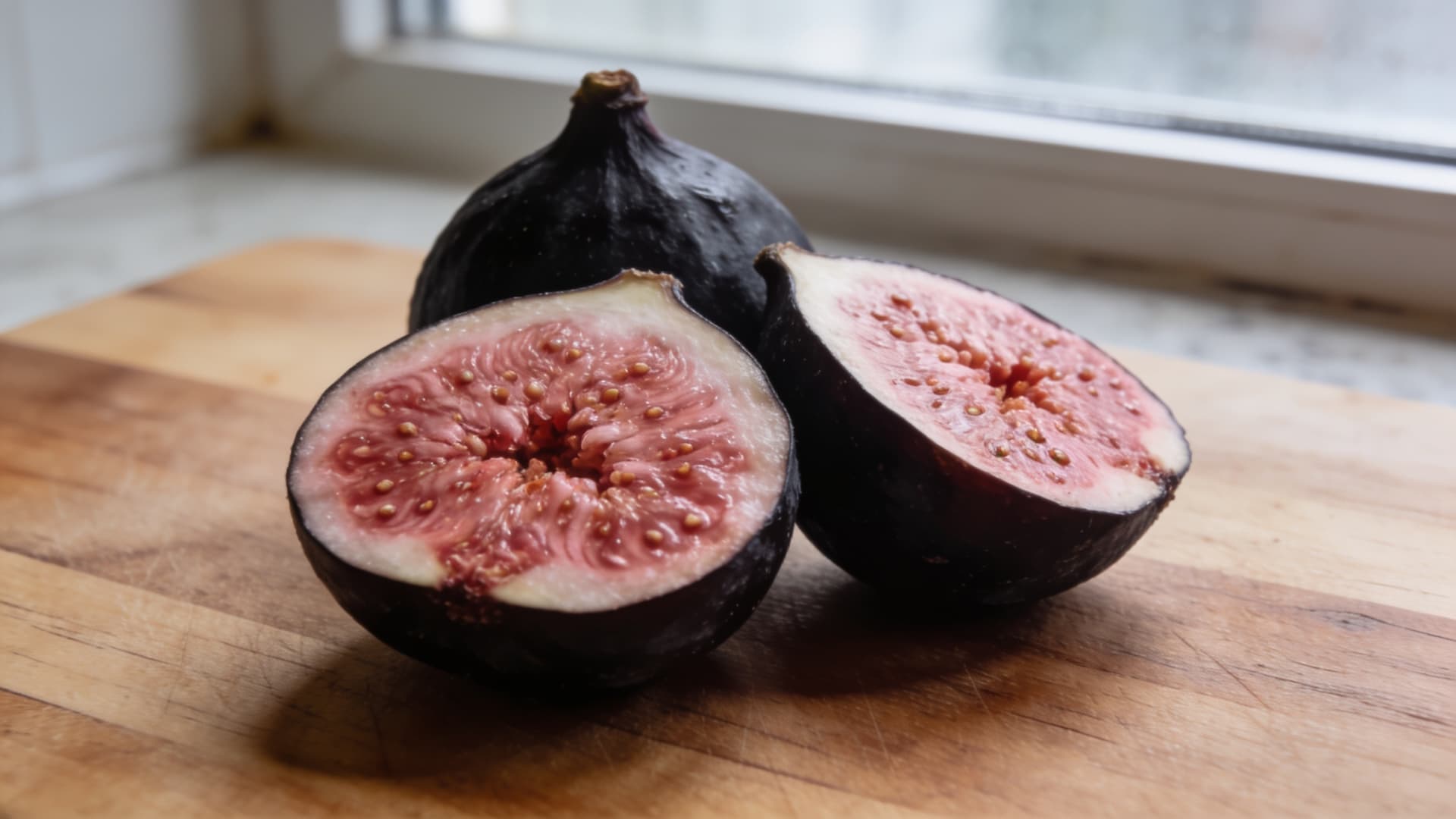
| Skin Color | Deep purple to almost black |
| Flesh Color | Soft pink with tiny seeds |
| Shape | Medium-sized, slightly pear-shaped |
| Flavor | Rich, honey-sweet, tender bite |
| Nutrition | High fiber, potassium, low calories |
| Growing Zones | USDA zones 7 through 10 |
| Cold Tolerance | Survives down to 15-20°F |
| Climate Fit | Mediterranean-style, warm coastal regions |
This fig thrives in warm climates but can adapt to cooler zones with container growing or winter protection. Its balance of flavor, hardiness, and history makes it a standout choice for any garden.
What Does a Black Mission Fig Taste Like?
Black mission figs taste like concentrated berry jam with a faint caramel edge.
The skin carries a mild, earthy bitterness that balances the sweetness inside.
The flesh is soft, almost syrupy, with tiny seeds that add a light crunch. Some people detect notes of Fig Newton filling; others notice hints of red wine or molasses. Fresh, the flavor is brighter. Dried, it deepens.
Choosing a Healthy Fig Tree
Choosing a healthy tree initially prevents years of troubleshooting down the line.
Bare root trees cost less. Plant them during the dormant season. Potted trees cost more but can go in almost any time of year. Check the roots either way. Look for a firm, white appearance. Avoid dark or mushy spots.
Grafted trees generally show greater hardiness and disease resistance because of the rootstock.
Own-root trees grow truer to the original variety if the top ever gets damaged.
Inspect the trunk for cracks, wounds, or soft spots before buying. Aim for a tree that’s one to two years old.
These establish the fastest results once planted.
How to Plant a Black Mission Fig Tree Successfully?
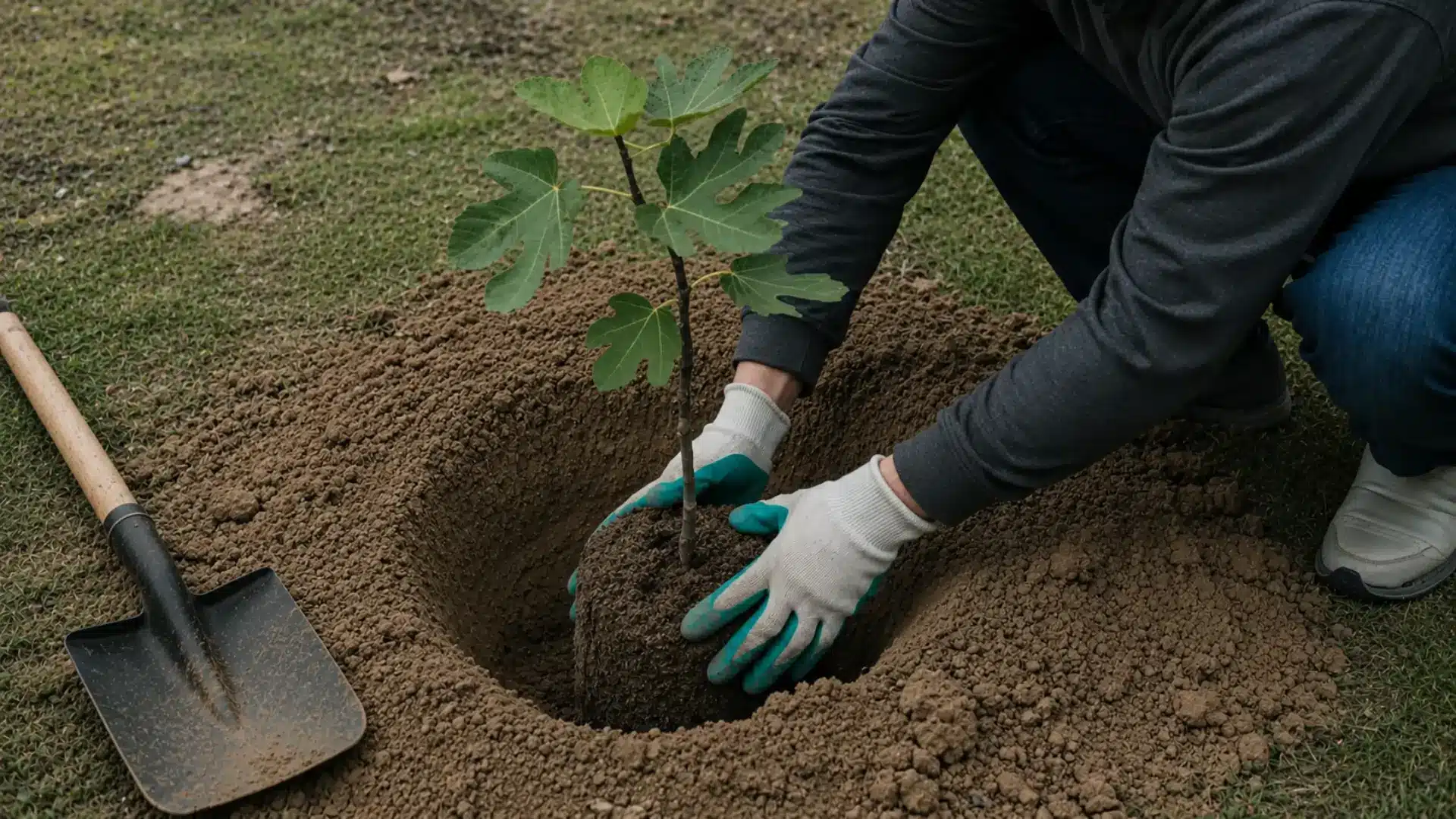
Getting the planting process right gives your tree the best possible start.
Follow these steps in order for healthy root establishment and strong early growth.
- Choose and Prepare the Planting Site: Choose a location with full sun in a well-drained area, away from structures, and enrich the soil to optimize pH and texture.
- Dig the Planting Hole: Wide and deep enough for the root ball, with roughened sides to prevent root circling.
- Position the Tree: Set the root flare at or slightly above soil level, loosening any circling roots first.
- Backfill the Hole: Use native soil mixed with compost, tamping gently to remove air pockets.
- Water Thoroughly: Deep watering right after planting to help the soil settle around the roots.
- Mulch and Stake if Needed: Apply a 2-3 inch mulch layer and stake only if the site is windy or the tree is young.
Once planted, the tree needs consistent watering for the first few weeks while it establishes.
Black Mission Fig Care and Requirements
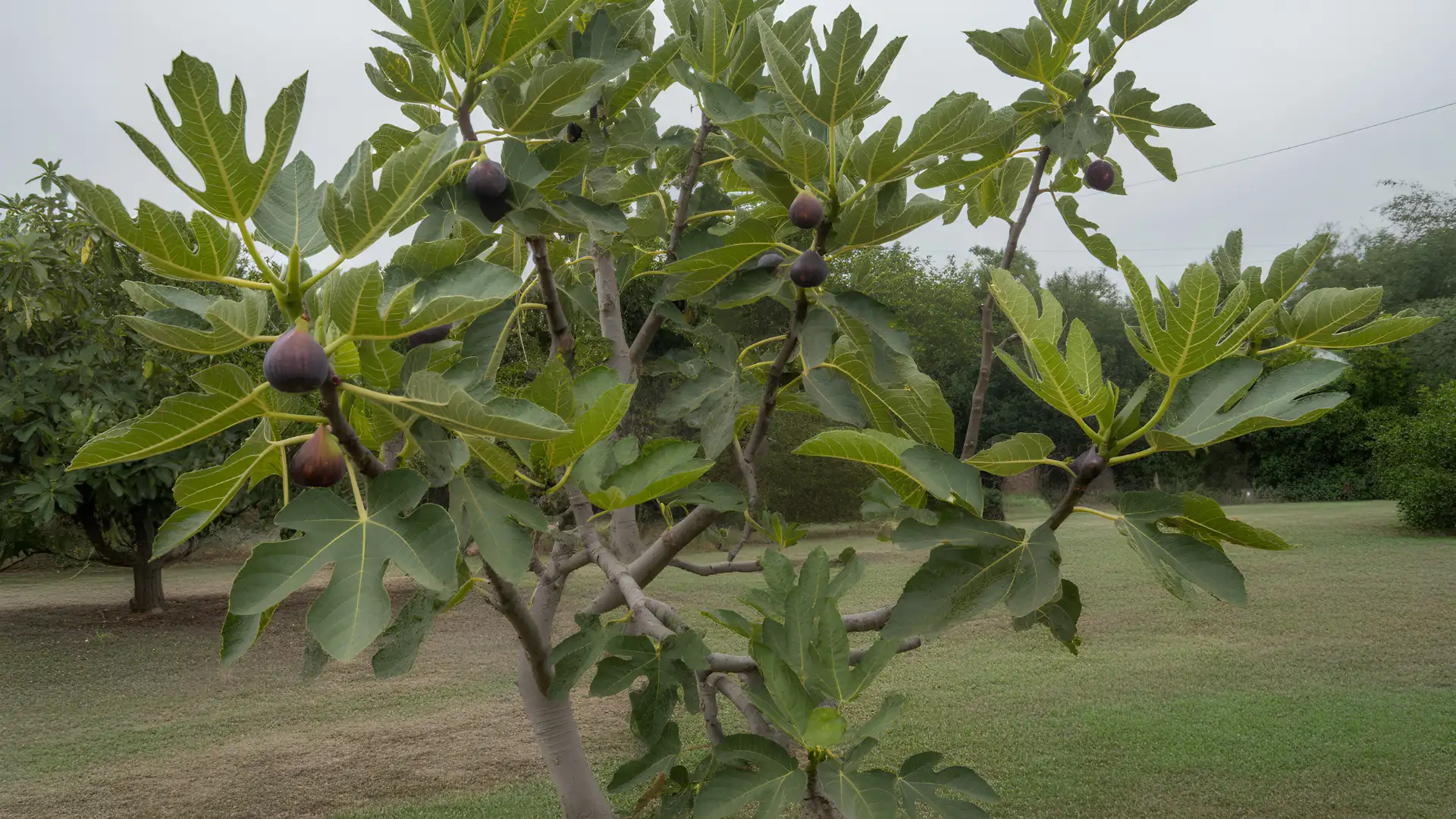
Once your tree is planted, fulfilling its essential needs ensures it remains healthy and productive year after year.
Light Requirements
Getting sun exposure right sets the tone for how much fruit your tree will actually produce each season.
Full sun is non-negotiable for this tree, ideally 6-8 hours of direct light daily, with south-facing spots working best in most climates. Insufficient light often results in leggy growth, fewer figs, and delayed ripening.
Container-grown trees benefit from repositioning seasonally to chase optimal light as the sun’s angle shifts throughout the year, especially in regions with shorter summers.
Temperature Requirements
Beyond light, temperature swings are the next biggest threat to a young or established fig tree.
Getting this right early on prevents a lot of avoidable stress on the tree later.
| Factor | Detail |
|---|---|
| Cold Tolerance | 15-20°F once established |
| Frost Risk | Young trees need protection |
| Ideal Climate | Warm, Mediterranean-style, long dry summers |
Black mission figs thrive in areas with long, dry summers. However, sudden temperature changes, particularly late frosts after new growth, can harm the tender shoots.
Gardeners in colder regions often have better luck starting with hardier varieties for freezing winters, since not every fig handles a hard frost the same way.
Water Requirements
Watering needs change by season; incorrect timing easily causes fruit loss.
During the growing season, water deeply as fruit develops. Irregular watering often leads to split or dropped figs.
During dormancy, cut back significantly. The tree’s water needs drop once growth slows.
As a general rule, water deeply and infrequently. This encourages roots to grow downward and builds better drought resilience over time. In containers, watch for overwatering.
Poor drainage traps moisture around the roots and raises the risk of rot.
Stick to this routine, and the roots stay healthy without stress in either direction.
Soil Requirements
Standing water around the roots quickly leads to rot, making drainage the top priority.
A loamy texture supports the best nutrient uptake and allows roots to establish without excess resistance.
- Drainage: Well-draining soil is essential.
- pH Range: Slightly acidic to neutral.
Heavy clay soils can be improved by adding compost to improve their structure, but fig trees generally tolerate typical soil fertility conditions well.
Fertilizing Black Fig Trees
Fig trees are light feeders, and giving them the right nutrients at the right time makes all the difference.
A simple, well-timed schedule keeps growth balanced between foliage and fruit.
- Apply the first feeding as new growth starts, then again by midsummer.
- Low-nitrogen blends prevent excess leaf growth at the cost of fruit.
- Two applications per season cover most healthy trees’ nutrient needs.
- Late nitrogen encourages tender growth that won’t harden before winter.
- Rich, well-amended soil often needs little to no supplemental feeding.
- Potted trees deplete nutrients faster and need more frequent feeding.
- Feeding too late risks new growth that cannot harden off before frost.
How and When to Prune Fig Trees?
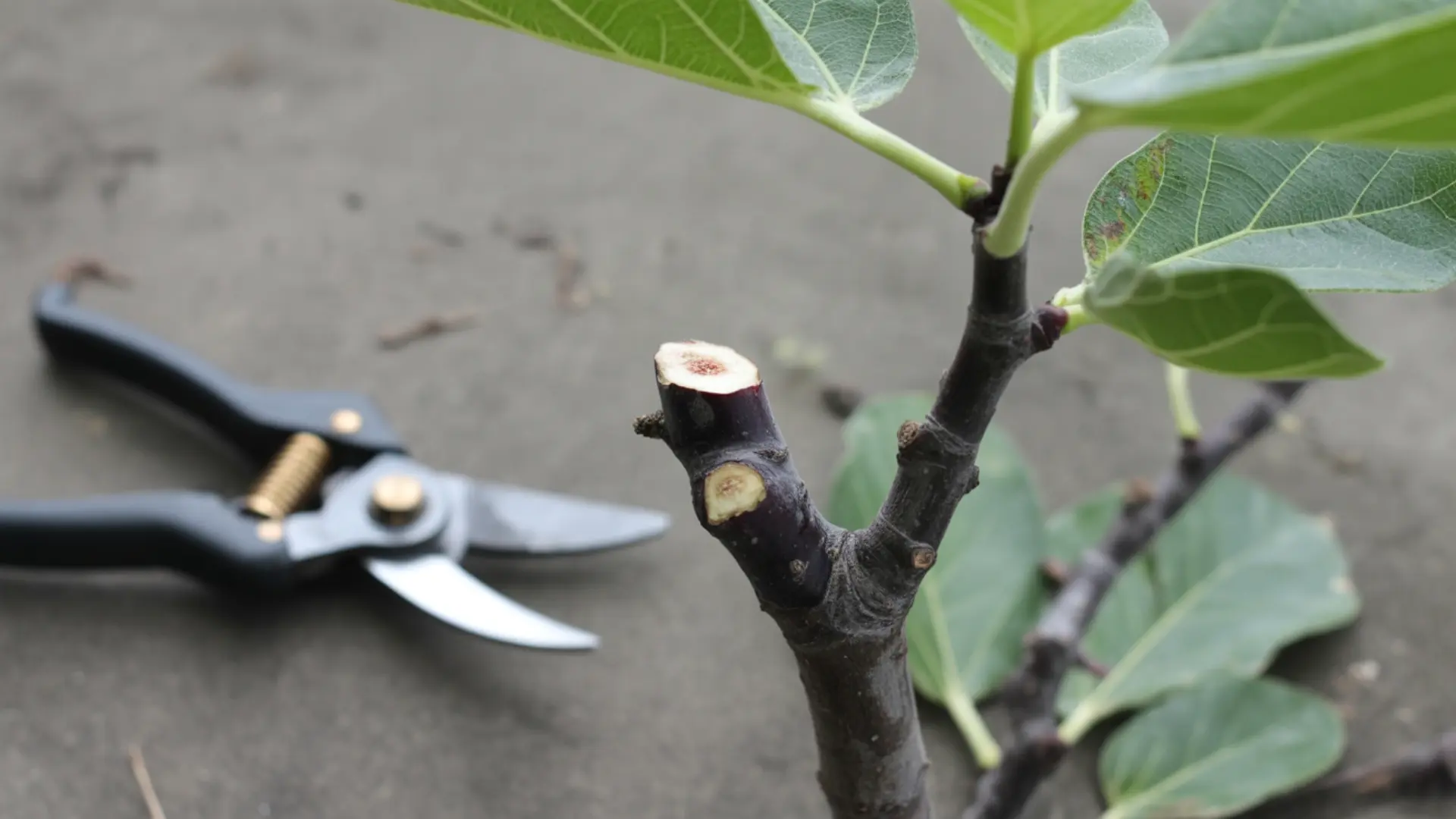
Regular pruning shapes the tree, improves airflow, and boosts fruit production each season.
Correct timing and technique prevent damage to next year’s harvest.
Remove Dead or Crossing Branches First
Clear out anything dead, damaged, or rubbing against other branches before shaping the rest of the tree.
Dead wood serves no purpose and can attract pests or fungi if left too long.
Cut Just Above a Healthy Bud
Position each cut near a bud facing the desired growth direction. This promotes outward branching, keeping the canopy open and manageable.
Angle the Cut to Shed Water
A slight downward angle keeps moisture from pooling on the wound and inviting rot or fungal issues.
This detail is crucial in wetter climates, as standing moisture on a fresh cut can cause disease quickly.
Thin Interior Growth
Remove select inner branches to open the canopy, enhancing light and airflow to the center. Improved airflow reduces humidity, lowering fungal risk later in the season.
Remove Suckers at the Base
Cut away any shoots growing from the roots or base of the trunk, since these drain energy from the main tree. Left unchecked, suckers can eventually compete with the main trunk for nutrients and weaken overall fruit production.
Dormant vs. Summer Pruning
Maintaining the timing keeps the tree balanced, helping it to direct energy toward fruit instead of fixing damage from badly timed cuts.
| Type | When | Purpose | Cut Size | Watch For |
|---|---|---|---|---|
| Dormant | Late winter | Shaping, size control | Large cuts okay | Tree must be fully dormant |
| Early Summer | After breba crop | Light shaping | Small cuts | Don’t cut new fruiting wood |
| Late Summer | Before fall | Damage cleanup | Very small cuts | Avoid heavy cuts |
| Renewal | Every few years | Reset overgrown tree | Large, structural | Mature trees only |
| Container | Late winter | Roots and top together | Small to moderate | Prune both in one session |
How Long Does It Take a Mission Fig Tree to Produce Fruit?
A young tree needs one to two growing seasons before its first fruit.
Cuttings often fruit faster than seed-grown trees. Grafted trees can produce even sooner, sometimes within a year.
Container-grown figs often fruit earlier than in-ground trees because their restricted roots encourage faster reproduction. However, full production typically takes three to five years.
Before then, yields are small and inconsistent.
Patience is essential, as once the tree is established, it will follow a steady and predictable annual cycle.
When and How to Harvest Black Mission Figs?
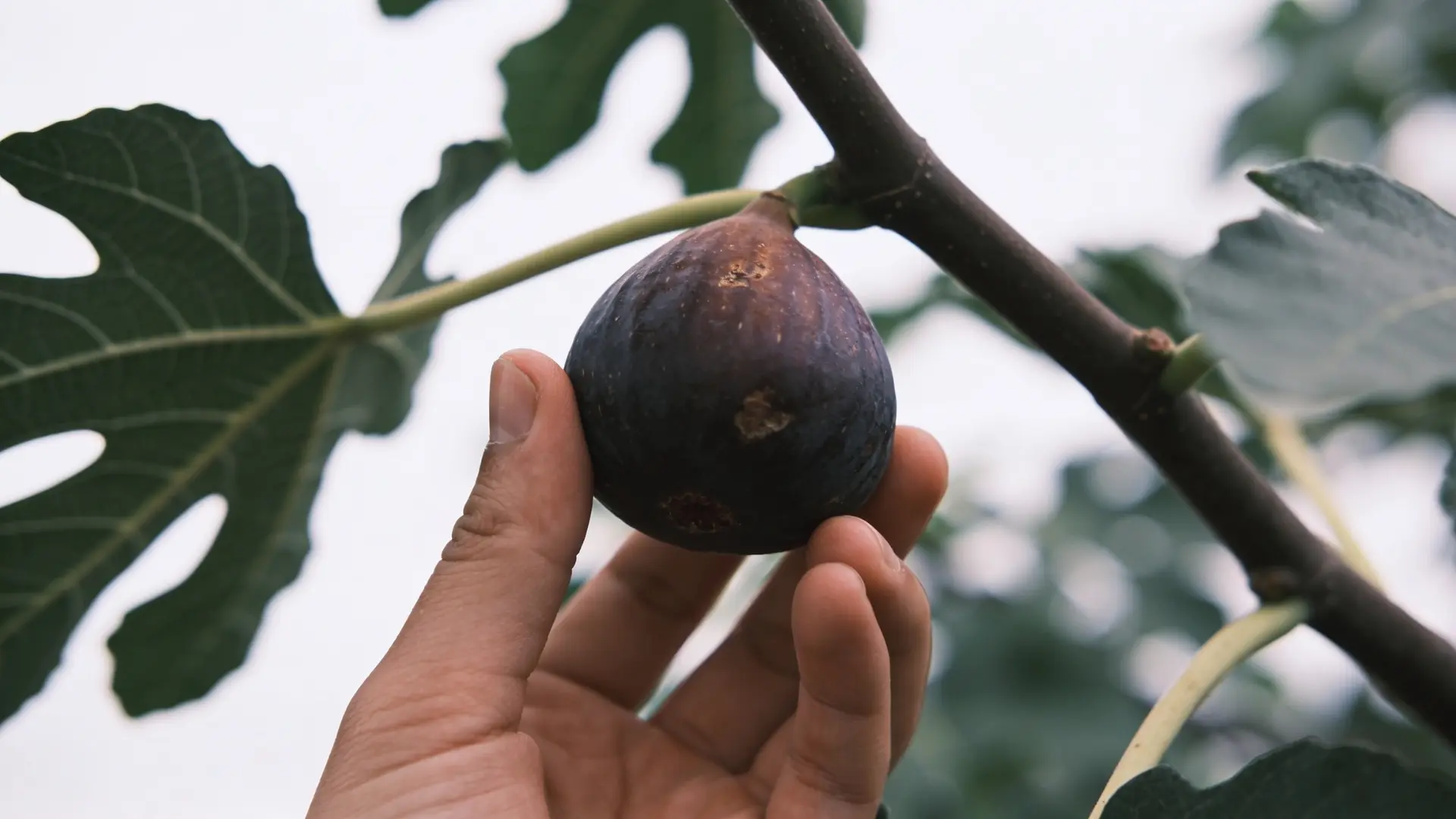
Knowing when to pick figs is crucial because they don’t ripen further after removal. Figs bruise easily and don’t store well once overripe, so check the tree every day or two during peak season to catch the best fruit.
- Signs of Ripeness: Fruit softens noticeably and begins to droop or bend slightly downward on the stem.
- Color Change: Skin deepens from purple to near-black and loses its earlier glossy sheen.
- Harvest Season: Main harvest usually occurs from midsummer to early fall, based on climate and location.
- Picking Technique: Gently twist or pull the fruit away from the branch, avoiding squeezing the soft skin.
- Breba Crop: Ripens in early summer, growing on the previous year’s old wood.
- Main Crop: Ripens in late summer, growing on the current season’s new wood.
- Expected Yield: Mature, established trees typically produce anywhere from 10 to 50 pounds per season.
In-Ground vs. Container Planting
In-ground planting suits warmer climates where the tree can grow unrestricted for years.
Container planting is better in cooler or small spaces because it lets trees be moved indoors during harsh winters.
| Factor | In-Ground Planting | Container Planting |
|---|---|---|
| Hole/Pot Size | Wide hole, root ball width | Pot 2x root ball size |
| Drainage | Natural soil drainage | Drainage holes essential |
| Soil Layering | Native soil plus compost | Well-draining potting mix |
| Placement | Full sun, away from structures | Full sun, movable as needed |
| Initial Watering | Deep watering after planting | Water until it drains through |
| Initial Care | Mulch, minimal early pruning | Monitor moisture more closely |
Understanding Black Mission Fig Harvest Seasons
Black Mission figs have two harvests annually. Knowing the difference sets the right expectations for timing.
The breba crop arrives first, in early summer. It grows on the previous year’s old wood. Yield tends to be smaller and less consistent.
New growers are often surprised by this early fruit. It shows up sooner than expected.
The main crop follows, from late summer through early fall. It develops on the current season’s new wood.
Yield is larger and more reliable. Most gardeners count on this second harvest. It is the fullest, most dependable crop of the year, and the one worth planning your storage and preserving around.
Best Ways to Harvest, Store, and Preserve Black Mission Figs
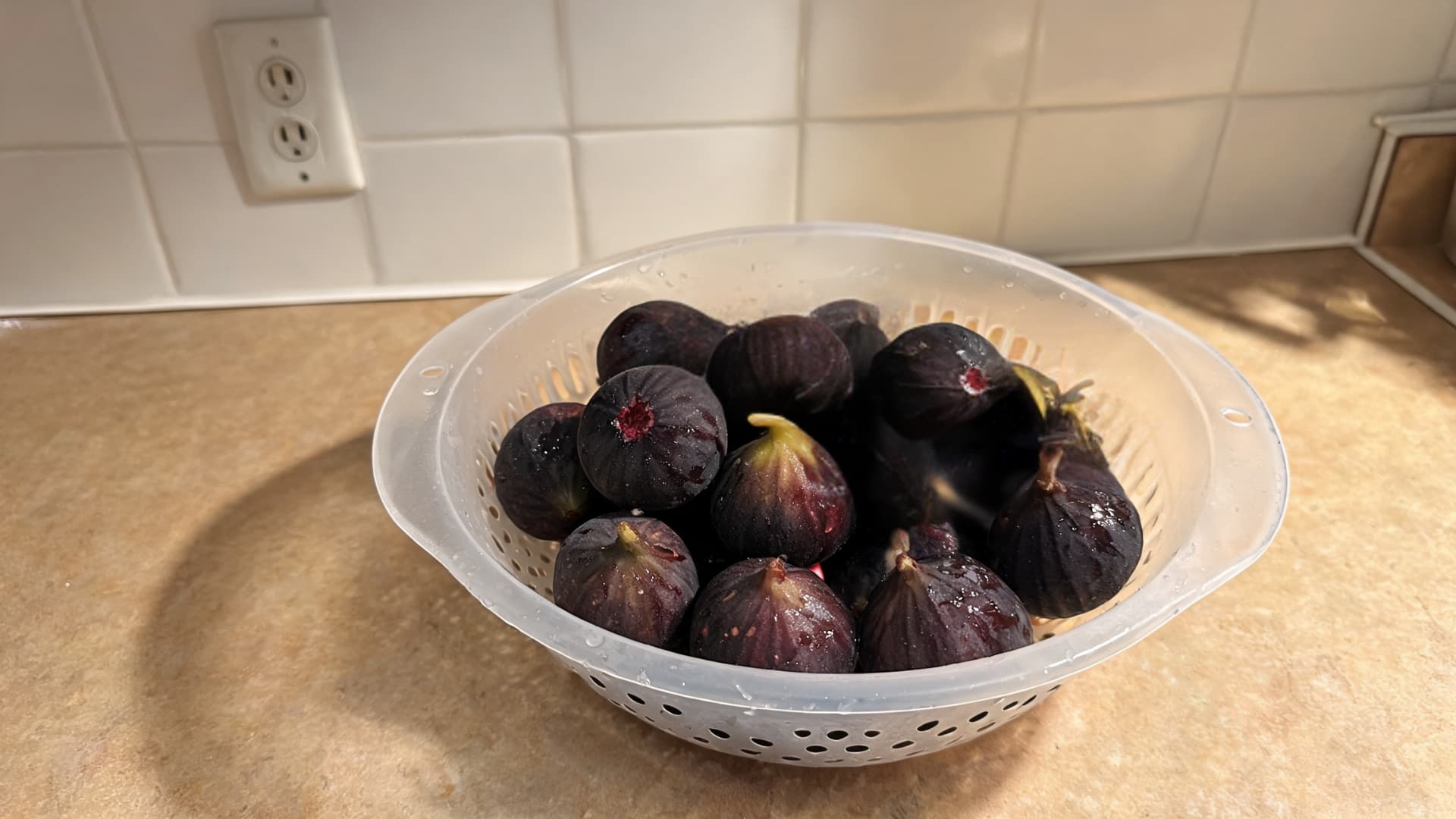
Getting figs off the tree and into storage quickly is crucial because they are fragile after picking.
Harvesting Tips
- Picking Technique: Twist or gently pull the fruit away from the branch, avoiding squeezing the skin.
- Best Time of Day: Harvest in the cooler morning hours to reduce bruising and spoilage risk.
- Checking Frequency: Check the tree daily during peak season, since ripe figs don’t hold long on the branch.
Storage Options
- Refrigeration: Store unwashed figs in a single layer for up to 3 days.
- Freezing: Freeze whole figs on a tray first, then transfer to a sealed bag for up to 6 months.
- Dehydrating: Dry sliced figs at low heat for a shelf-stable snack lasting several months.
Preservation Options
- Jam and Preserves: Cook figs down with sugar and lemon juice for a spreadable preserve that lasts months.
- Canning: Pack whole or halved figs in a light syrup and process in a water bath canner.
- Pickling: Preserve in a vinegar-based brine with spices for a tangy, savory condiment.
Whichever method you choose, handle the fruit gently at every step, since even minor bruising speeds up spoilage.
Common Pests and Diseases that Affect Black Mission Fig Trees
Black mission figs generally require minimal upkeep, but pests and diseases can damage the fruit and trees.
Consistent inspection and watering are essential to identify problems promptly, prevent their spread, and safeguard the harvest.
| Pest/Disease | Signs | Treatment |
|---|---|---|
| Fig Rust | Yellow-orange spots on leaves | Remove affected leaves, improve airflow |
| Root-Knot Nematodes | Stunted growth, root galls | Solarize soil, use resistant rootstock |
| Spider Mites | Fine webbing, speckled leaves | Spray with water, use insecticidal soap |
| Scale Insects | Small bumps on stems/branches | Prune affected areas, apply horticultural oil |
| Birds and Squirrels | Missing or pecked fruit | Netting, decoys, harvest promptly |
| Fig Mosaic Virus | Mottled, distorted leaves | No cure; remove severely infected trees |
| Fruit Splitting | Cracked skin near ripening | Maintain even watering schedule |
How to Propagate a Black Mission Fig?
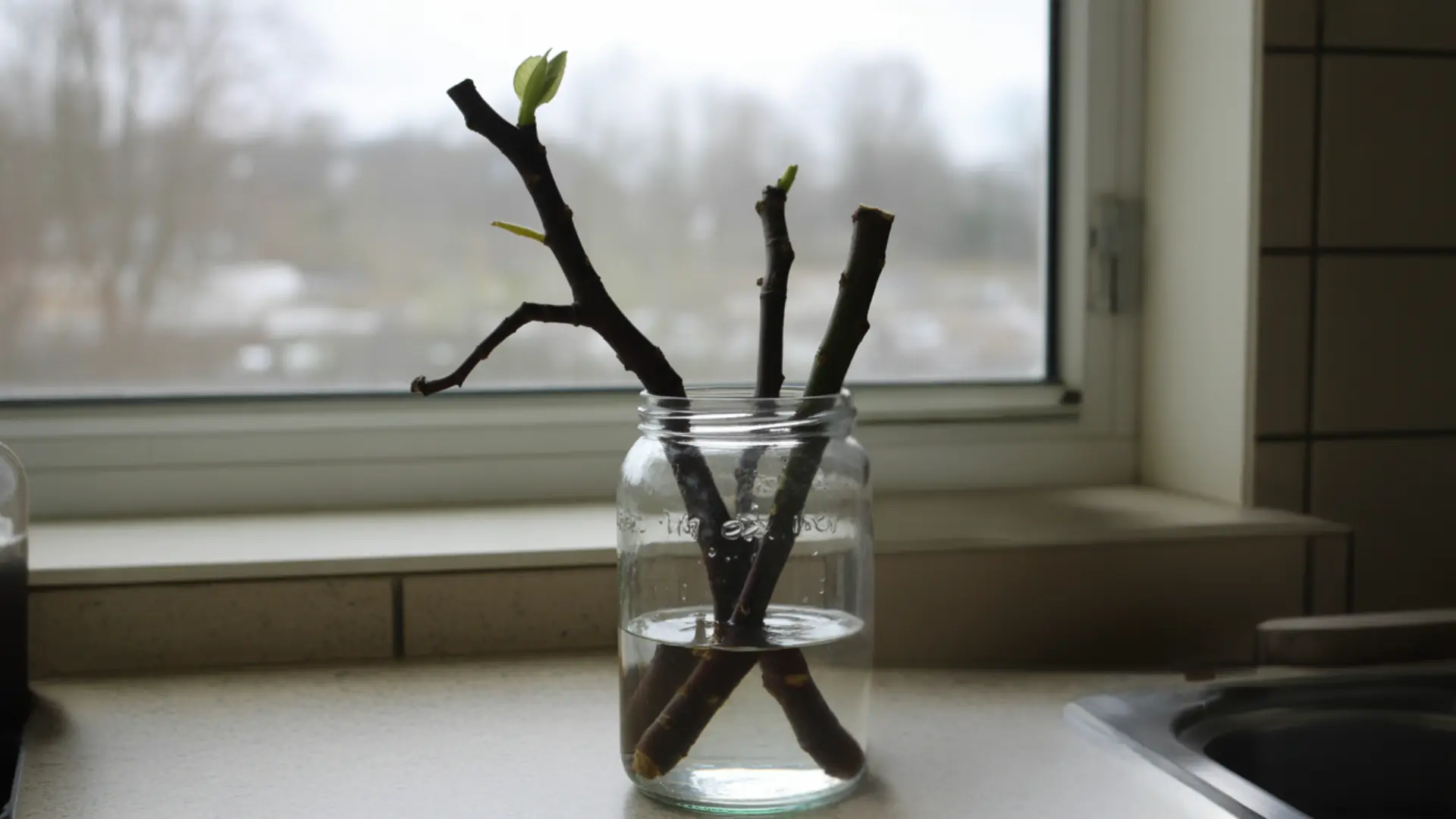
Cuttings are the easiest method. Take an 8-12 inch section of dormant wood in late winter.
Make a cut immediately below a node at the base.
Let the cutting callus for a day before planting. Insert it halfway into moist, well-draining soil.
Keep the soil consistently damp but never soggy. Roots typically form within 6-8 weeks.
Air layering works well for larger branches. Wound the bark, wrap it in moist sphagnum moss, then cover with plastic. Roots develop in place over several months before you sever the branch and pot it separately.
Rooting hormone speeds things up but isn’t required. Fig wood roots readily on its own most of the time.
Black Mission Fig Companion Plants
Pairing your fig tree with the right neighbors improves pest control and soil health without much extra effort.
- Comfrey: Draws nutrients up from deep soil and feeds the surface roots.
- Marigolds: Repel nematodes and deter common fig pests.
- Garlic or Chives: Keep aphids and borers away from the trunk.
- Nasturtiums: Act as a trap crop, pulling aphids off the fig.
- Lavender: Attracts pollinators and beneficial insects nearby.
- Strawberries: Work as ground cover without competing for root space.
How to Tell When Black Mission Figs are Perfectly Ripe?
A ripe fig separates easily with a light tug. If it resists, leave it another day or two.
Weight offers a clue too. Ripe figs feel heavier than their size suggests, since the sugars have fully developed inside.
For an even faster gut check right at the tree, some growers swear by a simple neck-bend test that confirms ripeness in seconds.
Morning harvesting works best, before the day’s heat softens the fruit further.
Check trees daily during peak season, since ripeness can shift overnight. Fruit near the tree’s interior often ripens more slowly than exposed, sun-facing figs. Compare a few before picking the whole batch.
Black Mission Fig vs. Other Popular Fig Varieties
Comparing black mission figs to other varieties clarifies what makes this fig unique and whether it fits your garden or not.
| Variety | Flavor | Size | Best Use |
|---|---|---|---|
| Black Mission | Rich, honey-sweet | Medium, pear-shaped | Fresh eating, baking, drying |
| Brown Turkey | Mild, less sweet | Medium-large | Fresh eating, preserves |
| Kadota | Light, mild sweetness | Medium, thick-skinned | Canning, drying |
| Celeste | Very sweet, honey-like | Small | Fresh eating, preserves |
| Calimyrna | Nutty, rich | Large | Drying, commercial use |
Black Mission figs stand out for their deep flavor and adaptability to both container and in-ground growing, though gardeners in colder zones may find Brown Turkey or Celeste more forgiving.
If you are still weighing options, a full breakdown of fig varieties covers how each type differs beyond what fits in a single table.
How to Use Black Mission Figs
Black mission figs, once harvested, are versatile and can be used in both sweet and savory dishes.
They are suitable for simple snacks or more complex recipes, making them adaptable to any cooking style.
- Eating Fresh: Enjoy raw, sliced in half with a spoon.
- Baking: Add to tarts, cakes, and breads for natural sweetness.
- Jam and Preserves: Cook down with sugar and lemon for spreads.
- Cheese Pairing: Serve with brie, goat cheese, or blue cheese.
- Charcuterie Boards: Pair with cured meats, nuts, and honey.
- Savory Dishes: Roast alongside meats or toss into salads.
Frequently Asked Questions (FAQs)
How Long Do Black Mission Figs Take To Fruit?
Most trees start producing fruit within one to two years of planting.
Can Black Mission Figs Grow In Pots?
Yes, black mission figs adapt well to container growing on patios or in cooler climates.
Are Black Mission Figs Self-Pollinating?
Yes, this variety sets fruit on its own without needing a second tree or pollinator.
That’s a Wrap!
Growing a black mission fig at home is more rewarding than most fruit trees because it requires little effort.
From planting and care to pests, harvest, and storage, you now have everything needed to keep your tree thriving through every season.
If you are working with a backyard plot or a container on a sunny patio, this variety adapts well and rewards you with sweet, honey-flavored fruit year after year.
Give it the right sun, soil, and water, and it will take care of the rest.
Have your own black mission fig growing tips or questions? Drop them in the comments below!