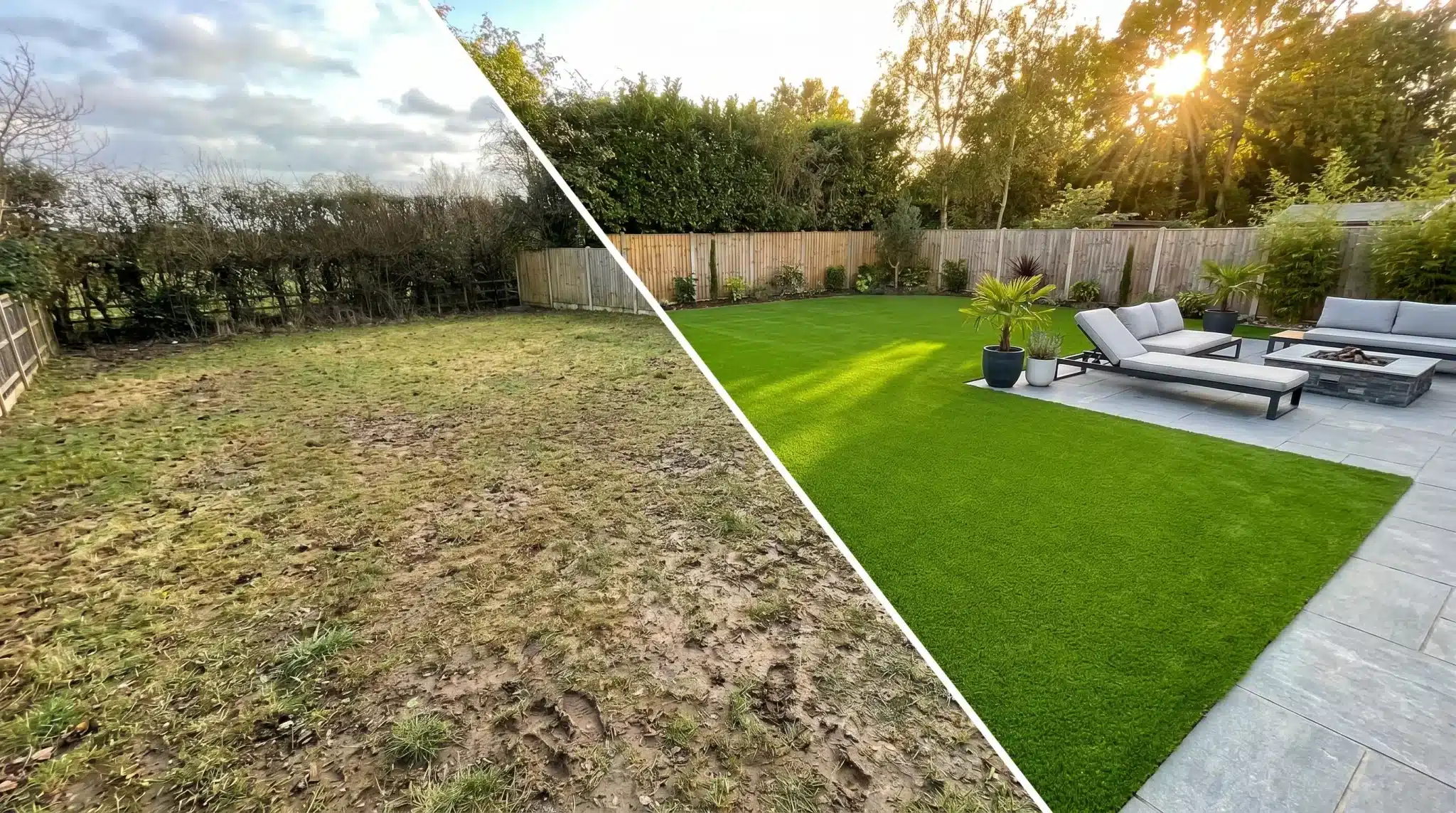
Some parts of my lawn used to stay stubbornly bare, no matter how much I watered or watched the forecast. It wasn’t the seed, it was the timing.
Once I figured out the best time to plant grass seed, those patches finally filled in, and my yard looked alive again.
If you’re tired of wasting time and money on seed that never grows, you’re not alone. The trick isn’t fancy tools or special products, it’s knowing when to plant.
In this blog, you’ll learn exactly when to plant based on where you live, how the weather plays a role, and what to avoid so your grass actually takes root. Let’s make sure your next try is your best one.
The Role of Timing in Healthy Grass Growth
Timing plays a big role in how well your grass grows. Planting grass seed at the wrong time can lead to weak growth, bare spots, or total failure.
Grass seeds need the right mix of warmth, moisture, and sunlight to sprout and grow strong. If it’s too cold, the seeds stay dormant. If it’s too hot, they dry out or get scorched before they can root.
Cool-season grasses do best when planted in early fall or early spring. Warm-season grasses prefer late spring to early summer. Planting during the right window gives the roots time to grow deep before facing heat or cold.
I learned this the hard way: spreading seed in the middle of summer led to nothing but disappointment. But once I planted at the right time, everything changed.
Healthy, thick grass starts with good timing. Get that right, and you’re already ahead. The rest is just upkeep.
Best Time to Plant Grass Seed for Reliable Growth

The best time to plant grass seed depends on your grass type and where you live, but most lawns see the best results when planted in fall or spring. These seasons offer mild temperatures, steady moisture, and fewer weeds, which help seeds grow faster and stronger.
Fall is often the top choice, especially for cool-season grasses. The soil is still warm from summer, but the air is cooler, which helps roots grow without stress. Weeds also slow down in the fall, giving your grass less competition.
Spring works well too, but you’ll need to watch for late frosts and quick temperature shifts. Spring planting can lead to more weed problems if you’re not careful.
Summer is risky. It’s hot, dry, and hard on new seeds. You’ll need to water more often, and the heat can stop roots from forming well.
Winter isn’t ideal for planting, but in some areas, people do “dormant seeding,” which means planting in late winter so seeds sprout when spring comes.
What’s “best” truly depends on your grass type: cool or warm-season and your local weather. The right time for one yard may not work for another, so knowing your climate and seed type matters most.
When is the Best Time to Plant Grass Seed by Grass Type
The best time to plant grass seed changes based on what kind of grass you’re using. Cool-season and warm-season grasses grow best in different weather, so knowing your grass type helps you plant at the right time.
Cool-Season Grasses

Cool-season types like fescue, Kentucky bluegrass, and ryegrass grow best in late summer to early fall. Fall planting gives seeds warm soil and cool air, perfect for root growth.
Spring seeding can still work, especially if fall wasn’t an option, but weeds and sudden heat may get in the way.
Warm-Season Grasses
Grasses like Bermuda, Zoysia, and centipede do best when planted in late spring to early summer. These seeds need warm soil to sprout and grow.
If you plant too early, cold soil will slow growth. If you plant too late, summer heat can dry out young roots before they’re strong enough.
Use Soil Temperature to Pick the Right Planting Window
Soil temperature is one of the most important signs for knowing when to plant grass seed. For cool-season grasses, the ideal soil temperature is between 50°F and 65°F.
For warm-season grasses, aim for 65°F to 75°F. If the soil is too cold or too hot, seeds may not sprout well—or at all.
Relying only on calendar months can be tricky. Spring might come early one year and late the next. That’s why soil temperature is more reliable than the date on a calendar.
To check soil temperature at home, use a simple soil thermometer. Stick it 2–3 inches into the soil in the morning for the best reading.
If the temperature is slightly off, don’t panic. For cool-season grasses, slightly cooler soil means slower growth but still possible results. For warm-season grasses, if it’s a little cool, wait a few days.
Timing it right gives your grass the best start.
Choosing the Best Time of Year Based on Your Location
Where you live has a big effect on when you should plant grass seed. In northern areas, where winters are long and cold, late summer to early fall is best for cool-season grasses like fescue or Kentucky bluegrass.
The warm soil and cooler air help roots grow before winter hits.
If you’re in the South or warmer regions, late spring to early summer is ideal for warm-season grasses like Bermuda or Zoysia.
These grasses need warm soil to grow and can handle the summer heat once they are strong enough.
In transition zones, or areas between hot and cold climates, you may need to adjust your timing based on the year’s weather. Watching your local soil temperature and rainfall can help guide your choice.
No matter where you live, planting during your region’s growing season gives your seeds the best chance to sprout, root, and grow strong.
What to Do If You Missed the Ideal Planting Window
Sometimes life gets in the way and planting slips past the perfect time. That doesn’t always mean you have to wait until next year.
You still have a few choices, but you’ll need to know the risks and how to work around them.
If it’s already very hot or cold, planting might not give great results. But if the weather is still mild and the soil is warm enough, it may still be worth trying.
Late planting often leads to weak root growth and poor seed survival. To reduce this, keep the soil moist, use a seed blanket, and pick fast-growing seed types. These small steps can make a big difference.
Dormant Seeding Explained
Dormant seeding means planting grass seed in late fall or early winter, just before the ground freezes. The seeds stay in place until spring when the soil warms up.
It works best in places with cold winters and steady snow cover. If the weather warms up too soon or you get heavy rain, seeds can wash away or sprout too early.
Results vary, but it’s a low-effort way to get a head start on spring growth. Just don’t expect perfect coverage right away.
Seeding, Overseeding, or Patching?
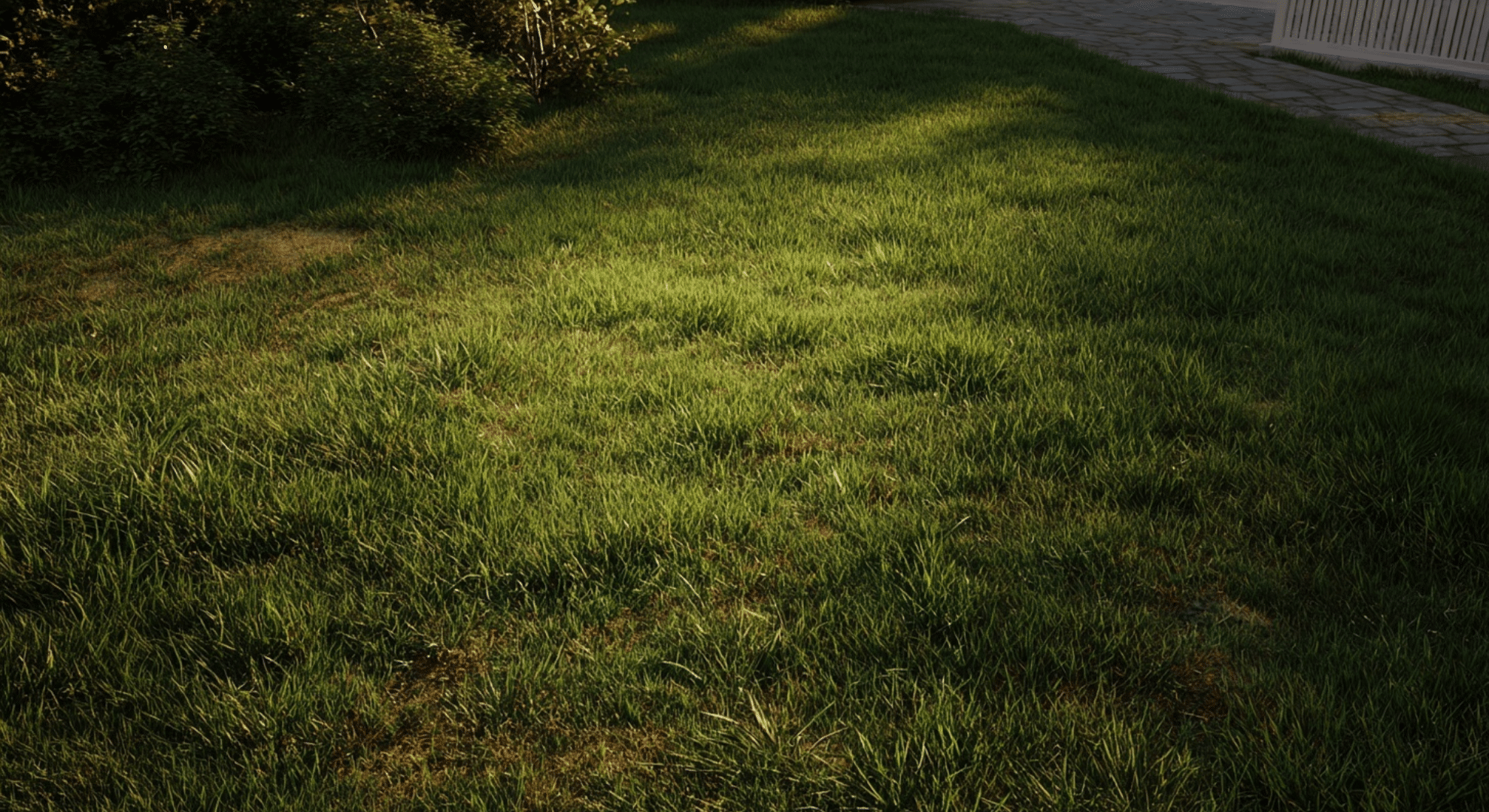
Not all grass planting is the same. The method you choose depends on whether you’re starting fresh, thickening up what you already have, or fixing problem areas.
| Method | When to Use It | What It Does | Effort Level |
|---|---|---|---|
| Seeding | New lawns or major lawn replacements | Grows grass from scratch | High |
| Overseeding | Existing lawns that look thin | Fills in and thickens current grass | Medium |
| Patching Bare Spots | Small dead or empty areas in the lawn | Targets and repairs specific weak spots | Low |
Each method has a purpose. If you’re starting a new lawn, full seeding is the way to go. If your lawn looks thin but still healthy, overseeding helps it grow thicker.
For just a few problem spots, patching saves time and gives quick results. Picking the right method helps you work smarter, not harder.
Watering and Early Care After Planting

Getting the seed down is only the first step. What you do in the next few weeks can make or break your lawn. Watering, mowing, and foot traffic all matter more than people think, especially right after planting.
- In cooler months, water once or twice daily to keep soil damp, not soaked.
- In warmer months, you may need to water more often to avoid drying out.
- Aim for light, even watering to avoid puddles or runoff.
- Start mowing when grass reaches about 3 inches tall, but only if the ground feels firm.
- Try to keep pets and kids off new grass for at least three weeks.
- Healthy seedlings look upright and green; struggling ones look pale, thin, or patchy.
Be patient. New grass takes time to settle in, but steady care during these early weeks helps roots grow strong.
How Long Does It Take for Grass Seed to Grow
Grass seed usually takes 5 to 30 days to sprout, depending on the type. Cool-season grasses like Kentucky bluegrass take 14–30 days, while perennial ryegrass can sprout in just 5–10 days.
Tall fescue needs about 7–12 days. For warm-season grasses, Bermuda grass takes 7–14 days, and zoysia may take 14–21 days.
Several things can slow down or speed up growth. The most important are soil temperature, watering, sunlight, and seed quality. Grass grows best when the soil is between 55°F and 75°F and stays moist but not soaked.
If you don’t see sprouts after 3 to 4 weeks, it might be time to re-seed. Check if the seed was buried too deep, dried out, or washed away. Try raking lightly, watering daily, or choosing a better seed mix if needed. Patience and the right care make all the difference.
Common Timing Mistakes That Ruin Grass Seed Growth
Timing is everything when planting grass seed. Plant it at the wrong time, and even the best seed won’t grow well. Below are common timing mistakes that often lead to poor results:
- Planting too early in spring when the soil is still cold
- Seeding too late in the fall, giving roots little time before winter
- Ignoring soil temperature, which should be between 55°F and 75°F
- Seeding before a heat wave, which can dry out young sprouts
- Planting ahead of a frost, which can kill new growth
- Using weed killers or fertilizers at the wrong time
To avoid these problems, always check the weather, soil temperature, and product labels. Waiting a bit longer or acting sooner can help you grow a thick and healthy lawn.
Conclusion
What I’ve come to realize is that the timing of planting grass seed isn’t just a small detail, it’s the difference between a patchy lawn and one that grows full and green.
I’ve made the mistakes, learned from them, and now I plan smarter. Watching seeds sprout because I picked the right time feels like a win every time.
Now you’ve got the know-how too. Look at your yard like a clean slate, and think about when and how you’ll plant. Choosing the best time to plant grass seed gives your lawn the strong start it needs.
Don’t rush it. Let the season work for you. And if you want more clear, down-to-earth tips that actually help, take a look at other blogs on the website. There’s more good stuff waiting for you!