Anemia has a quiet way of making itself known: the fatigue that follows you even after a full night’s sleep, the pallor that no amount of rest seems to fix.
At the root of it all is often something as simple as what your body is missing.
And while no single food rewrites the whole story, what you eat every day genuinely shapes how your body heals.
That’s where mushrooms come in, humble and underrated, quietly earning their place as one of nature’s more surprising plant-based sources of iron.
Can Mushrooms Help with Anemia?
Mushrooms contain non-heme iron, the plant-based form of iron that your body can absolutely work with, just a little more intentionally.
Iron itself plays a central role in helping your body produce red blood cells, which carry oxygen to every corner of your body.
To get the most out of it, pairing mushrooms with a vitamin C-rich food makes a real difference since it significantly improves how well your body absorbs that iron.
That said, if your levels are severely low, food alone may not close the gap, and checking in with a doctor is always worth it.
Best Mushrooms for Anemia
Managing anemia through food starts with knowing which ingredients actually pull their weight. These mushrooms are not just kitchen staples; they are quite nutritional allies worth adding to your plate.
1. Morel Mushrooms
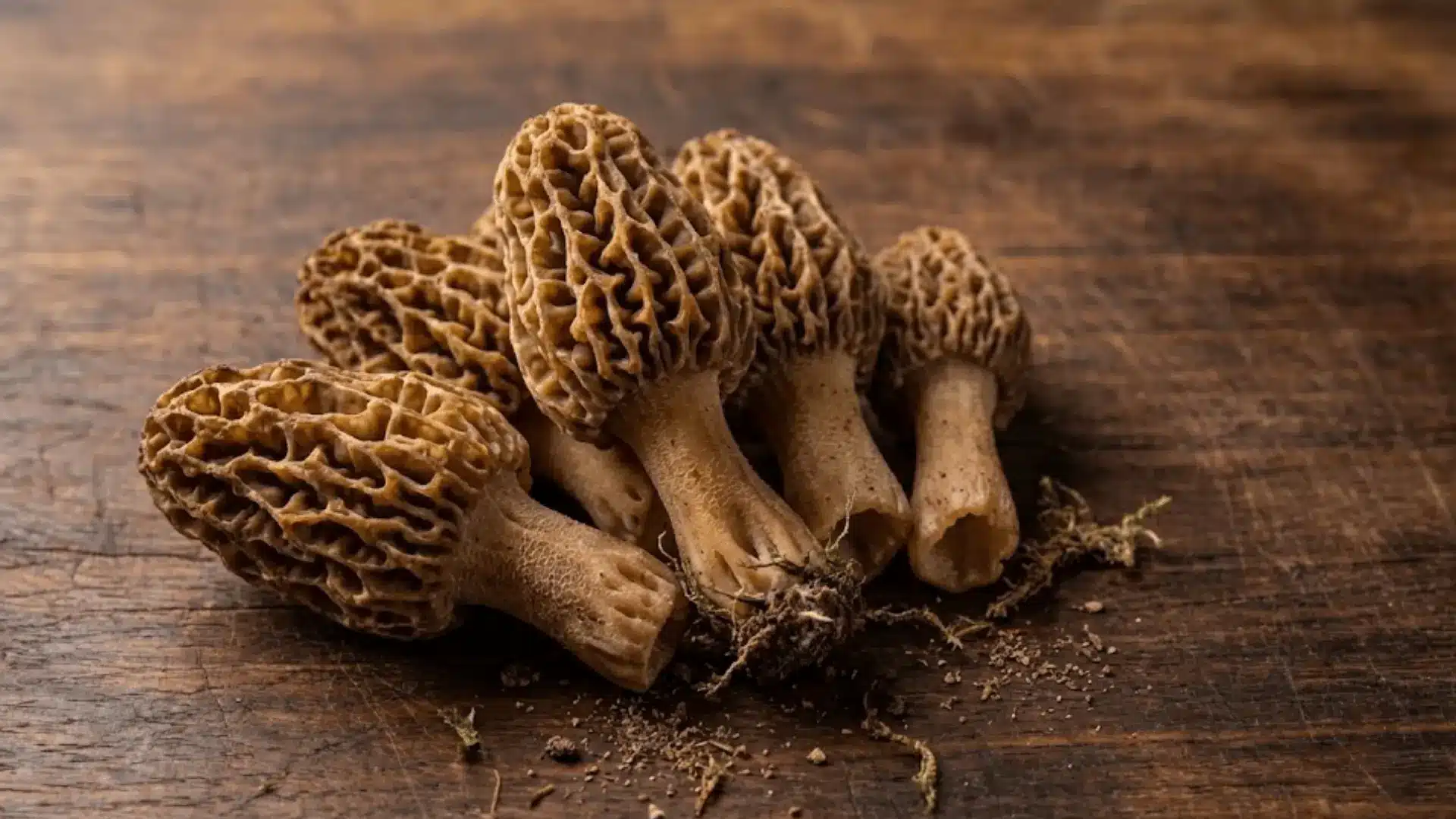
Iron per 100g: Morels sit at the higher end of the iron spectrum among mushrooms, making them one of the more rewarding choices for anyone watching their levels.
Key Supporting Nutrients: Copper, manganese, and B vitamins.
Morels have a rich, earthy depth that makes them genuinely exciting to cook with. They work beautifully sautéed in a little olive oil with garlic, folded into a warm grain bowl, or layered into a creamy pasta.
Because they are more of a seasonal find, dried morels are a great pantry alternative that retains most of their nutritional value.
2. Oyster Mushrooms
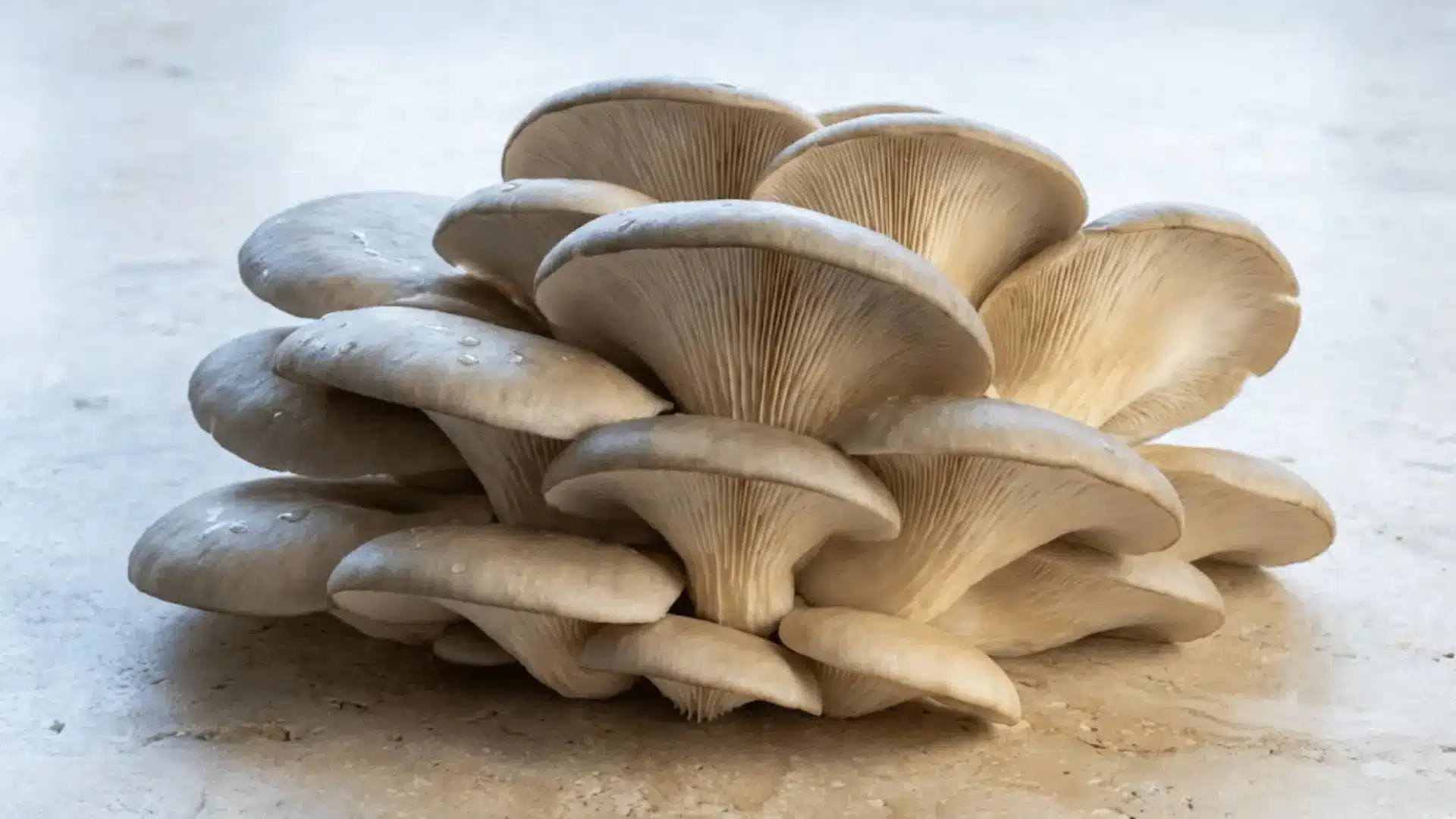
Iron per 100g: Oyster mushrooms offer a moderate iron content, and what they lack in quantity they more than make up for in overall nutritional balance.
Key Supporting Nutrients: Protein, B3, and B5.
Oyster mushrooms have a delicate, slightly savory flavor that adapts well to stir-fries, soups, and even crispy pan-seared preparations.
For anyone building an anemia-friendly diet around plant-based meals, they are an easy and versatile ingredient to lean on regularly.
3. Shiitake Mushrooms
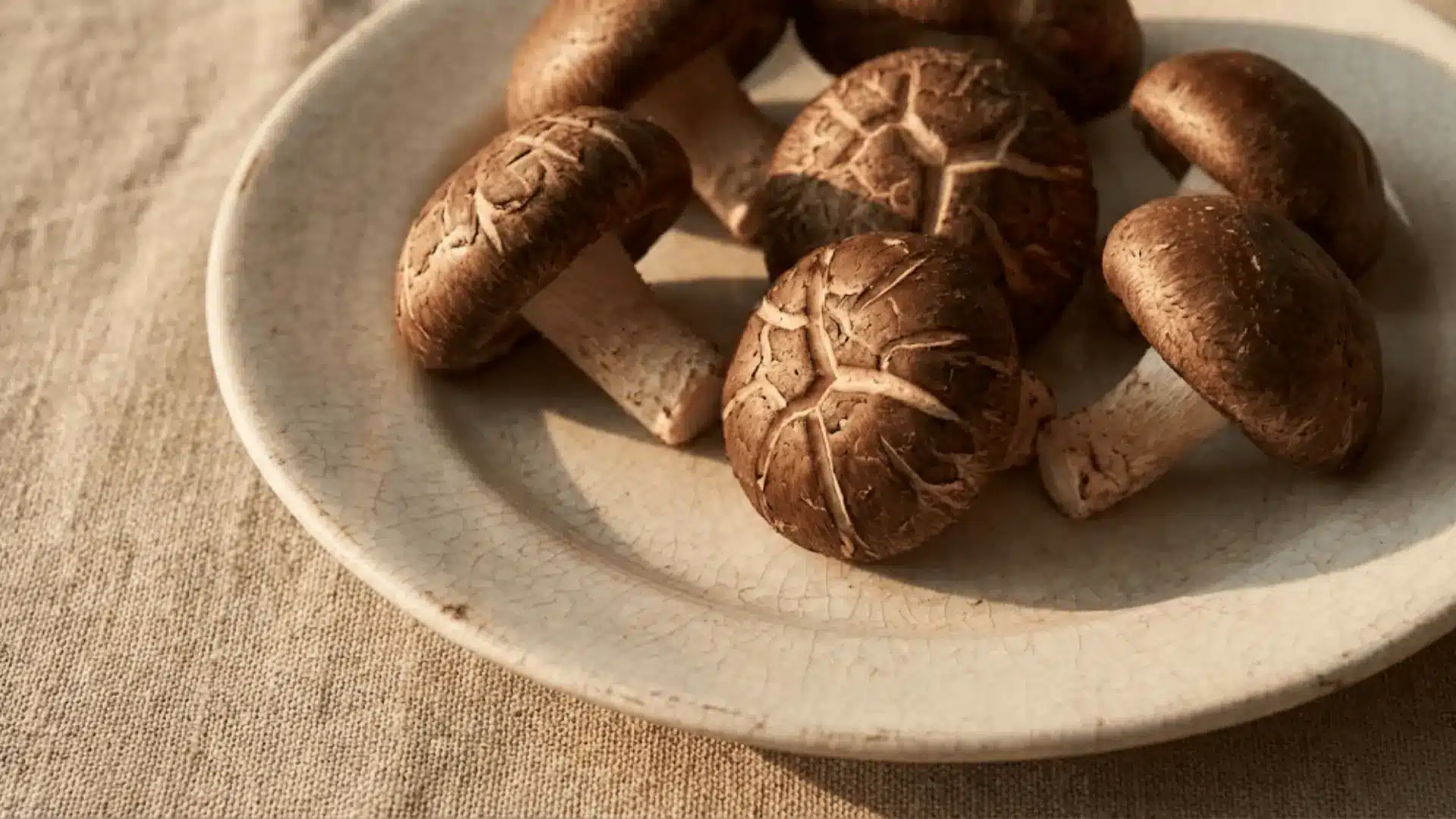
Iron per 100g: Shiitake mushrooms offer a meaningful amount of iron, but their real value lies in how well they support the body’s ability to process and use it.
Key Supporting Nutrients: Copper, lentinan, and B vitamins.
Shiitakes bring a bold, umami-forward flavor that elevates almost any dish they go into. Add them to broths, rice dishes, or noodle soups for both depth of flavor and a quiet nutritional boost that your body will appreciate over time.
And if your interest in fungi goes a little further, the wood ear mushroom is another variety quietly worth knowing about.
4. White Button Mushrooms
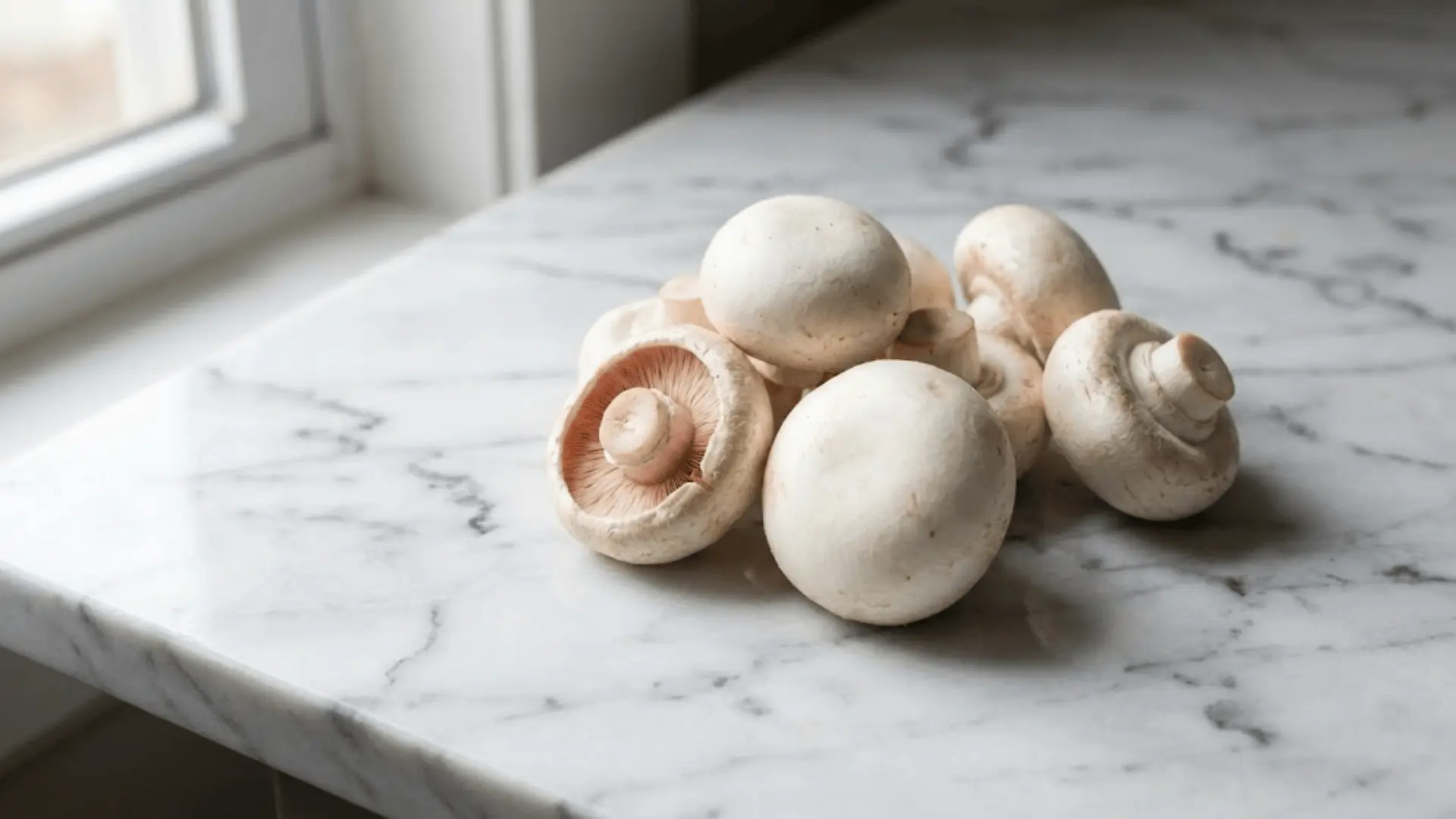
Iron per 100g: White button mushrooms sit on the lower end of iron content, but their accessibility and affordability make them a consistently useful addition to an iron-supportive diet.
Key Supporting Nutrients: Selenium, potassium, and B vitamins.
What white button mushrooms lack in iron density, they make up for in versatility.
They are easy to find year-round, simple to prepare, and blend seamlessly into everyday meals like omelets, pasta sauces, and salads, making them a reliable background player in any anemia-conscious eating plan.
5. Portobello Mushrooms
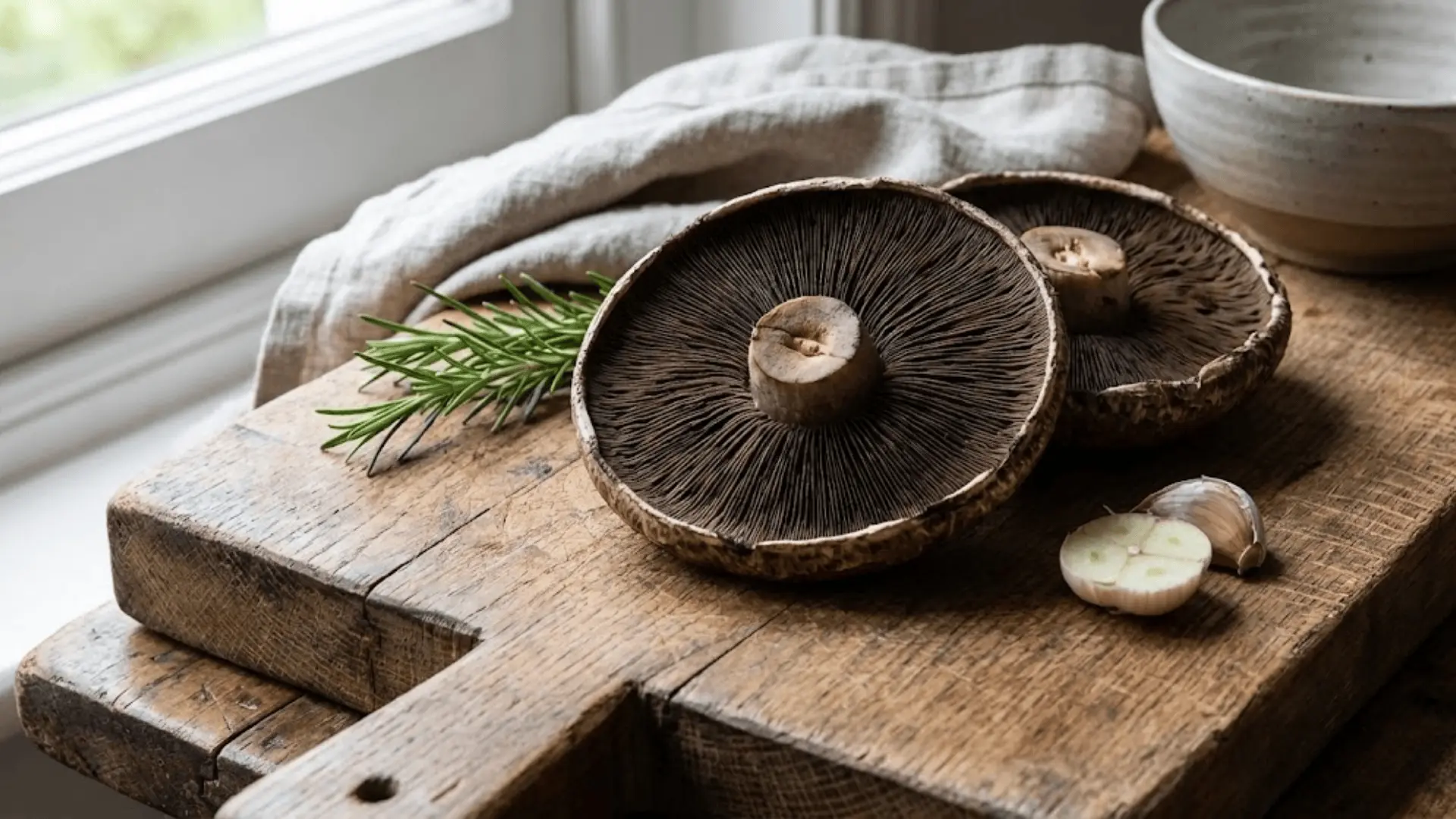
Iron per 100g: Portobellos are a nutrient-dense choice that provides a respectable iron contribution alongside a hearty, satisfying texture that makes meals feel complete.
Key Supporting Nutrients: B vitamins, potassium, and phosphorus.
Portobellos are one of the easiest mushrooms to build a meal around.
Grill them as a base, stuff them with iron-rich fillings like lentils or quinoa, or slice them thick into stews. Their meaty quality makes them especially popular in vegetarian and plant-forward kitchens.
How to Improve Iron Absorption from Mushrooms?
Getting iron from food is only half the equation, as how well your body absorbs it matters just as much.
Pairing mushrooms with vitamin C-rich foods like citrus, strawberries, or bell peppers makes a noticeable difference in absorption.
On the flip side, having tea or coffee alongside an iron-rich meal can actually block uptake, so spacing those out is a small but worthwhile habit.
As for cooking, light sautéing or steaming tends to preserve the most nutrients, keeping your mushrooms both flavorful and as nutritionally intact as possible.
Mushroom Recipes for Anemia Support
Eating for your iron levels does not have to feel clinical or complicated. These simple recipes make it easy and genuinely enjoyable.
- Iron-Rich Mushroom Stir-Fry: Toss shiitake and oyster mushrooms with broccoli, soy sauce, and a squeeze of lemon over high heat for a quick, iron-supportive meal.
- Mushroom and Spinach Skillet: Sauté portobello or button mushrooms with fresh spinach, garlic, and olive oil for a simple, nutrient-dense side or breakfast base.
- Lentil and Mushroom Soup: Simmer morel or shiitake mushrooms with lentils, tomatoes, and warm spices for a deeply nourishing, iron-rich bowl.
- Mushroom and Bell Pepper Salad: Toss lightly cooked mushrooms with roasted bell peppers, greens, and a citrus dressing to naturally boost iron absorption.
Small recipe swaps, made consistently, are often where the quiet, lasting changes begin.
Mushrooms vs. Other Iron Sources
Mushrooms are a valuable piece of the puzzle, but understanding how they compare to other iron sources helps you build a more complete and balanced plate.
| Food | Iron Type | Iron Content | Pros | Limitations |
|---|---|---|---|---|
| Mushrooms | Non-heme | Low to moderate | Versatile, plant-based | Lower absorption without vitamin C |
| Spinach | Non-heme | Moderate | Nutrient-dense | Oxalates inhibit absorption |
| Lentils | Non-heme | High | Protein-rich, affordable | Needs proper prep for absorption |
| Red Meat | Heme | High | Highest bioavailability | High in saturated fat |
Who Should Be Cautious?
Mushrooms are a wonderful addition to a balanced diet, but they are not a replacement for medical care in every situation.
If you are specifically considering medicinal varieties, understanding lion’s mane side effects before committing to a routine is a grounded place to start. A few groups should be especially mindful.
- Severe Anemia Cases: Dietary iron alone is rarely sufficient when levels are critically low, and medical treatment should take priority.
- Pregnant Women: Iron requirements rise significantly during pregnancy, and diet alone may not meet the increased demand.
- People Needing Supplements: Mushrooms and iron-rich foods complement prescribed supplements but should never replace them.
When to See a Doctor? Persistent fatigue, dizziness, or breathlessness calls for a proper diagnosis rather than a dietary adjustment alone.
Wrapping Up
Managing anemia works best when small, consistent choices stack up over time.
Adding the best mushrooms for anemia to your meals is a gentle, nourishing step in the right direction, one that supports your body without overwhelming it.
Paired with the right foods and a little medical guidance where needed, mushrooms can genuinely be part of how you feel better, steadily and sustainably.
Here’s to eating with a little more intention.
Which mushroom are you most excited to add to your plate? Drop it in the comments below!