
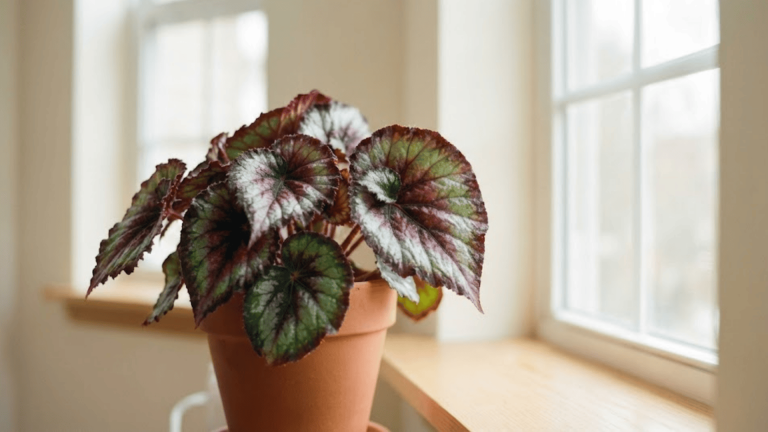
There’s something utterly mesmerizing about Begonia Rex: those swirling patterns, the jewel-toned leaves that look hand-painted by nature herself.
It’s the kind of plant that makes you stop and stare, the botanical equivalent of a work of art sitting on your windowsill.
But here’s the thing: Rex begonias have earned a reputation for being a bit particular, maybe even temperamental. The truth? They’re not as fussy as you might think.
Once you understand what makes them tick, caring for these beauties becomes second nature.
Let’s uncover everything you need to know about begonia rex care, from creating the perfect environment to troubleshooting those little hiccups along the way.
What is a Rex Begonia?
Rex Begonias are rhizomatous perennials grown primarily for their stunning foliage rather than their flowers.
Native to tropical regions, these plants belong to the Begoniaceae family and are prized for their large, asymmetrical leaves adorned with intricate patterns in shades of silver, purple, pink, red, and green.
While they do bloom occasionally, the tiny flowers pale in comparison to the dramatic foliage that steals the show.
Popular varieties include Escargot with its spiral leaf pattern, Fireworks featuring striking silver streaks, and Painted Palms known for its dark, almost black leaves with rosy highlights.
Each variety brings its own unique personality to your plant collection.
Light Requirements for Rex Begonia

Rex Begonias have a bit of a Goldilocks relationship with light: not too much, not too little, but just right.
Getting their light conditions spot on is honestly one of the biggest factors in keeping those gorgeous leaves vibrant and healthy. Too much sun and they’ll scorch, too little and they’ll lose their luster.
Understanding what your Rex needs will set you up for success from the start.
What Light Does Rex Begonia Need?
Bright, indirect light is the sweet spot for Rex Begonias. Think of the dappled sunlight filtering through a forest canopy in their native habitat.
East or north-facing windows work beautifully, offering gentle morning light or consistent brightness without harsh rays. A few feet back from a south or west-facing window also works well.
While they can tolerate lower light conditions, their foliage won’t be as vibrant, and growth will slow considerably. Avoid direct afternoon sun, which can quickly damage those delicate leaves.
Signs Your Rex Begonia Has Light Issues
A quick intro before the table: Your plant will tell you when something’s off with its lighting.
Watch for these telltale signs:
| Too Much Light | Too Little Light |
|---|---|
| Brown, crispy leaf edges | Leggy, stretched growth |
| Faded or washed-out colors | Loss of vibrant leaf patterns |
| Scorched patches on leaves | Smaller, pale new leaves |
| Leaves curling inward | Slow or stunted growth |
Watering Rex Begonia the Right Way
Watering Rex Begonias is all about finding that perfect balance. These plants like their soil consistently moist but never waterlogged.
The good news? Once you establish a rhythm and learn to read your plant’s signals, watering becomes intuitive and straightforward.
How Often Should You Water Rex Begonia?
Water when the top inch of soil feels dry to the touch. This typically means watering every few days during warmer months and less frequently in winter when growth slows.
Stick your finger into the soil as your best moisture meter. Rex Begonias prefer consistent moisture, so the soil should feel like a wrung-out sponge: damp but not saturated.
Always water thoroughly until it drains from the bottom, then discard excess water from the saucer to prevent root rot.
Best Water Quality for Rex Begonia
Water quality matters more than you might think for these sensitive plants. Here’s how to give your Rex the best hydration:
- Use room-temperature water to avoid shocking the roots with cold temperatures.
- Let tap water sit overnight to allow chlorine to evaporate.
- Filtered or distilled water works beautifully if your tap water is heavily treated.
- Rainwater is ideal and mimics their natural tropical environment.
- Avoid softened water, which contains salts that can build up in soil.
Best Soil for Begonia Rex
Rex Begonias need light, airy, and fast-draining soil that retains some moisture without becoming waterlogged. Their delicate root systems thrive in loose mixes that allow oxygen to circulate freely.
Compact, heavy soil is their nemesis, creating anaerobic conditions that lead to root rot and fungal issues.
Proper drainage holes are absolutely essential to let excess water escape and prevent your plant from sitting in soggy conditions.
| Soil Component | Purpose |
|---|---|
| Peat moss or coco coir | Retains moisture while staying light |
| Perlite or pumice | Improves drainage and aeration |
| Potting soil | Provides base nutrients |
| Orchid bark (optional) | Adds chunky texture for airflow |
DIY Rex Begonia Soil Recipe
Creating the perfect soil mix at home is simple and gives you complete control over what your plant grows in:
- Step 1: Combine two parts quality potting soil as your base.
- Step 2: Add one part perlite or pumice for drainage.
- Step 3: Mix in one part peat moss or coco coir for moisture retention.
- Step 4: Incorporate half of the orchid bark for extra aeration.
- Step 5: Blend thoroughly until all components are evenly distributed.
Note: Always ensure your pot has drainage holes. Even the best soil mix can’t save a plant sitting in trapped water at the bottom of a pot.
Temperature and Humidity Requirements for Rex Begonia
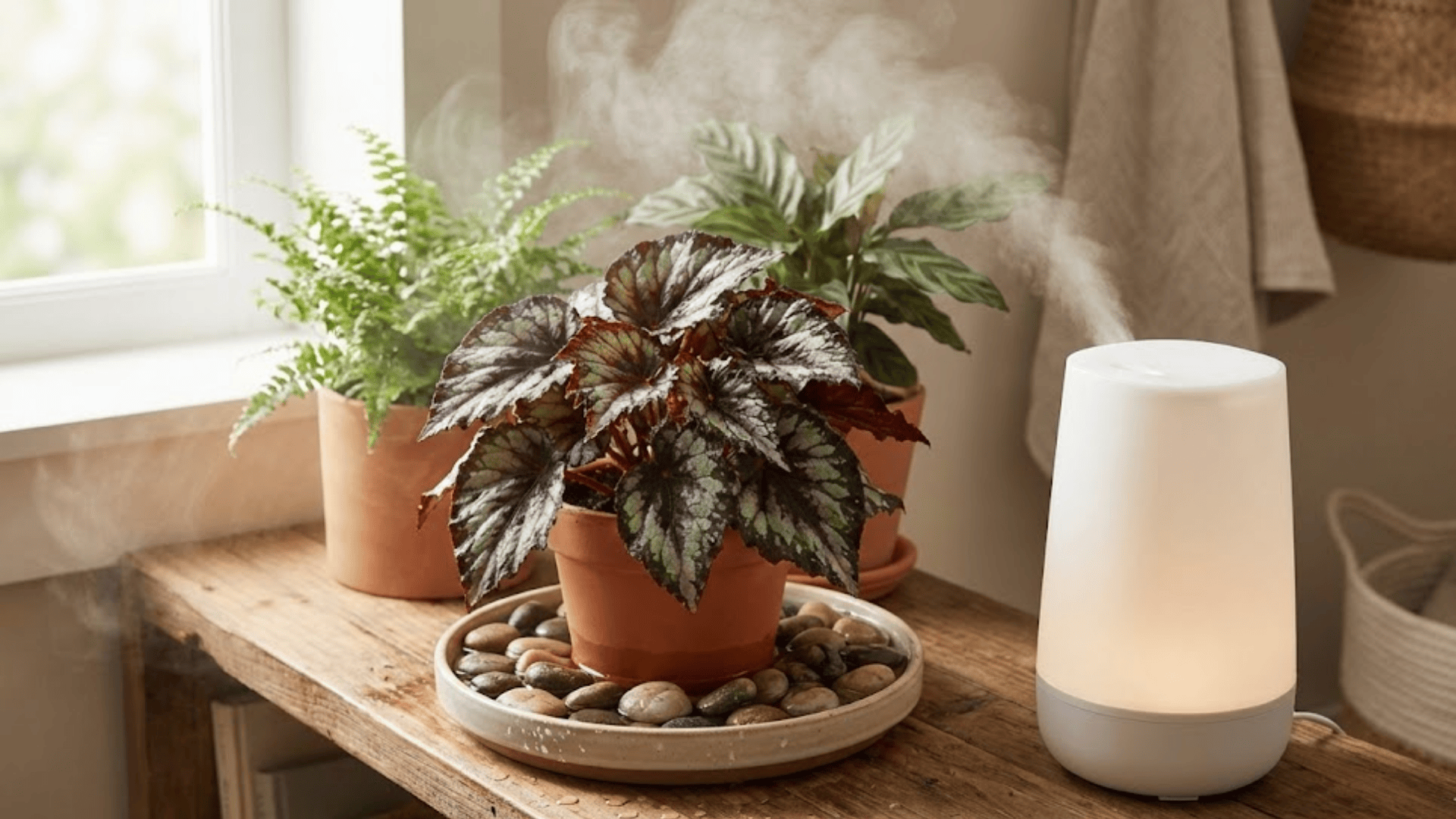
Rex Begonias are tropical souls at heart, thriving in warm temperatures between 60-75°F and craving humidity levels around 50-60%. They’re not fans of cold drafts, sudden temperature swings, or dry air from heating vents.
In winter, keep them away from chilly windows and maintain consistent warmth.
While humidity is crucial for keeping those leaves looking pristine, avoid misting directly on the foliage, as water droplets can cause spotting and invite fungal problems on their textured surfaces.
How to Increase Humidity for Rex Begonia?
Boosting humidity doesn’t require fancy equipment.
- Place your Rex on a pebble tray filled with water, ensuring the pot sits above the waterline.
- Group plants together to create a micro-humid environment.
- Run a humidifier nearby for consistent moisture.
Alternatively, keep your begonia in naturally humid rooms like bathrooms or kitchens with bright, indirect light. These methods raise ambient humidity without risking water damage to those gorgeous leaves.
Fertilizing Rex Begonia
Feeding your Rex Begonia properly keeps those stunning leaves vibrant and supports healthy growth throughout the season. These plants aren’t heavy feeders, so less is definitely more when it comes to fertilization.
Diluted, balanced nutrition during the growing season is all they need. Overfertilizing causes more harm than skipping a feeding or two, so it’s better to err on the side of caution.
Best Fertilizer for Rex Begonia
The right fertilizer provides gentle, consistent nutrition without overwhelming your plant’s delicate root system:
| Fertilizer Type | Why It Works |
|---|---|
| Balanced liquid fertilizer (10-10-10 or 20-20-20) | Provides equal nutrients for foliage health |
| Diluted to half or quarter strength | Prevents root burn and salt buildup |
| Water-soluble formula | Easy to apply and absorbs quickly |
| Organic options (fish emulsion, worm castings) | Gentle, slow-release nutrition |
Feeding Schedule: Apply diluted fertilizer every 2-4 weeks during spring and summer when your Rex is actively growing. Stop fertilizing in fall and winter when growth naturally slows.
Signs of Over-Fertilization in Rex Begonia
Your plant will signal when it’s getting too much of a good thing. Watch for these warning signs:
- Brown, crispy leaf tips and edges from salt accumulation
- White crusty buildup on the soil surface
- Wilting despite adequate watering
- Stunted or distorted new growth
- Leaves are losing their vibrant patterns and appearing dull
Pruning and Maintenance Tips for Rex Begonia
Regular maintenance keeps your Rex Begonia looking lush and healthy while preventing common issues.
Pruning encourages fuller growth and removes problem areas before they spread. Cleaning those gorgeous leaves helps them photosynthesize efficiently and lets you admire their patterns in all their glory.
With gentle handling and the right techniques, maintenance becomes a rewarding part of your plant care routine.
How to Prune and Maintain Rex Begonia?
Keeping your Rex in top shape involves a few simple but important practices:
- Prune leggy growth by cutting just above a leaf node with clean, sharp scissors to encourage branching.
- Remove damaged leaves at the base where they meet the stem to redirect energy toward healthy foliage.
- Snip off browning or old leaves promptly to maintain appearance and prevent pest issues.
- Dust leaves gently with a soft, dry brush to remove debris without damaging the delicate surface.
- Wipe carefully with a barely damp cloth if needed, avoiding leaf shine products that clog pores.
- Focus pruning during spring and summer when your plant actively grows and recovers quickly.
Common Rex Begonia Problems & Solutions

Rex Begonias are generally resilient, but they’ll let you know when something’s off. The good news? Most problems are easy to fix once you identify the cause.
Here’s how to troubleshoot the most common issues and get your plant back to thriving.
1. Leaves Curling on Rex Begonia
Causes: Low humidity and underwatering are the usual culprits behind curling leaves. Dry air pulls moisture from the foliage faster than the roots can replace it.
Check the soil moisture first. If it’s dry beyond the top inch, water thoroughly. Boost humidity immediately with a pebble tray or humidifier. Move your plant away from heating vents or drafty areas.
Within a few days of consistent moisture and higher humidity, new growth should unfurl properly, though already-curled leaves may not fully recover.
2. Brown Leaf Edges on Rex Begonia
Causes: Dry air is the primary reason for crispy brown edges, but salt buildup from over-fertilizing and inconsistent watering patterns also contributes to this frustrating issue.
Increase ambient humidity to at least 50%. Water consistently when the top inch of soil dries, avoiding the wet-dry-wet cycle. Flush the soil occasionally with room-temperature water to remove accumulated salts.
Cut back on fertilizer frequency and always dilute to half strength. Trim brown edges with clean scissors if desired, though it’s purely cosmetic and won’t harm the plant.
3. Fading or Dull Leaf Color on Rex Begonia
Causes: Insufficient light is the most common reason Rex Begonias lose their vibrant patterns. Nutrient deficiency can also cause leaves to appear washed out and lackluster.
Move your plant to a brighter location with indirect light, ideally near an east or north-facing window. Resume feeding with diluted balanced fertilizer every few weeks during the growing season if you’ve skipped fertilizing.
New leaves should emerge with richer colors and more defined patterns within a month. Older leaves may not regain their vibrancy, but fresh growth will shine.
4. Yellowing Leaves on Rex Begonia
Causes: Overwatering is the leading cause of widespread yellowing, though a few lower leaves turning yellow naturally as the plant ages is completely normal and no cause for concern.
If multiple leaves are yellowing rapidly, check the roots by gently removing the plant from its pot. Healthy roots are white or light tan; mushy, dark, or smelly roots indicate overwatering.
Reduce watering frequency and ensure proper drainage. If only the oldest, lowest leaves yellow occasionally, simply remove them. This is natural turnover, not a problem.
5. Root Rot in Rex Begonia
Causes: Overwatering combined with poor drainage creates waterlogged soil where harmful fungi thrive, attacking the roots and eventually killing the plant if left untreated.
Symptoms include yellowing leaves, wilting despite wet soil, and a foul smell from the pot. To rescue your Rex, unpot it immediately and inspect the roots.
Trim away all brown, mushy roots with sterile scissors, keeping only firm, healthy tissue. Repot in fresh, well-draining soil in a clean pot with drainage holes. Water sparingly until new growth appears, signaling recovery.
Common Pests Affecting Rex Begonia
Even with perfect care, pests can occasionally find their way to your Rex Begonia. The good news is that catching them early makes treatment straightforward.
Here are the most common culprits and what to watch for:
| Pest | Signs of Infestation | Where to Look |
|---|---|---|
| Spider mites | Fine webbing between leaves, tiny moving dots, stippled or yellowing foliage | Leaf undersides and new growth |
| Mealybugs | White cottony clusters, sticky residue on leaves | Leaf joints, stems, and crevices |
| Fungus gnats | Small flying insects around soil, larvae in potting mix | Soil surface and around the pot |
Safe Treatment Options for Rex Begonia Pests
Combat pests without harsh chemicals using these indoor-friendly methods:
- Isolate the affected plant immediately to prevent pests from spreading to other houseplants.
- Wipe leaves with diluted neem oil or insecticidal soap, focusing on undersides where pests hide.
- Use rubbing alcohol on a cotton swab to remove individual mealybugs from tight spaces.
- Allow soil to dry between waterings to eliminate fungus gnat breeding grounds and apply yellow sticky traps.
- Repeat treatments weekly for several weeks to break the pest lifecycle completely.
Repotting Your Rex Begonia
Rex Begonias appreciate being slightly rootbound and don’t need frequent repotting. Repot every 18-24 months or when roots emerge from drainage holes, typically in spring when active growth resumes.
Choose a pot only one size larger than the current one, as oversized containers hold excess moisture that leads to root rot. Fresh soil and proper timing make all the difference in helping your plant settle into its new home happily.
Step-by-step repotting process:
- Step 1: Water your Rex a day before repotting to reduce transplant shock and make removal easier.
- Step 2: Gently remove the plant from its current pot, supporting the base and loosening roots carefully.
- Step 3: Inspect roots and trim any brown, mushy, or damaged sections with clean scissors.
- Step 4: Add fresh, well-draining soil mix to the new pot, filling about one-third of the way.
- Step 5: Position your Rex at the same depth it was growing before, then fill around with soil.
- Step 6: Water lightly and place in bright, indirect light away from direct sun for a week.
After repotting, your Rex may look a bit sulky for a few days while it adjusts. This is completely normal. Hold off on fertilizing for at least a month to let the roots settle into their new environment without added stress.
Propagating Rex Begonia
Rex Begonias are surprisingly easy to propagate, giving you more of those stunning leaves to enjoy or share.
The most rewarding method is leaf cuttings: simply cut a healthy leaf with its stem attached, dip the cut end in rooting hormone, and nestle it into moist soil or place it in water. Within a few weeks, tiny roots will begin to form.
If you’re repotting, rhizome division works beautifully, too. Gently separate sections of the rhizome, making sure each piece has roots and at least one growth point.
Avoid overwatering your cuttings, skip damaged leaves, and keep propagations out of direct sunlight. Warmth, humidity, and patience are your best friends here.
Growing Rex Begonia Indoors vs. Outdoors
Rex Begonias are primarily indoor plants, but they can enjoy time outdoors during warmer months if conditions are right. They thrive outdoors in USDA zones 10-11 or as seasonal guests in cooler climates.
Understanding the differences in care helps you give your Rex the best of both worlds while protecting those delicate leaves from harsh outdoor elements.
| Care Aspect | Indoor Care | Outdoor Care |
|---|---|---|
| Light | Bright, indirect light from east or north windows | Dappled shade under trees or covered patios, never direct sun |
| Temperature | Consistent 60-75°F year-round | Only when nighttime temps stay above 55°F |
| Humidity | Maintain with humidifiers or pebble trays | Natural outdoor humidity often sufficient |
| Watering | Check the soil every few days | May need daily watering in hot, dry weather |
| Transition | Stable environment preferred | Gradually acclimate over 7-10 days when moving in or out |
| Pest risk | Lower with proper care | Higher exposure to insects and slugs |
| Best seasons | Year-round | Late spring through early fall only |
When bringing outdoor Rex Begonias inside for winter, inspect carefully for pests, rinse foliage gently, and place in quarantine for a week before rejoining your indoor collection.
The Bottom Line
Mastering begonia rex care is all about understanding what these beauties crave: bright filtered light, consistent moisture, and that tropical humidity they adore.
Once you find the rhythm, caring for them becomes less about following rules and more about enjoying the relationship. Those jewel-toned leaves are worth every bit of attention, converting any space into something special.
Troubleshooting brown edges or watching new growth unfurl brings you closer to becoming a confident Rex parent with each passing day.
Your plant will reward your efforts with those mesmerizing patterns and colors that make them so irresistible.
Have questions or tips of your own? Drop a comment below and let’s keep the conversation growing.