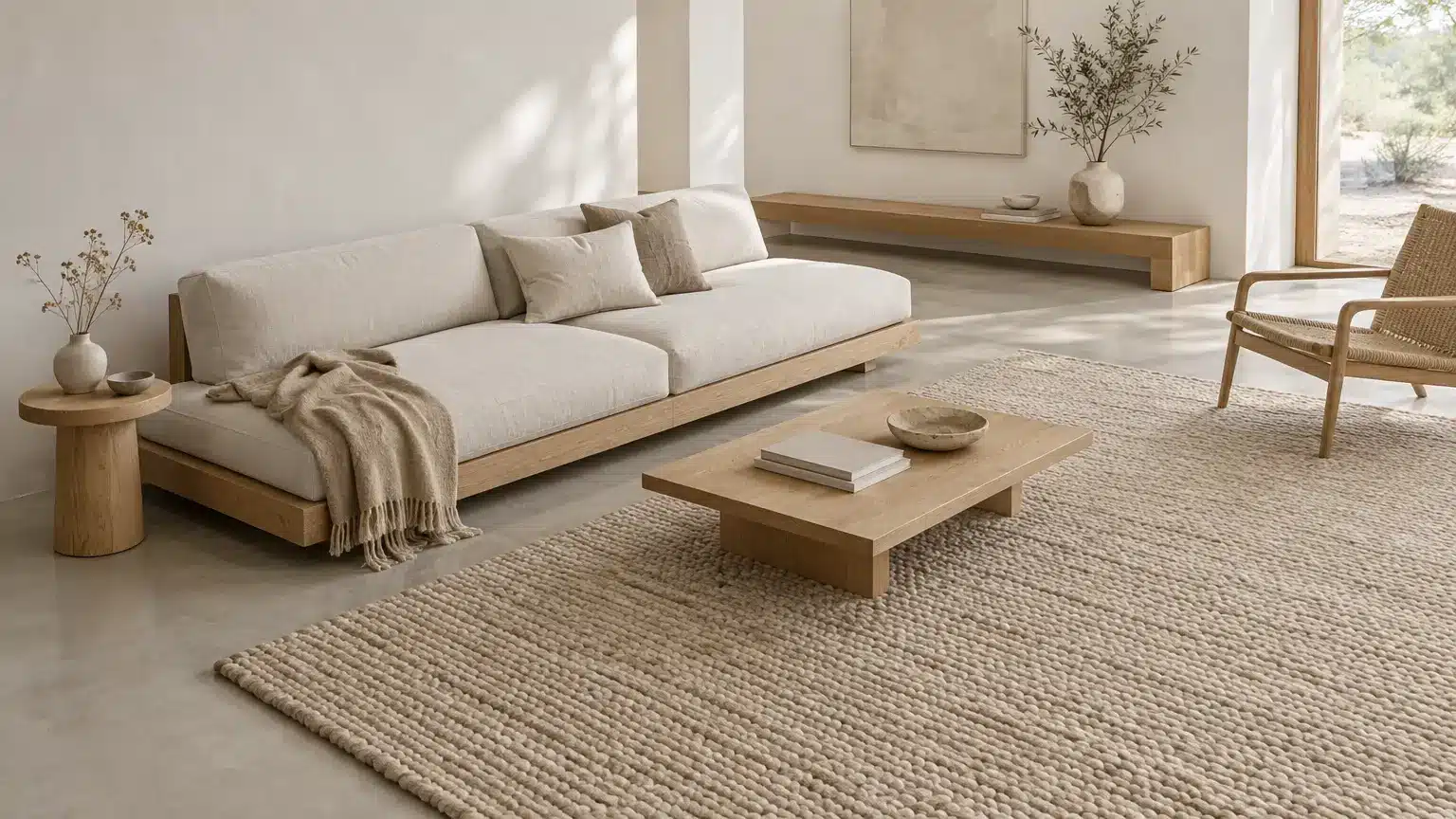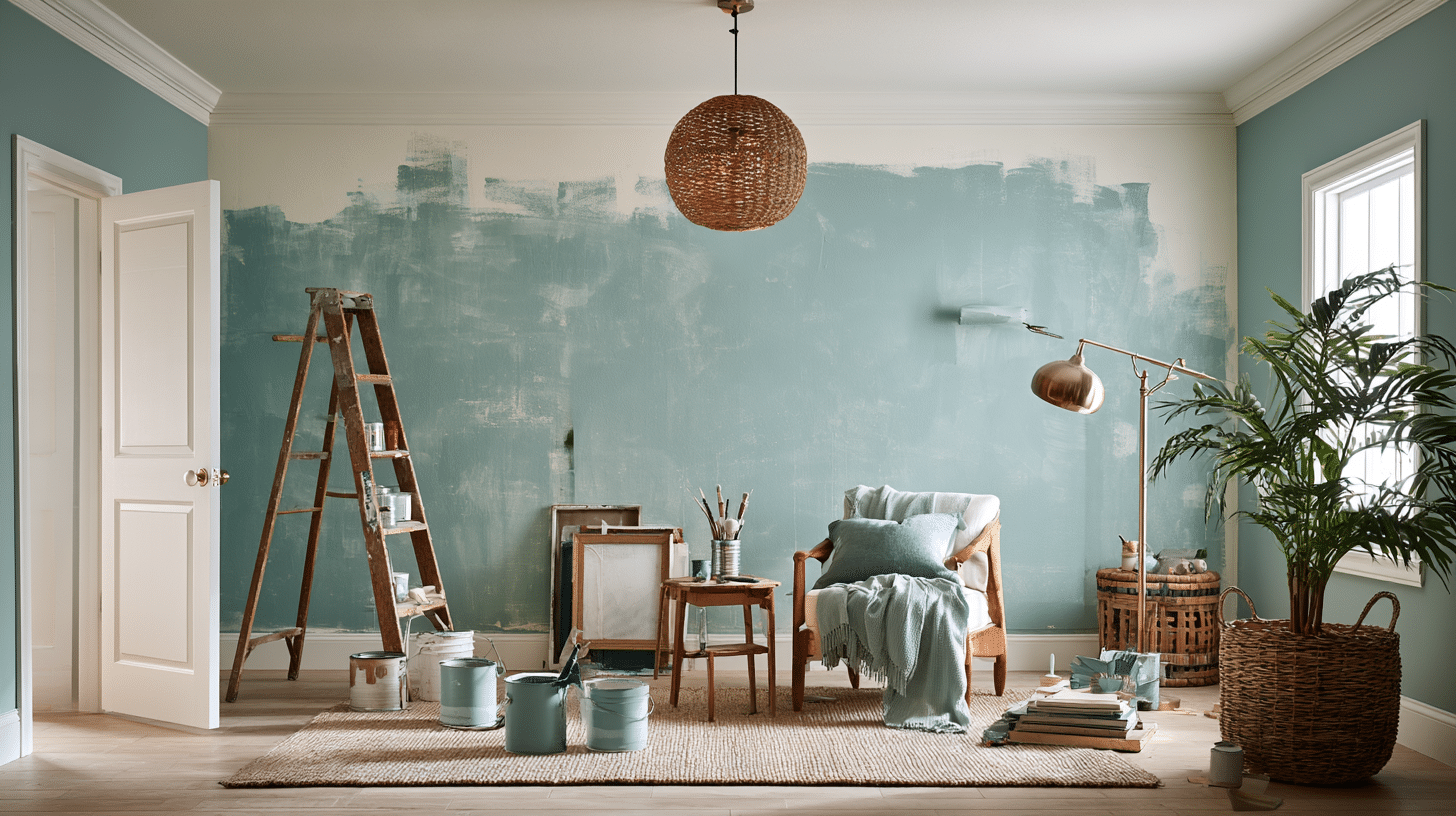
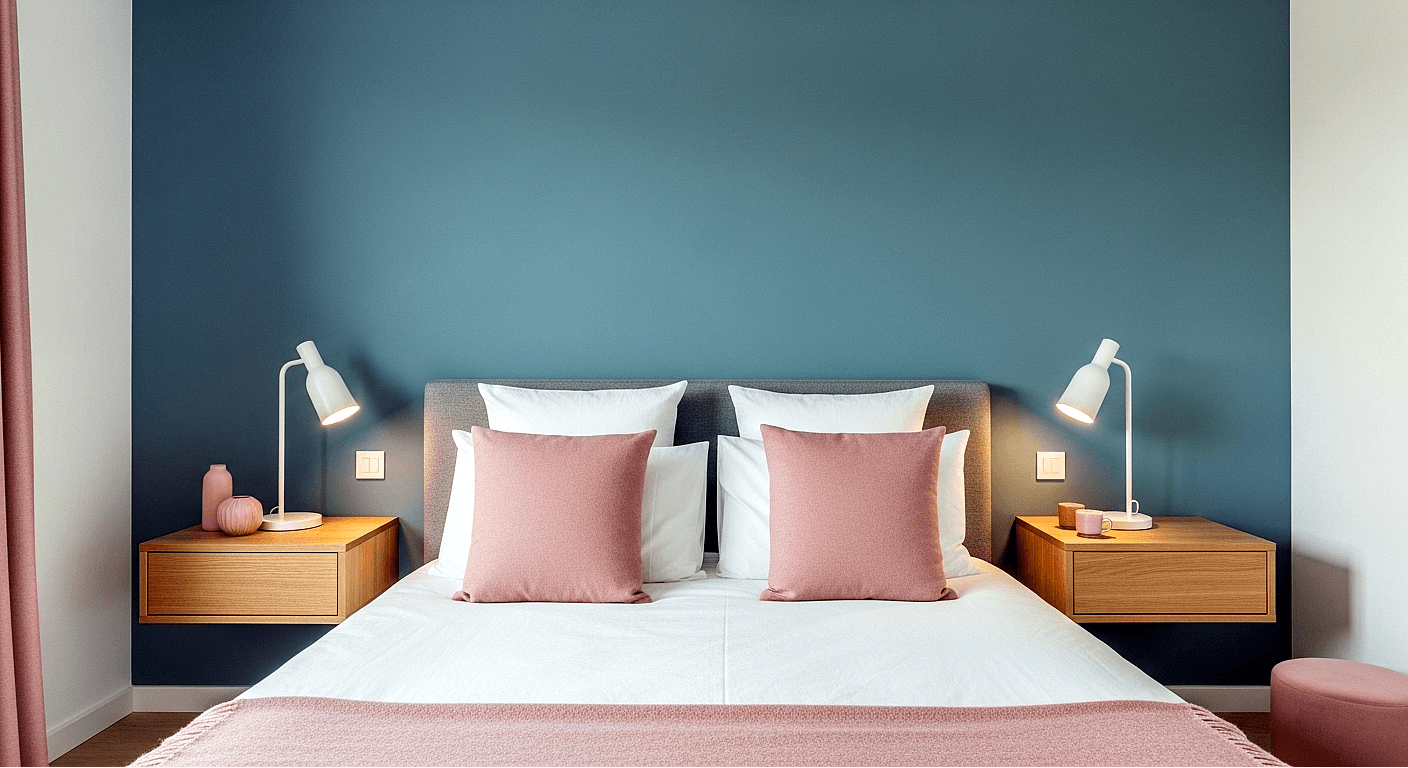
Why are earthy neutrals like warm terracotta and soft moss green capturing so much attention? They’re creating soothing foundations that instantly make your space feel more grounding. Rich burgundy and majestic plum shades are redefining what luxury looks like in the bedroom, whilst blue emerges as the dominant colour story – from icy cool tones that refresh to inky depths that cocoon.
But here’s what’s really getting designers excited: tactile materials on textiles and furniture that add proper depth to your space. These modern bedroom styles aren’t about playing it safe – they blend bold colour choices with grounding elements that actually work.
Ready to discover what’s really happening in bedroom design right now? We’ll guide you through the latest trends designers are implementing, from the colour palettes they’re specifying to the textures they’re layering, plus the furniture choices and finishing details that make all the difference.
Colour Palettes Designers Are Using Now
Gone are the days of sterile whites and cool greys dominating your bedroom. Colour choices have shifted dramatically, and designers now favour palettes that wrap your room in warmth and sophistication. The goal? Creating spaces that feel genuinely personal rather than staged for a magazine shoot.
Earthy Neutrals and Warm Tones
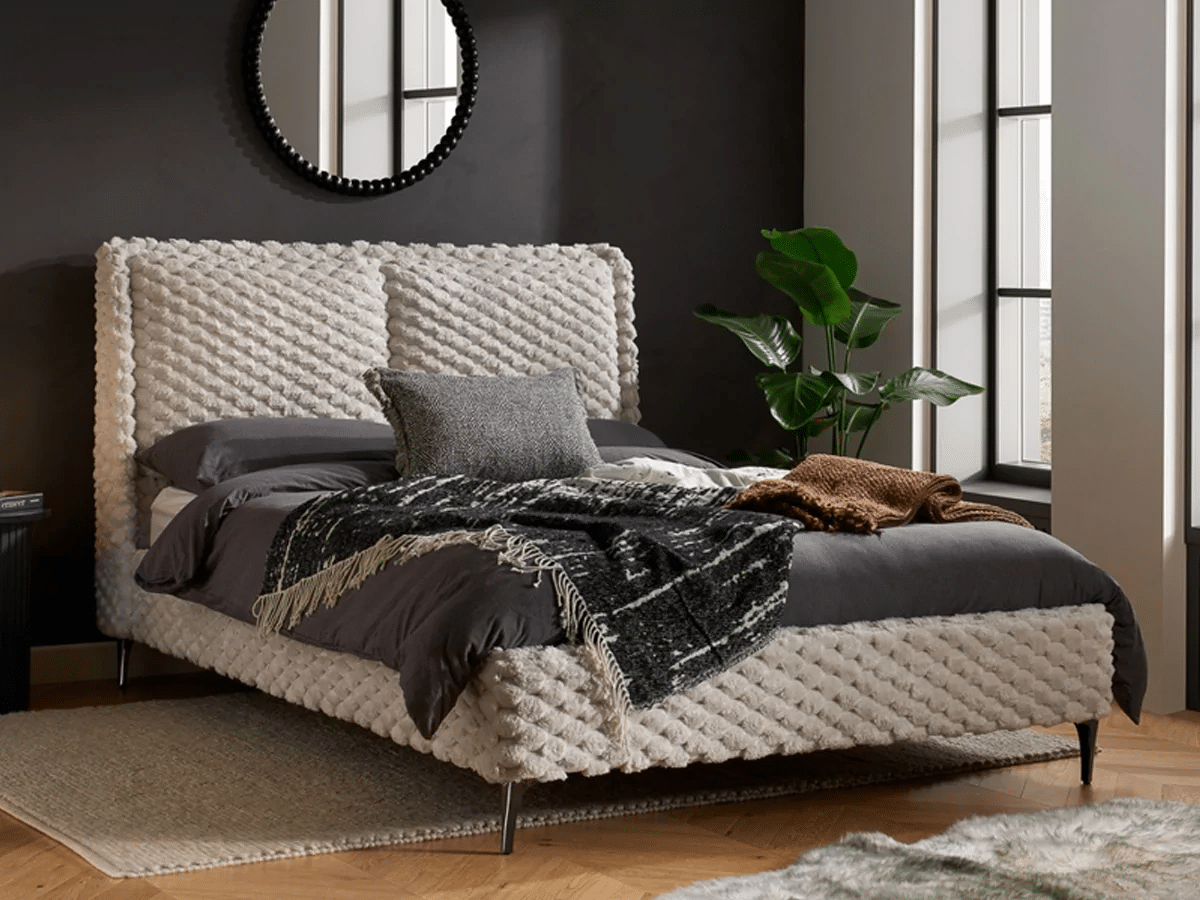
Warm neutrals are having their moment in current bedroom styles, with taupe leading the movement. Don’t think basic beige though – browns have evolved into something much more sophisticated. Designers are specifying deeper clay tones and brown-based neutrals that feel modern yet completely grounded.
These shades work brilliantly as versatile foundations. Pair them with crisp whites for clean, fresh aesthetics or add black hardware for extra depth and drama.
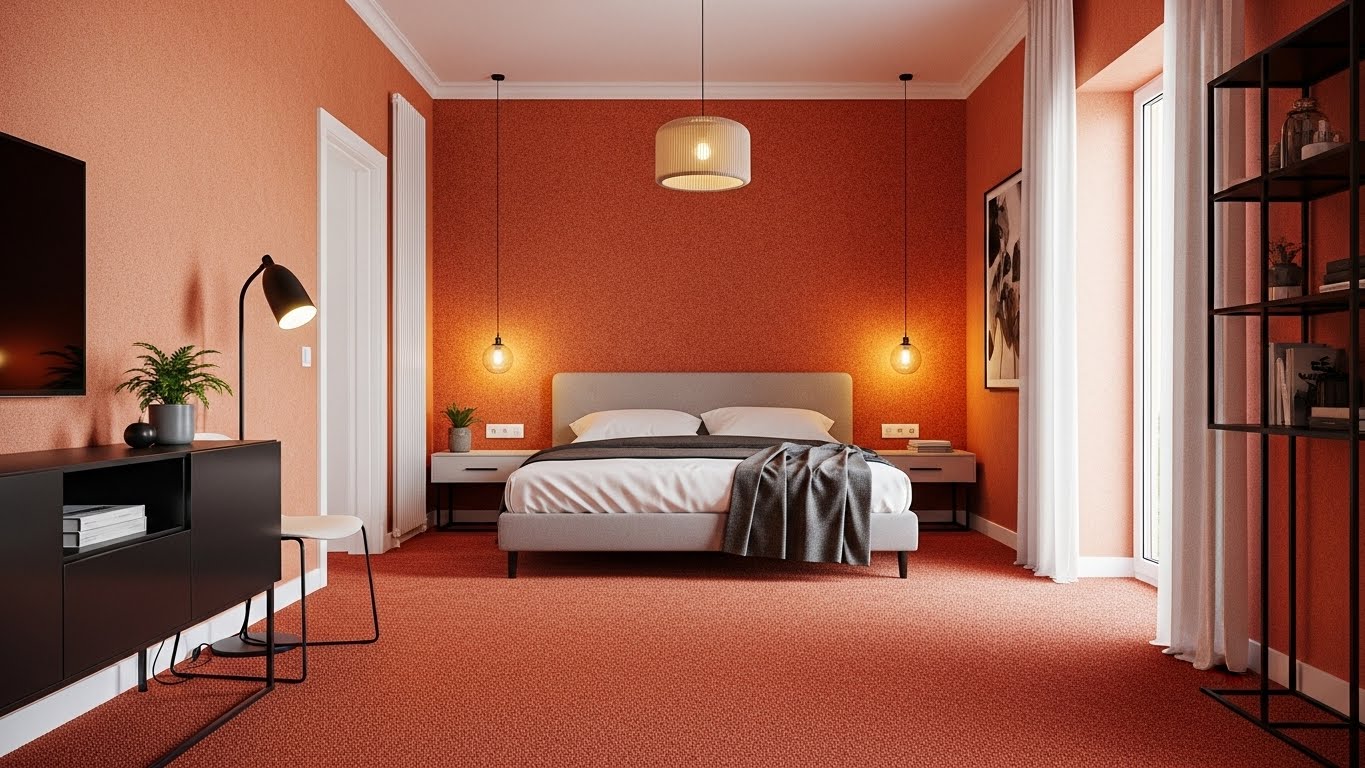
Terracotta deserves special mention here. This Mediterranean-inspired hue brings such warmth to bedrooms, whether you choose intense brick tones or softer, faded shades. Combine terracotta with sage green and you’ll create one of those perfectly balanced, cocooning environments that just feels right. Sandy beiges work as ideal canvases for layering your textures and patterns, whilst moka browns ride the wave from Pantone’s 2025 Colour of the Year, Moka Mousse.
What makes these earthy hues so appealing? It’s all about their grounding quality. These colours contain brown pigment, which explains their beautifully muted appearance and natural ability to create intimate atmospheres. Designers describe them as earthy yet refined enough to feel distinctly modern.
Rich Burgundy and Deep Plum Shades
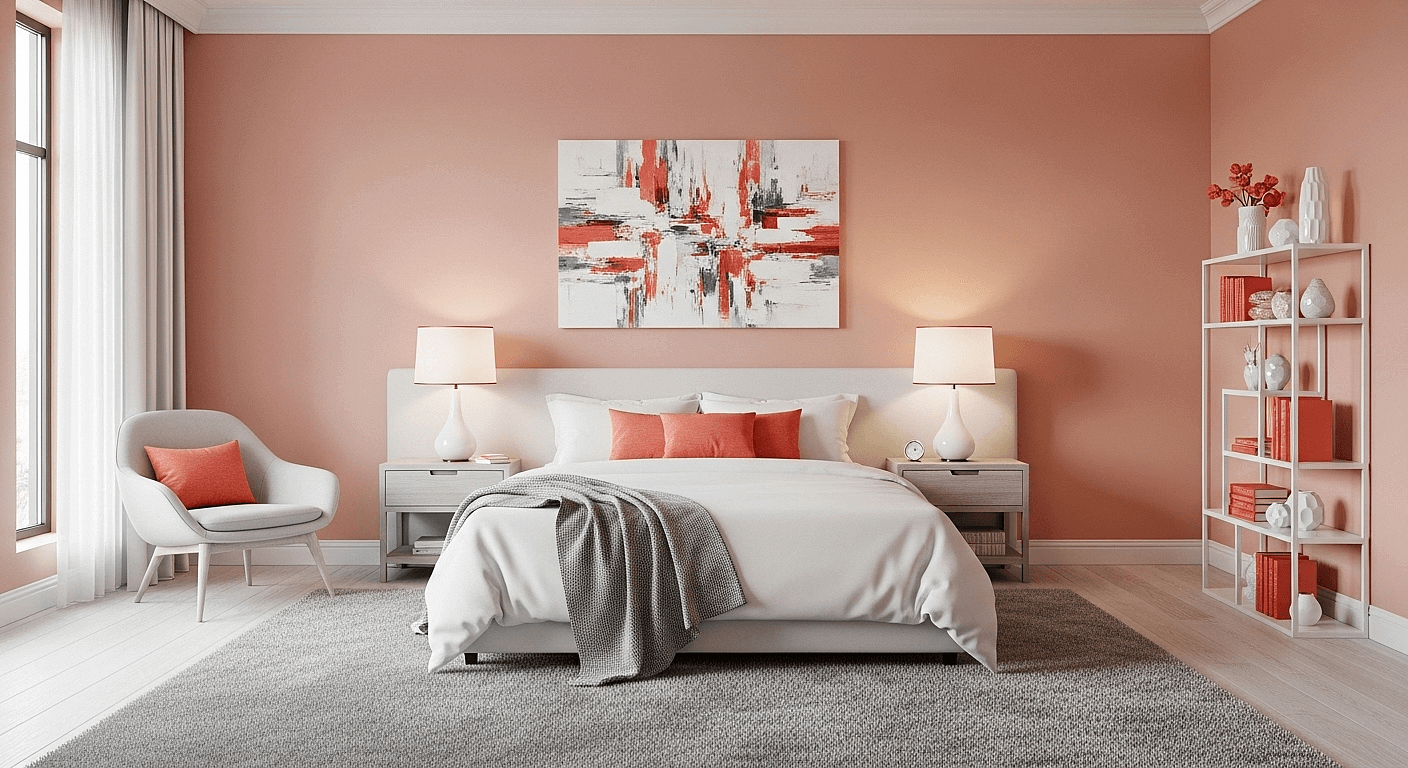
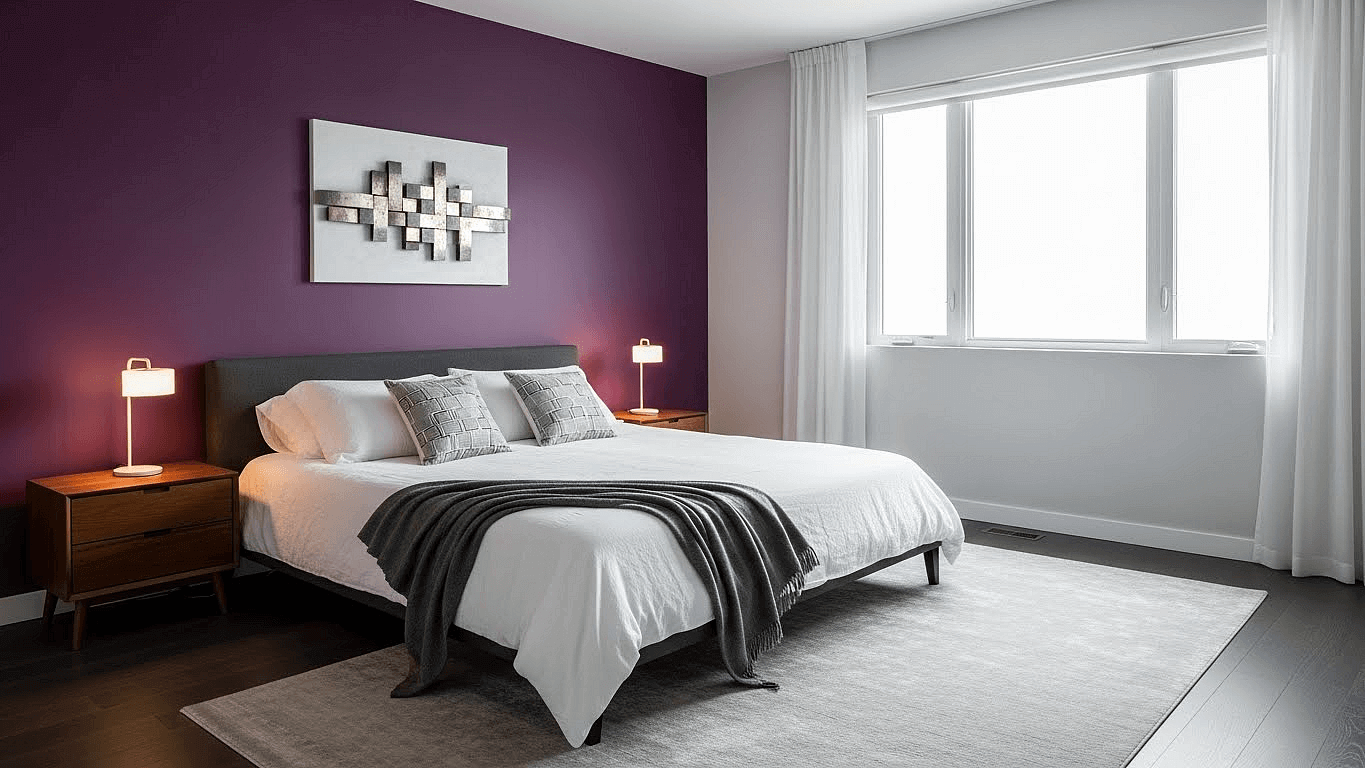
Here’s a surprise contender that’s making waves in modern bedroom styles: deep plum. This rich shade, along with burgundy, offers you colourful alternatives that still maintain those all-important calming properties. Burgundy delivers proper drama without feeling heavy, providing a cocooning luxury that feels intentional rather than overwhelming.
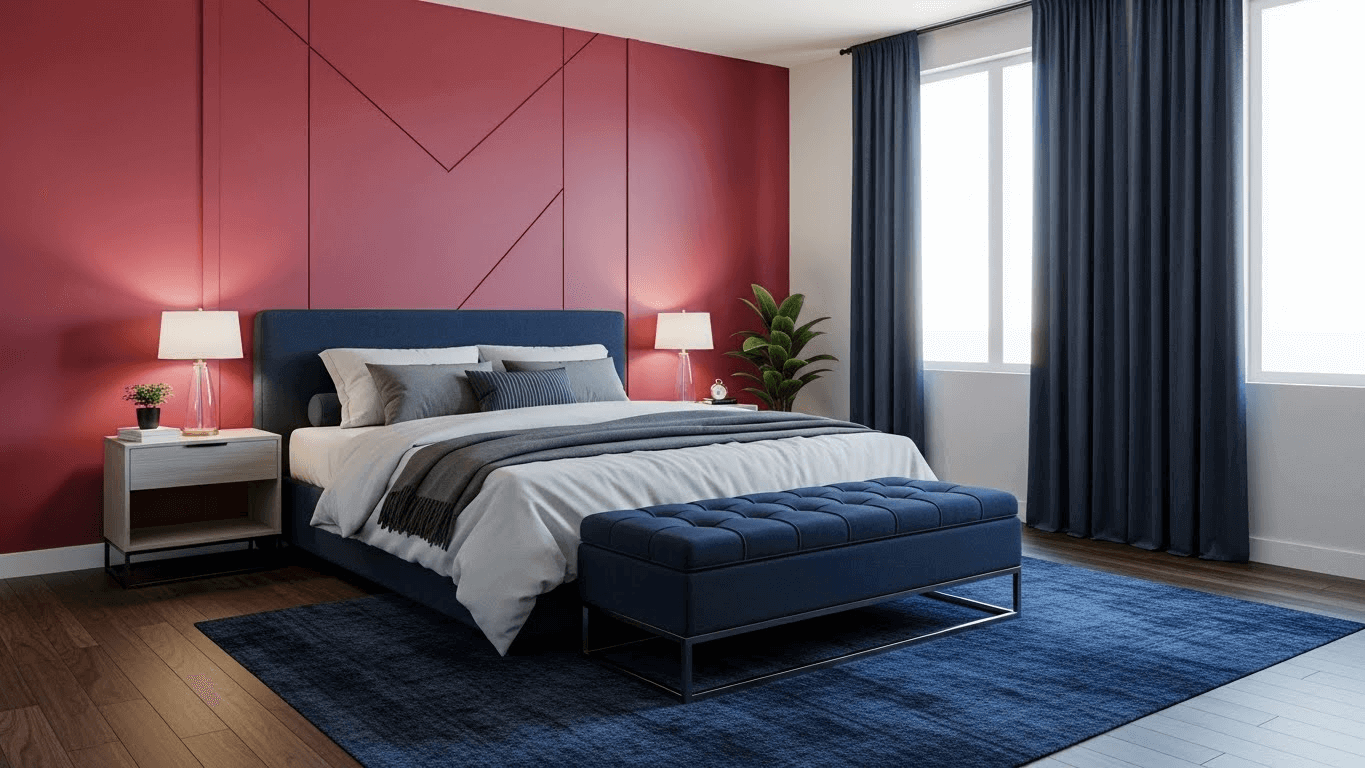
The secret lies in getting the finish right – it transforms these darker shades, giving them an almost cinematic quality. Try pairing burgundy with navy blue for sophisticated, moody spaces that feel both current and timeless.
Worried about going too bold? Soften the intensity with earthy tones through wooden furniture or tan accessories – you’ll maintain the colour’s impact whilst keeping things balanced. Warm metallic accents in gold, copper and brushed brass complement burgundy beautifully, adding just enough shine to brighten your overall scheme.
These wine-red shades layer surprisingly well with plum tones, greens and pinks, making them brilliant for colour capping and tone-on-tone designs.
Moody Blues Making a Comeback
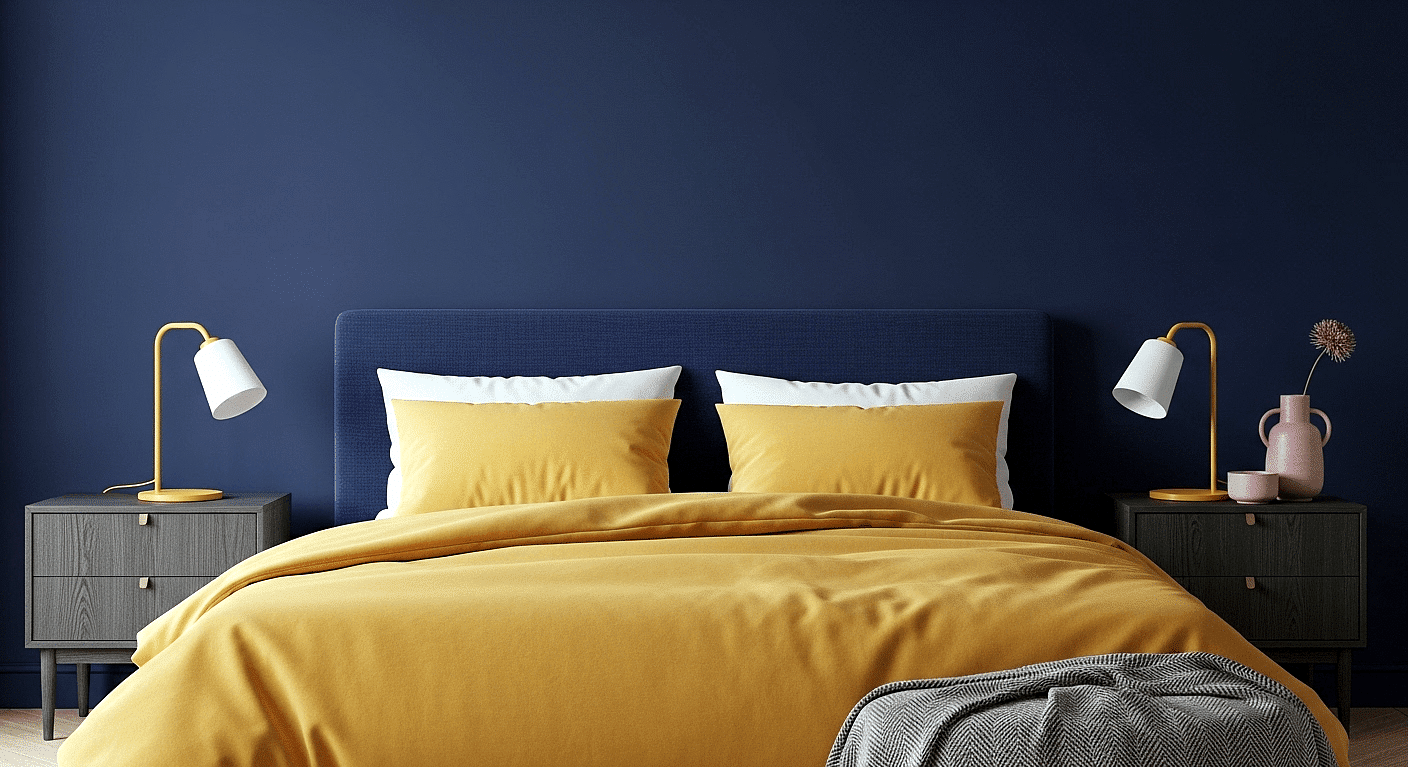
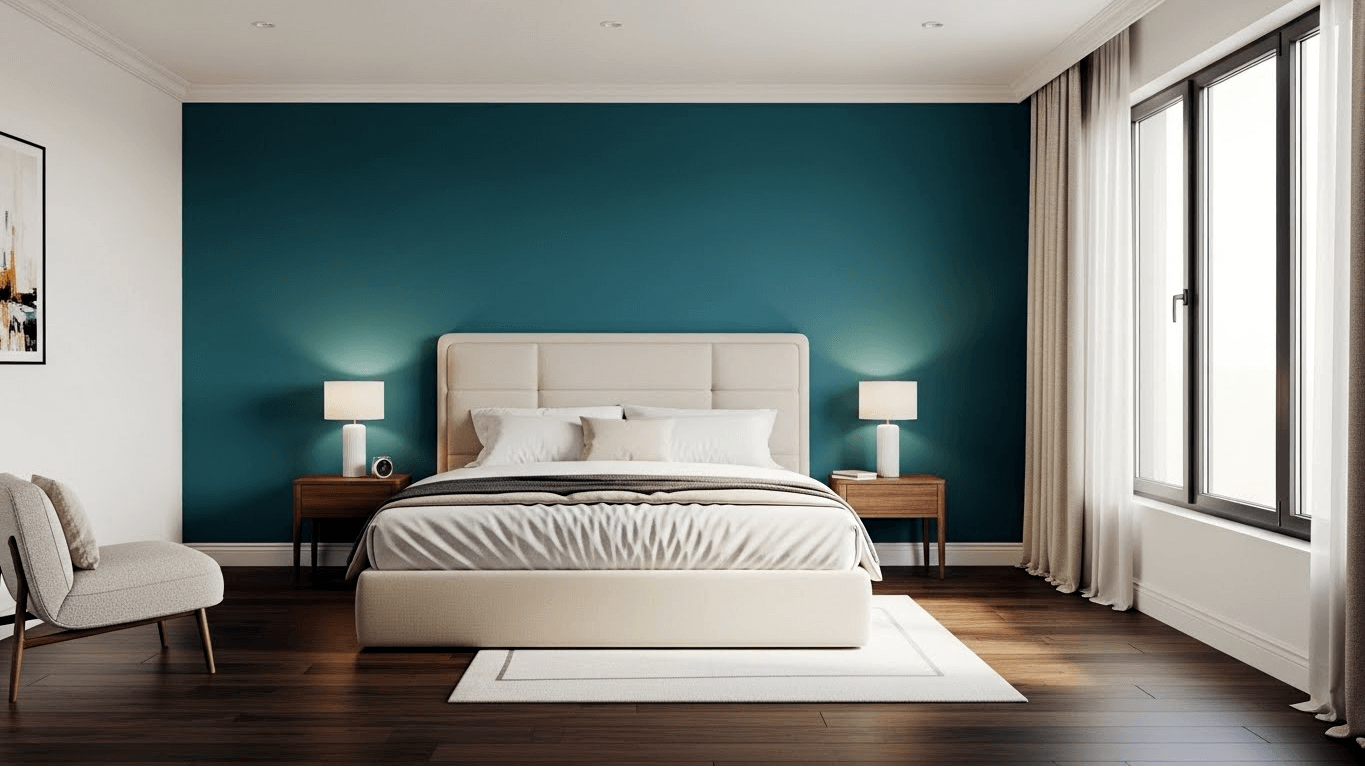
Blues have absolutely reclaimed their place in the latest bedroom trends, particularly the deeper, moodier versions. Dulux’s 2026 colour family showcases this shift perfectly with three standout indigo blues: Free Groove (vibrant), Mellow Flow (airy light blue) and Slow Swing (meditative dark blue). These soulful shades offer exactly what your bedroom needs – stability, fluidity and a sense of boundlessness.
Moody blues work their magic through deep, muted or grey undertones that create drama whilst maintaining sophistication. They manage to feel both bang on trend and ultimately classic, refined yet completely comfortable. Navy and midnight blues bring those enveloping qualities to bedrooms, especially when you pair them with soft linens, natural wood and warm metallics.
There’s practical benefit beyond the aesthetics too. Blue bedrooms promote longer average sleep compared to other colours, making them smart choices for creating restful sanctuaries.
Icy Blue for Modern Bedroom Styles
Now, here’s what’s interesting: whilst moody blues are surging in popularity, icy blue is facing declining interest in current bedroom trends. Designers have noticed that this shade, along with bright white and icy grey, creates a cold, flat quality in bedrooms, particularly under artificial lighting. The visual temperature just feels unwelcoming, which contradicts that desire for softness and gentle imperfection that defines contemporary design.
This shift reflects something bigger – we’re moving away from the sterile aesthetics that dominated previous decades. Your bedroom needs warmth and tactile appeal rather than clinical precision.
Texture and Layering Techniques
Texture holds the secret to creating bedrooms that feel genuinely lived-in rather than showroom perfect. Smart designers now treat layering as their most powerful tool, mixing different materials and fabrics to build rooms with the kind of depth and warmth that photographs simply can’t capture.
Layered Textiles and Fabrics
The magic happens when you combine fabrics, prints, colours and textures with intention, creating spaces that feel established rather than newly assembled. Start with one dominant fabric – curtains work brilliantly for this – which might showcase bold prints with various colours or feature tonal fabrics with gorgeous embroidered texture. From this foundation, you can layer smaller-scale fabrics for cushions and lampshades.
Here’s something that might surprise you: pattern variety trumps matching every time. Mixing small and large prints creates visual interest without overwhelming your eye. Even better? More layers actually produce calmer rooms rather than chaotic ones. This principle mirrors how nature works, where multiple elements somehow settle into perfect harmony.
Strong patterned fabrics can influence your entire bedroom, functioning as the main feature whilst lighter wall colours and simple flooring provide the perfect balance. Don’t overlook texture’s equally important role alongside pattern. Try pairing slubby linen sheets with boxy waffle duvets and plush wool throws – each material catches light differently, creating dimension that prevents monochromatic schemes from appearing flat.
Wall-to-Wall Carpet Returns
Fitted carpets are staging a serious comeback after years of rugs dominating hard floors. Modern versions deliver comfort and sound insulation whilst offering visual interest through clever constructions. Loop pile, cut-and-loop combinations and varied pile heights create dimension that shifts beautifully with natural light throughout the day.
We’re seeing designers specify rich, statement-making hues like bronze, butterscotch or deep moss for wall-to-wall installations. The appeal lies in how carpet makes rooms feel complete and finished, becoming the foundation that ties everything together.
Want to take it further? Layer rugs over wall-to-wall carpet for added dimension. Start with a flatweave rug foundation that evokes a hard surface. Pair deep wool pile with naturally coarse materials like jute for textural variation that really works. Patterns perform best atop solid bases, adding depth without overwhelming your space. This dual-layer approach gives you warmth and comfort from the carpet with visual interest from the rug overlay.
Mixing Materials for Depth
Material combinations need proper intention behind them. Stone, metal, wood, glass and textiles each bring unique qualities, and balancing warm and cool materials generates the tension and visual interest that makes bedrooms feel dynamic. Where textiles are limited, material contrast performs the heavy lifting.
Some pairings deliver consistent results every time. Antique brass with iron creates industrial warmth, whilst unlacquered brass with polished nickel offers refined contrast. Soft upholstery like pillows and quilts gains serious impact when paired with bold curtains that break up window walls. Mix linen, wool and cotton within the same room for richer compositions.
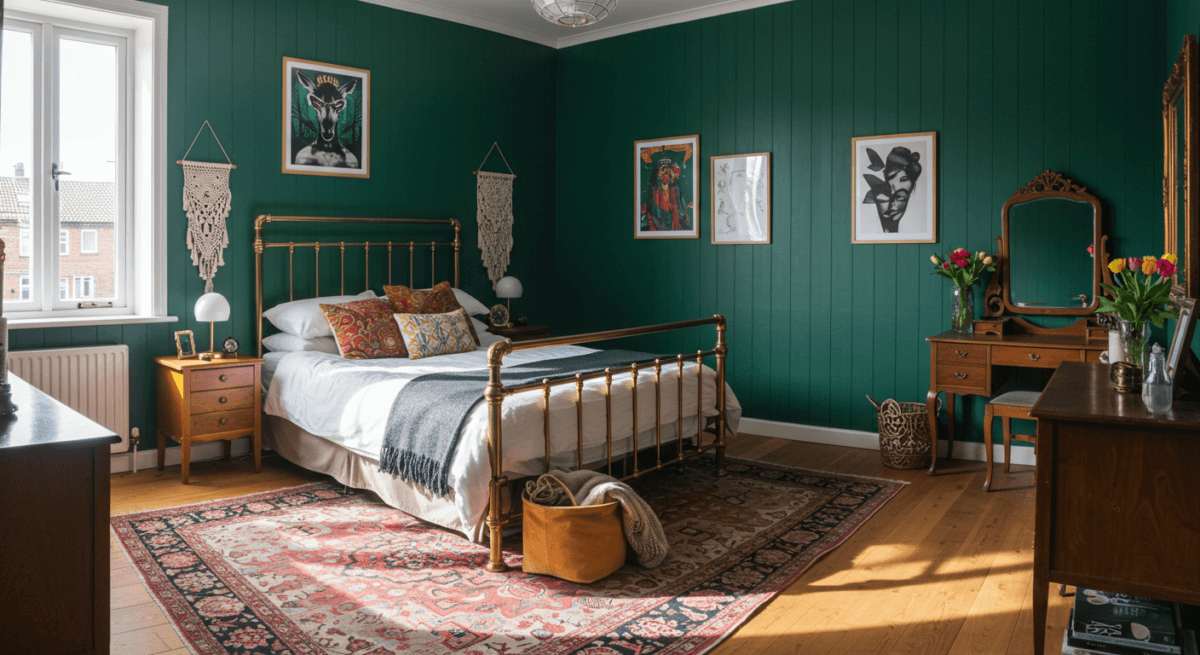
Take this approach to your surfaces too. Textured wallpapers or fabric walling adds sound and heat insulation whilst contributing visual warmth. These applications layer texture vertically, expanding the concept beyond just floor and furniture treatments.
Statement Drapery as Design Element
Drapery now does far more than frame windows. Clever designers use it to create atmosphere, softness and architectural interest throughout bedroom spaces. Requests are surging for drapes on canopy beds, along walls and integrated into custom bunk designs. Full-height drapery gives bedrooms that gentle cocooned quality by diffusing light and softly blurring edges.
Triple pleat headings balance classic and contemporary aesthetics perfectly, becoming the most requested style. Remember this key principle: curtains should enhance your room without overwhelming it. Layer window treatments for added luxury – curtains and blinds working together give you customisable light control and visual richness.
Texture variations in drapery fabrics make a substantial difference. Plush upholstery, tactile bedding and soft, tailored drapery collectively perform the heavy work in modern bedroom styles. Natural textures like linen drapes paired with rattan blinds embrace those organic aesthetics everyone’s talking about.
Current Bedroom Trends in Furniture and Fixtures
Your furniture choices create the foundation of any successful bedroom design. Designers are now prioritising pieces that deliver both statement-making style and clever functionality, moving beyond purely decorative choices towards intentional, multitasking elements that earn their place in your space.
Oversized Sculptural Headboards
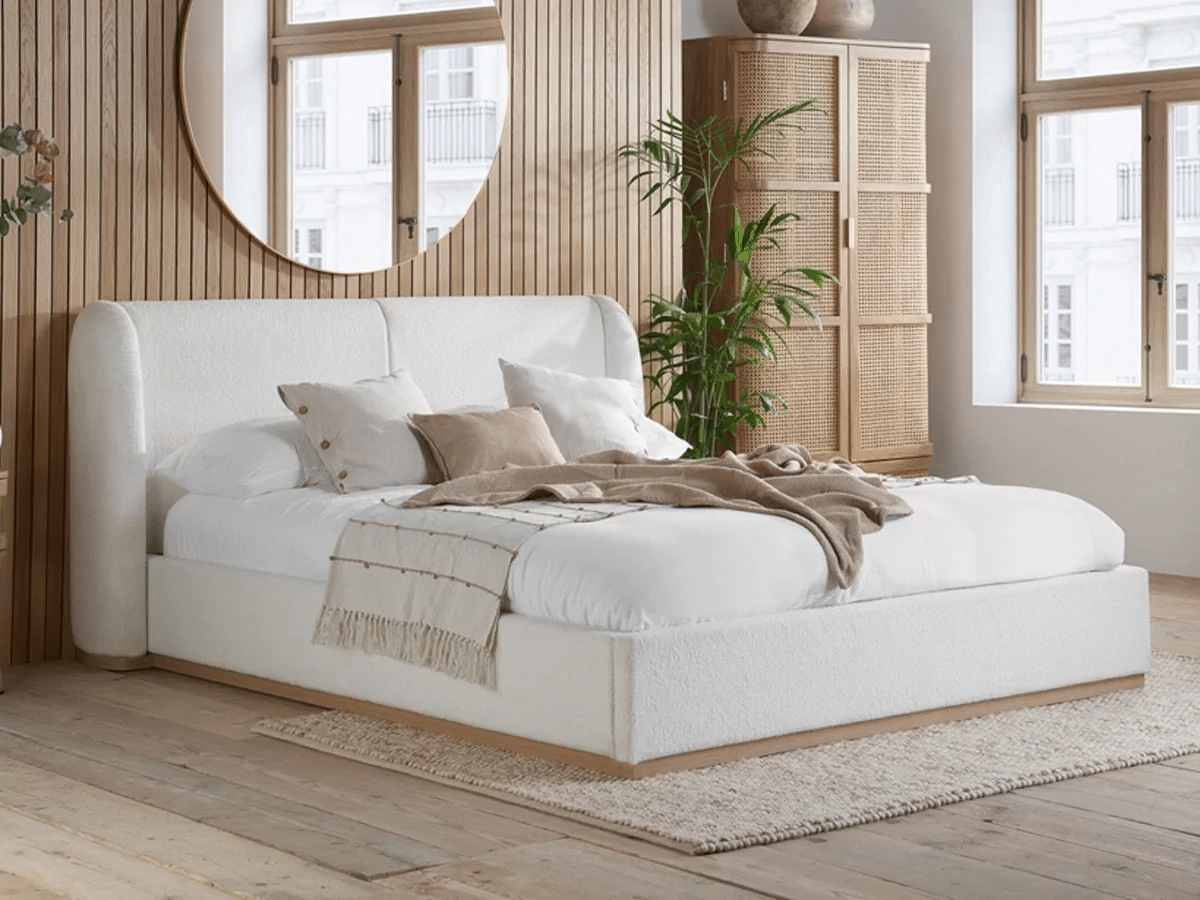
Wall-to-wall headboards have become one of the standout looks worth investing in, stretching across the full width of your bedroom wall rather than simply framing the mattress. This approach transforms headboards from basic furniture into proper focal points that create cocooned comfort and hotel-style luxury. Designers are wrapping entire walls in soft fabric, textured panels or tailored millwork, producing suites that feel both elevated and beautifully enclosed.
The shift towards bold, oversized pieces brings genuine impact and intent to bedroom design. Art Deco silhouettes are resonating particularly well right now, featuring strong lines, confident curves and rich materials that add proper weight and presence. These aren’t just decorative additions – they’re foundational pieces that set the tone for everything around them.
Upholstered headboards show no signs of slowing down, though the category itself is evolving beautifully. Chenille and other plush, tactile fabrics are gaining serious momentum, whilst velvets still perform well but now share the spotlight rather than dominate it. This points to a broader desire for softness and texture, with materials that feel both comforting and elevated.
Curved silhouettes continue charming designers everywhere, bringing movement and softness that counter those angular spaces. Wingback beds blend cosiness with refinement, their side panels creating a gently enclosed feeling when you’re lying in bed. Some clever designs integrate practical elements directly into the headboard structure, incorporating bedside tables, built-in spotlight lamps and embedded switches for a truly high-end result.
Multifunctional Storage Solutions
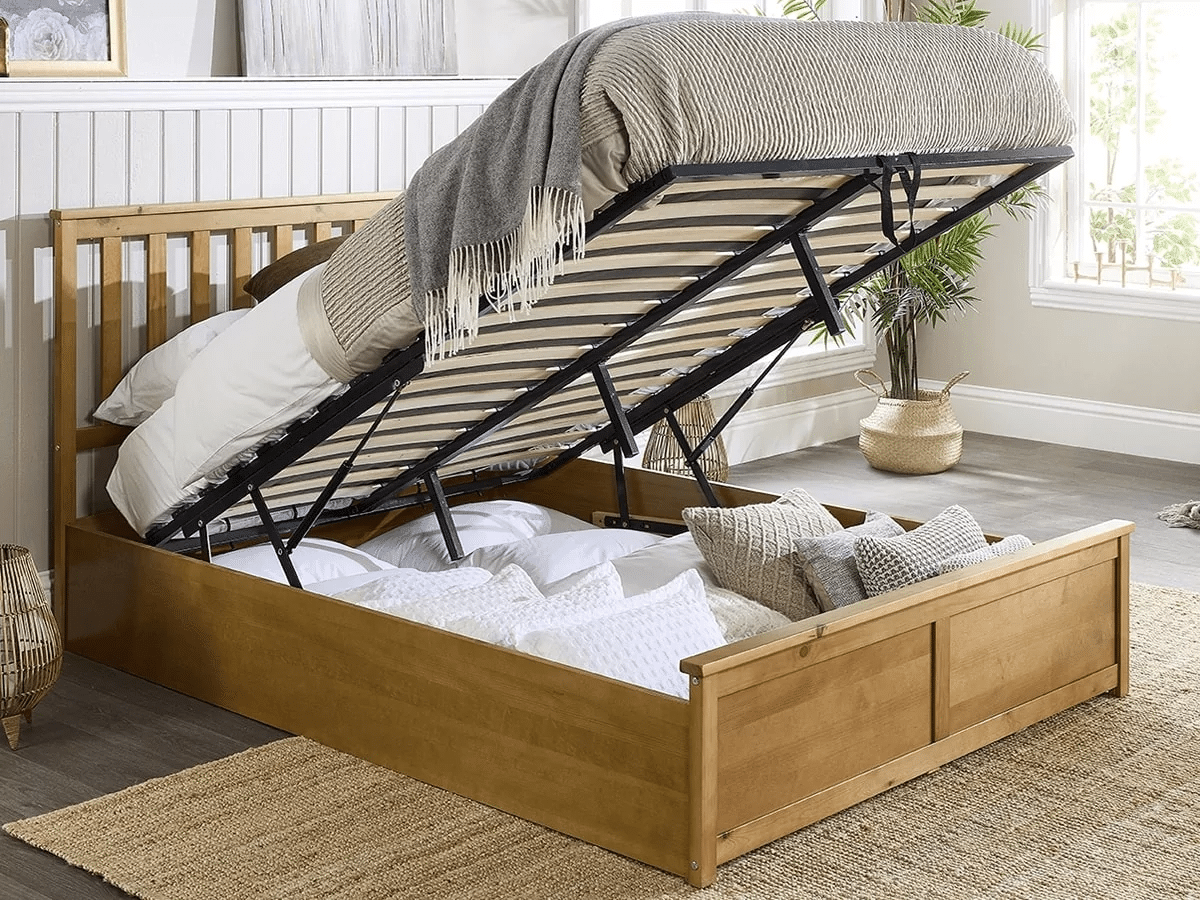
Storage furniture now performs double duty in the latest bedroom trends, and for good reason. Ottoman beds and storage benches at the foot of your bed provide discreet spaces for extra blankets and pillows whilst doubling as seating areas. These pieces blend seamlessly with surrounding furniture, and most allow you to sit on them – perfect when you’re putting on shoes or when guests visit.
Headboards themselves have evolved into clever storage solutions that actually work. Built-in shelving creates ideal spots for books or a discreet place for your phone and glasses at night. Wooden headboards with open shelves offer clean, modern aesthetics, whilst fabric-upholstered designs with hidden compartments maintain those cleaner lines.
Takeaway Tip: Modular storage systems provide versatility that adapts to your changing needs.
These clever units allow you to customise storage space to fit your unique requirements, with adjustable components tailored for various items from bulky equipment to delicate pieces. The best systems balance practicality with visual appeal, featuring sleek lines and neutral tones that integrate seamlessly into your bedroom scheme.
Organic Modern Furniture Pieces
Organic modern furniture merges clean, modern structure with natural softness, completely rejecting that cold, all-grey minimalism that formerly dominated interiors. The style features pared-back silhouettes and functional layouts, but materials remain beautifully tactile: wood with visible grain, stone that feels cool and heavy, linen that moves with the air.
Furniture shapes stay modern whilst materials stay refreshingly organic. Pieces favour soft, rounded shapes and low, sculptural profiles that create genuine comfort and relaxation. Hand-finished solid wood tables with irregular edges showcase the beauty of imperfect craftsmanship, reinforcing the aesthetic whilst adding warmth and durability. The approach represents edited, lived-in minimalism with fewer, better pieces and more negative space, yet never that staged perfection.
Design Details That Define Latest Bedroom Trends
The difference between a bedroom that looks nice and one that feels genuinely personal? It’s all in the details. These finishing layers address lighting, vertical surfaces and decorative choices that give modern bedroom styles their distinctive character.
Layered Lighting Schemes
Here’s what most people get wrong about bedroom lighting: relying on one overhead fixture to do everything. Proper bedroom lighting requires three distinct types working together: ambient for general illumination, task for specific activities and accent for highlighting focal points. Bedrooms need lower ambient levels than other spaces, but you still require functionality for reading, dressing and moving through the room safely.
Colour temperature makes all the difference to your bedroom’s atmosphere. Warm white bulbs between 2700K and 3000K create residential cosiness, whilst cooler temperatures produce the harsh, sterile feeling of offices or hospitals. Dimmer switches allow you to shift seamlessly from bright and functional morning light to cosy evening ambience.
Smart designers now incorporate multiple sources at various heights rather than relying on a single overhead fixture. Think recessed ceiling lights for even distribution, bedside lamps for reading and wall sconces flanking a dressing table to prevent harsh shadows.
Fifth Wall Ceiling Treatments
Don’t ignore your ceiling – it’s one of the most underutilised surfaces in bedroom design. Wood beams add proper architectural dimension, particularly when painted in bold colours or high-gloss finishes.
Wallpapered ceilings are making a strong return, especially in bedrooms where they become instant focal points. The scale of patterns has shifted noticeably, with designers now choosing much larger prints compared to the small-scale or grasscloth options popular several years ago.
Small-Scale Prints and Patterns
Small-scale patterns work brilliantly as versatile neutral bases whilst bringing depth and dimension. They perform best when balanced against medium and large patterns, preventing rooms from feeling either too busy or too flat. Try pairing small geometrics with large florals, or use ditsy prints alongside bold statements – the key is tying them together through consistent colour palettes.
Personalised Decorative Touches
Finishing touches separate bedroom styles that look nice from ones that feel beautifully considered. Your bedroom should reflect your character through personalised art, sentimental objects and decorative elements that make the space distinctly yours.
Takeaway Tip: Layer your lighting at different heights and always include dimmers – your bedroom lighting should adapt to your mood, not dictate it.
How Designers Are Actually Making These Styles Work
Implementation separates the dreamers from the doers when it comes to bedroom design. Designers follow specific methodologies to execute these 2026 styles properly, balancing emotional impact with practical considerations that actually work in real homes.
Creating Cocooning Atmospheres
Cocooning defines the standout trend of 2026, prioritising soft, restorative spaces through muted colour palettes, layered textures and natural fabrics. Designers create womb-like experiences where lighting, wallpaper and paint colours generate zen atmospheres. Decluttering reduces mental stress, with bedside tables cleared of unnecessary items and under-bed storage concealing non-essentials. Soft lighting through dimmable lamps and warm-toned bulbs signals relaxation.
Takeaway Tip: Start with your lighting first – everything else builds from there.
Balancing Bold Choices with Restraint
Designing with restraint produces calm spaces rather than visually busy ones, balanced in scale and functionally intuitive. Designers select statement pieces over clutter, allowing a few intentional elements to shine rather than many competing ones. Bold furniture performs better with fewer surrounding pieces, whilst textures become more tactile and appreciated. Editing with purpose involves stepping back, reviewing and refining choices.
The secret lies in the editing process. Choose one hero piece per room, then build around it quietly.
Sustainable Material Selection
Reclaimed and recycled materials reduce landfill waste whilst adding character. Designers specify FSC-certified wood and bamboo for furniture and flooring, organic cotton and linen for textiles. Reclaimed timber offers denser, stronger construction than newly harvested wood. Quality, timeless design reduces the need for regular replacement.
Mixing Vintage with Contemporary
Vintage furniture brings depth through solid construction and time-worn finishes. Designers balance substantial vintage pieces with streamlined modern elements to avoid visual heaviness. Natural materials like wood, linen and leather create common ground between eras. One or two key vintage focal pieces anchor rooms, with contemporary furnishings supporting them quietly.
The golden rule: let your vintage pieces be the stars, with everything else playing supporting roles.
Create your perfect bedroom sanctuary
Bedroom styles for 2026 tell an important story about what we really need from our personal spaces. The shift towards earthy neutrals, moody blues and rich jewel tones creates foundations that feel grounding rather than sterile. Layered textures, organic materials and multifunctional furniture build genuine depth and comfort into every corner of your room.
Your approach to designing your bedroom should focus on fewer, better pieces that reflect who you are whilst serving your practical needs. Balance those bold colour choices with restraint, layer textures thoughtfully and don’t forget to prioritise lighting that shifts with your mood throughout the day.
These trends aren’t just passing fads – they represent a return to creating spaces that genuinely nurture rest and wellbeing. Your bedroom should be your own personal sanctuary, and these design directions help you achieve exactly that.
Remember, the most beautiful bedrooms feel lived-in rather than staged. Trust your instincts, choose colours and textures that make you feel calm and restored, and create a space that’s unmistakably yours.
Key Takeaways
Here are the essential insights from what designers are actually implementing in bedrooms for 2026:
• Warm, earthy colours dominate: Terracotta, taupe, and moka browns replace sterile whites, creating grounding foundations that feel personal rather than staged.
• Texture layering transforms spaces: Multiple fabrics, wall-to-wall carpets, and mixed materials add depth and warmth that photographs cannot capture.
• Statement headboards become focal points: Wall-to-wall upholstered designs create hotel-style luxury whilst incorporating practical storage and lighting solutions.
• Cocooning atmospheres prioritise comfort: Designers focus on soft lighting, decluttered spaces, and womb-like environments that genuinely nurture rest and wellbeing.
• Quality over quantity drives choices: Fewer, better pieces with sustainable materials and vintage elements create depth without visual chaos or environmental impact.
The overarching theme is clear: 2026 bedroom design moves away from Instagram-perfect staging towards spaces that feel lived-in, comfortable, and deeply personal. These trends represent a return to bedrooms as true sanctuaries rather than showrooms.
FAQs
Q1. What colours are designers using most in bedrooms for 2026? Designers are favouring warm, earthy neutrals like terracotta, taupe, and moka browns as foundational colours. Rich jewel tones including burgundy and deep plum are also popular for adding drama, whilst moody blues—from navy to indigo—create sophisticated, calming atmospheres. These palettes replace the sterile whites and cool greys of previous years.
Q2. Why are textured materials and layering so important in modern bedroom design? Layering different textures creates depth and warmth that makes spaces feel lived-in rather than staged. Combining materials like linen sheets, waffle duvets, wool throws, and varied fabrics prevents rooms from appearing flat. Wall-to-wall carpets, mixed materials, and statement drapery all contribute to creating tactile, cocooning environments that feel comfortable and personal.
Q3. What makes oversized headboards a key trend in current bedroom styles? Wall-to-wall headboards have become focal points that stretch across entire bedroom walls, creating hotel-style luxury and a cocooned feeling. Modern designs often incorporate practical features like built-in shelving, bedside tables, and integrated lighting. Upholstered versions in plush fabrics like chenille, along with curved and wingback silhouettes, add both comfort and visual impact.
Q4. How can you create a cocooning atmosphere in your bedroom? Creating a cocooning atmosphere involves using muted colour palettes, layering soft textures, and incorporating natural fabrics. Declutter surfaces to reduce visual stress, use dimmable warm-toned lighting, and focus on creating a womb-like space that feels restorative. The goal is to design a sanctuary that genuinely nurtures rest rather than a space that looks perfect but feels sterile.
Q5. What does “organic modern” furniture mean in bedroom design? Organic modern furniture merges clean, modern silhouettes with natural, tactile materials. It features pared-back designs made from wood with visible grain, natural stone, and linen fabrics, combined with soft rounded shapes and low sculptural profiles. This style rejects cold minimalism in favour of edited spaces with fewer, better-quality pieces that feel warm and lived-in.