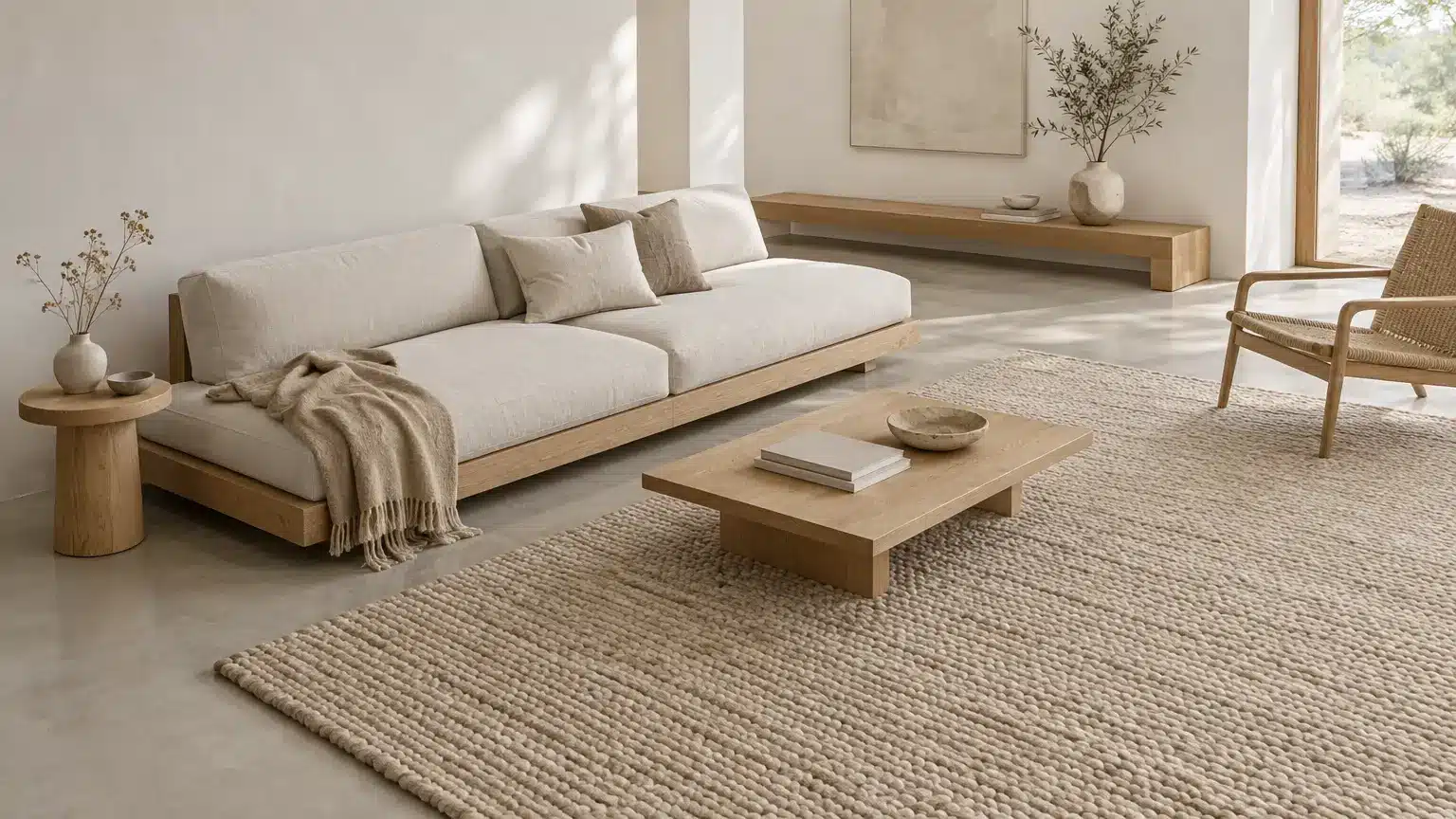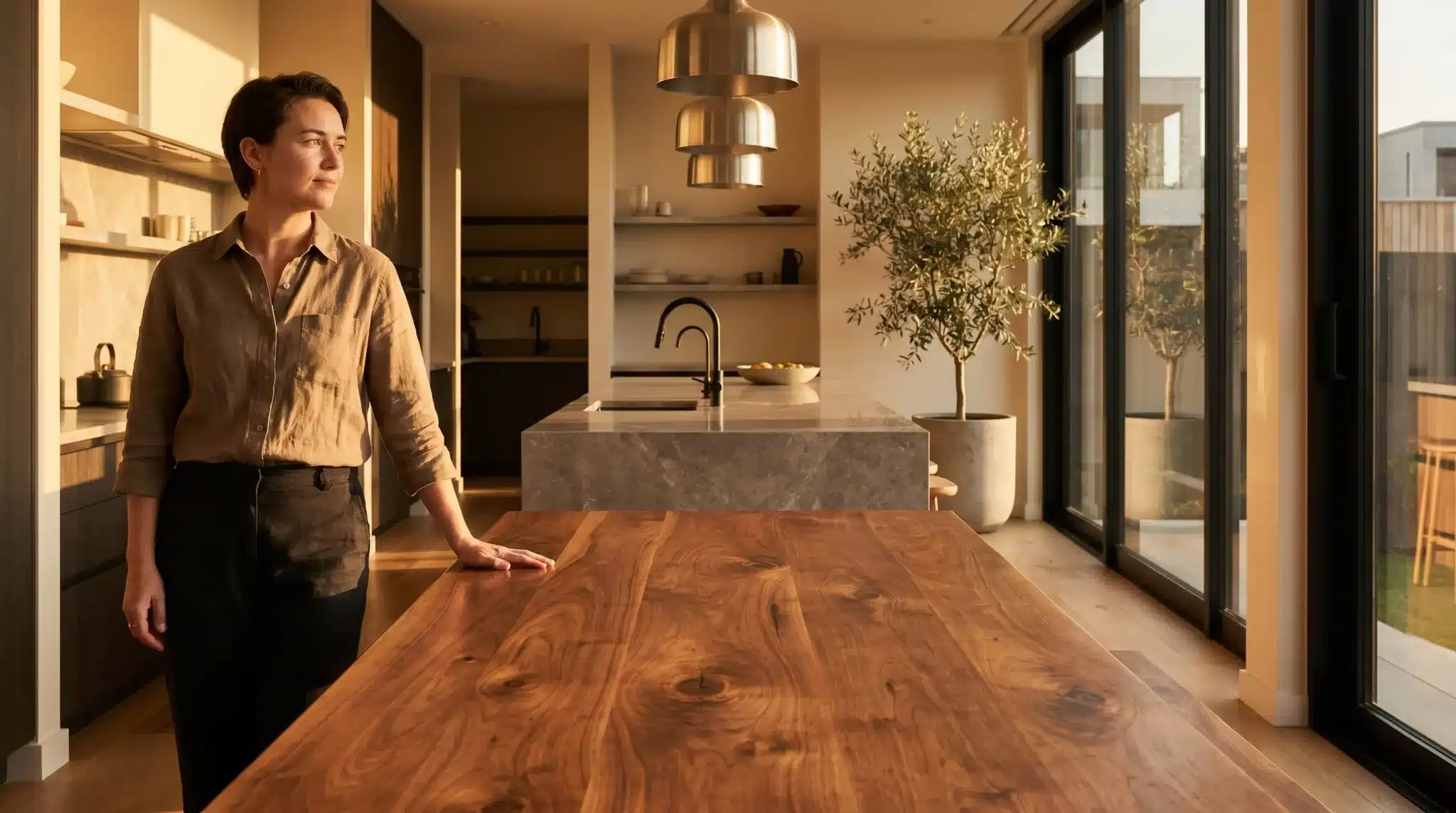
Interior design changes constantly. One year everything is matte black and concrete, the next it is curved furniture, glossy stone, or ultra-smooth synthetic finishes. New materials appear all the time, usually promoted as the next big thing in modern living. Some stay around for a while. Many quietly disappear. Yet solid wood somehow avoids that cycle.
No matter where design trends are heading, real wood always finds its way back to the heart of well-designed spaces. It’s still seen in modern flats, peaceful country homes, boutique hotels, creative studios, and family dining rooms where people genuinely spend time together. Designers still choose oak, walnut, ash and maple not because wood is fashionable, but because it addresses a problem that many current materials cannot.
Furniture collections like https://thunderwood.studio/collections/solid-wood-tables-california highlight how deep the response to natural textures, visible grain and furniture that seems connected to the actual world, not factory-perfect surfaces, continues to be.
There is also something emotional happening here. A room with natural wood tends to feel calmer without trying too hard. Even people who know nothing about design usually notice the difference immediately.
Some Materials Look Good Only for a Moment
Design history is full of materials that exploded in popularity and then suddenly felt outdated.
A decade ago many homes were covered in glossy white finishes and cold gray tones. Before that, heavily distressed furniture was everywhere. Then came industrial interiors with exposed pipes and concrete surfaces. Many of these styles looked exciting at first, but after a few years they became visually exhausting.
Solid wood rarely has that problem.
A wooden dining table from fifteen years ago can still feel current today if the piece was well made in the first place. Designers like this because it gives interiors stability. A client may repaint walls, switch lighting, or replace chairs over time, but solid wood usually continues working with the space.
It adapts instead of fighting every design change.
Real Wood Has Imperfections People Actually Like
One thing that separates wood from synthetic materials is unpredictability.
A slab of walnut does not look perfectly uniform. Grain lines move in different directions. Small knots appear unexpectedly. Color changes from edge to edge. Sometimes there are tiny natural marks left by the tree itself.
Oddly enough, those imperfections are exactly what many people enjoy.
Machine-made materials often try too hard to appear flawless. But perfectly smooth surfaces can feel emotionally cold after a while. Real wood feels less controlled, which makes spaces feel more relaxed and believable.
Designers often talk about “visual warmth,” though most homeowners would probably describe it differently. They simply say a room feels comfortable.
Homes Are Starting to Feel Less Like Showrooms
Over the last few years there has been a noticeable shift in how people want their homes to feel.
For a long time, many interiors were designed almost like social media backdrops — polished, symmetrical, carefully staged, and untouched. Everything looked perfect in photos, but not always pleasant to live with.
Now people seem more interested in homes that feel natural and personal.
That change has pushed designers back toward materials with texture and character. Wood fits that direction naturally. A solid wood dining table does not need to look brand new forever. In fact, many designers prefer when the material slowly changes over time.
A few scratches from family dinners or softened edges from years of use can make a table feel more meaningful, not less valuable.
Very few trendy materials improve with age like that.
Wood Changes the Atmosphere Without Dominating the Room
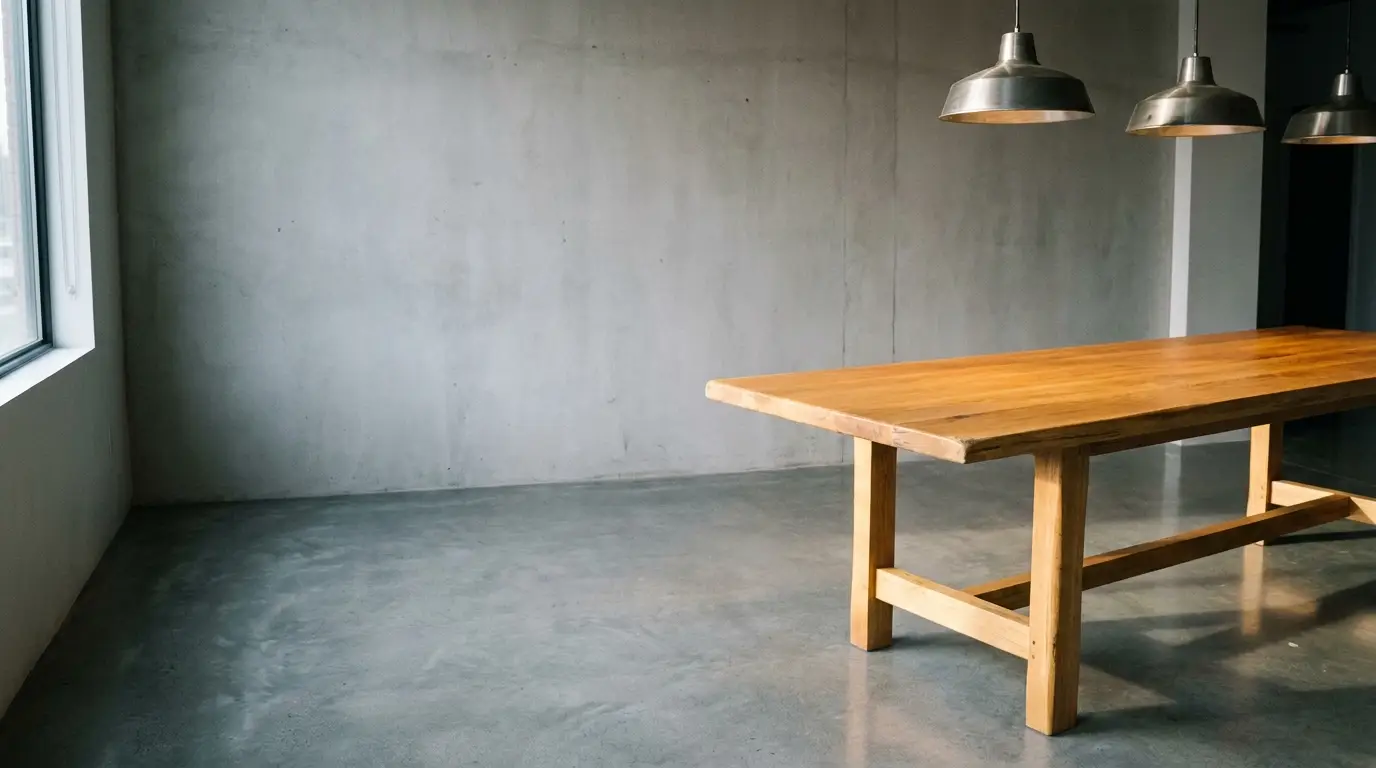
There is another reason designers keep using wood: it balances spaces quietly.
Modern interiors often contain hard finishes — stone countertops, metal lighting, large windows, polished concrete floors. Those surfaces can look beautiful, but too many of them together can make a room feel sharp or distant.
Wood softens that effect.
Even one large wooden surface can completely change the mood of a room. A dining table made from natural oak or walnut introduces warmth without requiring bright colors or excessive decoration.
That subtlety matters. Designers are usually trying to create spaces people want to stay in, not just admire for thirty seconds.
Cheap Furniture Often Feels Temporary
A lot of modern furniture is built for short-term use whether companies openly admit it or not.
Thin veneers peel. Particleboard weakens. Laminates chip. When damage occurs, repairs are either costly or impossible. There are so many people who replace whole sets of furniture in just a few short years.
Solid wood changes the relationship between people and furniture.
People usually maintain a table for decades, rather than as a transient piece of furniture. Some pieces even pass from home to home, or stay in the family for centuries. Designers know the emotional value of that kind of longevity.
Furniture is not disposable but becomes part of everyday life. That practicality is more important now than it was ten years ago.
Natural Materials Affect How Spaces Feel
Most people react to natural materials instinctively, even if they cannot explain why.
Rooms with wood usually feel quieter somehow. More grounded. Less artificial.
Part of that comes from variation. Natural wood reflects light unevenly, carries depth in its surface, and changes slightly throughout the day depending on lighting conditions. Synthetic materials often look visually flat by comparison.
This becomes especially noticeable in dining areas and kitchens where people gather for long periods of time. Hard glossy surfaces may photograph well, but natural wood tends to create a more relaxed environment in real life.
Designers pay attention to that difference because atmosphere matters just as much as appearance.
Craftsmanship Still Matters
Another reason solid wood remains important in interior design has nothing to do with trends at all. It has to do with workmanship.
Usually good quality wood furniture will reveal indications of human interaction. It’s in the edge details, the finishing procedures, the grain matching, the weight of the piece overall. That’s missing from mass-produced furniture all too often.
Most individuals don’t know why one table seems heavier than another, but on some level they feel the difference. It’s those little elements that designers lean on to create complex and authentic feeling rooms. You don’t want the whole space to seem machine-perfect.
Sustainability Is Getting Harder to Ignore
People are also beginning to see how quickly bad quality furniture becomes rubbish. Cheap furniture may be cheap at first but the cost of repairing broken items every few years adds up in the long run. Designers are increasingly encouraging clients to buy less but more durable goods, instead of always going through fleeting trends.
Solid wood furniture naturally promotes this approach.
It can last for decades without any loss of structural quality, provided it is kept in good condition. Many times it can be mended or polished or restored and not thrown away.
Why Designers Continue Coming Back to Wood
There is probably no single reason solid wood continues surviving every design trend. It is more likely a combination of things.
Wood feels familiar. It softens modern spaces. It carries texture and variation that synthetic materials struggle to imitate. It ages naturally instead of deteriorating awkwardly. Most importantly, it tends to make interiors feel lived in rather than staged.
Designers know trends will continue changing. New finishes and materials will always appear. Some will become wildly popular for a short time.But solid wood keeps offering something people seem unwilling to give up — warmth, permanence, and a sense of connection to real materials. For more inspiration and handcrafted furniture ideas,discover more here.