
| Note: Modern life pulls people between two instincts: trust the science, or trust what feels natural. This piece covers that tension across nutrition, technology, skincare, and aesthetics, from whole-food research versus supplementation to mindfulness-focused tech design. It also covers the clinical evidence behind skincare actives and the shift in aesthetic medicine toward natural-looking results, and closes with a framework for evaluating any wellness claim with healthy skepticism. |
|---|
Modern life sometimes makes people feel like they have to choose between science and nature. One side points to clinical studies, tested ingredients, and new technology. The other favors whole foods, simple routines, and choices that feel more natural.
In real life, these ideas often work together. Science can explain why certain natural habits help, while nature can remind us that not every new product or trend improves our lives.
Nutrition Science Meets Natural Eating Philosophies
Nutrition advice has changed many times over the years. Some diets focus on supplements and carefully measured nutrients. Others tell people to eat mostly whole foods and avoid highly processed products.
The federal 2025–2030 Dietary Guidelines for Americans, released in January 2026, place more focus on whole, nutrient-rich, and minimally processed foods. Put simply, the guidance encourages people to eat real food more often.
Supplements can still help when they address a real need. Federal health survey data shows dietary supplement use among American adults has climbed steadily over the past two decades. Some people take supplements after a test finds a deficiency. Others need them because of pregnancy, a health condition, or a restricted diet.
The honest takeaway: a pill cannot fully copy the fiber, vitamins, minerals, and other compounds found in whole foods. A healthy diet should always come first.
Technology and the Push for Mindful Living
Technology makes many parts of life easier, but it can also consume too much of our attention. Phones, apps, and social media encourage people to check their screens throughout the day. Still, technology itself is not always the problem. What matters is how people design and use it.
A 2025 study published in Frontiers in Psychiatry tested an active nudging intervention designed to cut excessive phone screen time. In this small, 17-person trial, the nudge itself didn’t significantly reduce screen time. Reduced screen time, however it occurred, still correlated with better sleep quality and fewer delays falling asleep.
The study shows that technology can help solve some of the problems it creates. A phone may keep someone scrolling, but it can also remind that person to take a break.
Skincare Science and Natural Ingredient Trends
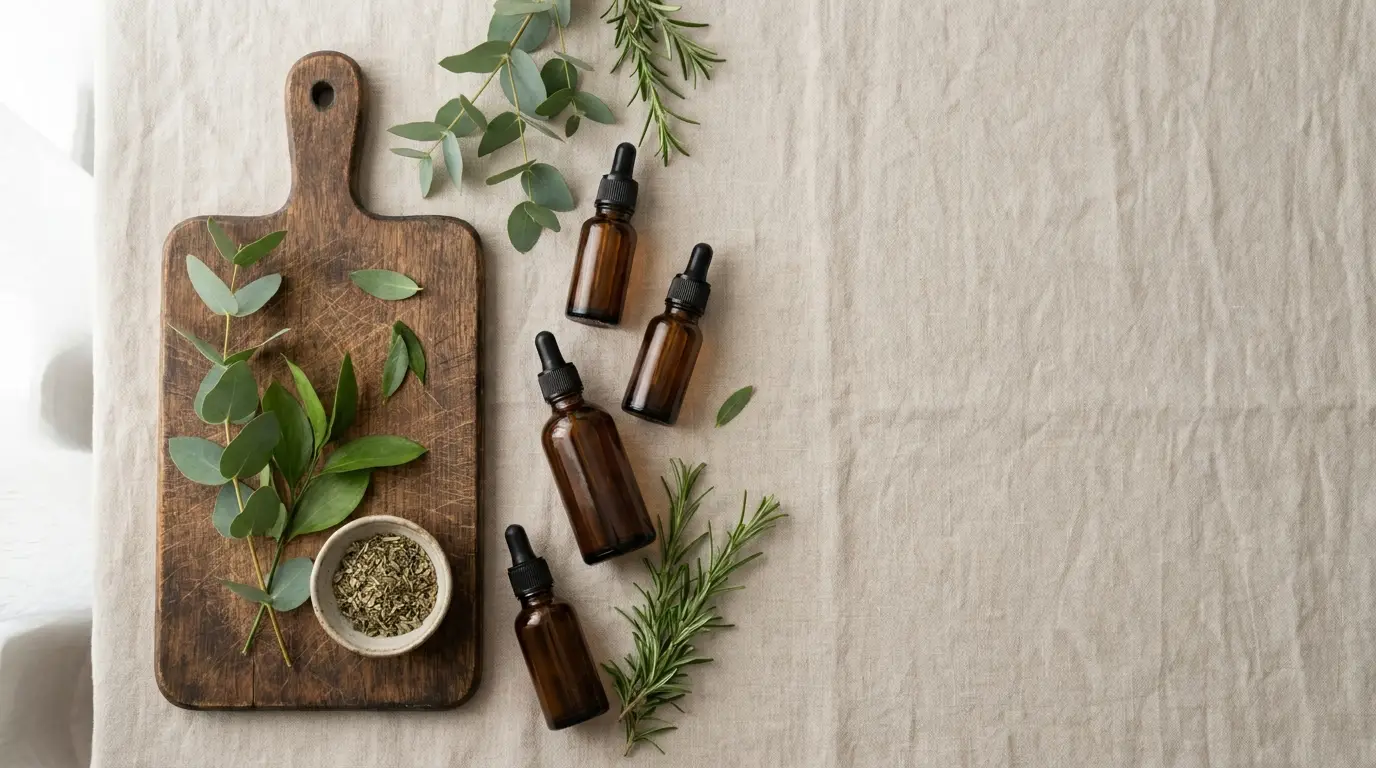
Skincare brands really like to use the word natural because it sounds safe, gentle, and healthy. However, natural ingredients do not always work better. Lab-made ingredients are not automatically harmful, either. The more useful question is whether good research supports the ingredient.
A 2025 review in the journal Cosmetics found that established actives like retinoids and vitamin C remain the most evidence-based anti-aging options. Many trendy plant-derived compounds still lack large, long-term clinical trials to back their claims.
That does not mean botanical ingredients have no value. Some may soothe the skin or work well with tested active ingredients. People just simply need to look beyond the front label.
A good skincare routine does not need to choose one side. It can include both clinically studied ingredients and plant-derived products, each serving a clear purpose.
Aesthetic Enhancement That Respects Natural Form
Aesthetic medicine has also moved toward a more balanced approach. Many patients no longer want major changes that make treatment easy to spot. They want subtle results that fit their natural features.
The Shift Away From Obvious, Overdone Results
The American Academy of Facial Plastic and Reconstructive Surgery’s 2025 Annual Survey found that patient demand has moved decisively away from dramatic, late-stage procedures.
Instead of waiting for major changes, some choose smaller procedures that help them look refreshed while keeping their familiar appearance. Many patients do not want to look like a different person. They may want to look less tired, more rested, or more confident.
Why Being an Expert in Natural-Looking Results Requires Both Technical Skill and Restraint
A surgeon must understand facial or body proportions, know how much change will help, and recognize when to stop. Small mistakes can stand out when the goal is a subtle result. Too much volume, tightening, or reshaping may make the work look obvious.
There’s less room to hide a miscalculation, and less margin for error overall. Board-certified plastic surgeon Dr. Darren Smith, an expert in natural-looking results, built his practice around this principle. Technical precision and restraint carry equal weight. Careful treatment should preserve the features that make each patient look like themselves.
How This Philosophy Reflects the Broader Cultural Shift Toward Authenticity
Many people now respond better to things that feel real, personal, and believable. Highly polished or dramatic results may still attract attention, but many people prefer a more relaxed and natural look.
That does not mean they reject improvement. They just want changes that feel appropriate rather than forced. People want support that improves their lives without taking over their identity.
Finding Your Own Balance
Health and wellness claims appear everywhere. Supplement bottles promise more energy. Skincare ads promote new plant extracts. Technology companies say their tools will improve focus.
People should not accept these claims simply because they sound confident.
Start by checking the source. Look for recent research, trusted medical advice, or clear information from a qualified professional. Be careful with phrases such as “clinically proven” or “all natural” when a company does not explain what those words mean.
Evidence should guide your choice, but your health, comfort, and personal priorities should also matter.
Final Thoughts
Science and nature do not have to compete in every part of modern life. Research can help people understand which products, habits, and treatments offer real value. Personal preferences can then help them decide what fits their needs.
Before following a new claim, just take a moment to check the evidence and then consider your own goals. The most sensible choice is the one that works well and feels right for you.