Azaleas have captured the hearts of gardeners everywhere with their show-stopping blooms that turn landscapes into dreamy, colorful sanctuaries each spring.
Yet despite their popularity, there’s often a lingering question that leaves many homeowners puzzled: are azaleas evergreen? The answer isn’t quite as straightforward as you might expect.
Some varieties hold onto their glossy leaves year-round, creating structure and texture through winter, while others shed their foliage when temperatures drop.
Understanding which type you have, or which you’d like to plant, can help you design the garden of your dreams with confidence and clarity.
What are Azaleas?
Azaleas are popular flowering shrubs with vibrant, abundant blooms that enliven gardens every spring. These beauties belong to the Rhododendron genus, close relatives of larger rhododendron shrubs in woodland gardens.
While all azaleas are technically rhododendrons, they’re distinguished by their smaller leaves, more delicate flowers, and generally more compact growth habit.
Gardeners and nurseries often group them together because they share similar growing requirements, thriving in acidic, well-draining soil and dappled shade.
This botanical relationship explains why you’ll frequently find them planted side by side, creating layered displays of color and texture throughout the seasons.
Are Azaleas Evergreen?
The answer is: it depends on the variety. Azaleas come in both evergreen and deciduous types, each offering distinct advantages for your garden.
Evergreen azaleas retain their foliage year-round, providing consistent greenery and structure even through the coldest months.
Deciduous azaleas, on the other hand, shed their leaves in fall, often treating you to gorgeous autumn color before going dormant for winter. This distinction matters tremendously for garden planning.
If you’re designing a landscape that needs winter interest and privacy, evergreen varieties are your go-to choice.
But if you prefer dramatic seasonal changes and don’t mind bare branches during colder months, deciduous azaleas might be the perfect fit.
Evergreen Azaleas Explained
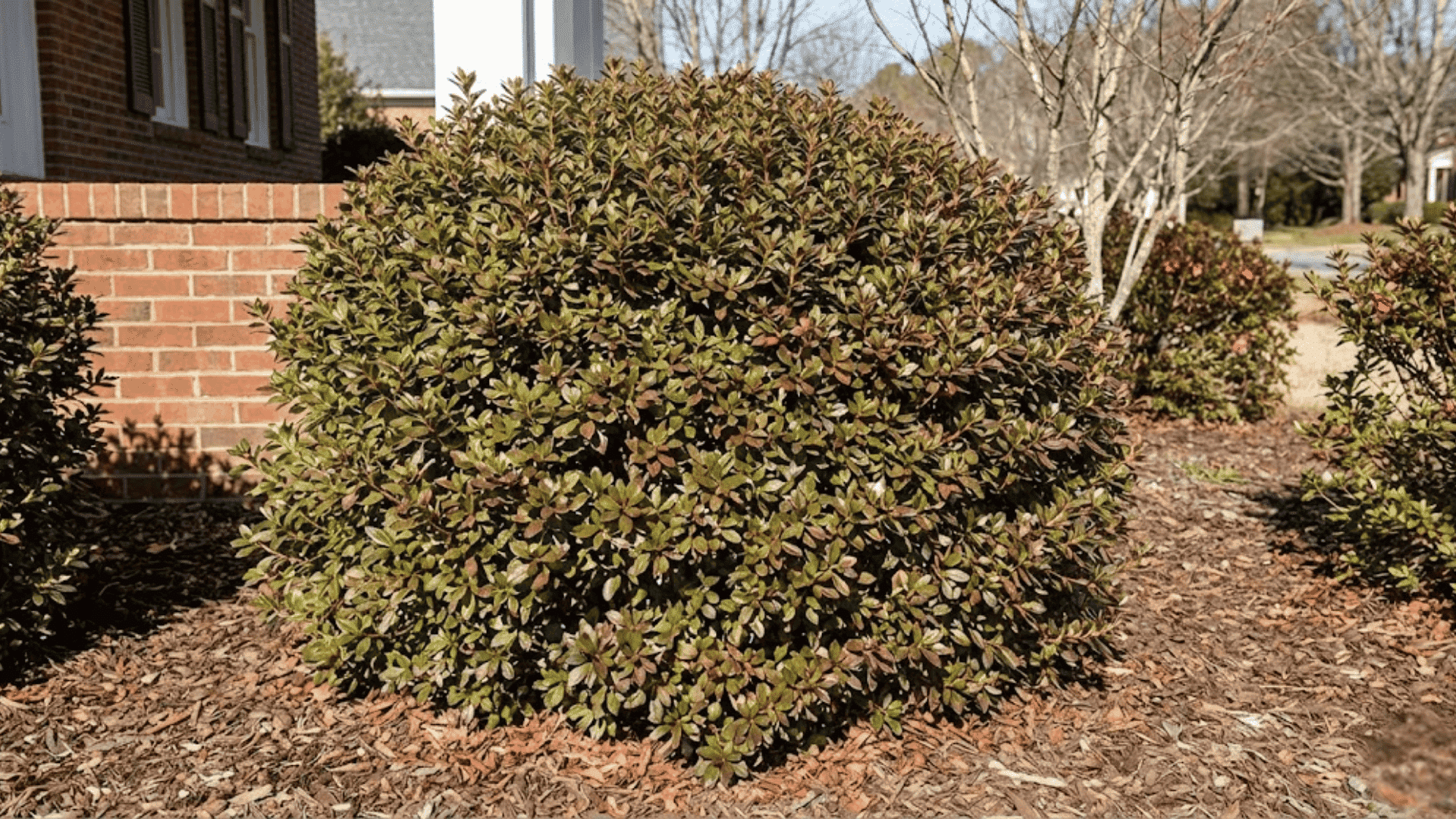
Evergreen azaleas are the workhorses of year-round garden design, maintaining their lush foliage through every season.
These reliable beauties offer structure and color even when winter strips other plants bare, making them invaluable for creating cohesive, polished landscapes.
What Makes an Azalea Evergreen?
Evergreen azaleas retain their leaves throughout the entire year, though you might notice older foliage dropping in spring as fresh growth emerges.
During winter, their leaves deepen to bronze or burgundy, adding warmth to cold-season gardens. These shrubs have a compact, mounding growth with small, leathery leaves that tolerate frost and cold.
Their dense branching creates a full, rounded appearance that looks intentional and manicured, even without much pruning effort from you.
Popular Evergreen Azalea Varieties
Choosing the right evergreen azalea variety can elevate your garden from ordinary to extraordinary. Here are some beloved options that consistently deliver beauty and reliability:
| Variety | Bloom Color | Best Climate Zones |
|---|---|---|
| Encore Azalea | Pink, white, purple, red | 6-10 |
| Kurume Azalea | Pink, coral, red, white | 6-9 |
| Southern Indica | Pink, salmon, white | 7-10 |
| Satsuki Azalea | Various, often bi-colored | 6-9 |
Benefits of Evergreen Azaleas
Evergreen azaleas bring practical advantages that go far beyond their springtime blooms, making them smart investments for thoughtful garden design:
- Consistent visual interest that keeps your landscape looking intentional through all four seasons.
- Natural privacy screening when planted in groupings or hedges along property lines.
- Perfect foundation plantings that anchor your home’s exterior with timeless appeal.
- Low-maintenance structure that requires minimal pruning to maintain an attractive shape.
Deciduous Azaleas Explained
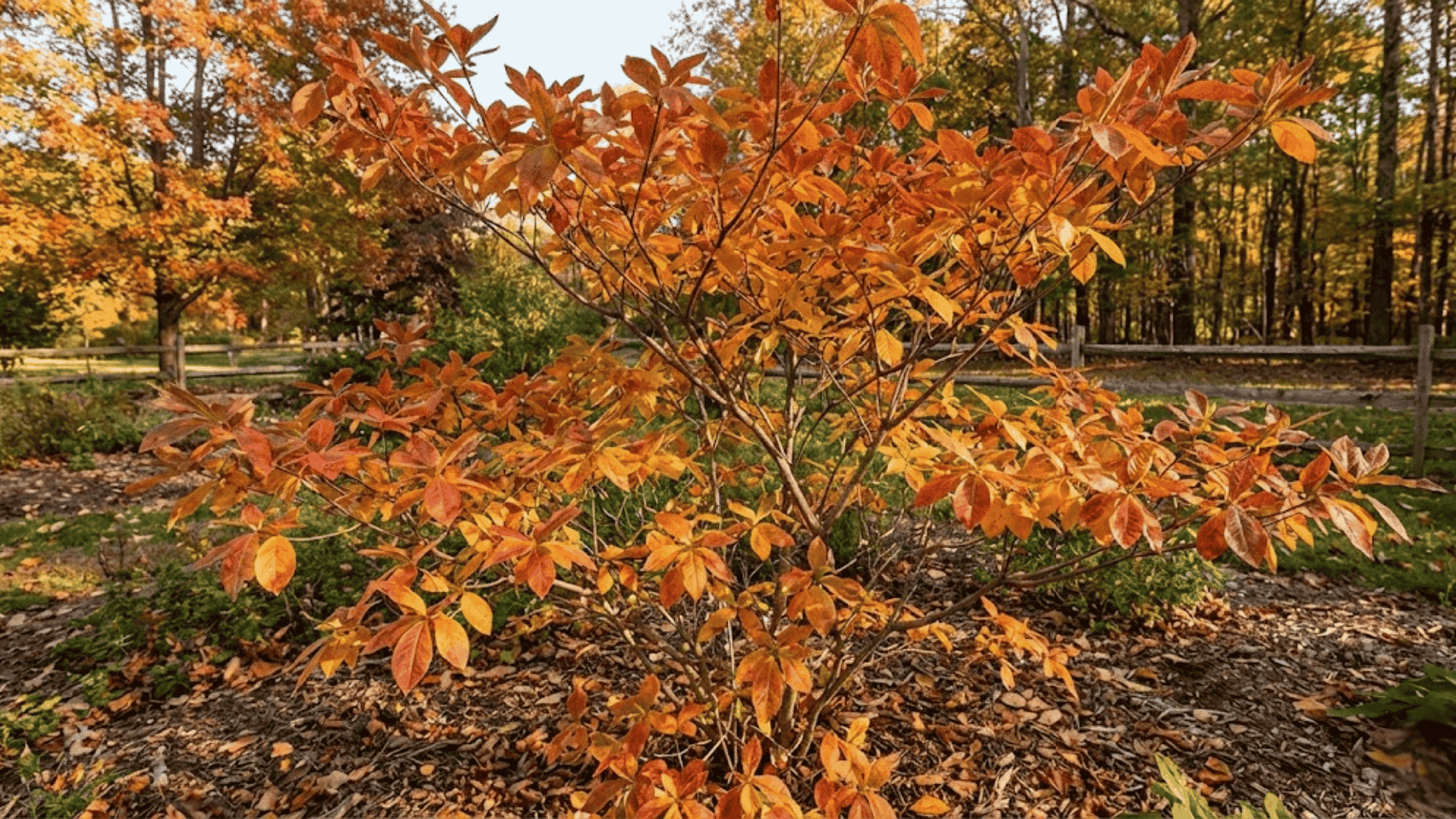
Deciduous azaleas embrace the rhythm of the seasons, offering a dynamic garden experience that changes with each passing month.
These varieties celebrate shifting beauty, rewarding patient gardeners with spectacular autumn displays before their winter rest.
What are Deciduous Azaleas?
Deciduous azaleas naturally shed their leaves each fall, entering a period of dormancy that lasts through winter until spring awakens them again.
Unlike their evergreen cousins, these varieties often produce larger, more fragrant blooms with a wilder, more natural appearance. Their growth habit is more upright and open, creating an airy, woodland feel.
The flowers frequently appear before or alongside new foliage in spring, making the blooms even more dramatic and eye-catching against bare branches.
Do Azaleas Lose Their Leaves in the Winter?
If you have deciduous azaleas, leaf drop in autumn is completely normal and healthy, signaling that your plant is preparing for its winter dormancy. Leaves turn yellow, orange, or deep red before falling around the first frost.
However, if your evergreen azalea is dropping leaves excessively, this could indicate stress from drought, poor drainage, or disease rather than natural seasonal behavior.
Timing matters too: spring or summer leaf drop on any azalea warrants investigation, while fall shedding on deciduous types is exactly what nature intended.
Benefits of Deciduous Azaleas
Deciduous azaleas bring their own unique charm to thoughtfully designed gardens, offering rewards that evergreen types simply can’t match:
- Vibrant fall foliage in shades of amber, crimson, and gold that rivals any maple tree.
- Intensely fragrant blooms that fill your garden with sweet, honey-like perfume each spring.
- Larger flower displays that create bold, painterly statements in the landscape.
- Better cold hardiness for northern gardens, where evergreen varieties struggle to survive.
Evergreen vs. Deciduous Azaleas: Key Differences
Understanding the distinctions between evergreen and deciduous azaleas helps you make informed choices for your specific garden needs and climate.
Here’s a side-by-side comparison of their most important characteristics:
| Feature | Evergreen Azaleas | Deciduous Azaleas |
|---|---|---|
| Leaf Retention | Keep foliage year-round | Drop leaves in fall |
| Winter Appearance | Green structure, may bronze slightly | Bare branches |
| Bloom Size | Smaller, abundant flowers | Larger individual blooms |
| Fragrance | Minimal to none | Often strongly fragrant |
| Flowering Time | Mid to late spring | Early to mid spring |
| Fall Color | Little to no change | Vibrant yellows, oranges, reds |
| Cold Hardiness | Zones 6-9 typically | Zones 4-8, more cold-tolerant |
| Maintenance | Regular watering essential | More drought-tolerant once established |
How to Tell If Your Azalea is Evergreen?
Not sure which type of azalea you have in your garden? A few simple observations can give you the answer, helping you provide the right care and set realistic expectations for each season.
- Watch Through Winter: If your azalea keeps its leaves during the coldest months, it’s evergreen.
- Check Leaf Texture: Evergreen varieties have smaller, thicker, leathery leaves compared to the thinner foliage of deciduous types.
- Note Winter Color: Evergreen azaleas often develop bronze or burgundy tones in cold weather while still holding leaves.
- Look for Plant Tags: Nursery labels typically specify whether a variety is evergreen or deciduous.
- Observe Bloom Timing: If flowers appear on completely bare branches in early spring, you likely have a deciduous variety.
Once you’ve identified your azalea type, you’ll know exactly how to care for it and what visual interest it will bring to your garden throughout the year.
How Climate Affects Whether Azaleas Keep Their Leaves
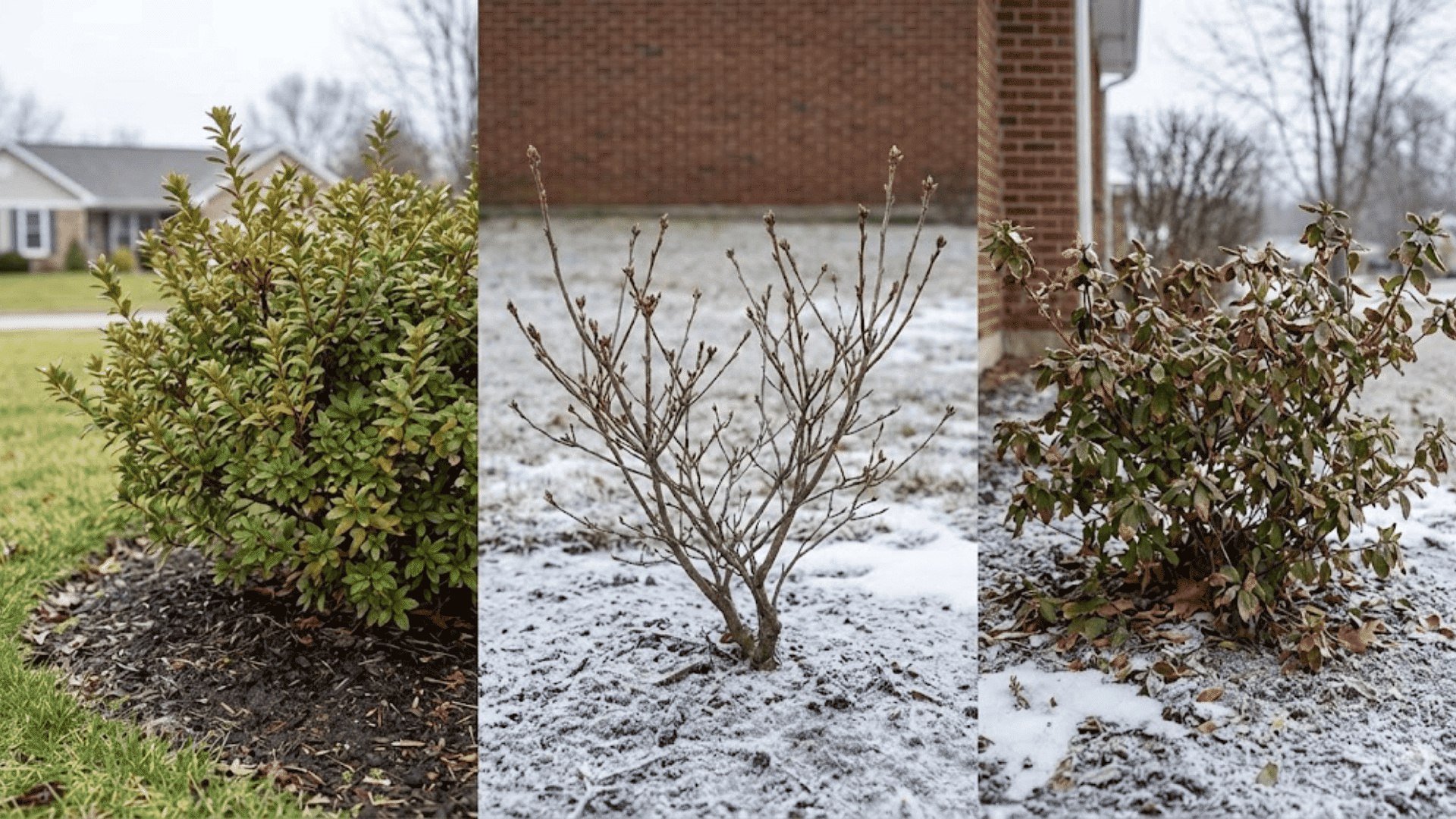
Climate plays a crucial role in how your azaleas behave throughout the year. Evergreen azaleas thrive best in zones 6-9, where mild winters allow them to retain foliage comfortably.
In colder regions below zone 6, even varieties labeled as evergreen may struggle, experiencing severe leaf burn or behaving more like semi-evergreen plants that drop some or most foliage.
The harsh reality is that extended freezing temperatures and drying winter winds can damage evergreen azalea leaves beyond recovery.
If you’re gardening in zone 5 or colder, deciduous azaleas are typically your more reliable choice, as they’re naturally adapted to handle frigid conditions without the stress of maintaining leaves year-round.
Azaleas vs. Rhododendrons
While azaleas are technically part of the rhododendron family, gardeners treat them as distinct plants for good reason.
Here’s how these close relatives differ in appearance and growing habits:
| Feature | Azaleas | Rhododendrons |
|---|---|---|
| Leaf Size | Small, often under 2 inches long | Large, 3-6 inches or longer |
| Leaf Texture | Thin to moderately thick | Thick, leathery, glossy |
| Evergreen Status | Can be evergreen or deciduous | Almost always evergreen |
| Flower Style | Funnel-shaped, delicate appearance | Bell or trumpet-shaped, clustered |
| Plant Size | Compact, 3-8 feet typically | Larger, 6-20 feet at maturity |
| Stamens | 5 stamens per flower | 10 or more stamens per flower |
| Growth Habit | Rounded, bushy, dense | Upright, tree-like structure |
| Cold Tolerance | Varies widely by type | Generally very cold-hardy |
Common Problems Misinterpreted as Leaf Loss
Not all leaf drop means your azalea is deciduous. Sometimes what looks like natural shedding is actually your plant crying out for help with an underlying issue that needs your attention.
Problem 1: Drought Stress
Solution: Water deeply and consistently, especially during hot, dry periods. Azaleas have shallow roots that dry out quickly, so maintaining evenly moist soil prevents stress-related leaf drop.
Problem 2: Pest Damage
Solution: Inspect leaves for lace bugs, spider mites, or scale insects that cause yellowing and premature shedding. Treat infestations promptly with horticultural oil or insecticidal soap for best results.
Problem 3: Disease-Related Leaf Drop
Solution: Watch for fungal issues like leaf gall or root rot that trigger abnormal leaf loss. Improve air circulation, avoid overhead watering, and remove affected foliage to prevent spread.
Problem 4: Winter Burn vs. Natural Shedding
Solution: Winter burn appears as brown, crispy leaf edges on evergreen varieties from cold, dry winds. Protect plants with burlap screens and water well before ground freezes to minimize damage.
Final Thoughts
Azaleas can be evergreen or deciduous depending on the variety you choose, and now you have the knowledge to select the perfect type for your garden’s unique needs.
Evergreen azaleas offer year-round structure and dependable greenery, while deciduous varieties reward you with breathtaking autumn color and intensely fragrant blooms.
Both bring their own magic to thoughtfully designed landscapes. As you plan your garden’s next chapter, consider how each type fits into your vision for seasonal interest and maintenance preferences.
Have questions about growing azaleas in your specific climate? Share your thoughts in the comments below and let’s keep this conversation blooming.