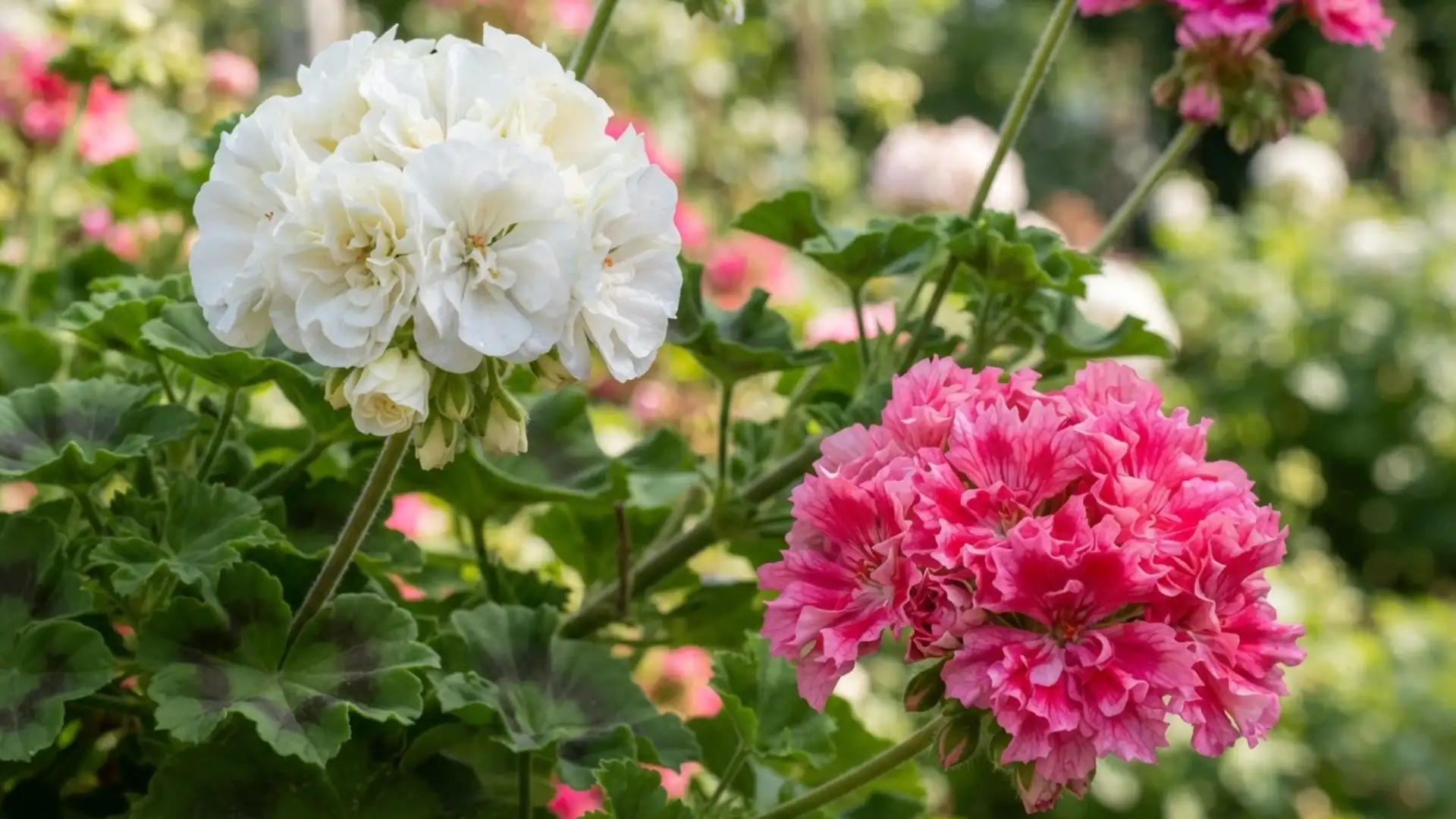
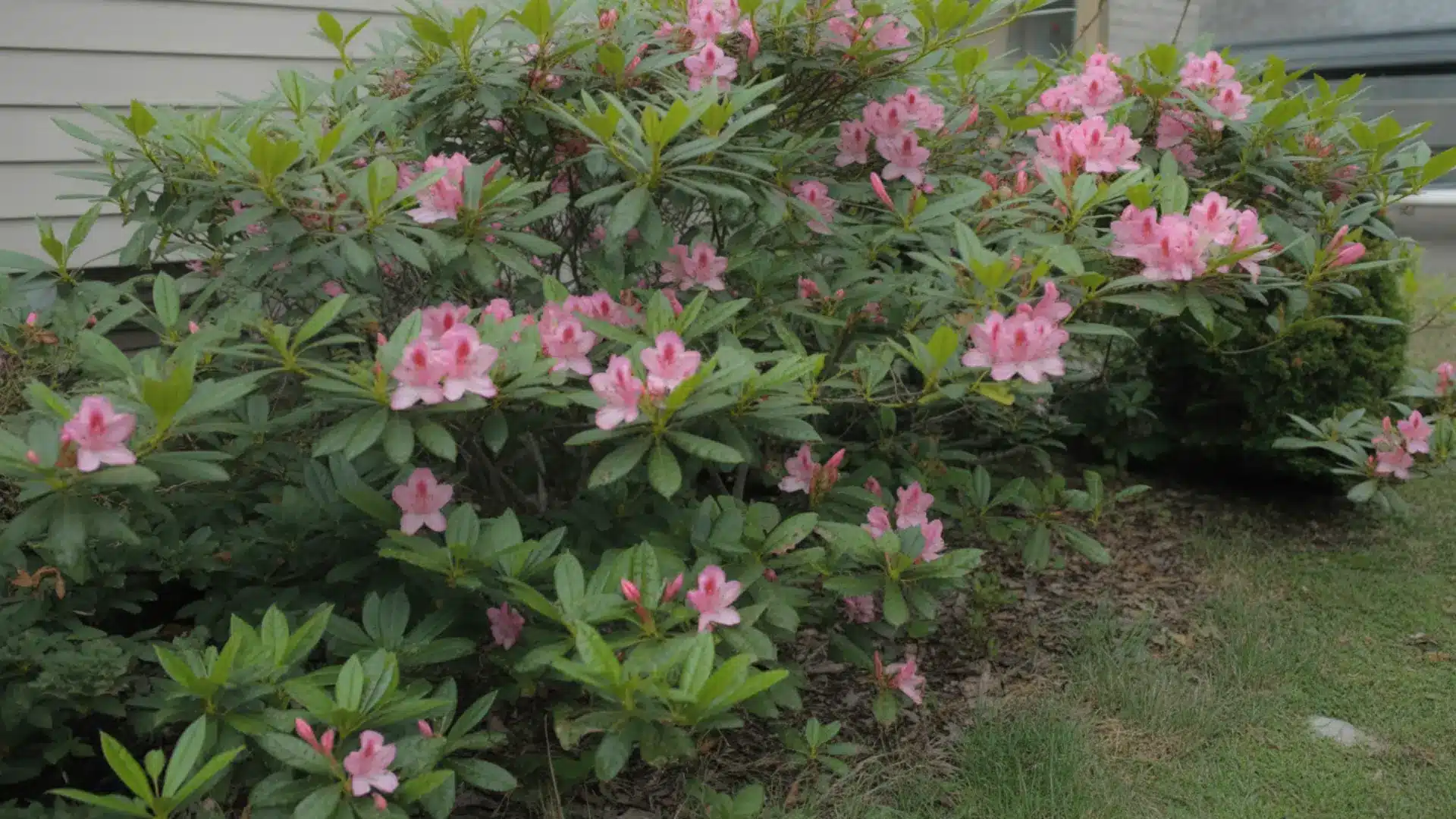
Azaleas have captured the hearts of gardeners everywhere with their show-stopping blooms, turning landscapes into dreamy, colorful sanctuaries each spring.
Yet despite their popularity, there’s often a lingering question that leaves many homeowners puzzled: are azaleas evergreen? The answer isn’t quite as straightforward as you might expect.
Some varieties hold onto their glossy leaves year-round, creating structure and texture through winter, while others shed their foliage when temperatures drop.
This list covers evergreen varieties, grouped by breeding type, along with their hardiness zones, sizes, and bloom colors, so you can pick one suited to your garden and climate.
What are Azaleas?
Azaleas are popular flowering shrubs with abundant blooms that brighten gardens every spring. These shrubs belong to the genus Rhododendron, a group closely related to the larger rhododendron shrubs found in woodland gardens.
While all azaleas are technically rhododendrons, they are distinguished by smaller leaves, more delicate flowers, and a generally more compact growth habit.
Gardeners and nurseries often group them together because they share similar growing requirements, thriving in acidic, well-draining soil, the kind of soil mix suited to acid-loving shrubs like blueberries and rhododendrons, and dappled shade.
This botanical relationship explains why you will frequently find them planted side by side, creating layered displays of color and texture through the seasons.
Are Azaleas Evergreen?
According to the Azalea Society of America, the answer is: it depends on the variety. Azaleas come in two types, each offering distinct advantages for your garden.
- Evergreen Azaleas: They retain their foliage year-round, providing consistent greenery and structure even through the coldest months.
- Deciduous Azaleas: They shed their leaves in fall, often treating you to gorgeous autumn color before going dormant for winter. This distinction matters tremendously for garden planning.
If you’re designing a landscape that needs winter interest and privacy, evergreen varieties are your go-to choice.
But if you prefer dramatic seasonal changes and don’t mind bare branches during colder months, deciduous azaleas might be the perfect fit.
How to Tell If Your Azalea is Evergreen?
Not sure which type of azalea you have in your garden? A few simple observations can give you the answer, helping you provide the right care and set realistic expectations for each season.
- Watch Through Winter: If your azalea keeps its leaves during the coldest months, it’s evergreen.
- Check Leaf Texture: Evergreen varieties have smaller, thicker, leathery leaves compared to the thinner foliage of deciduous types.
- Note Winter Color: Evergreen azaleas often develop bronze or burgundy tones in cold weather while still holding leaves.
- Look for Plant Tags: Nursery labels typically specify whether a variety is evergreen or deciduous.
- Observe Bloom Timing: If flowers appear on completely bare branches in early spring, you likely have a deciduous variety.
Once you’ve identified your azalea type, you’ll know exactly how to care for it and what visual interest it will bring to your garden throughout the year.
Southern Indica & Large-Flowered Types
These varieties are known for their bold, oversized blooms and vigorous growth, making them a top pick for anyone wanting a statement shrub. Here’s a closer look at four standout types in this group.
1. Southern Indica Azalea

Zones: 7–10
Size: 6 to 10 feet tall and wide
Bloom color: Pink, red, and white
Bloom season: Early to mid spring
Southern Indica azaleas are among the largest evergreen types available, often used as foundation plantings or informal hedges throughout the Deep South.
Their flowers can reach up to 3 inches across, giving the shrub a full, dramatic look at peak bloom. Leathery dark green leaves stay dense through winter, keeping the plant looking established year-round.
2. Rutherfordiana Azalea

Zones: 8–10
Size: 3 to 5 feet tall
Bloom color: Red, pink, and white
Bloom season: Late winter to early spring
Rutherfordiana azaleas are a cross between Southern Indica and Belgian Indica types, originally bred for indoor forcing and greenhouse production.
Wide varieties feature ruffled or double petals that add extra texture to the blooms. This type is a common choice for florists selling potted azaleas around Easter.
3. Belgian Indica Azalea

Zones: 8–10
Size: Under 4 feet tall
Bloom color: Deep red, pink, and white
Bloom season: Late winter to early spring
Belgian Indica azaleas were originally developed in Europe for greenhouse forcing and are known for their heavily ruffled, camellia-like blooms.
Their compact size makes them well suited to containers or smaller garden beds. Small, glossy evergreen leaves stay densely packed on the stem throughout the year.
4. Pericat Azalea

Zones: 7–9
Size: 2 to 4 feet tall
Bloom color: Pink, salmon, and white
Bloom season: Early to mid spring
Pericats azaleas were developed in the early 1900s and are prized for their compact size and early bloom time. Some varieties show a hose-in-hose double form, adding fullness to each flower.
The fine-textured foliage stays a rich green through winter with minimal bronzing.
Kurume & Compact Types
These azaleas stay smaller and denser than the large-flowered types, making them ideal for tighter spaces and layered garden beds. Here are four reliable picks in this category.
5. Kurume Azalea

- Zones: 6–9
- Size: 2 to 4 feet tall and wide
- Bloom color: Red, pink, purple, and white
- Bloom season: Early to mid spring
Kurume azaleas are among the most widely planted evergreen types, originally bred in Japan, and are known for their profuse, small blooms that often cover the entire plant at peak season.
The small, dark green leaves stay dense year-round, giving the shrub a tidy, mounded shape. This type works well as a low hedge or foundation planting.
6. Robin Hill Azalea

- Zones: 6–9
- Size: 3 to 4 feet tall, spreading habit
- Bloom color: Pink, peach, and white
- Bloom season: Mid to late spring
Robin Hill azaleas were bred for larger flowers on a compact frame, offering a good middle ground between size and bloom impact.
Wide varieties show a soft, ruffled petal edge that sets them apart from typical Kurume types. The evergreen foliage holds a neat, compact form through winter.
7. North Tisbury Azalea

- Zones: 6–9
- Size: 1 to 2 feet tall, spreading habit
- Bloom color: Pink, red, and white
- Bloom season: Late spring
North Tisbury azaleas were developed as a low, spreading groundcover type, making them useful for cascading over walls or edging garden beds.
Flowers are often large relative to the plant’s small size. Leaves take on a bronze or purplish tint during colder months, adding seasonal interest.
8. Gable Hybrid Azalea

- Zones: 6–9
- Size: 3 to 5 feet tall, upright habit
- Bloom color: Red, pink, and white
- Bloom season: Mid-spring
Gable Hybrid azaleas were bred for cold hardiness, making them a solid choice for gardeners in cooler climates within the evergreen range.
Some varieties show bicolor patterns on the petals. Medium-sized evergreen leaves hold their color well even after hard frosts.
Satsuki & Kaempferi Types
This group is known for later bloom times and some of the most intricate flower patterns among evergreen azaleas. Here’s a look at four varieties worth planting.
9. Satsuki Azalea

- Zones: 6–9
- Size: 1 to 3 feet tall
- Bloom color: Red, pink, white, and multicolor patterns
- Bloom season: Late spring to early summer
Satsuki azaleas bloom later than most evergreen types, often flowering after other azaleas have already finished for the season.
Their compact size makes them a popular choice for bonsai and container work. Small, glossy evergreen leaves hold steady through winter with little dieback.
10. Chugai Azalea

- Zones: 7–9
- Size: Under 3 feet tall, wide-spreading
- Bloom color: Red, pink, and white
- Bloom season: Late spring
Chugai azaleas are a Satsuki-related type valued for their large flowers relative to a fairly low, spreading form. Some varieties show ruffled petal edges that add extra texture to the bloom.
The dark green evergreen foliage stays dense and low, making it a good filler plant along borders.
11. Kaempferi Hybrid Azalea

- Zones: 5–9
- Size: 4 to 6 feet tall, upright habit
- Bloom color: Red, orange-red, and pink
- Bloom season: Mid-spring
Kaempferi Hybrid azaleas are bred from a Japanese species known for exceptional cold tolerance among evergreen types.
This group stands out for its brighter, bolder color range compared to other compact varieties. The evergreen leaves can take on a bronze tone in winter but rarely drop.
12. Vuyk Hybrid Azalea

- Zones: 6–9
- Size: Under 3 feet tall, with a wide horizontal spread
- Bloom color: Pink, red, and white
- Bloom season: Mid to late spring
Vuyk Hybrid azaleas were developed in the Netherlands and are known for their large, flat-faced flowers on a naturally low, spreading plant.
Some varieties show darker flecking on the petals, adding contrast to the bloom. Foliage stays evergreen and fine-textured, keeping the plant looking full through the colder months.
Cold-Hardy American Hybrid Types
These varieties were bred to withstand harsher winters while still retaining their evergreen foliage, making them a reliable pick for cooler climates. Here are five types worth knowing.
13. Glenn Dale Azalea

- Zones: 6–9
- Size: 4 to 6 feet tall, upright habit
- Bloom color: Red, pink, white, and bicolor combinations
- Bloom season: Mid to late spring
Glenn Dale azaleas were developed by the USDA specifically to combine cold hardiness with large, showy flowers.
This group offers one of the widest color ranges among evergreen types, including striking bicolor patterns. Medium-sized evergreen leaves stay full through winter, though some bronzing can appear in harder freezes.
14. Girard Hybrid Azalea

- Zones: 6–9
- Size: 2 to 4 feet tall
- Bloom color: Red, purple, and pink
- Bloom season: Mid-spring
Girard Hybrid azaleas were bred for both cold tolerance and strong fall-to-winter foliage color, a trait less common in evergreen types.
Some varieties show a hose-in-hose double bloom form. Leaves frequently take on deep red or maroon tones in winter before greening back up in spring.
15. Linwood Hybrid Azalea

- Zones: 6–9
- Size: 3 to 4 feet tall, rounded shape
- Bloom color: Pink, red, and white
- Bloom season: Early to mid spring
Linwood Hybrid azaleas are a Kurume-related group selected for improved cold hardiness and dense, uniform growth.
The plant covers heavily at peak bloom, creating a solid mass of color. Small evergreen leaves stay dense year-round, giving the shrub a full look even in winter.
16. Beltsville Hybrid Azalea

- Zones: 6–9
- Size: 3 to 5 feet tall, spreading habit
- Bloom color: Pink, red, and white
- Bloom season: Mid-spring
Beltsville Hybrid azaleas were developed for reliable performance in the mid-Atlantic climate, balancing cold hardiness with strong bloom coverage.
Wide varieties show ruffled petal edges that add texture to the flower. Evergreen foliage stays dark green through most of winter with minimal leaf loss.
17. Back Acres Hybrid Azalea

- Zones: 6–9
- Size: 4 to 5 feet tall, upright habit
- Bloom color: Pink, salmon, and white
- Bloom season: Mid-spring
Back Acres Hybrid azaleas were bred for larger flowers on cold-hardy rootstock, giving them a bolder bloom than many compact evergreen types.
Flowers often reach 2 to 3 inches across, standing out among other cold-hardy hybrids. Leaves stay evergreen and leathery, holding their shape well through cold snaps.
Reblooming & Modern Hybrid Types
These newer hybrids were bred to bloom more than once a season, giving gardeners extra color beyond the typical spring-only window. Here are four popular picks in this group.
18. Encore Azalea

- Zones: 6–10
- Size: 2 to 6 feet tall, depending on variety
- Bloom color: Red, pink, purple, and white
- Bloom season: Spring, summer, and fall
Encore azaleas are among the most widely sold reblooming types, bred specifically to flower across three seasons rather than just spring.
A single plant can show multiple bloom colors across its flowering cycles, depending on the variety. The evergreen foliage stays dense and dark green year-round, supporting the extended bloom schedule.
19. Harris Hybrid Azalea

- Zones: 7–9
- Size: 3 to 5 feet tall, rounded habit
- Bloom color: Pink, red, and white
- Bloom season: Mid-spring
Harris Hybrid azaleas were bred in Georgia with a focus on heat tolerance alongside reliable evergreen foliage. Some varieties show a slightly ruffled petal edge that adds texture to the bloom.
Leaves stay glossy and full through summer heat, setting this group apart from less heat-tolerant hybrids.
20. Shammarello Hybrid Azalea

- Zones: 5–8
- Size: 3 to 4 feet tall, mounded shape
- Bloom color: Red, pink, and white
- Bloom season: Mid-spring
Shammarello Hybrid azaleas were developed in Ohio specifically for cold hardiness combined with dependable evergreen coverage.
This group is known for blooming heavily even after harsh winters. The evergreen leaves hold their color well, making it a solid choice for northern gardens.
21. Wada Hybrid Azalea

- Zones: 6–9
- Size: Under 3 feet tall, low-spreading habit
- Bloom color: Red-orange, pink, and white
- Bloom season: Mid to late spring
Wada Hybrid azaleas are known for their compact size and unusually vivid flower colors compared to other evergreen types.
The bold red-orange shade stands out among other hybrids in this list. The evergreen foliage stays dense and fine-textured, holding up well through winter with minimal dieback.
Do Azaleas Lose Their Leaves in the Winter?
If you have deciduous azaleas, leaf drop in autumn is completely normal and healthy, signaling that your plant is preparing for its winter dormancy. Leaves turn yellow, orange, or deep red before falling around the first frost.
However, if your evergreen azalea is dropping leaves excessively, this could indicate stress from drought, poor drainage, or disease rather than natural seasonal behavior.
Timing matters too: spring or summer leaf drop on any azalea warrants investigation, while fall shedding on deciduous types is exactly what nature intended.
Benefits of Evergreen Azaleas
Evergreen azaleas bring practical advantages that go far beyond their springtime blooms, making them smart investments for thoughtful garden design:
- Consistent visual interest that keeps your landscape looking intentional year-round.
- Natural privacy screening when planted in groupings or hedges along property lines.
- Perfect foundation plantings that anchor your home’s exterior with timeless appeal.
- Low-maintenance structure that requires minimal pruning to maintain an attractive shape.
Evergreen vs. Deciduous Azaleas: Key Differences
Understanding the distinctions between evergreen and deciduous azaleas helps you make informed choices for your specific garden needs and climate.
Here’s a side-by-side comparison of their most important characteristics:
|
Feature |
Evergreen Azaleas |
Deciduous Azaleas |
|---|---|---|
|
Leaf Retention |
Keep foliage year-round |
Drop leaves in fall |
|
Winter Appearance |
Green structure may bronze slightly |
Bare branches |
|
Bloom Size |
Smaller, abundant flowers |
Larger individual blooms |
|
Fragrance |
Minimal to none |
Often strongly fragrant |
|
Flowering Time |
Mid to late spring |
Early to mid spring |
|
Fall Color |
Little to no change |
Vibrant yellows, oranges, reds |
|
Cold Hardiness |
Zones 6-9 typically |
Zones 4-8, more cold-tolerant |
|
Maintenance |
Regular watering essential |
More drought-tolerant once established |
Common Problems Misinterpreted as Leaf Loss
Not all leaf drop means your azalea is deciduous. Sometimes what looks like natural shedding is actually your plant crying out for help with an underlying issue that needs your attention.
Problem 1: Drought Stress
Solution: Water deeply and consistently, especially during hot, dry periods. Azaleas have shallow roots that dry out quickly, so keeping the soil evenly moist prevents stress-related leaf drop.
Problem 2: Pest Damage
Solution: Inspect leaves for lace bugs, spider mites, or scale insects, which can cause yellowing and premature shedding. Treat infestations promptly with horticultural oil or insecticidal soap for best results.
Problem 3: Disease-Related Leaf Drop
Solution: Watch for fungal issues such as leaf gall or root rot that can trigger abnormal leaf loss.
Catching fungal problems early makes a real difference here, along with improving air circulation, avoiding overhead watering, and removing affected foliage to prevent spread.
Problem 4: Winter Burn vs. Natural Shedding
Solution: Winter burn appears as brown, crispy leaf edges on evergreen varieties from cold, dry winds. Protect plants with burlap screens and water well before the ground freezes to minimize damage.
Final Thoughts
Azaleas can be evergreen or deciduous depending on the variety you choose, and now you have the knowledge to select the perfect type for your garden’s unique needs.
Evergreen azaleas offer year-round structure and dependable greenery, while deciduous varieties reward you with breathtaking autumn color and intensely fragrant blooms.
Both bring their own magic to thoughtfully designed landscapes. As you plan your garden’s next chapter, consider how each type fits into your vision for seasonal interest and maintenance preferences.
Have questions about growing azaleas in your specific climate? Share your thoughts in the comments below, and let’s keep this conversation blooming.