

Plants have long supported daily life in ways that extend far beyond food and decoration. They appear in teas, household remedies, fragrances, skincare products, and traditional cultural practices. As interest in plant-based living grows, more people are also paying attention to how botanical ingredients are sourced, processed, tested, and prepared for modern use.
Brands such as Real Botanicals reflect this broader interest by offering botanical products made from kratom, kava, mushrooms, and other plant-derived ingredients. Its range includes liquid shots, capsules, tablets, and concentrated extracts. For gardeners and plant lovers, the brand also offers an interesting look at what happens after a useful plant leaves the field and enters a controlled production setting.
From Living Plants to Finished Products
Every botanical product begins with a living organism. Soil, rainfall, temperature, harvesting practices, and storage conditions can all affect the material collected from a plant. This is familiar territory for anyone who has grown herbs or vegetables. Two plants from the same species may look similar while differing in size, flavour, strength, or overall condition.
Those natural differences create a challenge when plant material is prepared for commercial use. A handful of homegrown mint can vary without causing much concern. A concentrated botanical product requires much tighter control because small differences may become more important after extraction.
Manufacturers address this by measuring ingredients, following repeatable production methods, and checking finished batches. Real Botanicals states that it sources botanicals from regions associated with their traditional use and processes them in its own South Carolina laboratory. Keeping production under direct control may help a company follow the same procedures from one batch to the next.
This part of the process is rarely visible to the average buyer. Yet it is one of the most important differences between loose plant material and a finished botanical extract. The final bottle or tablet may be small, but a long chain of decisions comes before it.
Why Extraction Changes the Plant Experience
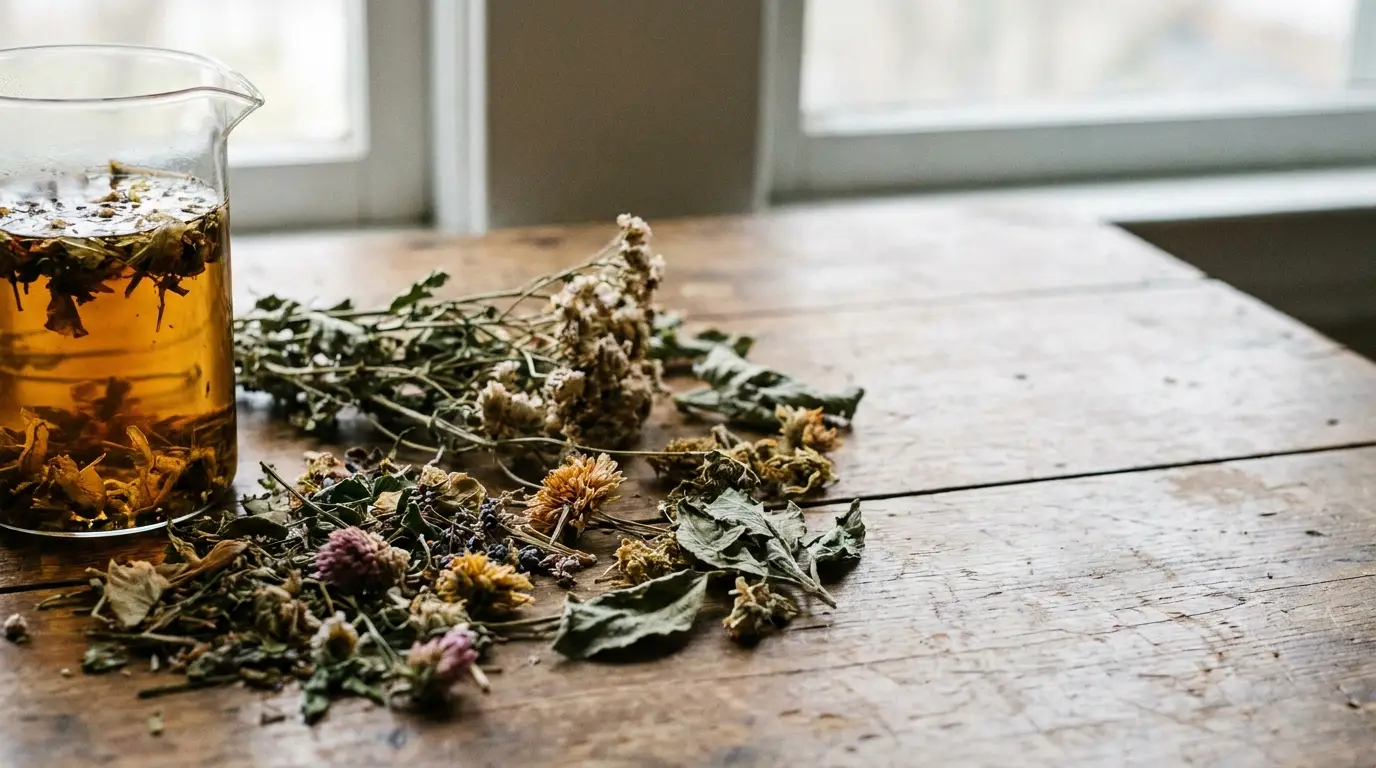
Gardeners commonly extract useful plant compounds without thinking of the process in technical terms. Steeping herbs in hot water, soaking fruit in alcohol, and infusing leaves into oil are all basic forms of extraction. The liquid draws selected compounds out of the plant material and carries them into a form that may be easier to use.
Commercial extraction follows the same general idea with greater precision. Producers may control temperature, timing, filtration, concentration, and serving size. They may also remove unwanted plant matter while preserving specific compounds.
This allows botanicals to appear in several formats. Capsules can provide a measured amount without the taste of raw plant material. Liquid products are portable and require little preparation. Scored tablets may allow users to divide a serving more carefully. Each format serves a different practical purpose.
Concentration deserves particular attention. An extract can contain far more active plant material than an ordinary tea or whole leaf preparation. A small container does not always indicate a mild product. Labels, serving guidance, warnings, and ingredient information therefore matter.
For readers who enjoy growing and using herbs, this is a useful reminder that familiar plants can behave differently when processed. Drying, grinding, heating, infusing, and concentrating can each change how a botanical product should be handled.
Testing Helps Build Confidence
Plants are natural, though that does not guarantee that every harvested batch is clean or consistent. Botanical material can be exposed to microbes, pesticides, heavy metals, poor storage conditions, or accidental contamination. These risks may arise during growing, transport, processing, or packaging.
Independent laboratory testing gives manufacturers a way to check for some of these concerns. Real Botanicals says its products undergo third-party testing for purity and strength. Product pages also provide access to certificates of analysis, which may show measured compounds and screening results for selected contaminants.
A certificate alone should not replace careful judgment. Still, access to test results gives buyers more information than a vague promise of quality. It also encourages companies to document what they produce.
Clear packaging supports the same goal. A useful label should identify the ingredients, suggested serving, total amount in the container, relevant warnings, and storage instructions. Concentrated products should make their strength easy to understand.
Gardeners already use a similar habit when purchasing seeds, soil treatments, fertilisers, and pest-control products. We check the label before deciding where, when, and how something should be used. Botanical extracts deserve the same careful reading.
Responsible Use Starts With Good Information
Plant-based products should be approached with the same care given to any substance that can affect the body. This becomes especially important with kratom and concentrated kratom alkaloids. Effects can vary according to the product, serving amount, individual health, previous exposure, and use alongside medicines or other substances.
Real Botanicals includes warnings that its active botanical alkaloids may become habit-forming when misused. The company also advises customers to follow serving directions, avoid use when there is a history of dependency, and speak with a healthcare professional about possible interactions.
Local rules should also be checked before buying or carrying these products. Kratom regulations differ between places and may change over time. Age restrictions and shipping limits can apply as well.
Responsible use also means avoiding assumptions based on words such as natural, herbal, or traditional. Poison ivy is natural. So are many powerful medicinal plants. Nature can provide valuable materials, but safe use depends on knowledge, moderation, and respect for concentration.
Anyone considering a botanical product should read the complete label, begin cautiously where the manufacturer permits, and avoid mixing it with alcohol, medications, or other active substances without professional guidance. Products should also be stored securely and kept away from children and pets.
What Current Research Says About Kratom
Kratom comes from Mitragyna speciosa, a tropical tree native to Southeast Asia. Its leaves have a history of traditional use, while modern products may appear as powders, capsules, drinks, or concentrated extracts.
Research into kratom and its major compounds continues. The National Institute on Drug Abuse overview of kratom explains that researchers are studying how its compounds act in the body, why people use it, and what health risks may be associated with different patterns of consumption. The overview also notes that kratom has not been approved by the United States Food and Drug Administration for medical use.
This kind of independent information adds balance to product research. A manufacturer can explain its sourcing, testing, and production standards. A public health source can provide wider context about known effects, uncertainties, interactions, dependence, and ongoing scientific work. Reading both helps buyers form a more complete picture.
A Thoughtful Place for Botanicals
The path from a growing plant to a finished extract involves agriculture, chemistry, quality control, packaging, and consumer education. Each stage affects the product that eventually reaches the shelf.
For gardeners, this offers a new way to think about useful plants. Growing is only the beginning. Processing methods can change strength, convenience, shelf life, and the care required during use.
Companies that provide ingredient details, batch testing, clear serving information, and accessible warnings make it easier for adults to evaluate their options. Buyers still carry responsibility for checking the evidence, understanding local rules, and making careful decisions.
Botanical products are best approached with curiosity and restraint. Learn where the plant comes from. Study how the product was prepared. Read the testing information. Pay attention to concentration and warnings. That steady, practical approach respects both the potential of plants and the limits of what we currently know.