Most homeowners don’t think much about their plumbing until something goes wrong. A dripping tap is easy to ignore. A slow drain feels like a minor inconvenience. A faint damp patch under the sink? That can wait until the weekend.
The trouble is, plumbing problems rarely stay small for long.
Water has a way of turning modest defects into expensive repairs. A loose pipe joint can lead to hidden moisture behind cabinets. A hairline crack in a waste pipe can slowly damage flooring, insulation, and plasterboard. By the time the issue becomes obvious, the repair bill often extends far beyond the plumbing itself.
That’s why a basic plumbing inspection is so valuable. It gives homeowners a chance to catch problems while they are still manageable, relatively affordable, and contained to one area. In practical terms, it’s less about ticking a maintenance box and more about protecting the structure, safety, and long-term value of the property.
Why Plumbing Problems Become So Costly
Water damage doesn’t always announce itself dramatically. In many homes, the first signs are subtle: a musty smell, discoloured paint, warped skirting boards, or slightly reduced water pressure. Because these symptoms appear gradually, it’s easy to dismiss them or assume they’re cosmetic.
But hidden leaks can affect far more than pipework. Over time, persistent moisture can contribute to:
- timber rot
- mould growth
- damaged flooring and wall finishes
- weakened ceilings
- higher water bills
- deterioration around kitchens, bathrooms, and utility spaces
In older properties, the risk is often greater. Ageing pipe materials, outdated fittings, and long-forgotten repairs can all create vulnerabilities. Newer homes are not immune either; poor installation, pressure imbalances, and unnoticed seal failures can still cause trouble.
A plumbing inspection helps bridge that gap between “nothing seems wrong” and “why is there water coming through the ceiling?” It shifts the approach from reactive to preventive, which is almost always cheaper and far less disruptive.
What a Plumbing Inspection Actually Looks For
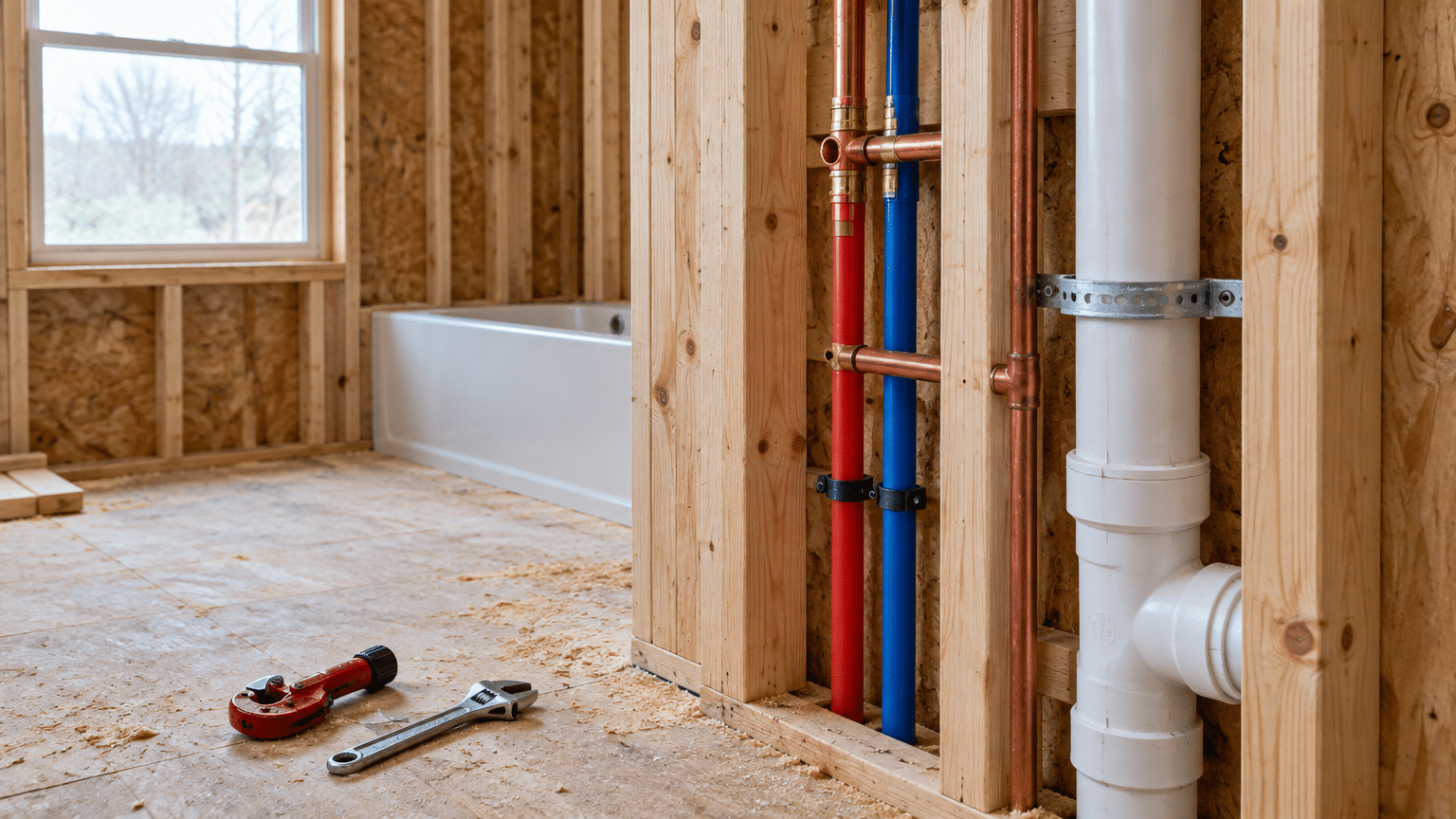
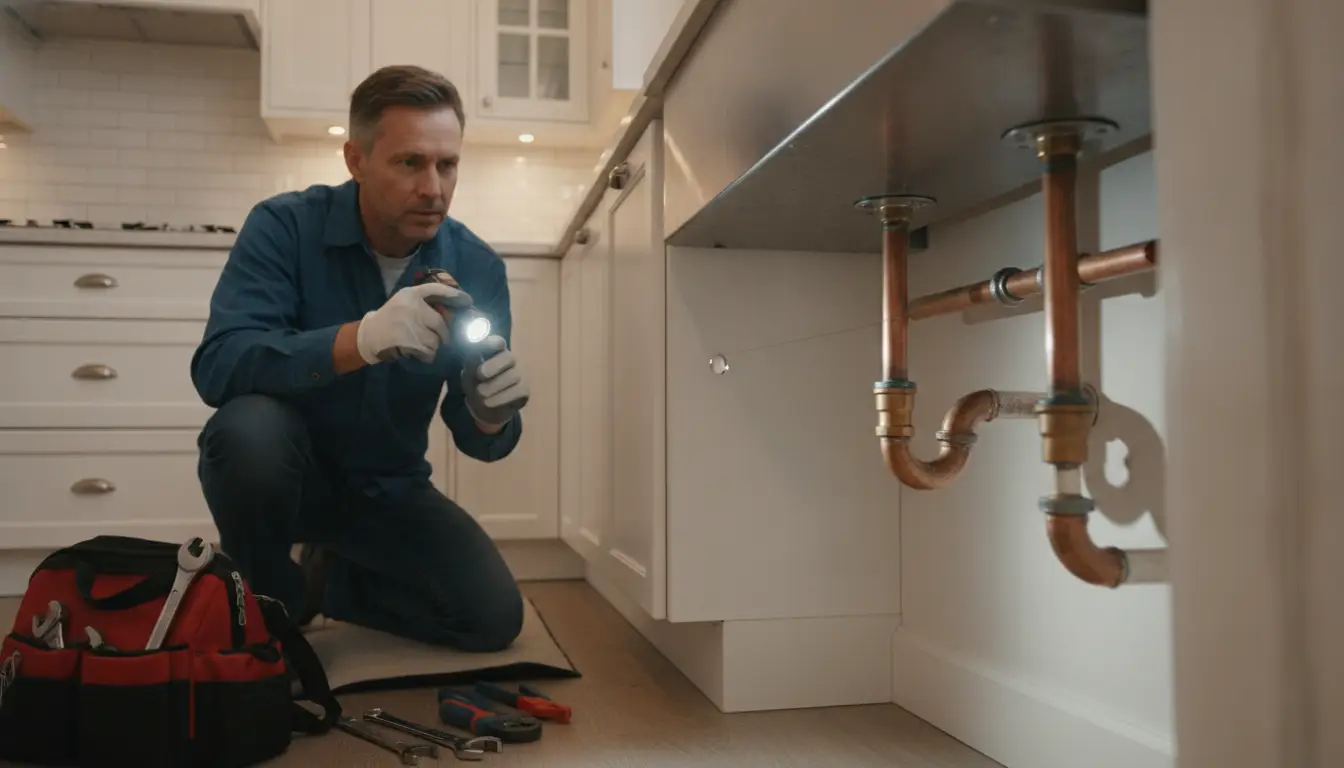
A good inspection is more than a quick glance under the sink. It typically involves checking accessible pipework, taps, fixtures, drainage performance, water pressure, signs of corrosion, hidden leaks, and the condition of seals around key wet areas.
It also helps identify where wear and tear is beginning to affect performance. That matters because plumbing doesn’t fail all at once. More often, it declines in stages: a valve stiffens, a joint weakens, a trap starts leaking intermittently, or a toilet begins running continuously without anyone noticing the wasted water.
For homeowners who want a clearer picture of what professionals look for, understanding property plumbing assessments can be useful. Knowing what’s included makes it easier to ask the right questions, prioritise repairs, and distinguish between minor maintenance and more serious concerns.
Small Defects Often Point to Bigger Risks
One of the most useful aspects of an inspection is context. A single issue may not be urgent on its own, but it can reveal a wider pattern.
Take recurring blockages, for example. On the surface, they may seem like a drainage nuisance. In reality, they can indicate poor pipe gradient, root intrusion, grease buildup, or venting issues. Similarly, low pressure in one bathroom could be a fixture problem, while low pressure throughout the home may suggest a hidden leak or supply issue.
That’s why inspections are valuable even when there’s no obvious emergency. They uncover the chain of cause and effect before it becomes costly.
The Areas Homeowners Most Often Overlook
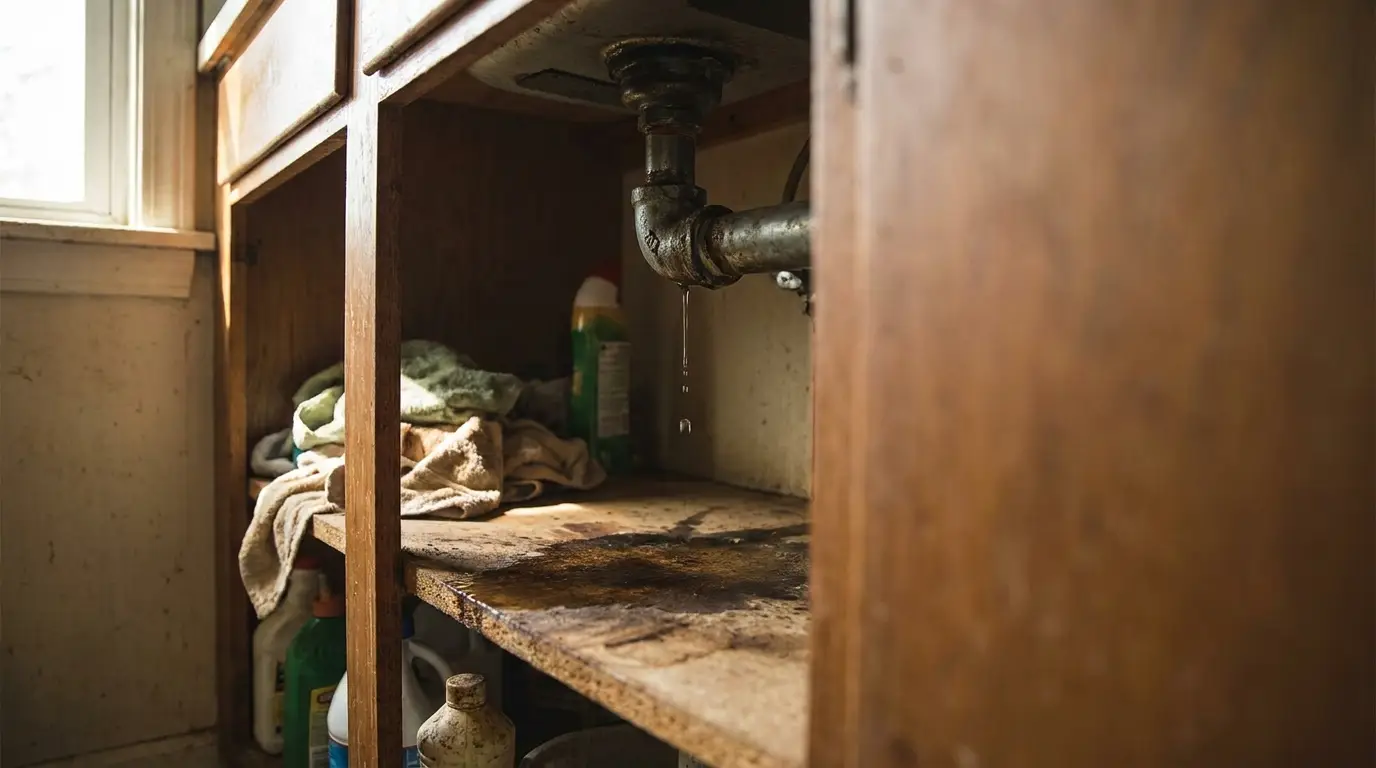
Some of the most damaging plumbing issues begin in places homeowners rarely check.
Under Sinks and Behind Appliances
These are prime locations for slow leaks. Because the water is often contained or hidden, damage can continue for weeks before anyone notices swelling cabinets, mildew, or soft flooring.
Around Toilets and Baths
Failed seals around toilets, baths, and shower trays can allow water to escape into subfloors and surrounding walls. The leak may not be visible in the room where it starts. Instead, it shows up later as staining in a ceiling below.
Outdoor Pipework and Drainage
External taps, gullies, and exposed pipe runs are frequently neglected, especially after colder weather. Small cracks, loose fittings, or blocked drains outside can create internal consequences surprisingly quickly.
When to Schedule an Inspection
You don’t need to wait for a plumbing emergency to justify an inspection. In fact, the best time is before there’s a clear problem.
Before Buying or Selling a Home
Property transactions often focus heavily on structure, electrics, and visible defects, but plumbing deserves the same attention. An inspection can reveal hidden maintenance issues that affect value or negotiation.
In Older Homes
If a property has ageing pipework or hasn’t had a recent review, a proactive inspection is a sensible step. This is especially true if materials such as galvanised steel or older jointing methods are still in place.
After Renovation or Long Vacancies
Renovation work can disturb existing pipework, and homes left empty for a period may develop leaks, drying seals, or pressure issues. A quick check can prevent unpleasant surprises when normal use resumes.
Prevention Is Usually Boring — and That’s the Point
There’s nothing glamorous about catching a slow leak early or replacing a worn seal before it fails. But that quiet, unremarkable maintenance is exactly what prevents major disruption.
The real value of a plumbing inspection lies in what it helps you avoid: torn-up floors, mould remediation, damaged possessions, insurance complications, and emergency callouts at the worst possible time.
Homeownership already comes with enough unpredictability. Plumbing shouldn’t be one of the avoidable ones.
A simple inspection won’t eliminate every future problem, but it does stack the odds in your favour. It gives you information early, when options are wider, repairs are smaller, and damage is still preventable. And in a home, that kind of foresight is rarely wasted.