Your roof works through every season. It faces strong sunlight, heavy rain, wind, snow, ice, and changing temperatures. Each condition affects shingles, flashing, sealants, gutters, vents, and decking.
Small defects often develop before you notice indoor damage. A loose shingle exposes the underlayment. A blocked gutter traps water near the roof edge. Cracked sealant creates a path for moisture. Preventive roof maintenance addresses these issues early and supports better roof durability.
Why Preventive Roof Maintenance Matters
Your roof functions as one system. Shingles block rain. Flashing protects joints. Gutters move water away. Ventilation controls attic heat and moisture. Decking provides structural support.
The best roofing contractors in Bourbonnais, Illinois, and the communities of Kankakee County inspect these connected parts and identify minor defects before they spread. Routine care supports roof material protection, roof damage prevention, and roof lifespan extension.
Delayed maintenance often raises repair costs. Water might enter beneath one damaged shingle and spread into insulation, decking, walls, or ceilings. Early action keeps the problem limited.
Create a Roof Maintenance Plan
A written roof maintenance plan helps you track inspections, cleaning, repairs, and seasonal tasks. It also gives you a record of previous work.
Schedule routine roof inspections at least once a year and after severe weather. Spring and fall offer useful inspection periods because roofing materials face different stresses during summer and winter.
Your roof maintenance checklist should cover:
- Shingles and other surface materials
- Flashing and sealants
- Gutters and downspouts
- Roof vents and attic conditions
- Roof valleys and drainage paths
- Decking and visible structural areas
- Nearby trees and overhanging branches
Keep photographs, estimates, invoices, and inspection reports. These records help you monitor roofing material wear over time.
Protect Shingles From Premature Wear
Shingles face direct exposure to sunlight, rain, wind, and temperature changes. Over time, these conditions lead to cracking, curling, fading, and granule loss.
Replace Damaged or Missing Shingles
Damaged shingle replacement closes openings before water reaches the underlayment. Missing shingle repair also prevents nearby shingles from lifting during strong winds.
Inspect the roof from the ground after storms. Look for bare areas, raised edges, uneven sections, or piles of granules near downspouts.
Reduce Sun and Temperature Damage
UV damage to roofing dries asphalt materials and weakens their surface. Temperature-related roof damage develops as materials expand during heat and contract during cold weather.
Proper ventilation and prompt shingle maintenance reduce these stresses. Limit unnecessary foot traffic because walking on hot, brittle, or frozen shingles often damages them.
Maintain Flashing and Roof Sealants
Flashing protects roof joints and openings around chimneys, vents, skylights, valleys, and edges. Loose, bent, rusted, or separated flashing allows water to enter.
Roof flashing maintenance should include checking fasteners, edges, and nearby sealant. A roof sealant inspection should also identify cracks, gaps, and dried material.
Do not rely on added sealant as a permanent fix for damaged flashing. A roofer should replace failed materials and restore the correct drainage path.
Keep Gutters and Drainage Paths Clear
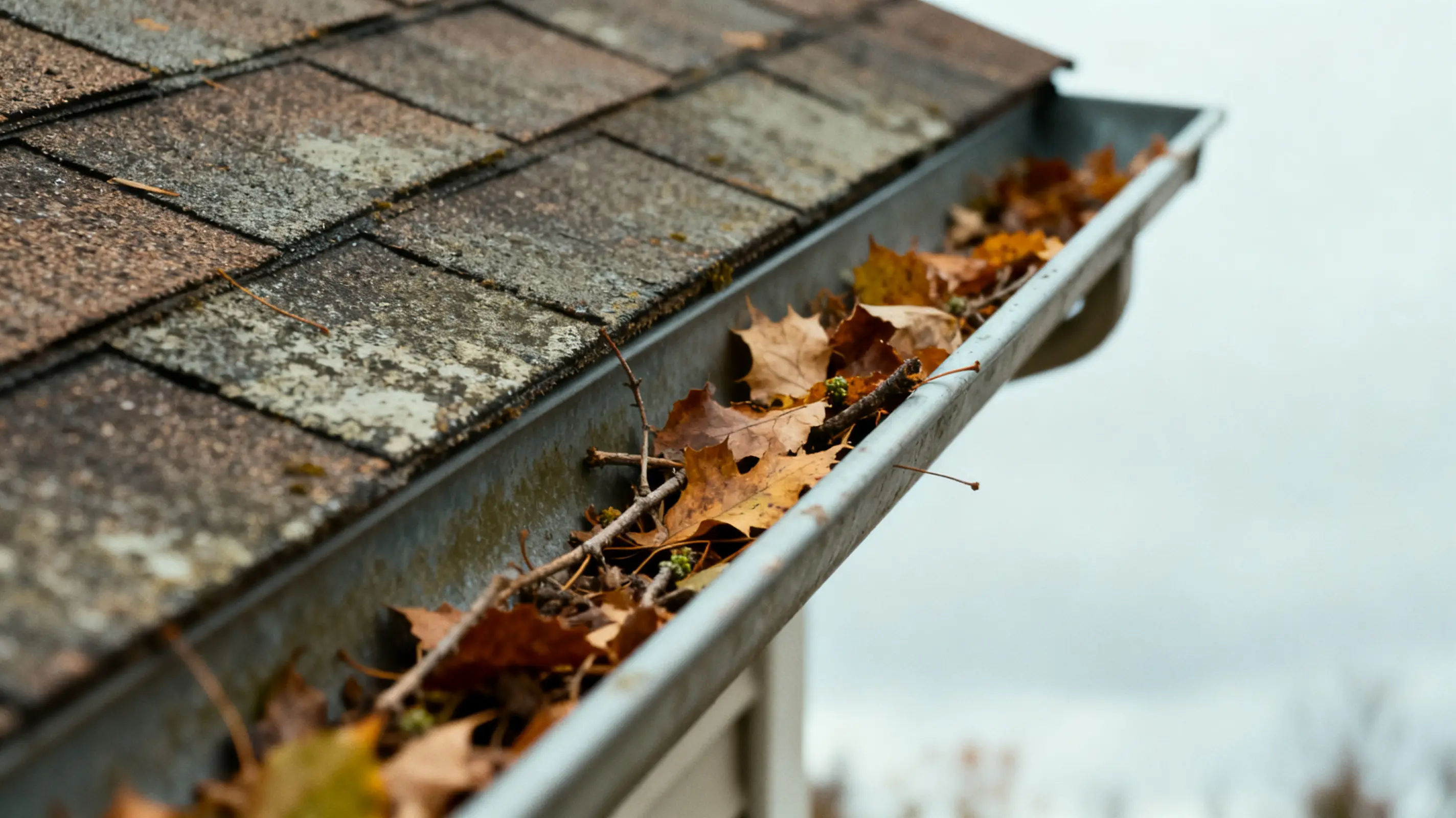
Gutters protect the roof by moving rainwater away from shingles, fascia, siding, and foundations. Leaves, twigs, dirt, and roofing granules often block this flow.
Gutter cleaning and maintenance should take place during seasonal changes and after major storms. Check downspouts for blockages and confirm that water drains away from the building.
Proper roof drainage prevents standing water and overflow. It also supports water damage prevention near roof edges. Repair sagging gutters, loose fasteners, and separated joints before the next heavy rainfall.
Maintain Roof and Attic Ventilation
Roof ventilation maintenance protects roofing materials from below. Intake and exhaust vents help control attic heat and moisture.
Without balanced airflow, attic temperatures rise. Excess heat speeds up shingle aging and adds strain to cooling equipment. Moisture also collects on decking, rafters, insulation, and fasteners.
Attic moisture control supports roof decking protection and roof structural integrity. Look for damp wood, rusted nails, musty odors, dark stains, or wet insulation. These signs often point to poor ventilation or a roof leak.
Remove Debris and Organic Growth
Leaves and branches trap moisture when they collect in valleys, behind chimneys, and near roof edges. Roof debris removal keeps these drainage areas open.
Moss and algae prevention also supports the life of roofing material. Moss holds moisture against shingles and lifts their edges as it grows. Algae often creates dark stains and signals damp conditions.
Avoid harsh pressure washing. Strong water pressure removes protective granules and damages shingle surfaces. Ask a roofing professional about safe cleaning methods.
Trim branches that touch or hang close to the roof. This lowers the risk of tree branch roof damage and reduces leaf buildup.
Inspect the Roof After Severe Weather
Strong wind, hail, heavy rain, and falling debris often cause hidden damage. A roof might look intact from the ground, while lifted shingles, broken seals, or cracked flashing remain unseen.
A storm damage inspection checks surface materials, vents, flashing, gutters, decking, and attic areas. Hail damage often leaves dents, impact marks, and missing granules. Wind damage often loosens shingles and separates sealed edges.
After a major storm, storm damage repair in Bourbonnais, Illinois, and the communities of Kankakee County helps identify affected materials and secure exposed sections before further rain or wind.
Prompt minor roof repairs reduce the chance of leaks and structural damage. Hail damage prevention and wind damage prevention depend largely on strong materials, correct installation, and fast repairs after impact.
Prepare Your Roof for Winter
Snow, ice, and freezing temperatures place added stress on roofing materials. Wet snow adds weight. Freeze-thaw cycles loosen seals and widen existing cracks.
Ice dam prevention starts with clear gutters, proper attic insulation, and balanced ventilation. When heat escapes into the attic, it melts snow on the upper roof. Water then freezes near the colder edge and blocks drainage.
Monitor heavy snow accumulation and arrange professional removal when needed. Avoid using sharp tools that scratch or puncture roofing materials.
Adjust Maintenance to the Property Type
Residential roof upkeep often includes seasonal inspections, gutter cleaning, attic checks, branch trimming, and shingle repairs.
Commercial roof maintenance often focuses on membrane seams, drainage systems, roof penetrations, standing water, and rooftop equipment. Flat and low-slope roofs need regular checks because water drains more slowly across their surfaces.
Both property types benefit from documented professional roof maintenance. Written records show what workers inspected, repaired, and recommended.
How Does Preventive Maintenance Improve Roof Durability?
Preventive maintenance improves roof durability by controlling water, heat, moisture, debris, and material wear. Clean gutters support drainage. Working vents manage attic conditions. Sound shingles and flashing keep water outside.
Start with a ground-level check after storms and seasonal changes. Look for missing shingles, damaged edges, blocked gutters, loose flashing, and debris. Check the attic for stains, odors, damp insulation, or dark wood.
Then schedule a professional assessment. For example, roofing contractors like N & I Roofing can help homeowners in Bourbonnais and nearby Kankakee County communities identify worn or damaged components and develop a maintenance plan based on the roof’s condition. Consistent care supports long-lasting roofing materials, year-round protection, and a longer roof service life.