A garden is easy to file under “nice to have.” It tends to land in the same mental category as a fresh coat of paint or a tidy bookshelf — pleasant, but not the sort of thing that moves the needle on net worth. That assumption quietly costs homeowners money. A thriving garden is not just decoration. It is one of the few home improvements that can pay for itself and then some, shaping how appraisers, buyers, and even lenders perceive a property. The link between green space and value is well documented, yet it remains widely underestimated. Understanding why that connection exists makes it far easier to spend wisely on the land around your home.
First Impressions Carry Real Weight
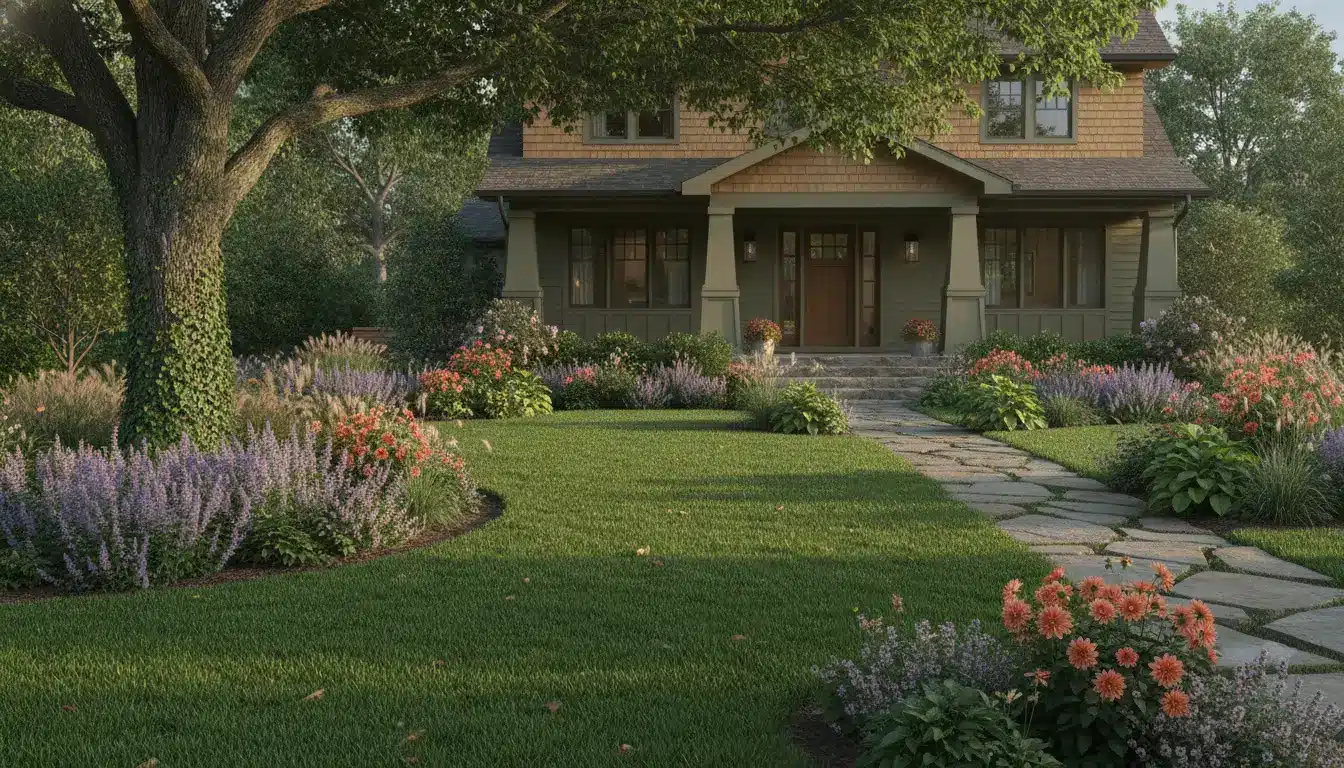
People form opinions about a house before they reach the front door. The drive-up moment, the walk along the path, the first glance at the lawn — all of it registers in seconds. A garden that looks healthy and intentional tells a quiet story about the property. It suggests the home is loved and looked after. A neglected yard does the opposite, planting doubt before anyone has even stepped inside.
Curb Appeal Sets the Tone
Real estate professionals talk about curb appeal constantly, and for good reason. It frames every showing. Buyers who feel drawn in from the street tend to view the interior more generously. They also tend to act faster. Strong landscaping has been linked to shorter time on the market, which matters to a seller almost as much as the final price.
The Numbers Are Better Than Most People Expect
Here is where the case stops being about feelings and starts being about figures. According to the National Association of Realtors, routine lawn care can deliver a return on investment of more than 200% at resale — one of the highest recovery rates of any home project. Few kitchen or bathroom remodels come close to that kind of payback.
The broader estimates are striking too. The American Society of Landscape Architects suggests homeowners invest roughly 10% of their property’s value in landscaping, and a range of studies tie thoughtful garden design to value increases of 5% to 15%. On a mid-priced home, that swing can mean tens of thousands of dollars. Mature trees alone can lift a property’s worth by a real margin, largely because they take years to grow and cannot be bought overnight.
A Garden Is a Signal of Care
Value is not only about the plants themselves. It is about what they imply. A maintained garden signals that the rest of the home has likely been maintained as well. Appraisers and buyers read these cues whether they intend to or not. Healthy beds, trimmed edges, and a green lawn suggest a roof that gets checked and gutters that get cleaned. Overgrowth and bare patches suggest the opposite. Fair or not, the yard becomes shorthand for the condition of everything a buyer cannot see from the curb.
Outdoor Space Functions Like Extra Square Footage
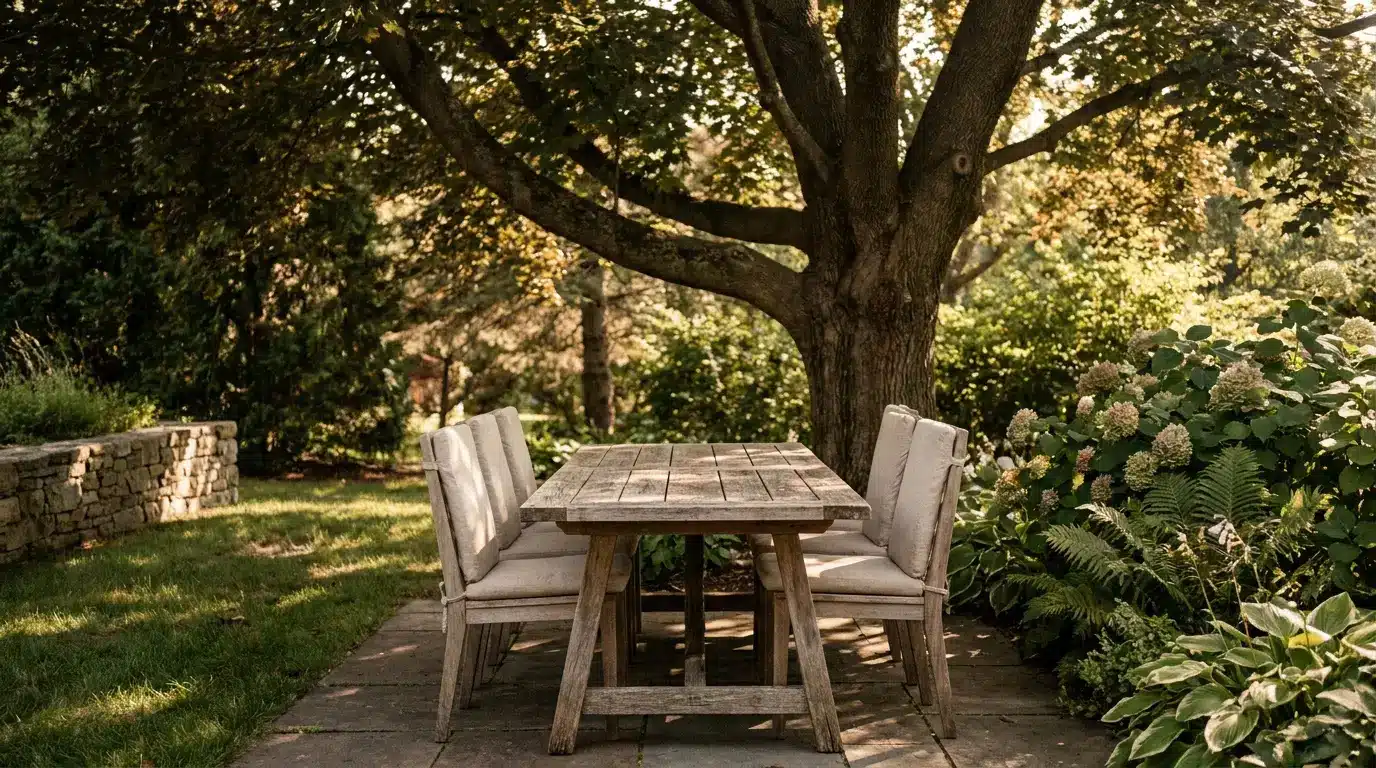
Modern buyers want rooms without walls. A garden that includes a usable patio, a shaded seating area, or a defined dining spot effectively expands the living space of the home. People picture themselves out there — morning coffee, weekend meals, evenings with friends. That mental image is powerful, and it attaches to a dollar figure.
The shift toward outdoor living has only grown stronger in recent years. A backyard that flows naturally from the interior reads as bonus space rather than leftover land. Even modest features, arranged with intention, can make a lot feel larger and more functional than its measurements suggest.
More Than Aesthetics: Practical Payoffs
Gardens also deliver benefits that never show up in a listing photo but still matter. Strategically placed trees provide shade that can trim summer cooling costs, a perk energy-conscious buyers appreciate. Dense plantings can buffer street noise and add privacy without the cold feel of a tall fence. These quality-of-life improvements rarely get itemized in an appraisal. Yet they make a home more pleasant to live in — and homes that feel good to live in tend to sell more easily.
Paying for the Project Without Draining Savings
Serious garden upgrades are not always cheap. Trees, hardscaping, irrigation, and professional design can add up quickly, and not everyone wants to pull the full amount from savings. This is where many homeowners look at the equity they have already built. One common option is a home equity line of credit, which lets you borrow against the value of your home up to an approved limit.
HELOC loans work a bit like a credit card secured by your property. Instead of receiving a single lump sum, you get access to a revolving line you can draw from as needed during a set window, often called the draw period. You typically pay interest only on the amount you actually use, not the full limit. Once the draw period ends, repayment of the remaining balance begins. Because the loan is backed by your home, interest rates are usually lower than those on unsecured borrowing. The trade-off is real, though. Your house serves as collateral, so missed payments carry serious consequences. Used carefully, this kind of financing can turn a long-delayed landscaping plan into a project that, ideally, returns more value than it costs.
Choosing Plants That Earn Their Keep
Not every dollar spent on a garden comes back. The smartest investments tend to be the ones that look good with minimal upkeep, because buyers worry about maintenance as much as appearance.
Go Native, Go Low-Maintenance
Native plants are often the wisest choice. They are adapted to the local climate, so they need less water, less fertilizer, and less fussing. That lowers ongoing costs and appeals to buyers who do not want a second job in the yard. A balanced design — some structure, some color across the seasons, and a healthy lawn — usually beats flashy, high-maintenance features that demand constant attention. Restraint, in other words, often pays better than excess.
The Bottom Line
A thriving garden is one of the rare home investments that works on several levels at once. It improves daily life, strengthens first impressions, and quietly raises the financial worth of the property — frequently by more than the cost of the plants in the ground. The value is partly measurable and partly psychological, but it is real either way. Treating the land around your home as an asset rather than an afterthought changes how you choose to spend on it. Done with a little planning, a garden does far more than grow. It builds value that follows the property long after the work is finished.