Recommended Internal Links to Support This Article
Adding the internal links below can help connect this new article with related content already published on your site. This gives readers an easy path to continue exploring relevant topics and helps search engines better understand how the pages are connected.
Each recommendation uses a phrase that already appears in the existing post, so the link can be added naturally without changing the flow of the content. Once the new article is live, replace [NEW_ARTICLE_URL] with the final published URL.
1. https://seedsheets.com/the-dandelion-life-cycle-and-why-its-so-resilient/
Add an internal link from the phrase “dandelion” to [NEW_ARTICLE_URL] (confirm the phrase appears in that post).
This is a natural fit because a reader learning why dandelions spread will want a plan to stop them from reaching the beds.
Suggested placement: Where the post describes how seeds travel, link to this weed control guide.
2. https://seedsheets.com/simple-flower-bed-ideas-front-of-house/
Add an internal link from the phrase “flower bed” to [NEW_ARTICLE_URL] (confirm the phrase appears in that post).
This is a natural fit because a tidy front bed only looks its best when the surrounding turf stays weed-free.
Suggested placement: Near the section on edging, link to this weed control guide.
You plan the beds carefully. You space the seeds, water on schedule, and watch the first sprouts push up. Then the lawn around them fills with crabgrass and clover, and those weeds creep straight into your planting space.

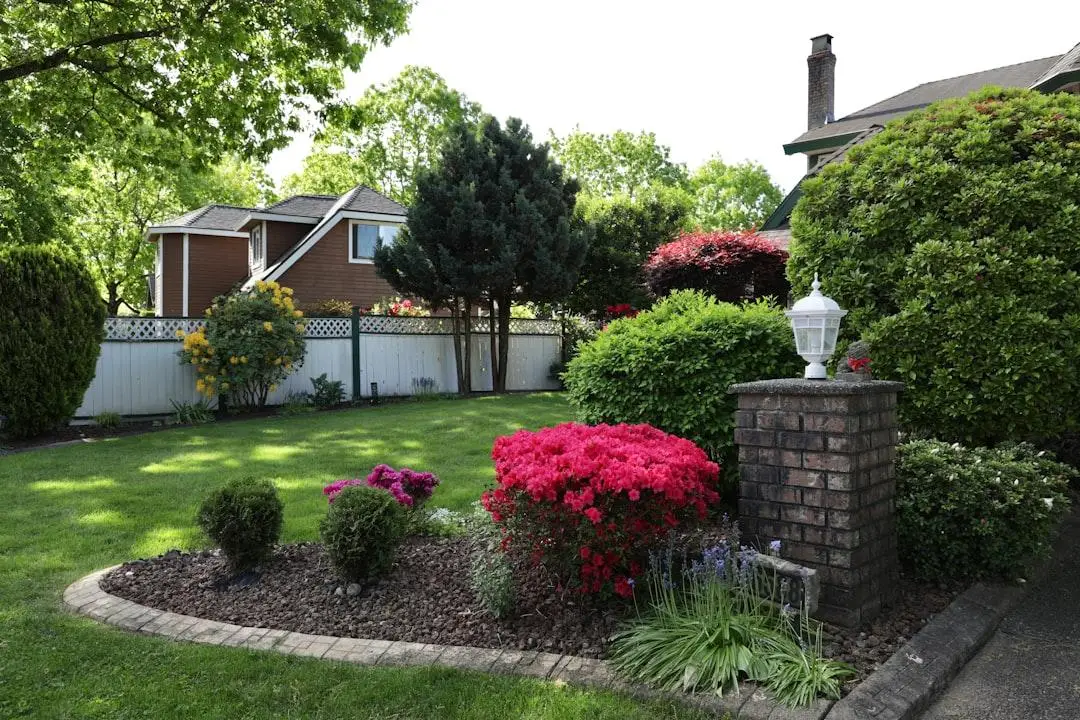
Alt text: Healthy green suburban lawn next to a planted garden bed in summer
A clean garden bed and a weedy lawn cannot share the same yard for long. Weeds in the turf send seeds and runners into loose, rich bed soil, where they take hold fast. That is why some gardeners hand the turf to Weed Pro, a lawn care specialist company, then keep the beds for the plants they actually want. The lawn becomes a buffer, not a source of new problems.
This guide treats the lawn as part of your garden plan. The goal is simple. Keep the turf dense and well fed so weeds have nowhere to start.
Why a Weedy Lawn Reaches Into Your Beds
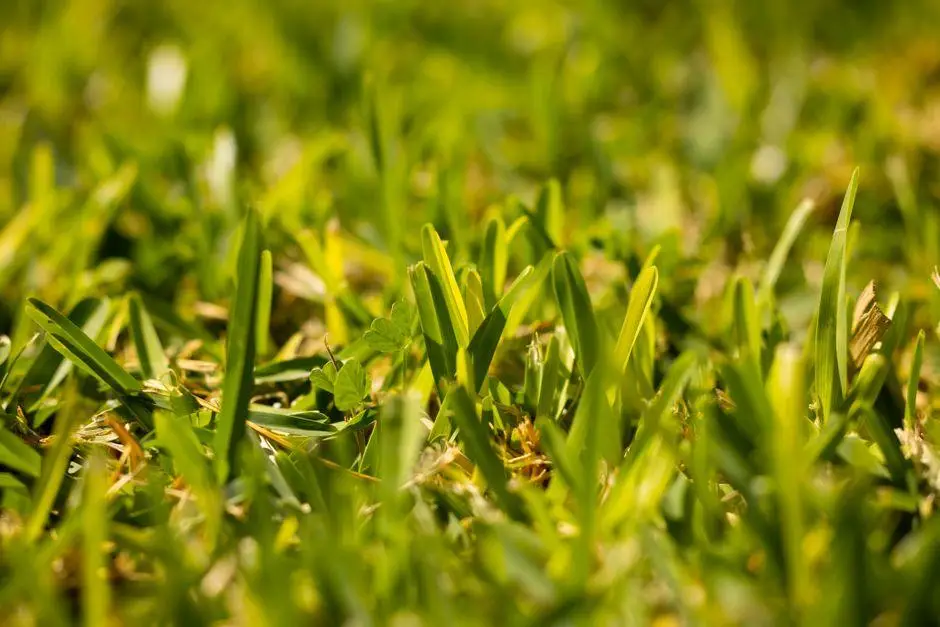
Bare or thin turf is an open invitation. Sunlight hits the soil, weed seeds germinate, and the new plants spread sideways into nearby beds. A thick lawn blocks that light and crowds those seeds out before they sprout.
The dandelion shows how stubborn this gets. Purdue University reports that each dandelion seedhead can produce 140 to 190 viable seeds, and the plant regrows from surviving taproot segments. Pull one in the lawn and miss the root, and it returns near your tomatoes.
Three traits make lawn weeds a bed problem:
- Seeds travel on wind, shoes, and tools into open bed soil.
- Runners spread sideways from turf into the loose edge of a bed.
- Roots persist below the surface long after the top is gone.
The math adds up fast. One untreated dandelion can scatter seed across the whole yard in a single week. A handful of plants in June can mean dozens of seedlings in your beds by August. That is why the lawn deserves the same attention you give your rows of seeds.
How Dense Turf and Targeted Feeding Crowd Out Weeds
The best weed control is a lawn too thick for weeds to invade. Two tools build that density: fresh grass seed and steady feeding. Together they close the gaps where weeds start.
Overseeding is the first move. Spread new grass seed over thin patches each fall, and the fresh blades fill the bare soil that weeds would claim. A denser stand shades the ground, so fewer seeds find the light they need to sprout. Aim for full coverage, not a scattered handful.
Feeding is the second move. Turf needs nitrogen to grow thick, and a fed lawn outcompetes weeds for water and space. Minnesota Extension recommends fertilizing a cool-season lawn with roughly 1 to 4 pounds of nitrogen per 1,000 square feet per year, split across the season. A September feeding does the most work, since the grass stores energy for a strong spring.
A few habits keep turf thick year round:
- Overseed thin patches each fall before weeds claim them.
- Feed the lawn in early fall to build dense roots.
- Test the soil every 2 to 3 years and adjust pH toward 6.0 to 7.0.
Timing Treatments Around Your Planting Calendar
Weed control works best when it lines up with your garden schedule. Pre-emergent herbicides stop seeds before they sprout, so the window is early. In southeastern Pennsylvania, that window falls around March 15 to April 15, just before crabgrass germinates.

Photo by Alfo Medeiros on Pexels
Alt text: Gardener spreading mulch around a garden bed edge along a lawn
Apply pre-emergents before you direct-sow any seed near the treated zone, since the same product can block the seeds you want. The timing also collides with fall overseeding, so do not lay new grass seed within the label wait period after a pre-emergent pass. Keep a 12-inch to 18-inch buffer of mulch between treated turf and edible beds. That strip protects your harvest and marks a clean line.
For broadleaf weeds like dandelion, fall is the strong season for a targeted post-emergent pass. The plant pulls energy down to its roots then, so a fall treatment reaches the taproot. A single well-timed application beats four rushed attempts in summer heat.
Keep a short calendar near your seed packets. Note the spring pre-emergent date, the fall overseeding window, and the fall broadleaf pass. Each date protects a different part of the season. When the lawn plan and the garden plan share one calendar, weeds lose their easiest path into your beds.
Edging and Buffers That Keep Weeds Out of Beds
A physical edge does work no spray can match. A 4-inch to 6-inch deep trench or a hard border stops runners from crossing into bed soil. It also gives you a clean line to trim against, so the turf edge stays sharp.
Mulch is the second layer. A 2-inch to 3-inch blanket of mulch smothers weed seeds and holds moisture for your plants. Refresh it once a year as it breaks down.
Watch the bed soil itself, since weeds are not the only thing that moves in. Some soil pests arrive with weedy debris, so a quick check during cleanup pays off. Three borders carry most of the load:
- A cut trench between turf and bed, refreshed each spring.
- Steel or stone edging for a permanent, clean line.
- A mulch ring around trees and shrubs to block creeping turf.
The same soil care that feeds dense turf also builds rich beds. A simple test guides both, and good vegetable garden spacing keeps your plants strong enough to resist any weed that slips through.
Frequently Asked Questions
Will Lawn Herbicide Hurt My Vegetable Garden?
It can, if it drifts or leaches into bed soil. Keep a mulch buffer of at least 12 inches between treated turf and any edible plants. Spray on a calm day with no wind, and never apply pre-emergents where you plan to sow seeds. Read the label, since some products list a wait time before replanting nearby.
How Often Should I Treat My Lawn for Weeds?
Most lawns need two main passes a year. A pre-emergent in early spring stops summer weeds, and a broadleaf treatment in fall reaches stubborn roots. A thick, well-fed lawn cuts the need for more. Spot-treat the rest by hand as weeds appear.
Can I Just Pull Lawn Weeds by Hand?
You can for a small yard, but timing is key. Pull weeds when soil is moist so the full root lifts out. Dandelions regrow from any root left behind, so use a deep weeding tool. For large or recurring patches, a treatment plan saves hours.
Does Overseeding Really Reduce Weeds?
Yes, because dense turf leaves weeds no open soil to claim. Overseed thin patches each fall, then feed the lawn so the new grass fills in fast. Within a season or two, the thicker stand shades out most weed seeds before they sprout.