Moving into a new home often feels like starting a new chapter. There are rooms to organize, boxes to unpack and new routines to establish. While most people focus on the inside of the house first, the outdoor space deserves attention as well.
A garden can help transform an unfamiliar property into a place that feels truly personal. Whether your goal is growing vegetables, planting flowers, attracting pollinators or simply creating a relaxing outdoor area, taking the right approach from the beginning can make a significant difference.
The good news is that building a successful garden does not require immediate perfection. Small steps often produce the best long-term results.
Spend Time Understanding the Property
One of the most common mistakes homeowners make is rushing into landscaping projects before learning how their new yard functions.
Every property is different. Sun exposure, drainage patterns, soil conditions and wind exposure can vary greatly from one location to another.
Before planting anything, spend time observing the space. Notice which areas receive full sun throughout the day and which remain shaded. Watch how water moves across the yard after rainfall. Pay attention to spots that stay damp and those that dry out quickly.
These observations will help guide future decisions and reduce costly mistakes.
Start With the Soil
Healthy soil creates the foundation for every successful garden.
Many homeowners inherit soil conditions they know very little about. Previous owners may have maintained the landscape carefully or they may have neglected it for years.
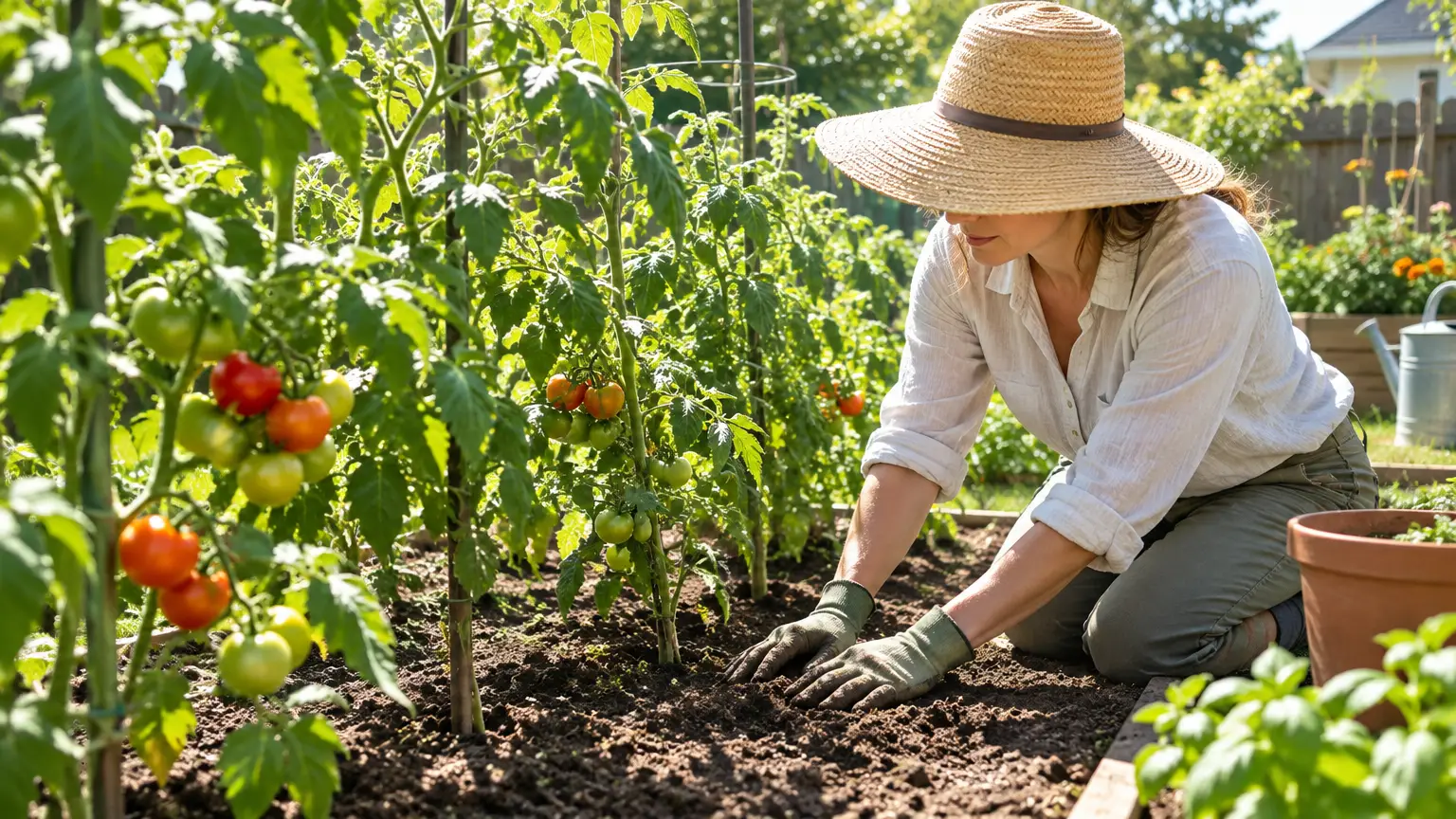
Removing weeds, adding compost and improving soil structure can provide immediate benefits. A simple soil test can also reveal nutrient deficiencies or pH imbalances that should be addressed before planting.
Investing time in soil preparation often produces better results than purchasing expensive plants.
Develop a Simple Plan
A new yard often inspires ambitious ideas.
You may envision raised beds, vegetable gardens, flowering borders, fruit trees and outdoor gathering spaces all at once. While enthusiasm is valuable, starting with a manageable plan usually leads to greater success.
Consider how you want to use the space.
Do you enjoy growing food? Do you prefer decorative landscaping? Are you hoping to create a family-friendly outdoor environment?
Answering these questions helps establish priorities and prevents unnecessary work.
Planning the Move
Relocating involves hundreds of decisions and some have a direct impact on how quickly you can settle into your new home.
One of the biggest decisions during a major relocation is choosing a long distance moving company. The company you select can influence how smoothly the overall transition unfolds, making it easier to focus on settling into your new environment instead of dealing with unnecessary moving complications.
Addressing that decision early often helps reduce stress and allows you to concentrate on projects you want to begin after arriving, including improvements to your outdoor spaces.
Start Small Rather Than Overbuilding
Many homeowners feel pressure to create an impressive landscape immediately after moving.
In reality, starting small is often the smarter approach.
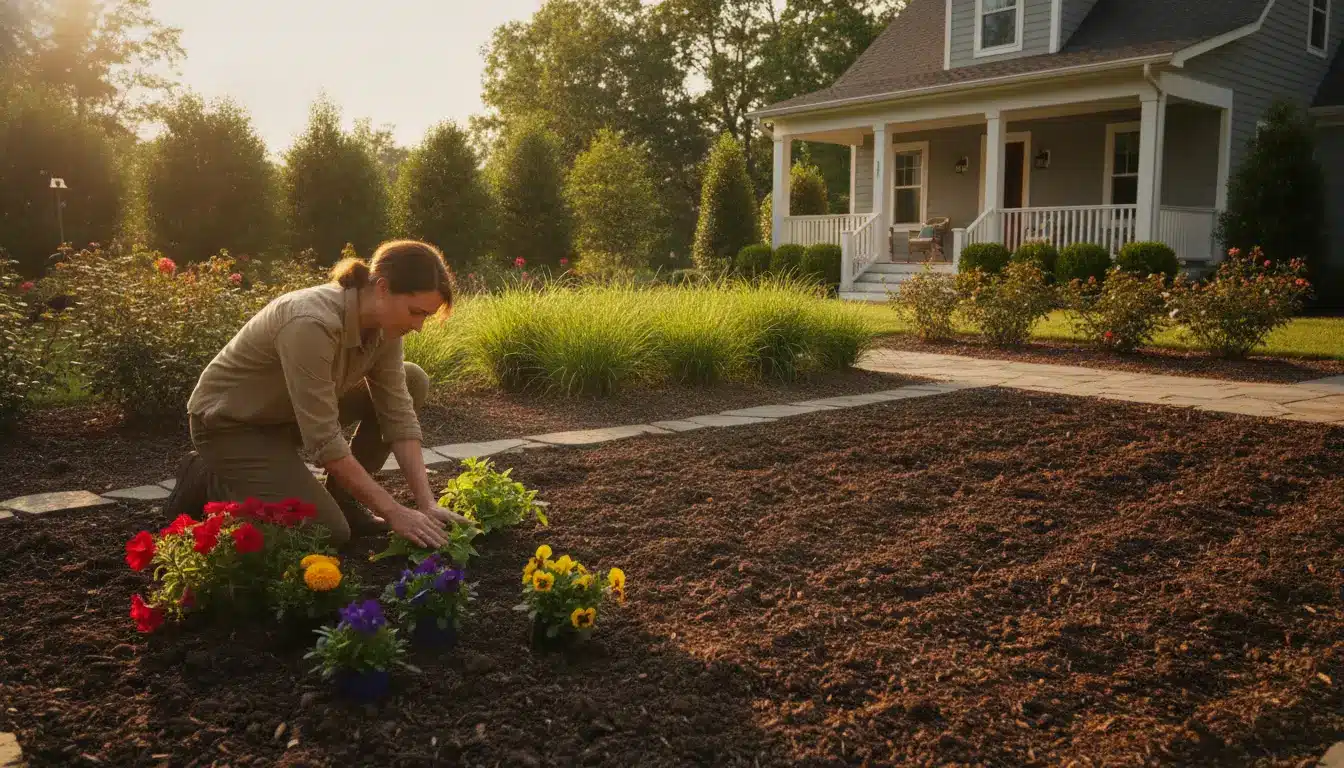
A few containers, a simple flower bed or one raised garden area can provide valuable experience while helping you learn more about your property.
Smaller projects are easier to maintain and allow you to make adjustments as you discover what works best in your new environment.
Gardens naturally evolve over time and there is no need to complete everything during the first season.
Choose Plants That Match Local Conditions
What thrived in your previous garden may not perform the same way in a new location.
Climate, rainfall, growing seasons and temperature patterns all affect plant performance. Researching local conditions can help you avoid frustration and improve your chances of success.
Native plants are often excellent choices because they are already adapted to the local environment. They typically require less water, fewer resources and less maintenance than plants that struggle with local conditions.
Local garden centers can also provide valuable guidance regarding varieties that perform well in your area.
Make Water Management a Priority
Water plays a critical role in plant health.
New homeowners often underestimate how much watering needs can vary from one property to another. Factors such as sunlight exposure, soil composition and climate all influence moisture levels.
Mulch can help retain moisture while reducing weed growth. Drip irrigation systems can improve efficiency and deliver water directly to plant roots.
Understanding how your yard responds to weather conditions helps prevent both overwatering and underwatering.
Create Spaces You Will Actually Use
A successful outdoor area is not just about plants.
Think about how you want to enjoy the space.
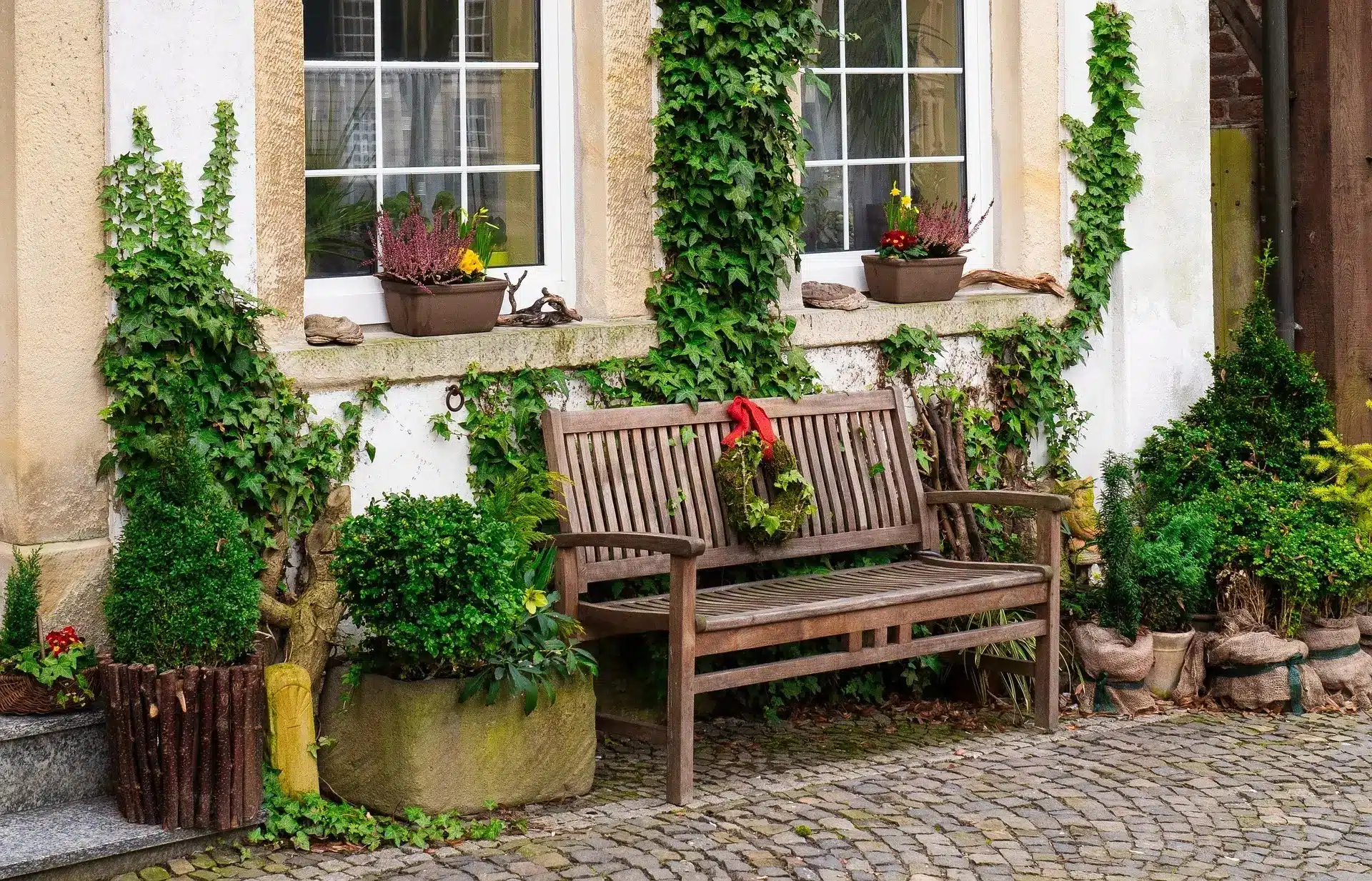
Comfortable seating, pathways, gathering areas and practical storage solutions can make a yard more functional and inviting. Even a small patio or garden bench can encourage more time outdoors.
The more often you use your outdoor space, the more likely you are to maintain and improve it over time.
Be Open to Adjustments
No garden develops exactly as planned.
Some plants will thrive. Others may struggle. Certain areas of the yard may perform differently than expected.
Rather than viewing these experiences as failures, treat them as opportunities to learn.
Every growing season provides new information about your property. The most successful gardeners adapt, experiment and continue refining their approach.
Flexibility often leads to better long-term results than rigid planning.
Focus on Long-Term Progress
Gardens reward patience.
Trees need time to mature. Perennials require time to establish themselves. Soil quality improves gradually through consistent care.
Instead of focusing only on immediate results, pay attention to steady progress. Small improvements made each season eventually create a landscape that feels established, productive and enjoyable.
Photographs can help document that progress and provide motivation when growth seems slow.
Turning a New Property Into Home
A garden offers more than flowers, vegetables or landscaping. It creates a connection to your surroundings and helps transform an unfamiliar property into a place that feels truly yours.
By taking time to understand the space, improving the soil, making thoughtful decisions and building gradually, you can create an outdoor environment that continues to improve year after year.
The process does not need to happen all at once. With patience and consistent effort, even the simplest garden can become one of the most rewarding parts of settling into a new home.