Most new homeowners spend the first weekend unpacking boxes and the second one standing in the backyard, wondering where to begin. The yard is yours now — blank, full of potential, and slightly overwhelming. Choosing the right first garden project after moving makes a real difference: the right start builds momentum, the wrong one wastes money on plants that don’t suit the space. The good news is that preparing the perfect garden bed before planting doesn’t require experience — it requires a little patience and the right order of operations.
Should You Bring Your Old Plants or Start Fresh?
Before any new project begins, there’s a decision many new homeowners overlook: what to do with the plants they already own. If you had an herb garden, potted tomatoes, or beloved perennials at your previous home, those plants need attention the moment you arrive — before you think about anything new.
Your first task at the new property is a soil assessment. Walk the yard, note where the sun falls at different times of day, and get a sense of drainage — does water pool anywhere after rain? Understanding what your ground is actually like shapes every decision that follows.
If you brought plants from your old home, give them a recovery period before expecting much from them. Roots get disturbed in transit, and plants in new environments need time to adjust to different light, humidity, and soil conditions. Proper planning for transporting plants to a new home helps minimize shock, but even well-packed plants benefit from a week or two in a sheltered spot before being placed in their permanent position.
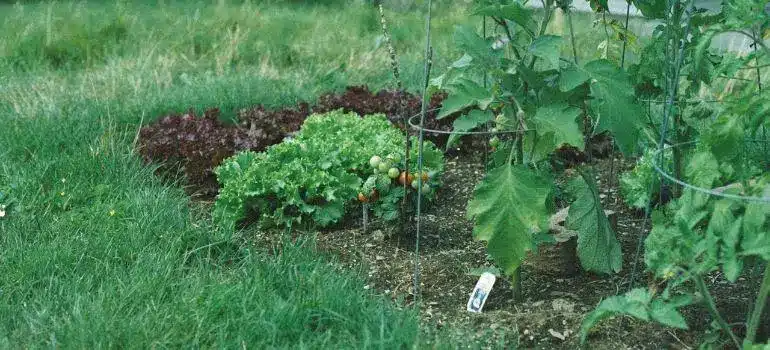
What Is the Best First Garden Project After Moving?
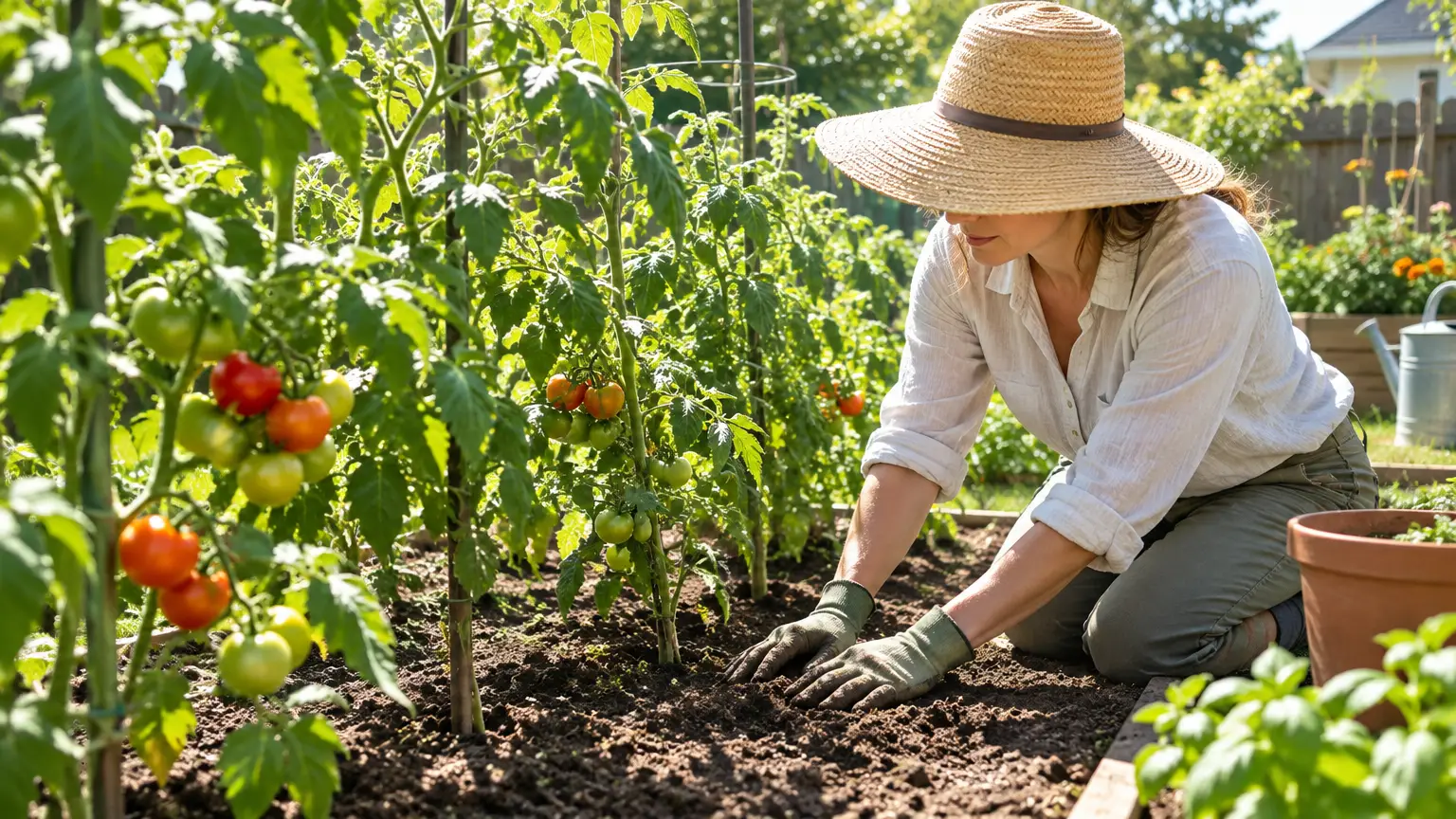
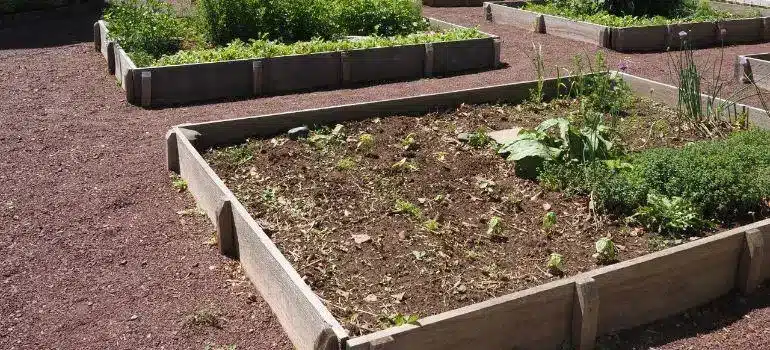
A small raised bed is the single best first garden project for a new homeowner. It requires no commitment to the existing soil, gives you complete control over growing conditions, and can be productive within the same season you build it.
A 4×8-foot raised bed is the standard starting point for good reason. It’s large enough to grow a meaningful variety of vegetables or herbs, small enough to maintain without becoming a burden, and easy to expand later. Building a raised bed also forces you to make decisions about placement and sun exposure early, which teaches you more about your yard than any amount of walking around it. Understanding how to layer and fill it properly from the start saves time and money; DIY raised garden bed layers made easy walks through exactly what goes in and why.
The raised bed also sidesteps one of the most common new-homeowner pitfalls: planting directly into unknown ground. You don’t know yet what the previous owners put in that soil, whether there are drainage problems beneath the surface, or how the yard will behave through a full season. A raised bed lets you grow confidently while you learn.
What Should You Actually Plant First?
Herbs are the ideal first choice for most new gardeners. They establish quickly, tolerate both container and raised bed conditions, and get used often enough in the kitchen to stay motivating. Good options to start with include:
- Basil, parsley, chives, and mint for everyday cooking use
- Lettuce, spinach, and kale are fast-growing leafy greens
- Cherry tomatoes for a reliable, rewarding first vegetable crop
- Zucchini, if you have space, is productive even in imperfect conditions
For anyone wanting a full breakdown of what works best and when to plant it, the easiest vegetables to grow for beginners covers starting crops with practical spacing and timing guidance.
How Do You Learn Your New Yard Before Committing to a Big Layout?
The first season in a new yard is a research season as much as a growing season. Observe before you overcommit.
The single most important thing to establish early is your USDA Plant Hardiness Zone. This determines which plants can survive your winters, when to start seeds, and which perennials will actually come back year after year. The USDA Plant Hardiness Zone Map lets you look up your exact location by ZIP code. New homeowners frequently skip this step and lose plants to late frosts or winters that are harsher than expected.
Beyond the zone, track the sunlight. Walk the yard at 8 a.m., noon, and 4 p.m. and note which areas get full sun (six or more hours), partial shade, or deep shade. Most vegetables need full sun. Most herbs tolerate partial shade. This one observation, repeated a few times across different weather, tells you more about your garden’s potential than any soil test.
What Mistakes Do New Homeowners Make With Their First Garden?
The most common mistake is planting too much, too soon. A new yard feels like a possibility — and it is — but overplanting in the first season spreads attention thin, makes it harder to learn what actually works in your specific conditions, and often leads to abandonment by midsummer.
The second most common mistake is ignoring existing soil before adding new plants. According to the University of Minnesota Extension, testing soil pH and nutrient levels before planting can prevent most early-season plant failures. Many extension services offer affordable soil testing that returns actionable results within a week or two. A $15 soil test can save an entire season’s worth of work.
Plant in phases instead. Start with one raised bed, one set of herbs, and a handful of easy crops. By mid-season, you’ll know the yard’s sun patterns, water behavior, and how much time you realistically have to give it. Build from that knowledge, not from enthusiasm alone.
The Yard Can Wait — but It Shouldn’t Wait Long
The first garden project after moving sets the tone for everything that follows. A small raised bed filled with reliable crops gives you a productive season, a better understanding of your new property, and the confidence to keep going. Bring your old plants, assess your soil, find your hardiness zone, and start with something manageable. The full garden you’re imagining will come — but it grows best from a foundation of one project done well. Start with the raised bed, and let the rest follow.