Home design priorities have changed noticeably over the last several years. Instead of viewing the backyard and the interior of the home as two completely separate environments, many homeowners now want both spaces to function together as part of one connected living experience. The result is a growing shift toward renovations that coordinate indoor comfort with outdoor usability from the very beginning of the planning process.
This approach reflects how daily routines have evolved. Families entertain differently, spend more time at home, and use outdoor areas far more actively than they once did. Patios are becoming extensions of kitchens, covered decks are replacing underused dining rooms, and transitional spaces are receiving just as much attention as traditional indoor renovations.
Because of this shift, renovation planning now involves broader lifestyle considerations instead of focusing only on isolated rooms. Design decisions affecting windows, lighting, traffic flow, and outdoor accessibility often begin during the earliest remodeling conversations. Homeowners exploring landscaping in Ottawa are increasingly pairing exterior upgrades with interior improvements to create homes that feel more balanced and connected overall.
Backyards Are Becoming Functional Living Areas
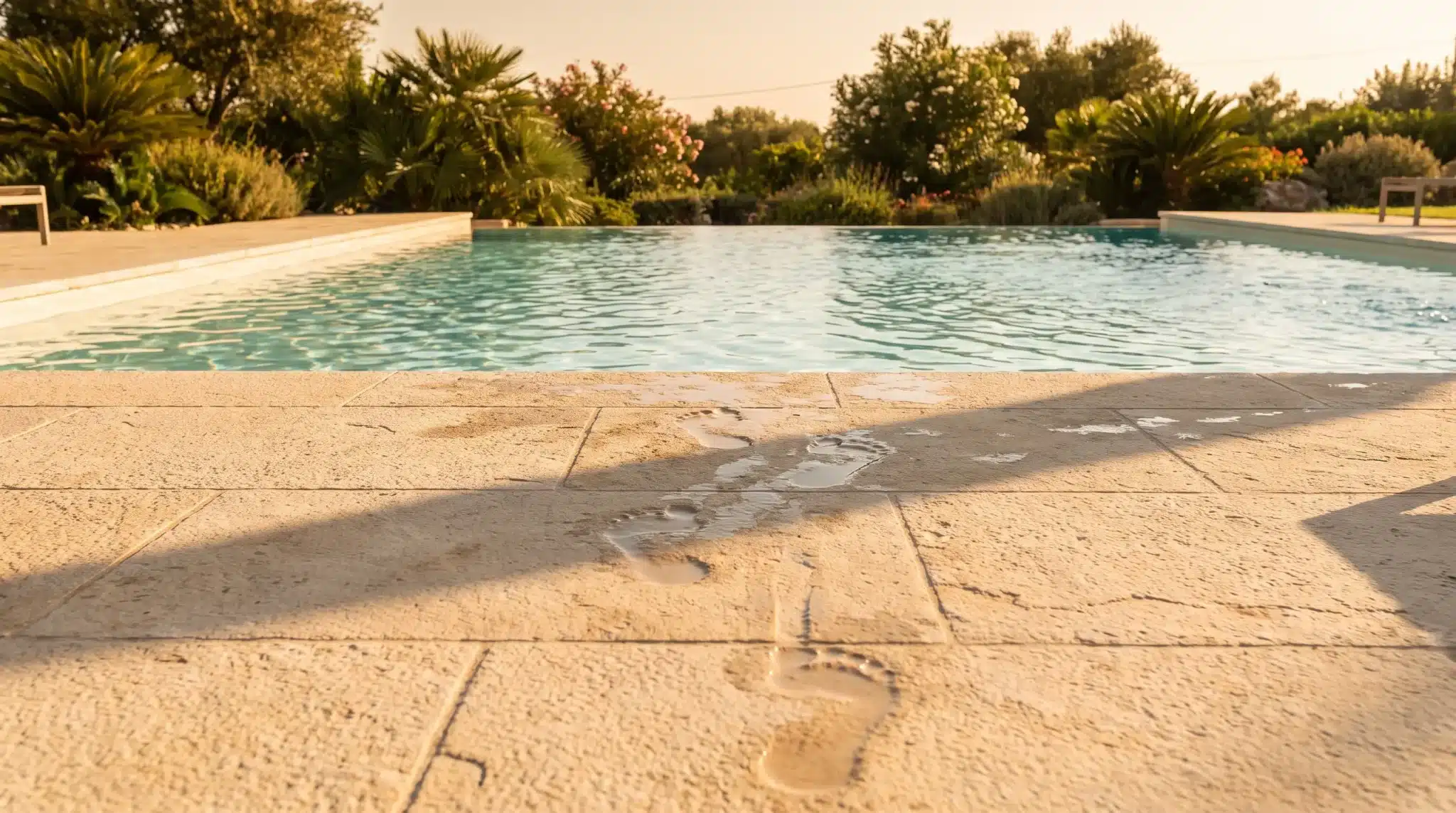
Outdoor spaces are no longer viewed only as decorative lawn areas or occasional gathering spots during warm weather. Many homeowners now expect their yards to support daily living in practical ways. Seating zones, outdoor kitchens, covered lounge spaces, and fire features are being designed for consistent use rather than seasonal convenience alone.
This shift has changed how patios and outdoor surfaces are planned. Homeowners want direct transitions between kitchens and entertaining spaces, easier movement between indoor and outdoor areas, and layouts that feel natural throughout the property. The backyard is beginning to function like an additional living zone instead of a completely separate area behind the house.
Design continuity also matters more now than it once did. Materials, lighting styles, and color palettes are often selected to complement interior finishes so the transition between spaces feels intentional. Rather than creating sharp visual separation, homeowners prefer outdoor areas that feel connected to the character of the home itself.
Large Doors and Open Sightlines Change Daily Use
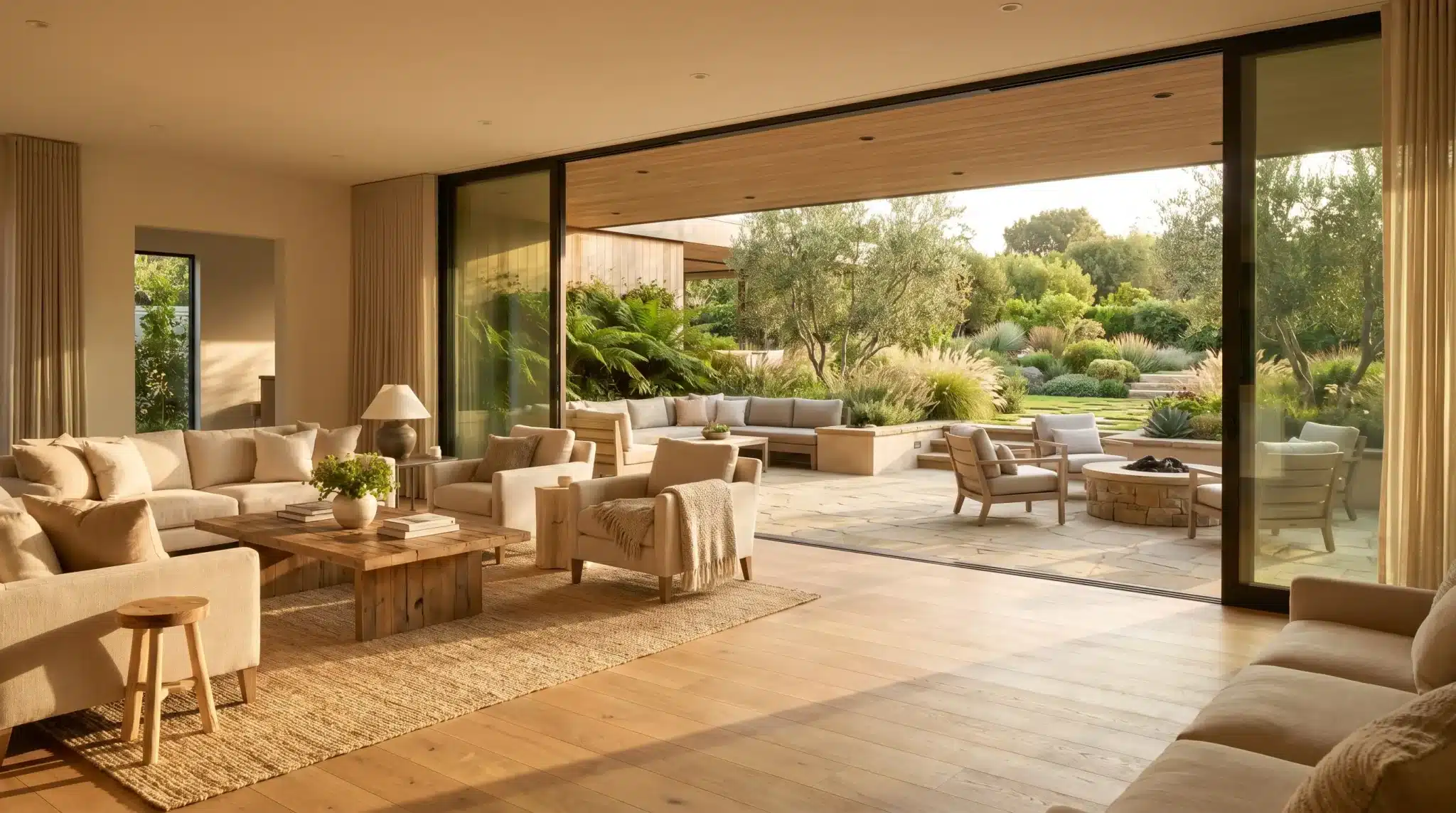
Architectural features that improve visual connection between indoor and outdoor areas have become especially popular in modern renovation planning. Expansive windows, sliding glass walls, and oversized patio doors help create stronger interaction between the home and surrounding landscape. Even when homeowners remain indoors, those sightlines influence how spacious and open the environment feels.
Natural light plays a major role in this design approach. Homes with better outdoor visibility often feel brighter and more comfortable throughout the day because sunlight moves more freely across connected spaces. Backyard views also become part of the interior atmosphere rather than something hidden behind small windows or closed layouts.
Many home remodelers now coordinate layout planning around outdoor access points instead of treating patios as secondary additions after construction ends. This planning approach helps movement patterns feel more natural while improving how families actually use both spaces together during everyday routines.
Landscaping Decisions Are Influencing Interior Remodeling Plans
Outdoor design now affects many remodeling decisions that previously focused only on interior function. Window placement, flooring choices, storage areas, and even furniture layouts may change depending on how homeowners plan to use the exterior portions of the property. Landscaping is becoming part of broader lifestyle planning instead of remaining isolated from indoor renovation work.
For example, families who entertain outdoors frequently often prioritize direct kitchen access to patios or cooking spaces. Homeowners adding backyard gathering areas may redesign adjacent rooms to improve flow during larger social events. Even mudrooms and storage zones are increasingly shaped around outdoor activity and seasonal transitions.
These changes are especially noticeable in homes where outdoor living space was previously underused. Renovation projects that combine landscaping in Ottawa with thoughtful interior updates often create a stronger sense of functionality throughout the property as a whole.
Transitional Areas Are Receiving More Attention
Spaces connecting the inside and outside of the home are becoming more important during renovation planning. Entry points, covered patios, screened porches, and transitional seating areas now receive detailed design attention because they influence how smoothly homeowners move between environments.
Older homes often contain awkward transitions that interrupt flow. Narrow doors, limited storage near exterior exits, or poorly positioned walkways can make outdoor access feel inconvenient despite attractive landscaping. Renovation planning frequently focuses on improving these subtle movement patterns because they affect everyday comfort more than homeowners initially realize.
Improved transitions also help outdoor areas feel more integrated into daily routines. Families are more likely to use patios, gardens, and backyard seating consistently when access feels simple and connected to the interior layout naturally.
Privacy and Comfort Are Driving Outdoor Design Choices
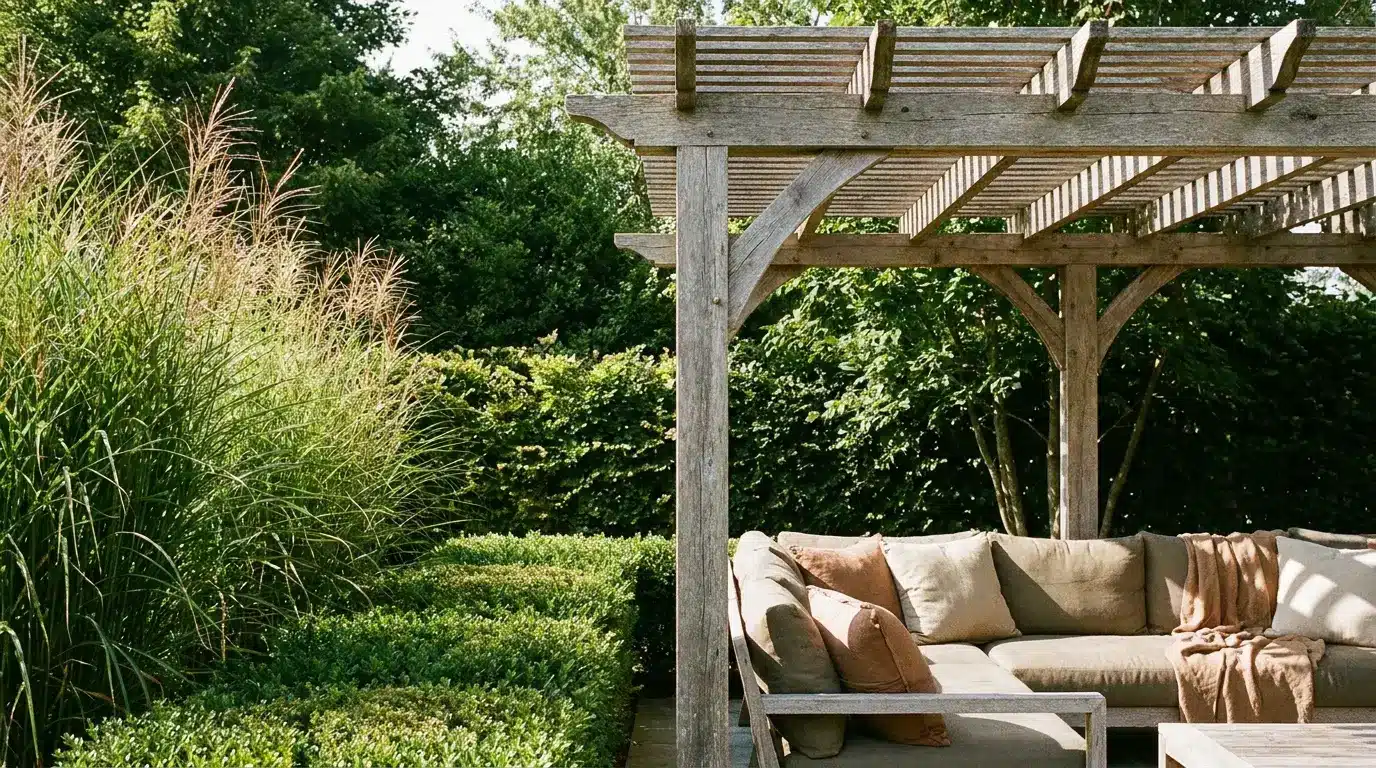
Outdoor living only works well when spaces feel comfortable enough for regular use. Privacy concerns, noise exposure, and weather conditions all influence whether homeowners actually spend time outside after renovations are completed. As a result, exterior design planning has become far more intentional than basic landscaping alone.
Strategic fencing, layered planting, pergolas, and elevation changes help create outdoor environments that feel more protected and comfortable without completely isolating the property. Shade structures and lighting design also influence how usable spaces remain throughout different times of day and across changing seasons.
This attention to comfort is changing the relationship between interior and exterior renovations. Rather than simply improving curb appeal, homeowners are creating outdoor spaces designed around actual lifestyle habits and long-term functionality.
Storage and Organization Extend Beyond the Interior
As outdoor living spaces become more active, homeowners are also paying greater attention to exterior organization and storage solutions. Cushions, gardening tools, seasonal furniture, grilling equipment, and recreational items all require accessible storage that supports how outdoor areas are used regularly.
Poor organization can quickly reduce the practicality of even well-designed outdoor spaces. Renovation projects now frequently include built-in storage, concealed utility zones, and integrated organization systems that connect with the broader design of the home. These additions help outdoor areas remain usable without constant maintenance frustration.
Some home remodelers also coordinate indoor storage improvements alongside exterior renovations so households can manage seasonal transitions more efficiently. Mudrooms, laundry areas, and garage organization systems often become part of the larger renovation strategy when indoor and outdoor living are planned together.
Home Design Is Becoming More Holistic
The line between indoor and outdoor living continues becoming less defined as homeowners rethink how they use their property overall. Renovation planning is no longer limited to isolated room upgrades or decorative landscaping projects completed independently from one another. Instead, many homeowners are approaching the entire property as one connected living environment.
This broader perspective changes how renovation priorities are established from the beginning. Layout decisions, lighting, landscaping, storage, and traffic flow all influence each other more than they once did. Homes designed around connection and functionality tend to feel more adaptable and comfortable long-term.
As expectations continue evolving, both interior renovations and exterior improvements are increasingly shaped by how families want to live every day rather than by traditional design separation. Homes that blend indoor comfort with outdoor usability often create a stronger sense of balance, flexibility, and enjoyment across the entire property.