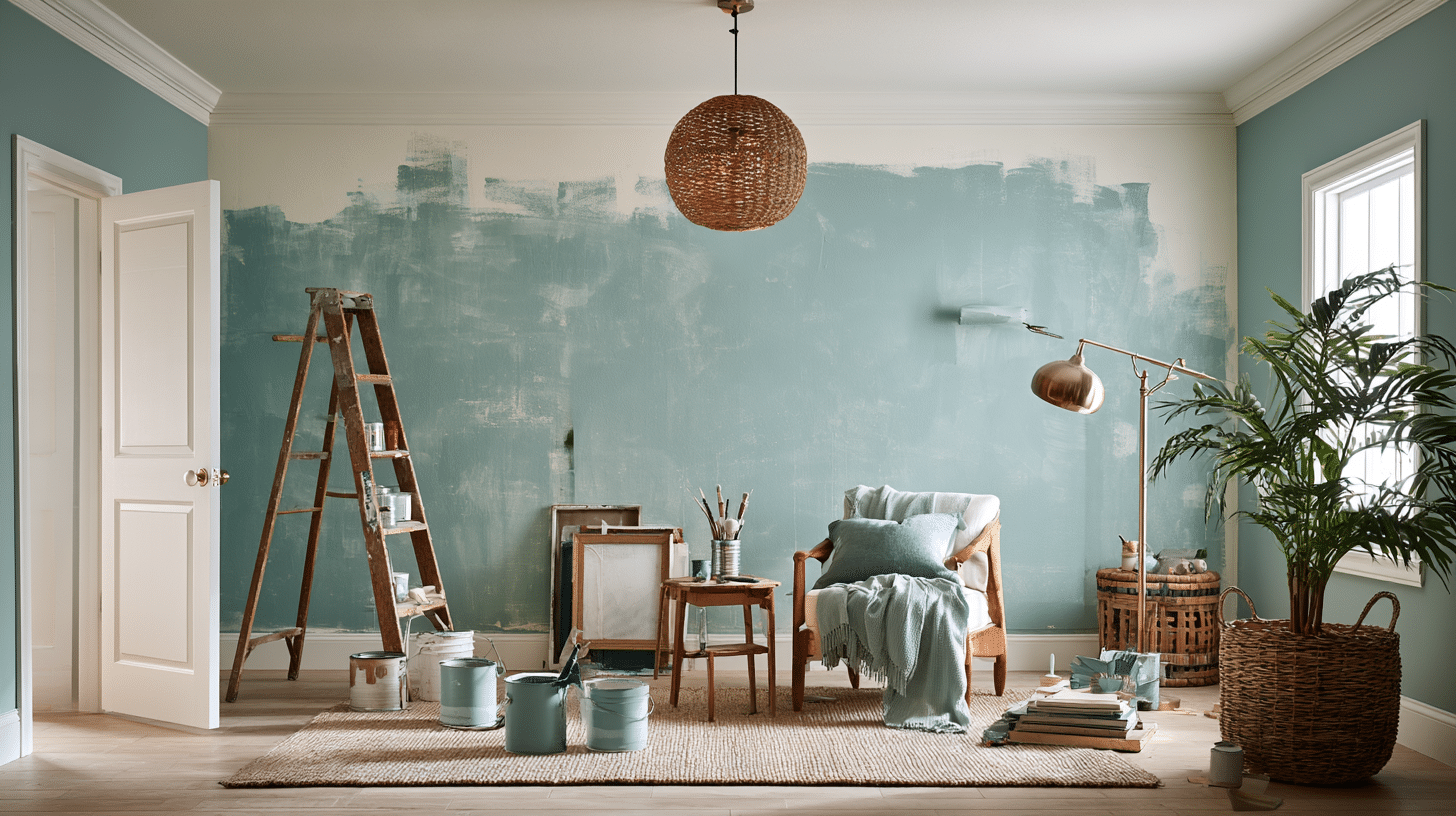
Some homes look impressive the moment people walk through the front door. The finishes are modern, the colors feel balanced, and the materials appear high-end throughout the property. Yet after living in the space for several months, homeowners sometimes realize the house does not function nearly as well as it first appeared.
Daily frustration often comes from layout problems rather than cosmetic flaws. A beautiful kitchen may still feel difficult to cook in if movement becomes congested around appliances. A large living room may feel uncomfortable if furniture placement never works naturally within the available dimensions. Even expensive renovations can feel disappointing when space planning is overlooked during the remodeling process.
More homeowners are recognizing that comfort and usability depend heavily on how spaces operate during normal routines. Design decisions affecting traffic flow, storage access, lighting placement, and room connection influence everyday living far more than decorative trends alone. This shift has made functionality a larger priority in Home remodeling in Columbus, OH projects where families want homes that work efficiently instead of simply looking updated.
Oversized Rooms Can Still Feel Uncomfortable
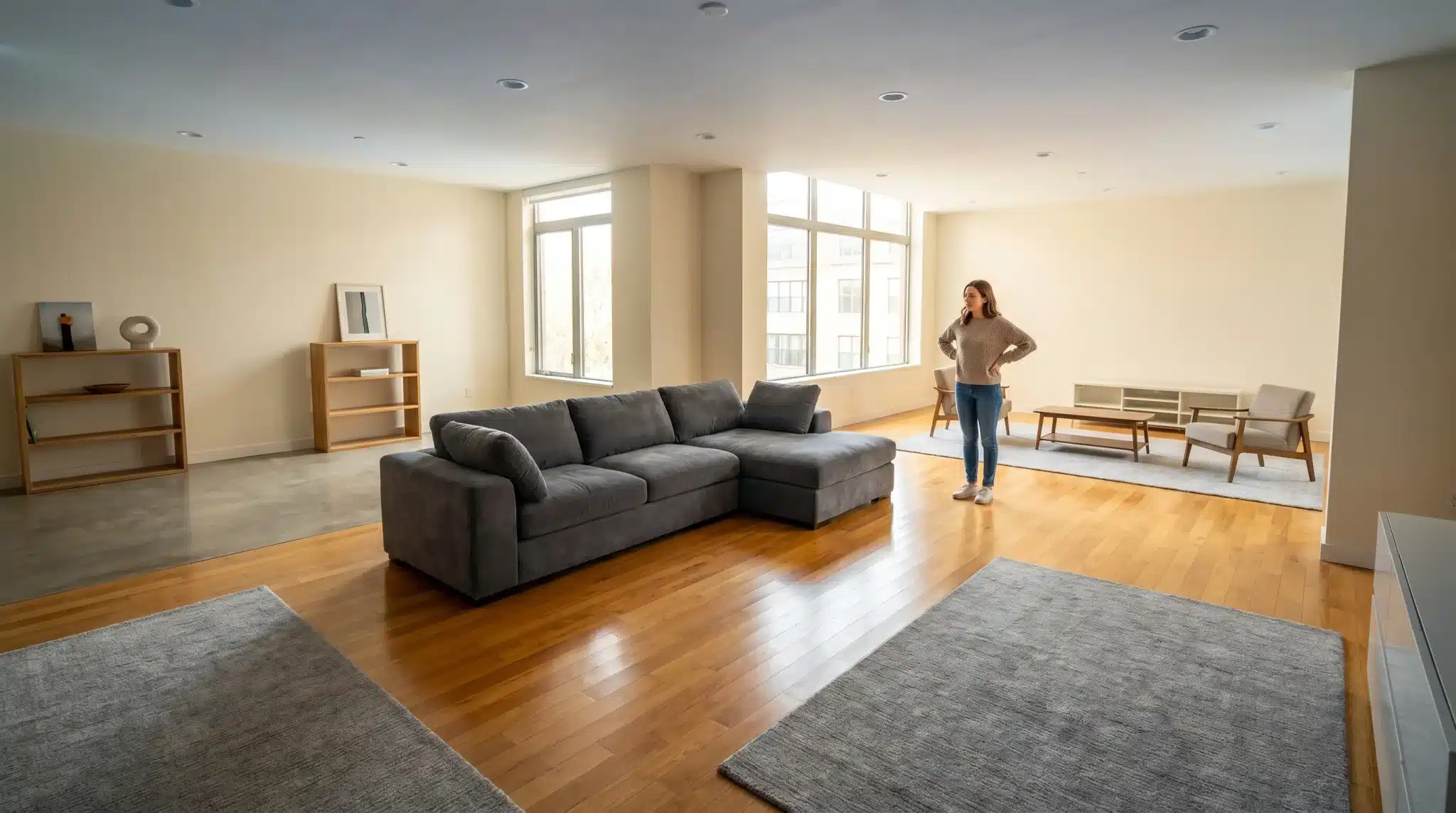
Many people assume larger rooms automatically improve comfort, but scale alone does not guarantee functionality. Some oversized rooms actually become harder to use because furniture placement feels awkward or movement patterns lack structure. Without thoughtful layout planning, excess space may create imbalance rather than flexibility.
Living rooms provide a common example. Large open areas sometimes leave homeowners struggling to define conversation zones or maintain a comfortable atmosphere. Furniture may appear disconnected, and the room can feel visually cold despite expensive finishes and décor. Balanced proportions matter more than raw square footage when creating spaces people genuinely enjoy using.
Kitchens can experience similar problems when oversized islands or wide empty walkways interrupt workflow instead of improving it. Cooking routines become less efficient when appliances and preparation areas are positioned too far apart. Effective remodeling focuses on practical movement rather than assuming bigger automatically means better.
Storage Problems Usually Begin With Layout Decisions
Clutter often reflects poor planning rather than a lack of available storage alone. Homes may contain large closets and cabinets while still feeling disorganized because storage placement does not support everyday habits naturally. When homeowners constantly travel across rooms to access common items, routines become unnecessarily frustrating.
Entryways without functional drop zones frequently create immediate disorder inside busy households. Shoes, bags, jackets, and mail quickly accumulate when storage solutions are disconnected from daily movement patterns. Similar issues appear in kitchens, bathrooms, and laundry areas where convenience strongly affects long-term organization.
Well-planned storage blends into the overall layout instead of functioning as an afterthought. Built-ins, concealed organization systems, and accessible utility spaces help homes remain practical without sacrificing aesthetics. Homecraft Remodeling often works with homeowners who realize their frustration stems more from inefficient layouts than from insufficient square footage itself.
Lighting Placement Changes How Rooms Function
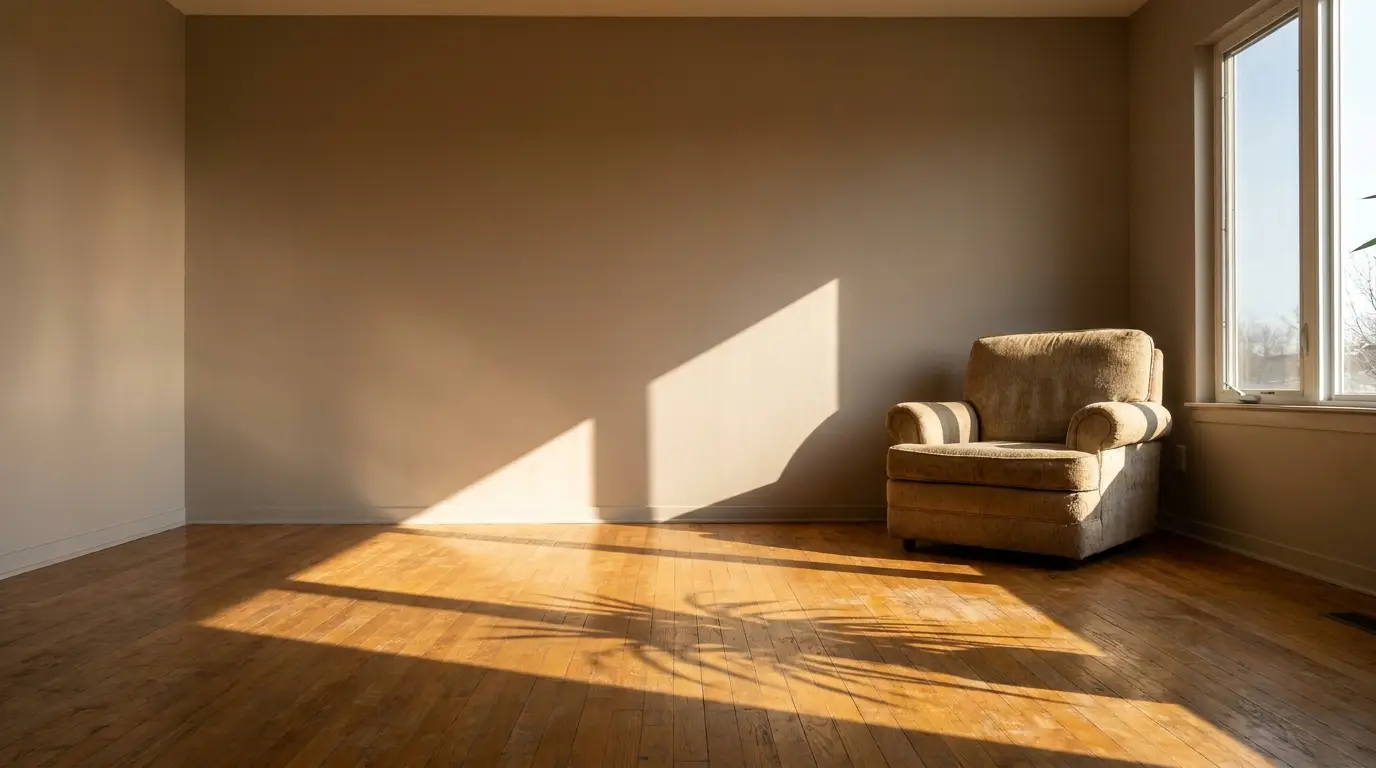
Lighting mistakes are surprisingly common in visually attractive homes. A room may look beautiful during staged photography while still feeling uncomfortable during actual daily use because the lighting design lacks practical balance. Poor lighting placement affects mood, visibility, and functionality across the entire home.
Natural light distribution plays a major role in how spaces feel throughout the day. Some layouts unintentionally block sunlight from reaching key areas because walls, cabinetry, or oversized features interrupt the flow of light. As a result, homeowners rely heavily on artificial lighting even during daytime hours.
Artificial lighting can also create frustration when fixtures prioritize appearance over usability. Pendant lights placed too low, poorly positioned recessed lighting, or inconsistent brightness levels may reduce comfort despite attractive design choices. Effective lighting plans consider how people work, relax, and move through spaces at different times of day.
Hallways and Transitional Areas Often Waste Valuable Space
Many homes contain large amounts of square footage dedicated to circulation rather than actual usability. Long hallways, oversized entry areas, and awkward transitions between rooms consume space without contributing meaningful function. Homeowners sometimes overlook these inefficiencies until they begin evaluating how much of the property remains underused daily.
Poor transitions can also interrupt the natural rhythm of movement throughout the house. Rooms may feel disconnected from one another even when they are physically close together. This creates a layout that feels fragmented instead of cohesive during everyday routines.
Thoughtful remodeling strategies often focus on reclaiming underperforming transitional spaces. Converting wasted square footage into storage, seating areas, or integrated functional zones helps homes feel more purposeful overall. Small layout adjustments frequently create surprisingly noticeable improvements in daily comfort.
Open Layouts Require More Planning Than Many Expect
Open-concept living remains popular, but successful open layouts require careful planning to function properly long-term. Removing walls alone does not automatically create better flow. Without structure and zoning, open spaces may feel noisy, cluttered, or difficult to organize comfortably.
Families often discover that completely exposed layouts reduce privacy and increase distractions during work, school, or relaxation. Sound travels more easily, and visual clutter becomes harder to contain when every activity occurs within one large shared environment. Open spaces still require subtle separation between functions.
Furniture arrangement, ceiling variation, flooring transitions, and lighting design all help establish balance inside open layouts. Proper zoning allows connected spaces to feel cohesive without becoming chaotic. Home remodeling in Columbus, OH increasingly focuses on finding the right balance between openness and everyday livability rather than simply maximizing visibility.
Bathroom Layout Mistakes Affect Everyday Convenience
Bathrooms may occupy relatively small areas within the home, but layout inefficiencies become highly noticeable because these spaces are used constantly. Poor vanity placement, limited counter space, awkward door swings, and insufficient lighting often create frustration that homeowners experience multiple times every day.
Storage limitations are especially common in older bathroom layouts where cabinetry was not designed around modern routines. Countertops quickly become crowded when storage remains inaccessible or poorly positioned. Ventilation and lighting problems may also reduce comfort while increasing long-term maintenance concerns.
Functional bathroom remodeling improves usability through careful planning rather than relying solely on cosmetic upgrades. Better spacing, accessible storage, and efficient fixture placement often create a much larger improvement in comfort than decorative finishes alone.
Functional Design Shapes How Homes Feel Long-Term
Visual appeal certainly matters during remodeling projects, but appearance alone rarely determines whether homeowners remain satisfied years later. The most successful spaces support natural movement, comfortable routines, and practical organization without requiring constant adjustment. Homes function best when design choices align with real daily behavior instead of temporary trends.
Many frustrations homeowners experience are subtle at first. Over time, however, inefficient layouts, awkward transitions, and poor functionality gradually affect how enjoyable the home feels overall. Remodeling that prioritizes thoughtful space planning often creates stronger long-term value than cosmetic upgrades alone.
Homecraft Remodeling approaches renovation projects with attention to how people actually live inside their homes every day. By focusing on functionality alongside aesthetics, spaces become more comfortable, efficient, and adaptable without sacrificing visual character or design quality.