The way people think about residential design has changed noticeably over the last decade. Homeowners are no longer focusing only on individual rooms or isolated renovation projects. Instead, many are beginning to view the entire property as one connected environment where interior comfort and outdoor functionality influence each other equally.
This shift is largely connected to changing lifestyle habits. Families spend more time at home, entertain differently than they once did, and expect greater flexibility from the spaces surrounding them. A backyard is no longer treated as a separate section of the property used only occasionally during warm weather. Outdoor areas are now expected to support relaxation, gatherings, dining, and even remote work throughout different seasons.
As these expectations continue evolving, design planning has become more coordinated from the beginning. Layout choices, material selection, lighting, and traffic flow are increasingly considered together instead of being divided into unrelated indoor and outdoor projects. Homes that successfully blend these environments often feel more balanced, usable, and naturally connected overall.
Outdoor Areas Are Becoming Extensions of Everyday Living
Many properties contain outdoor spaces that remain underused simply because they were never designed for regular daily activity. Basic patios, narrow walkways, or oversized lawns may provide visual appeal without offering much practical functionality. Homeowners are beginning to prioritize usability over appearance alone.
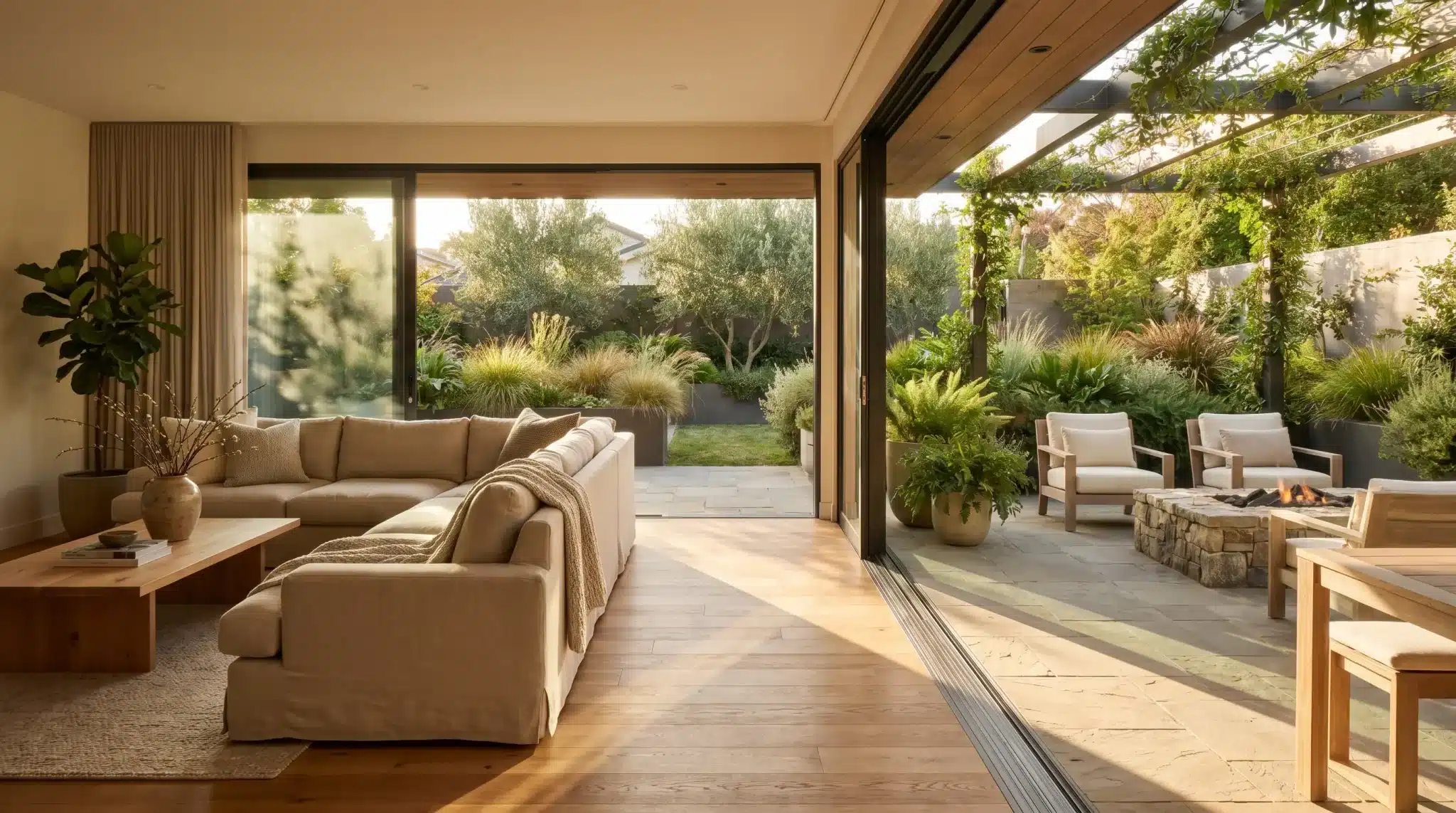
Seating areas, covered patios, outdoor kitchens, and integrated gathering spaces now play a larger role in renovation planning. These features allow people to move naturally between interior and exterior environments instead of treating the backyard as an occasional destination separate from the home itself. Even smaller outdoor areas can become highly functional when designed intentionally.
This shift has also changed how movement throughout the property is planned. Wide patio doors, connected pathways, and transitional spaces help create smoother interaction between indoor and outdoor living areas. Rather than interrupting daily routines, outdoor spaces become part of them.
Layout Decisions Now Consider Exterior Views
Interior layout planning increasingly takes surrounding outdoor space into account. Window placement, room orientation, and furniture arrangement are often influenced by backyard views, natural light patterns, and outdoor accessibility. Homeowners want stronger visual connection with the landscape surrounding the home rather than feeling closed off from it.
Rooms that overlook gardens, patios, or green spaces often feel brighter and more comfortable throughout the day. Large windows and open sightlines create a sense of openness even when homeowners remain indoors. These subtle design choices affect mood and usability more than many people initially expect.
Properties designed this way tend to feel larger without necessarily increasing square footage. A strong relationship between indoor and outdoor areas creates visual depth that changes how people experience the home overall.
Functional Exterior Design Requires Long-Term Planning
Outdoor improvements are no longer viewed as simple decorative additions completed after the main construction process ends. Drainage, grading, privacy, lighting, and circulation patterns all influence how functional exterior spaces remain over time. Poor planning in these areas often creates frustration long after the project appears visually complete.
For example, an attractive patio may become difficult to use if water drainage was ignored during installation. Likewise, poorly positioned seating areas may receive excessive afternoon heat or insufficient lighting during evening use. Functional outdoor design requires careful coordination between aesthetics and practical daily use.
This is why many property owners now seek landscaping services earlier during the planning process instead of waiting until construction is finished. Coordinating exterior planning from the beginning helps prevent design conflicts while improving how the property functions as a whole.
Transitional Spaces Are Receiving More Attention
The areas connecting indoor and outdoor environments are becoming more important than they once were. Entryways, covered porches, sliding door zones, and mudrooms all influence how naturally people move between spaces during daily routines. Poor transitions can make outdoor areas feel disconnected even when the overall design looks attractive.
Homeowners increasingly want these connecting spaces to feel intentional rather than purely functional. Comfortable seating, integrated storage, lighting, and weather protection help create smoother movement throughout the property. Transitional areas now serve both practical and visual purposes simultaneously.
This design approach also improves flexibility throughout changing seasons. Covered outdoor spaces and adaptable transition zones allow homeowners to continue using exterior areas more comfortably throughout the year instead of limiting use to specific weather conditions only.
Interior Design Is Being Influenced by Outdoor Activity
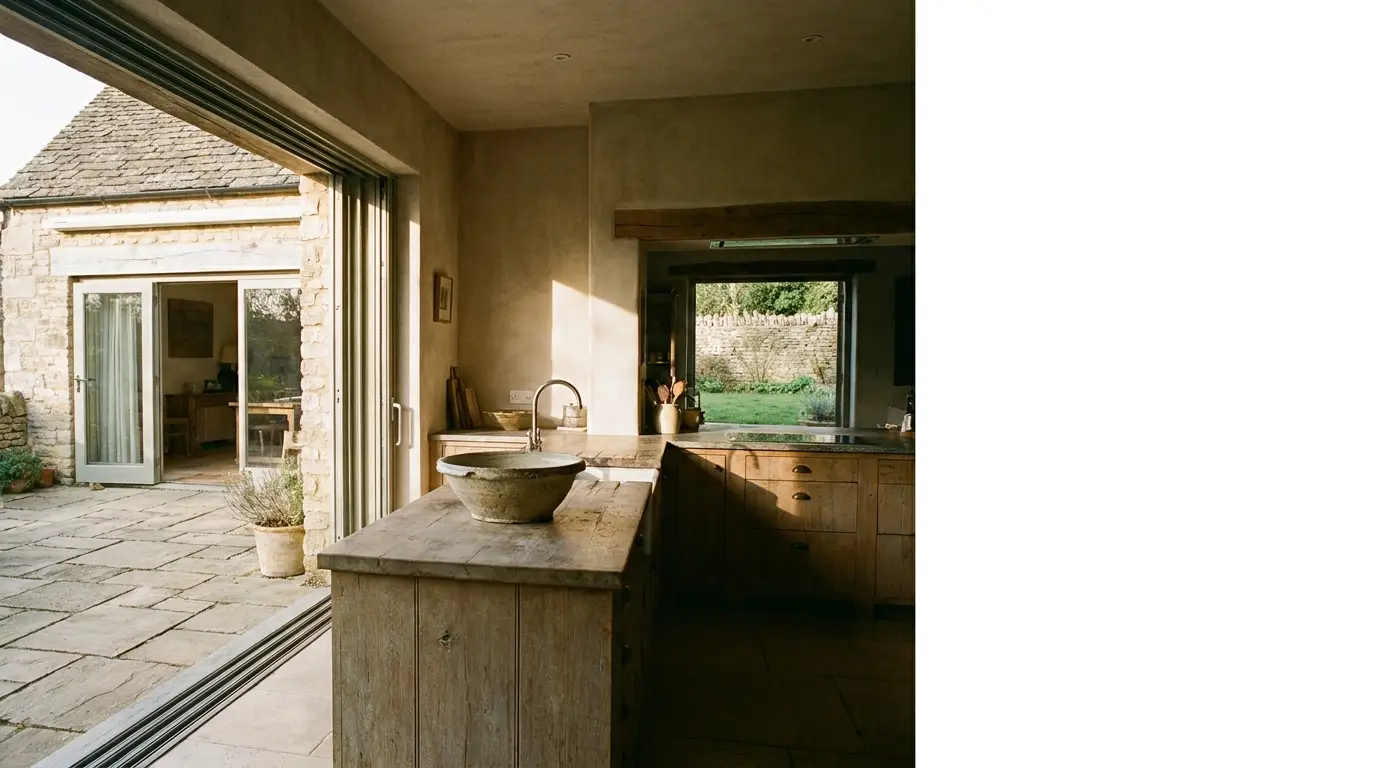
Outdoor lifestyles now affect many interior renovation decisions as well. Kitchens, dining areas, and living spaces are often redesigned around how homeowners plan to entertain or relax outside. Homes built decades ago frequently lack the layout flow needed to support these modern usage patterns naturally.
For instance, homeowners who host outdoor gatherings regularly may prioritize kitchen layouts with direct patio access and stronger circulation patterns. Families with active outdoor routines often request storage areas positioned near exterior entry points for convenience and organization. These decisions improve how spaces support real daily behavior.
As a result, custom home builder services are increasingly shaped by broader lifestyle planning instead of isolated room design alone. Builders and designers now evaluate how homeowners want to move throughout the entire property rather than focusing only on the structure itself.
Material Choices Need Indoor and Outdoor Balance
Design continuity has become another important consideration during modern renovation planning. Homeowners often want materials, textures, and color palettes that create visual harmony between interior and exterior spaces. Abrupt transitions between indoor finishes and outdoor surfaces can make the property feel fragmented rather than cohesive.
Natural stone, wood accents, and neutral color palettes are commonly selected because they transition effectively between environments. Flooring materials near patio entrances, outdoor lighting temperatures, and architectural details are also coordinated more carefully than in previous decades.
Balanced material selection helps outdoor areas feel like intentional extensions of the home rather than completely separate environments. This consistency improves both visual flow and long-term usability across the property.
Privacy and Comfort Influence Property Design More Than Before
People are spending more time at home, which has increased interest in creating comfortable private environments both inside and outside. Outdoor spaces now serve as retreat areas for relaxation, conversation, and quiet daily routines instead of only entertaining guests occasionally.
Privacy planning has therefore become a larger part of exterior design strategy. Trees, layered plantings, fencing, elevation changes, and shade structures all contribute to creating spaces that feel protected without becoming isolated. Comfort depends heavily on how these elements work together throughout the property.
At the same time, interior spaces are also adapting to support greater flexibility and personal comfort. Quiet corners, adaptable rooms, and stronger indoor-outdoor balance all reflect changing expectations about how homes should function emotionally as well as practically.
Modern Property Design Is Becoming More Unified
The traditional separation between interior living and outdoor space continues fading as homeowners rethink how they use their properties overall. Design planning is becoming more unified because people expect both environments to support everyday comfort, movement, and functionality together.
This shift affects everything from layout planning and storage placement to drainage systems and lighting design. Homes that feel connected internally and externally often provide greater long-term satisfaction because they support changing routines more naturally over time.
Whether the project involves structural planning or exterior improvements, both landscaping services and custom home builder services now play a larger role in creating properties designed around complete lifestyle integration rather than isolated renovation goals alone.