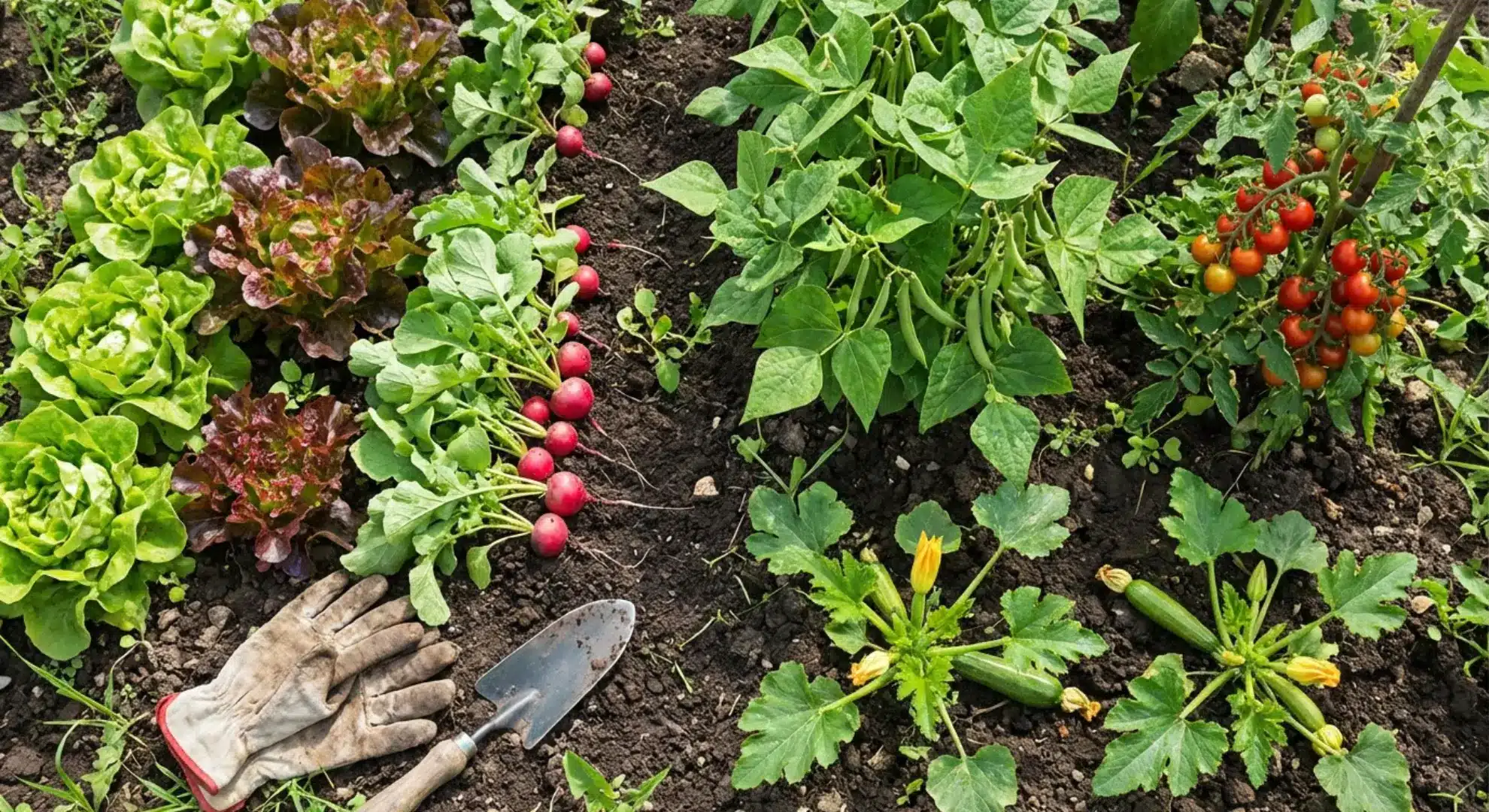
Starting a vegetable garden doesn’t have to mean months of trial and error. Plenty of first-time gardeners give up too early simply because they chose crops that demand more attention than they had time for.
Some vegetables, though, are built for beginners, tolerating uneven watering, quick temperature swings, and the occasional missed weekend of care.
This post covers the easiest vegetables to grow for anyone starting their first garden bed, container, or backyard plot, along with the exact steps, seasonal timing, and small tricks that make each one easier to manage from seed to harvest.
Why the Easiest Vegetables to Grow Make the Best First Bed
Most new gardeners quit after their first season, and it’s rarely because they lack a green thumb.
It’s just because they start with finicky crops like cauliflower or celery that punish small mistakes.
Easy vegetables work differently. They germinate fast, resist common pests, tolerate inconsistent watering, and need little to no staking or pruning.
That forgiveness gives you room to learn your soil, your climate, and your own habits before tackling harder crops.
Below, you’ll find vegetables that fit this criteria, organized by season, with the exact steps to grow each one successfully.
Easiest Vegetables to Grow at a Glance
|
Vegetable |
Season |
Days to Harvest |
Best For |
|
Radish |
Cool |
24–30 days |
Fast beginner harvest |
|
Lettuce |
Cool |
30–45 days |
Containers and partial shade |
|
Arugula |
Cool |
21–28 days |
Small pots and windowsills |
|
Bush Beans |
Warm |
50–60 days |
No staking required |
|
Zucchini |
Warm |
45–55 days |
High yields from one plant |
|
Cherry Tomatoes |
Warm |
55–70 days |
Easy tomato for beginners |
|
Garlic |
Fall-planted |
240–270 days |
Low-maintenance, long-term crop |
Spring / Cool-Season Vegetables
These crops thrive in cooler temperatures, typically between 45-75°F, and many even tolerate light frost.
They’re ideal for early spring or fall planting, growing quickly before summer heat arrives or after it fades, without demanding constant attention.
1.Lettuce
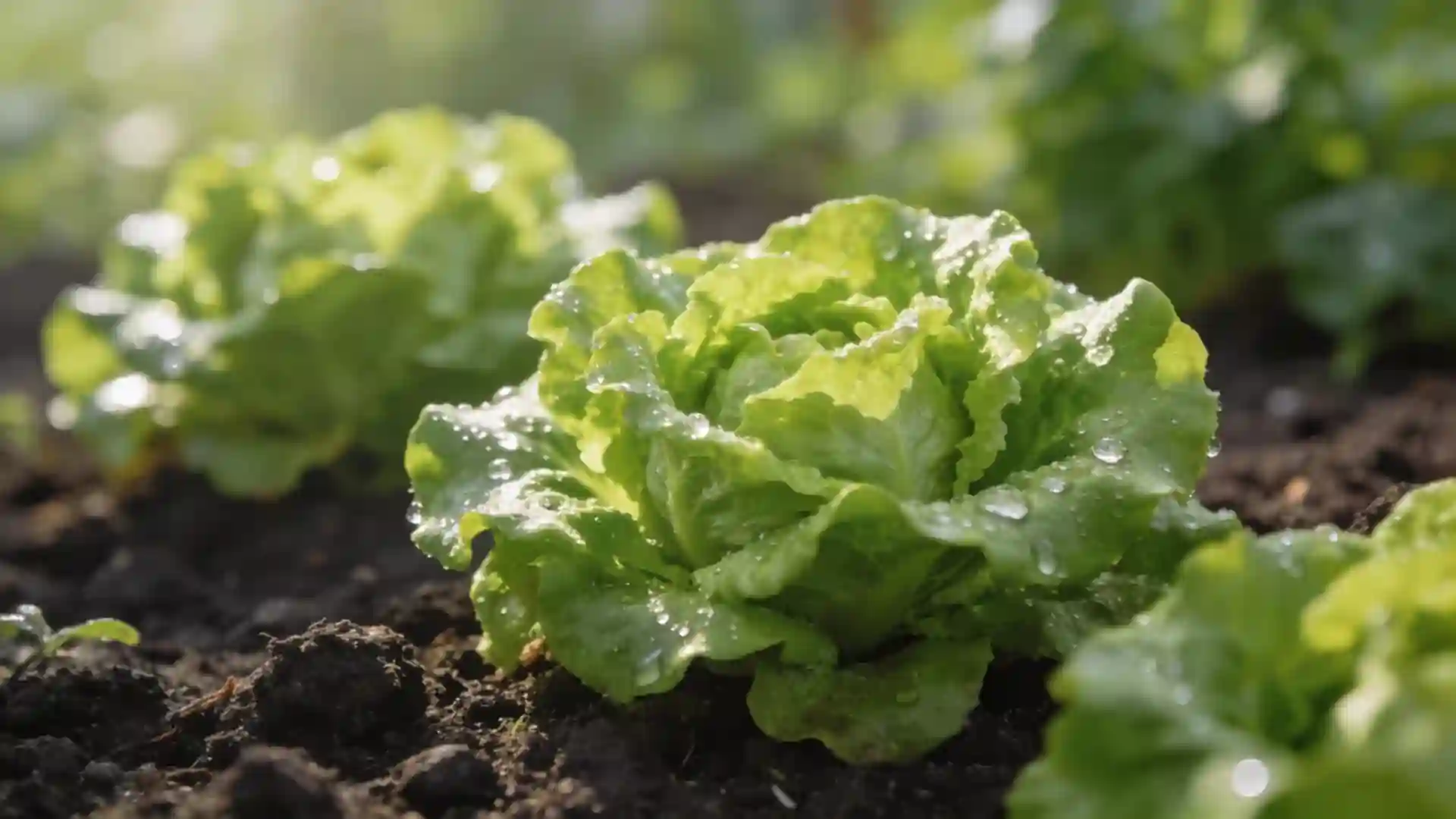
Lettuce is the most forgiving leafy green for new gardeners, growing well in containers, raised beds, or partial shade.
Its shallow root system means it needs little space, and cutting outer leaves instead of pulling the whole plant keeps harvests going for weeks. In fact, lettuce is often cited as one of the easiest vegetables to grow indoors or on a windowsill with minimal fuss.
- Ideal Soil: Loose, well-draining soil rich in organic matter, slightly acidic to neutral pH.
- Time to Grow: 30-45 days from seed to first harvest.
Quick Hack: Freeze a plastic water bottle and set it beside plants on hot days- it cools the soil and slows bolting.
2. Radish
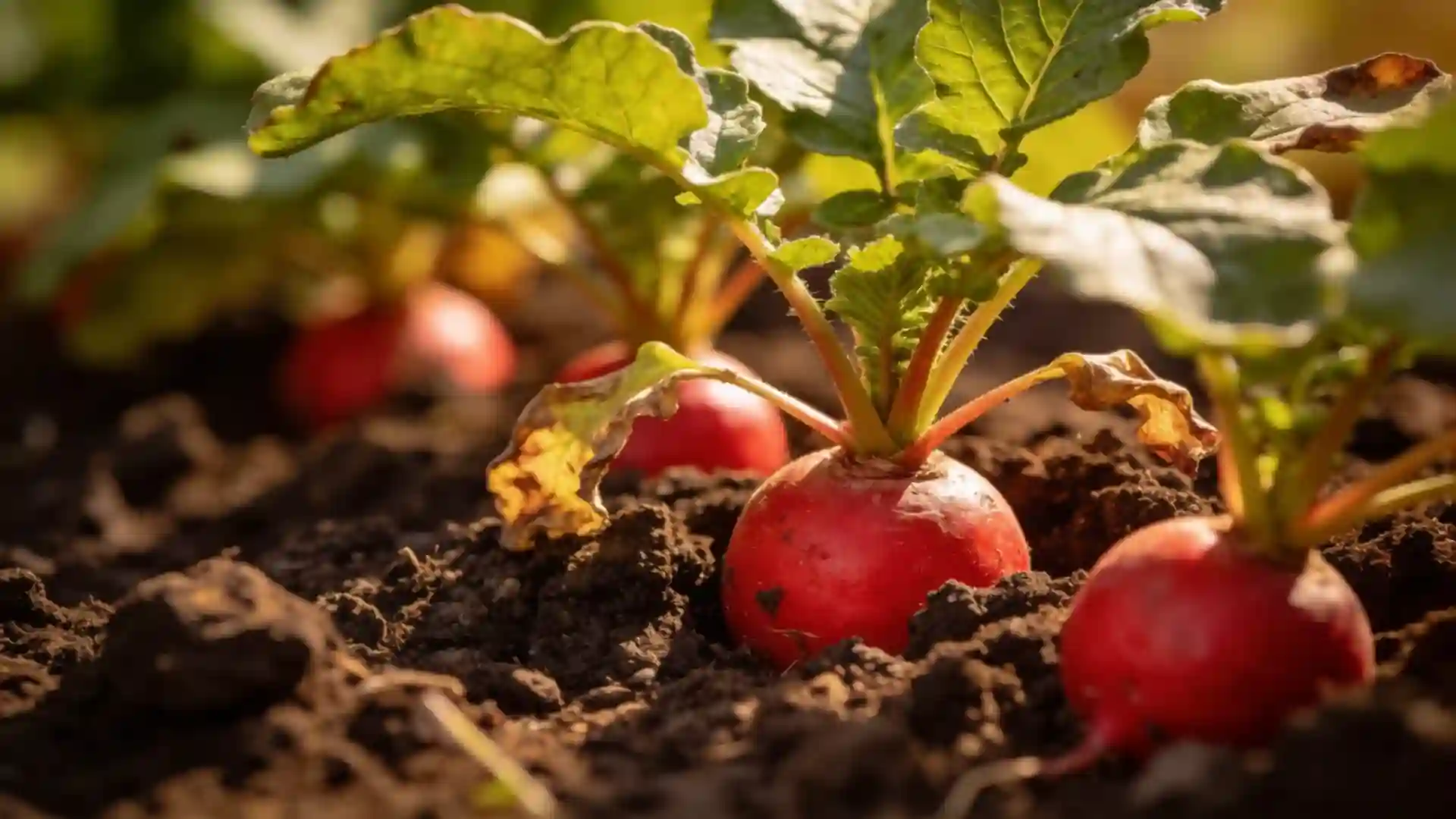
Radishes reward impatience better than any other crop, moving from seed to harvest in under a month.
They need no transplanting, tolerate average soil, and give beginners an early win that builds confidence for the rest of the season.
- Ideal Soil: Loose, sandy loam free of rocks, with good drainage.
- Time to Grow: 24-30 days from seed to harvest.
Quick Hack: Mix radish seeds with slower-germinating carrot seeds radishes mark the row and loosen soil as they’re pulled.
3. Spinach
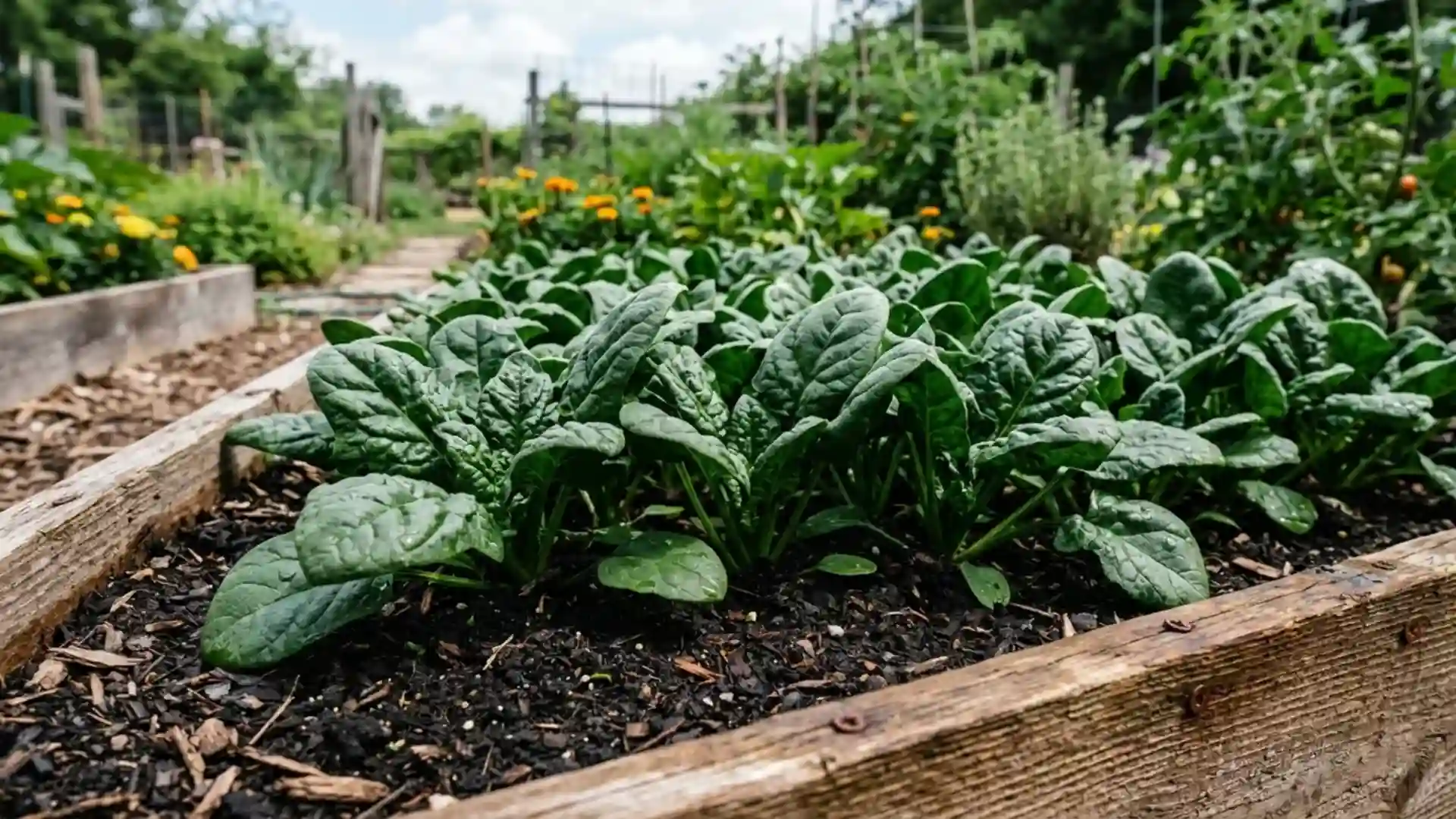
Spinach thrives in cooler temperatures and partial shade, making it a good fit for gardens that don’t get full sun all day.
It packs a lot of nutrition into a small footprint and regrows after cutting, extending the harvest window.
- Ideal Soil: Rich, moist, well-draining soil with a neutral pH.
- Time to Grow: 37-45 days from seed to first harvest.
Quick Hack: Soak seeds in water overnight before sowing to speed up germination by several days.
4. Kale
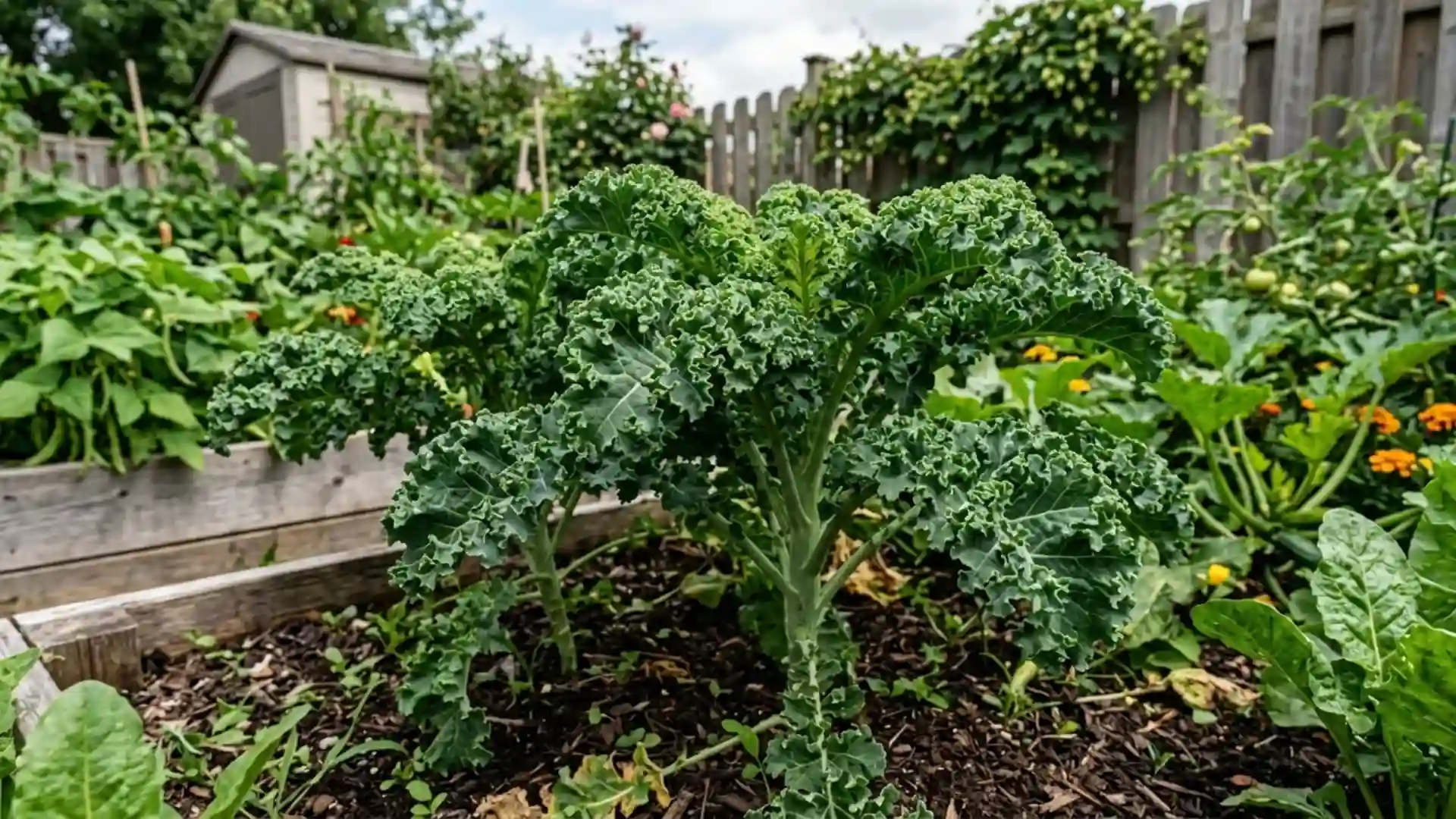
Kale handles cold weather better than almost any other vegetable, and light frost actually improves its flavor.
It’s a cut-and-come-again crop, meaning one planting can supply fresh leaves across an entire spring or fall season.
- Ideal Soil: Fertile, well-draining soil with added compost.
- Time to Grow: 55-75 days from seed to full maturity.
Quick Hack: Wait to harvest until after the first light frost- the cold converts starches to sugar and sweetens the leaves.
5. Swiss Chard
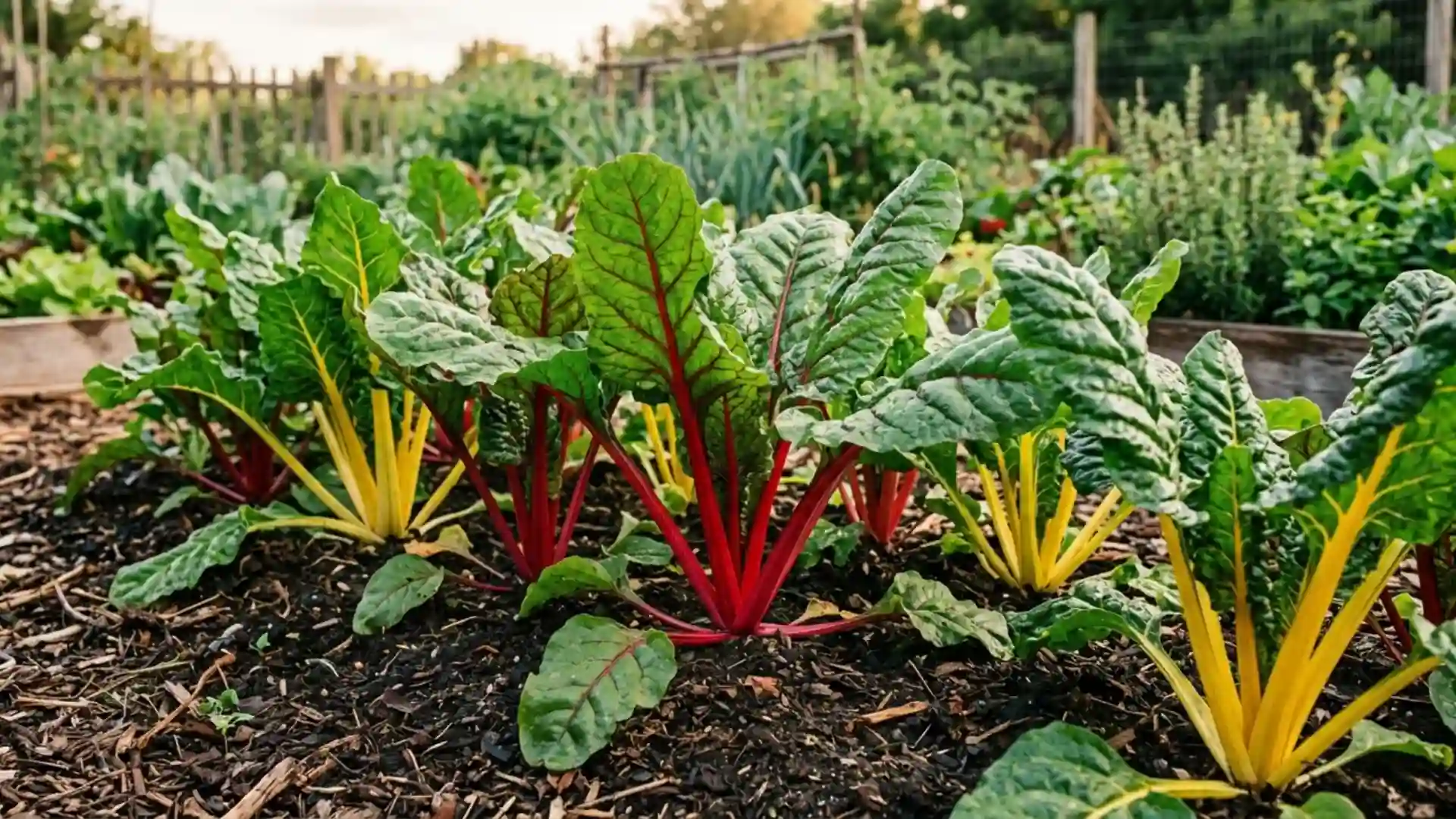
Swiss chard tolerates both heat and cold better than spinach or lettuce, giving it a longer growing window.
Its colorful stalks work well in ornamental beds, and harvesting outer leaves keeps the plant productive for months.
- Ideal Soil: Loamy, well-draining soil with moderate fertility.
- Time to Grow: 50-60 days from seed to first harvest.
Quick Hack: Plant it in a flower bed instead of a vegetable row- the colorful stalks double as ornamental landscaping.
6. Arugula
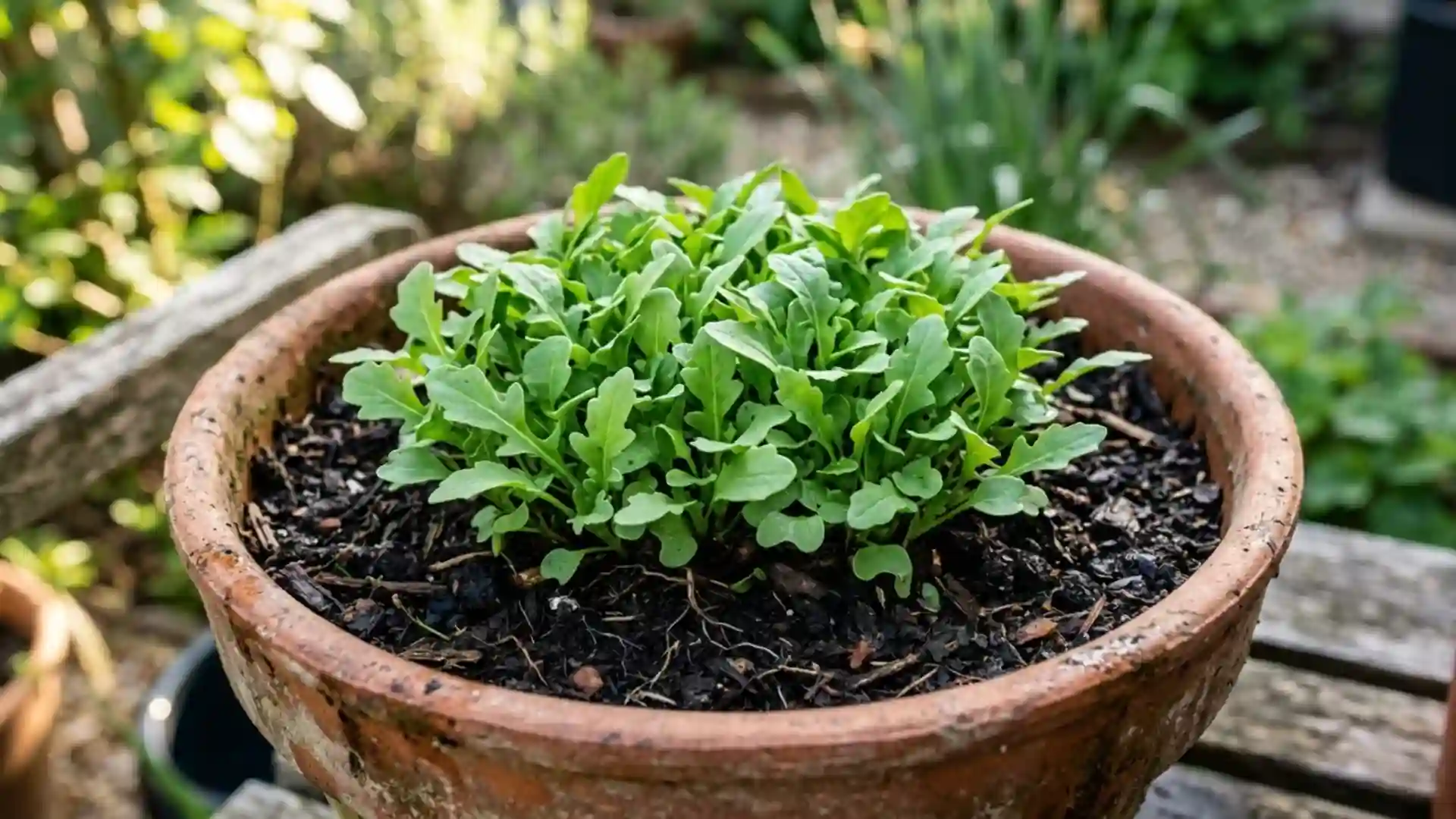
Arugula grows quickly from seed and adds a peppery flavor to salads that store-bought greens rarely match.
It’s well-suited to small containers and windowsill setups, making it practical for gardeners with limited outdoor space.
- Ideal Soil: Light, well-draining soil with moderate organic matter.
- Time to Grow: 21-28 days from seed to harvest.
Quick Hack: Sow a fresh batch every two weeks in a small pot for a rolling supply instead of one large harvest.
7. Snap Peas
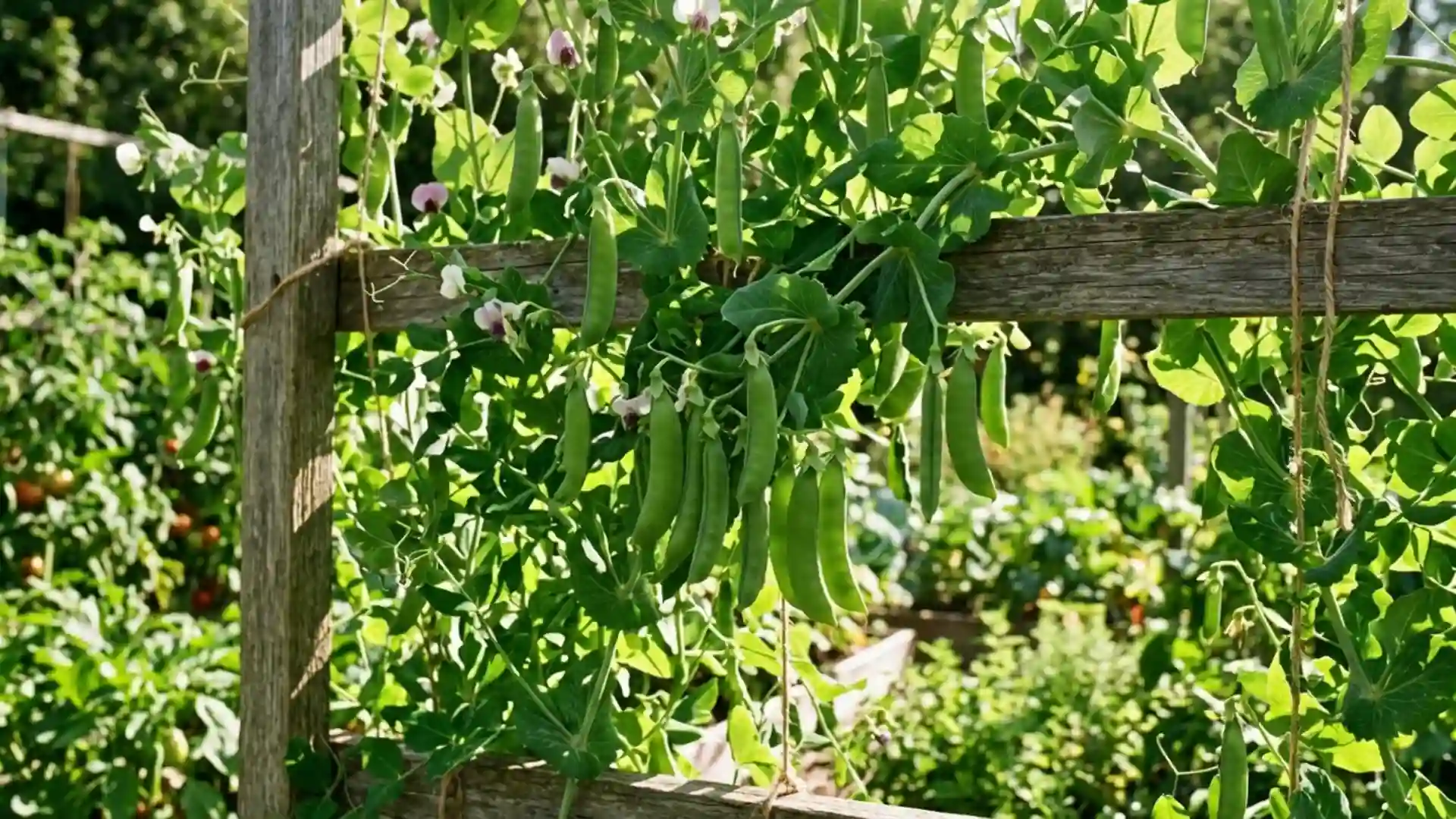
Snap peas grow vertically along a trellis or fence, making them a strong choice for narrow garden beds or small yards.
Their edible pods mean no shelling is required, and one planting produces continuously for weeks.
- Ideal Soil: Well-draining, slightly sandy soil with moderate fertility.
- Time to Grow: 60-70 days from seed to harvest.
Quick Hack: Push seeds into the soil right along an existing fence line- no separate trellis needed.
8. Bok Choy
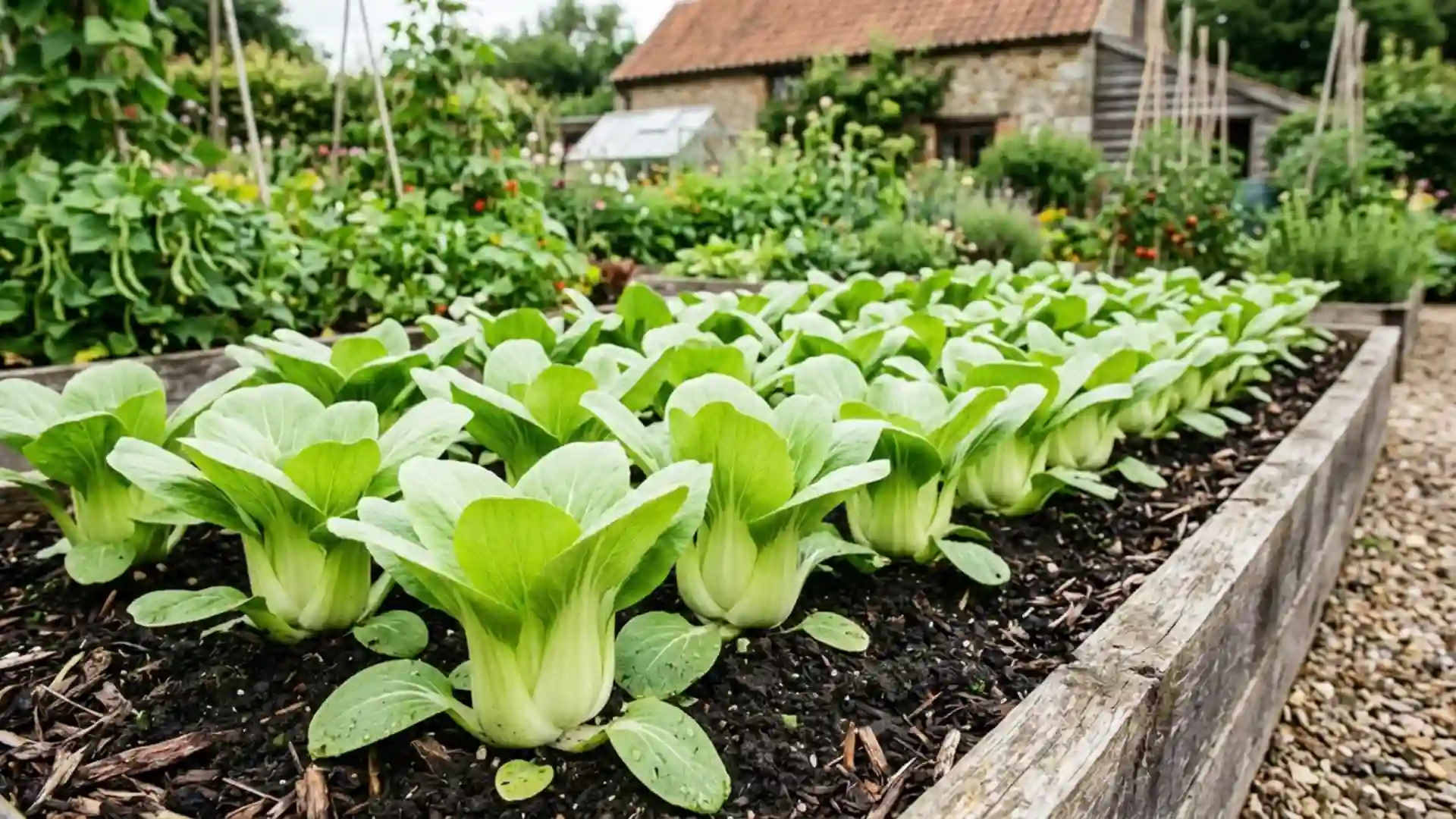
Bok choy matures quickly and works well in stir-fries, making it practical for the kitchen beyond salads.
It prefers cooler temperatures and can be harvested young as baby greens or left to form full heads.
- Ideal Soil: Moist, fertile, well-draining soil with added compost.
- Time to Grow: 45-60 days from seed to full head.
Quick Hack: Harvest a few outer leaves at a time instead of the whole head- the plant keeps producing longer.
9. Mustard Greens
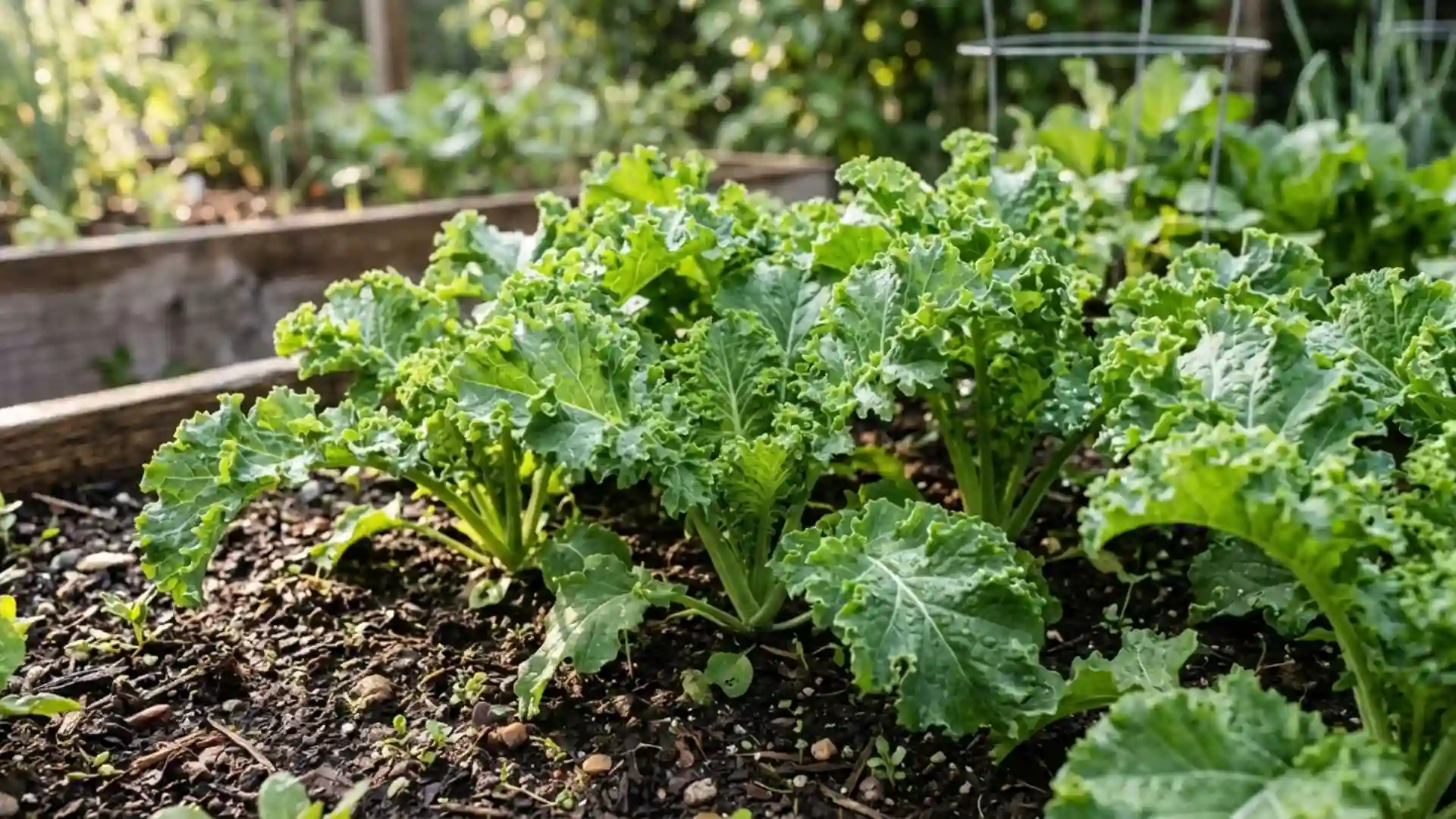
Mustard greens grow fast even in poor soil, making them a low-risk crop for gardeners still improving their beds.
Their spicy flavor adds variety to salads and cooked greens alike.
- Ideal Soil: Tolerates average to poor soil, though well-draining loam works best.
- Time to Grow: 21-40 days from seed to harvest.
Quick Hack: Grow it as a “trap crop” near other greens- pests prefer mustard leaves and leave your other plants alone.
10. Green Onions / Scallions
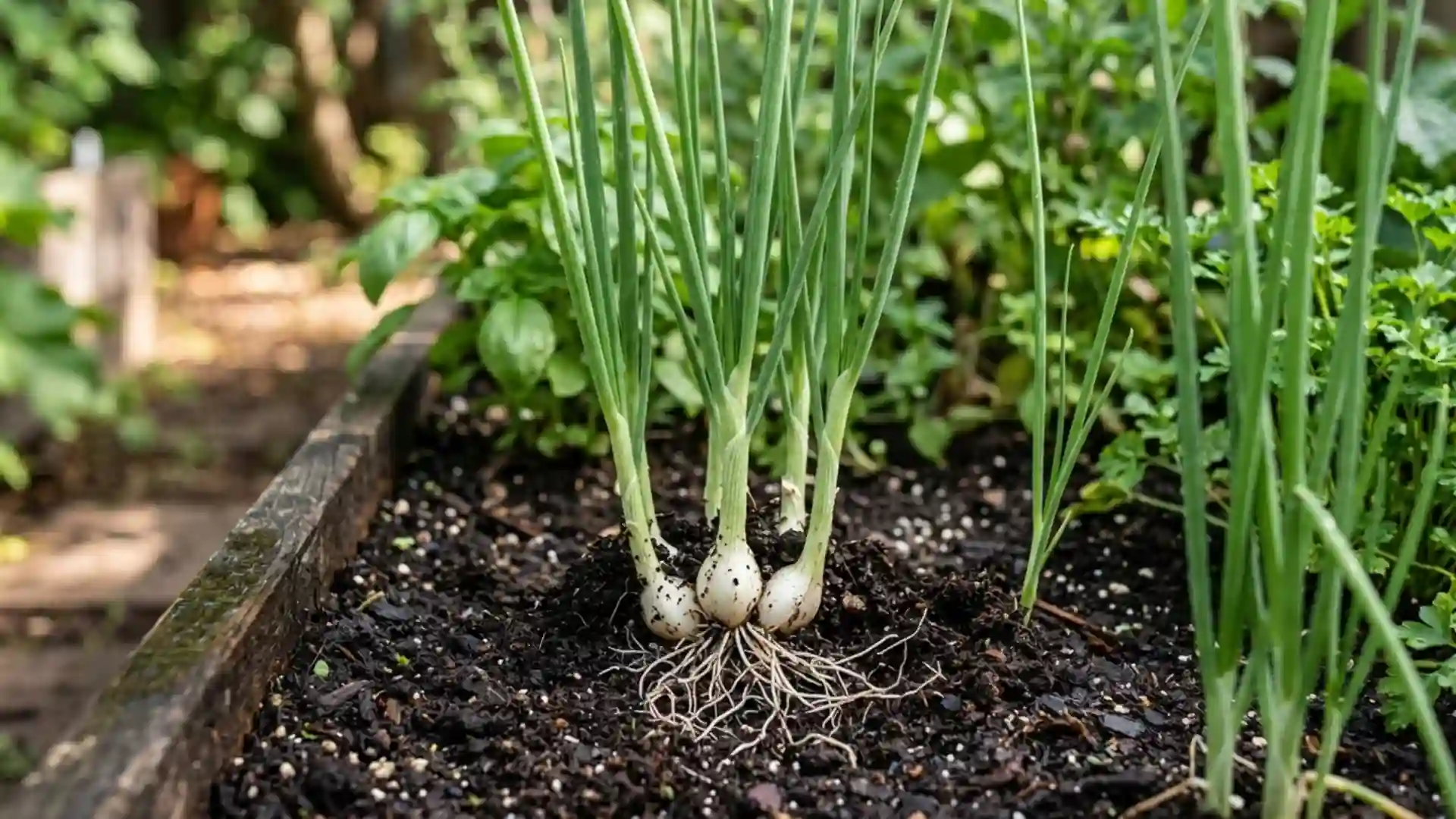
Green onions take up very little space and can even regrow from kitchen scraps placed in water before being transplanted into soil.
They’re one of the few vegetables well suited to a sunny windowsill.
- Ideal Soil: Loose, well-draining soil with moderate organic matter.
- Time to Grow: 60-80 days from seed, or a few weeks from sets.
Quick Hack: Save the root ends from store-bought scallions and regrow them in a glass of water indefinitely.
Summer / Warm-Season Vegetables
These crops need consistent warmth to thrive and are generally planted after the last frost once soil temperatures rise.
They grow through the hottest months, rewarding steady watering and sunlight with a longer, more productive harvest window.
11. Bush Beans
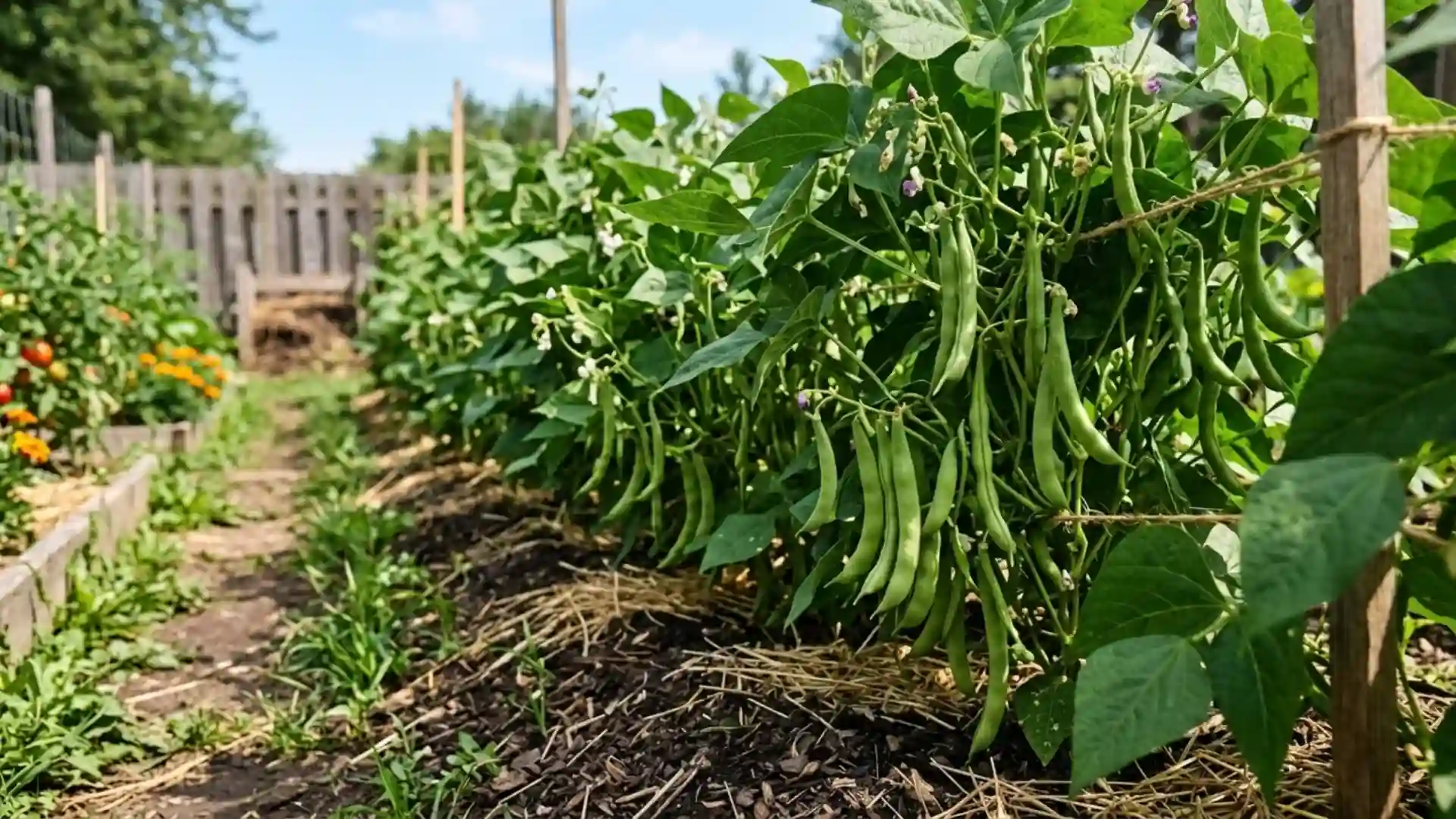
Bush beans need no trellis or staking, unlike their pole bean relatives, which makes them far less work for beginners.
They also fix nitrogen in the soil as they grow, improving the bed for future crops.
- Ideal Soil: Well-draining loam with moderate fertility, slightly acidic pH.
- Time to Grow: 50-60 days from seed to harvest.
Quick Hack: Plant a new row every 2-3 weeks through early summer to avoid one overwhelming harvest all at once.
12. Zucchini
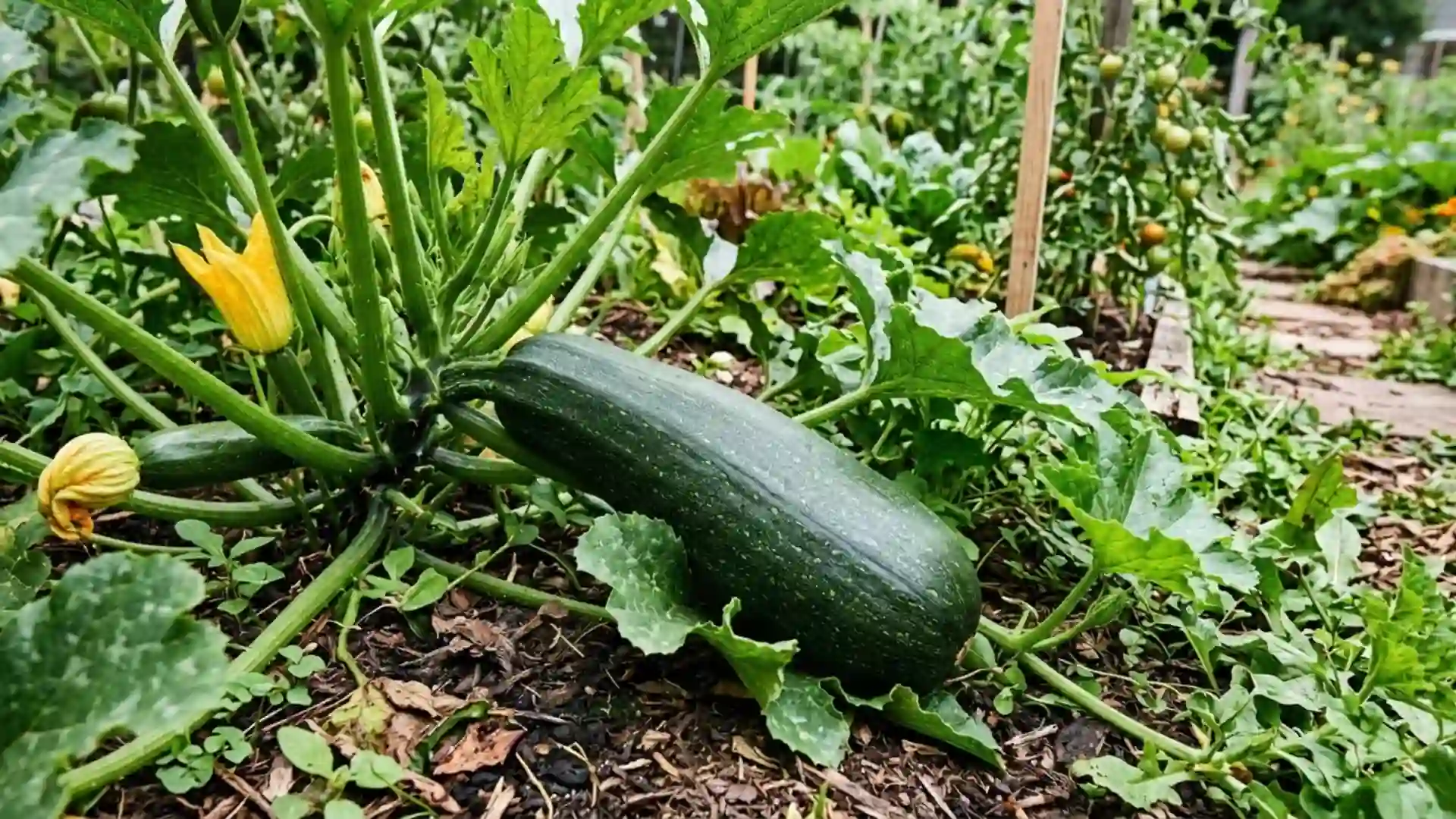
Zucchini is known for producing more than most households can use, making it a reliable high-yield crop for first-time squash growers.
Among warm-season crops, zucchini is consistently ranked as one of the easiest vegetables to grow for sheer output per plant.
- Ideal Soil: Rich, well-draining soil heavy in organic matter.
- Time to Grow: 45-55 days from seed to harvest.
Quick Hack: One plant is usually enough for a household- resist planting more than two unless you plan to give some away.
13.Cucumbers
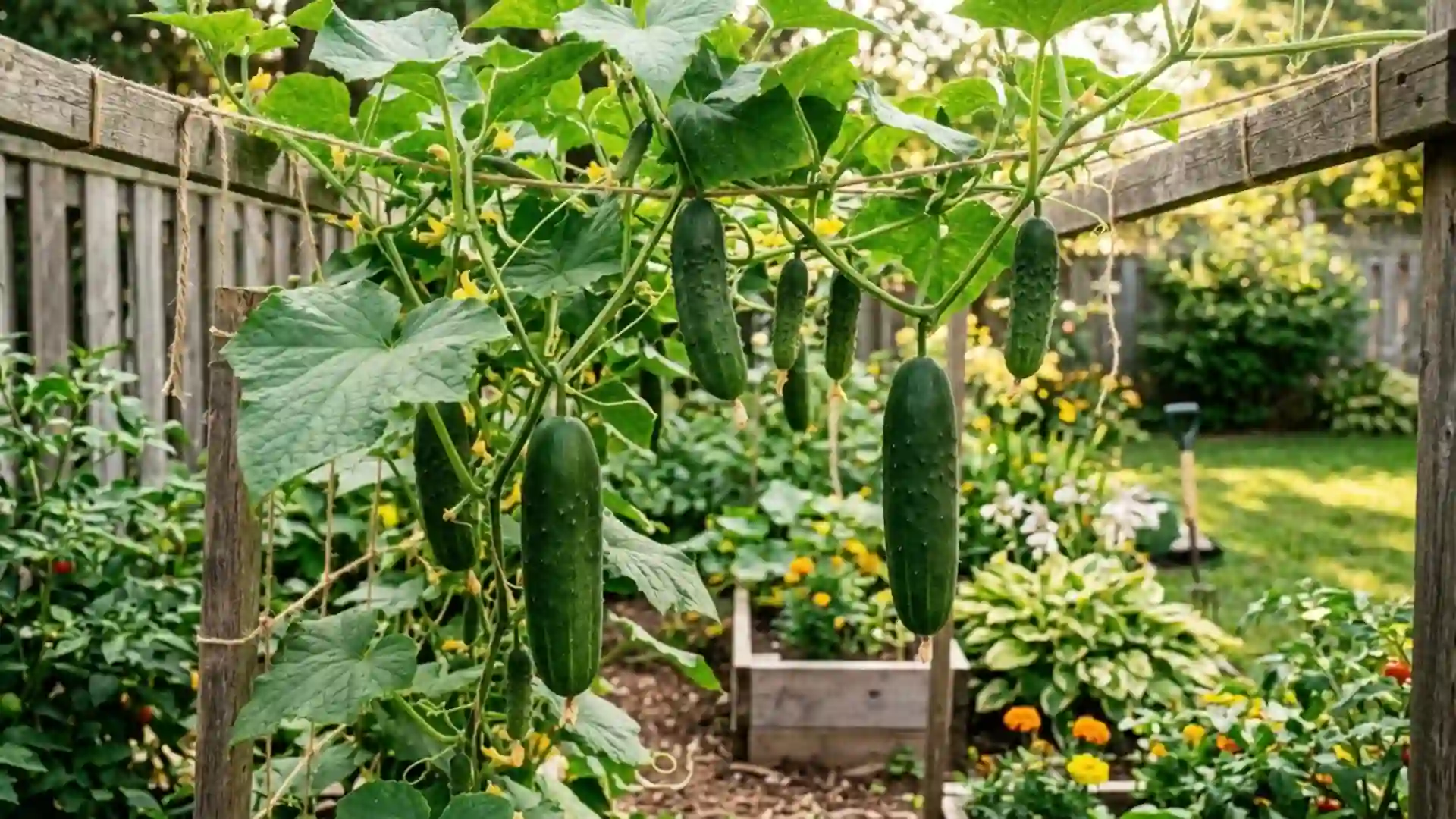
Cucumbers grow well on a trellis, saving ground space in smaller yards, and produce steadily once established.
Regular watering keeps the fruit from turning bitter, which is the most common issue beginners run into.
- Ideal Soil: Rich, well-draining soil with consistent moisture retention.
- Time to Grow: 50-65 days from seed to harvest.
Quick Hack: Water at the same time every day rather than randomly- consistency, not just quantity, prevents bitter fruit.
14. Bell Peppers
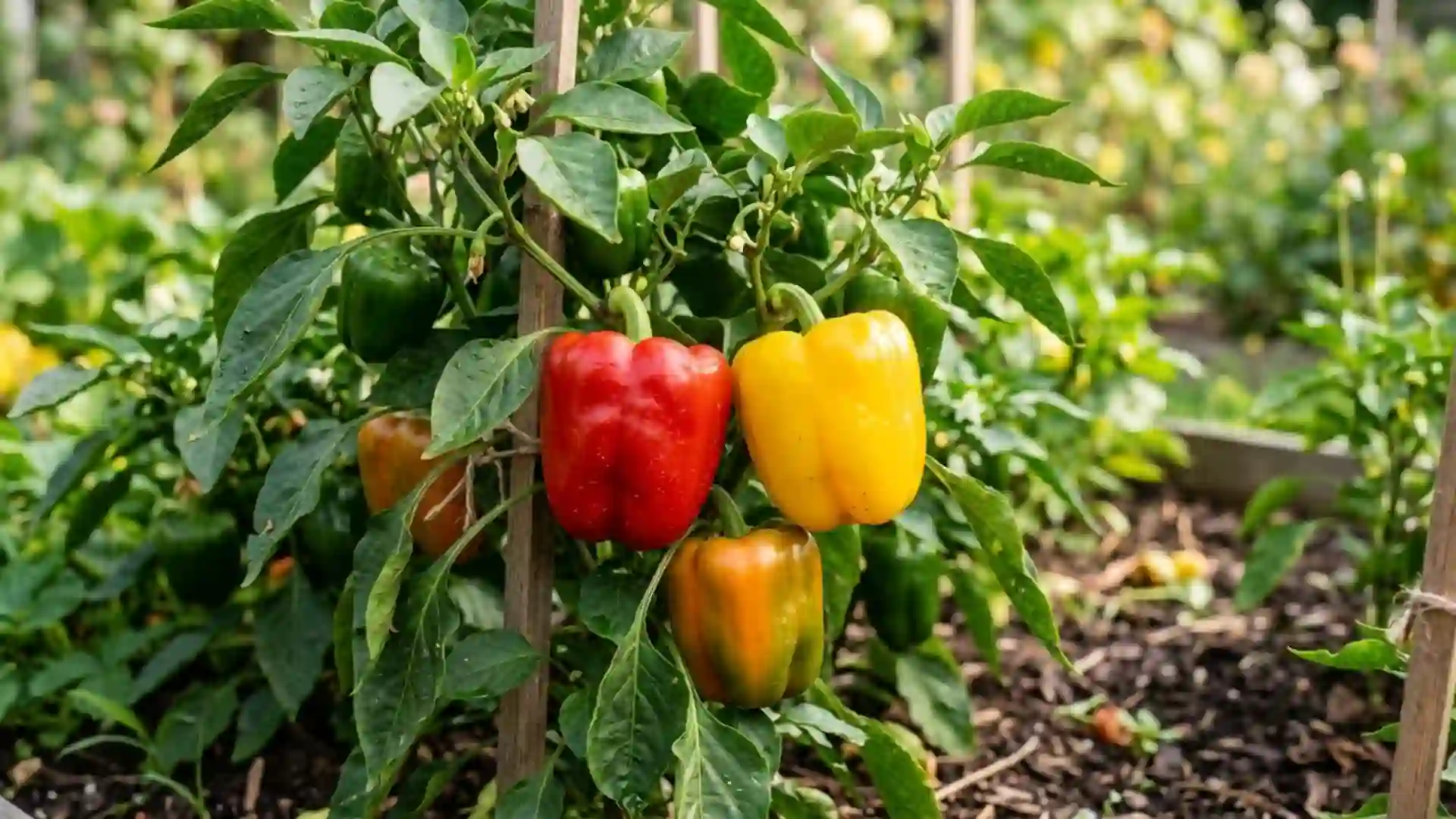
Bell peppers grow well in containers and require little pruning or maintenance once established.
They can be picked green for an earlier harvest or left on the plant to ripen into their full color.
- Ideal Soil: Fertile, well-draining soil with balanced pH.
- Time to Grow: 60-90 days from transplant to harvest.
Quick Hack: Pinch off the first flower buds early on- the plant redirects energy into stronger growth and a bigger later harvest.
15. Cherry Tomatoes
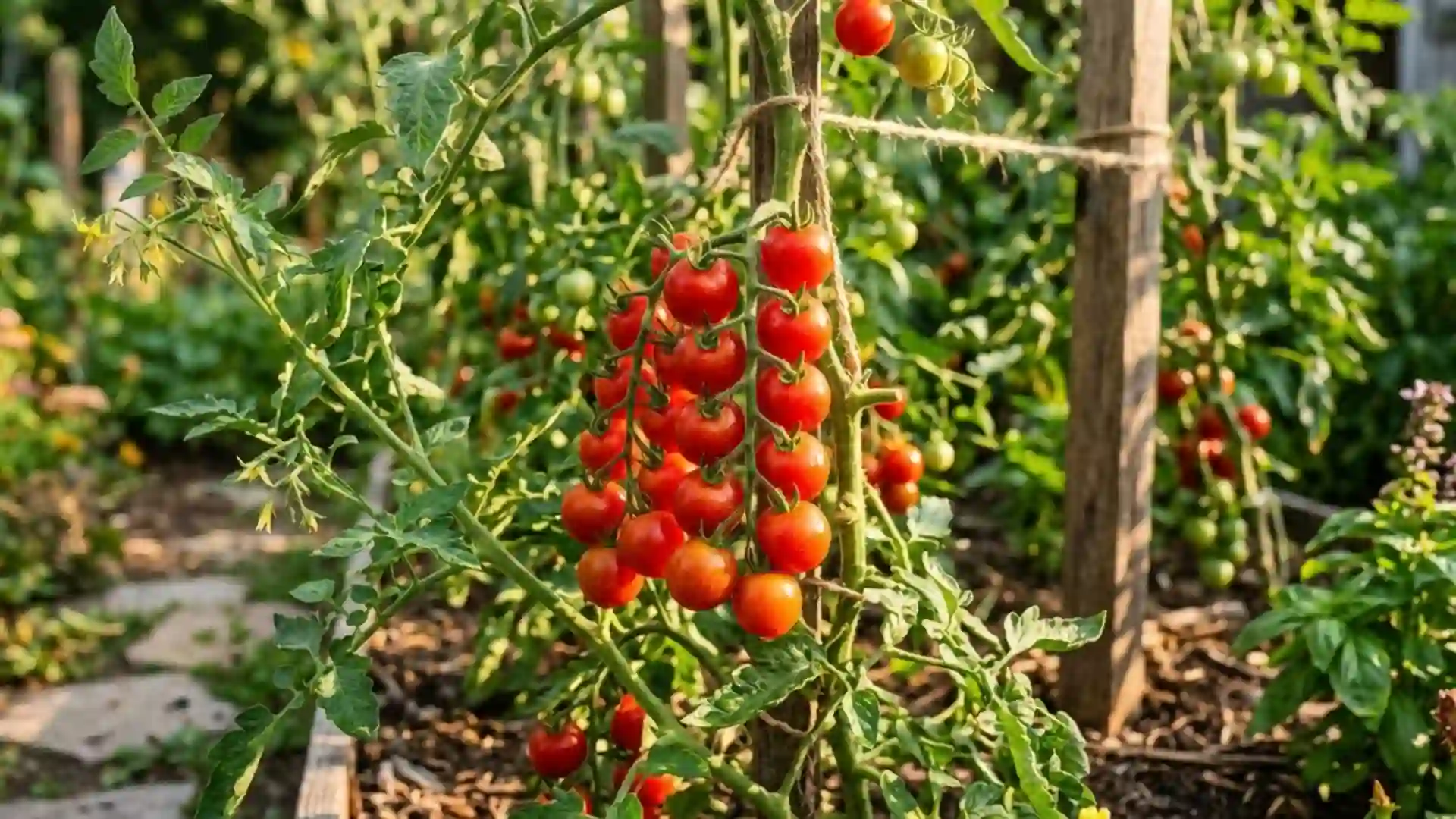
Cherry tomatoes are far more forgiving than full-size varieties, tolerating container growing and needing only minimal staking.
For beginners wanting a taste of homegrown tomatoes, cherry tomatoes are among the easiest vegetables to grow without heavy staking or pruning.
- Ideal Soil: Rich, well-draining soil with added compost.
- Time to Grow: 55-70 days from transplant to harvest.
Quick Hack: Bury seedlings deep, up to the first set of leaves- the buried stem grows extra roots and a sturdier plant.
16. Okra
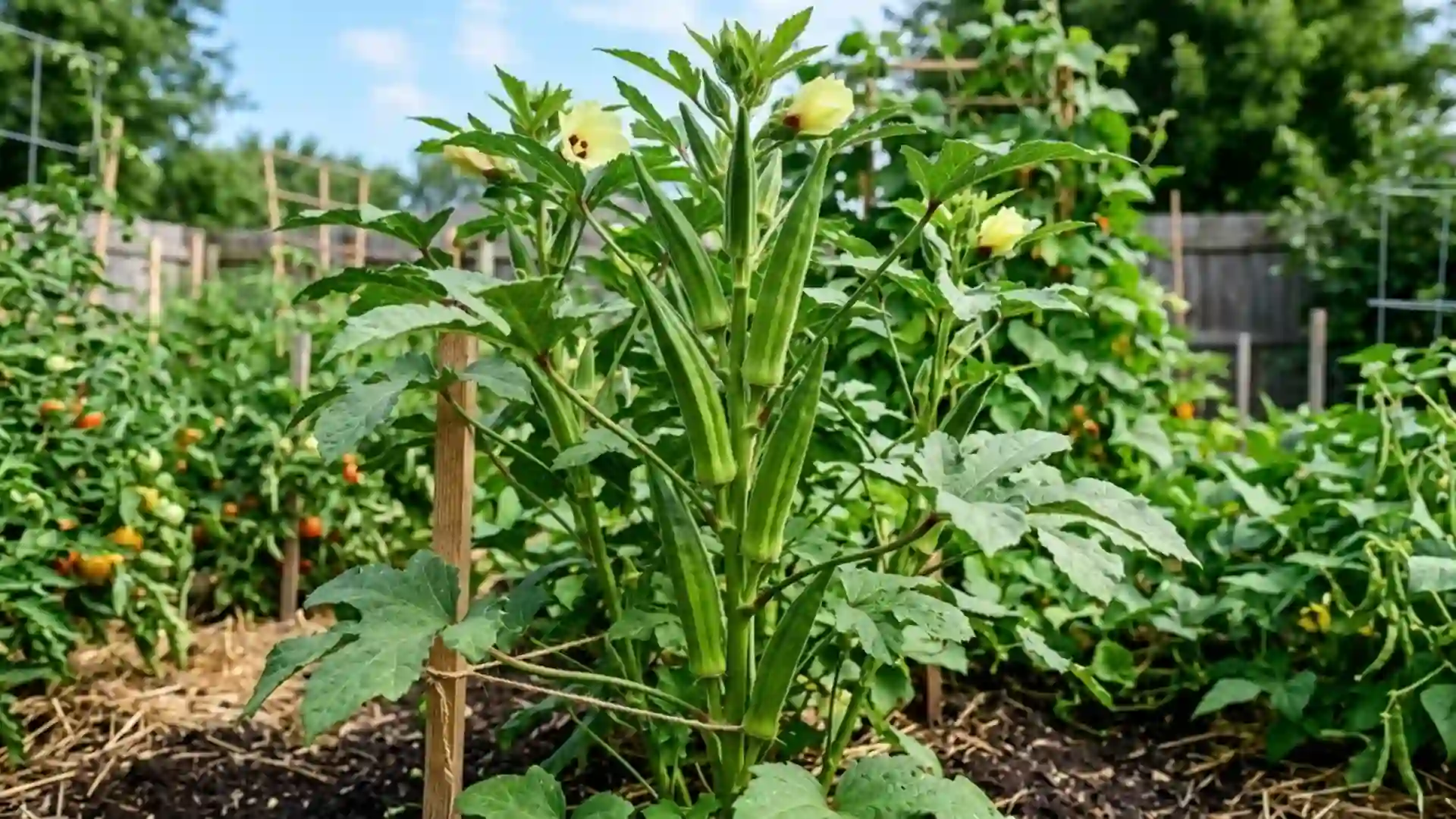
Okra tolerates heat and humidity that cause many other summer crops to struggle, making it a strong choice for warmer climates.
Pods grow quickly and need frequent checking since they toughen if left too long.
- Ideal Soil: Well-draining, slightly sandy soil with moderate fertility.
- Time to Grow: 50-65 days from seed to harvest.
Quick Hack: Mark your calendar to check plants every other day once pods appear- missing even one day makes them too fibrous to eat.
17. Carrots
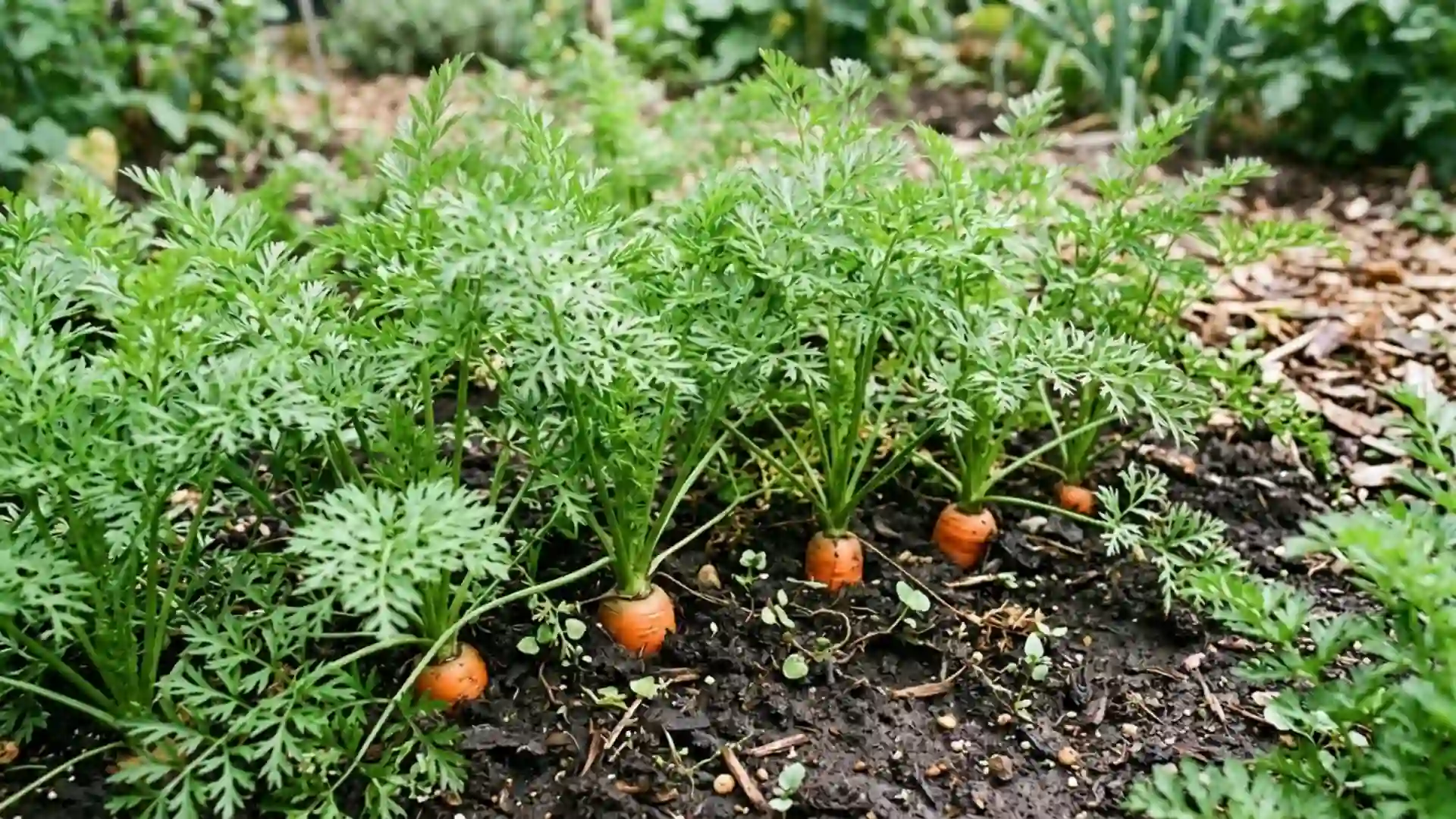
Carrots need loose, rock-free soil to grow straight roots, making raised beds a good fit.
They store well after harvest, giving beginners a crop that rewards patience with a long-season payoff.
Growing steps:
- Ideal Soil: Loose, sandy, rock-free soil at least 12 inches deep.
- Time to Grow: 70-80 days from seed to harvest.
Quick Hack: Mix in a handful of sand when prepping the bed- it loosens dense or clay-heavy soil so roots grow straight instead of forking.
18. Beets
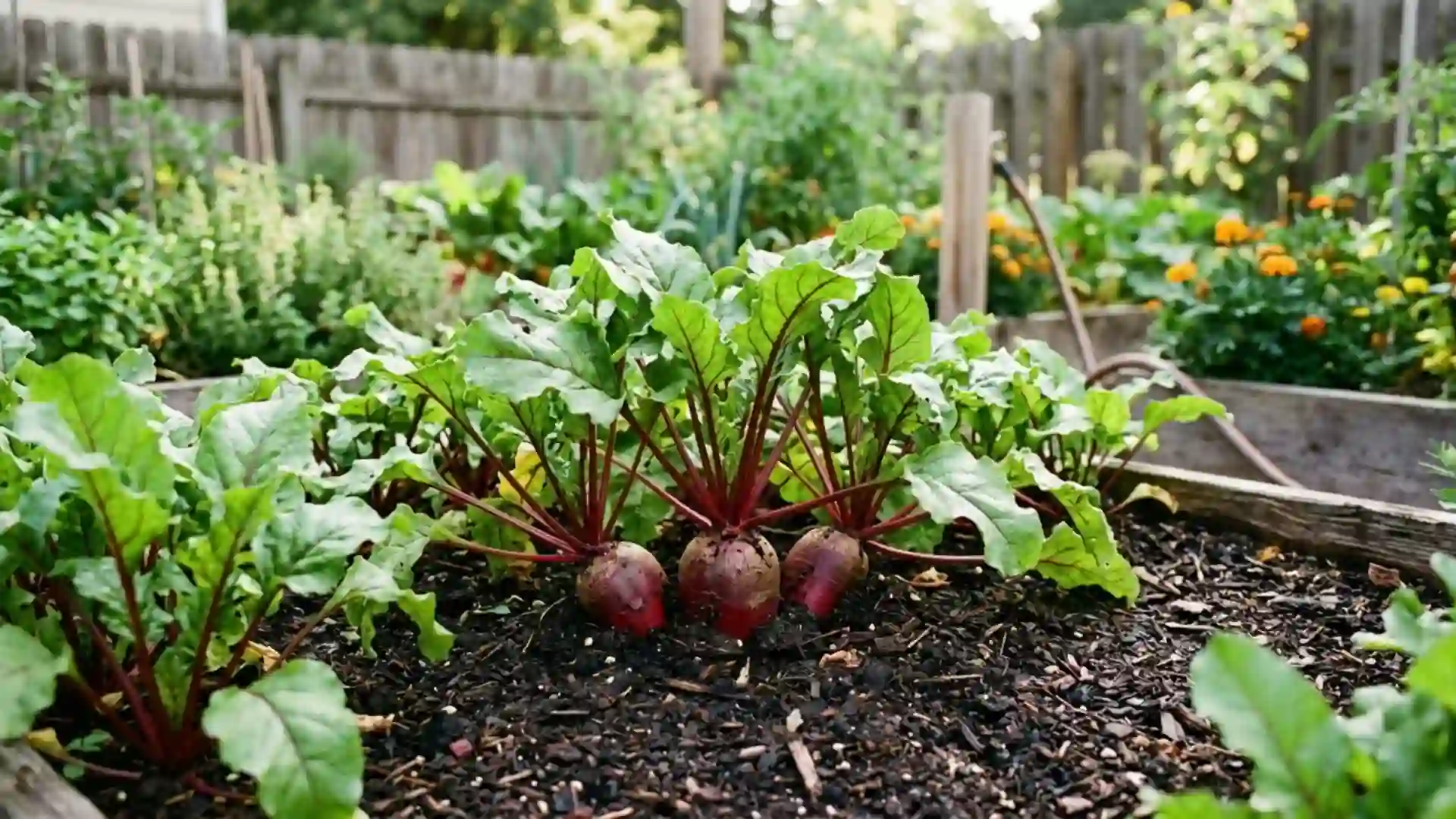
Beets offer a dual harvest of edible roots and greens, giving more value per planting than most root vegetables.
Even watering throughout the season prevents the roots from turning tough or woody.
- Ideal Soil: Loose, well-draining soil rich in organic matter.
- Time to Grow: 55-70 days from seed to harvest.
Quick Hack: Don’t toss the greens- sauté them like spinach for a second harvest from the same plant.
19. Turnips
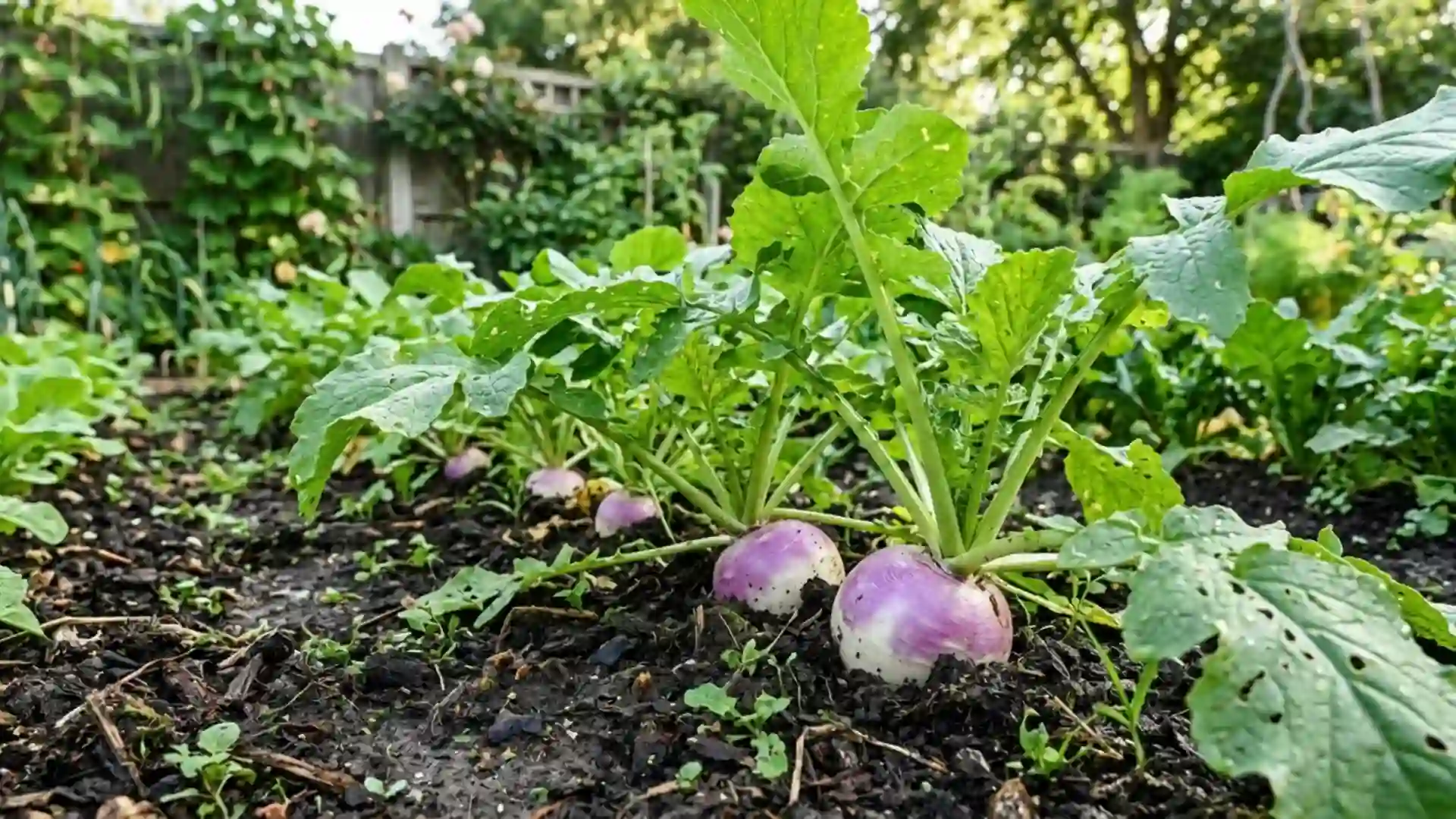
Turnips grow quickly in fall and tolerate soil that other root vegetables find difficult, making them a good backup crop for less-than-ideal beds.
Regular watering keeps the roots tender rather than fibrous.
- Ideal Soil: Tolerates average to poor soil, though loose loam works best.
- Time to Grow: 40-60 days from seed to harvest.
Quick Hack: Pull them a little early, at golf-ball size, for the most tender texture- larger roots turn woody fast.
20. Potatoes
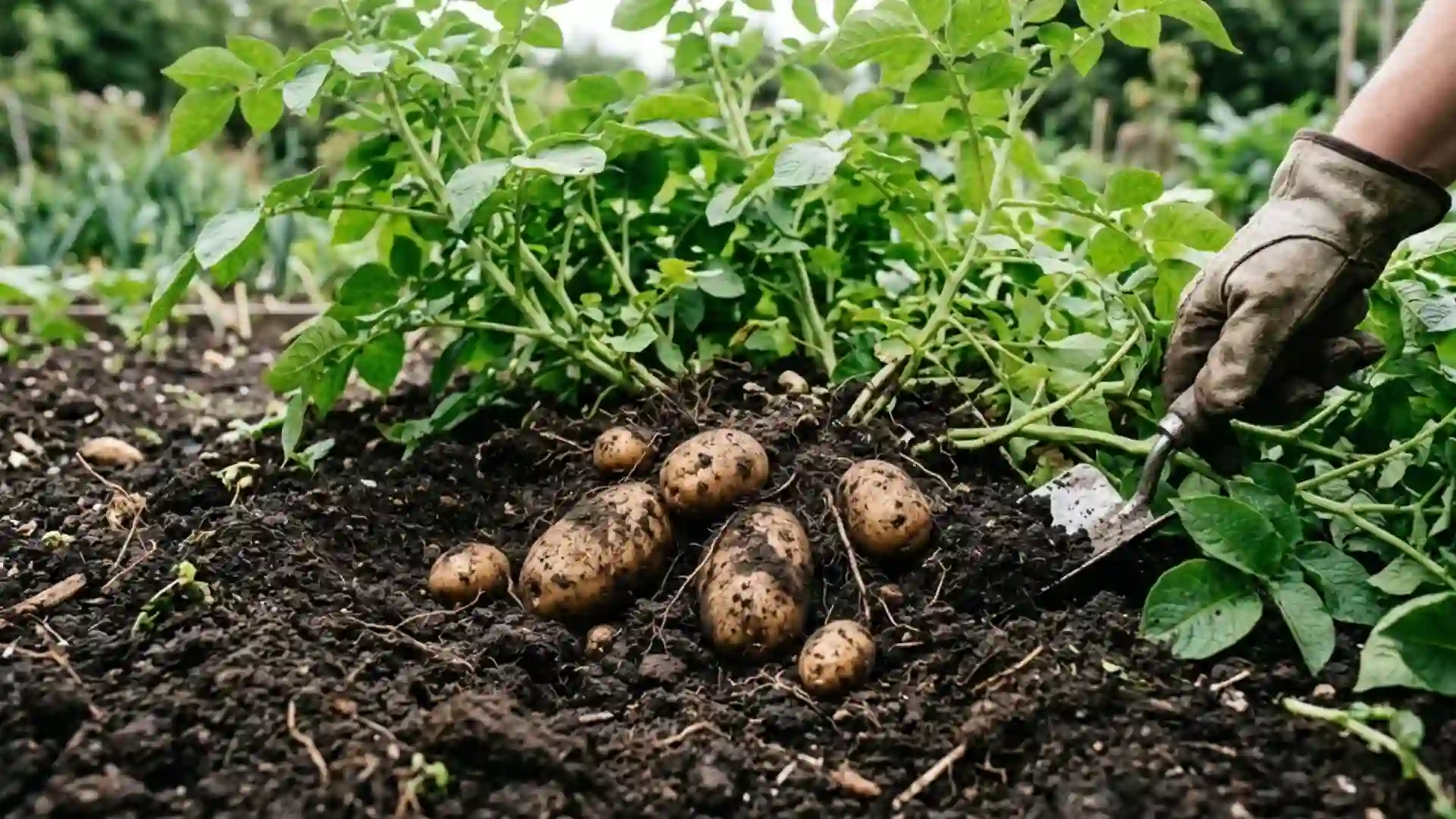
Potatoes produce a high yield from a small footprint, especially in raised beds or grow bags, making them practical for limited space.
Hilling soil around the stems as they grow protects developing tubers from sunlight.
- Ideal Soil: Loose, well-draining, slightly acidic soil.
- Time to Grow: 70-90 days from planting to harvest.
Quick Hack: Use a grow bag instead of a bed- you can just dump it out at harvest instead of digging through soil.
21. Garlic
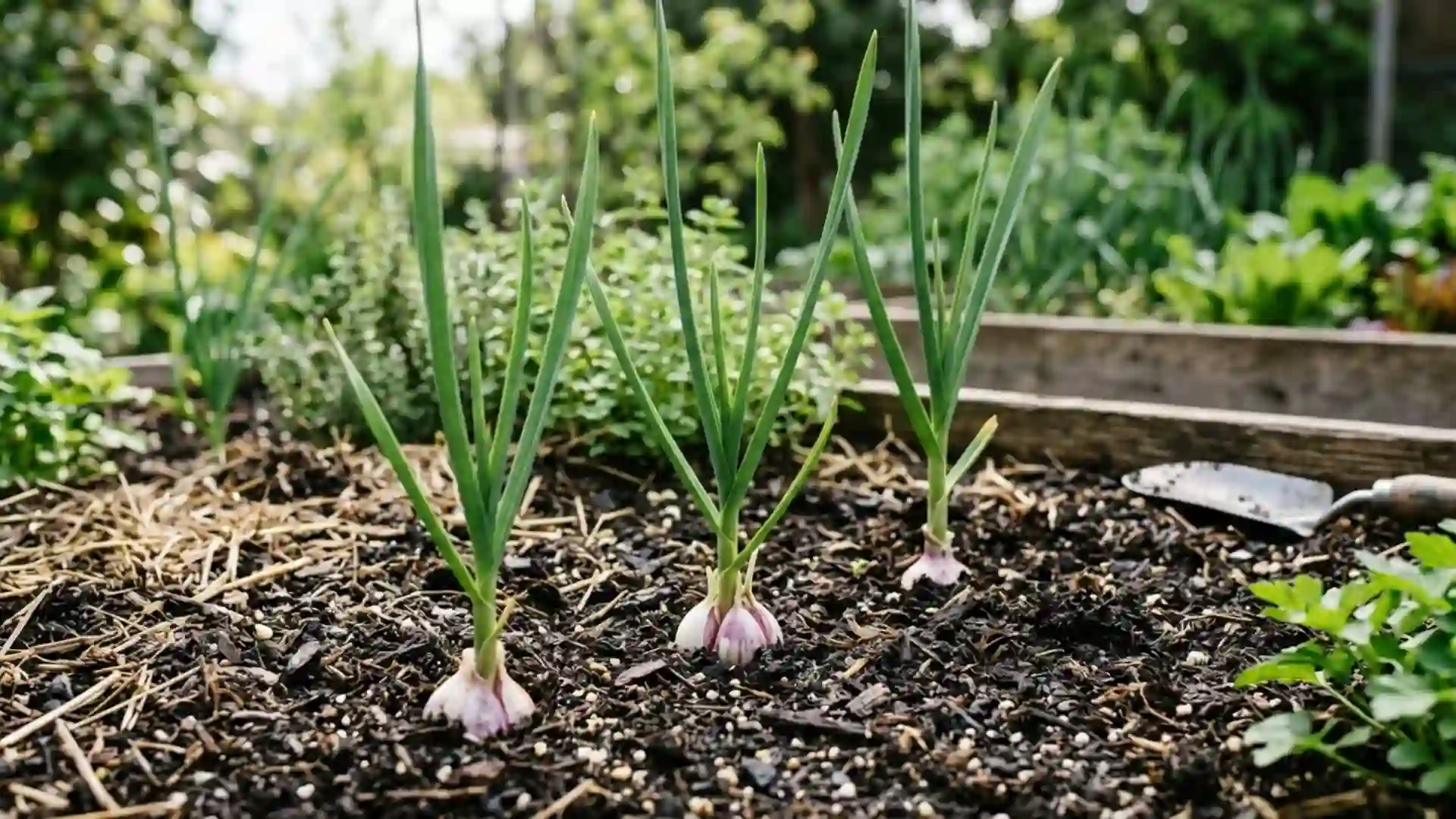
Garlic asks for very little once planted, sitting through winter with minimal attention and few pest issues.
Planted in fall, it rewards gardeners with a harvest the following summer, making it a low-effort, long-term crop.
- Ideal Soil: Well-draining, loose soil rich in organic matter.
- Time to Grow: 240-270 days, planted in fall and harvested the following summer.
Quick Hack: Use cloves from a farmers market or seed supplier rather than grocery-store garlic, which is often treated to prevent sprouting.
How to Choose the Right Vegetables for Your Space
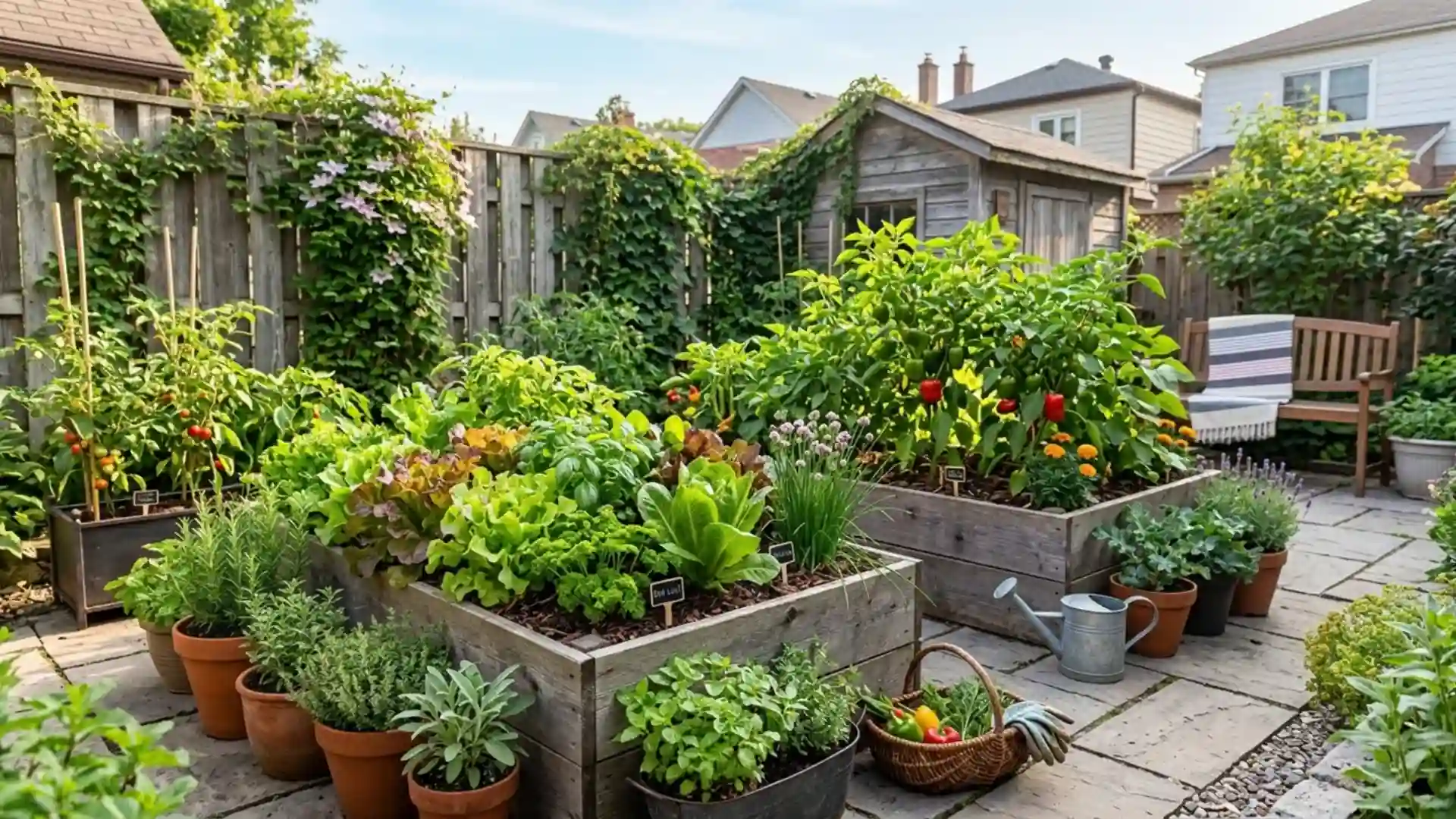
Not every vegetable suits every yard, balcony, or hardiness zone.
Choosing well means matching a crop’s sunlight, soil, and space needs to what you actually have, and timing it to your local season.
Matching your space to one of the easiest vegetables to grow, rather than forcing a demanding crop into the wrong spot, is the fastest way to a successful first season.
If your growing space is limited to a porch or a bright window, a compact indoor container setup can still produce a real harvest of greens and scallions.
Cool-Season vs. Warm-Season Crops Explained
Vegetables generally fall into two temperature groups, and planting them at the wrong time is one of the most common reasons beginner crops fail.
|
Category |
Temperature |
Examples |
Planting Window |
|
Cool-Season |
45–75°F |
Lettuce, spinach, kale, radish, carrots, beets |
Early spring or fall |
|
Warm-Season |
65–95°F |
Tomatoes, peppers, cucumbers, zucchini, okra |
After the last frost through summer |
Reading Your USDA Hardiness Zone Before You Plant
Your USDA Hardiness Zone tells you the average lowest winter temperature in your area, which determines your last spring frost date and first fall frost date.
These two dates decide when it’s safe to plant warm-season crops and when cool-season crops need to go in the ground instead.
Planting too early risks frost damage; planting too late means crops mature during unfavorable heat or cold.
You can find your zone using your ZIP code on the USDA Plant Hardiness Zone Map, then use that information to build a planting calendar specific to your location rather than relying on generic spring or fall advice found elsewhere.
Common Beginner Mistakes and How to Avoid Them
Even easy vegetables can fail if a few basics get overlooked. Most first-season problems trace back to one of four habits, each simple to fix once you know what to watch for.
- Overwatering and poor drainage: Soggy soil suffocates roots faster than dry soil kills them. Water only when the top inch feels dry, and make sure containers or beds drain well instead of holding standing water after rain.
- Planting too early or too late for the season: Cool-season crops planted in summer heat bolt immediately, while warm-season crops planted before frost passes get damaged. Check your hardiness zone’s frost dates before sowing anything.
- Ignoring spacing requirements: Crowded plants compete for nutrients, light, and airflow, which invites disease and stunts growth. Follow seed packet spacing exactly, even when seedlings look small, and the spacing in a square-foot layout guide seems tight at first.
- Skipping soil prep: Dropping seeds into unamended soil leads to poor germination and weak roots. Mix in compost and loosen compacted soil before planting to give every seed a fair start.
Fixing these four habits solves most of the problems beginners run into, long before pests or weather become a real factor.
Companion Planting Pairs for Pest Control and Better Yields
Certain vegetables help each other thrive when planted nearby, while others compete for nutrients or attract shared pests.
Knowing these pairings gives your garden an easy, low-cost yield boost.
Vegetables That Grow Well Together
Pairing compatible crops nearby can deter pests, improve pollination, or make efficient use of space. Here are a few reliable combinations:
|
Companion Pair |
Why It Works |
|
Carrots + Green Onions |
Onion scent helps deter carrot flies. |
|
Bush Beans + Cucumbers |
Beans add nitrogen that cucumbers readily use. |
|
Lettuce + Bush Beans |
Beans provide light shade, helping prevent bolting. |
|
Radish + Cucumbers |
Radishes help repel cucumber beetles. |
|
Bell Peppers + Green Onions |
Onions help deter aphids. |
|
Kale + Beets |
They have different nutrient needs and compete less. |
Keeping the Harvest Going: Succession Planting Basics
One planting doesn’t have to mean one harvest.
Succession planting means staggering sowing dates or replacing spent crops, so your garden stays productive throughout the season rather than producing everything at once.
Staggering Plantings for Continuous Yield
Instead of sowing an entire row at once, split it into smaller batches planted a couple of weeks apart. This spreads out maturity dates so you’re harvesting steadily rather than all at once.
This technique works especially well with the easiest vegetables to grow, since their short timelines make restaggering simple.
What to Plant After Your First Harvest
Once a crop is pulled, that space doesn’t need to sit empty. Replace it with something suited to the upcoming seasonal shift.
Here is a quick table:
|
After Harvesting |
Plant Next |
Why |
|
Spring radishes or lettuce |
Bush beans or cucumbers |
Makes use of warm-season growing conditions. |
|
Summer zucchini or beans |
Turnips or kale |
Extends the garden into the fall season. |
|
Any crop |
Rotate to a different plant family |
Helps reduce soil-borne pests and diseases. |
Final Thoughts!
Growing your own food doesn’t take years of experience or a large yard. With the right crop choices, a beginner garden can produce a real, usable harvest within weeks of planting.
Start with two or three vegetables that match your space and climate, and build from there once you see results.
Confidence in gardening tends to follow the first successful harvest, and that first win often leads straight into a longer, more ambitious list the next season.
Which of these vegetables are you planting first this season? Drop a comment below and let us know what’s going into your bed.
Frequently Asked Questions(FAQ’s)
What Vegetables Grow Best without a Garden Bed?
Lettuce, radishes, arugula, green onions, and bell peppers all thrive in containers or pots on a sunny patio or balcony.
Do I Need Special Tools to Start a Vegetable Garden?
No. A container, quality soil, seeds or seedlings, and consistent watering are enough to start most beginner-friendly crops.
Can I Grow Vegetables in Partial Shade?
Yes. Spinach, lettuce, kale, and arugula tolerate partial shade well, unlike fruiting crops like tomatoes or peppers.
Is It Cheaper to Grow from Seed or Buy Transplants?
Seeds cost less and offer more variety, while transplants save time for slow-growing crops like tomatoes and peppers.
How Much Sunlight Do Most Vegetables Need Daily?
Leafy greens need 4-6 hours, while fruiting vegetables like tomatoes and peppers need 6-8 hours of direct sun.