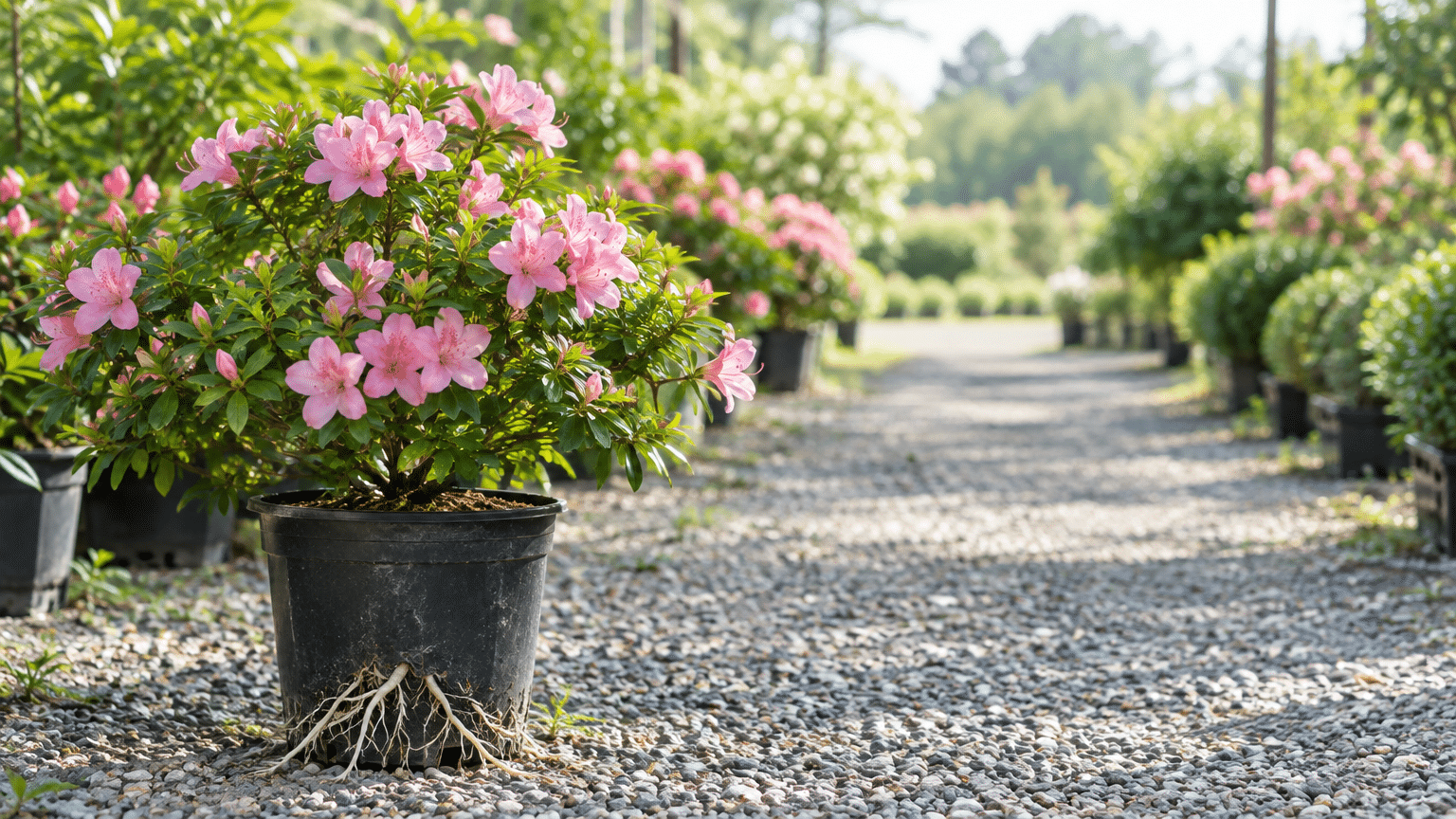

Choosing the right companion plants can boost your garden’s resilience, support beneficial insects, and help you manage pests naturally. By pairing classic kitchen crops and specialty plants with compatible neighbors, home gardeners can enjoy healthier harvests with less reliance on chemicals.
Companion planting is an accessible way for home gardeners to improve plant health, enrich soil, and keep pests at bay without synthetic treatments. By thoughtfully arranging herbs, flowers, and specialty crops, you can attract and sustain beneficial insects while supporting your entire garden ecosystem. Understanding how to pair plants effectively makes gardening both productive and environmentally friendly.
Introduction: Why Plant Pairings Matter
Successful companionship between plants relies on each one playing a role in the garden ecosystem. Certain plants deter harmful insects, attract pollinators, or improve soil conditions for their neighbors. By creating intentional plant pairings, gardeners can manage pests, enhance growth, and help the garden thrive naturally.
Beneficial insects such as lady beetles, lacewings, and hoverflies often come to feed on pests like aphids, given the right plant environment. Including a range of aromatic herbs and flowering species ensures these helpful insects have food and shelter throughout the season. This natural pest control reduces the need for chemical solutions and supports a thriving home garden.
Classic Kitchen Garden Pairings
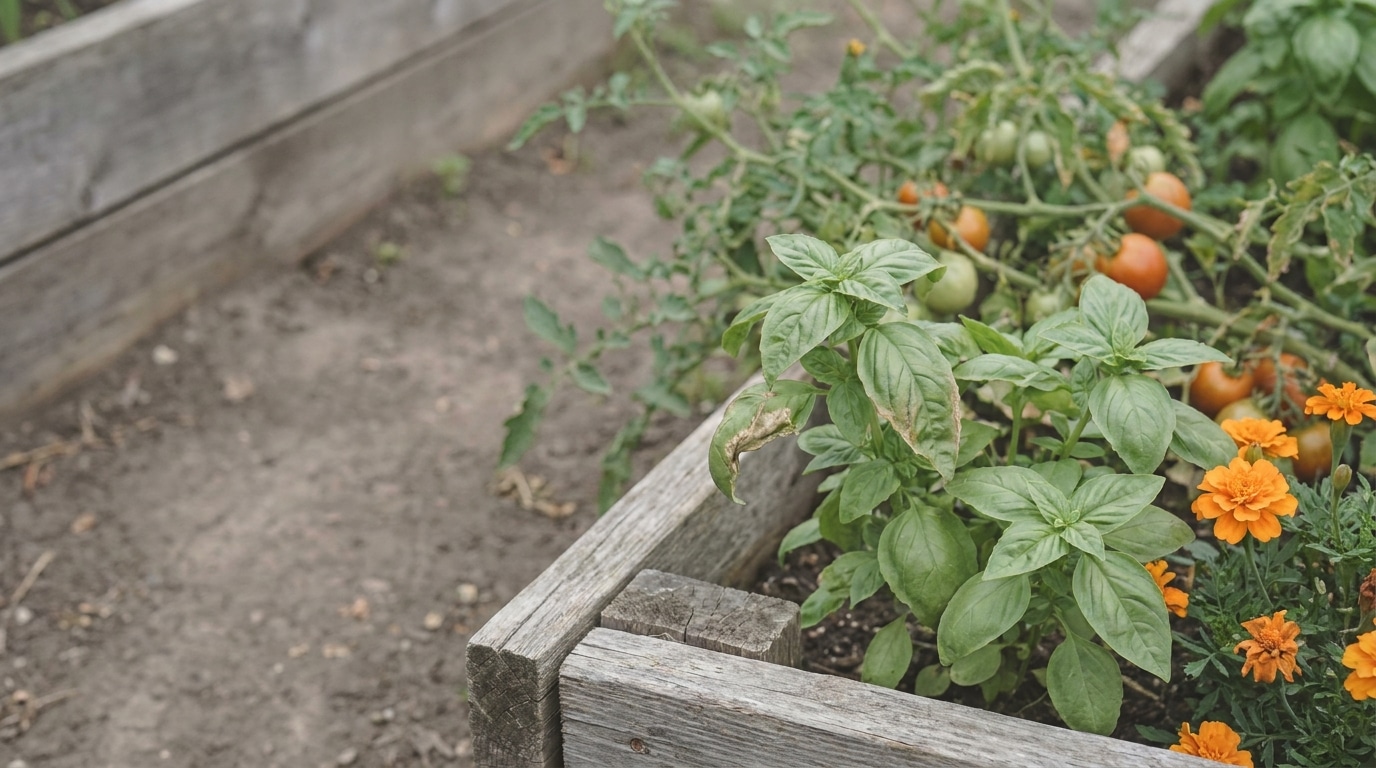
Certain combinations in the vegetable patch have become favorites for both pest control and flavor. Planting basil near tomatoes is a classic example, as basil may discourage some insects and can even enhance tomato flavor. Marigolds, when grown alongside leafy greens such as lettuce or spinach, serve as both a visual highlight and a practical deterrent for insects like aphids and spider mites.
Pairing dill, coriander, and mint around vegetables can create an attractive habitat for beneficial insects. These herbs produce flowers and scents that encourage the presence of natural predators, including parasitic wasps and hoverflies. Incorporating pollen- and nectar-rich flowers, like yarrow, alyssum, or cosmos, ensures that garden allies have food sources from spring through autumn. Patch or border planting helps both insects and plants thrive, and keeping pesticide use minimal preserves the helpful species you want to attract.
Companion Planting for Specialty and Regulated Crops
The same principles of companion planting apply to more specialized plants grown at home. For home growers expanding beyond standard culinary herbs into regulated crops, starting with reliable marijuana seeds is only the first step, pairing them with aromatic companions like peppermint, yarrow, and dill helps mask scents and attract beneficial predatory insects.
Clustering diverse herbs and flowers near specialty crops not only draws helpful insects but also increases pollinator visits and enhances the microclimate around these plants. Regularly observing how your companion planting choices perform lets you adapt with each growing season, so whether working with staple vegetables or unique crops, integrated plant pairings become the foundation for a resilient and flourishing home garden.