A well-designed outdoor space combines natural elements with constructed features to create an attractive and functional environment. From colorful flower beds to paved walkways, each element contributes to the overall appearance and usability of a property. These features fall into two main landscaping categories: hardscaping and softscaping. Understanding how they differ can help homeowners make better decisions when improving their yards.
What Is Hardscaping?
Hardscaping refers to the non-living, constructed elements of a landscape. These features provide structure, improve accessibility, and create usable outdoor areas. Common examples include patios, walkways, driveways, retaining walls, and decks.
Materials used for hardscaping include natural stone, concrete, brick, gravel, and pavers. The right choice depends on the purpose of the area, the property’s style, and the desired level of durability.
For example, homeowners considering paver driveway installation in San Diego can choose from different colors, patterns, and finishes to complement their home’s exterior. Pavers also provide a practical surface for vehicle access when properly installed.
Hardscaping can serve additional purposes beyond appearance. Retaining walls help manage changes in elevation, while properly designed drainage systems direct water away from important areas. Together, these features make outdoor spaces easier to use and maintain.
What Is Softscaping?
Softscaping includes the living elements of a landscape. These features add color, texture, and natural beauty while supporting the surrounding environment. Unlike hardscape structures, softscape elements grow and change over time.
Common examples include:
- Trees: Provide shade, improve privacy, and add height to a landscape.
- Shrubs: Define garden borders and fill empty spaces.
- Flowers: Introduce color and seasonal interest.
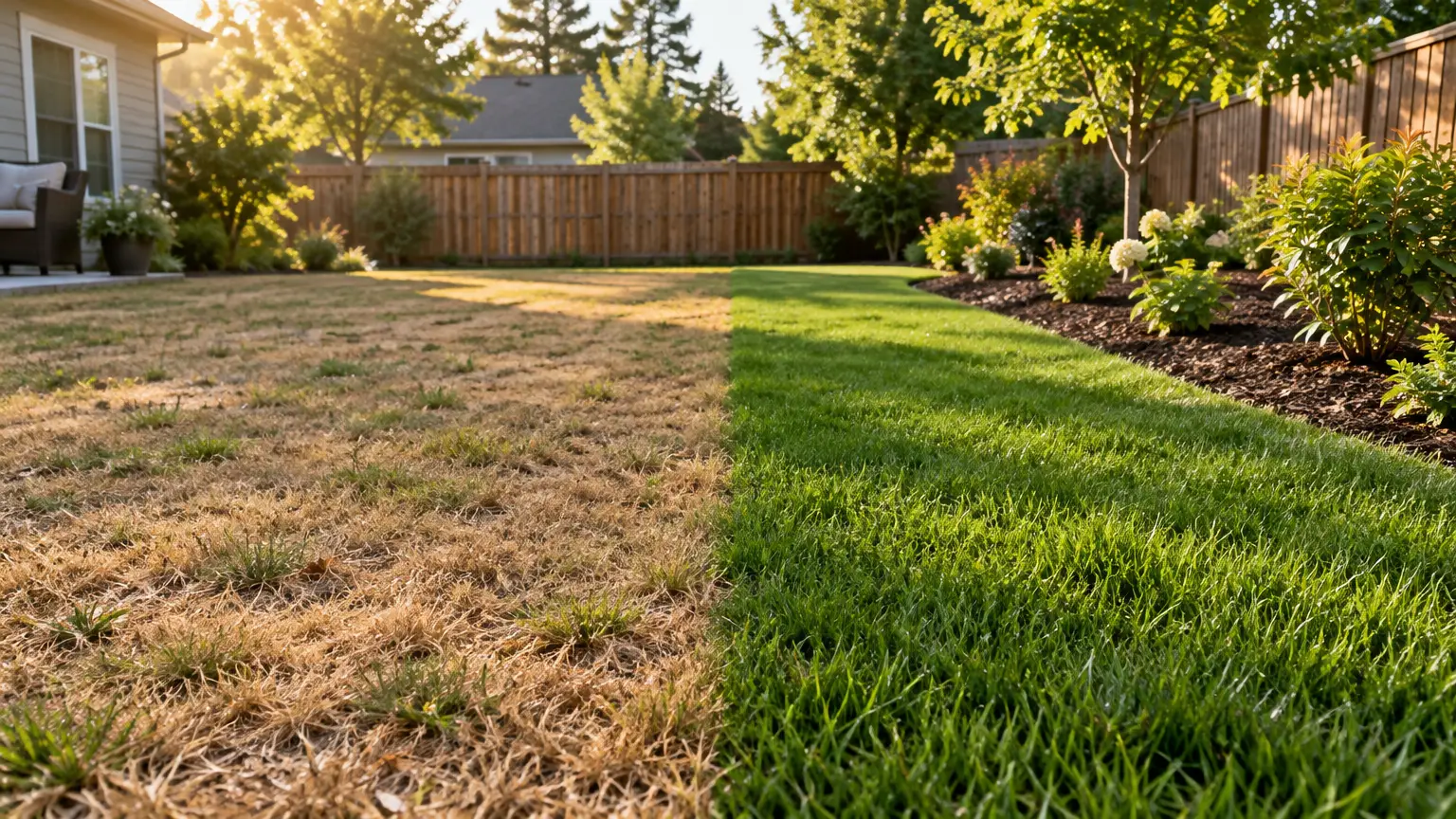
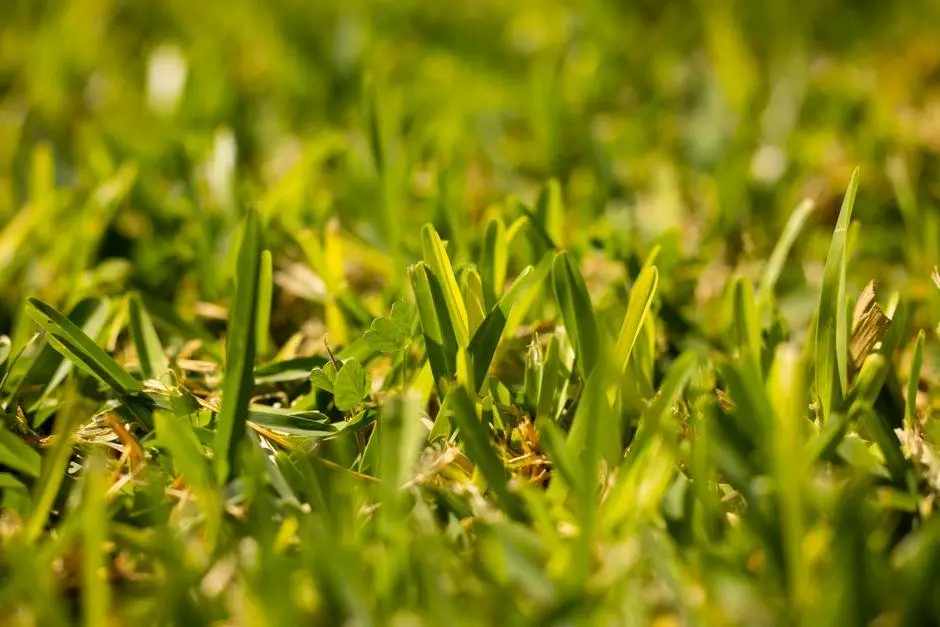
- Grass and ground cover: Cover exposed soil and create a softer appearance.
- Climbing plants: Add greenery to fences, trellises, and other vertical structures.
Softscaping choices depend on factors such as climate, soil conditions, sunlight, and available space. Native plants are often practical options because they are adapted to local growing conditions and may require less watering.
Homeowners should also consider maintenance requirements. Some plants need frequent watering, pruning, and fertilizing, while others can thrive with minimal attention. Choosing suitable varieties makes it easier to maintain a healthy garden.
Key Differences Between Hardscaping and Softscaping
Although both contribute to landscape design, hardscaping and softscaping serve different purposes. Understanding their differences helps homeowners decide which features their outdoor spaces need.
1. Living vs. Non-Living Elements
Softscaping consists of living features, while hardscaping includes constructed structures and non-living materials. Plants grow and change with the seasons, whereas hardscape features generally maintain their shape and structure for many years.
2. Maintenance Requirements
Softscaping usually requires regular attention, including watering, trimming, weeding, and fertilizing. Hardscaping generally needs less frequent maintenance, although surfaces may require cleaning, repairs, or occasional replacement.
3. Function and Appearance
Hardscaping provides practical features such as parking areas, seating spaces, and accessible pathways. Softscaping adds natural beauty and creates a welcoming atmosphere. Both improve a property’s appearance in different ways.
4. Seasonal Changes
Softscape elements respond to seasonal conditions. Some plants bloom during specific months, while others lose their leaves or become dormant. Hardscape features are generally less affected by seasonal changes, although weather can influence certain materials.
How to Combine Hardscaping and Softscaping in Your Yard
A successful landscape design uses both elements to create an outdoor space that looks cohesive and serves practical needs. Homeowners can combine them in several ways.
Plan the Layout First
Determine how the outdoor space will be used before choosing plants or materials. Consider where walkways, parking areas, seating spaces, and garden beds should go. A clear layout helps prevent overcrowding and ensures every feature has a purpose.
Choose Complementary Materials and Plants
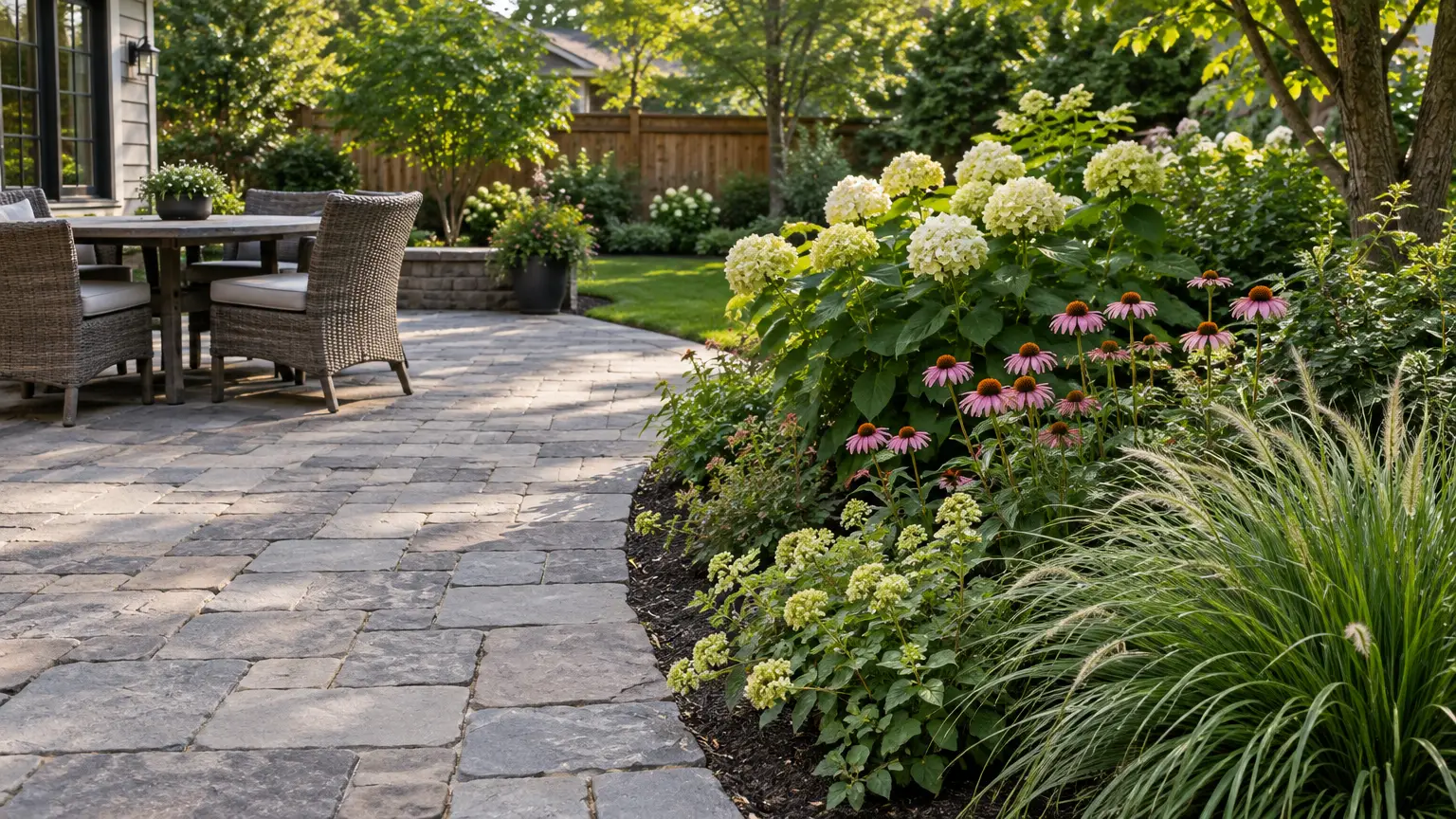
Hardscape materials and plant varieties should work well together. Natural stone pathways can complement ornamental grasses, while brick borders can define flower beds. Consider colors, textures, and the overall style of the property when selecting these elements.
Add Greenery Around Paved Areas
Plants can soften the appearance of constructed surfaces and connect them with the surrounding landscape. Small shrubs, flowering plants, and ground cover can be placed along walkways, patios, and driveways. Leave enough room for growth and avoid plants with aggressive roots near paved surfaces.
Consider Drainage and Sunlight
Proper drainage helps prevent water from collecting around plants and hardscape features. Also, consider how nearby trees, walls, and structures affect sunlight before selecting plants for different areas.
Which Is More Important: Hardscaping or Softscaping?
Neither is more important because both serve different purposes. The right balance depends on the property’s layout, the homeowner’s preferences, and how the outdoor space will be used.
Smaller yards may benefit from vertical gardens, compact planting beds, and a few strategically placed paved areas. Larger properties may have room for extensive gardens, outdoor seating areas, and longer walkways.
Budget is another consideration. Hardscaping projects can involve significant upfront expenses, particularly when excavation, drainage, and professional installation are required. Softscaping costs vary depending on plant selection, soil preparation, and garden size.
Create a Balanced Outdoor Space
Hardscaping and softscaping work best when they complement each other. Constructed features provide structure and usability, while plants introduce color, texture, and natural appeal. By considering their different purposes, maintenance requirements, and placement, homeowners can create an attractive outdoor space that remains practical and enjoyable over time.