The Growing Importance of Structured Outdoor Spaces
A thriving garden starts with more than healthy plants and good soil. It also depends on the way the space is shaped, supported, and organized. In regions with uneven ground, heavy rain, and freeze-thaw cycles, a garden’s success often comes down to whether the landscape has been built to handle real conditions over time.
That is especially relevant in central Pennsylvania, where homeowners have to think about changing seasons, drainage, and year-round usability. A yard may look promising in spring, but without the right groundwork, it can become difficult to navigate, muddy after storms, or harder to maintain as the season progresses.
For gardeners, hardscaping is not separate from planting. It influences how people move through the yard, how water drains, how soil stays in place, and how different areas connect. Patios, walkways, borders, and retaining walls help turn an open yard into a usable, complete space.
More homeowners are beginning to see these elements not as extras, but as the framework that supports everything else. When that framework is carefully designed and properly installed, the result is an outdoor space that is easier to enjoy and simpler to maintain through every season.
Why Professional Hardscaping Matters in a Garden Setting
Many garden projects begin with ideas for herbs, vegetables, flowers, or raised beds. But once the planning becomes practical, a different set of questions appears. Where will people walk without compacting the soil? How will water move after a heavy rain? What keeps borders from shifting or pathways from becoming uneven? How can a sloped area be made more useful?
These are the kinds of problems that hardscaping is meant to solve. Planting plans can change from year to year, but patios, paths, edging, and retaining features need to be built correctly from the start. A poorly placed walkway can direct runoff into beds. An unstable patio can create standing water. Weak borders can break down after one winter. Well-built hardscape features, by contrast, are designed to withstand weather, foot traffic, and changing landscape conditions.
In places where climate and terrain play a major role in outdoor design, many homeowners start researching hardscape services near State College, PA, when they want a garden that looks polished and performs well over time.
In a garden setting, that makes a visible difference. Defined walking areas protect root zones and reduce soil compaction. Retaining features help stabilize slopes and create more usable growing space. Borders separate beds from the lawn, making watering, mulching, and weeding far easier to manage. These choices improve appearance, but they also improve how the garden works every day.
For homeowners who want a yard that feels intentional instead of pieced together over time, professional planning adds long-term value. It helps tie together the house, the planting areas, and the rest of the landscape in a way that looks natural and performs well.
Creating Pathways That Protect Your Garden
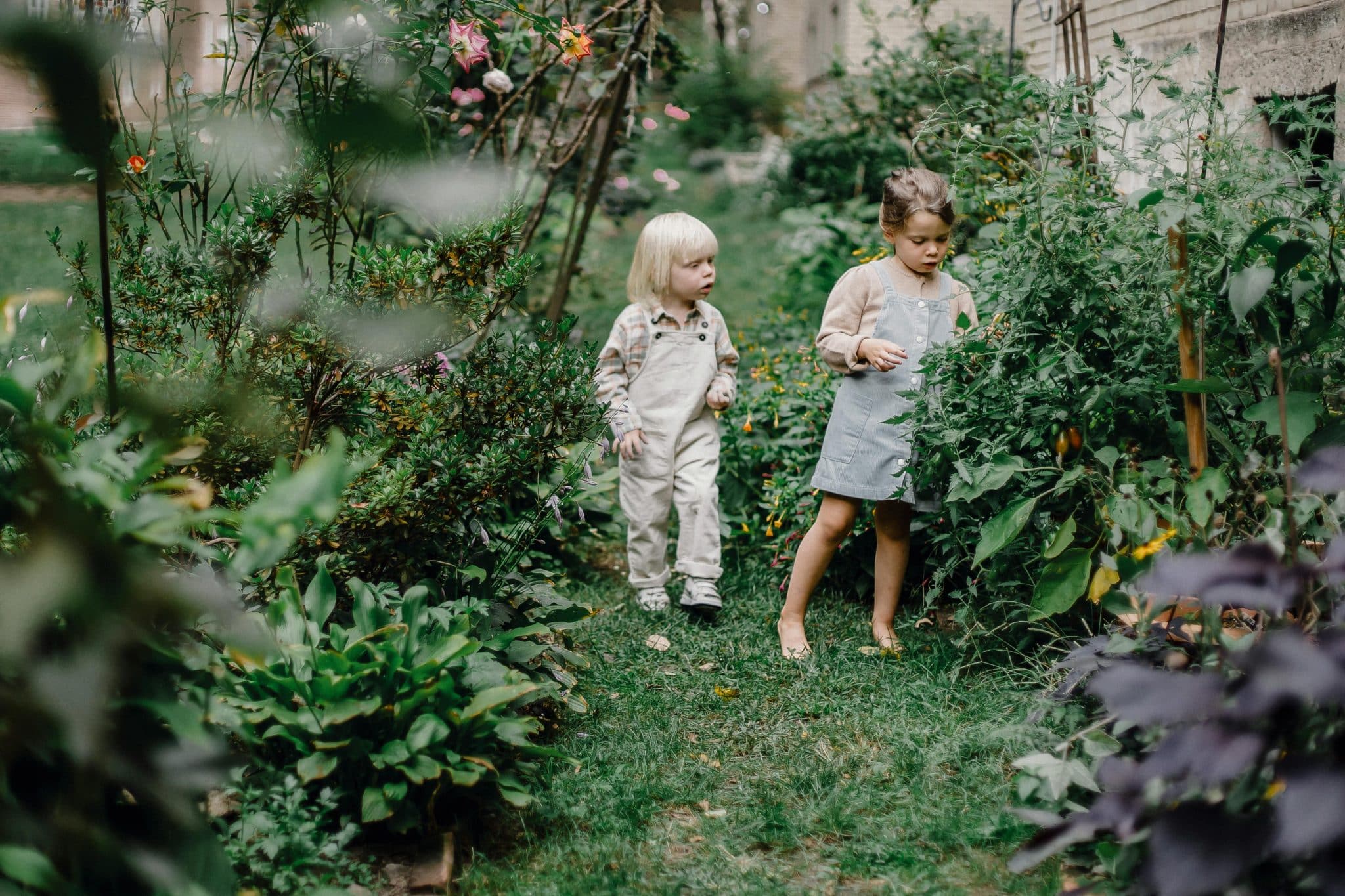
One of the most useful features in any garden is also one of the simplest: a well-designed path. Walkways make it possible to reach planting areas without stepping on soil, damaging roots, or turning beds into narrow access routes.
Paths also create order. They define where people move, separate growing zones from circulation areas, and make the yard feel easier to understand at a glance. In practical terms, they can also help with drainage by guiding movement and reducing wear in areas that would otherwise become muddy or compacted.
Materials such as natural stone, gravel, brick, and pavers are popular choices because they offer durability while blending well with planted surroundings. Many homeowners also prefer permeable surfaces, which allow water to soak into the ground rather than collect on top.
For readers interested in environmentally conscious design, guidance on greener landscaping practices can offer helpful ideas for choosing materials and layouts that support healthier outdoor spaces.
Good pathways do more than improve access. They make the garden easier to care for and more enjoyable to use, whether someone is watering vegetables, harvesting herbs, or simply walking through the yard at the end of the day.
Integrating Patios and Seating Areas Into a Working Garden
A garden should be productive but also inviting. Patios and seating areas help create that balance by giving the landscape a place for rest, gathering, and everyday use.
A well-placed patio can connect the home to the garden, create a comfortable area beside raised beds, or anchor a larger backyard layout. It helps organize the yard by giving one section a clear purpose while making transitions between planted and non-planted areas feel more natural.
This is where proper installation becomes especially important. A patio is not just a finished surface. It depends on grading, base preparation, and materials that can withstand seasonal weather changes. In a garden, those details matter even more because a poorly built surface can direct water toward beds, create muddy edges, or disrupt the space’s flow.
When installed well, a patio complements the garden rather than detracts from it. It can hold containers, provide room for seating, and offer a stable place to enjoy the landscape without reducing the garden’s function. For homeowners who want their outdoor space to support both growth and relaxation, patios are often among the most valuable additions.
Retaining Walls, Borders, and Edging That Help Gardens Last
Not every yard is flat, and that can create real challenges for gardeners. Slopes, loose soil, and uneven drainage can make planting harder and maintenance more frustrating. In those situations, hardship features often make the biggest difference.
Retaining walls help hold soil in place, reduce erosion, and create level areas that are easier to plant and reach. Even a modest slope can cause runoff problems during storms, especially when beds sit below open ground or lawn. A properly built retaining wall can make the entire area more stable and easier to use throughout the season.
Borders and edging solve a different but equally important set of problems. They keep soil and mulch from spilling into pathways, separate beds from grass, and give the garden a cleaner outline. They also reduce maintenance by making it easier to manage weeding, watering, and bed definition.
These details may seem small compared with patios or walls, but they have a major effect on how polished and manageable a garden feels. A yard with clear edges and supported planting areas tends to look better and function better with less ongoing effort.
Drainage and Durability: The Features That Matter Most Over Time
One of the clearest reasons homeowners invest in hardscaping is that outdoor spaces need to perform, not just look appealing when the project is finished. In a garden, drainage and durability often determine whether the space remains useful after a few seasons or starts creating extra work.
Water can either support a landscape or slowly damage it. Too much runoff can wash soil from beds, create puddles near patios, and wear down walking surfaces. Poor preparation beneath pavers, stone, or retaining materials can lead to shifting, settling, and frost-related movement.
That is why the unseen parts of hardscaping matter so much. Grading, base layers, and material selection all affect how well a feature holds up. In climates with cold winters and seasonal changes in moisture, these details are especially important. Without them, even attractive improvements may become uneven, unstable, or harder to maintain than expected.
A durable layout protects the rest of the garden. It keeps access areas stable, helps manage water, and supports the overall shape of the yard. For homeowners planning long-term improvements, that reliability is often one of the strongest reasons to invest in professional work rather than rely on short-term fixes.
Planning a Backyard Garden With Long-Term Structure in Mind
The best garden layouts usually start with a bigger vision. Instead of treating paths, patios, borders, and planting beds as separate decisions, it helps to think about how each part supports the others.
A path should lead naturally where people need to go. A retaining wall should create both stability and a more usable space. A patio should feel connected to the home while still working with nearby planting areas. When these features are planned together, the result is a garden that feels balanced and easier to maintain over time.
This is also the stage where planting goals and layout choices should come together. Resources on vegetable garden layout plans can help homeowners think through spacing, access, and how growing areas fit into the overall backyard design.
When the hardscape and garden plan support each other, the entire yard becomes more cohesive. It feels less like a collection of separate projects and more like a space designed to be used, enjoyed, and sustained for years.
Bringing Structure and Nature Together
A successful garden depends on more than what is planted. It also depends on the layout that supports movement, drainage, comfort, and long-term use. Walkways protect the soil, patios create gathering space, and retaining features help shape a yard that can handle real conditions.
When those elements are planned well, the entire outdoor space becomes easier to manage and more rewarding to use. Instead of working around design problems, homeowners can focus on growing, relaxing, and enjoying the landscape they have created.
That is the real value of hardscaping in a garden setting. It provides the support that helps the rest of the yard thrive, turning an ordinary outdoor area into one that feels functional, inviting, and built to last.