Most U.S. homeowners pay roughly $9,000 to $18,000 for a full roof replacement. A straightforward asphalt job on a small, simple roof can land below that, and a large, steep or premium-material roof can run well past $30,000. There is no single national price because roof area, material choice, pitch, access and local labor rates are all factors that move the number. This guide is written for someone who is holding contractor quotes (or about to collect them) and wants to understand what drives the figure and how to compare bids fairly.
How Much Does a Roof Replacement Cost in 2026?
| Source | Published figure | What it covers |
Best used for |
| Fixr (updated February 2026) | $10,000 average; 
|
General residential replacement | A broad national benchmark |
| HomeGuide (updated November 2025) | $10,800 average; 
|
Mostly basic asphalt projects | Simple shingle jobs |
| This Old House (updated September 2026) | $15,439 | A 2,000-square-foot asphalt roof, informed by a 1,000-homeowner survey | Size-specific budgeting |
| JLC 2025 Cost vs. Value | $31,871 | A standardized modeled asphalt replacement | Resale and remodeling comparisons |
Those four numbers are not competing estimates of the same project. They describe different roof sizes, different scopes and different pricing methods. The JLC figure, for instance, models a specific standardized project for resale analysis, which is why it sits so far above the consumer cost guides. Read them side by side and pick the one whose assumptions resemble your house.
Why Do Published Roof Cost Averages Disagree So Much?
Each source starts from a different roof size, a different shingle grade and a different scope. Some include tear-off and permits, some don’t. Regional labor rates swing the result again, and survey-based figures reflect whoever happened to answer. Any average roof replacement cost you read is a starting point for questions, not a quote. Averaging the averages produces a number that describes nobody’s roof.
What Is a Roofing Square, and Why Isn’t Roof Size the Same as House Square Footage?
Roofers price work in squares. One roofing square equals 100 square feet of roof surface, and that unit shows up on nearly every written proposal you’ll receive. Roof surface area is not the same as the living area printed on your property record. A 2,000-square-foot house rarely has a 2,000-square-foot roof once you account for roof pitch, eave and rake overhangs, an attached garage, dormers and any covered porch. Pitch alone can add 10% to 25% or more to the measured surface compared with the flat footprint beneath it.
A Simple Way to Estimate Your Roof Area
Measure the building footprint, add the overhangs, then apply a pitch multiplier: roughly 1.05 for a low slope, around 1.15 for a common medium pitch, and 1.25 or higher for steep slopes. Divide the result by 100 to get squares. An 1,800-square-foot footprint at 1.15 works out to about 2,070 square feet, or roughly 21 squares. Treat this as a budgeting estimate only. Your contractor’s measurement governs.
How Much Does a New Roof Cost Per Square Foot?
Fixr puts installed roof replacement at about $3.75 to $11 per square foot of roof surface, with a $4.75 average. Multiply by 100 and you get a per-square check: roughly $375 to $1,100 per roofing square. Regional data looks similar in shape. In Michigan, for example, replacement averages around $5.50 per square foot, with the labor portion alone quoted at $1.50 to $3. Per-square-foot math only compares fairly when the scope behind each cost estimate matches.
Roof Replacement Cost by Roofing Material
These are planning ranges for a typical single-family roof, not quotes, and they vary depending on product grade, fastening system and structural requirements. Use the table as a general breakdown by roof type.
|
Material |
Typical replacement range |
Notes |
| Asphalt shingles | 
|
Lightest, fastest install, widest crew availability |
| Metal | 
|
Panel type and seaming method drive the spread |
| Tile | 
|
Heavy; framing may need evaluation |
| Wood shakes | 
|
Fire classification rules apply in many areas |
| Slate | 
|
Specialized labor and substantial structural load |
For roughly 2,000 square feet of roofing, Fixr’s 2026 planning ranges run $6,000 to $10,000 for asphalt, $14,000 to $38,000 for metal, $14,000 to $24,000 for concrete tile, $14,000 to $28,000 for clay tile and $20,000 to $60,000 for slate.
Asphalt Shingles: What the Roof Costs Installed
Asphalt is generally the least expensive roofing material, commonly $5,840 to $10,100 installed. The spread inside that range is mostly product grade: three-tab at the bottom, architectural shingles in the middle, and heavier designer laminates at the top. Two quotes can both say “asphalt shingle roof” and differ by thousands.
Metal Roofing Cost
Metal roofing runs roughly $10,245 to $41,640. Metal shingles and exposed-fastener panels sit nearer the bottom. Standing seam sits near the top because the panels, clips and seaming work all cost more, and the crews who install it well charge accordingly. Higher cost here buys a different roofing system, not just a different finish.
Tile, Wood Shake and Slate Roof Costs
A tile roof in concrete or clay is heavy, and a slate roof is heavier still, so an evaluation of the roof structure can appear as its own line item on older homes. Wood shakes fall between asphalt and tile on price. Durability for all three depends on local weather conditions, installation quality and maintenance, so be skeptical of any flat lifespan promise attached to a product name.
Labor Costs: How Much of a New Roof Cost Is Installation?
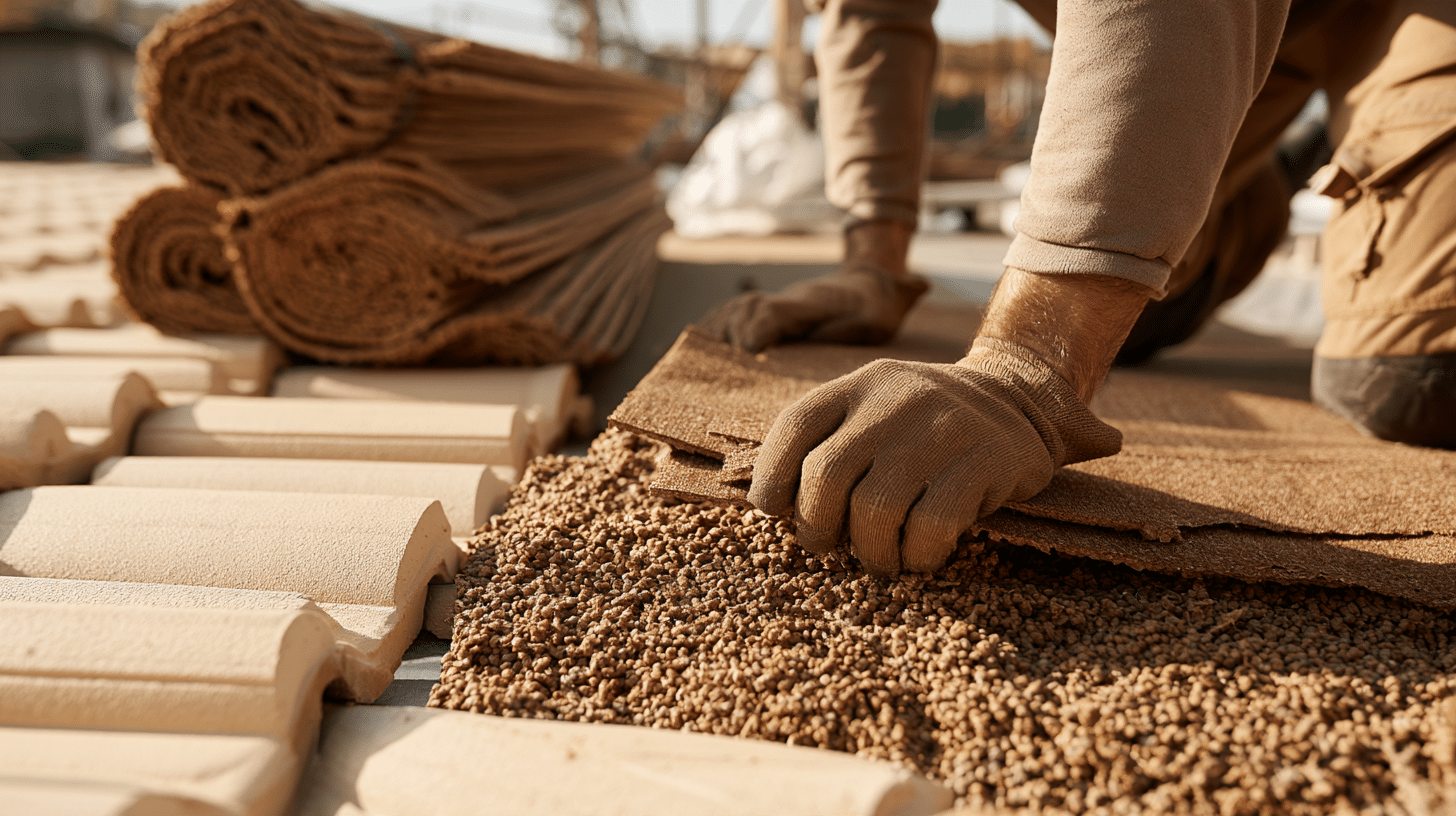
Labor costs commonly account for around 60% of a roofing installation. That surprises people who compare it to the price of a bundle of shingles. The Bureau of Labor Statistics reported a national mean roofer wage of $27.95 per hour in May 2025, yet roofing companies often bill around $130 per hour, with general roof laborers billed closer to $35. The gap covers supervision, liability and workers’ comp insurance, payroll taxes, equipment, cleanup and warranty reserves. Roof complexity buys hours: hips, valleys, dormers, skylights and steep pitch all require more cutting, more materials for flashing and fall-protection equipment. Access matters too, since a single story roof is quicker to stage and load than a three-story elevation on a tight lot.
Why Does Your ZIP Code Change the Replacement Cost?
Local wage rates, landfill tipping fees, permit and inspection charges, and jurisdiction-specific wind, fire and cool-roof requirements can separate two identical roofs by thousands, so your home’s location belongs in the budget conversation early. Bay Area homeowners can treat an initial online estimate from a local roofing company such as Symplify Roofing as a budgeting reference, while understanding that the final price still depends on measured roof area, site access, how many existing layers come off and anything found under them.
What Hidden Costs Show Up After the Old Roof Comes Off?
Build your budget in three parts: the base contract price for the known scope, known add-ons like permits or gutters, and unit pricing for conditions nobody can see yet. In This Old House’s 2026 survey, homeowners who ran into hidden damage were more likely to pay above the original estimate, which is how project costs drift. Hold back 15% to 20% as a contingency.
Tear-Off, Existing Layers and Disposal
Removing the existing roofing materials typically adds $1 to $5 per square foot, with the removal labor itself often quoted at $0.40 to $2.00. Each extra layer the crew has to tear off adds hours and landfill weight. Tear-off is not automatically required by law, but the 2018 IRC bars recovering over a water-soaked or unsuitable base or a roof already carrying two applications, and your locally adopted code controls.
Decking and Structural Repairs
Rotten sheathing usually can’t be judged until the old roof is off. Damaged decking can add $2 to $8 per square foot. Insist on a written per-sheet or per-square-foot unit price before work starts, plus a change-order procedure that requires your approval before anyone replaces anything.
Flashing, Ventilation, Gutters, Skylights and Solar
Common add-ons include drip edge, new step and counter flashing, intake and exhaust ventilation, gutters and fascia, skylight curbs, chimney work, and detaching and resetting solar panels. ENERGY STAR advises renovating a roof that needs work before installing solar, so if panels are on your list for the near future, sequencing the roofing project first helps you save money on a second removal.
How to Compare Roofing Quotes Apples to Apples
Multiple quotes are only comparable if they price the same work. Fill in this grid from each written proposal before you look at the totals.
| Scope item | Quote A | Quote B |
Quote C |
| Roof squares | |||
| Tear-off layers | |||
| Product line | |||
| Underlayment | |||
| Ice-and-water protection | |||
| Flashing replacement | |||
| Ventilation | |||
| Permit included | |||
| Decking allowance | |||
| Extra decking unit price | |||
| Cleanup and disposal | |||
| Workmanship warranty |
Northern California homeowners gathering bids might include Cobex Construction Group among the contractors they compare, then run every proposal through the same checklist. A low bid is only genuinely low if it covers the same scope as the others. If a general contractor is bidding the work alongside a dedicated roofing contractor, ask who is actually on the roof and who stands behind the labor.
Checking License, Insurance, Supervision and Warranty
NRCA advises homeowners to get a detailed written proposal, verify liability and workers’ compensation coverage, ask who supervises the crew daily, and compare the material and workmanship warranty options side by side. Treat an unexplained bargain price as a question, not a win. Confirm license status yourself through your state board, such as the CSLB in California.
Will Homeowners Insurance Pay for a New Roof?
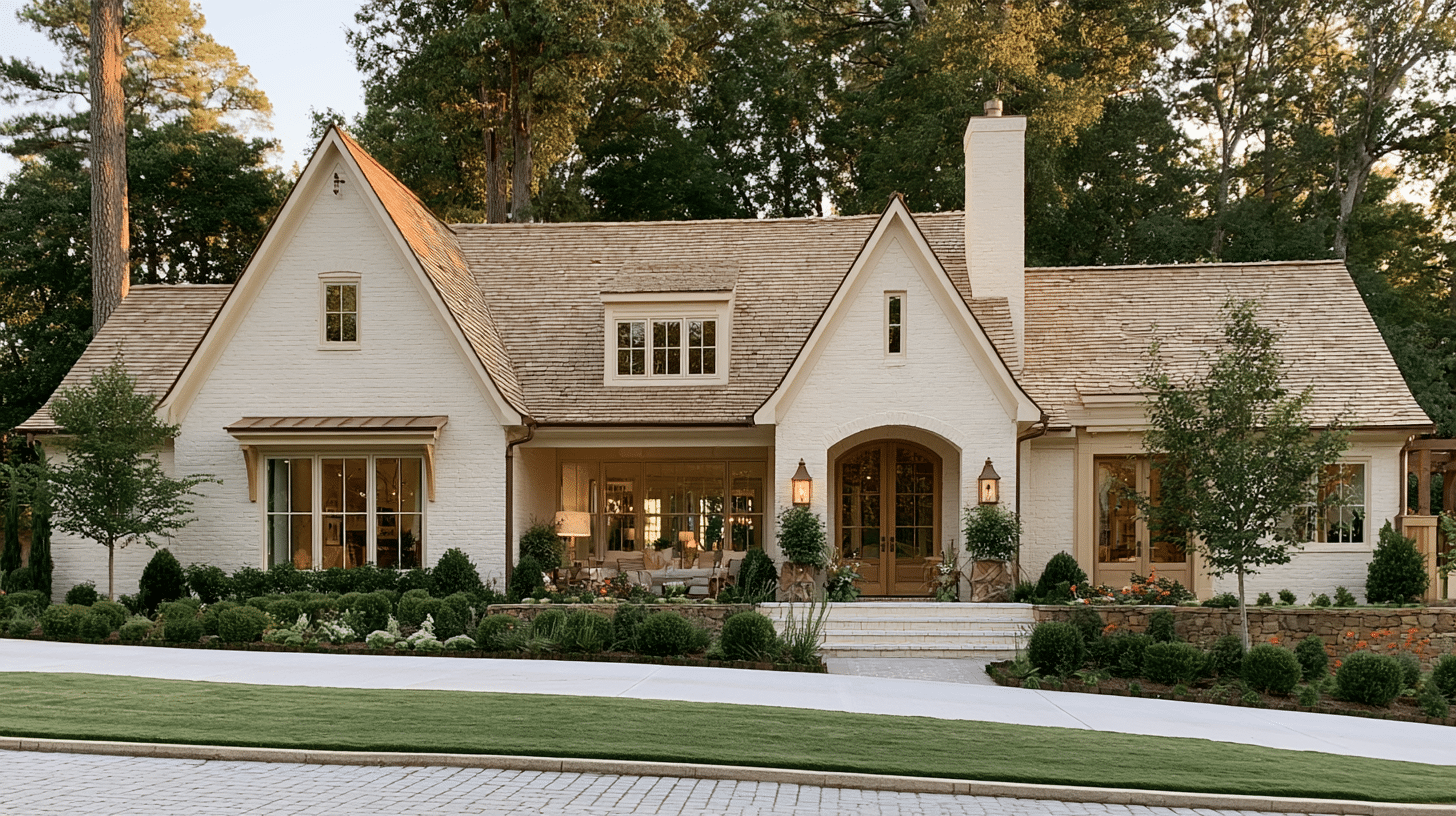
Insurance may contribute when a covered event such as a storm damages the roof. Age-related wear is a maintenance expense and generally isn’t covered, and insurers often require an inspection on a roof around 15 years old. The NAIC distinguishes replacement cost value, which pays for like kind and quality subject to your deductible, from actual cash value, which deducts depreciation and leaves you covering more. Photograph damage thoroughly and read your homeowners policy instead of assuming a full payout.
How Codes, Climate and Roof Design Affect Roof Pricing
The IRC sets baseline roof assembly requirements, but the locally adopted edition and amendments control what your inspector enforces. FEMA guidance for high-wind areas covers drip edge, flashing, underlayment and fastening details. IBHS points to a sealed roof deck and stronger deck attachment as resilience upgrades. These are modest add-ons when the deck is already exposed, and some jurisdictions require cool-roof products at reroofing.
Is It Cheaper to Repair or Replace a Roof?
Localized damage on an otherwise sound roof usually favors a repair. Widespread granule loss, leaks that keep returning in different spots, multiple existing layers or soft decking point toward replacement. Age alone is a weak signal. Get an inspection and a written condition report, then decide.
How Homeowners Pay for a Roof Replacement
Most people combine savings with financing, and many contractors offer online applications. Compare APR, term and any fees rather than the monthly payment alone. Credit cards can bridge short-term cash flow but get expensive fast. If insurance proceeds are involved, confirm the deductible and payment timing, and tie your deposit and progress payments to milestones instead of paying most of the job up front.
Frequently Asked Questions About Roof Replacement Cost
Is $30,000 Too Much for a Roof?
The short answer is not automatically. That figure is reasonable for a large, steep or complex roof, or for metal and tile. It’s high for a straightforward asphalt replacement on an average house. Judge the total cost by squares, product line and scope rather than the headline number.
How Much Is 2,000 Square Feet of Shingles?
That’s 20 roofing squares. Fixr puts installed asphalt at roughly $6,000 to $10,000 for that area, while This Old House reports $15,439 for a 2,000-square-foot asphalt roof. The difference comes from shingle grade, included tear-off and regional labor.
What Is the Cheapest Option for a New Roof?
Three-tab or entry-grade architectural asphalt over a single-layer tear-off on a simple, low-pitch roof. Cheapest upfront isn’t always cheapest across the years you own the house, especially if the roof faces heavy weather.
Is It Cheaper to Replace a Roof With Shingles or Metal?
Shingles, clearly: roughly $5,840 to $10,100 against $10,245 to $41,640 for metal. The 2025 Cost vs. Value report estimated asphalt recouped 68% of its modeled cost at resale versus 50% for metal, though metal’s durability depends on climate, installation and upkeep.
From a Free Estimate to Your Actual Cost
Measure your roof in squares, collect at least three written estimates (most roofing contractors provide a free estimate), normalize them with the comparison table above, and hold back 15% to 20% for what’s under the shingles. Then choose on scope and warranty, not the smallest number.