If you are planning any sort of outdoor project, then you’ll want to make sure that you lay the right foundations. Rushing into a project can lead to longer-term problems, which could easily be avoided by starting your project off in the right way.
Before you start to consider things like garden furniture and décor, you’ll want to make sure that the layout of your garden is exactly how you want it. If you’re looking at options such as laying new flower beds or putting down a new patio, sand is the first place you should start when considering which materials to shop for and use.
However, it isn’t a one-size-fits-all solution. Using the wrong variation can lead to clogged drainage, collapsing pavers, or altered soil pH that damages your plants. It pays to research early so you order the correct material for your specific groundwork. Leading suppliers like Mainland Aggregates offer a wide range of aggregate grades specifically tailored for different outdoor tasks.
What Type of Sand Should You Be Using?
Understanding the key differences between various options ensures your landscaping efforts stay durable and visually appealing for years to come.
Sharp Sand
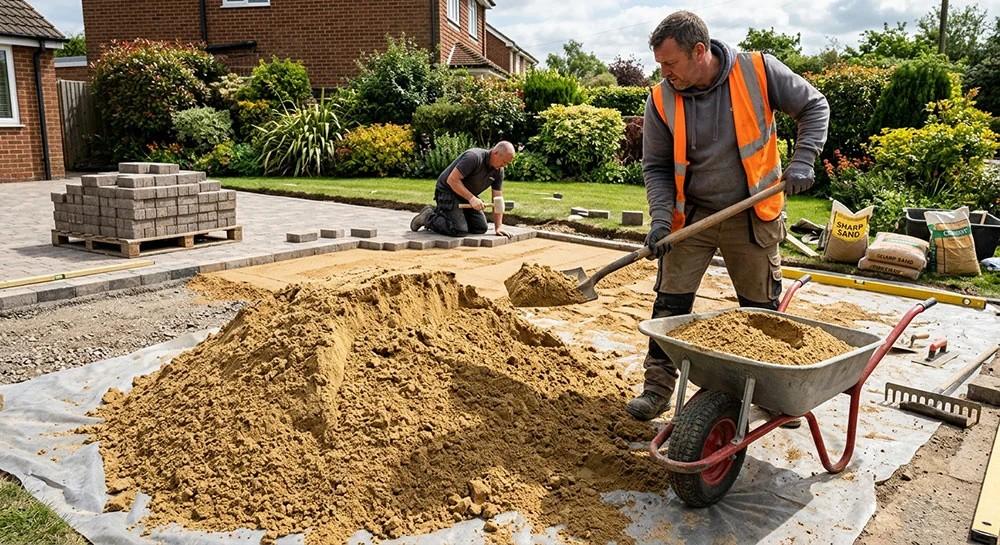
Also known as coarse sand or washed concrete sand, sharp sand features large, gritty grains and low silt content. Its rough texture prevents it from compacting tightly, making it ideal for drainage-heavy applications. In landscaping, it provides an excellent bedding layer beneath block paving, natural stone, and patio slabs in accordance with British Paving Construction Standards (BS 7533). For gardening, mixing sharp sand into heavy clay soil opens up dense soil structures, allowing water to drain freely and roots to breathe without waterlogging.
Building Sand
In contrast to coarse types, building sand has finer, smoother grains and higher clay content, giving it a soft, workable feel. It is designed specifically for structural bonding rather than drainage. When creating garden walls, pointing paving joints, or laying brick borders, mixing this material(Typically mixed at a 4:1 sand-to-cement ratio), with cement creates a smooth, pliable mortar.
Sourcing quality quarried building sand from trusted suppliers like Mainland Aggregates ensures your mortar achieves the right consistency and strength to withstand the harsh, wet winters we are used to experiencing in the UK.

Horticultural Sand
Standard quarry sands can contain lime or salts that raise soil pH and harm plants. Horticultural sand is specially washed and lime-free, making it completely safe for direct contact with roots and seeds.
As highlighted by the Royal Horticultural Society (RHS), incorporating horticultural sand into clay beddings helps break up heavy soil without disrupting delicate chemical balances. It is also widely used for loosening seedbed soil, top-dressing lawns after aeration, and blending into potting mixes for alpines.
Kiln-Dried Sand
Kiln-dried sand is an ultra-fine, completely dry material designed specifically for filling the narrow gaps between block paving and driveway pavers. Because it is free of moisture when applied, it brushes effortlessly into tight joints, locking the blocks tightly into place to prevent shifting and deter weed growth. Always apply it on a completely dry day to ensure it settles all the way to the bottom of the joints.
What Is Best for My Project?
|
Project Type |
Recommended Sand |
Primary Function |
|
Patio Bedding & Sub-Bases |
Sharp Sand |
Stable base & fast drainage |
|
Garden Walls & Brick Mortar |
Building Sand |
Smooth, flexible mortar bond |
|
Lawn Top-Dressing & Seed Mixes |
Horticultural Sand |
Lime-free drainage improvement |
|
Block Paving Joints |
Kiln-Dried Sand |
Locks pavers in place tightly |
Selecting the correct material from the start isn’t just a minor detail—it’s the foundation of a successful outdoor makeover. Taking the time to evaluate your landscape needs beforehand saves significant time, money, and structural headaches down the road. Using an incorrect aggregate can lead to clogged drainage, shifting patio pavers, or altered soil pH that harms delicate plant roots. Conversely, matching the specific grain type to your project guarantees long-term durability, proper water movement, and a professional finish that stands up to harsh UK weather.
Whether your immediate goal is improving heavy clay soil drainage, mixing smooth mortar for a brick retaining wall, or laying a solid sub-base for a new stone patio, choosing the right grade makes all the difference. Quality materials give you peace of mind that your garden structures will remain stable and visually appealing many years.
Before starting your next landscaping project, check with Mainland Aggregates to source the exact sand grade, quantity, and aggregate mix you need to get the job done right.