Living in Winnetka offers many of the advantages people associate with the San Fernando Valley: warm weather, plenty of sunshine, outdoor living, and homes with yards that can be enjoyed throughout much of the year. But the same Southern California climate that makes the area attractive also creates some unique maintenance challenges. Long periods of heat, intense sunlight, dry conditions, and seasonal winds can gradually affect landscaping, exterior finishes, fencing, and other parts of a property. A little preventive maintenance can go a long way toward keeping a Winnetka home attractive, comfortable, and easier to care for.
Pay Attention to the Effects of Sun and Heat
Winnetka experiences the hot, dry summers typical of the San Fernando Valley. Exterior materials that receive direct sunlight for hours every day can gradually fade, dry out, crack, or deteriorate. Wood fences, gates, decks, painted surfaces, weather seals, and outdoor furniture should all be inspected periodically for signs of wear.
Heat and everyday use can also affect moving components around the property. Gates, hinges, exterior doors, and garage systems are worth checking as part of routine maintenance. If a garage door begins moving unevenly, making unusual noises, or having trouble opening and closing, a local service specializing in garage door repair Winnetka can inspect the system and address the problem before additional damage occurs.
Homeowners should also look at caulking and weather seals around windows and exterior doors. Heat and age can cause these materials to become brittle or develop gaps. Replacing deteriorated seals can help protect the home and reduce the amount of hot outdoor air entering during the summer.
Choose Plants That Can Handle Winnetka’s Climate
A beautiful garden does not necessarily need to consume large amounts of water. Choosing plants that are well suited to Southern California conditions can make landscaping easier to maintain and more resilient during hot weather.
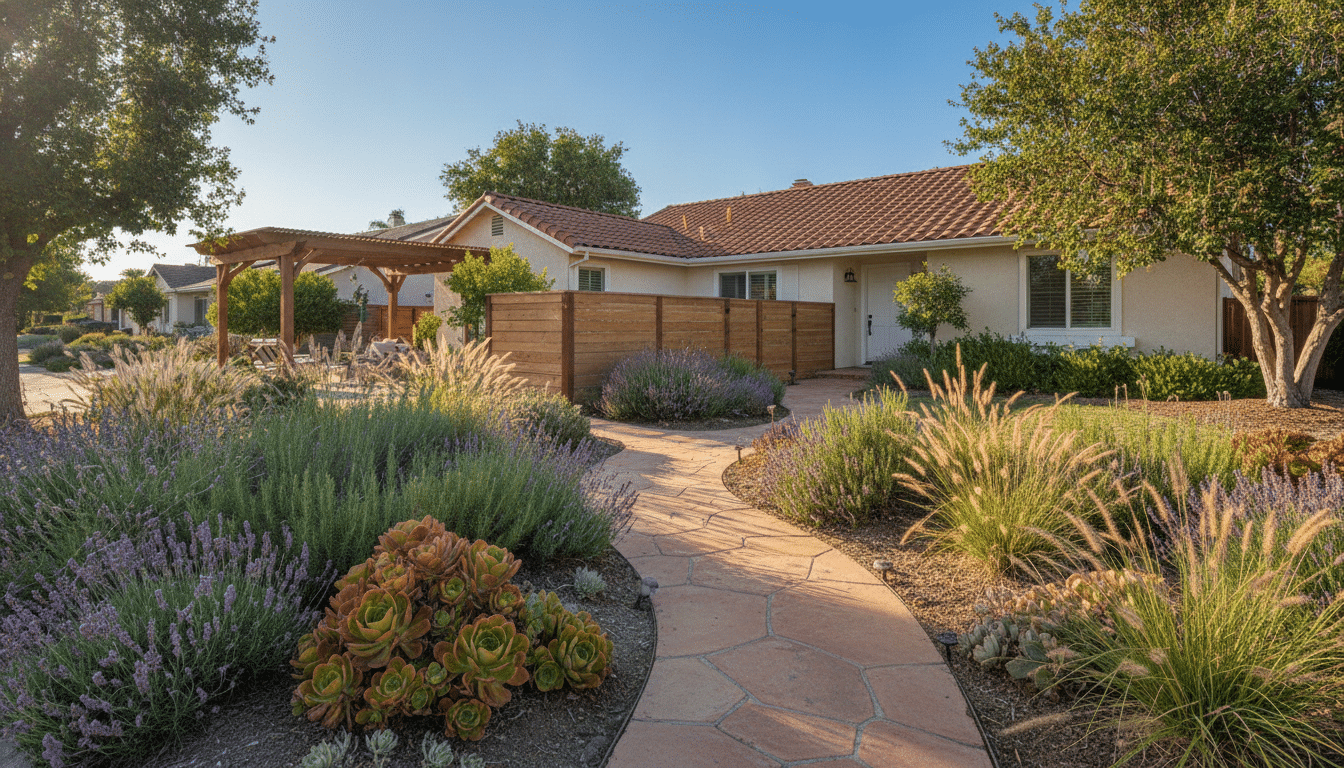
Drought-tolerant plants are particularly useful in sunny areas. California native plants and Mediterranean-style landscaping can provide color and texture while generally requiring less irrigation once established. Lavender, rosemary, sage, succulents, ornamental grasses, and other heat-tolerant varieties can work well depending on the location and design of the yard. Homeowners can also combine plants with decorative gravel, stone pathways, mulch, and other hardscape elements to create an attractive landscape without covering every part of the property with thirsty grass.
Before planting, consider how much sunlight each area receives throughout the day. A plant that thrives along a partially shaded side yard may struggle in a west-facing front yard that receives intense afternoon sun.
Make Irrigation More Efficient
In a warm and relatively dry climate, irrigation deserves regular attention. A sprinkler or drip system can appear to be working normally while quietly wasting water because of a broken sprinkler head, leaking connection, clogged emitter, or poor watering pattern.
Turn the irrigation system on occasionally during daylight hours and watch each zone operate. Look for water spraying onto sidewalks or driveways, unusually wet areas, damaged sprinkler heads, and plants that are not receiving enough water. Drip irrigation can be especially effective for flower beds, shrubs, and many drought-tolerant landscapes because it delivers water closer to the root zone instead of spraying a large surrounding area.
Watering schedules should also change with the seasons. Plants generally require less supplemental water during cooler months than during the hottest periods of summer. Adjusting the irrigation controller throughout the year instead of relying on the same schedule can help reduce unnecessary water use.
Protect the Soil With Mulch
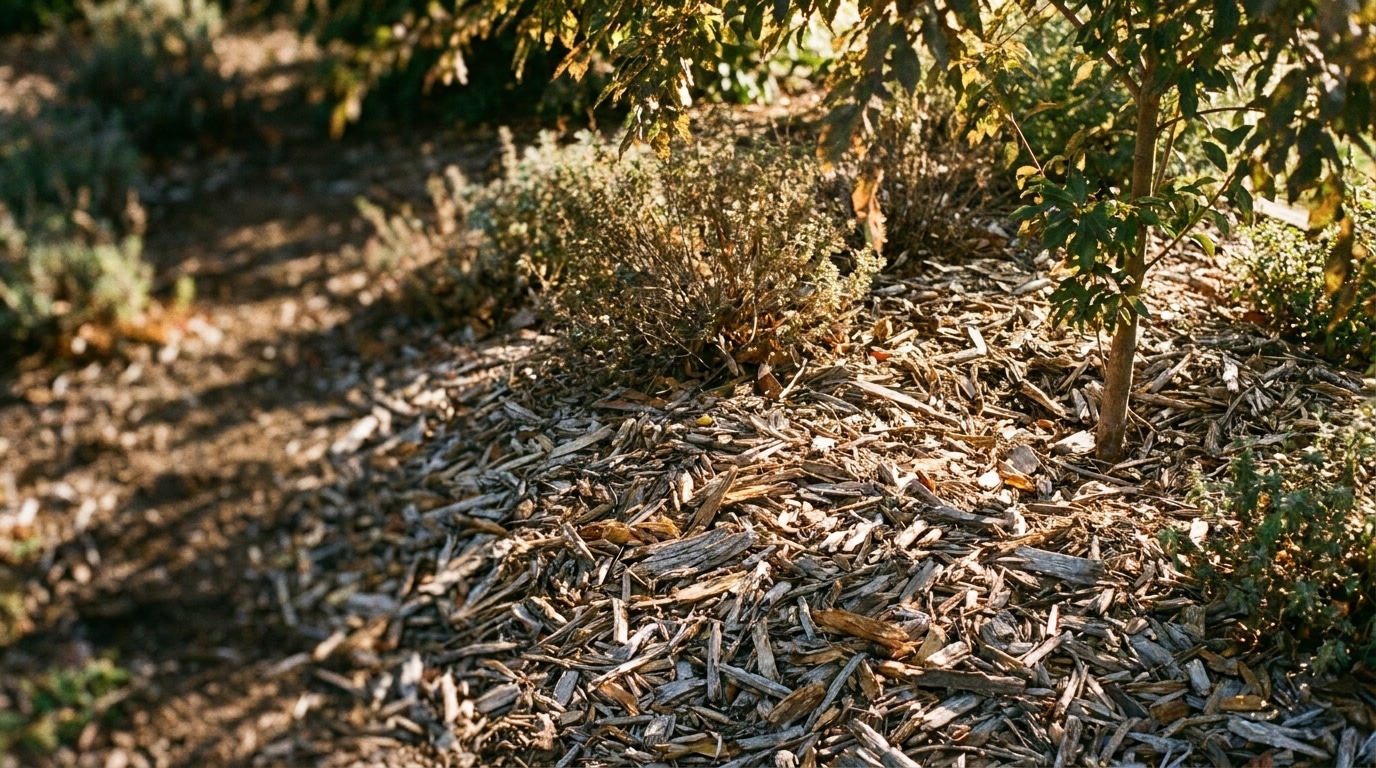
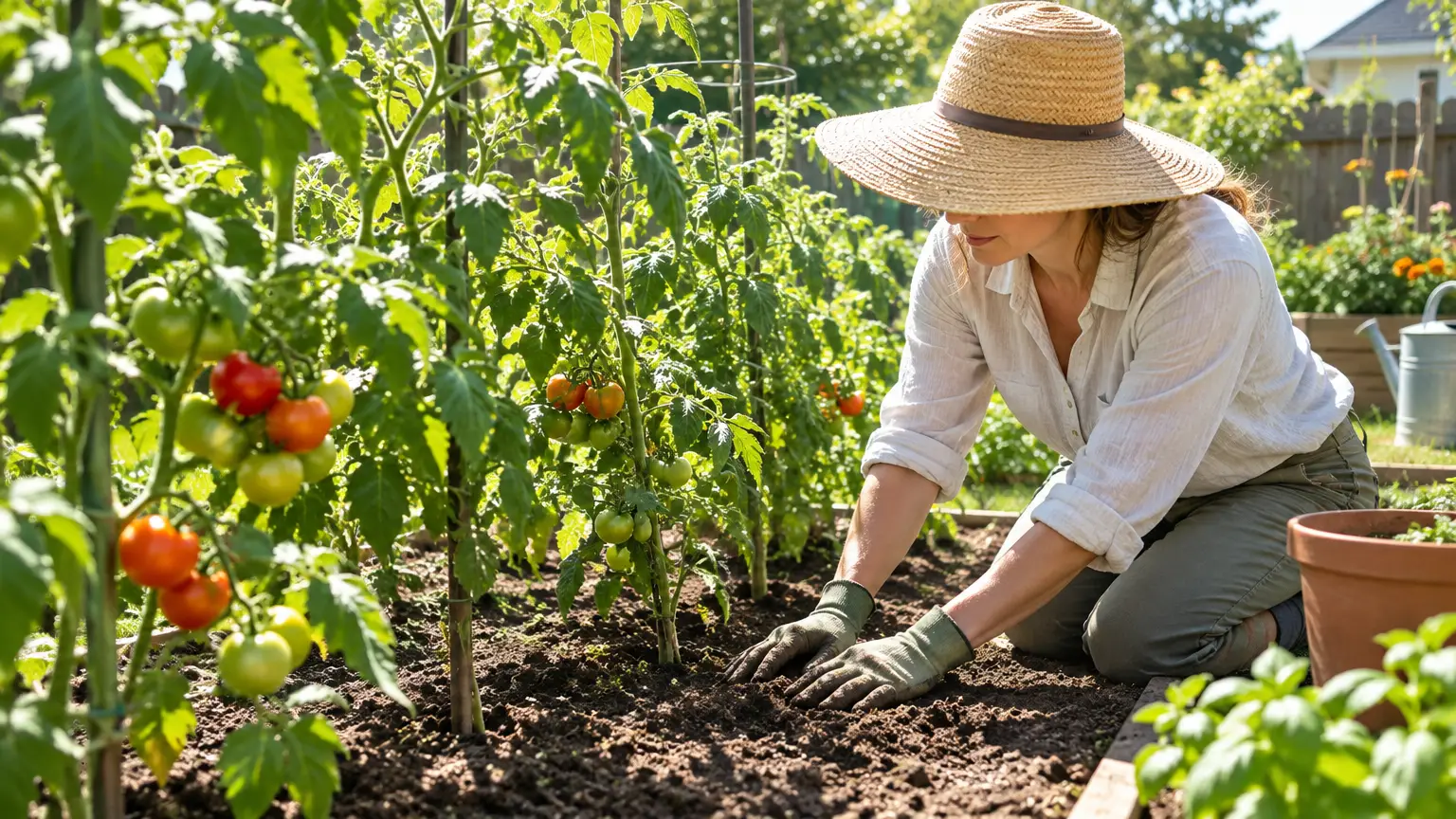
Mulch is one of the simplest improvements homeowners can make to many garden areas. A layer of organic mulch around trees, shrubs, and planting beds can help reduce moisture loss from the soil, suppress weeds, and protect plant roots from temperature extremes.
Wood chips, bark, and similar materials can also give planting beds a cleaner and more finished appearance. This can be especially useful in front yards where landscaping contributes significantly to the overall curb appeal of the property. Avoid piling mulch directly against tree trunks or plant stems. Leaving a little space around the base allows airflow and can help reduce moisture-related problems.
Organic mulch gradually breaks down over time, so garden beds should be inspected periodically and refreshed when necessary.
Check Fences and Gates
Fences serve several purposes around residential properties, including privacy, security, pet containment, and defining outdoor spaces. Because they are constantly exposed to sunlight, wind, irrigation, and changing temperatures, they should be included in routine property inspections.
Wood fencing should be checked for loose boards, splitting, discoloration, and signs of deterioration near the ground. Metal fences and gates may develop loose hardware or areas of corrosion, while vinyl fencing can accumulate dirt and debris that affects its appearance. Gate hinges and latches deserve particular attention because they receive frequent use. A gate that begins dragging or no longer closes properly may simply need an adjustment before additional stress damages the hardware.
Keeping nearby shrubs and vines trimmed can also prevent vegetation from placing unnecessary pressure on fences and gates.
Give Trees and Shrubs Enough Space
Mature landscaping can dramatically improve a property, but overgrown vegetation can also create maintenance problems. Branches that touch roofs, walls, windows, or fences should be monitored and trimmed when appropriate. Plants growing directly against exterior walls can make inspections more difficult and may trap leaves and other debris.
Homeowners should also think about the mature size of a plant before adding it to the landscape. A small shrub purchased from a nursery may eventually become several feet wide. Proper spacing from the beginning reduces the amount of aggressive pruning that may be required later.
Trees should receive special attention. Dead, damaged, or unstable branches can become hazardous, particularly during periods of strong wind. Regular inspection and appropriate pruning can help keep trees healthier while reducing unnecessary risks around the property.
Keep Outdoor Living Areas Comfortable
Patios and backyards are valuable extensions of the home in Southern California, especially when they are designed to provide some relief from the sun. Shade structures, pergolas, umbrellas, and strategically positioned trees can make outdoor spaces much more comfortable during warmer months. Creating shaded seating areas can also make patios and backyards more enjoyable during the middle of the day.
Outdoor furniture should be made from materials suitable for prolonged sun exposure or protected when it is not being used. Cushions and fabrics designed for outdoor conditions will generally handle sunlight and occasional moisture better than indoor materials. Patio surfaces also benefit from occasional cleaning. Dirt, leaves, pollen, and other debris can accumulate in corners and between pavers. Regular sweeping and periodic washing help maintain a cleaner appearance.
If cracks appear in concrete or paved areas, monitor them. Small cosmetic cracks are common, but noticeable movement or rapidly expanding cracks may deserve professional evaluation.
Don’t Forget Drainage
Southern California may be associated with dry weather, but when significant rain does arrive, good drainage becomes extremely important. Before the rainy season, clear leaves and debris from gutters, downspouts, drains, and drainage channels around the property. Water should move away from the house rather than collecting next to exterior walls or the foundation.
Landscape areas should also be checked for low spots where water repeatedly pools. In some cases, relatively simple grading or drainage improvements can redirect runoff more effectively. Homeowners with large trees should check drainage areas more frequently because falling leaves and other organic material can quickly block narrow openings.
Create a Simple Seasonal Maintenance Routine
Home and garden maintenance becomes much easier when it is divided into smaller seasonal tasks rather than treated as one large project.
Spring
Spring can be a good time to inspect irrigation systems, refresh mulch, prune plants, and prepare outdoor living spaces for warmer weather. It is also an ideal time to identify areas of the landscape that may need new plants or additional shade.
Summer
During summer, focus on watering efficiency, signs of heat stress, shade, and exterior surfaces exposed to strong sunlight. Plants may need closer monitoring during particularly hot periods.
Fall
Fall provides an opportunity to clean gutters and drainage systems, inspect trees, remove accumulated debris, and prepare the landscape for seasonal changes.
Winter
Winter can be useful for observing how the property handles rainfall. Pay attention to drainage, areas where water collects, and any exterior surfaces that may need maintenance before the following summer.
Keeping a simple seasonal checklist can help homeowners remember what was inspected and when maintenance was last completed.
A Little Prevention Goes a Long Way
Maintaining a home and garden in Winnetka does not have to mean constantly taking on major projects. In many cases, the most effective approach is simply paying attention to small changes around the property and dealing with them before they develop into larger problems.
A leaking irrigation line, loose fence board, deteriorating exterior seal, overgrown branch, or clogged drain may be relatively easy to correct when discovered early. Left unnoticed for months or years, the same issue can become considerably more complicated and expensive.
By choosing landscaping appropriate for the San Fernando Valley climate, using water efficiently, protecting outdoor materials from prolonged sun exposure, and performing regular property inspections, Winnetka homeowners can create outdoor spaces that remain attractive and functional throughout the year. Consistent preventive care can improve curb appeal, reduce unnecessary repairs, and make the home and garden more enjoyable for everyone who uses them. A few small maintenance tasks throughout the year are often much easier than dealing with major repairs later.