I love how celosia changes a garden the moment it goes in the ground.
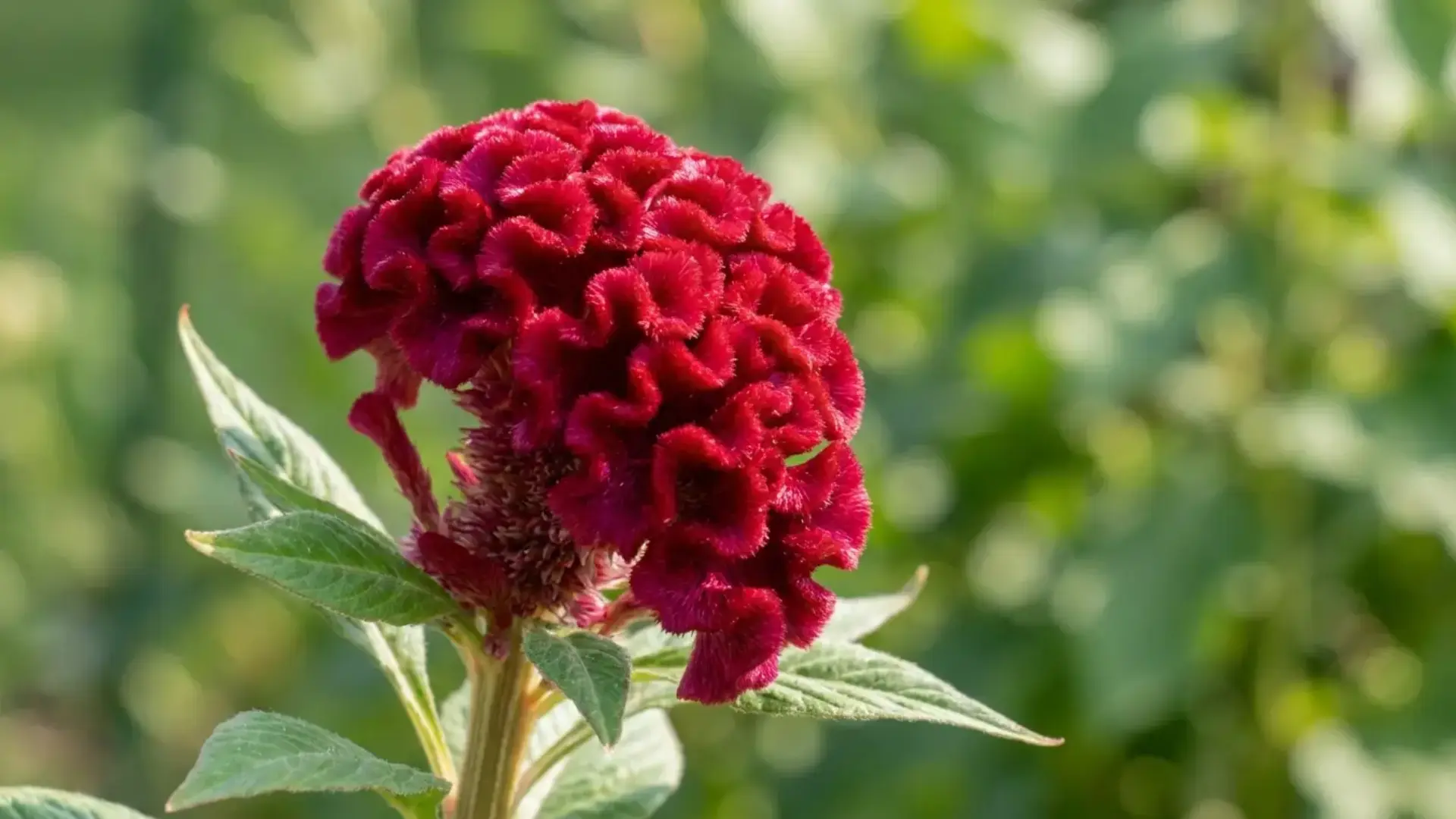
Some varieties look like little flames. Others form strange, coral-like crowns that make people stop and look twice.
Underneath all that color, though, it is one of the easiest plants I grow every year.
Celosia plant care can sound complicated if you have never grown it before.
Once you learn the basics, it is simple, and that is what makes it worth growing in a border, a container, or a vase on my kitchen table.
Celosia Plant Care at a Glance
Celosia is a bold annual with flame-like plumes, brainy cockscomb heads, or thin wheat-like spikes.
Give it 6 to 8 hours of direct light each day. Plant it in well-draining soil, not soil that stays wet. Check soil pH if possible; aim for 6.0 to 6.5. Water only when the top layer feels dry. Wet, soggy roots lead to rot.
Feed it lightly throughout the season.
Switch to a phosphorus-heavy feed once buds form, since this pushes more blooms.
Snip spent flowers often to keep new ones coming. Good spacing and airflow keep pests away.
Choosing the Right Celosia Variety for Your Garden
Matching a variety to its purpose makes planning easier than picking on color alone.
| Variety | Type | Best For | Garden Fit |
|---|---|---|---|
| Kimono | Plumosa | Pots, edging | Small spaces, tight rows |
| Fresh Look / New Look | Plumosa | Bedding color | Front-of-border spots |
| Pampas Plume | Plumosa | Statement height | Back of the bed |
| Chief | Cristata | Cutting gardens | Long, sturdy stems |
| Ruby Parfait | Spicata | Mixed bouquets | Fills gaps between blooms |
Working taller plumosa types into front-yard flower bed designs gives height at the back without crowding out shorter blooms up front.
What Celosia Needs to Grow Well
Celosia needs heat from the start. Cold soil stalls growth or kills seedlings outright.
Pick a spot with 6 to 8 hours of direct sun daily. Less light means weak, stretched stems and pale leaves.
Wait until soil temperatures sit reliably above 60°F before planting. Give plants room to breathe; crowding traps humidity and invites disease. Handle roots gently during transplant, since celosia dislikes disturbance.
Keep moisture steady while plants establish, then ease off once roots take hold.
Celosia needs a well-draining mix with a pH between 6.0 and 6.5. Soggy roots lead to rot fast.
A sheltered spot away from strong wind helps young stems stay upright early on.
How to Plant and Grow Celosia?
Getting celosia off to a strong start is mostly about timing and a gentle touch.
- Step 1: Start seeds indoors 6 to 8 weeks before the last frost.
- Step 2: Use individual pots, so roots stay undisturbed later.
- Step 3: Sow seeds on the soil surface; barely cover them.
- Step 4: Keep the surface lightly moist until seeds sprout.
- Step 5: Thin or space seedlings 8 to 12 inches apart.
- Step 6: Harden off seedlings outdoors over one to two weeks.
- Step 7: Transplant gently, keeping the root ball intact.
- Step 8: Water right after transplanting to settle the soil.
- Step 9: Watch for new growth within a week of planting.
Celosia Plant Care Essentials
Growing celosia successfully comes down to a few consistent habits.
Follow these care steps once your plants are in the ground or in containers to keep them healthy and blooming through the season.
How Much Sunlight Does Celosia Need?
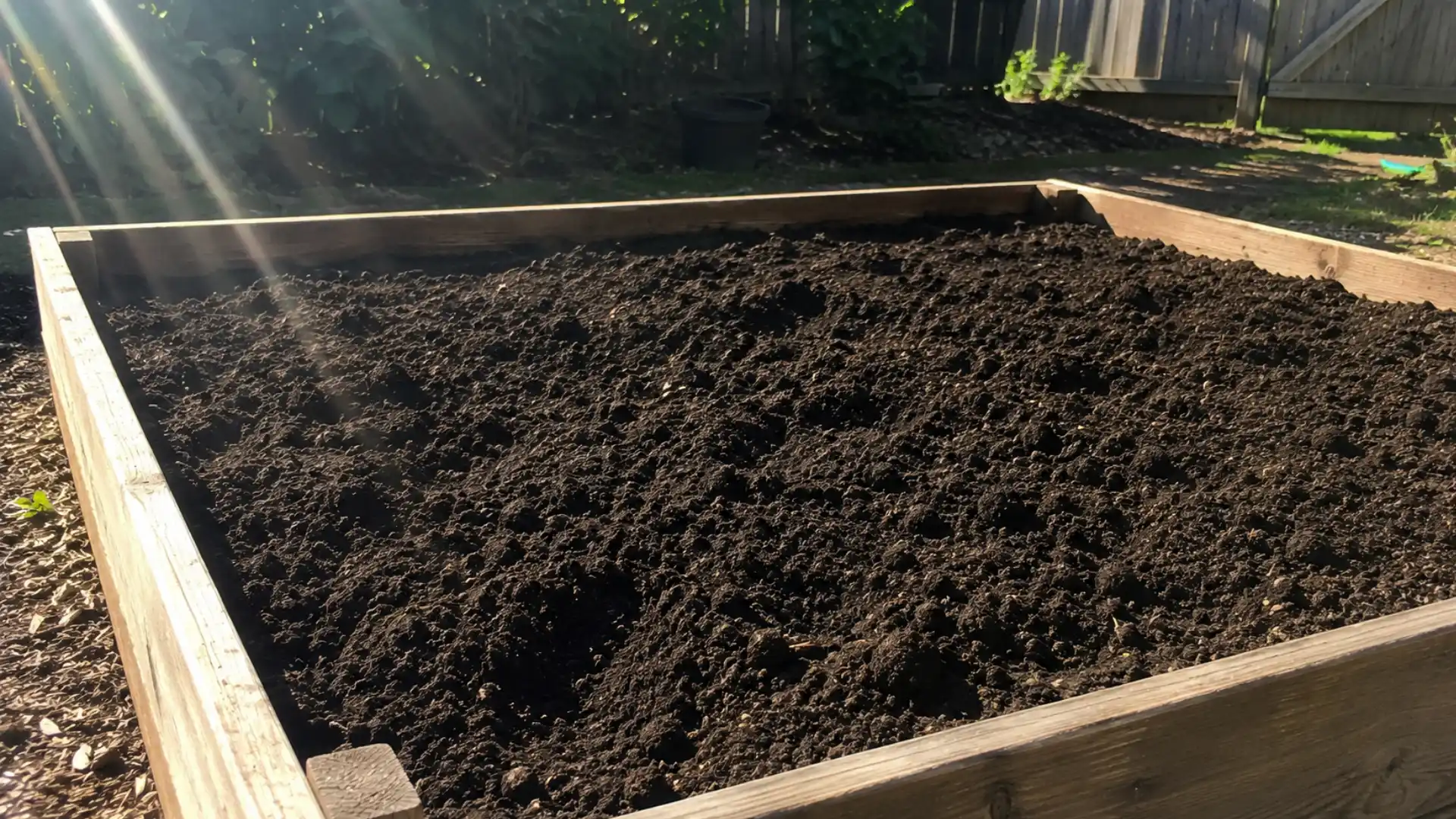
Celosia thrives in full sun and needs at least 6 hours of direct light daily for optimal color and compact flowers.
In hotter climates, a little afternoon shade helps prevent stress during peak summer heat.
Morning sun should still stay strong, though, since that’s when the plant does most of its work.
An east-facing spot often strikes the right balance.
Pairing it with other sun-loving pollinator flowers can keep the bed active with visitors from spring through fall. Too little light leads to leggy growth, weaker stems, and fewer blooms.
Even partial shade for most of the day can noticeably hold back color.
Watering Celosia
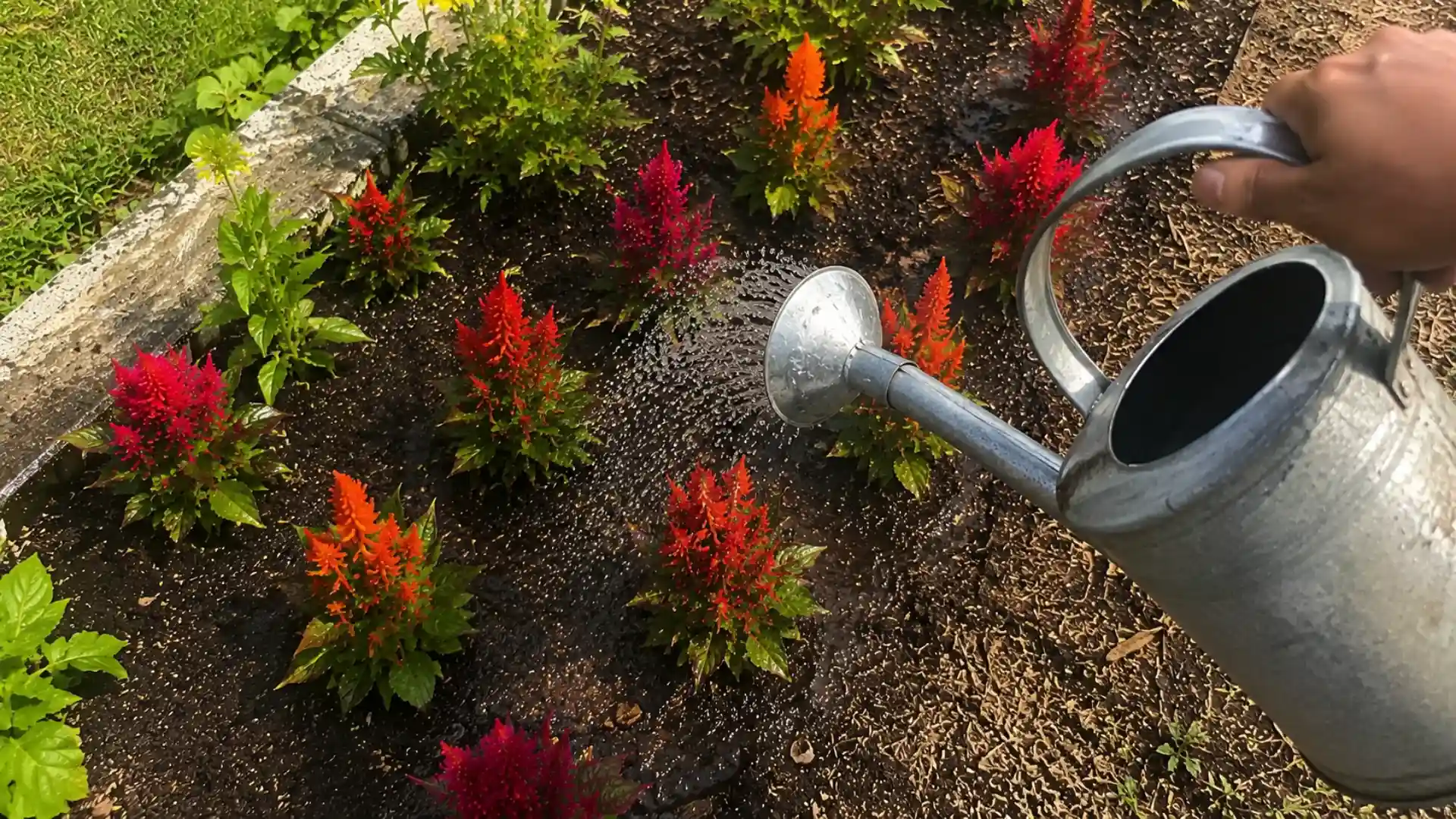
Celosia prefers a middle ground between too dry and too wet, since both extremes stress the plant quickly.
Once established, it handles short dry spells far better than soggy soil.
- Water only when the top 1–2 inches of soil feel dry.
- Avoid daily watering; overwatering is the leading cause of root rot.
- Water at the base of the plant rather than the leaves to reduce disease risk.
Tip: Container-grown celosia dries out faster than garden beds; check soil moisture frequently in hot weather.
Mulching Celosia
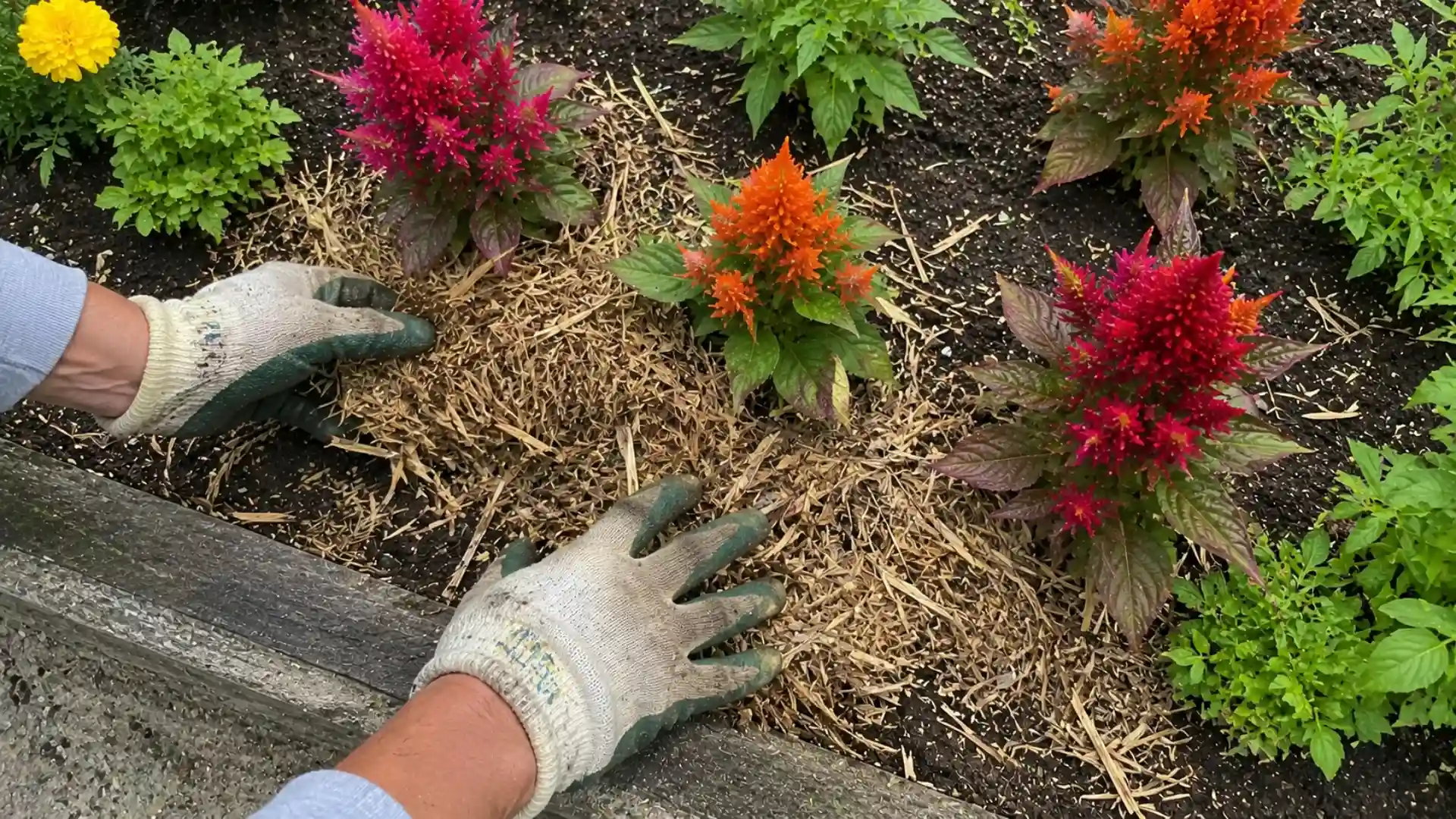
A layer of mulch around the base of celosia helps the soil hold moisture longer between waterings.
It also keeps roots from overheating in peak summer sun and cuts down on nearby weeds. Apply a 1–2 inch layer. Use organic mulch like straw or bark to improve soil over time. Refresh it as it breaks down.
A thin layer works better than a thick one, since celosia’s roots still need air.
Keep mulch a few inches back from the stem. Mulch piled against the stem traps moisture and can invite rot.
Fertilizing Celosia
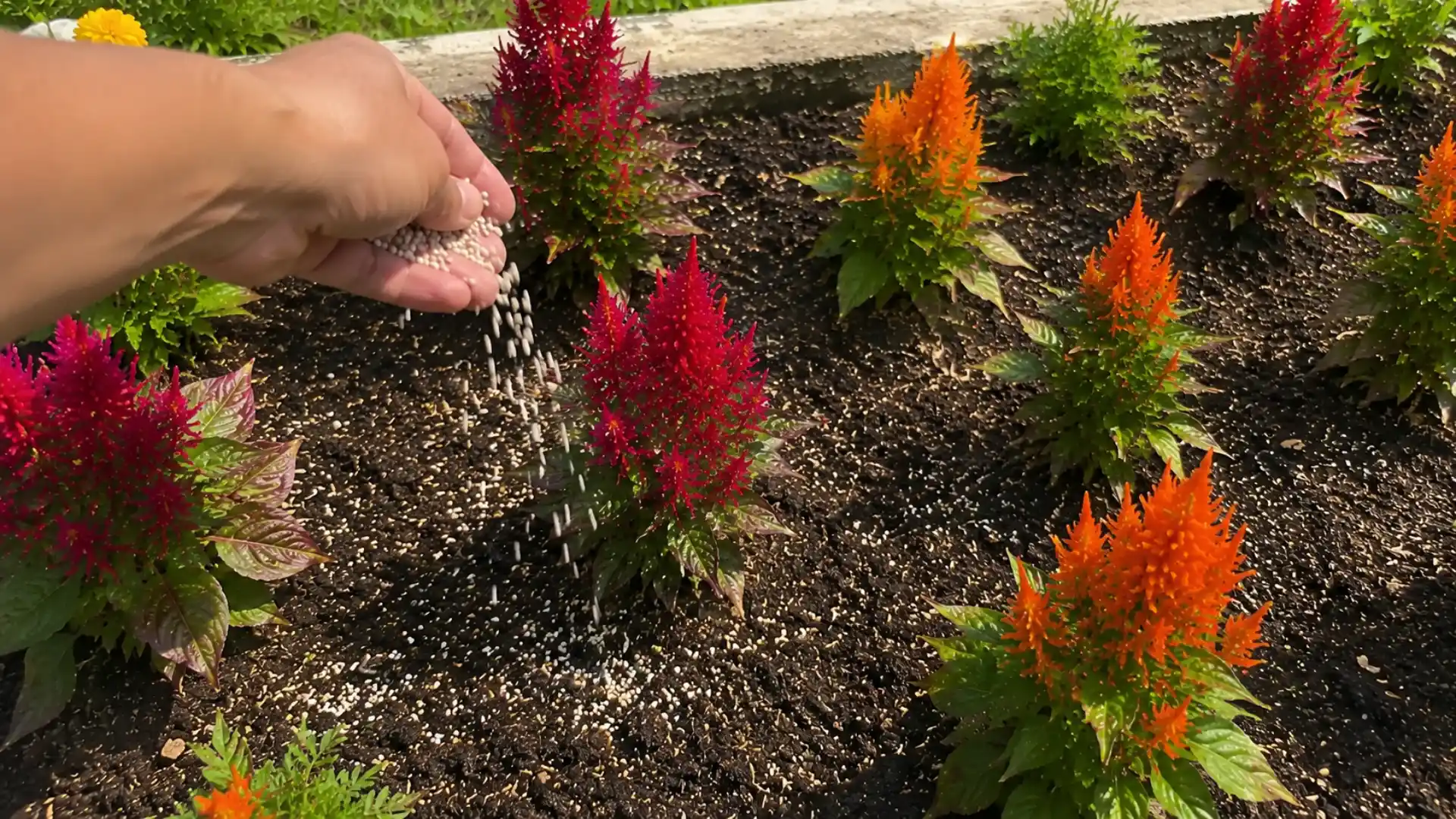
Celosia is a heavy bloomer, so it draws on soil nutrients quickly over a single growing season.
Regular feeding keeps flower production steady from summer into fall.
- Mix a balanced fertilizer into the soil at planting time.
- Switch to a higher-phosphorus feed every 4–6 weeks once blooming starts.
- Avoid excess nitrogen, which produces leafy growth instead of flowers.
Tip: Slow-release fertilizer in soil minimizes feeding and stabilizes nutrients.
Staking Tall Varieties
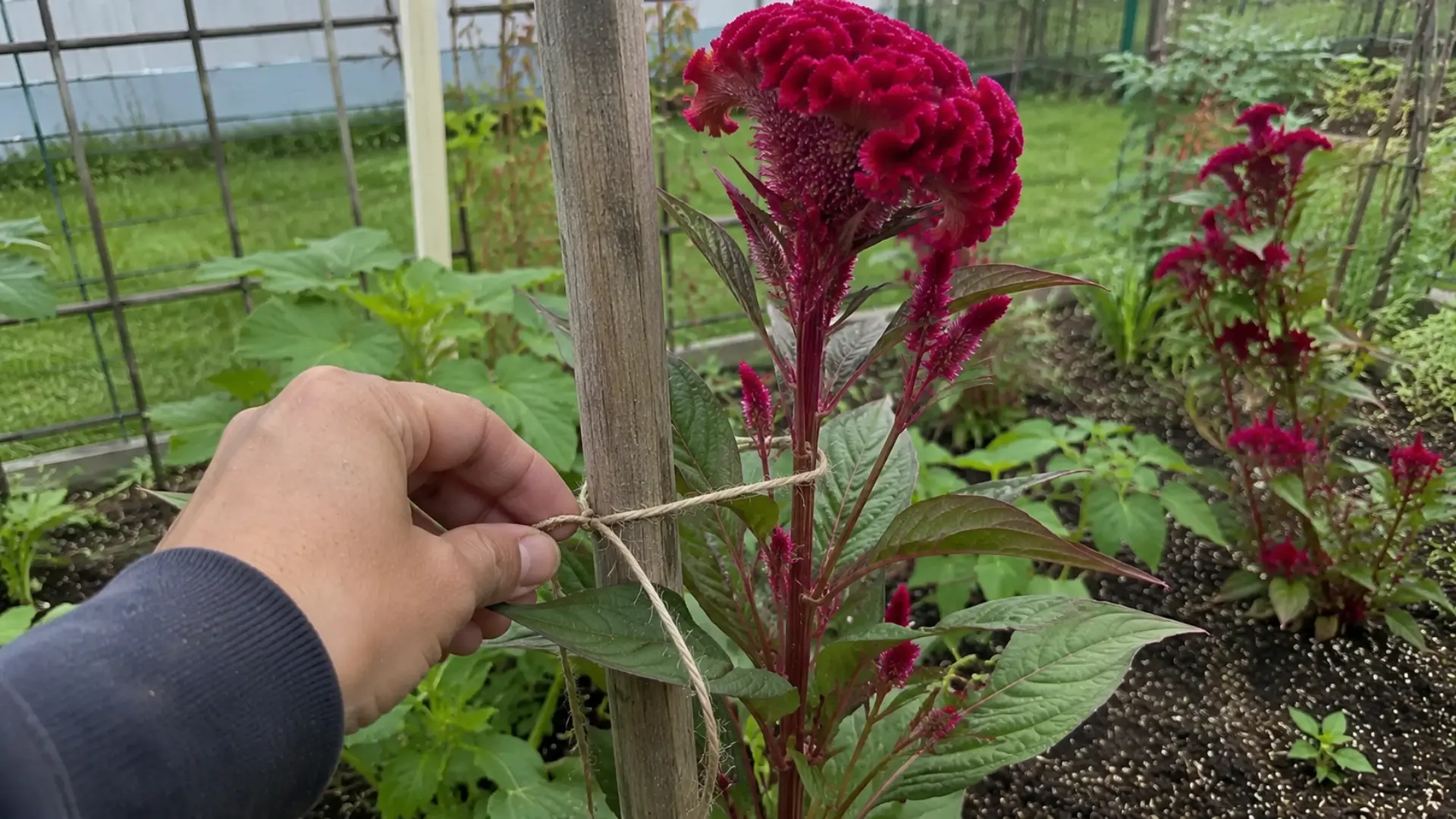
Taller cockscomb and wheat celosia types carry heavy flower heads.
Wind or heavy rain can snap them without support.
Insert a stake close to the stem soon after transplanting. Use soft ties that won’t cut into the stem as it thickens.
Check stakes periodically as the plant gains height and weight. A loose tie today may need adjusting in a few weeks.
Stake at planting time rather than waiting until the plant leans. Inserting stakes later can damage the root system and undo the support you’re trying to provide.
Deadheading and Pruning
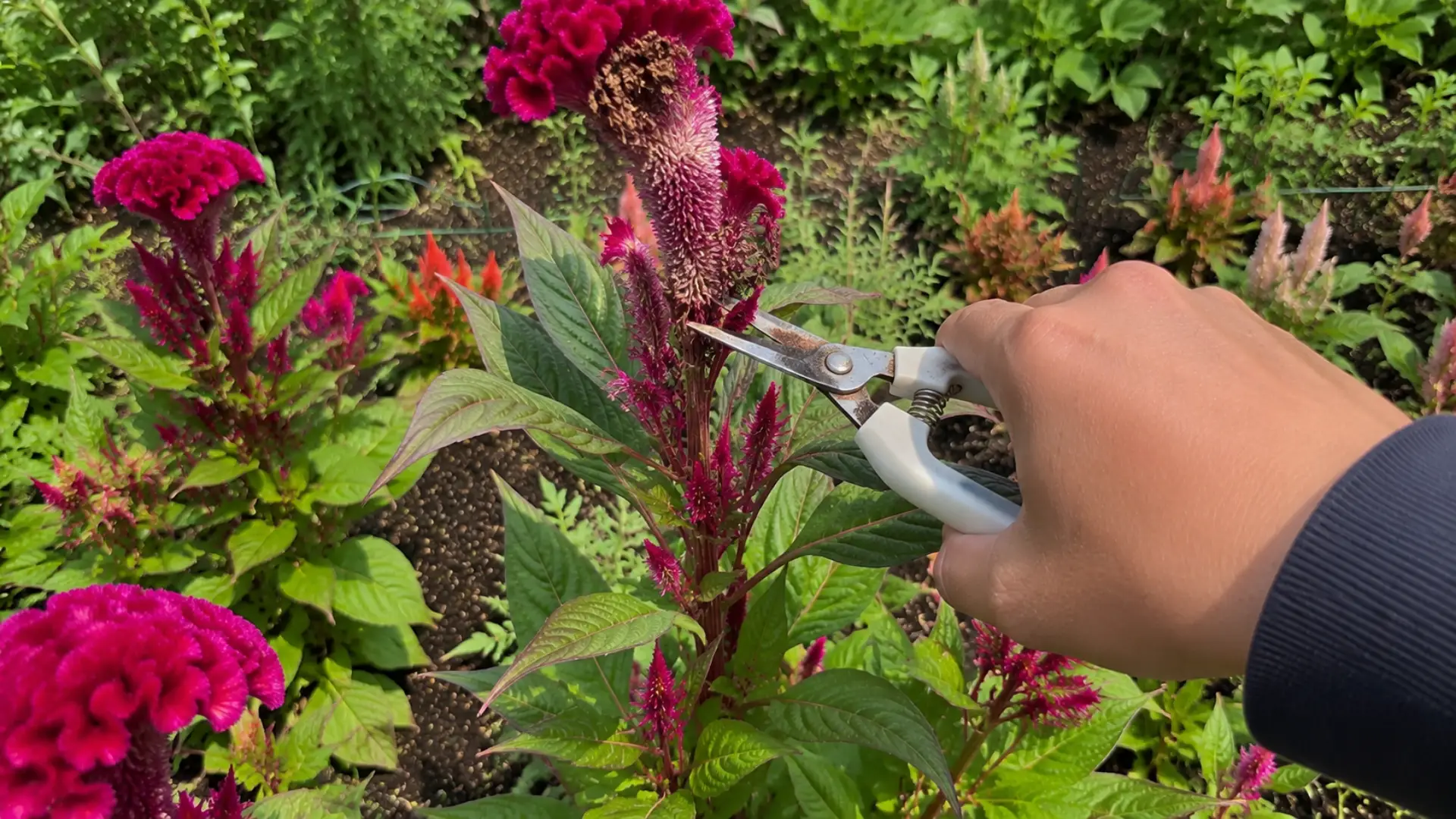
Removing faded blooms redirects the plant’s energy into producing new flowers instead of setting seed.
A quick trim also keeps plants looking tidy through the season.
- Snip spent flower heads just above a set of leaves.
- Clear fallen petals and debris from the soil surface.
- Pinch young plants early to encourage bushier growth.
Tip: Regular deadheading extends the blooming window well into fall, right up until the first frost.
How to Keep Celosia Blooming Longer?
Consistency keeps celosia flowering well past midsummer.
Snip spent blooms often; this pushes the plant to form new ones instead of seed. Feed lightly every few weeks once flowering starts. Skip heavy nitrogen, since it favors leaves over blooms.
Keep soil moisture steady; drought stress shortens bloom time.
Stake tall varieties so wind and rain don’t snap heavy heads.
Cooler fall nights slow things down, but deadheading right up to first frost keeps color going as long as possible.
Celosia Plant Care in Pots
Celosia grows well in containers if the pot is large enough and drainage is reliable.
These plants dislike sitting in wet soil. Choose a pot at least 8 to 12 inches wide with drainage holes.
Use a loose, well-draining potting mix, not heavy garden soil. Water when the top couple of inches of soil feel dry.
Fertilize every two to four weeks during the growing season. Potted plants use up nutrients faster than those in garden beds. Check occasionally for roots crowding the pot’s edges or poking through drainage holes.
In peak summer heat, afternoon shade helps protect container-grown plants from stress.
Propagating Celosia
Celosia is typically propagated through seeds or stem cuttings, both of which develop into exact replicas of the original plant.
- Cut a healthy 4–6-inch stem just below a node.
- Remove the lower leaves, leaving only a few at the top.
- Place the cutting in water or a moist rooting medium.
- Dip the cut end in rooting hormone, if desired, to improve the odds.
- Keep the cutting warm, in bright, indirect light, away from direct sun.
- Expect roots to form within 2 to 4 weeks.
- Transplant the rooted cutting into well-draining soil once roots appear.
- Care for it as a young seedling from that point on.
How to Harvest Celosia Plant?
Timing determines how long celosia blooms last after cutting.
Harvest cockscomb types once the head’s center has fully expanded. Cut before the outer edges start to lose color.
Cut plume and wheat types once about half the spike’s flowers have opened. Waiting too long lets seed form, and it can shatter later in a vase. Leave two to three leaves on the stem when cutting.
They help draw water upward and keep blooms fresher longer. The same care used for keeping cut flowers fresh longer works well for celosia, since clean water and fresh cuts make the biggest difference in vase life.
The right timing makes a real difference in vase life, whether for a quick arrangement or a longer display at home.
Common Celosia Problems and How to Fix Them
Most problems arise from a minor, easily solvable cause.
| Problem | Cause | Fix |
|---|---|---|
| Slow growth | Root shock, cold soil | Handle roots gently; wait for warm soil |
| Floppy stems | No stake, crowding | Stake early; thin plants |
| Dull bloom color | Too much shade, heat stress | Move to sun; water in heat |
| Faded foliage tint | Low light, nutrient gaps | More sun; feed on schedule |
| Fewer late blooms | Skipped deadheading | Resume deadheading through fall |
Should You Pinch or Prune Celosia?
Pinching and pruning serve different purposes on celosia.
Pinch young plumosa seedlings early, just above a leaf node, to build a fuller, bushier shape.
Skip pinching on cockscomb types, since it can distort the crested head as it forms.
Light pruning later just removes damaged or leggy stems, not healthy growth. Avoid heavy cutbacks mid-season; celosia doesn’t rebound quickly from major pruning as some perennials do. A light hand works best here.
Celosia Plant Care Through the Growing Season
Celosia’s requirements change with the fluctuating temperatures throughout the year.
- Early Spring: Warm the soil and start seeds indoors.
- Late Spring: Harden off seedlings, then transplant outdoors.
- Summer: Watch for heat stress and keep the routine steady.
- Early Fall: Cooler nights slow bud formation; adjust expectations.
- Late Fall: Let plants fade naturally before the first frost.
Wrapping Up
Celosia requires little maintenance once it is planted.
A sunny spot, well-draining soil, and a stake support its growth and blooming. The rest involves deadheading often, feeding on schedule, and monitoring moisture; there are no secret tricks to solid celosia plant care.
This plant, whether plumed, crested, or spiked, adds color long after other annuals have finished for the season.
Plant it once, learn its small preferences, and it tends to show up reliably every summer after that.
Frequently Asked Questions (FAQ’s)
Is Celosia Toxic to Pets Like Cats and Dogs?
No, celosia is classified as non-toxic to pets, though large amounts can still cause mild, temporary stomach upset.
How Long Does Celosia Take to Bloom From Seed?
Most celosia varieties take about 80 to 120 days from seed to bloom, though this varies by type.
Can Celosia Leaves Be Eaten, and Do They Taste Good?
Celosia leaves are technically edible and used in some cuisines, but leaves from mature plants tend to taste bitter.
Does Celosia Attract Pollinators Like Bees and Butterflies?
Yes, celosia blooms attract bees, butterflies, and other pollinators, including monarch butterflies.