Squeeze a snapdragon plant’s bloom just right, and the flower snaps open like a tiny dragon’s jaw.
That trick alone has hooked gardeners for generations, but the plant does more than entertain kids.
It fills beds with color from early spring through fall, holds up in a vase, and needs little beyond sun and decent drainage.
Some varieties stay dwarf and tidy for pots, while others grow tall enough for a proper cutting garden.
This blog covers picking a variety, planting it right, and keeping it in bloom for months each season
What is a Snapdragon Plant?
The snapdragon plant, scientifically named Antirrhinum majus, belongs to the Plantaginaceae family.
It grows naturally across the Mediterranean, parts of Europe, and North Africa. There, it favors rocky, dry, sunny ground.
Gardeners and florists know it by other names too: dragon flower, lion’s mouth, toad’s mouth, calf’s snout.
Each name points to the same feature. The flower has a face-like shape.
The name snapdragon comes from a simple trick. Squeeze the sides of a bloom gently.
The two halves part like a small mouth opening and closing, the way a dragon snaps its jaw.
Release the pressure, and the flower snaps shut again. This mechanism serves a purpose in nature too: only heavy insects, like bumblebees, have enough weight to pry the petals open and reach the pollen inside.
Because bumblebees do most of the work here, it’s worth taking a few steps to support local bee populations elsewhere in the yard too.
Snapdragon Plant Quick Facts
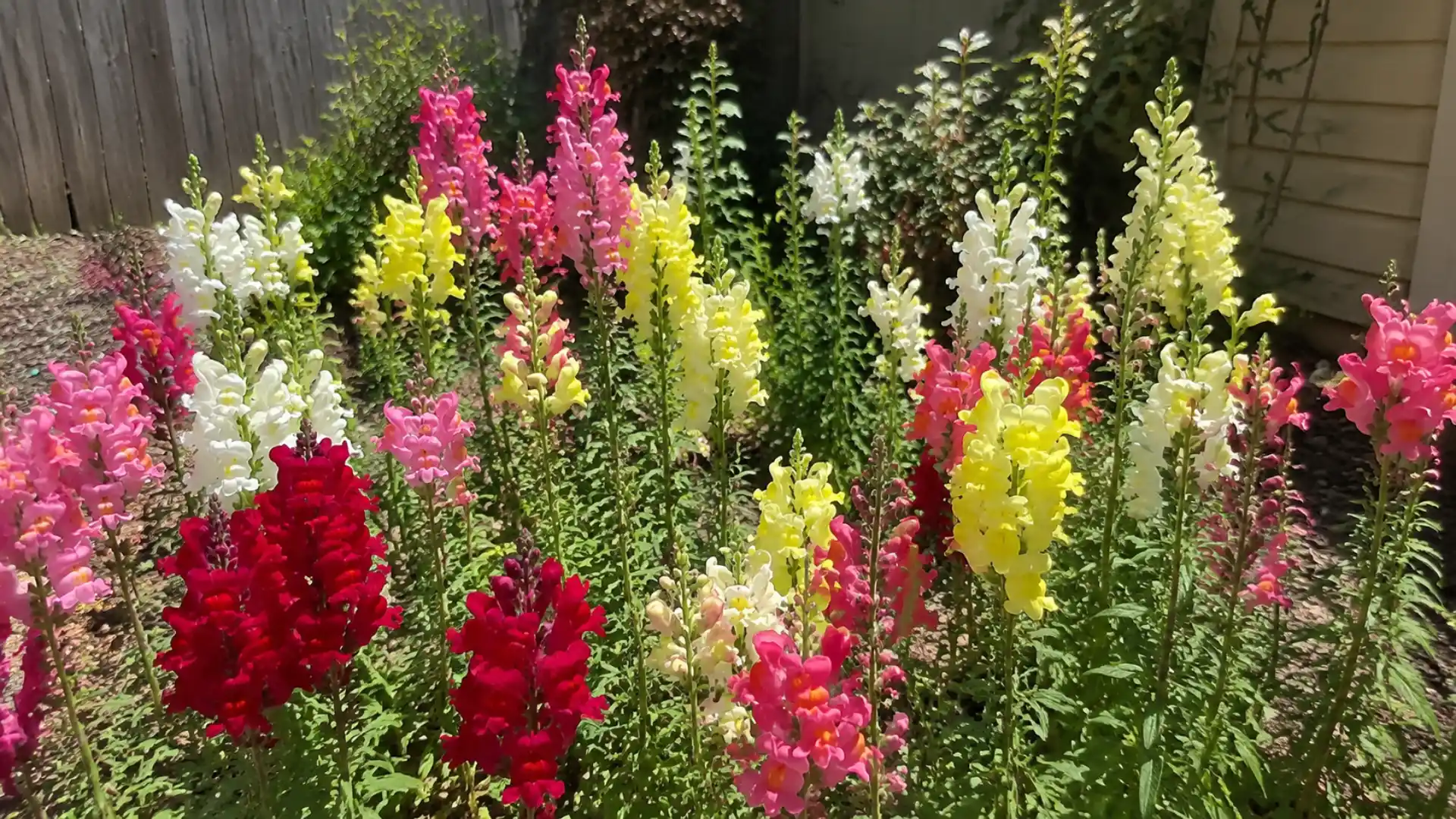
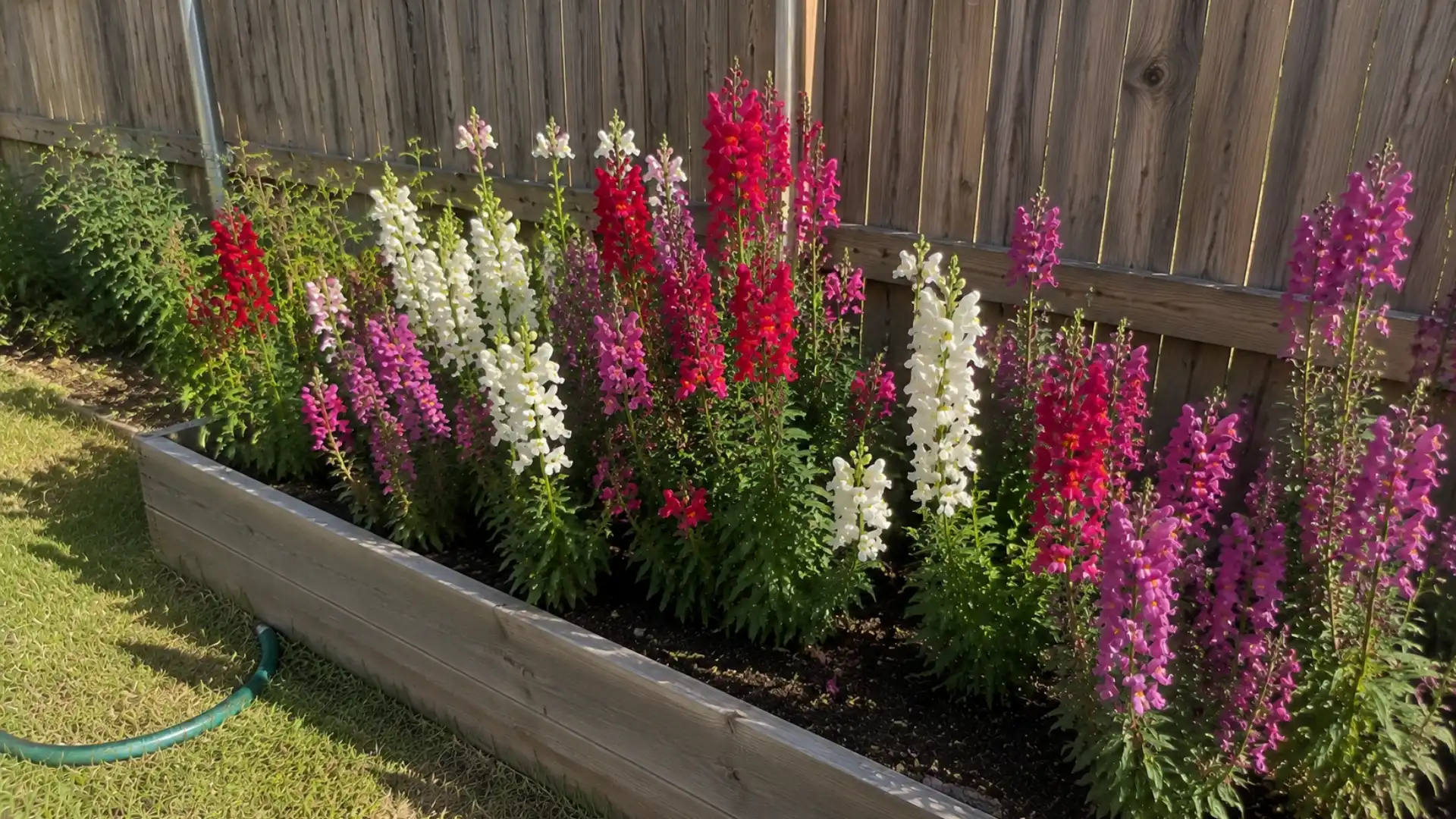
Every snapdragon variety has shared growing needs despite differences in color, height, and bloom shape.
Knowing these basics helps you select the right spot, soil, and blooms before planting.
- Plant Type: Perennial, commonly grown as an annual
- Mature Size: 6 to 48 inches tall, 6 to 12 inches wide
- Sun Exposure: Full sun, tolerates partial shade
- Soil Type/pH: Moist, well-draining soil; acidic to neutral pH
- Bloom Time: Spring, summer, fall
- Flower Colors: White, yellow, pink, red, orange, purple
- Hardiness Zones: USDA 7 to 11
- Native Area: Mediterranean, Europe, North Africa
With the basics settled, choose the right type that fits your garden since height and growth vary.
Different Types of Snapdragon Plants
Snapdragons come in various sizes and shapes, making it easy to find one for almost any garden spot.
| Variety/Series | Height/Growth Habit | Flower Form | Best Use |
|---|---|---|---|
| Twinny | Dwarf (4–6”) | Double (azalea-type) | Containers, edging |
| Liberty Classic | Short (9–12”) | Traditional (hinged jaw) | Borders, bedding displays |
| Chantilly | Intermediate (1–2 ft) | Open-faced | Cutting garden, mixed beds |
| Rocket | Tall (2–4 ft) | Traditional (hinged jaw) | Cut flowers, back of border |
| Candy Showers | Trailing | Open-faced | Hanging baskets, window boxes |
Growers categorize snapdragons by bloom groups, considering their temperature and light requirements.
How to Choose the Right Snapdragon Variety for Your Garden?
Start with your space. Tight beds and pots call for compact plants. Open borders have room for taller ones.
Match the variety to your purpose. Cutting gardens need long, sturdy stems, while edging and containers do better with shorter, bushier growth. Climate matters too. Cooler regions get the best results from early bloom groups.
Warmer regions do better with heat-tolerant types.
Once space, purpose, and climate are settled, choose color and flower shape together.
Height, color, and bloom form should complement each other in the bed, not compete for attention.
Where and When to Plant Snapdragon Plants?
Timing depends on your region. Northern gardeners plant in spring, right after the last frost passes.
Southern and mild-winter gardeners plant in fall for color through winter and early spring. Pick a spot shielded from strong wind. Tall varieties bend or snap in open, gusty areas. A spot near a fence, wall, or other plants helps.
To ensure continuous blooming, stagger your plantings every three to four weeks.
This ensures a continuous supply of fresh flowers rather than a brief, one-time burst.
Avoid low spots where water pools after rain. Standing water around new roots invites early disease.
How to Plant and Care for Snapdragon Plants Successfully?
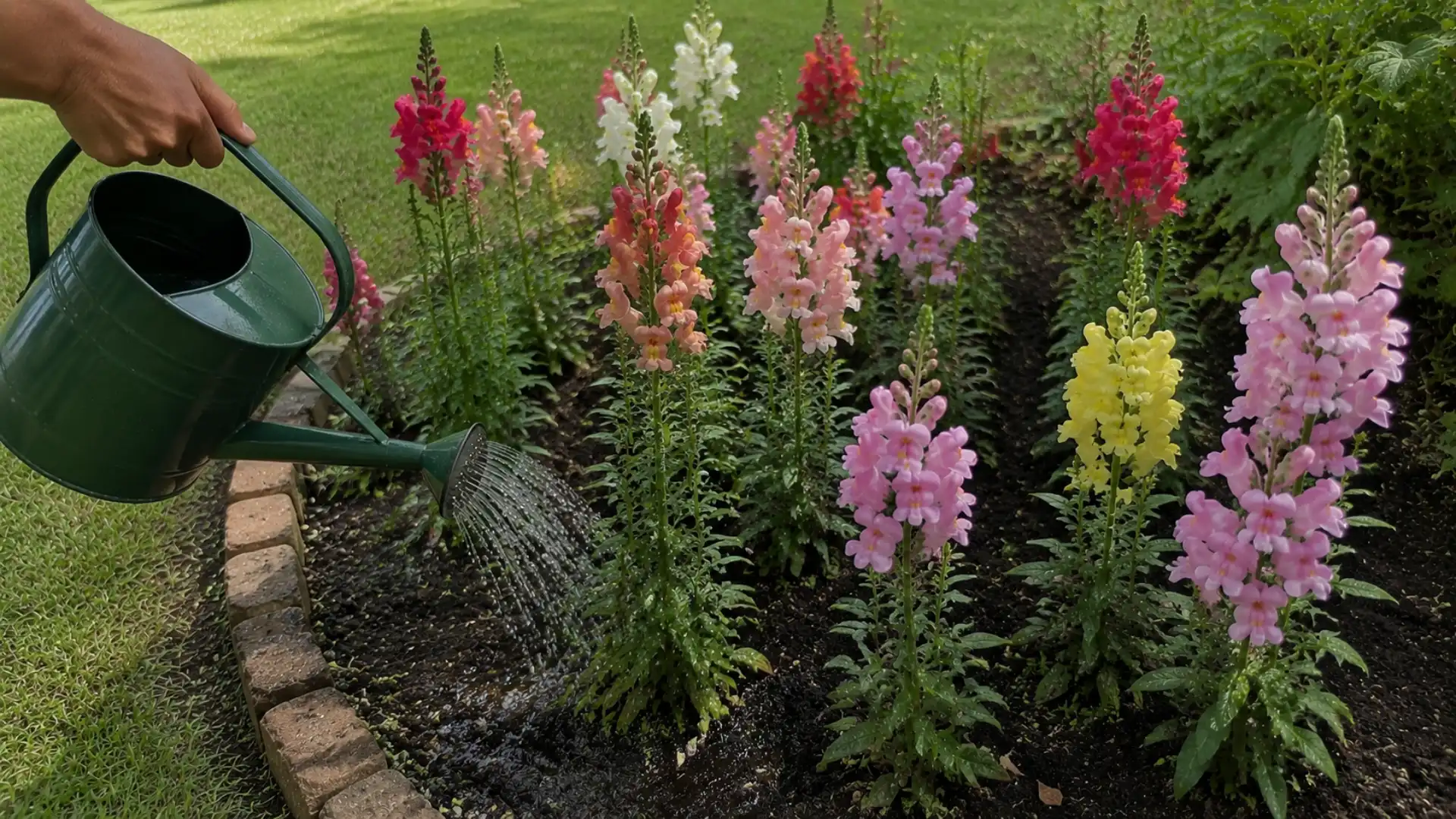
Get the basics right from the start, and snapdragons reward you with months of steady, colorful blooms.
Growing Snapdragons from Seeds Step-by-Step
Follow these steps to ensure your seedlings grow strong and healthy from the tray to your garden bed.
- Fill a seed tray with moist, sterile starting mix.
- Sprinkle seeds on top and press lightly for contact.
- Cover the tray with a clear dome to hold humidity.
- Set the tray under grow lights for 14 to 16 hours daily.
- Remove the dome once seedlings appear.
- Thin crowded seedlings, snipping weak ones at the base.
- Harden off seedlings outdoors for a week before transplanting.
Watering Needs
Water new transplants frequently to support root establishment, then reduce after they settle.
Let the top inch of soil dry before the next watering.
Aim for about an inch of water weekly, more in dry heat. Always water at the base. Wet leaves and damp crowns invite rot and fungal spots. Consistent moisture beats occasional heavy soakings for steady, healthy growth.
Morning watering works best. It lets any splashed foliage dry before evening.
Mulch helps conserve moisture and decreases how often watering is needed. Getting the mulch depth for garden beds right keeps that moisture benefit without piling material against the crown.
Best Soil, Sunlight, and Temperature
Snapdragons need loose, loamy soil that drains fast after rain.
Heavy clay holds too much water around the roots. Mix in sand or compost if drainage feels slow.
They grow best in cool to mild temperatures, roughly 45 to 70°F. Hot spells stall growth fast.
Full sun strengthens stems, but light afternoon shade in hot summers protects blooms from fading early.
Raised beds help in areas with naturally dense soil, since they warm faster and shed excess water. A quick squeeze test tells you a lot: soil that crumbles apart drains well, while soil that stays balled up needs amending.
Container plants dry out faster than garden beds, so check them a bit more often
Fertilizing Snapdragons Without Reducing Flower Production
Skip high-nitrogen fertilizers. They push leafy growth instead of blooms.
Choose a formula higher in phosphorus and potassium instead.
Browsing a few low-nitrogen fertilizer options built for other bloom-heavy plants can help narrow down what works well for snapdragons too.
Fertilize lightly at planting, then again once buds start forming. Overfeeding softens stems, making them prone to flopping.
A consistent, gradual feeding routine is better than giving a single large dose.
Small, well-spaced applications allow blooms to continue without stressing the plant.
Pinching, Staking, and Deadheading
Pinch the top of young plants to encourage side shoots and promote fuller blooms.
Tall types lean or snap in wind. Set stakes or netting early, before stems get heavy.
Snip faded flowers often. This stops seed formation and pushes the plant to keep producing new buds instead.
Use clean, sharp scissors or pinch with your fingers just above a leaf node. Stake clusters of plants together with a single row of netting instead of tying each stem, which saves time in larger beds.
Check ties periodically, since stems thicken as the season goes on and loose ties can girdle the plant.
How to Keep Snapdragons Blooming Longer?
Snapdragons are cut-and-come-again flowers, so regular harvesting pushes out new stems faster than leaving blooms untouched. Cut deep, just above a leaf node, instead of snipping only the flower head.
This forces branching lower on the plant, not just at the tip.
During heat waves, light shade cloth in early afternoon keeps blooms from fading fast.
Never let a spike go to seed. Once seed pods form, the plant shifts energy away from new blooms for good.
How to Care for Snapdragon Plants Throughout the Season?
Snapdragon care changes with seasons, so a quick seasonal rhythm helps keep plants on track without guessing.
- Early Spring: Harden off seedlings before transplanting.
- Late Spring: Monitor for late frost warnings.
- Early Summer: Watch for early signs of heat stress.
- Midsummer: Reduce midday care visits; check plants morning and evening instead.
- Early Fall: Transition dying summer varieties for cooler-blooming types.
- Late Fall: Clear dead foliage before the first hard freeze.
- Winter (mild zones): Mulch beds to protect roots overnight.
Growing Snapdragon Plants in Containers
Snapdragons adapt beautifully to container life, making them ideal for patios, balconies, and small gardens.
Choose pots at least 8–10 inches deep with good drainage holes, and use a well-draining, rich potting mix rather than garden soil. Compact or trailing varieties work best, spilling nicely over hanging baskets and window boxes.
Water more frequently than in-ground plants, since containers dry out faster; check soil moisture every few days.
Feed every two to three weeks with a balanced liquid fertilizer during active growth.
Pinch young plants to encourage bushiness, and move pots to partial shade during extreme summer heat.
Companion Plants That Grow Well with Snapdragons
Pairing snapdragons with the right neighbors boosts pollinator activity and keeps beds colorful longer.
| Companion Plant | Growth Habit | Why It Pairs Well |
|---|---|---|
| Pansies & Violas | Low, mounding | Same cool-season bloom time and needs |
| Sweet Alyssum | Low, spreading | Softens upright spikes; fills bare soil |
| Dianthus | Low, clumping | Matching bloom season; cottage-garden look |
| Angelonia | Upright, bushy | Heat-tolerant; extends color into summer |
| Salvia | Upright, spiky | Similar height; attracts pollinators |
| Ornamental Grasses | Upright, textured | Adds movement and contrast |
Avoid pairing with drought-tolerant plants like succulents, since snapdragons need consistently moist soil. Match moisture needs first, then layer in height and texture.
How to Grow Snapdragons for Cut Flowers?
Snapdragons make excellent cut flowers thanks to their tall, sturdy stems and long vase life.
Choose tall varieties, such as those in the Rocket series, and plant them in rows for easy access when harvesting.
Cut stems early in the morning when only the lower third of flowers on the spike has opened, since the remaining buds will continue opening indoors. Use sharp shears, cut at an angle, and place stems immediately in clean water.
Regular cutting also encourages the plant to keep producing new flowering stems, making snapdragons a reliable, repeat-blooming choice for home bouquets and arrangements.
Overwintering Snapdragon Plants
In milder climates, snapdragons can survive winter with extra care, giving them a head start on blooming.
- Apply a thick layer of mulch around the base to insulate roots from cold temperatures.
- Avoid heavy pruning in fall, since some foliage helps protect the crown through winter.
- Reduce watering frequency once temperatures drop, but don’t let soil fully dry out.
- Move potted snapdragons to a sheltered spot, such as a porch or garage, during hard freezes.
- Watch for new growth at the base in early spring as a sign the plant survived.
Are Snapdragons Annual or Perennial?
Snapdragons are technically tender, short-lived perennials.
Most gardeners treat them as annuals because they infrequently endure severe winters.
In USDA zones 8 to 11, plants often overwinter well. Some even bloom through the cooler months.
In colder zones, expect them to die back after frost. Some snapdragons self-seed, producing new plants the next spring. To encourage this, skip hard fall pruning and add mulch for winter insulation.
Let a few spent blooms go to seed instead of deadheading everything.
Are Snapdragon Plants Safe for Pets and Children?
Pet owners and parents often ask this before adding snapdragons to the yard.
Reputable sources confirm very little risk. The ASPCA classifies snapdragons as non-toxic to dogs, cats, and horses.
They’re also non-toxic to humans, including children, and the flowers are technically edible.
Commercially grown blooms may carry pesticide residue, though, so skip eating store-bought flowers.
Large amounts of any plant may cause mild stomach upset, but it’s not serious. Snapdragons have a quirky trait: their dried seed pods look like tiny skulls after petals drop. It’s a quirk of the plant’s structure, not a sign of toxicity.
Overall, snapdragons are among the safer, family-friendly flowers you can cultivate.
Snapdragon Pests and Diseases
A few other problems can show up beyond the common ones already covered, so keep an eye out for these too.
| Problem | Symptoms | Fix |
|---|---|---|
| Slugs and Snails | Ragged holes in leaves, slime trails | Handpick at night, use bait or copper tape |
| Spider Mites | Fine webbing, stippled or bronzed leaves | Spray leaves with water, apply miticide |
| Botrytis Blight | Gray, fuzzy mold on flowers and stems | Remove affected blooms, improve airflow |
| Damping Off | Seedlings collapse at the soil line | Use sterile mix, avoid overwatering trays |
| Thrips | Silvery streaks, distorted new growth | Use sticky traps, apply insecticidal soap |
Creative Ways to Use Snapdragons in Your Garden and Home
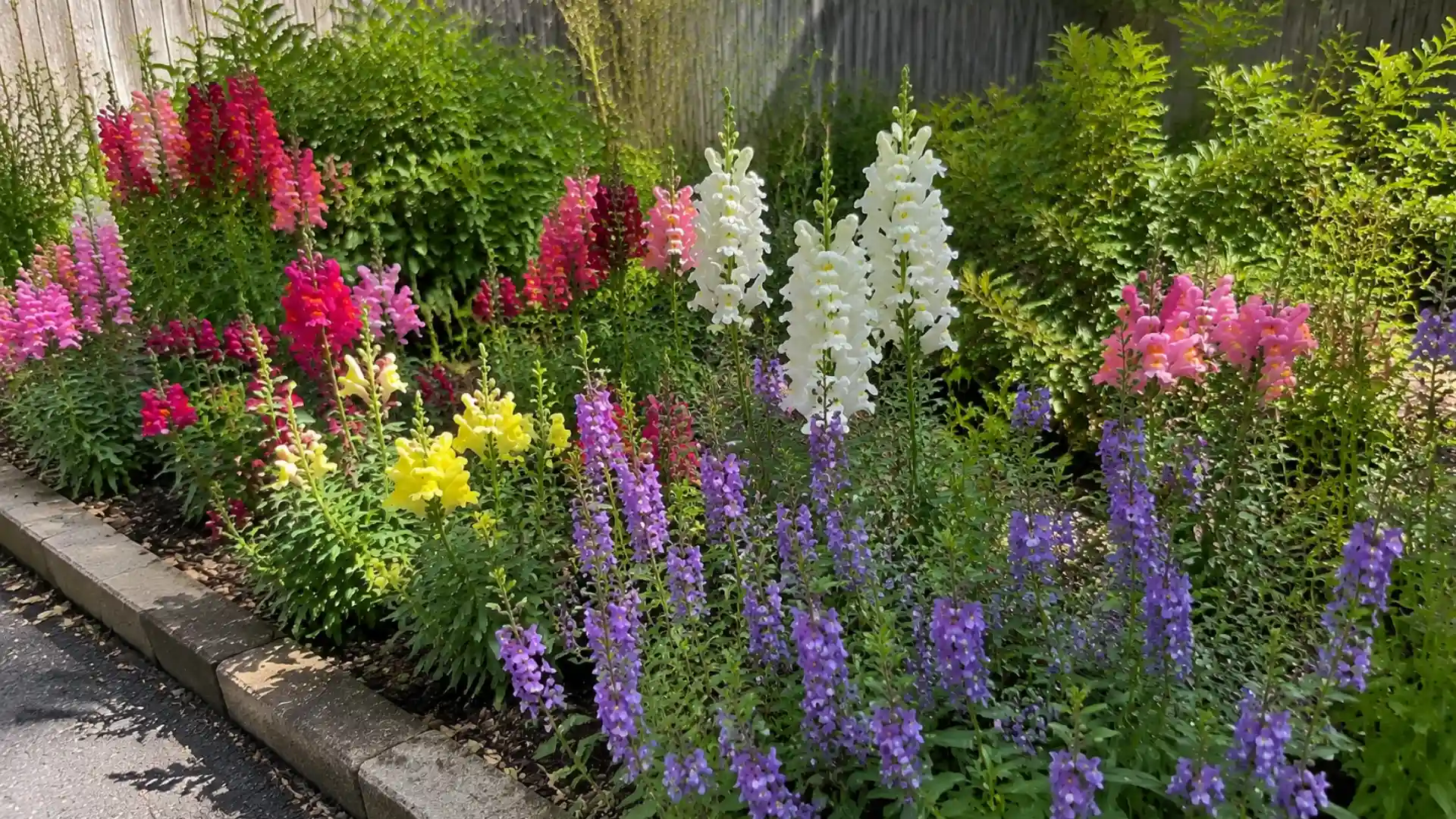
Snapdragons suit more than flower beds, thanks to various heights and growth habits.
They are versatile for borders, bouquets, and nearly any garden style. A visual gallery can help visualize these ideas.
- Taller varieties add height toward the back, while shorter types fill in edges nicely.
- Dwarf and trailing varieties suit patios, porches, and window boxes especially well.
- Snapdragons naturally favor well-draining, rocky conditions similar to their native habitat.
- Pairs well with Angelonia and other cool-season annuals with similar light and water needs.
- Their bitter taste helps discourage browsing, making them useful alongside more vulnerable plants.
- Blooms last over a week with fresh water and stems; cutting when only lower flowers open prolongs vase life.
Common Snapdragon Problems and How to Fix Them
Apart from pests and diseases, snapdragons may face some common growing problems.
Here is how to spot and correct the most common ones.
| Problem | Likely Cause | Fix |
|---|---|---|
| Leggy Stems | Skipped pinching, low light | Pinch young plants; move to more sun |
| Few Flowers | Too much shade, excess nitrogen | Ensure 6+ hours of sun; use balanced fertilizer |
| Yellowing Leaves | Overwatering, poor drainage | Let soil dry between waterings |
| Flopping Stems | Tall varieties, no support | Stake plants early in the season |
| Stalled Summer Blooming | Heat stress | Cut back by one-third for fall rebloom |
The Bottom Line
A snapdragon plant rewards fairly minimal effort with an outsized show of color.
Pinch it early, water at the base, and cut spent blooms often, and it keeps producing new stems well into fall.
Choosing the right spot is crucial; poor placement can cause a healthy plant to lean, flop, or cease flowering.
Location and spacing are as important as routine care. Pair it with pansies or salvia, place it in a container by the door, or grow rows for cutting, and it thrives in nearly any setting.
Place it in a sunny spot this season, and it will take care of the rest.
Frequently Asked Questions (FAQs)
Do Snapdragons Need to Be Deadheaded Regularly?
Removing spent blooms directs energy to new flowers, not seed production. Regular deadheading prolongs blooming.
Can Snapdragons Survive in Containers Year-Round?
In colder zones, they need winter shelter, but in zones 9–11, they often survive outside with little protection.
Why Are My Snapdragons Not Blooming?
Common causes include shade, excessive nitrogen fertilizer, or skipping early pinching.
How Often Should I Replace Snapdragon Plants?
Most are cultivated as annuals, making replanting each year a common practice.