Occupants frequently neglect crawl spaces during building renovations but the state of this area determines interior temperatures in every season. Conditions like excessive moisture, insufficient insulation, structural gaps and limited ventilation alter the climate in rooms situated above the foundation. Structural improvements to this space ensure that indoor environments remain consistent and mechanical equipment operates efficiently. Property owners who recognize these advantages are able to select specific maintenance strategies for their houses.
Temperature Regulation
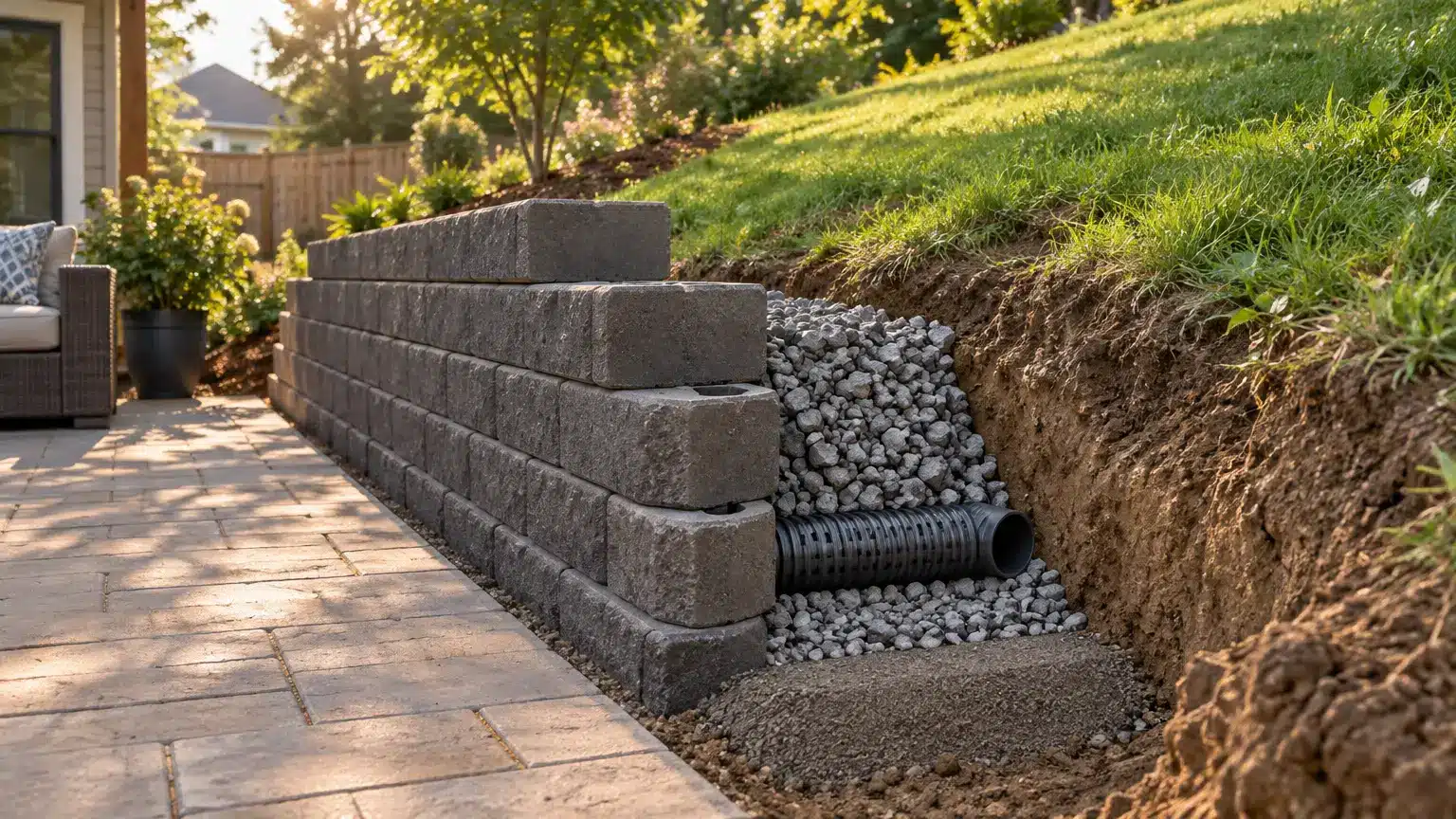
Water is a significant factor in crawl space maintenance – Liquid entering through soil, foundation cracks, leaking pipes or faulty drainage increases humidity levels under the house. High moisture levels degrade insulation but also wooden beams over time. Fixing drainage paths and installing waterproof barriers creates a dry environment beneath the residence. Managing humidity in the crawl space improves the air quality in the rooms above. Vapor moves between connected sections of a building, which makes rooms feel heavy and hot during humid seasons. Better moisture control reduces this effect as well as protects the wood that holds up the house. Property owners should identify the origin of water leaks instead of hiding visible dampness.
Air Sealing
Gas moves between the crawl space and the living quarters to alter the interior temperature. Small gaps near pipes, wires plus ventilation channels permit outside air to enter the house. Residents restrict this movement – closing these openings, which allows heating and cooling units to maintain a consistent temperature. Combined efforts involving energy efficient improvements make sealing air leaks a productive strategy. Homeowners who hire technicians from air conditioner installation Bramptonensure that the walls but also floors do not permit cooled air to exit. Air conditioning machines operate with higher intensity when structural gaps exist in the building.
HVAC System Support
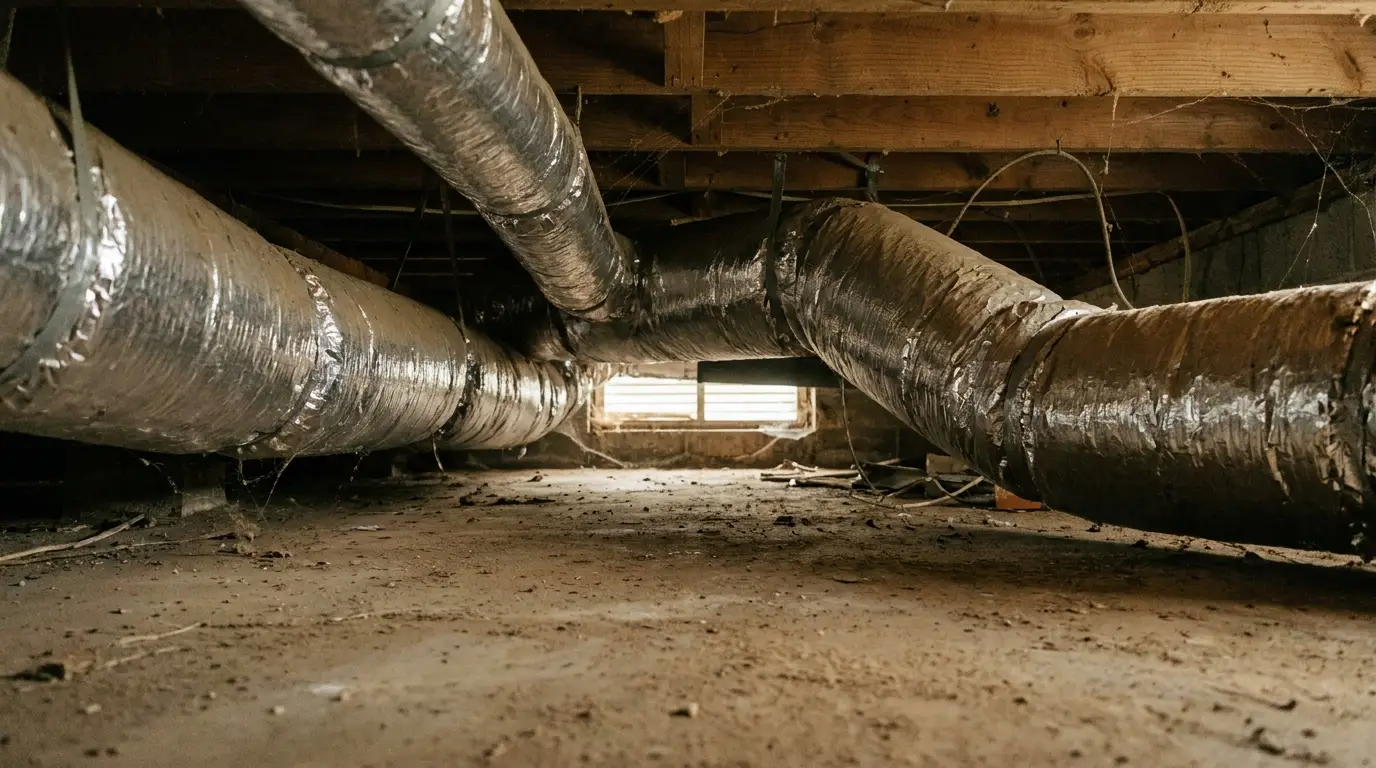
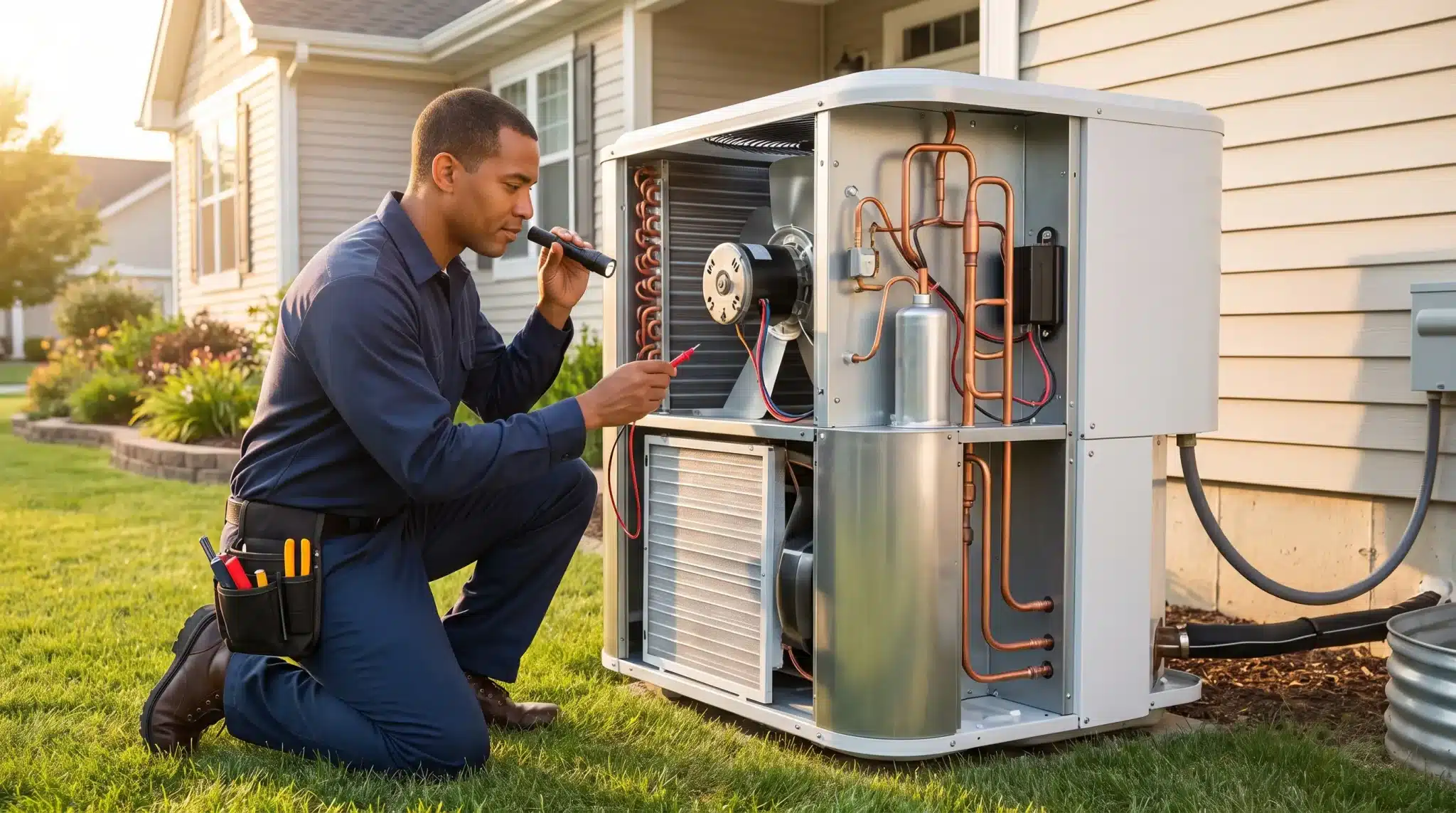
The environment in the crawl space affects the performance of mechanical components and air ducts. If metal ducts pass through a damp or uninsulated area, temperature shifts lower the efficiency of the air distribution. Adding insulation and sealant around ducts prevents air from cooling down or heating up before it reaches the rooms. Routine inspections are necessary after finishing crawl space upgrades. Residents should monitor the performance of mechanical systems next to request a professional air conditioner repairif the equipment malfunctions. Fixing mechanical issues while improving the house structure ensures reliable comfort and prevents hidden problems from worsening.
Material Preservation
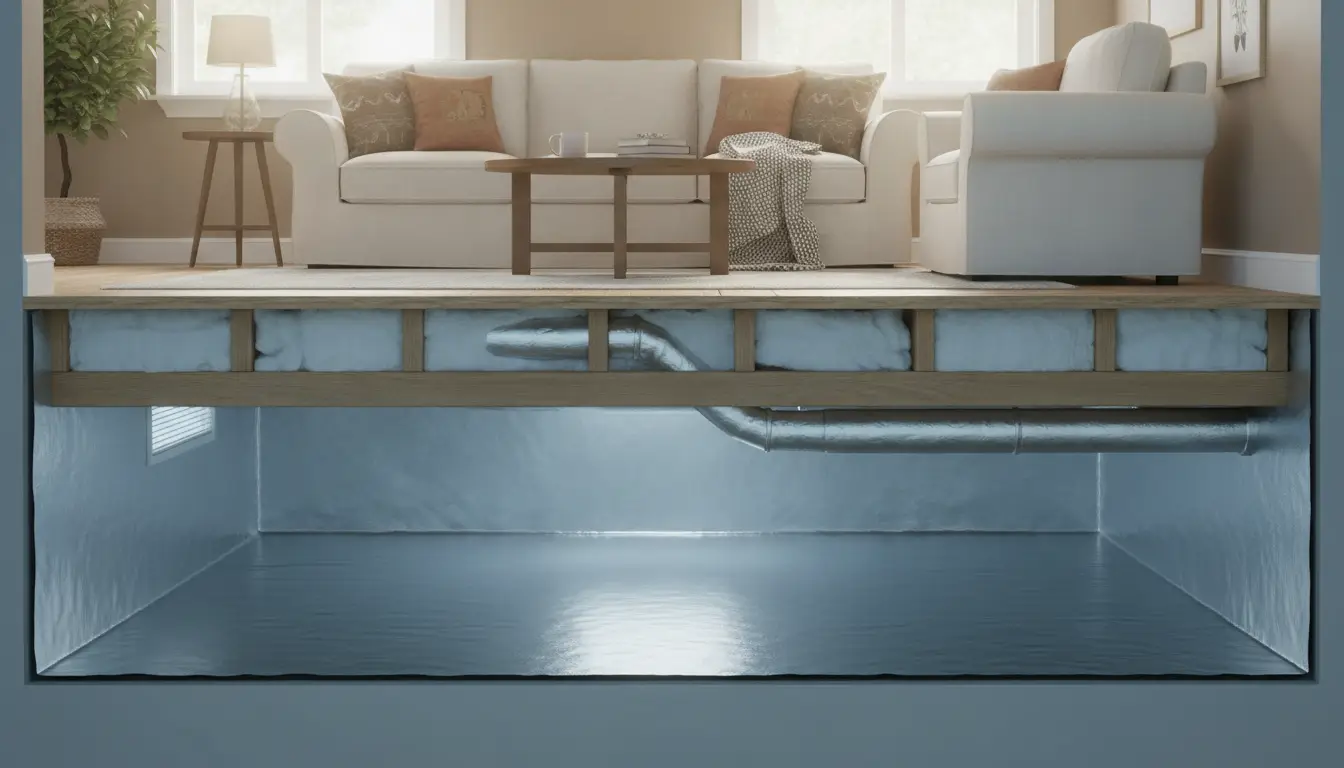
A clean crawl space protects the structural integrity of the house. Constant dampness and poor airflow damage wooden joists, subflooring plus insulation. Improving drainage and air seals reduces the risk of wood rot and material decay. Maintaining the materials is important for more than just the house structure. Soggy or thin insulation is an ineffective thermal barrier but also decayed wood creates new paths for air leaks. Keeping the crawl space dry protects both the physical building and the comfort of the residents.
Conclusion
Upgrading a crawl space improves a home – addressing temperature shifts, moisture and air leaks. Humidity control as well as air sealing work together to create a stable climate. Homeowners who include this area in their maintenance plans ensure consistent indoor temperatures and protect the house structure for many years.