Growing a watermelon from a tiny seed can feel like a big gardening project, especially when you see how much space those long vines eventually cover.
I used to think it was as simple as putting a seed in the ground and waiting for fruit.
But watermelon can be particular about when and where it gets its start. Plant too early, and cold soil may leave you waiting for sprouts that never appear.
Learning how to plant watermelon seeds takes away much of the uncertainty and makes the process feel manageable, even for a beginner.
When is the Best Time to Plant Watermelon Seeds?
The best time to plant watermelon seeds is in spring or early summer, after the danger of frost has passed and the soil has warmed.
Watermelons grow best in warm conditions, so wait until the soil temperature reaches at least 65°F (18°C), although temperatures around 70°F or higher encourage faster germination.
In most areas, you can sow seeds directly outdoors about one to two weeks after the last expected frost.
Gardeners in colder regions can start watermelon seeds indoors about two to four weeks before the last frost date.
Avoid planting too early because cold, wet soil can slow germination, cause seeds to rot, and result in weak seedlings.
How to Plant Watermelon Seeds: Step-by-Step Process
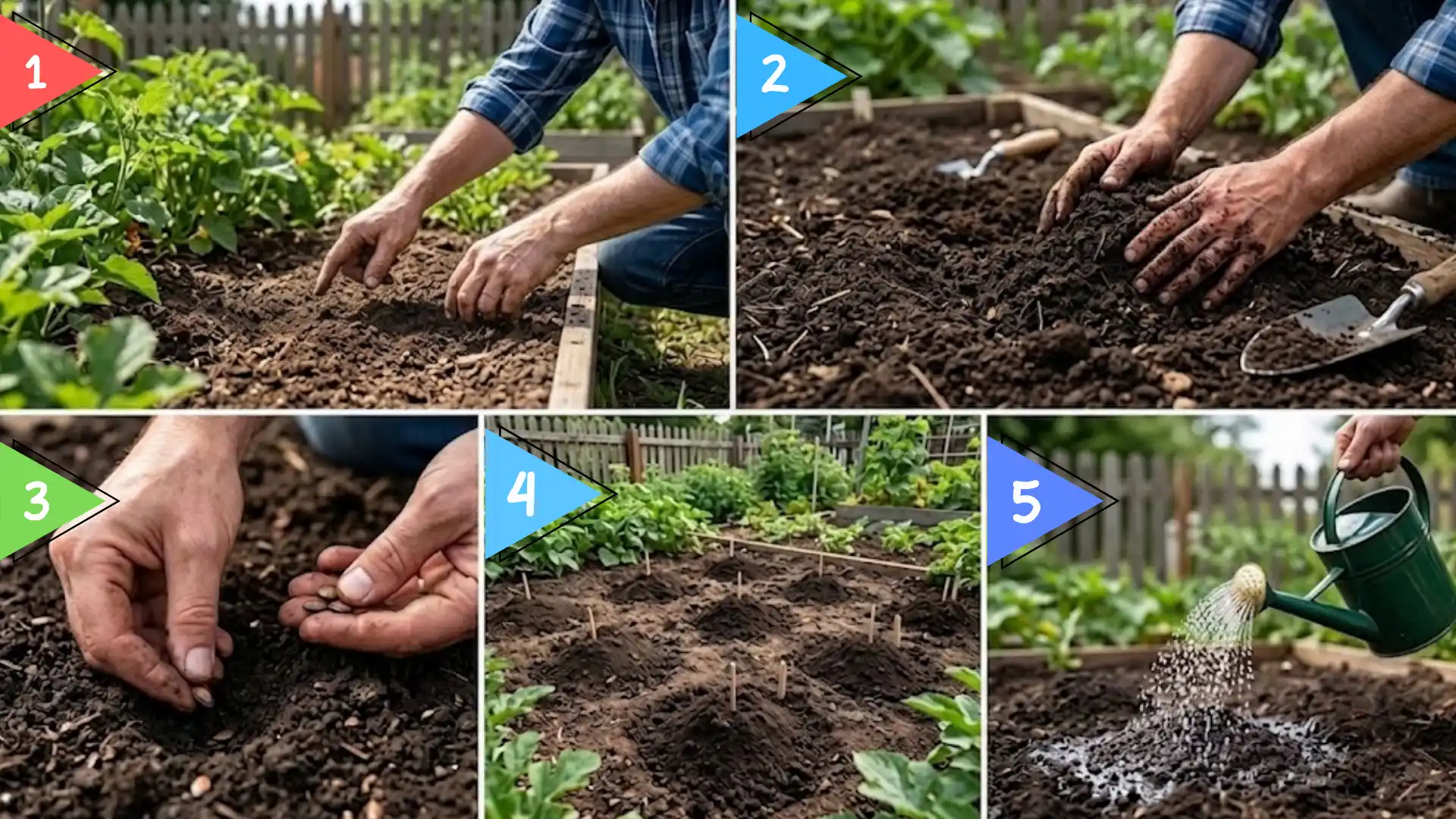
Planting watermelon seeds is simple when you give them enough warmth, sunlight, moisture, and space from the beginning.
Follow these steps to create the right conditions for healthy germination and strong vine growth.
1. Choose the Right Planting Location
Choose a warm, open spot where your watermelon plants will receive at least 6 to 8 hours of direct sunlight each day.
More sun is even better because watermelon plants need plenty of warmth to produce sweet, well-developed fruit.
Make sure the area also has enough open ground for the vines to spread without crowding nearby plants.
2. Prepare the Soil
Watermelons grow best in loose, fertile soil that drains well and warms quickly in spring.
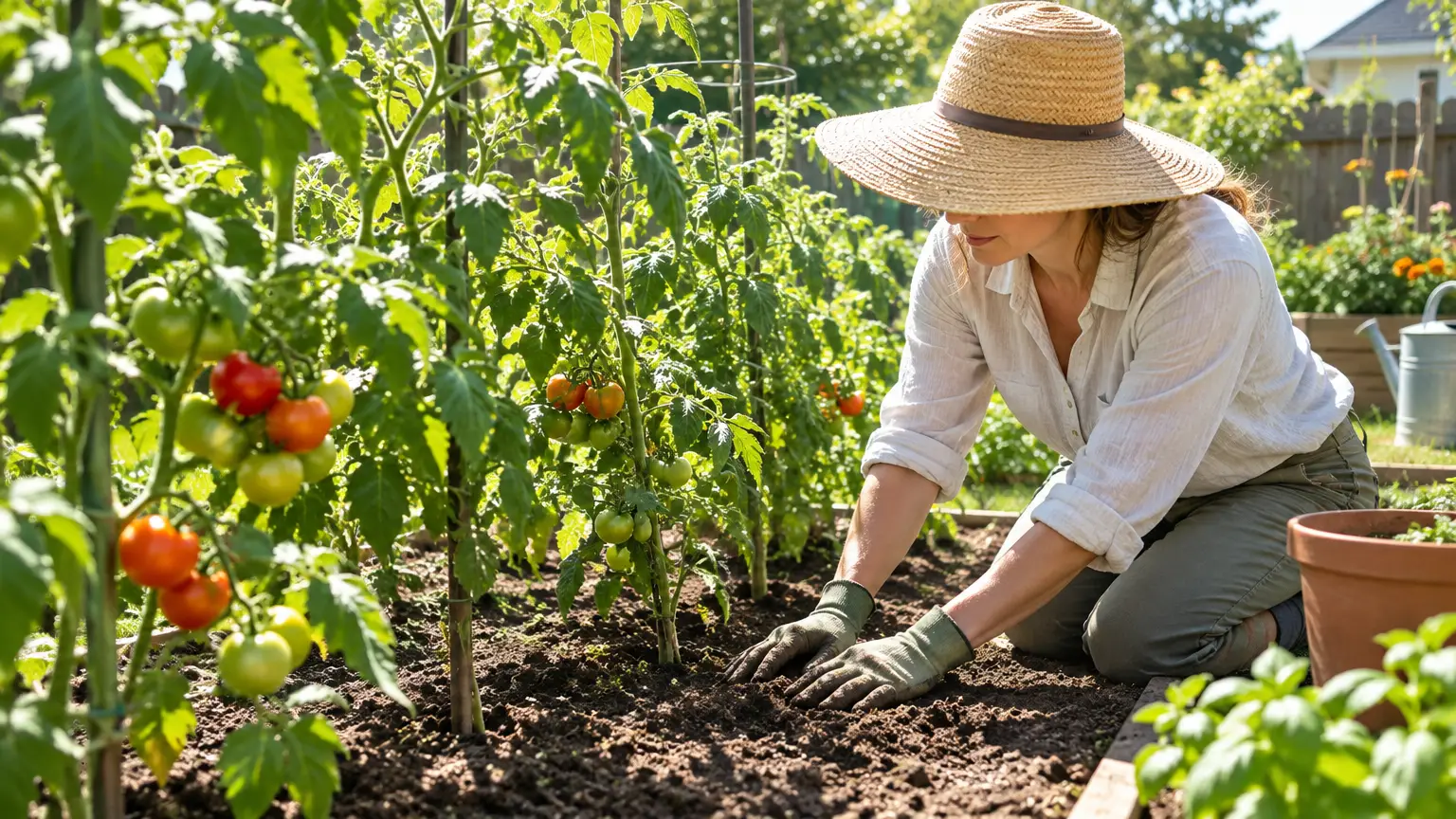
Before planting, loosen the top several inches of soil and mix in compost or well-aged organic matter to improve fertility and drainage.
Aim for a soil pH between 6.0 and 6.5, although watermelons can tolerate slightly wider conditions.
Remove rocks, weeds, and large clumps that could interfere with root development.
3. Plant the Watermelon Seeds
Plant watermelon seeds about 1 inch deep once the soil is warm enough for germination. You can sow four to six seeds in each mound, spacing them a few inches apart.
Cover the seeds loosely with soil rather than pressing it down firmly.
Once the seedlings develop and become established, thin each mound to the strongest two or three plants.
4. Space the Seeds Properly
Watermelon vines can spread several feet, so proper spacing is important from the beginning.
For most varieties, leave about 3 to 5 feet between plants and 6 to 8 feet between rows.
Smaller or compact varieties may need less room, so check the seed packet for specific recommendations.
5. Water the Seeds After Planting
Water the planting area gently but thoroughly immediately after sowing the seeds. The goal is to moisten the soil without creating puddles or washing the seeds out of place.
During germination, keep the soil consistently moist but never waterlogged. Check the soil regularly, especially during warm or dry weather.
Once seedlings appear, continue watering around the base as needed.
How to Start Watermelon Seeds Indoors?
Starting watermelon seeds indoors gives the plants a head start, especially in areas with a short growing season.
Start about 2 to 4 weeks before the last expected frost so seedlings are ready when outdoor conditions warm up.
- Choose suitable containers: Use biodegradable pots to reduce root disturbance when transplanting watermelon seedlings outdoors.
- Fill with seed-starting mix: Add a light, well-draining seed-starting mix and moisten it before planting.
- Plant the seeds: Sow one or two watermelon seeds about 1 inch deep in each container.
- Provide warmth and light: Keep the soil around 70°F to 95°F and provide bright light after germination.
- Water carefully: Keep the soil evenly moist but never soggy, and ensure containers have proper drainage holes.
How to Transplant Watermelon Seedlings Outdoors?
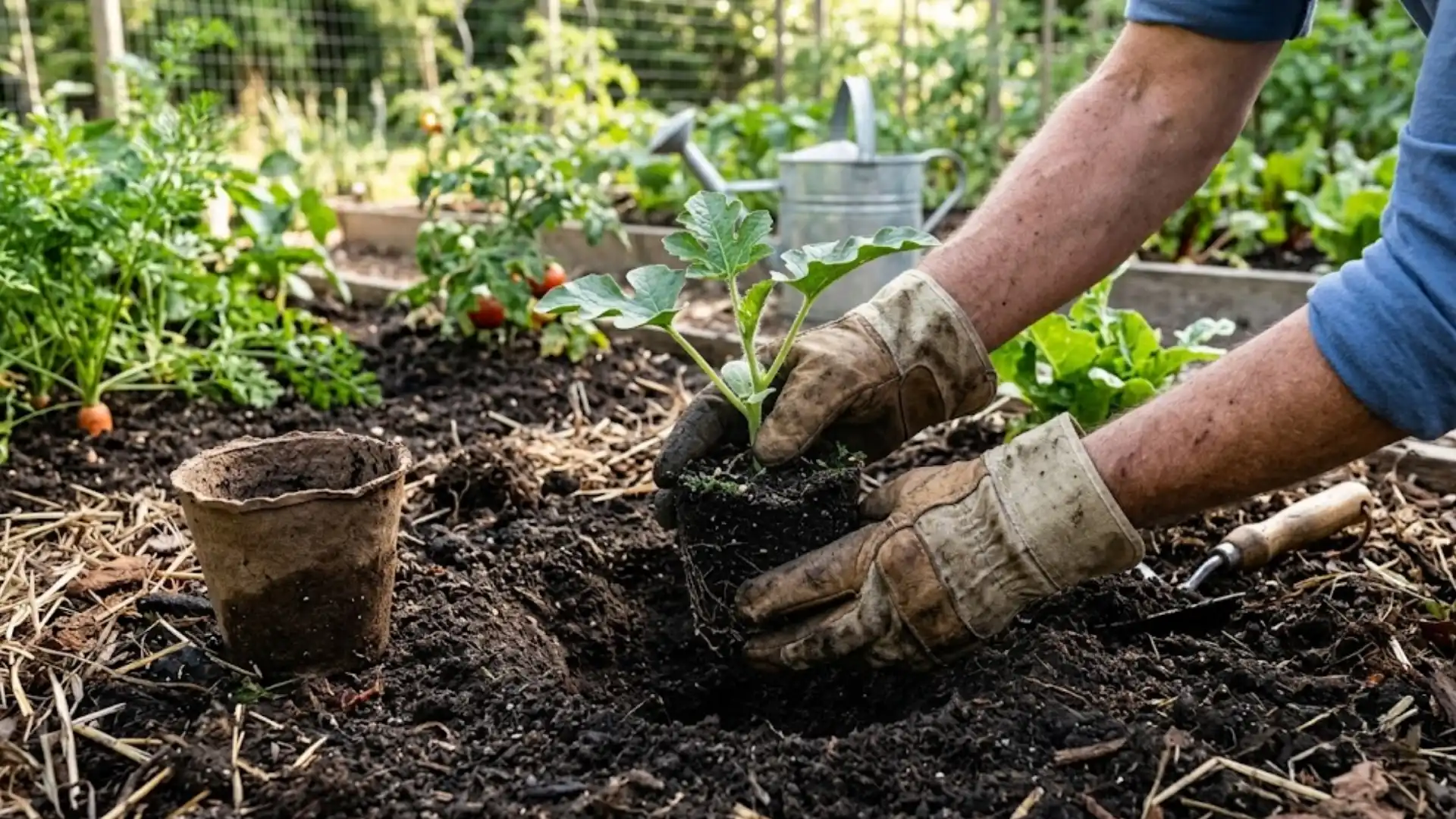
Transplant watermelon seedlings outdoors after the danger of frost has passed and the soil has warmed to at least 65°F (18°C).
Seedlings should have two or three true leaves and look healthy before transplanting. Start by hardening them off for about 7 to 10 days, gradually increasing their time outdoors each day.
Choose a sunny location with fertile, well-draining soil and enough room for the vines to spread.
Dig holes slightly larger than the seedling containers and follow the recommended spacing for your watermelon variety.
Handle seedlings carefully because watermelon roots are sensitive to disturbance. Place each seedling at the same depth it was growing in its container.
Gently firm the soil around the roots, then water thoroughly to help plants settle.
Watermelon Varieties Worth Growing
Choosing the right watermelon variety depends on your available space, growing season, and preferred fruit size. Some varieties mature quickly and suit smaller gardens, while others need more room and time to develop.
| Watermelon Variety | Key Characteristics | Best For |
|---|---|---|
| Crimson Sweet | Large, red-fleshed watermelon that typically weighs 15-25 pounds. | Home gardens with plenty of growing space |
| Sugar Baby | Compact, early-maturing variety with small, sweet fruits. | Small gardens and shorter growing seasons |
| Yellow Baby | Small watermelon with yellow flesh and a mild, sweet flavor. | Gardeners wanting an unusual watermelon variety |
| Charleston Gray | Large, oblong variety known for good disease resistance and storage quality. | Larger gardens and longer growing seasons |
Growing conditions vary by region, so check the seed packet or local extension recommendations before selecting a variety.
Diseases Affecting Watermelon Growth
Watermelon plants can develop diseases that damage leaves, weaken veins and reduce fruit production.
- Fusarium wilt: Causes leaves to yellow and wilt as the soilborne fungus blocks water movement through the plant.
- Anthracnose: Creates dark spots on leaves, stems, and fruit, especially during warm and wet weather.
- Powdery mildew: Appears as white, powdery patches on leaves and can reduce healthy plant growth.
- Gummy stem blight: Causes brown leaf spots, damaged stems, and gummy-looking areas along infected vines.
- Downy mildew: Produces yellow patches on leaves that may eventually turn brown and reduce photosynthesis.
- Bacterial fruit blotch: Can cause water-soaked spots on seedlings and large, spreading lesions on developing watermelon fruit.
How Long Does Watermelon Take to Grow From Seed?
Watermelon generally takes 70 to 100 days to grow from seed to harvest, although the exact timing depends on the variety, temperature, sunlight, and overall growing conditions.
Here is a simple breakdown of the typical growth timeline:
| Growth Stage | Approximate Time | What Happens |
|---|---|---|
| Seed Germination | 5-10 days | Seeds sprout, and the first small leaves appear. |
| Seedling Stage | 2-3 weeks | Seedlings develop stronger roots and several true leaves. |
| Vine Growth | 3-5 weeks | Vines begin spreading quickly and produce more leaves. |
| Flowering | 4-7 weeks | Male and female flowers develop and require pollination. |
| Fruit Development | 30-45 days | Pollinated fruits increase in size and gradually ripen. |
| Harvest | 70-100 days | Mature watermelons are ready to pick, depending on the variety. |
How to Tell When Watermelons are Ready to Harvest?
Knowing when to harvest watermelon helps you enjoy the fruit when it is sweet, juicy, and fully developed.
Instead of relying on just one sign, check the following signs:
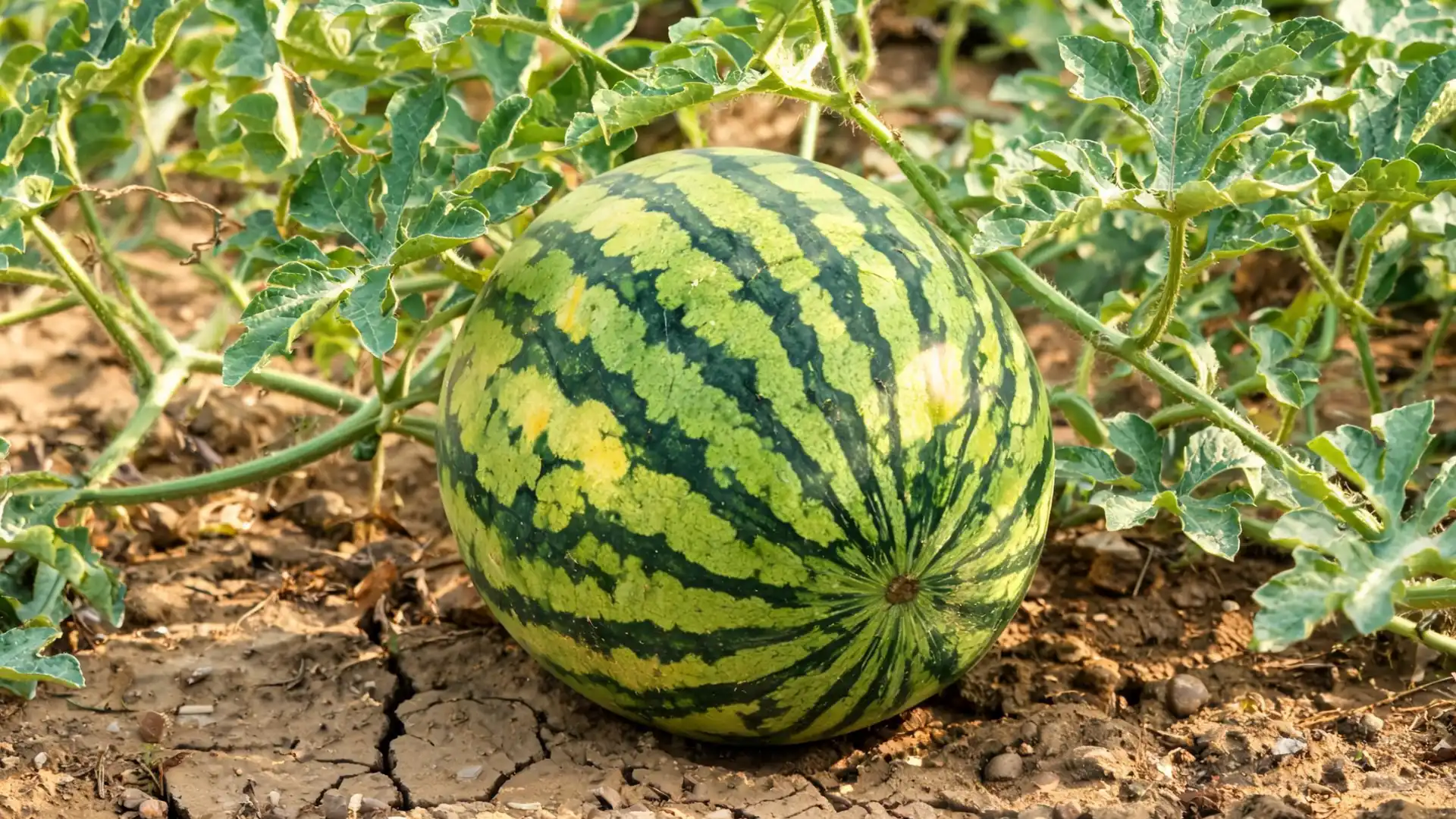
- Look for the curly tendril closest to the watermelon stem to turn brown and dry.
- The ground spot underneath the fruit should change from white to creamy yellow.
- Examine the rind for a dull appearance rather than a bright, glossy surface.
- Tap the watermelon gently and listen for a deep, hollow sound.
- Check the variety’s expected days to maturity and compare them with your planting date.
These signs are more useful when considered together rather than separately.
Once several signs indicate maturity, cut the fruit from the vine with clean garden shears, leaving a short piece of stem attached to avoid unnecessary damage during harvesting.
Tips to Care for Watermelon Plants After Planting
Watermelon plants need consistent care after planting to develop strong vines and healthy fruit.
Focus on proper watering, soil moisture, feeding, weed control, and pollination throughout the growing season.
- Water consistently: Keep the soil evenly moist, especially while vines are growing and fruits are developing.
- Add mulch: Spread mulch around plants to retain moisture, control weeds, and prevent soil from overheating.
- Feed appropriately: Apply a balanced fertilizer as needed, but avoid excess nitrogen that encourages leafy growth.
- Control weeds: Remove weeds carefully by hand to prevent competition without damaging shallow watermelon roots.
- Support pollination: Encourage bees and other pollinators by growing flowers nearby and avoiding unnecessary pesticide use.
Conclusion
Growing watermelon from seed becomes much easier when you start with warm soil, plenty of sunlight, and enough space for the vines to spread.
If you have a large backyard garden or a sunny growing area, starting correctly gives you a better chance of eventually cutting into a fresh, homegrown watermelon.
Now you can choose a watermelon variety that suits your garden and plant your seeds.
What watermelon variety are you going to grow? Share your choice in the comments below.
Frequently Asked Questions
Should You Soak Watermelon Seeds Before Planting?
Soaking watermelon seeds is optional. Soaking them in warm water for several hours may soften the seed coat and encourage slightly faster germination.
Can You Grow Watermelon From Store-Bought Watermelon Seeds?
Yes, but results can vary. Seeds from hybrid watermelons may produce fruit different from the original, while seedless watermelons require special growing conditions.
How Many Watermelon Seeds Do You Put in Each Hole?
Plant two to three watermelon seeds per hole about one inch deep. After seedlings emerge, keep the strongest plant and remove the weaker ones.